
Importance of Professional Commercial Real Estate Photos
High-quality images have become a fundamental component in the marketing strategy of commercial properties, especially within the competitive Miami market. Effective photography not only captures the distinctive features of each property but also enhances its visual appeal, making it stand out in online listings and print advertisements. As potential tenants and buyers increasingly rely on visual impressions before scheduling viewings, professional images serve as a crucial first point of contact. They communicate the property's size, layout, condition, and overall ambiance, allowing prospects to gauge their interest effectively without visiting in person initially.
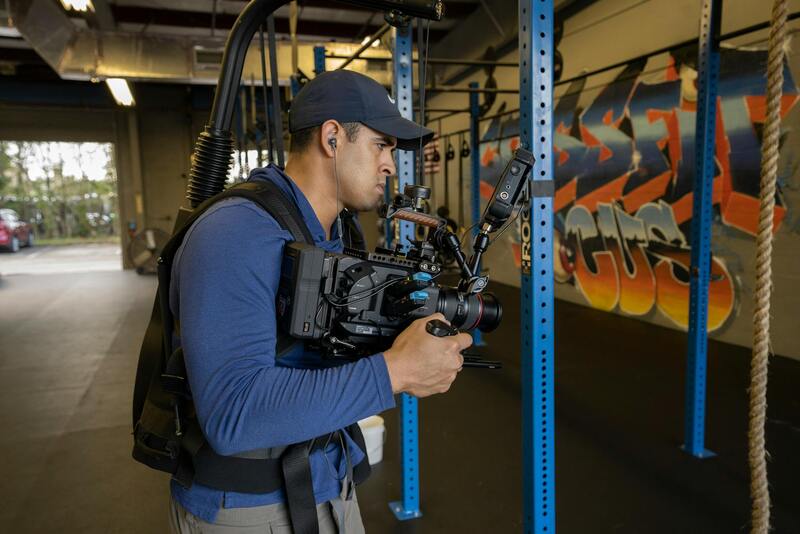
In Miami’s diverse and booming commercial landscape, where properties range from sleek office spaces and retail outlets to industrial facilities, the role of high-quality photography is even more prominent. Businesses and investors are seeking images that convey professionalism, quality, and the potential for growth. Well-executed commercial real estate photos help create compelling listings, attract qualified tenants, and facilitate faster transactions.
Moreover, the visual presentation of a commercial property can enhance branding efforts, showcase unique architectural features, and emphasize location advantages. This is vital in a vibrant city like Miami, where the right visual strategy can influence decision-making and maximize return on investment.
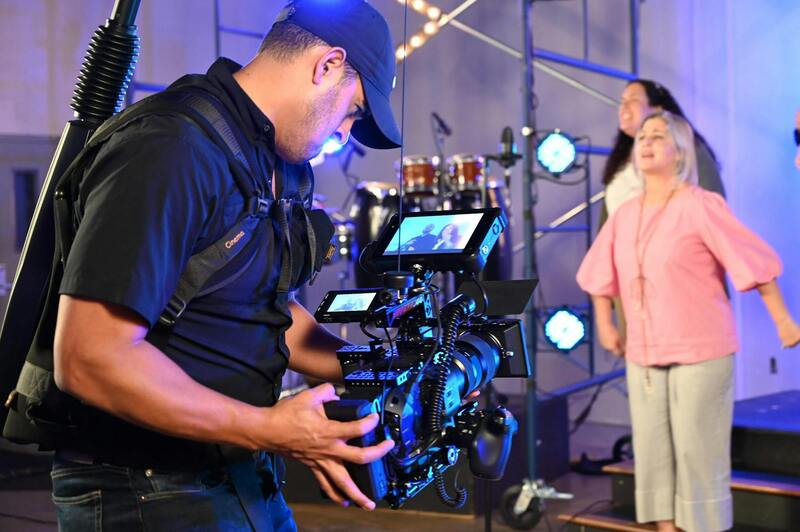
High-quality commercial real estate images also support digital marketing efforts. They improve search engine visibility, enhance social media engagement, and provide consistent branding across various platforms. Investors and tenants increasingly expect polished, professional photos that accurately depict the property and its surroundings, making expert photography an essential element in a comprehensive marketing approach.
In conclusion, the strategic use of professional commercial real estate pictures plays a decisive role in attracting the right prospects, accelerating sales or leasing processes, and enhancing overall market presence. For properties in Miami, where competition is fierce and visual impressions matter more than ever, investing in top-tier photography services is a smart approach that yields measurable benefits.
Types of Commercial Property Photos
Understanding the various types of commercial property photos is vital to crafting a comprehensive visual presentation that appeals to diverse audiences, including investors, tenants, and corporate clients. Different photography styles serve specific purposes, showcasing a property's unique features and lifestyle attributes effectively.
Among the most common types are exterior shots, interior images, aerial photography, and detailed close-ups. Exterior shots provide a first impression of the property's curb appeal and its integration within the surrounding environment. These images should highlight key architectural features, landscape elements, and the overall condition of the building.
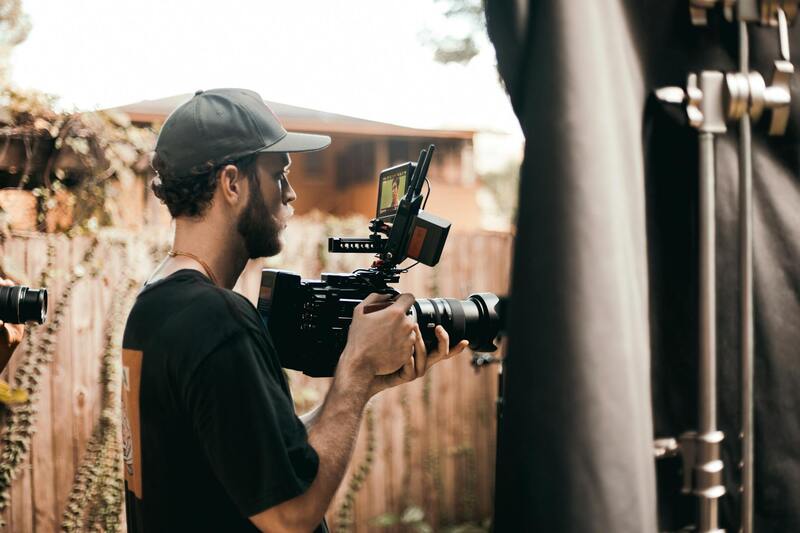
Interior photography focuses on space utilization, finishes, and functionality. These images should be well-lit and highlight the property's most attractive aspects, such as open floor plans, modern finishes, and flexible layouts. Effective interior shots help viewers envision how the space might serve their business needs.
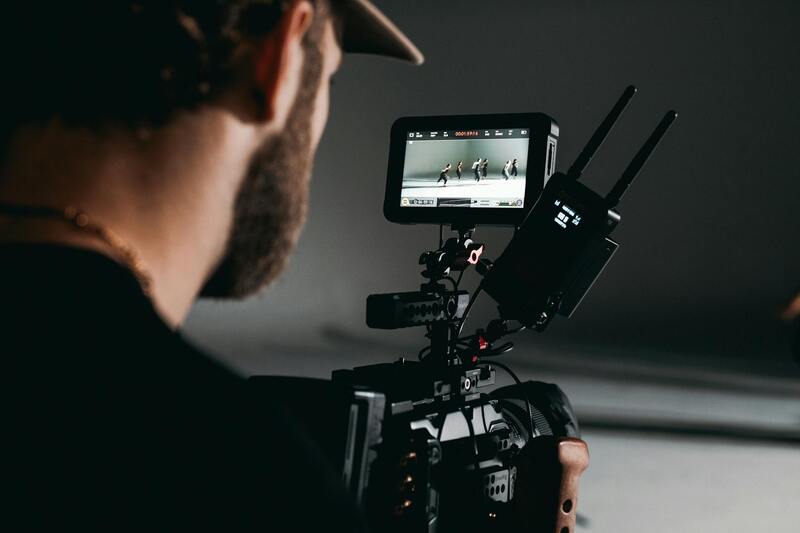
Aerial photography has gained popularity due to advancements in drone technology. Aerial shots offer a comprehensive view of the property, its size, parking availability, and proximity to key infrastructure. These images are particularly useful for large sites, mixed-use developments, and properties with notable surrounding amenities.
- Drone images to showcase the property from elevated perspectives
- Highlighting site accessibility and nearby transportation hubs
- Visualizing surrounding amenities and neighborhood context
Close-up shots include details like signage, landscaping, building materials, or unique architectural elements. Such images add depth to marketing materials and provide potential clients with valuable information that cannot be captured in wider shots.

Integrating a mix of these photographic styles ensures a dynamic and appealing visual portfolio that captures every facet of a commercial property. This comprehensive approach aids in providing a truthful representation, encouraging engagement and speeding up decision-making processes for prospective tenants or buyers.
Importance of Professional Commercial Real Estate Photos
High-quality commercial real estate images serve as a vital tool in attracting prospective tenants and investors. They offer a visual narrative that captures the property's unique features, layout, and ambiance, making online listings more compelling. Professionally captured photos also convey a sense of credibility and trustworthiness, reflecting that the property is well-maintained and worth investment. This visual investment pays dividends by accelerating lease agreements and property sales, reducing the time properties sit on the market. Furthermore, effective commercial photos can highlight specific selling points, such as energy-efficient features, modern finishes, or strategic location advantages, thus aligning visual presentation with the property's core value propositions.
In an increasingly digital marketplace, the role of visual content has expanded beyond mere aesthetics. Commercial real estate investors and tenants rely heavily on online platforms to evaluate properties remotely. As such, compelling visuals not only attract initial interest but also facilitate more informed decision-making processes. They help set realistic expectations about the space, reducing the likelihood of misunderstandings or surprises during physical visits. Additionally, professional photography enables properties to stand out amidst a crowded market, capturing attention quickly and making a lasting impression. It acts as a strategic marketing element that enhances other promotional efforts, whether digital or print.
Key Features of Effective Commercial Real Estate Photography
Creating impactful commercial real estate pictures involves more than just capturing images; it requires a thoughtful approach to composition, lighting, and detail. Here are crucial aspects that define effective commercial property photography:
- Lighting: Proper lighting is essential to showcase interior spaces authentically. Natural light should be maximized, and supplemental lighting used to minimize shadows and highlight key features.
- Composition: Strategic framing emphasizes the property's best features, ensuring rooms appear spacious and inviting. Wide-angle lenses can be employed to capture more expansive views.
- Clarity and Sharpness: High-resolution images with clear details communicate professionalism and attention to quality. Focus should be precise, especially on architectural details and signage.
- Color Accuracy: Photos should represent the property's true colors to create an honest depiction and avoid misleading potential tenants or buyers.
- Styling and Staging: Minimal staging or arranging furnishings can make interior spaces more appealing, illustrating potential uses and design possibilities.
- Aerial Perspectives: Drone photography provides comprehensive views, showcasing property size, parking, and surrounding infrastructure from elevated angles.
- Close-up Details: Highlighting architectural features, signage, landscaping, and building materials adds depth to the visual story, helping potential clients appreciate finer details that influence decision-making.
Integrating these elements into a cohesive photography plan ensures that each property is presented in its best light, capturing its full potential and facilitating effective marketing efforts. Combining interior, exterior, aerial, and detail shots creates a rich visual portfolio that appeals to diverse audiences and supports strategic selling points.
Legal and Ethical Considerations in Commercial Photography
When capturing commercial real estate images, adhering to established practices that uphold integrity and professionalism is vital. Ensuring that photographs accurately depict the property without misrepresentation fosters trust and supports sustained relationships with clients, investors, and potential tenants. Respect for property rights is paramount; always obtain necessary permissions before photographing private or restricted areas. This includes areas with sensitive information, proprietary features, or confidential details that should not be disclosed publicly.
It is important to be transparent about the scope of imagery, clarifying what shots will be taken and the intended use of the images. Consistent with industry standards, photographers should avoid digital enhancements or alterations that could lead to misleading visuals. When modifications are made, they should be limited to color correction and minor adjustments that do not alter the property's perceived features. This ensures prospective clients receive an honest view, fostering credibility.
Respecting the privacy and security of current tenants or occupants is essential. Prioritize obtaining consent, especially when photographing interior spaces that might reveal sensitive operational details or personal belongings. For exterior shoots, ensure that no confidential signage, security features, or proprietary information are unintentionally visible.

photographers should adhere to contractual agreements regarding usage rights, exclusivity, and image confidentiality. Clearly outlining ownership rights prevents misunderstandings and protects clients' interests. Additionally, being mindful about the context in which images are used—whether in marketing materials, online platforms, or presentations—enables responsible sharing and dissemination.
By aligning photography practices with professional standards and ethical guidelines, agencies in Miami create a trustworthy environment that benefits both the photographer and the client. This commitment to honesty and integrity in imagery supports effective marketing strategies, reduces risk, and upholds the reputation of all parties involved.
Legal and Ethical Considerations in Commercial Photography
Adhering to established standards in commercial real estate photography is crucial for maintaining transparency and trustworthiness. Professional practices involve securing appropriate permissions before capturing images, particularly when photographing interior spaces that may contain sensitive or proprietary information. This prevents the inadvertent exposure of confidential details that could compromise the property's operational security or privacy.
It is essential to respect the privacy rights of tenants, occupants, and other stakeholders. This includes obtaining explicit consent for photographs, especially when capturing images that may reveal personal belongings, operational setups, or restricted areas. Visual content should accurately reflect the property without manipulation that could mislead potential clients or investors.
Ownership rights of the images must be clearly delineated through contractual agreements. These contracts specify usage parameters, such as where and how the images can be employed, and protect both the photographer’s and client’s interests. Responsible sharing of commercial real estate pictures involves understanding the appropriate contexts for dissemination, including online listings, portfolios, and marketing campaigns.
Moreover, selecting reputable photography agencies in Miami ensures adherence to these standards. Such agencies are familiar with local regulations and community expectations, which further guarantees that images are produced ethically and professionally, reflecting the true condition and appeal of the properties.

By maintaining rigorous ethical practices, real estate professionals and photographers build credibility in the market. Clients can trust that the visual representations of their properties are accurate and created responsibly, supporting successful transactions and sustained reputation in the industry.
Why High-Quality Commercial Real Estate Pictures Matter
In the competitive landscape of commercial real estate, the visual presentation of a property plays a pivotal role in attracting prospective tenants, investors, and buyers. High-resolution, professionally crafted images serve as the first impression of a property, often determining whether or not a potential client will inquire further. Well-executed commercial real estate pictures highlight the property’s unique features, spatial flow, and overall condition, allowing viewers to grasp its potential without the need for immediate physical inspection.
Effective imagery not only enhances online listings but also elevates marketing materials, including brochures, presentations, and social media campaigns. In today’s digital-first approach, the initial impact of compelling photographs can significantly influence lead generation and conversion rates. Poor-quality or poorly composed images, on the other hand, risk deterring high-value prospects and diminish the perceived value of the property. Thus, investing in professional photographic services is a strategic decision that can directly impact the success of a real estate transaction.
The significance of professional commercial real estate pictures extends to building trust and credibility. Accurate and high-quality images convey transparency and confidence, signaling to potential clients that the property is well-maintained and worth their consideration. Furthermore, consistently high standards in visual content reinforce your reputation as a serious player in the Miami commercial real estate market. Whether you are showcasing office towers, retail spaces, or industrial facilities, premium photos ensure your property stands out amidst the competition.
Key Elements of Effective Commercial Real Estate Photography
- Lighting: Proper lighting accentuates the space and highlights key features. Natural light is preferred when possible, supplemented by professional lighting equipment to eliminate shadows and dark areas.
- Composition: Strategic framing and camera angles showcase the property's best aspects. Emphasizing openness and spatial relationships helps convey real scale and potential uses.
- Resolution and Clarity: High-resolution images ensure details are crisp and visually appealing across digital and print formats, avoiding pixelation or blurriness.
- Staging and Clutter Removal: Well-organized and clean spaces appeal more to viewers, offering a clear view of the property's capabilities.
- Post-Processing: Subtle editing enhances natural features and corrects any distortions, but should avoid misrepresentation.
Different Types of Commercial Property Photography

To provide potential clients with a comprehensive understanding of the property’s appeal, various specialized shots are typically included:
- Exterior Shots: Wide-angle images showcasing the building’s facade, entrance, landscaping, and overall curb appeal.
- Interior Shots: High-resolution images of main areas such as lobbies, conference rooms, open workspaces, and communal facilities.
- Aerial Photography: Drone images offering unique perspectives of large properties, land parcels, and surrounding infrastructure.
- Detailed Close-Ups: Focused shots of particular features like signage, specialty finishes, or architectural details that add value.
- Virtual Tours: Interactive panoramic images or videos that immerse viewers in the property’s environment, ideal for remote viewing.
Preparing Commercial Properties for Photography Sessions
Proper preparation is essential to ensure that the images reflect the property’s true potential. This involves meticulous planning and staging to maximize visual appeal.
- Cleaning and Maintenance: All areas should be cleaned thoroughly, including windows, floors, and surfaces. Address any visible repairs or damages.
- Decluttering: Remove personal items, excess furniture, and clutter that could distract viewers or obscure the space’s size and functionality.
- Lighting Adjustments: Ensure windows are unobstructed to allow natural light in, and consider supplementary lighting for darker areas.
- Signage and Branding: Position signage and branded elements strategically, ensuring they enhance rather than overpower the scene.
- Timing: Schedule shoots during the best lighting conditions, usually late morning or early afternoon, and avoid times when shadows are harsh.
Attention to detail during the preparation phase significantly impacts the quality of final images. Collaborating with a professional photographer experienced in commercial real estate ensures that these preparatory steps align with the technical requirements for striking visuals.
Legal and Ethical Considerations in Commercial Photography
In the realm of commercial real estate photography, adherence to recognized standards and practices is essential to uphold professional integrity and foster trust with clients. Ensuring all photographic content is captured, handled, and presented in ways that respect the rights of all parties involved is a fundamental component of this process.
One key aspect involves acquiring all necessary permissions or clearances before conducting a shoot on any property. This includes coordinated communication with property owners or designated representatives to confirm scheduling and ensure that expectations regarding the use and distribution of images are clearly outlined. Documented agreements help maintain transparency and avoid misunderstandings.
Moreover, it is crucial to respect privacy considerations when photographing interior spaces, particularly if the image might inadvertently include confidential or sensitive areas. This often involves coordinating with property managers or stakeholders to identify which areas are suitable for photography and which should remain off-limits.
In terms of depiction, an honest representation of property features is paramount. This means avoiding manipulative editing or post-production techniques that could mislead potential clients about the space’s dimensions, condition, or features. Accurate visual portrayal not only supports fair marketing practices but also strengthens the credibility of the photography.

It is also beneficial to maintain organized records of all photography agreements, release forms, and client instructions to ensure compliance with established protocols and to serve as reference points in case of disputes or clarifications.
Using legitimate methods to obtain and document permissions not only safeguards the photographer's professional integrity but also enhances the trustworthiness of the marketing materials produced. This approach demonstrates a commitment to quality and ethics that resonates with high-caliber clients seeking dependable commercial real estate imagery.
Ensuring Proper Usage and Distribution of Commercial Real Estate Photos
Effectively leveraging commercial real estate images extends beyond their initial capture. It is essential to handle the distribution and application of these visuals in a manner that aligns with best practices for marketing integrity and professional standards. This includes a strategic approach to licensing, distribution channels, and use rights to protect the interests of property owners and stakeholders alike.
When it comes to licensing, acquiring explicit permissions for each specific use of the images guarantees clarity on how the photos are to be employed. This process often involves establishing licensing agreements that outline permitted channels, duration, and scope of use, whether for online listings, printed brochures, or multimedia presentations. Such agreements prevent unauthorized distribution or alteration, bolstering the credibility of the marketing campaign.
Proper distribution channels are equally important. Commercial real estate photographs should be shared through reputable and appropriate platforms that reach targeted audiences, such as specialized commercial property websites, industry newsletters, or professional social networks. Ensuring the images are optimized for each platform enhances their visibility and impact while maintaining image quality.
Additionally, digital rights management technologies and watermarking techniques serve as practical tools to monitor and control the use of images across various media. These measures deter unauthorized copying or misuse, maintaining the integrity of the visual content and the reputation of the real estate firm.
Moreover, ensuring that all promotional materials incorporate accurate, high-quality images aligns with ethical marketing principles and fosters trust among prospective clients. Regularly updating the image library to reflect current property conditions prevents outdated or misleading visuals from impacting the property’s market effectiveness.
It is also advisable to maintain detailed records of image licenses, distribution logs, and permission correspondence. This documentation supports transparency and accountability, providing a clear trail of permissions and usage rights throughout the marketing process.
By adhering to these comprehensive steps, commercial real estate professionals in Miami can maximize the impact of their visual assets, protect their marketing investments, and sustain a reputation rooted in transparency and professionalism. Carefully managing the lifecycle of commercial real estate images demonstrates a commitment to quality that resonates with discerning clients and partners seeking reliable and effective marketing solutions.