Importance of Video Marketing in Commercial Real Estate
In the competitive landscape of commercial real estate, utilizing high-quality video content has become a vital component of successful marketing strategies. Video marketing enhances the visibility of properties by providing potential clients with engaging, comprehensive views that traditional images alone cannot achieve. Through professionally produced videos, real estate firms can showcase properties’ spatial layouts, design features, and surrounding amenities more effectively, capturing viewer attention and fostering stronger emotional connections.
In an industry where decisions often hinge on first impressions, video content delivers an immersive experience that can significantly influence client perceptions. It allows prospects to explore properties remotely, saving time and broadening reach across geographic boundaries. For commercial properties—be it office spaces, retail centers, or industrial warehouses—video walkthroughs and virtual tours demonstrate functionality, scale, and attractive features in ways static images may fall short. This immersive approach not only elevates property listings but also enhances brand authority and trustworthiness in a saturated market.
Moreover, video marketing plays an instrumental role in generating leads. Well-crafted videos can be shared across various online platforms, including social media, property listing sites, and company websites, providing consistent exposure to target audiences. The integration of testimonials, client success stories, and detailed property features further reinforces credibility and encourages engagement. This multi-channel dissemination ensures the property remains top-of-mind when prospective tenants or investors are making their decision, ultimately speeding up the closing process.
Additionally, professional video content allows property managers and brokers to stand out in a crowded market. High production quality signifies professionalism and attention to detail, which can translate into increased confidence among clients and partners. As digital consumption continues to rise, the role of dynamic visual content in informing and persuading audiences becomes essential — impacting everything from leasing strategies to investment opportunities.
In essence, incorporating video marketing into commercial real estate operations is no longer optional but a strategic necessity. It delivers a powerful combination of visual storytelling, broader reach, and increased engagement, all of which contribute to a more effective property marketing approach that aligns with current digital trends and client expectations.
Creating an Effective Commercial Real Estate Video
To produce impactful commercial real estate videos, a structured approach that highlights the property’s strengths while maintaining a professional aesthetic is essential. This involves meticulous planning, storyboarding, and understanding the target audience's preferences. High-quality visuals should capture the property's architectural features, interior layouts, and surrounding environment to provide viewers with a comprehensive perspective. Using professional-grade equipment ensures crisp imagery and clear audio, which are critical in conveying details effectively.
Developing a compelling script serves as the foundation for a successful video. The narrative should focus on key selling points such as location advantages, accessibility, nearby amenities, and unique architectural or design elements. When appropriate, including voiceovers or on-screen text can emphasize important features without overwhelming viewers. The pacing of the video should strike a balance between thoroughness and engagement, avoiding overly lengthy segments that could lead to viewer fatigue.

Incorporating quality transitions, suitable music, and branding elements helps craft a polished final product. The color grading process should enhance visual appeal while maintaining realism. Ensuring that the final video is optimized for different platforms—including websites, social media, and email campaigns—maximizes its reach and effectiveness. Including calls-to-action (CTAs) directs viewers towards desired outcomes, such as scheduling a viewing or contacting a leasing agent, thereby increasing lead conversion rates.
- Pre-production planning including property analysis and script development.
- Utilization of professional filming equipment and techniques.
- Post-production editing focusing on visual clarity, pacing, and branding.
- Optimized distribution across relevant channels with integrated CTAs.
Attention to detail in every phase of video creation elevates the presentation of commercial properties, fostering trust and interest among prospective clients and investors.
Legal Considerations and Permissions for Commercial Video Shoots
Executing a successful commercial real estate video project requires a comprehensive understanding of the necessary permissions and adherence to official procedures. Securing property access is fundamental, involving coordination with property owners or managers to obtain explicit authorization for filming on location. This process often includes completing formal agreements that outline the scope of the shoot, the intended use of footage, and the duration of access.
Prior to filming, it is essential to obtain releases from individuals who appear in the video, including tenants, employees, or visitors. These releases serve to document consent for their image or voice to be captured and used in promotional materials. For properties within gated communities or secure facilities, additional permissions from governing bodies or security teams may be required to ensure compliance with site access policies.
Within the planning stages, liaising with local authorities and adhering to zoning regulations ensures that filming activities do not disrupt surrounding areas or violate ordinances. Conditional permissions might involve scheduling shoots during designated hours to minimize interference with daily operations. It’s also prudent to review any restrictions related to drone usage if aerial videography is incorporated, as most municipalities have specific protocols governing drone flights.
Documenting all permissions and official approvals is vital, both for safeguarding the project against potential disputes and to uphold transparency. This diligence guarantees that all promotional content is produced within established guidelines and that the footage rights are clear for future use across various marketing channels.

Adhering to these official procedures not only reinforces the professional standards of production but also fosters trust with property owners and stakeholders. It demonstrates a commitment to responsible marketing practices, which can pave the way for ongoing collaborations and future projects. Ultimately, proper permissions and official compliance form the backbone of legitimate and successful commercial real estate videography endeavors, supporting long-term branding and market positioning.
Employing Official and Proven Methods for Video Distribution
To maximize the reach and impact of your commercial real estate video, utilizing official and established distribution channels is essential. These methods ensure your content is accessible to a targeted audience, including potential investors, tenants, and industry professionals, while maintaining the professional integrity of your marketing strategy.
One primary avenue is embedding videos directly on your official website, such as MiamiVideoCompany.us, where visitors can view high-quality footage seamlessly integrated into property listings or informational pages. This approach not only enhances user engagement but also improves time spent on your site, which can positively influence search engine rankings.
In addition, sharing videos through reputable real estate portals and industry-specific platforms ensures your property gains visibility within relevant circles. These platforms often have robust audiences actively seeking commercial listings, and video content can significantly increase the likelihood of inquiries and conversions.
Leveraging social media channels is another efficient method for distributing commercial real estate videos. Platforms like LinkedIn, Facebook, and Instagram provide targeted advertising options that allow precise audience segmentation, ensuring your content reaches decision-makers and potential tenants. Video advertisements on these platforms can be tailored to highlight specific property features, recent renovations, or commercial advantages tailored to viewer interests.
Official email marketing campaigns are also highly effective for maintaining contact with your existing network and nurturing leads. Including embedded video content within newsletters or dedicated outreach emails can stimulate engagement and prompt direct inquiries. Consistent updates via email, paired with compelling video showcases, strengthen your brand presence and credibility within the commercial real estate market.
Furthermore, partnering with established real estate brokers and property management firms can facilitate co-marketing initiatives. These collaborations often involve sharing extensive video content across their professional networks, expanding your property's exposure to qualified audiences.
In implementing these methods, always ensure that your videos are optimized for each platform. This involves adhering to recommended aspect ratios, file sizes, and formatting standards to ensure high-quality playback and fast loading times. Proper tagging and detailed descriptions also contribute to discoverability within search results and platform algorithms, thereby increasing organic reach.
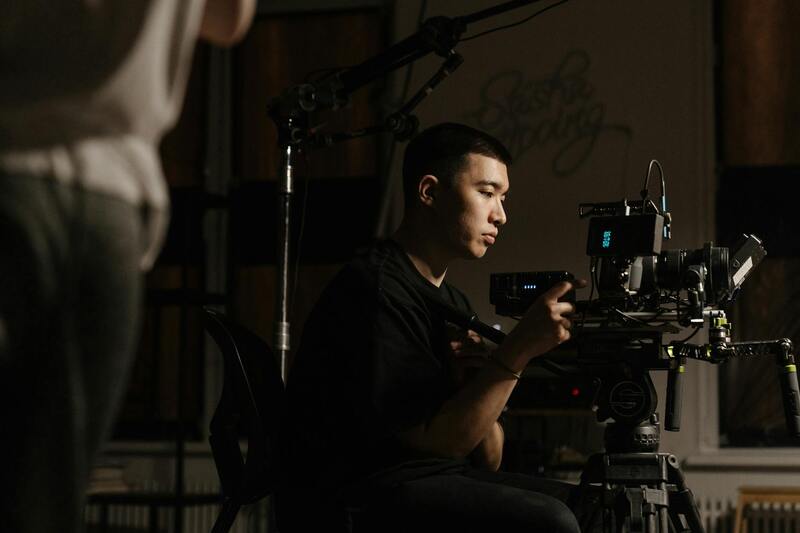
By meticulously managing the distribution process through official channels and professional networks, your commercial real estate videos can achieve greater visibility, attract a highly relevant audience, and generate measurable results. This strategic approach underscores the importance of leveraging legitimate avenues that align with industry standards, ensuring your marketing efforts are both effective and sustainable over the long term.
Legal Considerations and Permissions for Commercial Video Shoots
Securing the appropriate permissions and adhering to official requirements are crucial steps in the production of commercial real estate videos. These measures ensure that all content created aligns with established guidelines and industry standards, fostering trust with viewers and stakeholders. The first step involves obtaining rights to capture footage at commercial properties. This requires formal approval from property owners or authorized representatives, preferably documented through written agreements or permissions. When filming on-site, it is essential to conduct comprehensive site assessments to identify any restrictions, such as private areas or sensitive zones not accessible for filming. Confirming these restrictions beforehand prevents unnecessary disruptions and maintains professionalism. Moreover, for any individuals featured in the videos, consent forms should be secured, particularly if the footage includes faces, voices, or other identifiable elements. These consents clarify the scope of use and protect against potential disputes. For properties listed through leasing or sales channels, ensuring that all footage complies with existing branding and marketing policies is vital. Many organizations have specific guidelines regarding the portrayal of their spaces, staff, or branding elements. Adhering to these guidelines maintains brand consistency and upholds the property's reputation. In addition to securing permissions, aligning video content with local regulations concerning filming permits is necessary. Some jurisdictions require filming permits for commercial productions, which involve submitting detailed plans and schedules for review by relevant authorities. Obtaining these permits in advance avoids legal complications and ensures smooth production processes. Furthermore, when utilizing third-party music, images, or footage, it is imperative to verify licensing rights. Using copyrighted materials without proper authorization can lead to significant legal challenges and damage the credibility of your marketing efforts. To mitigate such risks, source content from licensed providers or create original media. Finally, documenting every stage of permission obtaining and compliance activities provides a clear trail of adherence to official standards. This documentation can be invaluable in case of disputes or audits. By emphasizing thoroughness and professionalism in permissions and legal adherence, commercial real estate video productions will stand on solid ground, reflecting positively on your brand and maximizing the impact of your marketing initiatives.
Legal Considerations and Permissions for Commercial Video Shoots
Executing successful commercial real estate videos in Miami necessitates diligent attention to a variety of official procedures and permissions. First, it's crucial to secure the appropriate filming permits from local authorities to ensure compliance with city regulations. These permits typically require submission of detailed plans, including filming schedules, locations, and the nature of the production. Obtaining these permissions well in advance helps prevent disruptions and facilitates smooth shoot execution.
In addition to permits, respecting privacy rights is paramount. When filming on private property or capturing individuals, it is essential to secure explicit consent from property owners and any persons identifiable in the footage. This process involves clear communication about how the footage will be used, stored, and distributed. Ensuring all necessary releases are obtained mitigates risks associated with privacy disputes and aligns with established standards for responsible content creation.
Moreover, adhering to specific guidelines related to protected areas is vital. Certain Miami locations may have restrictions or require special permissions for filming, especially in commercial districts, historical sites, or environmentally sensitive zones. Consulting with local authorities or property managers about these restrictions to acquire any additional clearances minimizes potential violations.

Another critical element involves licensing and copyright considerations for any third-party content integrated into the videos. This includes music, images, or clips that are not originally created but are incorporated to enhance visual appeal. It is vital to verify licensing agreements to prevent infringement issues. Utilizing licensed or royalty-free media ensures that your marketing efforts remain compliant with official standards and protect your brand from legal complications.
Furthermore, maintaining comprehensive documentation of all permissions and approvals obtained throughout the production process provides a clear record of adherence. Such records are valuable for audits, disputes, or inquiries, demonstrating a transparent and professional approach to legal compliance. Proper documentation not only safeguards your production but also reinforces your organization’s reputation for operating within authorized frameworks.
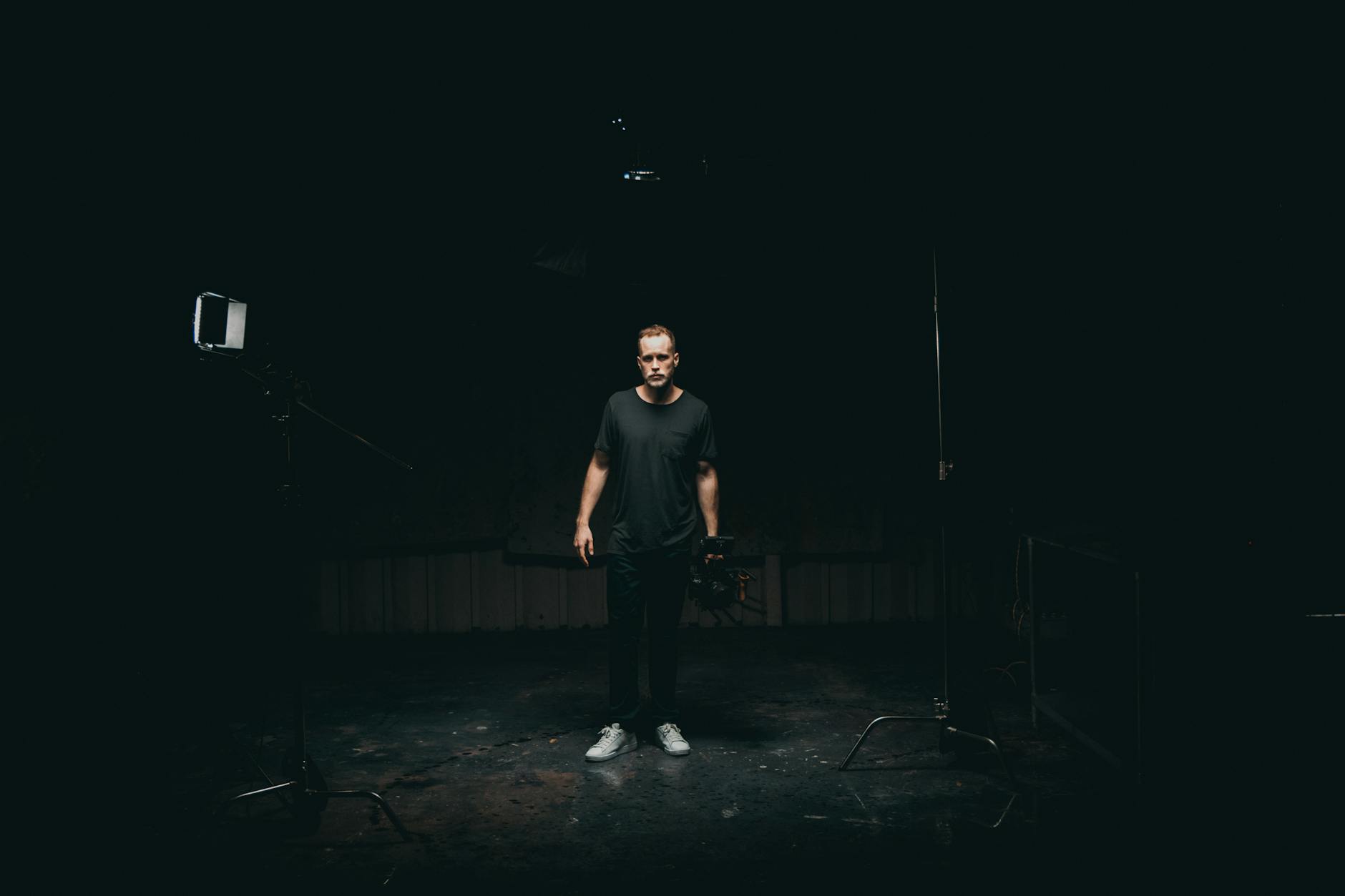
Addressing these official procedures with precision and thoroughness ensures that your commercial real estate videos are produced ethically, responsibly, and smoothly. This adherence not only protects your organization from potential disputes but also enhances credibility, paving the way for successful marketing initiatives that resonate with prospective clients and investors.
Legal Considerations and Permissions for Commercial Video Shoots
Ensuring compliance with official protocols when producing commercial real estate videos in Miami is essential for a smooth and professional process. Securing the appropriate permits involves coordinating with local authorities and property managers to obtain necessary approvals prior to filming. This proactive approach helps set clear expectations, reduces potential disturbances, and aligns with the regulations governing filming activities within the city. Key steps include submitting detailed plans outlining the scope of shoot, equipment to be used, and any logistical requirements. This documentation should clearly specify the dates and times of filming to prevent disruptions to ongoing property operations. Communicating with stakeholders well in advance allows for necessary adjustments and fosters collaborative relationships, which are vital for seamless production. Moreover, respecting property rights and access restrictions forms a critical part of the filming process. Obtaining written consent from property owners or managers ensures authorized use of the space, avoiding any misunderstandings or disputes during or after the shoot. These permissions often include stipulations about signage, safety protocols, and cleanup, aligning the production with the property’s operational standards. The review of Miami’s filming ordinances and zoning laws also plays a key role in planning effective video shoots. Different districts may have specific guidelines governing the type and duration of filming activities, noise levels, and parking arrangements. By engaging with city officials and following established procedures, production teams can mitigate risks and demonstrate a commitment to responsible practices. Additionally, respecting privacy rights and property aesthetics enhances the professionalism of the project. Limiting the inclusion of private areas without explicit consent, and ensuring the visuals accurately represent the property’s features, supports a trustworthy presentation to prospective clients. This level of diligence not only complies with official standards but also builds confidence among viewers and stakeholders. ### Permits and Documentation
- Secure filming permits from local authorities before scheduling shoots.
- Obtain written approvals from property owners or managers.
- Provide detailed plans outlining logistics and scope to relevant agencies.
- Review and comply with Miami’s zoning and filming regulations.
- Maintain a comprehensive record of all permissions, permits, and communications.
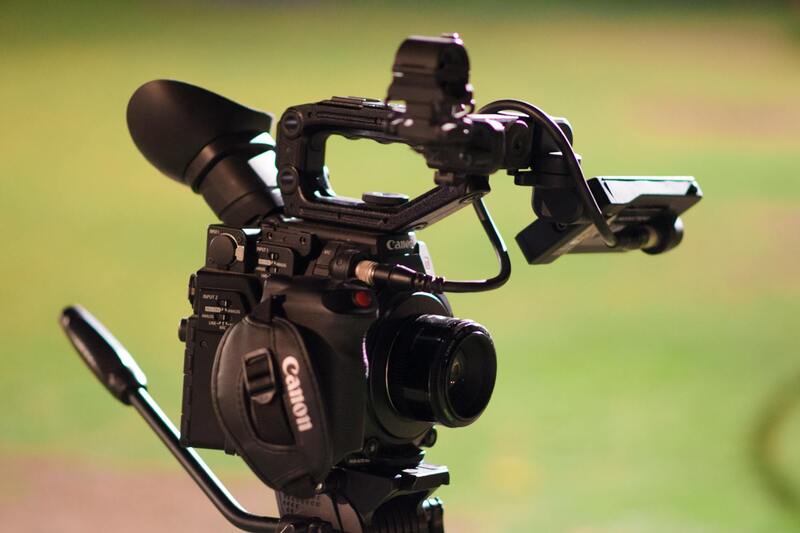
Legal Considerations and Permissions for Commercial Video Shoots
Executing a commercial real estate video production within Miami’s vibrant property landscape requires adherence to established protocols that ensure smooth operations and uphold professional standards. Securing the appropriate permissions and documentation is a vital component of this process, safeguarding the production against potential setbacks and demonstrating commitment to responsible practices.
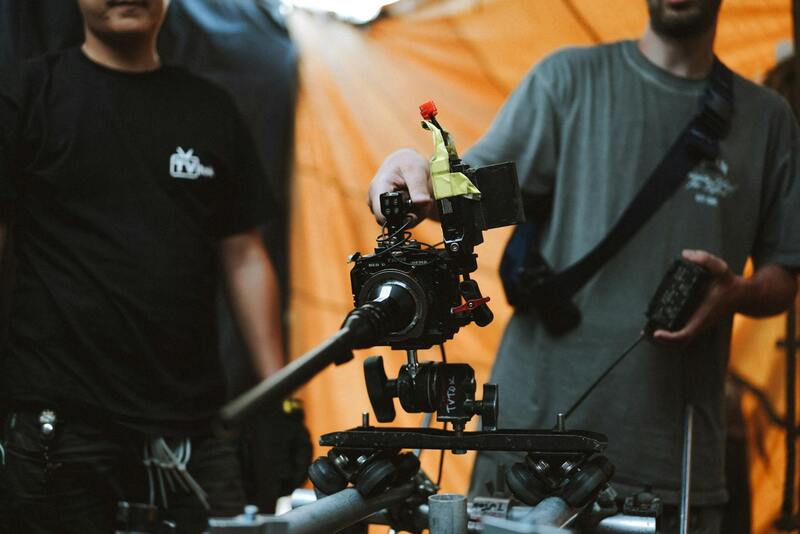
Permits and Documentation
- Filming Permits: Obtain these from local authorities well in advance of planned shoots. Miami’s zoning and film commission provide clear guidelines and application processes for commercial filming, ensuring the production adheres to city regulations.
- Owner and Management Approvals: Secure written consent from property owners or managers. This documentation confirms permission to film on-site and confirms the scope of the shoot, contributing to transparency and trustworthiness.
- Detailed Planning Documentation: Provide a comprehensive plan outlining logistics, scope, and intended use of footage to the relevant agencies. This helps coordinate efforts and preempt any misunderstandings or miscommunications.
- Compliance with Local Regulations: Review and follow Miami’s specific zoning, noise, and filming regulations to avoid disruptions or violations that could delay or halt production.
- Record Keeping: Maintain meticulous records of all permissions, permits, and communications. These records serve as evidence of due diligence and ensure accountability throughout the process.
Best Practices for Permission Management
Establishing clear communication channels with property owners and local authorities fosters a professional partnership and smoother permit acquisition. Transparency regarding the scope, duration, and content of the shoot enhances cooperation, while detailed documentation reduces potential conflicts. Furthermore, engaging with Miami’s official channels and adhering strictly to procedural guidelines exemplifies exceptional due diligence that bolsters the production’s credibility.
Impact on Brand Reputation
Implementing these legal and procedural measures demonstrates a commitment to ethical standards and responsible marketing. This not only prevents legal complications but also positively influences brand perception among clients, partners, and regulatory bodies. Maintaining a proactive approach to permissions underscores your organization’s integrity and enhances trustworthiness within Miami’s competitive commercial property market.