
Importance of Videography in Commercial Real Estate
In the competitive Miami commercial real estate market, showcasing property assets effectively is crucial for attracting the right tenants, buyers, and investors. Professional commercial real estate videography has emerged as a foundational component of modern property marketing strategies. High-quality videos enable real estate professionals to provide immersive visual experiences that static images alone cannot achieve, allowing prospects to explore the property remotely and gain a comprehensive understanding of its features and layout.
Visual content significantly enhances online listings by increasing engagement and keeping prospective clients invested in the property’s presentation. Property videos are often shared across multiple digital platforms, including websites, social media, and email campaigns, amplifying outreach efforts. This digital visibility not only attracts more inquiries but also shortens the sales cycle, as clients are able to make informed decisions more swiftly.
In Miami’s vibrant and diverse commercial real estate environment, impactful videography plays a pivotal role in differentiating listings. It helps properties stand out amidst a crowded market by highlighting unique architectural details, interior finishes, and strategic location advantages in a dynamic, engaging format. Such videos create a compelling narrative around the property, emphasizing its potential for business operations, investment, or development.
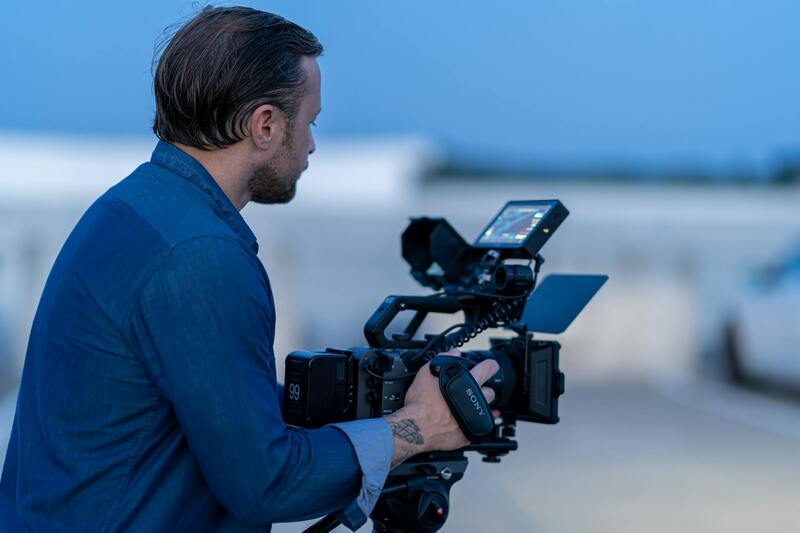
Beyond visualization, commercial real estate videos foster a sense of trust and professionalism. When prospective clients see polished, well-produced videos, they perceive the property and the associated real estate firm as credible and dedicated to quality. This perception can drive higher conversion rates, ensuring that properties attract the right levels of interest and momentum toward closing deals.
Furthermore, expertly crafted videos serve as valuable tools for ongoing marketing efforts. They can be repurposed for virtual tours, promotional campaigns, or informational content, providing long-term value for property owners and brokers. In a market where timing and presentation are critical, commercial real estate videography becomes an essential element for maximizing marketing effectiveness and securing successful transactions in Miami's competitive landscape.
Types of Commercial Real Estate Videos
For commercial property marketing in Miami, deploying a diverse range of video formats ensures comprehensive property presentation and maximizes appeal to various target audiences. Each format serves a specific purpose and can be tailored to highlight key features, strategic advantages, and the potential of the property.
- Property Tours: These videos offer an immersive, walk-through experience, guiding viewers through interior spaces, exterior façades, and surrounding amenities. They enable prospective tenants or buyers to visualize the property’s layout and spatial relationship, even from remote locations.
- Drone Footage: Utilizing UAVs allows capturing expansive views of large properties, commercial districts, and development sites from a bird’s-eye perspective. Drone videos emphasize the property’s scale, neighborhood context, and accessibility, which are crucial for investors and developers.
- Aerial Shots: Similar to drone footage but often captured via helicopter or fixed-wing aircraft, aerial shots depict the property’s placement within the larger economic zone or cityscape, accentuating its prominence and strategic positioning.
- Promotional Videos: These are polished, branded videos designed to tell a compelling story about the property or portfolio. They often incorporate client testimonials, key selling points, and call-to-action to boost engagement and lead generation.
- Virtual Tours: Interactive, 360-degree videos or VR-ready content provide an in-depth experience, allowing viewers to navigate the space at their own pace. Virtual tours cater to remote decision-makers, reducing the need for physical visits and accelerating the leasing or buying process.
- Event Highlights: Videos documenting open houses, groundbreaking ceremonies, or leasing events foster community engagement and generate buzz around the property or development project.
 igure>
Enhancing Reach and Engagement Through Varied Video Content
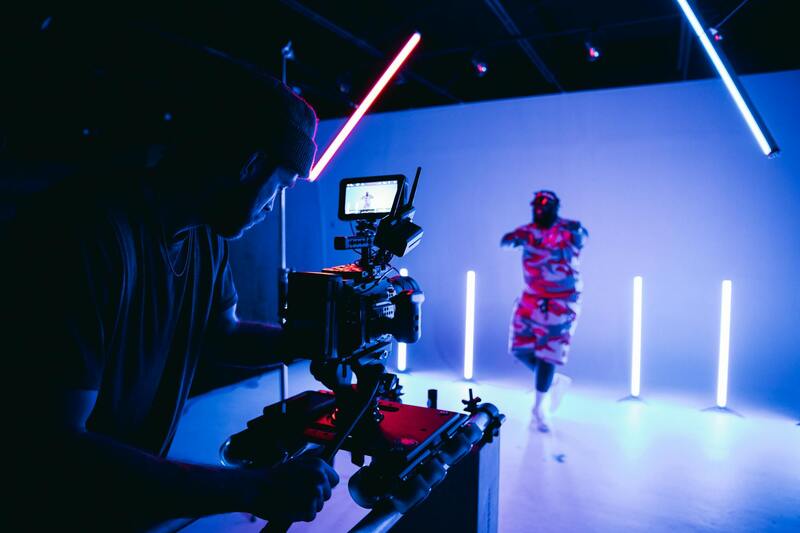
Mixing these video types within a comprehensive marketing strategy enhances the property's visibility across multiple channels. Property websites, social media platforms, virtual reality platforms, and email campaigns benefit from a variety of engaging formats that captivate diverse audiences. Each format can be optimized for specific distribution methods, ensuring maximum reach and engagement in Miami’s dynamic commercial market.
 igure>
By carefully selecting and customizing these video formats, real estate professionals can communicate the property's unique selling points more effectively, appeal to different buyer preferences, and ultimately increase the likelihood of successful transactions.
Key Features of Effective Commercial Real Estate Videos
Creating impactful commercial real estate videos requires attention to several critical elements that help convey the property’s true value and attract prospective clients. High-resolution visuals are paramount; they ensure clarity, color accuracy, and a professional appearance that highlights the property’s best features. Utilizing high-quality cameras, stabilized gimbals, and proper lighting techniques can significantly improve visual clarity and depth.
Engaging narration or voice-over adds context, guiding viewers through the space and emphasizing distinctive attributes. This narration should be clear, professional, and aligned with the property’s branding tone. It helps viewers understand the strategic advantages of the location, layout, and amenities without feeling overwhelmed.
Accurate property details, such as square footage, zoning information, and key features, should be integrated smoothly into the visual content. Interactive graphics, overlays, or text annotations can make this information easily digestible, helping viewers retain important facts without disrupting the flow of the video.
Strategic staging involves arranging the space to showcase its potential, radiating professionalism and appeal. Well-staged scenes can evoke the intended atmosphere, whether it’s a modern office environment or a sprawling retail space. Proper staging also assists in highlighting key areas such as conference rooms, lobbies, or outdoor spaces, catering to the specific interests of potential tenants or buyers.
Planning and Pre-Production Process
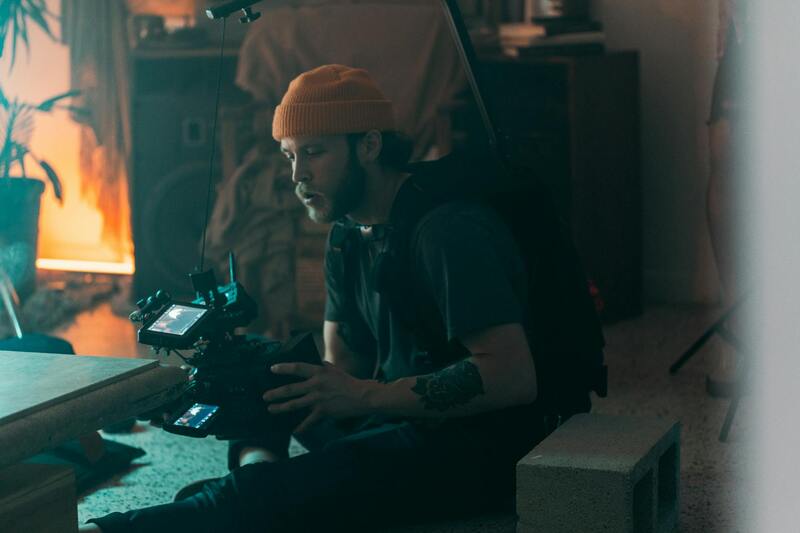
Successful commercial real estate videography begins with meticulous planning. This phase involves understanding the target audience, defining key messages, and outlining the desired video style—whether cinematic, documentary-style, or fast-paced walkthroughs. Site assessments are essential to identify optimal shooting angles, lighting conditions, and potential challenges.
Developing a detailed shot list ensures comprehensive coverage of the property, capturing all critical aspects that appeal to prospective tenants or investors. Coordination with property managers or stakeholders facilitates access and ensures all necessary spaces are prepared for filming. Additionally, securing permits if required for drone or aerial shots is a vital step within this planning stage.
Videography Techniques and Equipment
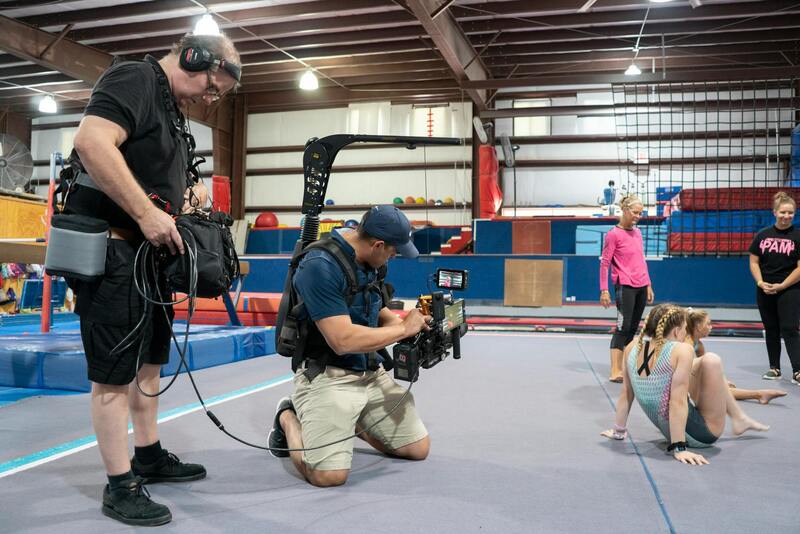
Employing advanced techniques can elevate the production value of commercial real estate videos. Utilizing drone photography provides sweeping panoramic views and highlights the property's position within its environment. Stabilized camera rigs enable smooth walkthrough footage that impresses viewers with professional quality.
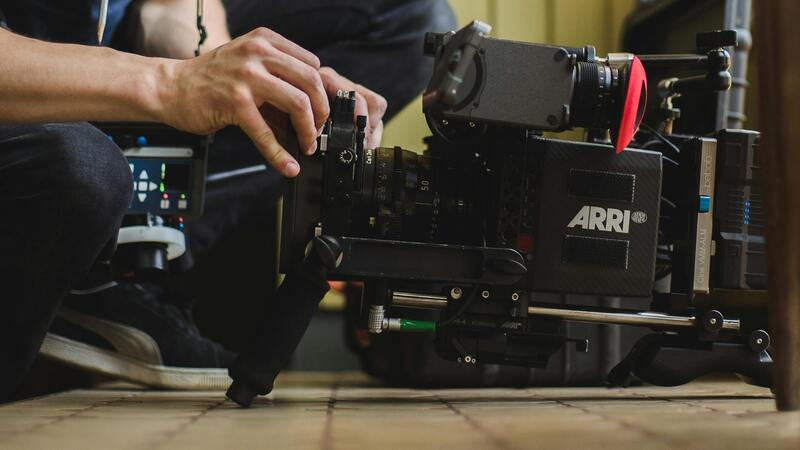
Wide-angle lenses maximize space visibility, showcasing interiors and exteriors comprehensively. 360-degree cameras and virtual reality equipment facilitate immersive virtual tours that cater to remote prospects. Additionally, proper lighting equipment, including portable LED panels, ensures interiors are well-lit, emphasizing architectural details and reducing shadows.
Editing and Post-Production for Commercial Real Estate Videos
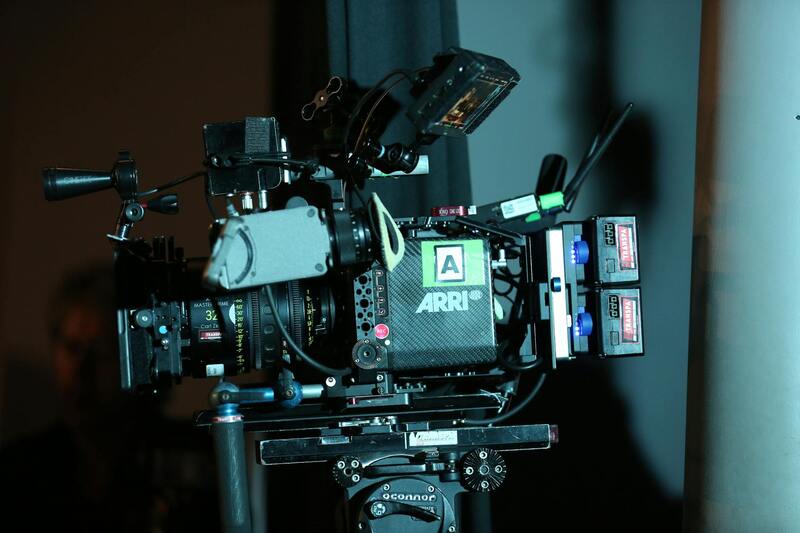
Post-production processes refine raw footage into compelling marketing tools. Color grading enhances visual appeal, ensuring consistency in tones and enhancing the property’s aesthetics. Seamless editing cuts unnecessary footage, creating a concise, engaging narrative that maintains viewer interest.
Adding branding elements, such as logos and contact information, reinforces professional identity. Incorporating animated text overlays can highlight key features or statistics attractively. Sound design, including background music and clear narration, enhances the overall viewing experience, making the video more memorable and impactful.
Distribution and Marketing Strategies
Effective distribution maximizes the reach of commercial real estate videos. Embedding videos on dedicated property websites, optimizing them for search engines, and sharing across social media channels increase visibility. For targeted outreach, email campaigns with embedded video content foster direct engagement with prospects.
Virtual reality and augmented reality platforms allow immersive experiences that can be shared broadly, attracting international or remote investors. Paid advertising on platforms like LinkedIn, Google Ads, and industry-specific channels can further enhance the property's exposure to qualified buyers or tenants.
Tracking analytics and engagement metrics helps refine marketing strategies, allowing real estate professionals to understand viewer preferences and optimize future content. Regular updates and new footage keep marketing efforts fresh and aligned with market trends in Miami’s competitive commercial environment.
Planning and Pre-Production Process
Effective commercial real estate videography begins with meticulous planning and preparation. This phase involves developing a comprehensive script that highlights the property's most compelling features, ensuring that the narrative aligns with the target audience's interests and expectations. Creating a detailed shot list helps organize the footage requirements, specifying angles, lighting conditions, and focal points for each scene. It’s essential to tailor this plan to the unique characteristics of Miami’s commercial properties, which may include waterfront views, modern office interiors, or expansive industrial spaces.
Scheduling the shoot involves coordinating with property owners, tenants, and other stakeholders to find optimal times that minimize disruptions and capitalize on natural lighting conditions, such as the golden hour for exterior shots. Logistical arrangements include securing necessary permits, parking, and access routes, particularly for large or restricted sites. In high-demand markets like Miami, coordinating these details in advance ensures a smooth filming process without delays or re-shoots.
Pre-production also encompasses equipment preparation. This includes selecting the appropriate cameras, stabilization gear, drone technology for aerial footage, and lighting setups suited to indoor and outdoor environments. Having backup equipment and contingency plans is crucial to address unforeseen issues, such as weather changes or technical failures. Documenting all details ensures consistency and efficiency during the shoot, ultimately contributing to a polished final product that meets professional standards and reflects Miami’s vibrant commercial real estate landscape.
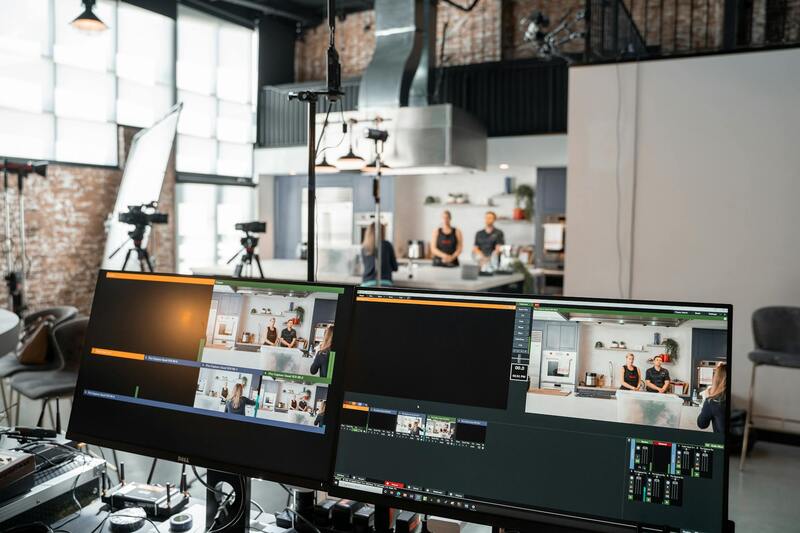
Additionally, understanding specific Miami zoning requirements and property access regulations is vital to avoid legal complications during filming. This comprehensive approach during the planning stage sets the foundation for capturing high-quality footage that effectively showcases the property's appeal to investors, tenants, and stakeholders alike.
Importance of Videography in Commercial Real Estate
In the highly competitive market of Miami’s commercial real estate, high-quality videography serves as a vital tool to differentiate properties and attract potential tenants and investors. Capturing the essence of a space through dynamic visuals offers a comprehensive perspective that photos alone often cannot provide. Video tours allow viewers to understand spatial relationships, circulation, and the ambiance of a property, making it easier to evaluate its suitability without physically visiting the site. Additionally, videos enhance online listings by increasing engagement, reducing time on the market, and improving search engine visibility.
Effective commercial real estate videography builds trust and credibility by showcasing transparency and professionalism. Viewers can get a realistic feel for a property, which reduces uncertainties and accelerates decision-making processes. For property managers and brokers in Miami, leveraging high-quality videos not only amplifies marketing efforts but also elevates the perceived value of their listings in the eyes of prospective clients, investors, and partners.
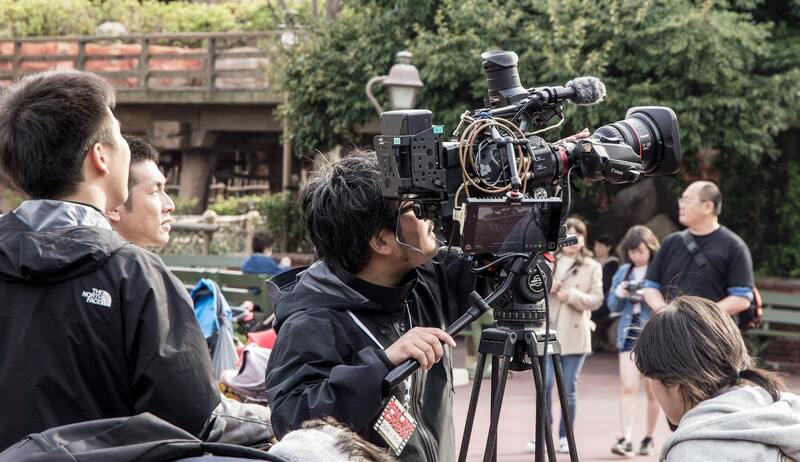
Furthermore, videos serve as an adaptable asset that can be repurposed across multiple channels, including social media platforms, property websites, and virtual tours. This versatility ensures consistent branding and messaging, solidifying a property's presence in a crowded marketplace. Real estate professionals who incorporate compelling videography into their marketing strategy are more likely to generate leads and foster long-term relationships with clients who value thorough, engaging, and accessible property presentations.
Types of Commercial Real Estate Videos
Creating diverse video types tailored to specific marketing objectives maximizes the impact of commercial real estate videography. Each format serves a different purpose, allowing property owners and brokers to communicate unique selling points effectively.
- Property Walkthroughs: These videos provide an immersive experience, guiding viewers through the entire property with smooth camera movements and narration. Walkthroughs highlight layout, flow, and key features, offering a comprehensive perspective that stimulates interest.
- Aerial Drones: Drone footage captures an expansive view of the property and its surroundings, offering context about accessibility, neighborhood characteristics, and proximity to key amenities. Elevated shots convey scale and impressive views, especially for large developments or commercial campuses.
- Virtual Tours: Combining multimedia elements such as interactive floor plans, narration, and 3D walkthroughs, virtual tours deliver an engaging, self-guided experience suitable for remote clients or international investors. This format is essential for expanding reach in a global market.
- Testimonial and Stakeholder Videos: Incorporating testimonials from tenants, investors, or property managers adds credibility, demonstrating the value and satisfaction associated with the property. These videos foster trust and encourage engagement.
- Promotional Content: Short, compelling videos focusing on key selling points, upcoming developments, or investment opportunities can be shared across social media channels to generate buzz and attract interest promptly.
Key Features of Effective Commercial Real Estate Videos
To ensure maximum engagement and clarity, effective videos should incorporate several essential features:
- High-Quality Visuals: Crisp, well-lit footage that accurately represents the property’s features. Use of 4K cameras and stabilized equipment ensures smooth, professional visuals.
- Strategic Lighting: Proper lighting enhances the property’s best features, minimizes shadows, and creates an inviting atmosphere. Both natural light and supplementary lighting are employed depending on the setting.
- Compelling Narration and Text: Clear, concise narration guides viewers through the property, emphasizing its benefits. On-screen text can highlight key details such as square footage, amenities, and leasing terms.
- Smooth Camera Movements: Techniques such as panning, tilting, and steady-cam shots contribute to a polished viewing experience, avoiding jittery footage and maintaining viewer interest.
- Consistent Branding: Incorporating branding elements like logos, color schemes, and contact information reinforces the property’s identity.
- Optimized Length: Professional videos generally range from 1 to 3 minutes, ensuring viewer engagement without information overload.
Planning and Pre-Production Process
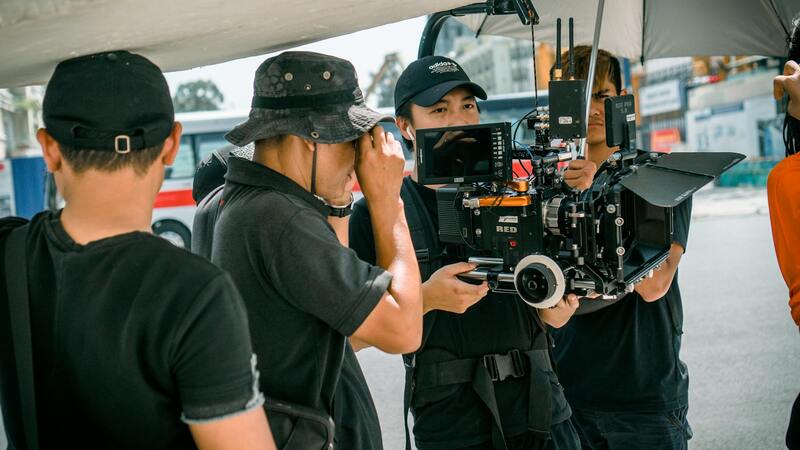
Effective commercial real estate videography begins long before the camera rolls. Pre-production involves meticulous planning to align visual storytelling with marketing goals. This phase encompasses detailed site visits, storyboard creation, and coordination with property owners and stakeholders to schedule shoots during optimal times, considering lighting conditions and minimizing disruptions. Securing necessary permits and access arrangements is crucial to avoid delays, especially in Miami’s bustling market.
Equipment preparation is integral to success. This includes selecting the appropriate camera gear, stabilization rigs, drones for aerial footage, and lighting setups tailored to indoor and outdoor environments. Backup equipment, contingency plans for weather changes, and weather-resistant gear ensure shoot continuity. Special attention is given to understanding Miami-specific zoning and property access regulations to facilitate smooth operations without legal hindrance. Thorough planning ensures a seamless filming process, resulting in high-caliber footage that accurately captures the property’s best attributes and appeals to the target audience.
Videography Techniques and Equipment
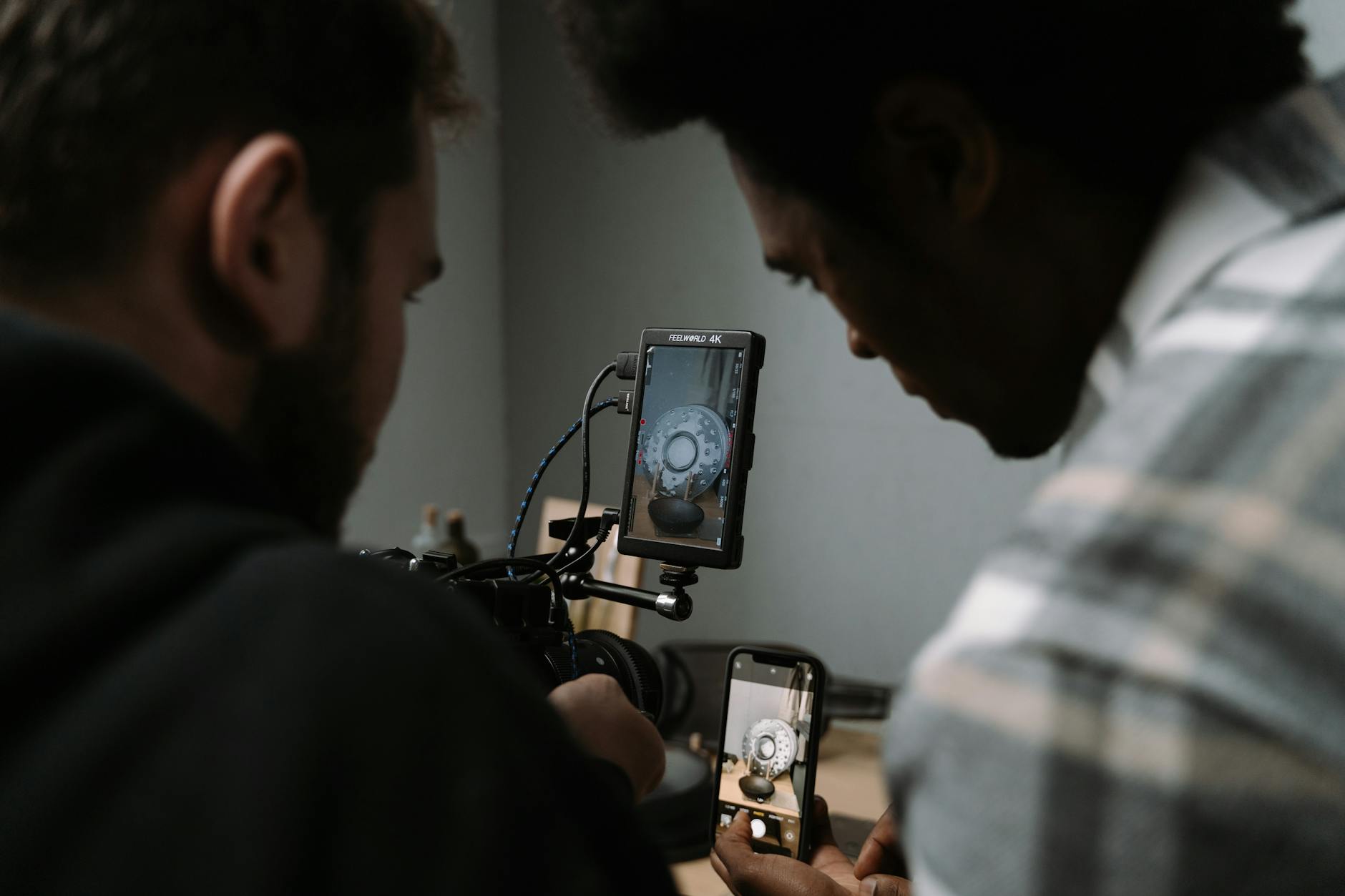
Implementing the right techniques and equipment is essential to producing compelling commercial real estate videos that stand out in Miami’s competitive market. High-quality visuals depend not only on the camera gear used but also on the shooting methods applied to best showcase the property’s features. Optical stabilization systems, such as gimbals and steadicams, ensure smooth, fluid footage even when shooting on the move or in dynamic environments. For aerial shots, drone technology provides breathtaking perspectives that highlight property scale, layout, and surrounding amenities, giving potential investors or tenants a comprehensive view that static images simply cannot match.
Incorporating advanced camera setups, including wide-angle lenses, allows videographers to capture expansive indoor and outdoor spaces, emphasizing openness and layout. For interior scenes, proper lighting is crucial to reveal details and create inviting atmospheres. LED lighting panels, color-balanced to match natural light, can be strategically positioned to highlight key architectural elements or upgrades.
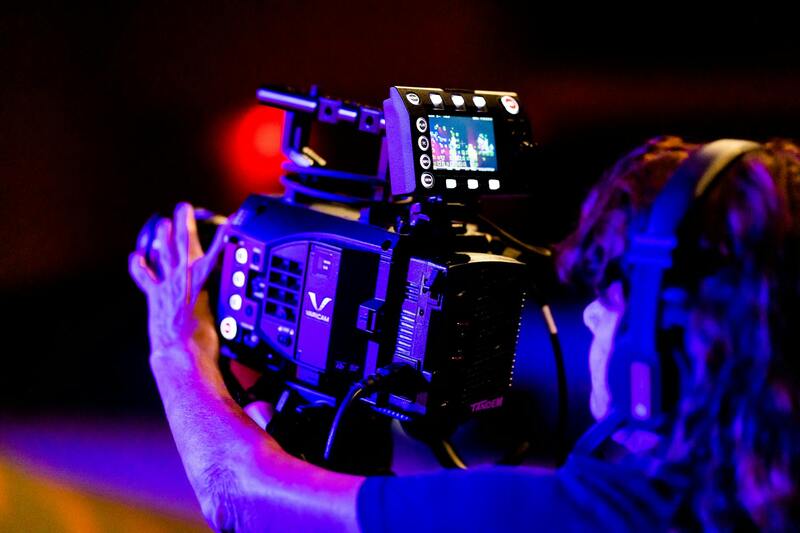
In addition, utilizing different shooting techniques such as tilt-shift lenses, hyper-lapse sequences, or time-lapse footage can add visual interest and context to a property walkthrough. When combined with meticulous shot planning, these techniques provide a cohesive narrative that guides viewers through the property’s unique features, creating an emotional connection and increasing interest.
Part of the equipment strategy involves preparedness for Miami’s unique climate conditions. Weather-resistant cameras and protective gear ensure shooting can proceed despite the high humidity or sudden rain showers. Backup batteries and storage media are essential for uninterrupted filming, especially during extended shoots or complex projects involving multiple locations.
Finally, post-shoot review and footage organization streamline the editing process, enabling quick turnaround times and ensuring all desired shots are captured and preserved for seamless editing. Proper technique application and state-of-the-art equipment are fundamental in capturing crisp, vibrant, and impactful videos that elevate your property’s marketing profile in Miami’s vibrant commercial real estate landscape.
Maximizing Reach Through Strategic Video Distribution
Once a high-quality commercial real estate video has been produced, the next crucial phase involves its strategic dissemination to reach the target audience effectively. There are several official channels and methods that can optimize visibility and engagement, ensuring that property listings attract qualified buyers and investors in Miami's competitive market.
Optimizing Property Listings with Video Presentation
Embedding videos directly into online property listings enhances the visual appeal and provides prospective clients with a comprehensive view of the space. Many reputable real estate platforms support multimedia content, allowing agents and property managers to include well-produced videos alongside detailed descriptions. This integration serves to increase viewer engagement and the time spent on each listing, which is often favored by search algorithms and platform rankings.
Leveraging Social Media for Broader Reach
Social media platforms are indispensable for commercial real estate marketing, offering targeted advertising options and organic sharing opportunities. Short teaser clips or preview snippets from the full video can be crafted to generate interest and direct viewers to the full content hosted on property websites or listing portals. Priority should be given to platforms with high engagement in the Miami market, such as LinkedIn, Facebook, and Instagram, to connect with professionals, investors, and potential tenants.
Email Campaigns and Newsletters
Targeted email marketing remains a staple in commercial real estate outreach. Embedding engaging videos within email content can dramatically improve open rates and click-throughs. Distributing tailored video content to curated mailing lists ensures the message reaches decision-makers, investors, and tenants in Miami’s vibrant economic landscape. Consistent updates, featuring new properties or recent enhancements to existing listings, maintain interest and foster relationships with prospective clients.
Utilizing Official Business Websites and Property Portals
Having a dedicated, professionally designed website that hosts high-quality videos provides a centralized platform for property promotion. Additionally, listing services and commercial real estate portals specific to Miami support video integration and offer valuable exposure to targeted audiences. These platforms often include analytics tools, enabling real estate professionals to monitor engagement metrics, fine-tune marketing strategies, and verify which properties garner the most interest.
Measurement and analytics
Tracking the performance of video marketing efforts is essential. Utilizing analytics tools allows for the assessment of viewer engagement, geographic reach, and conversion rates. This data helps refine future content and distribution strategies, ensuring marketing resources are focused on the most effective channels and formats for Miami’s commercial real estate sector.
Conclusion
Employing official, multi-channel distribution strategies maximizes the impact of professional commercial real estate videos. By embedding videos into listings, leveraging social media, executing targeted email campaigns, and utilizing dedicated websites and portals, Miami-based real estate professionals can drastically increase visibility and attract qualified prospects. Coupling these efforts with thorough performance analysis empowers continuous improvement, ensuring each video serves as a powerful tool in the competitive landscape of Miami’s commercial real estate market.
Choosing a Miami Videography Partner
Selecting the right production partner is a critical step in creating impactful commercial real estate videos that resonate with potential buyers, investors, and lessees. When evaluating local videography agencies, it is essential to prioritize those with specialized experience in commercial real estate and a deep understanding of the Miami market dynamics. This local expertise ensures that the videographer is familiar with the unique architectural styles, neighborhood appeal, and real estate trends specific to Miami’s diverse districts.
Several key factors should guide your decision-making process. First, review the portfolio of past projects to assess the quality and range of their work. Look for videos that demonstrate a comprehensive understanding of property features, lighting techniques, and the ability to highlight unique selling points effectively. A portfolio showcasing a variety of property types—from office towers and retail complexes to industrial warehouses—can signal versatility and a nuanced approach to videography adapted to different commercial scenarios.
Communication and professionalism are equally important. An experienced videography partner should offer transparent consulting, listen attentively to your objectives, and provide clear timelines and deliverables. Local agencies that are well-versed in Miami’s real estate market are more likely to recommend strategies that elevate your property's visual presentation and maximize its appeal to the target audience.
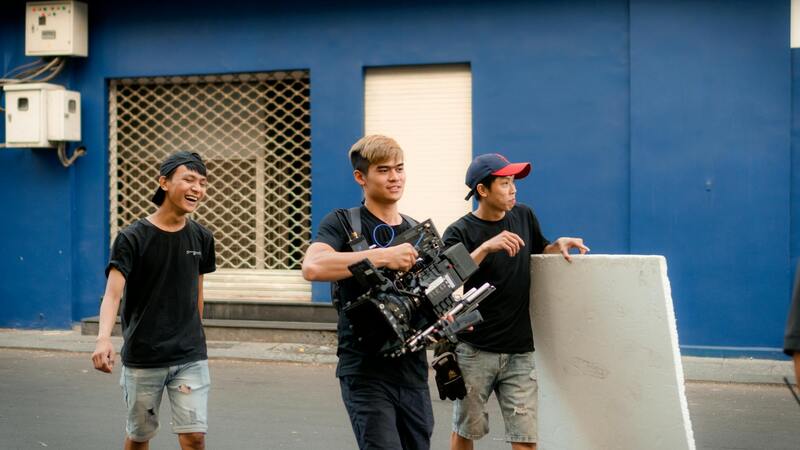
Another consideration is the technological proficiency and equipment used by the videography team. The latest high-resolution cameras, drone technology, and stabilization tools are instrumental in producing crisp, dynamic footage that captures the property's essence. A proficient Miami-based videographer will also have the expertise to incorporate advanced techniques such as aerial shots and 3D walk-throughs, further enriching the visual storytelling.
Finally, consider the agency’s reliability and track record. Request references or client testimonials to gauge their professionalism and ability to meet deadlines. Partnering with a Miami videography service with local knowledge and proven success can significantly enhance the marketing impact of your commercial property listings, providing a compelling visual narrative that attracts qualified prospects and accelerates the transaction process.