
Importance of Drone Footage in Real Estate Marketing
In the competitive Miami real estate market, the use of drone footage has become a vital component for engaging potential buyers and showcasing property features from unique perspectives. High-quality aerial videos and images provide an expansive view of a property’s exterior, surrounding amenities, and neighborhood context, which traditional photography often cannot capture effectively. This innovative approach not only enhances property listings but also helps agents differentiate their offerings in a crowded marketplace.
Drone videos elevate a property’s perceived value by providing dynamic, cinematic visuals that inform and inspire prospective buyers. Viewers can appreciate the scale, layout, and unique geographic features of a property, making the virtual viewing experience more immersive. This increased engagement translates into higher inquiry rates and faster sales cycles.
Moreover, the incorporation of drone footage into marketing strategies creates a modern, professional image for real estate firms. It demonstrates a commitment to leveraging advanced technology to meet client needs while offering comprehensive visual coverage that far exceeds the scope of traditional photography.
Enhanced Property Showcasing
- Provides expansive views of large estates, beachfront properties, or commercial complexes
- Highlights property boundaries and landscaping features
- Captures nearby amenities such as parks, highways, and cityscape views
Increased Viewer Engagement
- Creates eye-catching marketing content suitable for social media and online listings
- Influences emotional response by offering a comprehensive perspective
- Encourages longer viewing times and more interactions with property content
Boosting Marketing Efforts
- Provides numerous content formats: aerial videos, 3D mapping, virtual tours
- Strengthens online presence and brand recognition
- Supports targeted advertising campaigns with compelling visuals
Types of Drone Shots Used in Real Estate
Integrating diverse drone shot types enhances the visual storytelling of a property, allowing potential buyers to gain a comprehensive understanding of the estate’s features and surroundings. Each shot type serves a specific purpose, contributing to a compelling virtual experience that can set a listing apart in a competitive market.
- Establishing Shots: These wide-angle or aerial vistas set the scene, showcasing the property within its neighborhood or geographic context. They provide viewers with an immediate sense of scale and location, often including neighboring landscapes or landmarks.
- Property Flyovers: Smooth, horizontal movements across the property highlight its layout, size, and external features such as gardens, pools, or terraces. These shots are essential for emphasizing property boundaries and outdoor spaces.
- Close-up Detailing: Focused shots on architectural elements, landscaping details, or unique features of the property allow potential buyers to appreciate craftsmanship and finishes from an elevated perspective.
- Vertical or Top-Down Shots: Overhead views directly above the property provide a clear understanding of spatial relationships and land use. These are particularly effective for large estates or properties with extensive landscaping.
- Tie-Back Shots: Lower altitude shots that transition from the exterior to interior spaces create a seamless narrative, providing virtual walkthroughs that combine exterior views with access points and entryways.
 igure>
Technical Aspects of Drone Videography
Achieving high-quality drone footage in real estate requires attention to technical details that ensure clarity, stability, and cinematic appeal. Here are key components to consider:
- Camera Equipment: Modern drones equipped with high-resolution cameras, often 4K or higher, enable sharp, detailed footage. Lenses with wide apertures help optimize image quality in varying light conditions.
- Flight Stability: Advanced stabilization technology minimizes shakiness during flight, resulting in smooth footage free of jitters or abrupt movements.
- Automated Flight Paths: Pre-programmed flight plans ensure consistent coverage and shot accuracy, allowing for complex maneuvers such as orbit shots or grid patterns.
- Lighting Conditions: Shooting during optimal daylight hours with minimal cloud cover enhances image quality and color vibrancy, capturing the property's true appearance.
- Editing and Post-Production: Post-shoot editing includes color correction, stabilization enhancements, and the addition of graphics or labels to accentuate key features, thereby elevating the final presentation.
 igure>
Benefits of Drone Footage for Miami Property Listings
Utilizing drone footage significantly amplifies the marketing impact of real estate listings across Miami’s dynamic property landscape. The benefits extend beyond visual appeal, directly influencing engagement and sales efficiency:
- Enhanced Aesthetic Appeal: Cinematic shots and panoramic views elevate property listings, making them stand out on digital platforms and grabbing viewers’ attention instantaneously.
- Deeper Contextual Understanding: Viewers gain a realistic perspective of the property’s type, scale, and location, facilitating more informed decision-making.
- Increased Engagement Metrics: Engaging visuals encourage longer watch times, higher interaction rates, and improved sharing across social channels.
- Versatile Marketing Assets: Drones provide a variety of content formats — from aerial videos to virtual tours and 3D mapping — enriching the overall marketing strategy.
- Faster Transaction Cycles: immersive visual content accelerates the buyer’s decision process, often leading to quicker sales and reduced time on the market.
 igure>
Choosing a Miami Drone Production Agency
Selecting a proficient drone service provider is vital to ensuring the production of captivating and legally compliant content. When evaluating potential partners, consider the following factors:
- Experience & Portfolio: Review their previous work in real estate videography to assess quality and style consistency with your brand image.
- Technical Capabilities: Confirm the agency uses advanced equipment with high-resolution cameras and possesses skilled pilots trained in aerial filming techniques.
- Compliance & Safety Standards: Ensure they adhere to industry standards for drone operations, including safety protocols and image quality benchmarks.
- Customer Testimonials & References: Seek feedback from past clients to gauge professionalism, reliability, and overall satisfaction.
- Turnaround Time & Flexibility: Discuss project timelines and the agency’s ability to accommodate your schedule and specific requirements.
 igure>
Optimizing Drone Footage for Maximum Impact
To harness the full potential of drone real estate footage, it’s essential to adopt best practices that enhance visual appeal and convey critical property features effectively. High-quality aerial shots should be meticulously planned to showcase key aspects such as property size, architectural details, and surrounding amenities. Establishing optimal flight paths allows for seamless transitions between different angles, ensuring a comprehensive view that captures the property’s essence.
Lighting conditions play a crucial role in drone videography. Scheduling shoots during the golden hour, shortly after sunrise or before sunset, results in warmer tones and softer shadows, elevating the visual quality of footage. Consistency in shooting angles and techniques across listings fosters brand recognition and maintains a professional portfolio.
In addition to capturing breathtaking exterior views, interior fly-throughs can provide prospective buyers with spatial context, making spatial understanding more intuitive. Combining exterior drone shots with interior walkthroughs creates a compelling virtual tour, increasing engagement and interest.
Post-production editing is instrumental in refining drone videos. Color grading adjusts the tone and mood of footage, ensuring it aligns with the property’s branding and market positioning. Stabilization techniques eliminate unwanted camera shake, resulting in smooth, professional-looking videos. Incorporating branding elements, such as watermarks or logo overlays, can also enhance brand visibility.
Moreover, integrating aerial footage into a strategic marketing plan involves aligning visuals with target audiences and distribution channels. Customized video snippets optimized for social media platforms, real estate websites, and email campaigns can significantly boost organic reach and lead generation.
Investing in professional editing and strategic shot sequencing ensures that drone videos not only capture attention but also deliver a compelling narrative about the property. Such enhancements make the listings stand out in a competitive Miami real estate market.
Types of Drone Shots Used in Real Estate
In the realm of drone real estate footage, selecting the appropriate shot types is crucial for highlighting a property's best features and creating engaging visual narratives. Different shots serve distinct purposes, offering both broad overviews and detailed views tailored to prospective buyers’ interests.
One of the fundamental shot types is the overview shot, which captures the entire property and surrounding landscape from various heights and angles. These shots provide a comprehensive view, showcasing the property's size, proximity to amenities, and neighborhood context. Often, these are panoramic or wide-angle shots that set the scene for potential buyers.
Next, cul-de-sac and street-level shots focus on driveway access, entrance points, and the spatial relationship between the property and nearby roads. These shots are instrumental in illustrating privacy levels and accessibility, making them suitable for showcasing luxury homes or properties with unique driveway designs.
Another essential shot type is the property facade shot. This involves flying close to the front of the house to highlight architectural details and landscaping. A well-composed facade shot can evoke emotional responses and draw attention to curb appeal, which is often a key factor in buyers’ decisions.
Interior drone footage, while less common, offers innovative perspectives of large open spaces or multi-story homes. For example, interior fly-throughs can reveal room layouts, ceiling heights, and interior design flow, contributing to a comprehensive virtual viewing experience.
In addition to exterior shots, zoom-in shots can be used to focus on specific features such as pools, outdoor kitchens, or custom landscaping elements, emphasizing the property’s highest-value amenities. These detailed shots are particularly effective when combined with drone footage of the broader property, creating a layered visual story.
Utilizing a combination of these shot types—wide overheads, street level, detailed facades, and interior perspectives—enables real estate professionals to craft compelling virtual tours. These diverse visuals enhance engagement, highlight distinctive property features, and increase viewers' emotional connection to the listing.
Types of Drone Shots Used in Real Estate
Effective drone videography employs a variety of shot types that collectively tell the property's visual story. These shots are meticulously chosen to emphasize the unique features of each property, from its architectural design to its surrounding environment. Understanding the different shot types helps real estate professionals craft compelling visual narratives that resonate with potential buyers.
- Overhead Wide Shots: These shots capture the entire property and its immediate surroundings from a high vantage point, providing a comprehensive view of the lot size, landscaping, and neighborhood context. They serve as the opening shots in virtual tours, establishing a sense of place and scale.
- Street-Level Shots: Flying along the street frontage, these shots highlight the property’s access points, driveway design, and proximity to amenities. They convey a sense of approachability and curb appeal, crucial elements in buyers’ decision-making process.
- Facade Shots: Flying close to the front of the property, facade shots reveal architectural details, exterior materials, and landscaping features. These shots evoke emotional responses and emphasize aesthetic appeal, making them essential for luxury homes or properties with distinctive designs.
- Elevated Property Views: These shots focus on showcasing the property’s expansive outdoor spaces, swimming pools, patios, or gardens from an elevated perspective. They accentuate luxury amenities and lifestyle elements that differentiate listings in competitive markets.
- Architectural and Interior Overviews: While less common, interior drone shots can offer unique perspectives of spacious interiors, multi-story layouts, or open-concept designs. These views are often used in conjunction with traditional interior photography to provide a flowing virtual experience.
- Detail and Amenity Focused Shots: Zoom-in shots can highlight specific amenities such as outdoor kitchens, pools, or custom landscaping features. When used strategically, they draw attention to the property’s high-value features, adding depth to the viewing experience.
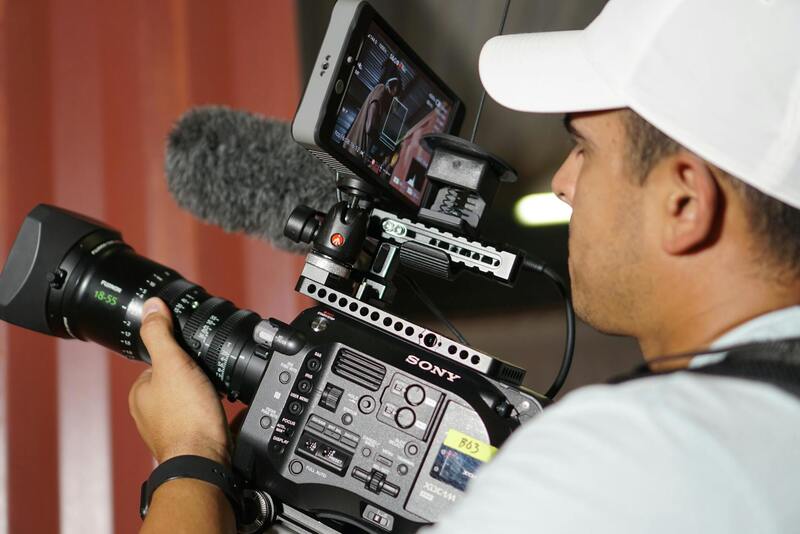
Integrating a mix of wide, street-level, facade, and detail shots creates a layered and dynamic property presentation. This approach allows potential buyers to visualize the full scope of the property, from the overall layout to intimate features, fostering increased engagement and emotional connection.
Legal and Regulatory Considerations in Miami
Deploying drone technology in Miami's real estate sector requires meticulous adherence to established operational standards. Ensuring the safe and responsible use of drones involves understanding specific protocols designed to balance innovative marketing with community safety and privacy concerns. These protocols encompass adherence to set flight parameters, airspace management, and operational restrictions that are tailored to Miami's urban and coastal environment.
Operational spaces are designated to prevent interference with manned aircraft and to protect local airspace. Drones must avoid flight over dense populated areas, sensitive infrastructures, and private properties without prior authorization. Maintaining appropriate altitudes and adhering to no-fly zones are essential to prevent disruptions and ensure client confidence in professional conduct.
Moreover, the process involves drone operators obtaining official clearances and certifications, which demonstrate compliance with operational standards and proficiency standards. These credentials typically include FAA-licensed remote pilots who are trained to handle complex aerial operations safely and efficiently. Prior planning, including detailed flight plans and risk assessments, ensures seamless integration with Miami's dynamic environment.
Striking a balance between capturing high-quality footage and respecting community standards is crucial. Practitioners should stay current with Miami-specific regulations, which may evolve with emerging technologies and urban development. Working with licensed and experienced drone operators guarantees that real estate video marketing remains compliant with local policies and upholds professional integrity in every production.
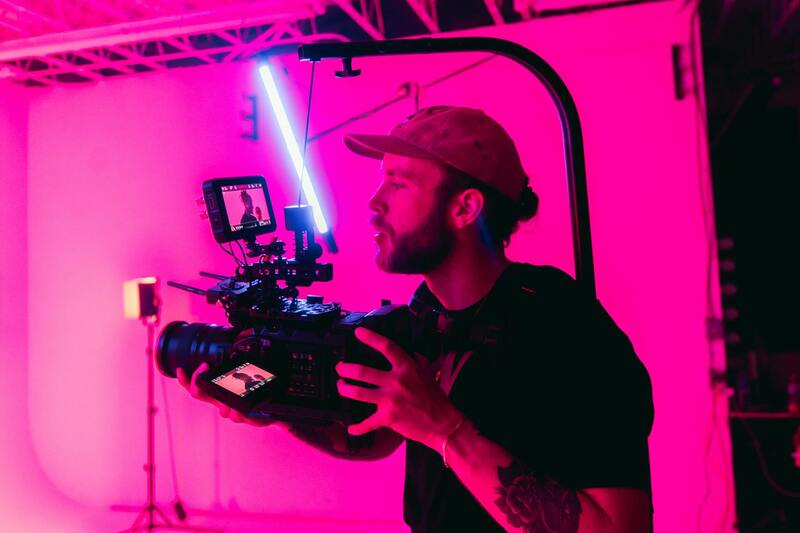
Implementing operational strategies aligned with local regulations not only secures project approval but also enhances the reputation of real estate agencies. Proper planning and skilled execution are fundamental to leveraging drone footage effectively while maintaining the highest standards of safety and professionalism.
Technical Aspects of Drone Videography
Achieving high-quality drone footage for real estate purposes hinges on the mastery of specific technical elements that influence the overall impact of the visuals. Key considerations include camera stabilization, resolution, flight stability, and shot composition. Utilizing gimbal-stabilized cameras ensures smooth footage even in challenging wind conditions, allowing for seamless panning and tilting that highlight property features dynamically.
Resolution plays a pivotal role in capturing detailed imagery. Professional drone operators typically shoot in 4K or higher, providing crisp visuals that can be used across various marketing platforms, from websites to print collateral. Higher resolution footage facilitates virtual tours and panoramic views, offering prospective buyers an immersive experience that enhances their engagement with the property.
Proper flight planning involves selecting optimal altitudes and angles to showcase the property's size, landscape, and surroundings effectively. For example, aerial shots from higher altitudes reveal the property's contextual placement within the neighborhood, while closer, lower-angle shots emphasize architectural details. These techniques evoke a sense of scale and beauty that static images cannot match.
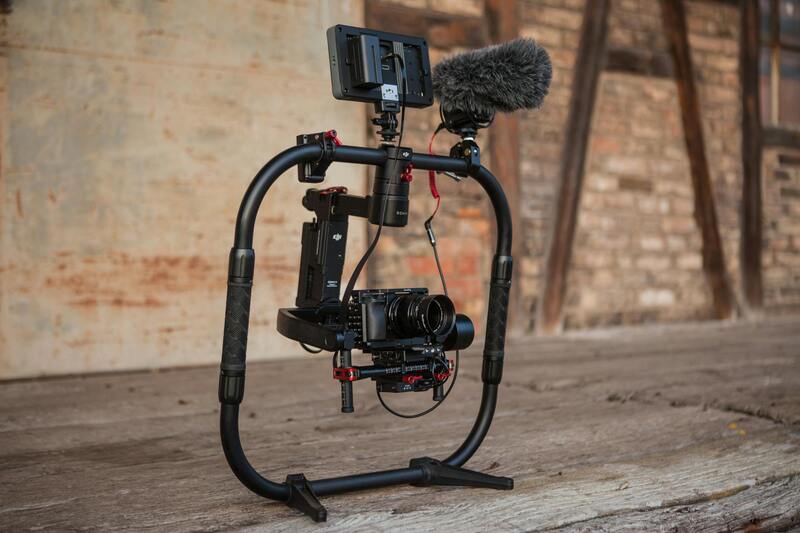
Effective lighting management is also essential. Scheduling drone flights during the golden hour—shortly after sunrise or before sunset—ensures warm, natural lighting that enhances property appeal. Additionally, understanding weather conditions, such as windspeed and cloud cover, is critical for maintaining flight safety and capturing clear, steady footage.
Post-Production and Editing
Post-production involves color correction, stabilization refinement, and the integration of additional elements like music or annotations that align with the property's branding. Skilled editing enhances the story conveyed through the visuals, emphasizing key features and creating an emotional connection with potential buyers. Advanced editing can also include 3D virtual staging or animated overlays to further elevate the marketing impact.
Compliance and Safety Protocols
Adhering to safety protocols during drone operation reduces risks and preserves the integrity of the shoot. This includes maintaining line-of-sight with the drone, avoiding flying over crowds or private property without explicit permission, and ensuring all equipment is regularly maintained and calibrated. Professionals who prioritize these aspects demonstrate their commitment to responsible videography and uphold the confidence of their clients.
Technical Aspects of Drone Videography
Mastering technical elements is crucial for capturing compelling drone footage that effectively highlights a property’s unique features. Professional drone operators employ high-quality cameras with advanced stabilization systems, ensuring smooth, steady videos even in challenging wind conditions. The selection of appropriate flight modes, such as cinematic or orbit modes, allows for dynamic shots that can circle around a property or glide smoothly along its front facade, providing viewers with a comprehensive perspective.
Optimal camera settings are essential to produce vibrant, visually appealing footage. Adjusting for natural light conditions ensures that scenes are neither overexposed nor underexposed, maintaining true color fidelity and detail. Filming during times of soft, natural lighting—such as sunrise or sunset—can add warmth and depth to the visuals, enhancing the overall aesthetic.
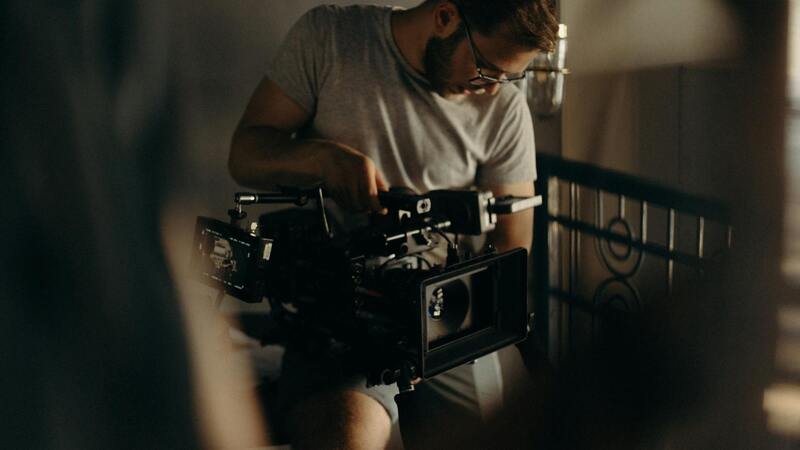
Furthermore, meticulous flight planning is vital to maximize safety and shot coverage. Pre-flight site surveys help identify obstacles, no-fly zones, and optimal flight paths, ensuring comprehensive coverage without risking equipment or property. Professional operators utilize GPS technology for precise navigation and to execute repeatable shots, making it easier to maintain consistency across multiple property listings.
Post-flight procedures also play a significant role. Data backup, calibration, and thorough review of footage enable editors to select the best takes and prepare them for refinement. Advanced stabilization tools and color grading enhance the footage further, making the visuals more appealing and aligned with the property’s branding.
Benefits of Drone Footage for Miami Property Listings
In Miami’s highly competitive real estate market, drone footage offers a distinctive advantage by providing immersive and captivating visuals. Elevated shots reveal the full scope of a property’s exterior, landscape, and surrounding amenities, which static images often cannot convey. This comprehensive visual narrative helps potential buyers appreciate features like swimming pools, outdoor living spaces, and nearby attractions.
Dynamic aerial footage also captures the neighborhood context, showcasing proximity to beaches, parks, urban centers, and transportation hubs. Such contextual insights reinforce the property’s desirability and help buyers visualize their lifestyle. Moreover, professionally produced drone videos tend to increase engagement, leading to more inquiries and faster sales.
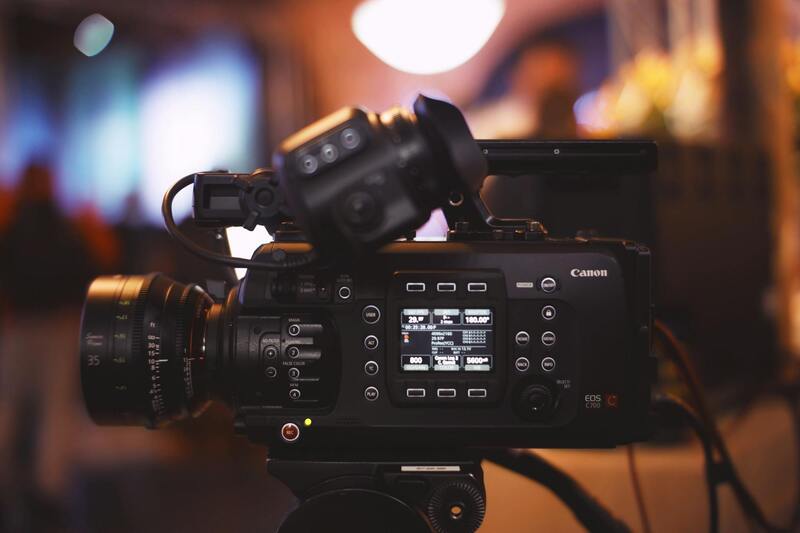
High-quality drone videos can be integrated into various platforms, including MLS listings, social media, and property websites. This multimedia approach significantly elevates the marketing strategy, ensuring your property stands out in a crowded market. Additionally, having drone footage as part of your real estate marketing portfolio demonstrates a commitment to innovative and professional presentation, further building trust with prospective clients.
Choosing a Miami Drone Production Agency
Selecting the right partner for drone videography involves evaluating multiple factors beyond just price. Experienced agencies possess certified pilots with comprehensive knowledge of airspace regulations, ensuring that all footage is compliant and obtained responsibly. Portfolio review is essential to assess artistic style, technical quality, and versatility.
Clear communication and detailed project planning are also indicators of a professional agency. They should demonstrate an understanding of your marketing goals and offer tailored solutions that fit your budget and timeline. Additionally, check for ongoing post-production support and delivery options to streamline your marketing efforts.
An agency committed to safety, quality, and innovation will leverage the latest drone technology and editing techniques, resulting in footage that elevates your property listings and captures the attention of serious buyers.