
Importance of Good Real Estate Photography
In the competitive Miami real estate market, the quality of property images plays a pivotal role in attracting prospective buyers. High-quality real estate photography captures the essence of a property, highlighting its unique features and creating an inviting visual experience that encourages viewers to explore further. When buyers scroll through online listings, compelling images can make a significant difference in their decision-making process, often determining whether they will schedule a viewing or move on to another property.
Effective real estate photography does more than simply showcase a property; it influences perceptions and builds trust. Clear, professional images allow potential buyers to envision themselves living in the space, establishing an emotional connection that is essential for closing sales. In Miami’s vibrant market, where properties are often competing for attention, striking visuals can elevate a listing above the rest, making it memorable and desirable.
Furthermore, the perception of a property’s value is often closely tied to its images. Well-presented photographs suggest meticulous maintenance and quality, which can justify a higher asking price. In addition to enhancing online listings, strong visual content supports marketing efforts across multiple channels, including social media, real estate portals, and print advertisements. This comprehensive approach maximizes exposure and attracts a broad audience.
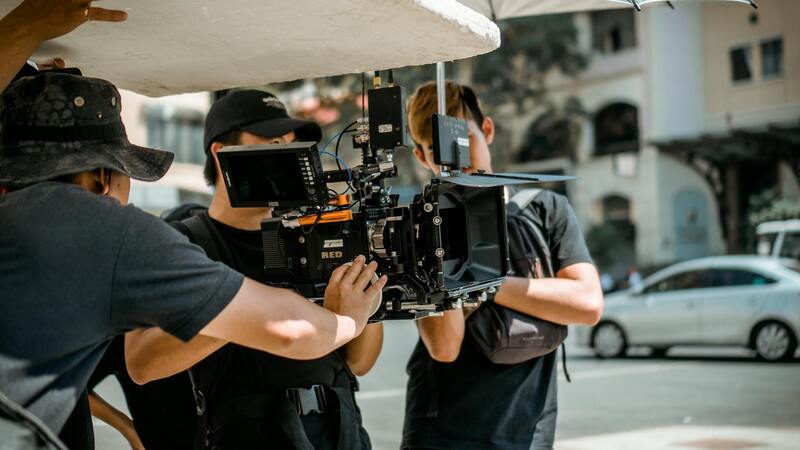
Ultimately, good real estate photography directly impacts a property’s marketability and sales velocity. Listings with professional-quality images tend to receive more inquiries, viewings, and ultimately, faster sales. In Miami, where the Real Estate landscape continually evolves, leveraging top-tier photography can be the decisive factor in a successful transaction.
Choosing the Right Equipment and Techniques
Achieving superior real estate photographs requires more than just a good camera; it involves selecting the appropriate tools and embracing effective techniques. Professionals in the field often rely on digital single-lens reflex (DSLR) or mirrorless cameras equipped with wide-angle lenses to capture more of each space in a single shot, providing viewers with a comprehensive perspective of each room. This choice minimizes distortion and ensures the proportions within the images are true to life, contributing to realistic portrayals that attract serious buyers.
Tripods are essential for maintaining stability during shoots, particularly in lower light conditions, which helps produce sharp and clear images where every detail is visible. Additionally, utilizing a remote shutter release prevents camera shake, ensuring the highest image quality, especially when capturing detailed features or expansive rooms. For outdoor shots, drone photography can provide striking aerial views that showcase the property’s size, landscaping, and surrounding environment—adding a compelling dimension to listings.
Employing HDR (High Dynamic Range) techniques is a standard practice among professionals to effectively handle varying light levels within a space. By capturing multiple exposures and blending them, photographers can achieve well-lit interiors that accurately depict both bright windows and shadowed corners without losing detail. This method is especially beneficial in rooms with large windows or when natural light varies throughout the day.
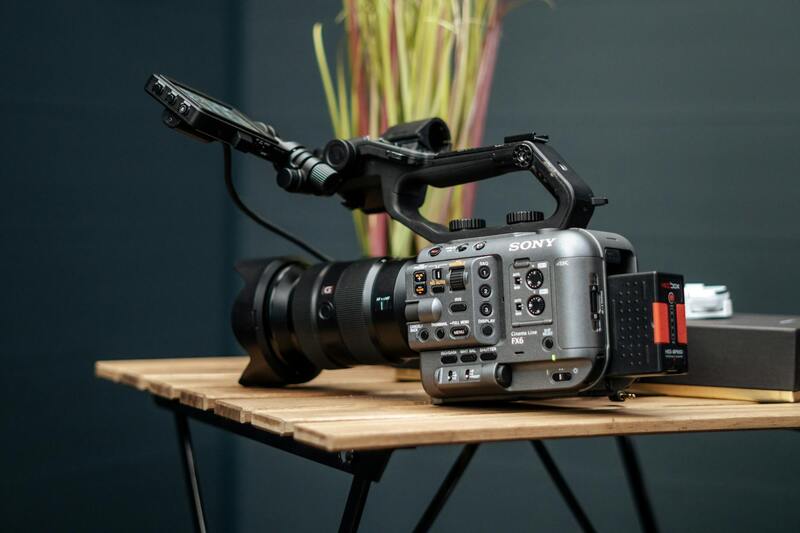
Adopting a consistent shooting approach, such as framing each shot to highlight the property’s best features and creating a logical flow between rooms, helps in building a cohesive visual narrative for potential clients. Skilled photographers also pay close attention to perspective and angles, often choosing slightly elevated shots to provide a comprehensive view of living spaces and outdoor areas. These technical considerations are fundamental to producing photographic content that is both engaging and accurate, ultimately influencing a viewer’s perception and interest.
Choosing the Right Equipment and Techniques
To achieve excellent real estate photography, selecting appropriate equipment is essential. High-resolution digital cameras equipped with full-frame sensors are preferred because they provide superior image quality and better light sensitivity, which is vital for capturing detailed interiors and exteriors. Prime lenses with focal lengths between 24MM and 35MM are ideal for real estate images, as they offer sharpness while minimizing distortion, allowing for accurate representations of spaces.
Wide-angle lenses are particularly favored for interior shots because they enable photographers to capture expansive rooms in a single frame, giving viewers a sense of space. When choosing lenses, consider those with apertures of f/2.8 or wider, as these allow for better performance in various lighting conditions and can help produce a pleasing depth of field. Additionally, a tripod is indispensable for stabilizing shots, especially in low-light environments or when shooting HDR images, ensuring clarity and precision.
Beyond hardware, mastering specific shooting techniques elevates the quality of property visuals. Employing a consistent framing style and utilizing a grid to ensure level horizons contributes to cohesive visuals. Techniques such as vertical lines correction during post-processing help maintain proper proportions, preventing walls from appearing skewed. Photographers should also adopt a systematic approach that emphasizes the most attractive features of each room, capturing multiple angles that highlight space, light, and architectural details.
Utilizing HDR imaging techniques by capturing multiple exposures allows for balanced images which depict both bright sunlight filtering through windows and shadowed corners with equal clarity. Combining these exposures during editing results in images that are more true to life, thereby enhancing potential buyers’ engagement. For outdoor shots, drones equipped with stable gimbals can deliver breathtaking aerial views, highlighting property surroundings, landscaping, and access points—adding a compelling visual layer to the listing portfolio.
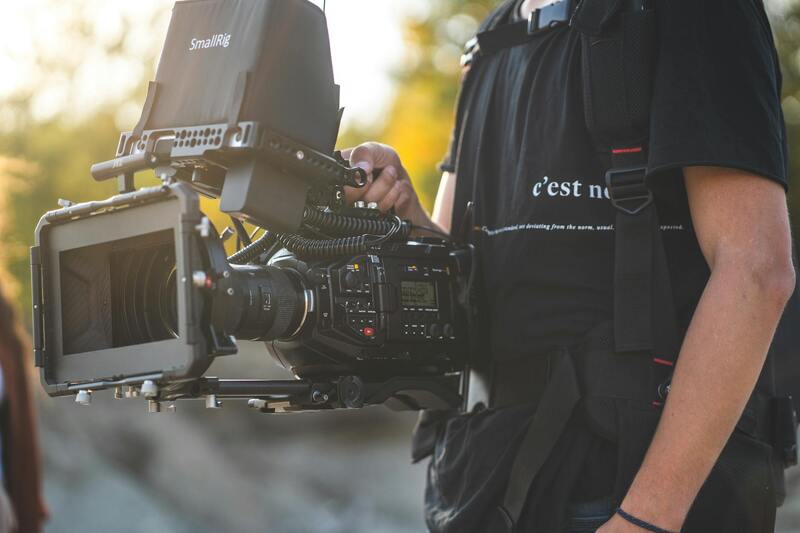
Effective Use of Lighting and Composition in Real Estate Photography
Harnessing the power of natural and artificial lighting plays a pivotal role in creating compelling property images. During the shoot, utilize windows and skylights to maximize natural light, avoiding harsh shadows or overly bright areas that can distract viewers. When natural light is insufficient, employing softbox lighting or diffusers ensures even illumination, accentuating a room's features without creating unwanted glare.
r>r>
Composition techniques also significantly influence the visual appeal of property photos. Employ the rule of thirds to place focal points strategically within the frame, guiding the viewer’s eye through the space. Leading lines, such as pathways, furniture, or architectural elements, draw attention toward key areas, creating a sense of depth and perspective.
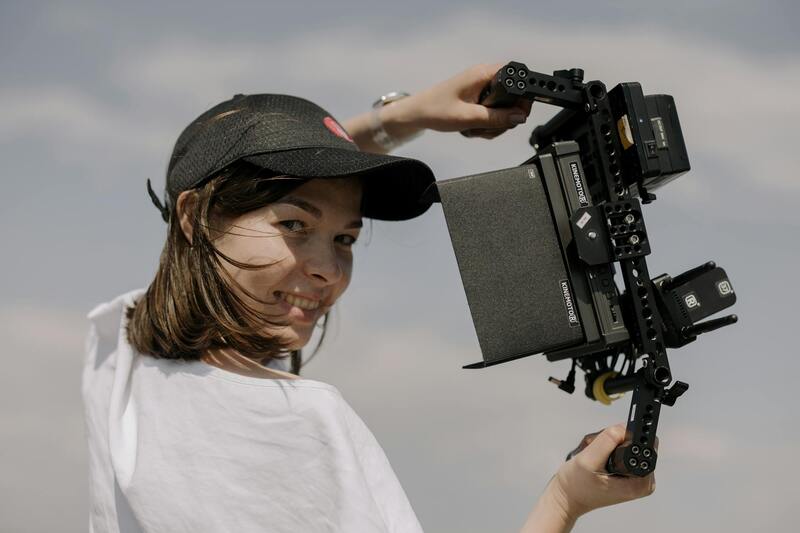
Maximizing the Impact of Visuals Through Strategic Framing and Composition
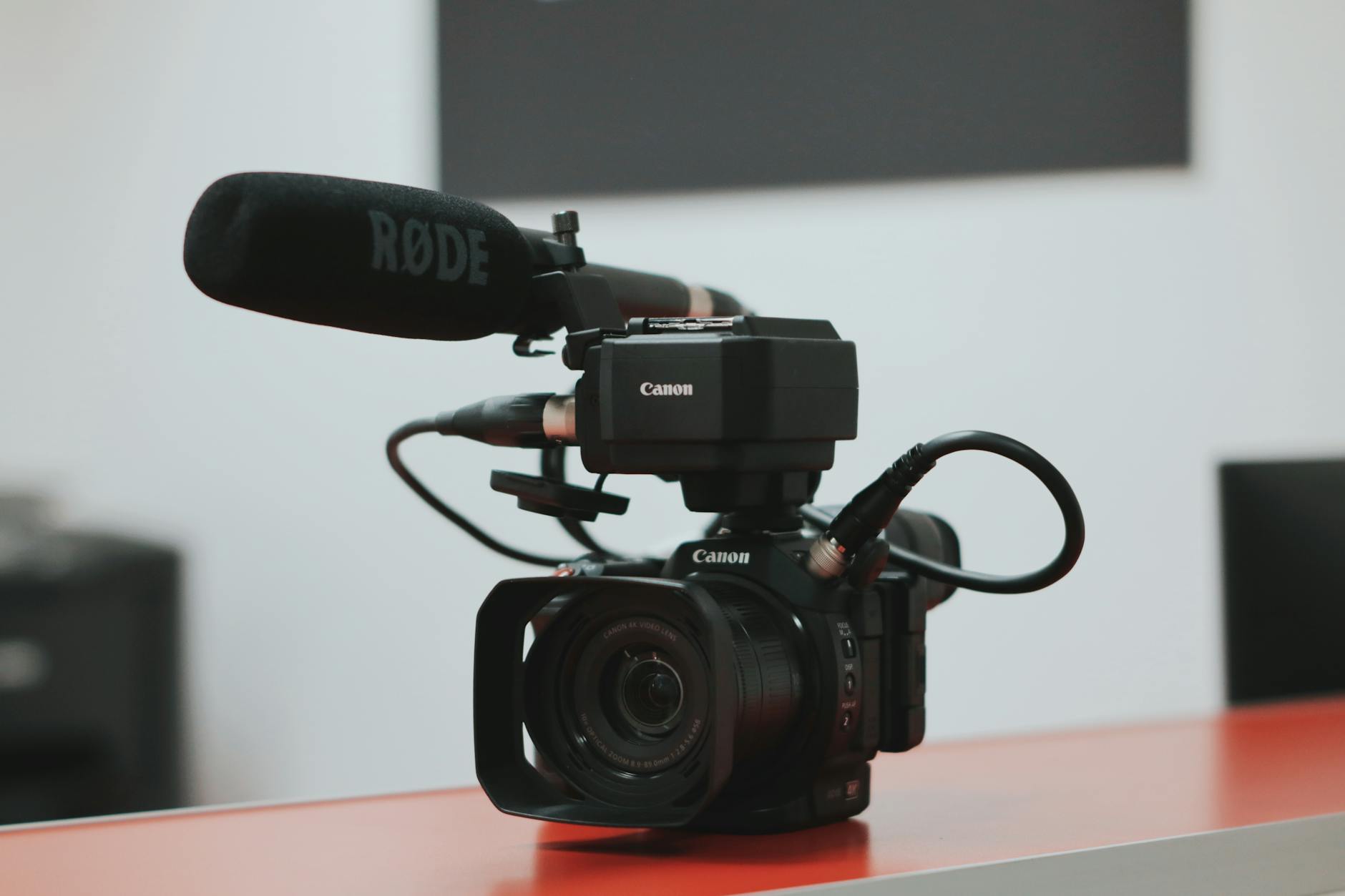
Effective framing and composition are pivotal in showcasing a property's best features and creating compelling imagery that resonates with potential buyers. When capturing real estate photos, attention to detail in the placement of elements within the frame ensures that each shot conveys the true scale and ambiance of each space.
One widely adopted technique is the 'rule of thirds,' which involves dividing the frame into nine equal segments. Positioning key features along these lines or at their intersections creates a balanced and aesthetically pleasing image. For instance, placing a stunning fireplace or a panoramic window at a point of interest within the frame draws the viewer's eye naturally to focal points.
Additionally, the use of leading lines can direct attention inward or toward a significant architectural feature. Hallways, staircases, or even outdoor pathways can serve as visual guides, creating a sense of depth and perspective that invites viewers into the space. Ensuring the horizon is level and straight lines are aligned properly enhances the image's professionalism and overall appeal.
Optimizing Composition to Highlight Architectural and Lifestyle Elements
Composition is not merely about arranging elements within a shot; it’s about telling a story that highlights the property's unique qualities. Emphasizing natural light, spacious layouts, and outdoor amenities through thoughtful angles can significantly increase the property’s appeal.
Taking multiple shots from different vantage points ensures a comprehensive portrayal of each space. Wide-angle lenses are frequently used to accentuate the sense of openness, but they must be employed with care to avoid distortion that might misrepresent the property's true proportions.
When shooting interiors, capturing views that showcase the flow between rooms across a single shot can help buyers understand the layout more intuitively. For outdoor spaces, framing patio areas, gardens, and views to highlight privacy, landscaping, and outdoor living potential creates an inviting image that appeals to lifestyle aspirations.
Navigating the Technical Aspects for Consistency and Quality
Achieving consistency across images involves meticulous attention to perspective, angle, and lighting to ensure a cohesive visual presentation. Using a tripod can stabilize the camera and facilitate precise framing, particularly in low-light conditions or when multiple shots are stitched together.
Applying both natural and artificial lighting strategically animates interiors, avoiding dark corners or harsh shadows that can detract from the property’s appearance. Post-processing tools can further enhance the images by correcting distortions, adjusting exposure, and sharpening details, all while maintaining a natural look.
By prioritizing strategic framing and composition, real estate professionals can significantly elevate the quality of their property listings, making them more attractive to prospective buyers and increasing engagement. Properly composed images not only reflect the property accurately but also evoke emotional responses that drive interest and inquiries.
Post-Processing and Editing Tips
Once high-quality images have been captured, the editing process becomes essential to enhance their visual impact without altering the true appearance of the property. Effective post-processing involves a delicate balance between correction and enhancement, ensuring the images reflect the property accurately to foster trust with prospective buyers.
Start by adjusting the color balance to ensure that whites appear crisp and natural, avoiding overly warm or cool tones that may misrepresent the space. Correcting exposure levels is crucial; images should be bright enough to highlight details but not so overexposed that they lose texture or depth. Clarity adjustments can help bring out fine architectural features and textures in surfaces, making the property more engaging.
Sharpening images enhances detail, especially important for exterior shots where landscaping and façade features need to stand out. Carefully removing minor distractions or imperfections, such as unwanted reflections or lens flare, can significantly improve overall presentation. However, it is essential to maintain a natural aesthetic, avoiding over-editing that could mislead viewers.
Advanced techniques, such as HDR (High Dynamic Range) merging, can be used to combine multiple exposures, ensuring both bright and shaded areas retain detail. When executed correctly, HDR images can beautifully balance contrast and luminance, resulting in compelling visuals that accurately convey the property's ambiance.
Furthermore, consistency across a series of images across different rooms and exterior views helps create a cohesive look. This uniformity supports the narrative of the property’s flow and style, which can assist prospective buyers in visualizing themselves within the space.
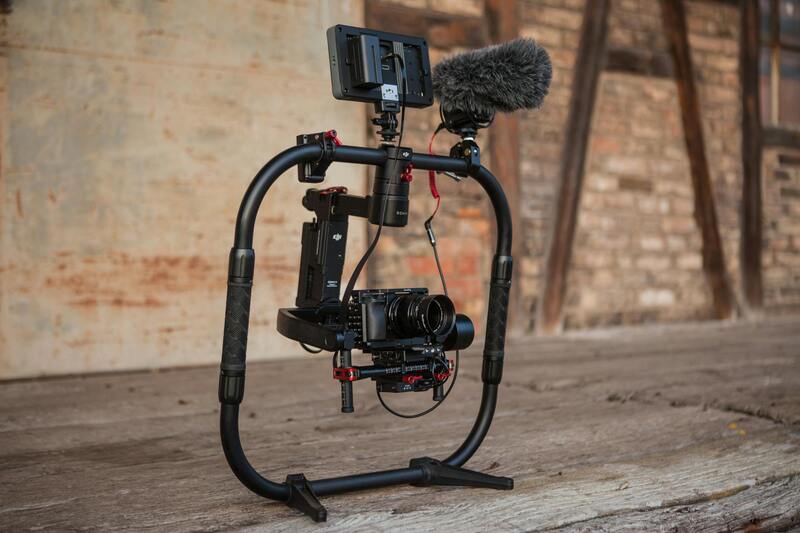
Utilizing professional editing software, such as Adobe Lightroom or Photoshop, allows for precise adjustments and ensures that each photograph aligns with the desired standards. Importantly, the focus should remain on preserving the authenticity of the property, avoiding exaggerated changes that could lead to disappointment during viewings. By mastering these editing skills, real estate professionals can create compelling visuals that attract interest and facilitate quicker transactions.
Legal Compliance and Best Practices in Real Estate Photography
Ensuring that real estate photographs meet established standards is crucial for maintaining trust and transparency in property listings. Professional methods adhere to industry-recognized guidelines, emphasizing accuracy and honesty in visual representation. This includes capturing images that truthfully depict the property's condition, scale, and features, avoiding any alterations that might mislead potential buyers.
Official requirements often advocate for comprehensive coverage, which entails photographing all significant aspects of the property, including interior rooms, exteriors, landscaping, and unique architectural elements. The goal is to provide a well-rounded visual tour that offers prospective buyers a realistic impression prior to viewing in person. Consistency in style, perspective, and lighting across all photos reinforces the property's integrity and helps build buyer confidence.
Utilizing standardized methods such as proper framing, alignment, and color calibration ensures images are uniform and professional. Professional-grade equipment and techniques support this standardization, potentially involving tripod stabilization to avoid distortions, and calibrated lenses to accurately capture spaces without exaggeration. These practices not only uphold the quality of the visual content but also align with widely accepted industry standards.
Moreover, it is recommended to avoid deceptive practices such as digital manipulations that significantly alter a property's appearance or omit undesirable features. Transparency ensures buyers' expectations are aligned with reality, ultimately fostering trust and reducing potential dissatisfaction or disputes during the sale process.
Documentation and Record Keeping
Proper documentation of the photographic process, including metadata, timestamps, and equipment details, can serve as evidence of adherence to professional standards. This documentation also supports property listing records and can be useful in case questions arise about the authenticity of imagery used in marketing materials.
Engaging in ongoing education about industry best practices and emerging regulations helps professionals stay compliant and uphold high standards. Regularly updating skills through workshops or accreditation programs ensures that the visual content consistently meets professional benchmarks and supports a positive reputation in the real estate sector.
Importance of Good Real Estate Photography
Effective real estate photography serves as a crucial element in the marketing strategy of property listings. High-quality images attract potential buyers by showcasing a home's best features and providing an accurate visual representation of the space. In today's digital age, most prospective buyers begin their property search online, making photographic appeal directly tied to a property's visibility and desirability. Clear, crisp, and well-composed photos not only draw attention but also foster trust and credibility. They set realistic expectations, helping buyers envision themselves in the space and facilitating a quicker decision-making process. In competitive markets like Miami, investing in professional photography can distinguish a listing amidst a sea of similar offerings, ultimately leading to faster sales cycles, higher offer prices, and increased engagement across listing platforms.
Key Elements of Professional Real Estate Photography
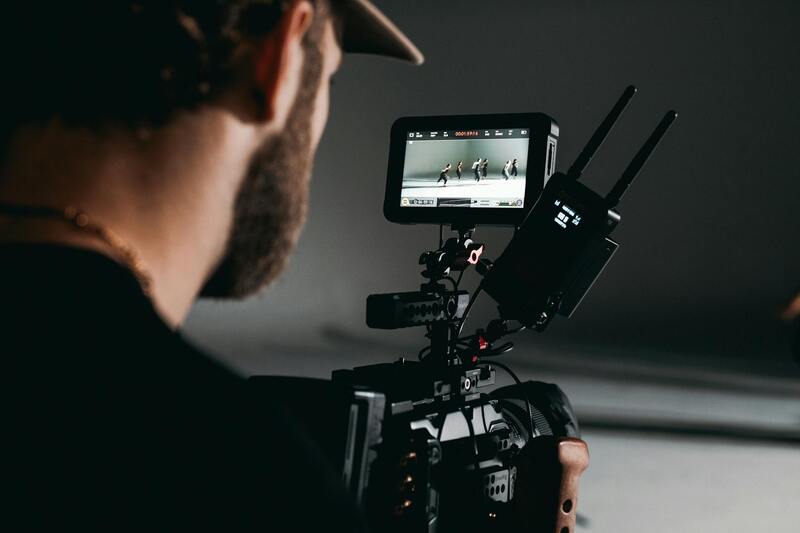
Professional real estate images are characterized by several essential components that collectively create compelling visual content. These include excellent framing, balanced composition, and consistent perspective, which help present the space in a manner that appears both inviting and accurate. The use of wide-angle lenses enables capturing more of each room, offering viewers a comprehensive sense of scale and layout. Image sharpness and clarity are vital, achieved through proper focus and stabilization equipment to avoid distortions. Accurate color rendering, which replicates real-life hues, maintains authenticity and trustworthiness. Incorporating depth through vertical and horizontal lines guides the viewer’s eye naturally and emphasizes the property's best features. All elements need to work harmoniously to produce images that are not only attractive but also truthful representations of the spaces portrayed.
Choosing the Right Equipment and Techniques
Utilizing professional-grade cameras, lenses, and stabilization tools ensures that images meet industry standards. Tripods and gimbals minimize hand-shake, resulting in sharp images regardless of lighting conditions or room size. Calibrated lenses provide distortion-free captures, particularly important in small or uniquely shaped spaces. Techniques such as HDR (High Dynamic Range) imaging help manage lighting contrasts between different areas, ensuring interior details are visible without washing out highlights or shadows. Drones and panoramic equipment can add breathtaking exterior shots and comprehensive views of the property’s surroundings. Represents a strategic investment in equipment that produces reliable, high-quality visuals, aligning with the expectations of discerning clients and professional markets.
Best Practices for Property Preparation
Preparing a property for photography involves meticulous attention to detail to ensure it looks its best on camera. Decluttering each room eliminates distractions, allowing the property’s architectural features to stand out. Neutral decor and minimal personal items help potential buyers imagine themselves in the space. Strategic staging highlights focal points, such as fireplaces or open kitchens, making spaces appear larger and more inviting. Cleaning and tidying every surface, including windows, floors, and surfaces, contribute to a polished look. Removing or minimizing cluttered or unsightly elements enhances visual appeal. Additionally, ensuring that the property is well-maintained, with fresh paint or repairs where needed, further elevates the overall presentation. This process paves the way for capturing images that reflect the true potential of each space, ultimately leading to more compelling listings.
Importance of Lighting in Real Estate Photography
Lighting plays a pivotal role in the quality of real estate images. Natural light is ideal, as it produces warm, inviting atmospheres and reveals true colors. Shooting during daylight hours with ample sunlight streaming through windows enhances the brightness and clarity of interior shots. If natural light is insufficient, professional lighting equipment such as strobe lights or softboxes can be used to illuminate spaces evenly, avoiding harsh shadows or overexposed areas. The goal is to achieve a balanced exposure that highlights architectural features without creating misleading effects. Proper lighting not only accentuates the property’s best qualities but also ensures consistency across images, providing a comprehensive and appealing visual narrative for all listing audiences.
Post-Processing and Editing Tips
After capturing the images, post-processing enhances visual impact while maintaining authenticity. Adjustments should optimize brightness, contrast, and color balance to reflect real-life conditions. Correcting perspective distortions, such as converging lines, can be achieved through architectural editing tools, ensuring walls and windows appear straight and proportionate. Cropping and straightening images improve compositional balance. Minimizing minor imperfections like reflections, uneven lighting, or blemishes ensures a polished final product. It is essential to avoid over-editing or digital manipulation that significantly alters the property’s appearance, preserving transparency and trust. Consistency in editing style across all images reinforces professionalism and presents a cohesive visual story that appeals to serious buyers.
Working with a Miami-Based Real Estate Photography Agency
Partnering with a professional photography agency based in Miami ensures a comprehensive approach to property marketing. These agencies bring specialized knowledge of local market trends and high standards of quality, utilizing cutting-edge equipment and innovative techniques suited for Miami’s diverse architectural styles. Building strong collaboration with a professional team allows for customized property showcases, tailored to highlight unique features of each listing. Such partnerships can streamline the process from preparation to post-production, ensuring timely delivery of marketing materials that resonate with prospective buyers. Agencies also provide valuable expertise on property staging, lighting, and editing, contributing to a polished final presentation that enhances listing performance in a competitive market.