
Importance of High-Quality Real Estate Photos
In the competitive Miami real estate market, visual presentation plays a pivotal role in capturing potential buyers’ attention and driving property inquiries. High-quality real estate photos are not simply about aesthetic appeal; they serve as an essential marketing tool that can significantly influence a property's perceived value and desirability. When prospective buyers browse online listings, compelling images often determine whether they decide to schedule a viewing or pass to the next listing. Well-executed photos highlight the property's best features, demonstrate a sense of space, and create an inviting atmosphere that resonates with viewers.
Professional imagery also enhances the credibility of a real estate listing, signaling to buyers that the property has been presented with care and attention to detail. This trustworthiness can lead to faster sales and higher offers. Furthermore, high-quality photos are vital for creating a consistent branding image that distinguishes a real estate agency or individual agent within a crowded marketplace.
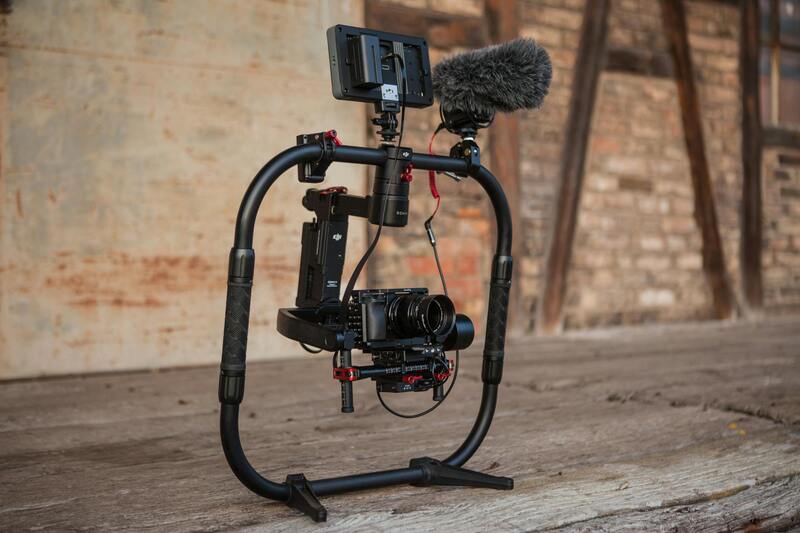
In an era where digital platforms dominate property marketing, the importance of capturing eye-catching photos cannot be overstated. Listings that feature captivating, clear, and well-composed images engage viewers effectively, increasing the likelihood of online engagement and ultimately, sale conversions. Whether employing traditional photography techniques or enhancing via advanced equipment such as drones, the goal remains: to present each property in a way that highlights its unique strengths and invites prospective buyers to envision themselves living there.
Choosing the Right Equipment and Techniques
Utilizing the proper equipment is crucial to capturing high-quality real estate photos that showcase a property's full potential. A professional-grade DSLR or mirrorless camera with a wide-angle lens—typically between 14mm and 24mm—can effectively encompass larger spaces within a single shot, reducing the need for excessive adjustments and multiple images. Tripods are essential for maintaining stability, ensuring sharp and consistently well-aligned images, especially in low-light conditions or interior shots where longer exposure times are required.
In addition to core photographic gear, employing auxiliary tools can significantly enhance image quality. For instance, remote shutter releases help minimize camera shake during exposure, while panoramic heads enable seamless stitching of wide scenes for expansive views of the property.
Advanced techniques such as HDR (High Dynamic Range) photography combine multiple exposures to balance bright and dark areas, revealing details that might otherwise be lost in shadows or highlights. Bracketing exposures and merging them during post-processing ensures every part of the room is adequately lit, delivering crisp visuals that accurately represent real-life conditions.
Proper technique also encompasses the use of tilt-shift lenses, which help correct perspective distortions—common when shooting tall spaces or exteriors from ground level. Mastering these tools requires skill but results in images with natural, undistorted proportions that are visually appealing and trustworthy.
Photographers must also pay close attention to camera settings. Aperture choices, typically between f/8 and f/11, provide sharpness throughout the scene. Maintaining a low ISO reduces noise, and choosing the correct white balance safeguards color accuracy, especially under complex lighting conditions.

Choosing the Right Equipment and Techniques
Accurate representation of a property hinges on selecting the appropriate equipment and applying effective shooting techniques. High-quality cameras with full-frame sensors are preferred for their superior detail capture and low-light performance. These cameras facilitate capturing images with minimal noise and maximum clarity, which is crucial in showcasing interior spaces with varied lighting conditions.
Wide-angle lenses, typically between 14mm and 24mm, are essential for capturing expansive room layouts and exterior views. These lenses allow real estate professionals to showcase more of a space in a single shot, reducing the need for multiple images and creating a more immersive experience for potential buyers.

Shooting techniques play a vital role in producing compelling listings. Utilizing a tripod ensures stability, resulting in sharper images with accurate perspective and minimal distortion. Consistent camera settings across photos maintain uniformity, helping to create a cohesive visual story.
When capturing interior spaces, shooting during daylight hours is preferable, utilizing natural light to brighten rooms and highlight architectural features. Employing multiple exposures through HDR methods can balance light and dark areas, revealing details in shadowed corners or bright windows. This technique is especially effective in rooms with high contrast lighting.
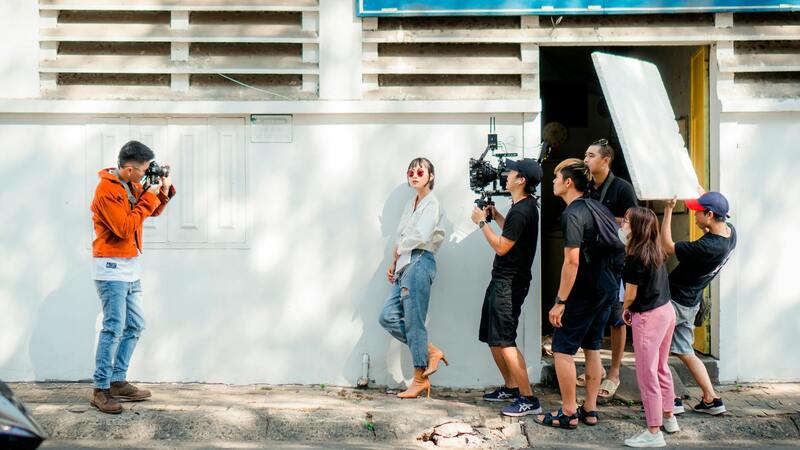
For exterior shots, the choice of time of day impacts visual appeal. Golden hour—shortly after sunrise or before sunset—provides warm, soft lighting that enhances the property's curb appeal. Properly calibrated camera settings such as aperture (f/8-f/11 for depth of field), low ISO, and accurate white balance contribute to ensuring vivid, crisp images.
Employing tilt-shift lenses where appropriate can correct perspective distortions, ensuring vertical lines of buildings appear natural and undistorted. This attention to technical detail results in images that are both aesthetically pleasing and structurally accurate.
Incorporating Professional Techniques and Equipment
Ultimately, leveraging professional-grade equipment combined with refined shooting techniques results in high-quality visuals that effectively highlight a property's best features. The careful selection of lenses, camera settings, and composition strategies ensures each image tells a compelling story, captivating potential buyers and elevating the overall listing quality.
Optimal Post-Processing and Editing Techniques
Post-processing plays a crucial role in transforming raw images into captivating visual narratives that attract potential buyers. While it is essential to preserve the authenticity of the property, subtle enhancements can significantly elevate the overall quality of real estate photos. Employing professional editing software enables real estate photographers to fine-tune exposure, contrast, color balance, and sharpness, ensuring each image accurately reflects the property's true aesthetic appeal.
One primary focus during post-processing is correcting minor distortions caused by wide-angle lenses. Employing perspective correction tools helps straighten vertical lines and rectify architectural distortions, resulting in more natural-looking images. Additionally, noise reduction can be applied selectively in darker areas to enhance clarity without compromising detail.
Color grading should be handled judiciously to enhance visual warmth and vibrancy, especially in interior shots where lighting might be less than ideal. However, it is vital to avoid over-saturation, which can mislead viewers and diminish the credibility of the listing. Adjustments to brightness and contrast can help ensure the images communicate a welcoming and spacious atmosphere.
HDR (High Dynamic Range) processing is particularly effective when dealing with scenes containing a wide range of light intensities. By merging exposures, photographers can reveal details in both shadows and highlights, ensuring the image appears balanced and detailed. This technique is especially useful in images capturing views through windows or with complex lighting conditions.
Retouching also involves removing minor imperfections, such as dust spots, reflections, or distracting items that might divert attention from the property's main features. Professional editors aim for a natural enhancement rather than an overly manipulated appearance, maintaining the integrity of the property’s presentation.
Effective post-processing ensures that each photograph accurately highlights the key features, interior spaces, and exterior charm of the property. Done professionally, it aids in creating a compelling visual story that resonates with prospective buyers and enhances the overall perception of the listing.
Incorporating Aerial and Drone Views
Utilizing drone photography allows real estate agents to present the property from a comprehensive perspective unavailable through traditional ground-level photography. High-quality aerial shots provide viewers with a clear understanding of the property's scale, landscaping, and surrounding amenities, adding a layer of context and appeal that is often decisive in buyer decision-making.
When capturing drone imagery, employing professional-grade equipment and skilled pilots ensures optimal stability, framing, and compliance with safety regulations. High-resolution aerial photos paired with ground-level images create a dynamic visual portfolio that showcases the property's full potential from multiple vantage points.

Investing in refined post-production and aerial imaging techniques equips listings with eye-catching visuals that stand out in crowded markets. Ensuring each image aligns with the property’s authentic charm maximizes engagement, ultimately accelerating the sales process.
Ensuring Consistent Branding and Accurate Representation
In the realm of real estate marketing, consistency plays a pivotal role in building trust and recognition. High-quality photos should not only be visually appealing but also accurately represent the property’s features, size, and layout. This involves maintaining color consistency, perspective accuracy, and image sharpness across all shots. When potential buyers view listings with uniform and precise visuals, it reinforces professionalism and confidence in the listing.
To achieve this, it is essential to establish a standard photographic style aligned with the property's branding. This includes selecting a color palette that reflects the real colors of the property, ensuring straight vertical lines to avoid distortion, and capturing images during optimal weather conditions to prevent misleading impressions. Proper framing and composition emphasize the property's best attributes, from spacious rooms to inviting exteriors.

Advanced post-production techniques also contribute to maintaining consistency while enhancing the image's appeal. Techniques such as color grading, perspective correction, and minimal retouching help uphold authenticity without misrepresenting the property. This balanced approach ensures that prospective buyers experience a true depiction of the property, leading to higher engagement and better quality inquiries.
Maximizing Property Appeal with Effective Composition
Composition is the backbone of impactful real estate imagery. Selecting the right angles, viewpoints, and framing ensures that each shot accentuates the property's strengths and creates an inviting atmosphere. Wide-angle lenses are typically employed to capture entire rooms, giving viewers a sense of space and flow. When photographing exteriors, choosing vantage points that showcase landscaping, architectural details, and outdoor amenities can significantly boost appeal. Incorporating elements such as a well-maintained lawn, a swimming pool, or a scenic backyard adds depth to the visual story. Furthermore, careful timing of the shoot during favorable lighting conditions—such as during the golden hour—can dramatically improve the aesthetic quality of images. Avoiding clutter and personal items during the shoot helps keep the focus solely on the property's features, providing a clean and professional appearance.
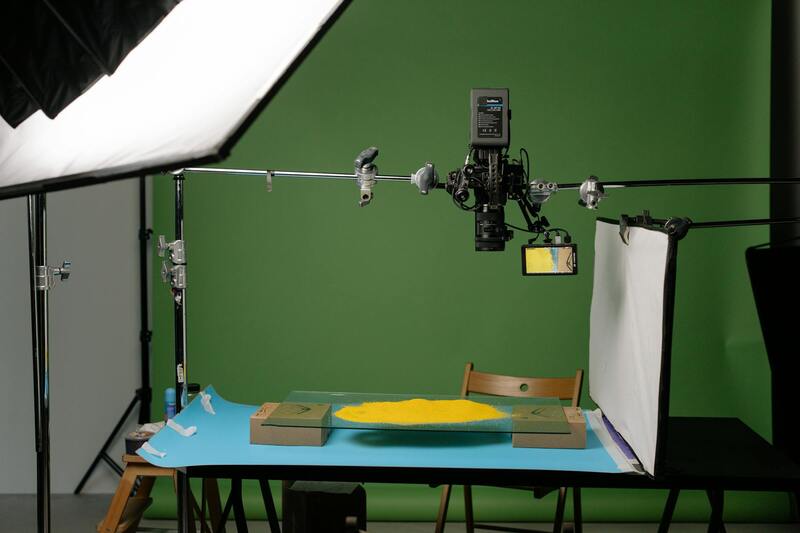
Properly composed photographs guide viewers' eyes through the space, highlighting the flow between rooms and showcasing the property's unique architectural elements. Quality composition coupled with consistent branding ultimately elevates a real estate listing, making it more memorable and compelling in a competitive market.
Utilizing Strategic Camera Angles and Perspectives
To maximize the visual impact of real estate images, it is essential to employ diverse camera angles that highlight the property's best features while providing a comprehensive view of the space. Low-angle shots can emphasize spaciousness and grandeur, especially for high ceilings or expansive rooms. Conversely, eye-level perspectives often create a sense of familiarity, allowing potential buyers to envision themselves within the space.
Implementing vertical and horizontal lines effectively can also guide viewers' attention toward focal points, such as a fireplace, a built-in shelving unit, or an architectural column. These lines help create a sense of order and harmony within the image, making the property more appealing and easier to navigate visually.
Moreover, incorporating unique viewpoints—such as capturing reflections in mirrors or windows—can add a creative touch to standard shots. This approach not only maintains viewer interest but also reinforces the property's spatial dimensions and distinctive features.
Enhancing Visual Appeal Through Composition and Framing
Effective composition is fundamental in creating captivating real estate visuals that resonate with viewers. Techniques such as the rule of thirds, leading lines, and symmetry are beneficial tools for producing balanced and engaging images. Positioning key features along the grid lines of the rule of thirds draws attention to focal points naturally, guiding viewers’ eyes through the photograph.
Framing is another powerful technique, involving the use of doorways, windows, or architectural elements to create a natural border around the subject. This not only centers attention on the main feature but also adds depth and context to the image, increasing emotional engagement.
Ensuring that images are free from clutter and distractions is also critical; a tidy space allows the architectural details and design elements to stand out. Using a wide-angle lens when capturing interiors enhances the sense of space, but it's important to avoid distortion by adjusting the lens settings appropriately and maintaining a consistent perspective across all shots.
Staging the Space to Appeal to Buyers
Staging is a strategic approach that involves arranging furniture and decor to highlight the full potential of each area. Well-staged spaces appear more inviting and help viewers visualize how they might utilize the rooms. For example, placing a dining table with elegant place settings or arranging throw pillows and rugs can add warmth and character to the space.
It is equally important to keep the staging neutral and uncluttered, preventing the images from becoming overwhelming or distracting. Using modern, simple accessories that complement the property’s style can significantly boost visual appeal and help make the space look both lived-in and aspirational.
Complementing staging efforts with seasonal decor can also make the property more appealing during specific times of the year, creating a cozy or fresh ambiance that resonates with potential buyers.
Importance of Weather and Timing for Photography
Timing plays a crucial role in producing great real estate photos. Shooting during favorable weather conditions, such as clear days or during the golden hour—shortly after sunrise or before sunset—enhances natural lighting, adding warmth and depth to images.
Overcast days can also provide soft, even light that reduces harsh shadows and glare, making interiors appear more inviting. Planning shoots to avoid rain or wind ensures outdoor spaces are presented at their best, with gardens, patios, and landscaping shining through in the visuals.
By aligning the photography schedule with optimal weather and lighting conditions, real estate professionals can ensure that each listing benefits from the highest possible visual quality, increasing its appeal in a competitive market.
Ensuring Consistency and Professionalism in Your Images
To create a compelling visual narrative that draws potential buyers, consistency across your real estate photos is paramount. This involves maintaining uniformity in style, lighting, color tones, and image framing throughout the entire listing. Approaching each shoot with a clear plan ensures that all images cohesively represent the property’s unique features and overall aesthetic. Utilizing a systematic approach to photo sessions helps in capturing all essential areas of the property without oversight. It is essential to double-check that each shot aligns with the intended visual style, whether that’s bright and airy or warm and cozy. Consistency across images not only enhances the property’s professionalism but also facilitates seamless virtual tours and marketing materials. Furthermore, hiring experienced professionals with a keen eye for detail significantly elevates the final product. Skilled photographers are adept at managing various challenges, such as tricky lighting scenarios and tight spaces, ensuring high-quality results that attract serious buyers.
Employing Strategic Composition and Angles
Composition plays a pivotal role in crafting visually engaging real estate images. Using techniques such as the rule of thirds, leading lines, and symmetry can create depth and focus attention on the property’s best features.
- Optimal Angles: Shooting from a slightly elevated height often captures the maximum of a room, providing a sense of space and openness. Be cautious to avoid exaggerated perspectives that can mislead viewers.
- Highlight Architectural Details: Positioning your camera to accentuate unique architectural elements, such as a fireplace or high ceilings, adds character and interest.
- Avoiding Distortions: Utilizing lenses with minimal distortion and ensuring the camera is level prevents angular discrepancies that could compromise the image’s accuracy.
Incorporating Virtual Staging and Interactive Elements
Beyond straightforward photography, integrating virtual staging can dramatically boost a property's attractively by showcasing potential layouts and design possibilities. This approach allows prospective buyers to visualize living in the space with different furniture or decor styles, increasing emotional connection and overall interest. Additionally, supplementing static images with interactive virtual tours or 3D walkthroughs provides a comprehensive view of the property, making it easier for remote viewers to experience the layout and spatial dynamics firsthand. These digital enhancements serve as powerful tools to distinguish your listing in a competitive market.
Optimizing Image Delivery and Quality for Different Platforms
Ensuring your high-quality photos are optimized for various platforms—such as MLS listings, social media, and company websites—is essential for maximum impact. This entails resizing images to appropriate dimensions, compressing files without sacrificing clarity, and employing proper formats to facilitate fast loading times. Using consistent aspect ratios and color profiles across all images maintains a cohesive look, reinforcing your brand’s professionalism. Consistent image quality also enhances user experience, whether on mobile devices or desktop computers, encouraging viewers to spend more time exploring the property. Implementing a strategic workflow that includes efficient editing, proper file management, and version control guarantees that every listing receives the best possible visual presentation. This meticulous attention to image quality and delivery standards translates into increased engagement and a higher likelihood of securing qualified leads.
Capturing the Essence of a Property with Great Real Estate Photos
High-quality real estate photography is fundamental to attracting prospective buyers and maximizing a property’s market value. Investing in professional imagery ensures that the unique features and character of a property are vividly showcased, capturing the attention of online viewers within seconds. Effective real estate photographs serve as the first impression of a property, often determining whether a potential buyer will schedule an in-person visit. Crisp, well-composed images highlight spaciousness, light, and architectural details, creating an inviting and aspirational view of the property that resonates with the target audience.
Strategic Preparation for a Successful Photoshoot
Preparing a property thoroughly before the camera crew arrives is crucial for producing exceptional images. Decluttering spaces removes unnecessary items, ensuring rooms appear clean, organized, and visually appealing. Staging furniture and accessories thoughtfully can emphasize a room’s functionality and aesthetic appeal. Paying attention to minor details, such as adjusting window treatments to maximize natural light or removing personal items that distract, can significantly elevate the photographs.
Ensure all areas are well-maintained; fix minor damages, touch up paint, and clean carpets or flooring. The goal is to present a property that looks move-in ready and emotionally enticing. Additionally, scheduling the shoot during optimal lighting conditions, typically late morning or early afternoon, takes advantage of natural sunlight that enhances the space’s warmth and vibrancy.
Choosing Equipment and Techniques to Elevate Your Photos
The foundation of outstanding real estate photos lies in using professional-grade equipment. A high-resolution digital camera with a wide-angle lens allows for capturing expansive views and detailed representations of interior and exterior spaces. Tripods stabilize the camera, minimizing blur and enabling precise framing. Regularly updating equipment ensures images remain sharp and vibrant, aligning with current visual standards.
Employing various shooting techniques, like HDR (High Dynamic Range), balances light levels in scenes with contrasting bright and dark areas. This approach ensures a well-exposed image, free of overexposed windows or shadowed corners. Fully utilizing a tripod also facilitates consistent composition and allows for multiple shots to be stitched together for panoramic or 3D views.
The Critical Role of Lighting in Real Estate Photography
Lighting profoundly influences the visual impact of real estate photos. Natural light, when harnessed correctly, creates inviting, authentic images that highlight a property’s best features. Morning and late afternoon are often ideal times for shooting, as sunlight is softer and casts fewer harsh shadows. Opening curtains and blinds ahead of the shoot allows natural light to flood rooms, making spaces appear larger and more welcoming.
Supplementing natural light with professional lighting equipment can compensate for darker areas or indoor spaces lacking windows. Softbox lights, umbrella diffusers, and reflectors help to evenly illuminate rooms, reducing shadows and highlighting architectural details. The goal is to produce well-lit images that accurately reflect the property's true ambiance and spatial proportions.
Post-Processing and Editing for a Polished Finish
After capturing images, meticulous post-processing enhances their appeal without misleading viewers. Adjustments to brightness, contrast, and color balance correct any discrepancies caused by lighting conditions or camera settings. Cloning out minor imperfections—such as dust spots or temporary objects—further refines the photographs.
Real estate photographers often employ panoramic stitching, perspective correction, and selective sharpening to ensure each image showcases the property at its best. Maintaining consistency across all images—such as matching exposure levels and color tones—creates a seamless visual experience for viewers. Proper editing not only boosts aesthetic quality but also maintains the integrity and accuracy of the property’s presentation.
Utilizing Drone Photography to Showcase Entire Properties
Drone photography offers a comprehensive perspective of the property and its surroundings, providing potential buyers with context on lot size, landscaping, and neighborhood features. Aerial shots can capture expansive views of the property’s exterior, including pools, gardens, driveways, and nearby amenities, which are often impossible to see from ground-level photos alone.
Employing drones equipped with high-resolution cameras ensures stunning visuals that emphasize a property’s grandeur and setting. Strategic aerial shots can also highlight proximity to parks, schools, or commercial centers, adding an extra layer of appeal. When integrated with traditional interior and exterior images, drone photography creates a compelling, holistic visual story that enhances overall marketing efforts.
Avoiding Common Mistakes to Maintain High Standards
Even with the best equipment and expertise, certain pitfalls can compromise the quality of real estate photos. Overly staged or cluttered spaces can distract viewers from architectural strengths, while poor lighting or inconsistent editing can diminish the visual appeal. Relying on wide-angle lenses without attention to distortion may cause the space to appear unnaturally skewed, undermining realism.
Failure to capture the full potential of a space—such as neglecting to shoot key rooms or missing exterior shots—can leave viewers with an incomplete understanding of the property. Additionally, neglecting image optimization for various platforms can slow load times or reduce visual clarity, negatively affecting user experience. Professionals carefully plan shot lists, maintain consistency, and adhere to technical standards to avoid these common issues and ensure every property listing makes a strong impression.