
Techniques for Capturing Stunning Property Shots
Achieving high-definition real estate photography that captivates potential buyers requires mastery of various photographic techniques. Properly capturing interior and exterior spaces involves understanding the nuances of camera settings, angles, and composition strategies that highlight the property's best features.
When photographing interiors, optimal lighting is essential. Utilizing natural light during daytime hours enhances the vibrancy and clarity of images. Employing a tripod ensures stability, eliminating motion blur and allowing for precise framing. Using a wide-angle lens enables photographers to capture more of the space within a single shot, providing viewers with a comprehensive view of each room.
In exterior shots, the goal is to emphasize curb appeal. Shooting during the golden hour—shortly after sunrise or before sunset—provides softer, more flattering light that reduces harsh shadows. Elevating camera angles slightly above eye level often results in more engaging images, showcasing the property in a dynamic perspective.
Composition strategies such as the rule of thirds guide the placement of key elements within the frame, leading to balanced and aesthetically pleasing images. Including leading lines—like pathways or fences—directs the viewer’s eye toward the main features of the property. Properly balancing light and shadow, avoiding clutter, and ensuring the focus remains on the property's unique aspects are vital for producing compelling visuals.
To further enhance image quality, photographers might utilize HDR (High Dynamic Range) techniques. This involves capturing multiple exposures and combining them to retain detail in both bright and dark areas. Proper camera settings, including aperture, ISO, and shutter speed, are calibrated based on lighting conditions to produce sharp, vibrant images.
In the realm of hd real estate photography, attention to detail is crucial. Using the right techniques ensures that each property is presented in the most appealing way, which can significantly influence buyer perception and interest.
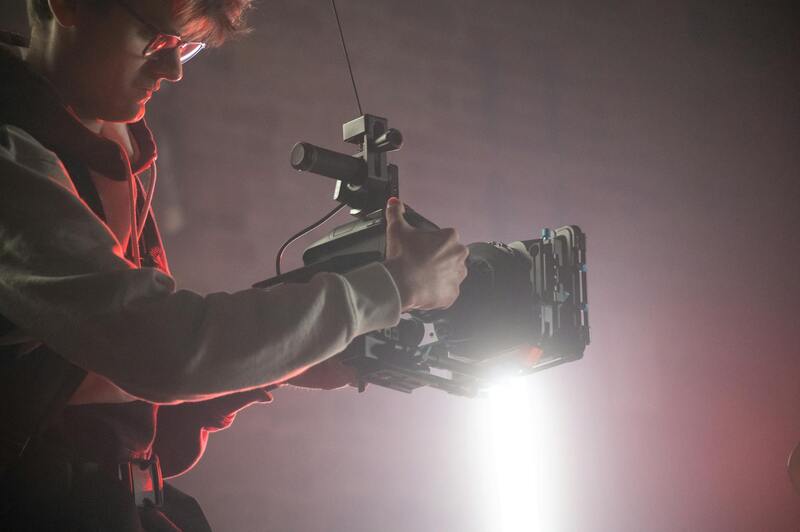
Implementing these best practices allows real estate professionals in Miami and beyond to showcase properties with exceptional clarity and appeal, ultimately accelerating the selling process and maximizing property value.
Techniques for Capturing Stunning Property Shots
Achieving high-quality, captivating real estate images requires a combination of technical proficiency and artistic insight. Professionals specializing in hd real estate photography employ advanced techniques to ensure each shot maximizes the property's visual appeal. A key aspect involves controlling lighting conditions; natural light is often preferred for its ability to illuminate spaces evenly and naturally. Photographers may shoot during specific times of day, such as the golden hour, to capture warm, inviting tones that enhance the property's features.
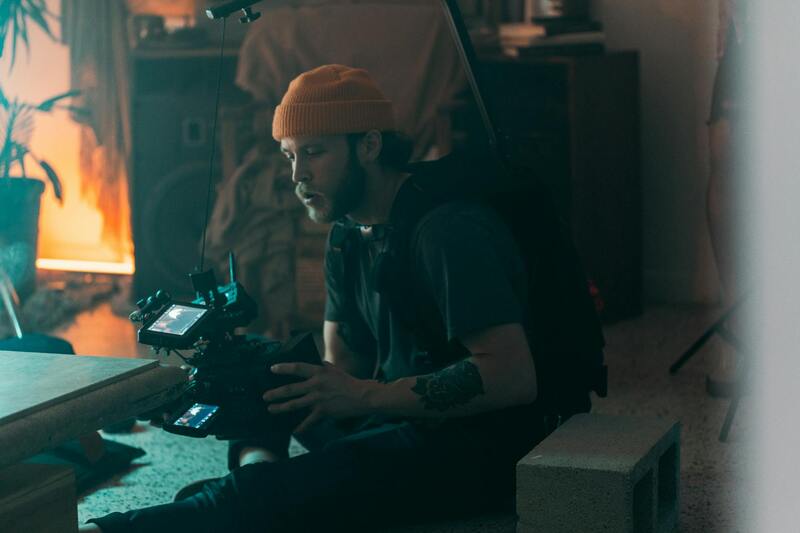
Another essential technique is the strategic use of camera angles. Slightly elevating the camera position—around 3 to 5 feet off the ground—can offer a more comprehensive view of rooms, making spaces appear larger and more open. Wide-angle lenses are indispensable in real estate photography, allowing for an expansive view that encompasses an entire room without distortion. However, care must be taken to avoid excessive distortion that can misrepresent the property's dimensions.
Mastering Composition
- Rule of Thirds: Position key features along grid lines for balanced images.
- Leading Lines: Use pathways, railings, or architectural elements to draw the viewer’s eye toward focal points.
- Decluttering: Remove unnecessary items to minimize distractions and emphasize the property's clean and organized appearance.
- Highlighting Unique Features: Focus on architectural details, upgraded fixtures, or outdoor landscapes that set the property apart.
Proper exposure settings are vital for capturing the true essence of a property. Photographers often utilize HDR (High Dynamic Range) techniques to blend multiple exposures, ensuring that highlights and shadows retain detail. This is particularly effective in scenes with contrasting light levels, such as interiors with large windows or rooms with complex lighting conditions. Calibrating camera settings—aperture, ISO, and shutter speed—in accordance with ambient lighting enhances image sharpness, color richness, and overall clarity.
Enhancing Image Quality
- Capture multiple shots in varying exposures to prepare for HDR processing.
- Use a tripod to maintain stability and consistency across images.
- Ensure every shot is focused sharply on key features.
- Adjust white balance for accurate color reproduction.
Attention to detail during the shooting process is paramount. Fixing minor issues like window glare, reflections, or unwanted reflections ensures that the final images are polished and compelling. Properly composed, well-lit, and accurately exposed images can dramatically influence prospective buyers' perceptions, increasing interest and accelerating the sale process.
Utilizing Advanced Equipment and Technology for Optimal Results
Achieving stunning property visuals through HD real estate photography relies heavily on using state-of-the-art equipment and current technological advancements. High-quality cameras with large sensors and exceptional resolution capabilities are fundamental to capturing crisp, detailed images that showcase every aspect of a property. Full-frame DSLR or mirrorless cameras equipped with wide-angle lenses—typically ranging from 14mm to 24mm—are standard to encompass expansive interiors and exteriors in a single frame, reducing distortion and maximizing scene coverage.
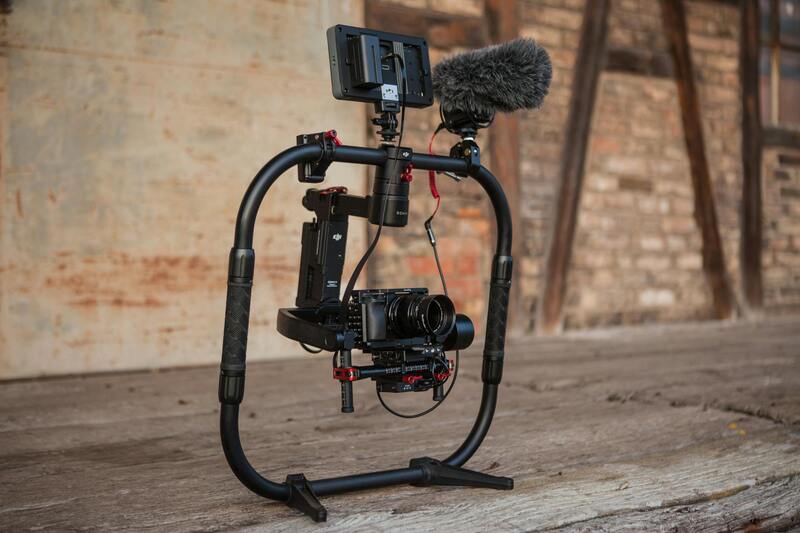
Gimbals and stabilization devices play a crucial role in ensuring image sharpness, especially when shooting handheld in dynamic environments. Tripods with adjustable heads provide stability and precise framing, preventing camera shake, which is vital for achieving consistency, particularly during HDR shooting sequences. For interior shots, proper lighting equipment, including diffusers and reflectors, can significantly enhance illumination, complementing natural light for balanced, inviting visuals.
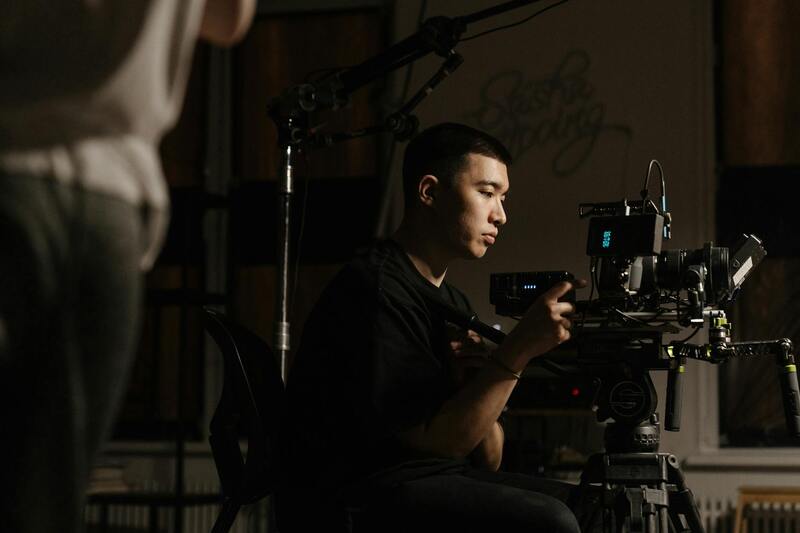
Leveraging the latest imaging software and camera firmware updates ensures optimal performance and access to new features that enhance image quality. For instance, in-camera HDR bracketing automates the capture of multiple exposures, streamlining workflow and reducing post-processing time. Additionally, tethered shooting setups allow photographers to view and evaluate images instantly on larger screens, facilitating immediate adjustments for perfect shots.
Emerging technologies, such as drone photography, have become invaluable in providing aerial perspectives that highlight landscape features, outdoor amenities, and overall property footprint. High-resolution drone cameras with stabilized gimbals ensure clear, professional aerial shots that complement ground-level images and elevate listings’ visual appeal. Integrating these tools into the photography process enhances the depth and richness of real estate visuals, making properties stand out in competitive markets.
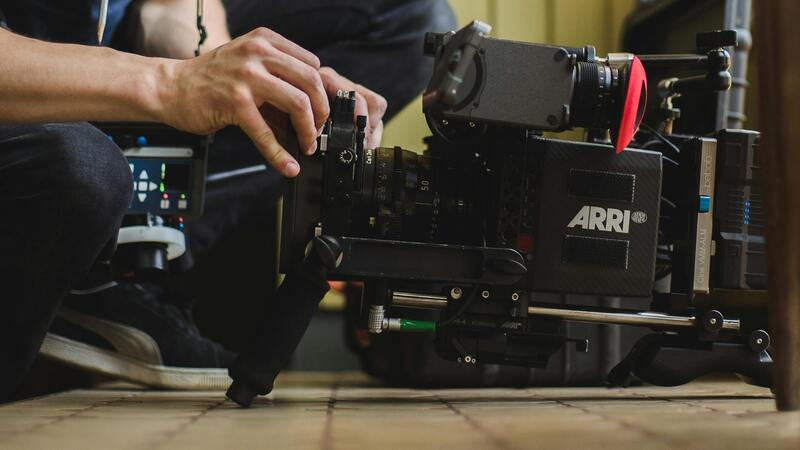
Beyond photography, software innovations such as 3D scanning and virtual staging enable clients to visualize properties more interactively. These tools facilitate immersive virtual tours, allowing potential buyers to explore homes remotely with a realistic sense of space and layout. Combining high-quality imagery with advanced digital technologies offers a comprehensive approach to real estate marketing, ensuring visual content meets high standards that resonate with discerning audiences.
Advanced Techniques for Capturing High-Quality Real Estate Images
To attain superior HD real estate photographs that truly showcase a property’s appeal, employing advanced shooting techniques is imperative. This involves not only understanding the nuances of lighting and composition but also leveraging tools that enhance image clarity and detail. Properly balancing ambient light with supplemental lighting solutions, such as softboxes or diffused flash, ensures an even illumination that highlights architectural features without creating unwanted shadows.
Utilizing a tripod stabilizes the camera, preventing blurriness and ensuring sharp images, especially in lower light conditions. Bracketing exposures and combining them through High Dynamic Range (HDR) techniques captures a full spectrum of light and detail within the scene, from bright windows to shadowed corners. The goal is to produce images that accurately reflect the property's true ambiance and spatial layout.
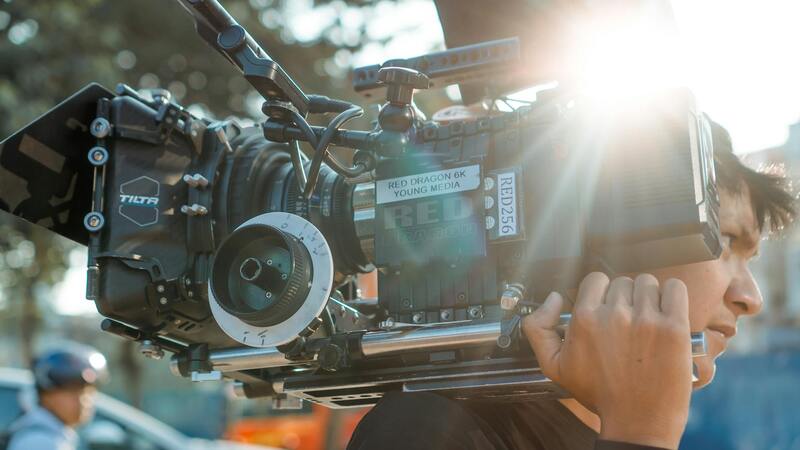
Strategically composing shots to highlight key features, such as spacious living rooms, modern kitchens, and outdoor areas, guides potential buyers’ focus. Shooting in optimal weather conditions with plenty of natural light enhances the authenticity and vibrancy of images. Additionally, wide-angle lenses are vital for capturing expansive interiors and exteriors, but they must be used carefully to avoid distortion that could misrepresent space.
Posture and perspective also play critical roles. High vantage points can showcase home layouts effectively, while low angles might emphasize architectural details. Incorporating multiple perspectives ensures a comprehensive view, offering a virtual experience that can be as detailed and immersive as possible.
Developing a workflow that integrates these techniques streamlines the production process. Attention to details such as lens choice, proper camera settings, and framing ensures consistency across listings. This meticulous approach delivers visually compelling images that elevate a property's market presence.
Enhancing Images with Digital Accessories and Lighting
Additional equipment like portable lighting kits can overcome challenging lighting conditions, ensuring the property's features are consistently well-lit. Light modifiers such as reflectors, diffusers, and color filters can be employed to fine-tune illumination, ensuring colors are vibrant and true to life.
Landscape and exterior shots benefit greatly from polarized filters that reduce glare and reflections from glass or water surfaces, providing clearer views of the scenery. During post-processing, targeted adjustments for contrast, saturation, and sharpness further refine images, presenting properties in their best light and attracting more potential buyers.
Advanced Shooting Techniques for Optimized Property Images
Achieving high-quality footage of real estate properties necessitates more than just using the right camera. Precision in technique plays a crucial role in capturing images that truly represent a property's appeal. Utilizing proper composition, such as employing the rule of thirds, ensures a balanced and engaging visual experience. Additionally, controlling camera settings—like aperture, shutter speed, and ISO—allows for the creation of images with optimal clarity and exposure, essential for highlighting both interior and exterior features. When shooting interiors, leveraging HDR (High Dynamic Range) techniques can effectively balance bright windows and shadowed corners, rendering a comprehensive view without blown-out highlights or dark areas. For exteriors, capturing during the golden hour—shortly after sunrise or before sunset—can imbue images with warm, inviting tones that accentuate architectural details and landscape features. Furthermore, the strategic use of angles and vantage points enhances the storytelling aspect of property photography. Elevated shots from drone cameras or high-rise platforms provide expansive views that establish context and scale, while ground-level images can emphasize specific architectural elements. Integrating multiple viewpoints fosters a virtual walkthrough, creating an immersive experience for prospective buyers. To maintain consistency, establishing a standardized shooting workflow is beneficial. This involves planning shot lists, setting camera parameters based on lighting conditions, and ensuring proper framing. Attention to detail at this stage ensures images cohesively communicate the property's value across all marketing platforms.
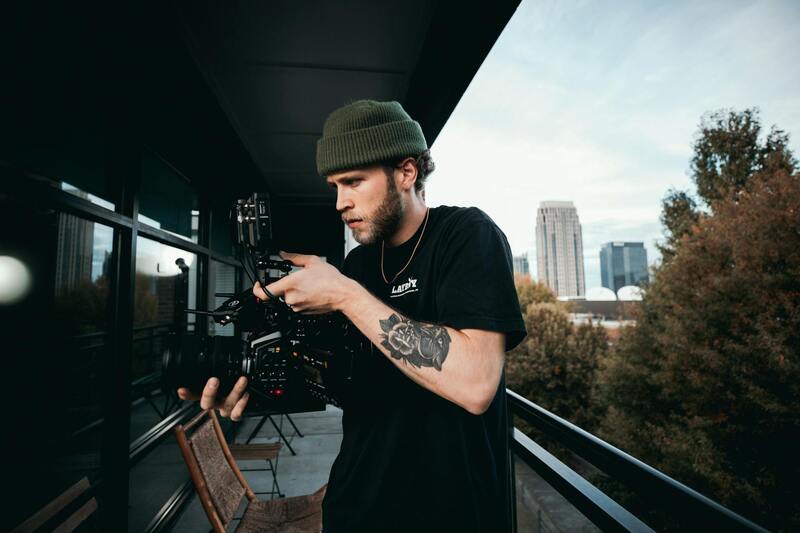
Implementing these advanced techniques requires a thorough understanding of both equipment capabilities and the unique aspects of each property. Skilled photographers adapt their approach according to the specific challenges presented, such as tight spaces or complex lighting scenarios. They also often incorporate supplementary tools—like tripod stabilizers and panoramic heads—to improve image stability and stitching accuracy. By integrating these innovative methods, real estate professionals can elevate their listings through striking visuals that capture attention quickly, convey the true essence of each property, and ultimately drive increased interest and faster sales.
Advanced Techniques in Capturing Hd Real Estate Photography
Achieving exceptional clarity and visual impact in property images requires mastery in several advanced shooting techniques tailored specifically for high-definition real estate photography. These methods not only enhance the aesthetic quality but also ensure that the images accurately represent the property’s spatial qualities and intrinsic features.
One fundamental technique involves the use of strategic camera angles. Shooting from a corner of a room provides a sense of depth and perspective that feels more natural and inviting to viewers. Elevating the camera viewpoint slightly above eye level can minimize distortions and better showcase the property's proportions. For exteriors, wide-angle lenses are essential to capture the full scope of facades and landscape views without sacrificing detail.
Proper composition plays a crucial role in cinematic property presentation. Incorporating leading lines, framing elements, and balanced symmetry guides the viewer’s eye naturally through the scene. Using the rule of thirds ensures key features—such as a stunning staircase, ornate fireplace, or panoramic window—are positioned to draw maximum attention.
Optimal lighting is vital for high-quality images. Shooting during the golden hour—shortly after sunrise or before sunset—provides a soft, warm glow that enhances the property’s appeal. When shooting indoors, diffusing natural light with sheer curtains or supplementing with professional lighting setups helps eliminate harsh shadows and evenly illuminates spaces. Skillful manipulation of lighting conditions aids in portraying realistic colors and textures, making interiors look bright yet natural.
Staging not only involves decluttering and arranging furniture but also strategically placing decorative elements to highlight architectural features. For instance, open curtains to maximize natural daylight or position a statement piece in the foreground to create visual interest. Attention to details during staging complements the technical shooting methods, resulting in images that resonate emotionally with prospective buyers.
For complex spaces or challenging lighting conditions, utilizing supplementary tools like tripod stabilizers, panoramic heads, and remote shutters can significantly improve shot stability and precision. These tools enable seamless stitching of images to produce cohesive, ultra-high-resolution panoramas that showcase panoramic views or spacious interiors in remarkable detail.
Moreover, leveraging these advanced techniques requires understanding the unique structural and environmental aspects of each property. Adaptability and a keen eye for detail empower photographers to capture the true essence of a space, making the property stand out in competitive listings. Such technical finesse ensures that each image not only meets professional standards but also resonates with the target audience, encouraging greater engagement and accelerating the sales process.
Innovative Approaches and Techniques in Hd Real Estate Photography
To elevate the quality of property images, it is essential to incorporate advanced techniques that go beyond basic photography. Mastery of lighting, composition, and equipment handling plays a pivotal role in capturing detailed, vibrant, and inviting images that resonate with prospective buyers.
Utilizing HDR (High Dynamic Range) imaging allows photographers to balance exposure levels between bright and dark areas of a scene. This technique is particularly valuable when shooting interiors with windows or complex lighting conditions, ensuring the exterior view does not overpower the interior details, and vice versa. Through HDR blending, images reveal the true essence of a space, with accurate color representation and preserved textures.
Another effective method involves the systematic use of wide-angle lenses, which enable the capture of more expansive views within a single shot. When paired with appropriate perspective correction, these lenses minimize distortion, ensuring the spatial relationships within a property are accurately depicted. This precision helps potential buyers better understand the scale and flow of a property, encouraging engagement.
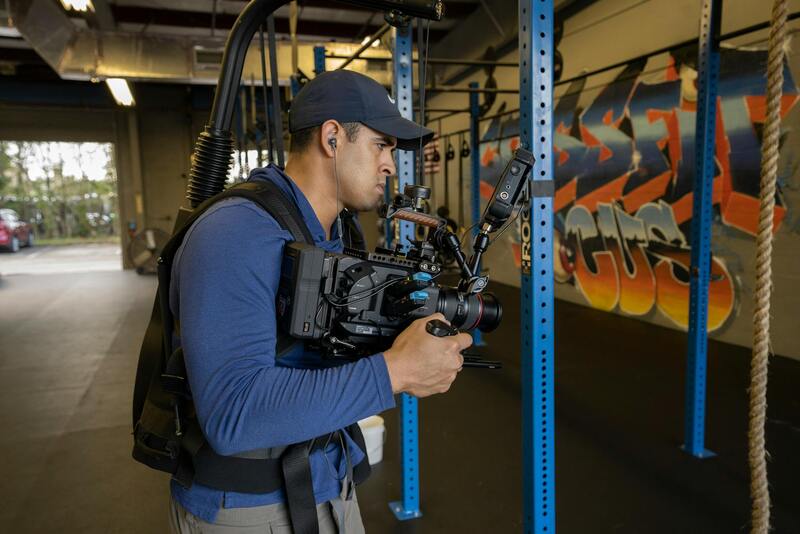
In addition, employing a tripod ensures stability, resulting in sharper images, especially during longer exposures required in low-light scenarios. Remote shutters or intervalometers further facilitate capturing consistent shots without camera shake, maintaining image clarity. For properties with extensive features, panoramic stitching techniques combine multiple images into seamless wide-angle views, highlighting the full scope of expansive living areas or outdoor landscapes.
Posture positioning—placing the camera at optimal heights and angles—also significantly impacts the viewer’s perception. Eye-level shots generally replicate the human perspective, creating a more inviting and relatable experience. A strategically chosen vantage point can accentuate architectural features or create a sense of depth, drawing viewers into the space.
Photographers should also leverage reflectivity—such as mirrors and shiny surfaces—to add depth and visual interest. Properly managing reflections with controlled lighting prevents distracting glares, maintaining the aesthetic coherence of the image.
Moreover, the use of supplementary lighting tools, including portable LED panels and reflectors, allows for balanced illumination of interiors, avoiding overly dark shadows or washed-out highlights. Thoughtful lighting enhances textures, colors, and details, making each shot vivid and true to life.
Ultimately, integrating these innovative techniques requires a keen understanding of each property’s unique characteristics. Adaptability and consummate skill enable photographers to craft visuals that not only meet high standards but also evoke emotional responses from viewers. When executed precisely, these methods make properties stand out in competitive markets, attract serious buyers, and facilitate quicker sales.
Ensuring Consistent Quality in Hd Real Estate Photography
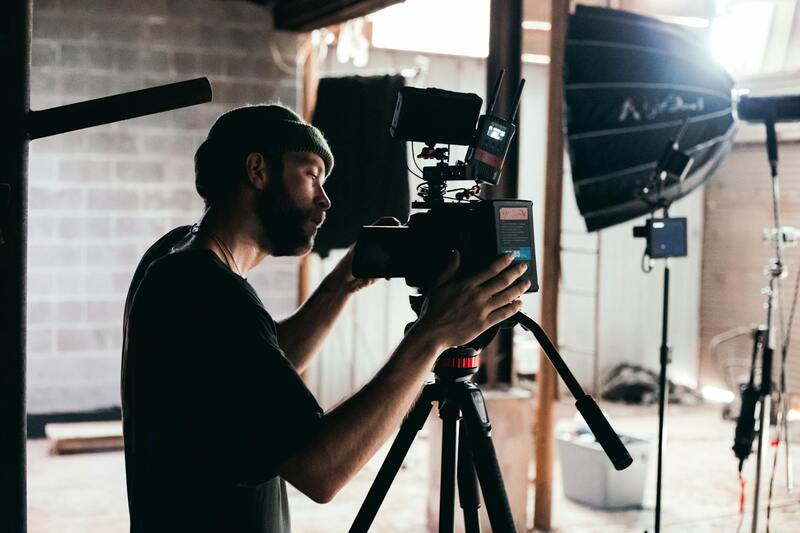
Maintaining a uniform standard across all property images is crucial for establishing credibility and reinforcing brand identity in Miami's competitive real estate market. Consistency in high-definition photography reflects professionalism and helps potential buyers form a cohesive perception of a listing, reducing uncertainties caused by visual disparities.
To achieve this, real estate photographers and agents should develop and adhere to standardized protocols for image capture. This includes consistent use of camera settings, such as aperture, shutter speed, and ISO, to ensure uniform exposure and sharpness across all photographs. Establishing a workflow for each shoot, from staging and lighting to camera positioning, further promotes consistency.
Using a predefined shot list prioritizes capturing the most compelling angles and features of each property, ensuring nothing is overlooked. Regular calibration of equipment guarantees optimal performance, preventing color deviations or focus issues that might otherwise compromise image quality.
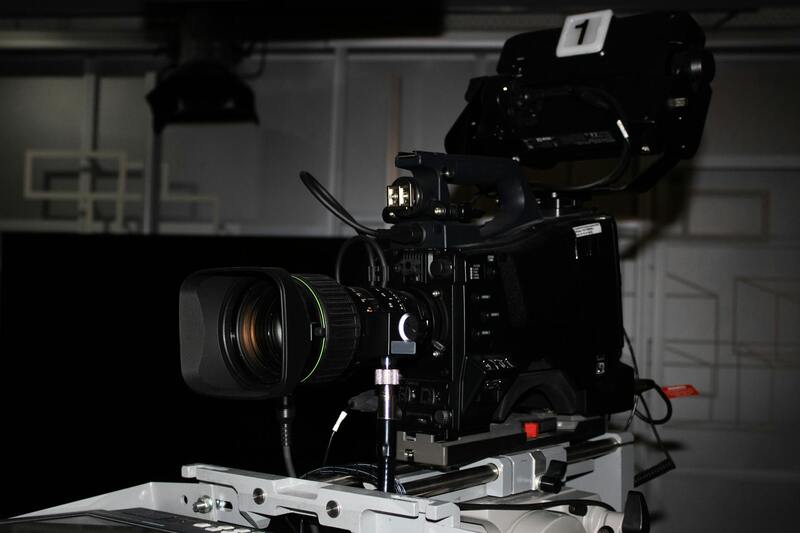
Implementing batch processing techniques in editing software enhances uniformity, especially for properties with multiple photos. Adjustments to color balance, contrast, and sharpness should be applied uniformly to preserve visual coherence. Transparent communication between photographers and real estate professionals ensures that the visual narrative aligns with the property’s branding and marketing goals.
Ultimately, consistent high-quality imagery enhances buyer confidence and accelerates the decision-making process. It demonstrates attention to detail and a commitment to excellence—attributes highly valued in Miami's dynamic real estate scene. As more listings adopt standardized visual presentation, both agents and clients benefit from increased trust and visibility in the market.
Techniques for Capturing Stunning Property Shots
Achieving high-definition real estate imagery relies heavily on the mastery of certain photographic techniques that highlight the property’s best features. Precise camera positioning, optimal lighting, and strategic composition are essential components to accentuate spatial dimensions and aesthetic appeal. Photographers often utilize wide-angle lenses to capture expansive interior views while maintaining image clarity and minimal distortion. Ensuring the camera is level and aligned consistently prevents skewed perspectives that can detract from the property’s natural flow.
Leveraging natural light is pivotal in producing inviting and vibrant images. When feasible, shooting during optimal times of day—such as sunrise or sunset—can add warmth and depth to interior and exterior shots. Supplementing ambient lighting with professional flash or strobe lighting helps in balancing shadows and highlights, creating a polished and well-exposed image. Properly staged rooms with uncluttered spaces further allow for unobstructed views and emphasize the property's spaciousness.
Another critical technique involves the use of multiple exposures, which allows the blending of different light levels to produce well-balanced images that reveal both interior details and exterior surroundings. This method is especially effective for high-dynamic-range (HDR) imaging, which has become a staple in high-quality real estate photography, providing clarity in shadowed corners and bright windows simultaneously. Consistent camera settings across all shots ensure that the entire visual presentation maintains a cohesive appearance, reinforcing the professionalism of the listing.
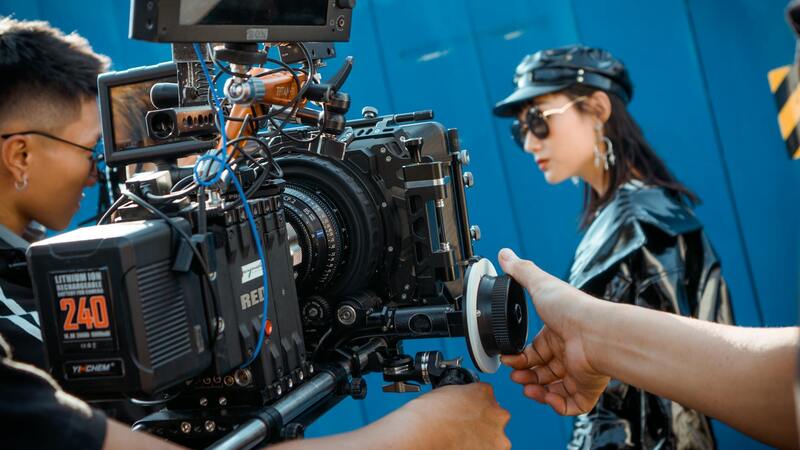
Employing a systematic approach to capturing images can significantly enhance their visual impact. Photographers often compile a comprehensive shot list, prioritizing key areas such as the entryway, living spaces, kitchens, bathrooms, and outdoor features. This process not only maximizes efficiency but ensures that the most compelling visuals are captured to attract potential buyers.
Maintaining consistency in equipment calibration, especially between different shoots, is crucial for producing uniform high-definition visuals. Regularly updating and checking camera firmware and lens conditions prevents technical issues that could compromise image quality. Furthermore, using tripod stabilization and remote shutter release minimizes camera shake, resulting in sharper images even in low-light conditions.
Incorporating these techniques into a well-structured workflow facilitates the generation of stunning property photographs that stand out in Miami’s competitive real estate market. The combination of technical precision, strategic staging, and expert composition forms the foundation of compelling HD real estate imagery that resonates with viewers and potential buyers alike.
Post-Processing and Editing in Real Estate Photography
Once high-quality images are captured with the appropriate equipment and techniques, the post-processing phase becomes essential in transforming raw footage into compelling visual narratives. Advanced editing ensures that every property shot accurately represents the space's ambiance, lighting, and architectural features, ultimately enhancing the appeal of the listing to prospective buyers.
Ensuring color consistency is crucial; slight adjustments in white balance and saturation help reproduce authentic hues, making interiors feel warm and inviting while maintaining natural tones. Correcting minor lens distortions and vertical or horizontal lines helps preserve the architectural integrity of photos, preventing distorted perspectives that can mislead viewers.
High dynamic range (HDR) blending is often employed to balance the exposure of bright windows with darker interior corners, especially in rooms with significant contrast. This process combines multiple images taken at different exposures to produce a balanced, well-lit result that accurately conveys the space’s true lighting conditions. Such techniques are vital for capturing the full essence of a property, particularly in scenes with complex lighting scenarios.
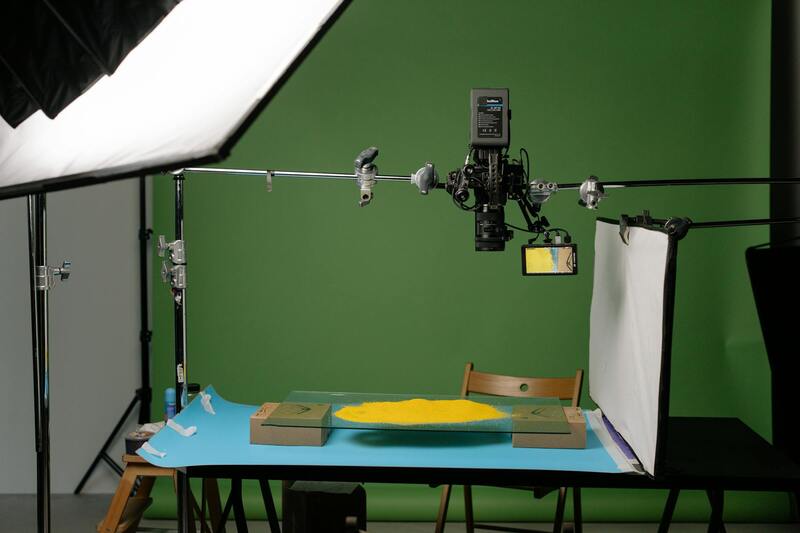
Retouching small imperfections, such as distracting clutter, minor blemishes, or reflections, further refines the images. These touch-ups should be subtle to avoid over-editing, preserving the authenticity of the space while making it as appealing as possible. For outdoor shots, the correct enhancement of landscaping and sky can significantly boost visual interest.
Implementing consistent editing workflows across all images ensures a cohesive presentation—important for branding and marketing efforts. Many professional photographers utilize editing software like Adobe Lightroom or Photoshop, which offers robust tools for batch adjustments and fine detail work. Applying preset filters tailored for real estate imagery can streamline the process, ensuring each photo aligns with the desired aesthetic.
Ultimately, the goal of post-processing is to showcase the property in the most appealing, truthful manner that entices potential buyers to envision themselves living in the home. When executed with skill and integrity, editing elevates the quality of real estate images, giving listings a competitive edge in vibrant markets like Miami.
Techniques for Capturing Stunning Property Shots
Achieving high-definition real estate images that captivate potential buyers requires mastery of advanced photography techniques and a thorough understanding of lighting, composition, and environmental factors. One of the fundamental skills involves using natural light to highlight the property's best features. This entails scheduling shoots during optimal times of the day, such as early morning or late afternoon, when sunlight provides softer illumination and reduces harsh shadows. Additionally, utilizing supplementary lighting—like portable strobes or LED panels—can fill in shadows and ensure consistent exposure throughout the space.
Proper composition is equally crucial. Effective framing directs the viewer’s eye towards key elements, such as focal points like a scenic view, a modern kitchen, or a spacious living area. Employing the rule of thirds ensures a balanced image that is both aesthetically pleasing and informative. Wide-angle lenses are frequently used in real estate photography to capture expansive spaces in a single shot, providing viewers with a comprehensive perspective that makes rooms appear larger and more inviting.
Stability during shots is essential for sharp, high-resolution images. Using tripods and remote triggers minimizes camera shake, especially in low-light conditions or when capturing detailed interiors. Advanced techniques such as bracketing exposures allow combining multiple images to render details both in shadows and highlights, producing a well-balanced, vibrant final image.
In outdoor settings, controlling the weather is pivotal. Overcast days prevent excessive shadows and blown-out highlights, fostering consistent image quality. When weather conditions are not ideal, skillful post-processing can correct issues like dull skies or uneven lighting. For interior shots, decluttering spaces and optimizing staging enhance visual appeal, ensuring the focus remains on the property's features.
Effective use of perspective can convey spatial relationships more accurately. Shooting from strategic angles, including corner shots, provides depth and dimension, fostering an immersive experience for viewers. Incorporating interior and exterior shots with complementary perspectives ensures a comprehensive visual story of the property, increasing the potential for engagement and interest.
Advanced post-production techniques serve to refine raw images, ensuring they meet high-quality standards suited for marketing campaigns. Adjustments focusing on contrast, sharpness, and color grading help accentuate the property's unique characteristics while maintaining visual authenticity. Consistently applying these practices results in images that stand out in competitive markets like Miami, ultimately driving higher engagement from prospective buyers.
Techniques for Capturing Detailed HDR Real Estate Shots
When aiming to produce impactful HD real estate photographs, leveraging high dynamic range (HDR) imaging techniques is essential. This approach involves capturing multiple exposures of a scene—highlighting shadowed areas while preserving details in brighter zones—and blending them into a single, well-balanced image. Accurate HDR photography can significantly enhance both interior and exterior shots, revealing textures, materials, and architectural nuances that might otherwise be lost in standard photography.
In practice, photographers utilize specialized bracketing features in high-quality cameras or advanced software to automate the process of capturing multiple images at different exposure levels. Subsequently, these images are aligned and merged through post-processing software, creating a composite that balances lighting and contrast.
A critical aspect of HDR photography in real estate is ensuring seamless blending. Overexposed or underexposed images can lead to unnatural results that distract viewers, so precise control of camera settings—such as ISO, aperture, and shutter speed—is imperative. Shooting in RAW format provides additional flexibility during editing, preserving maximum detail and color depth.
In outdoor scenes, filtering techniques like graduated ND filters can help in balancing the sky with the landscape, avoiding blown-out highlights while keeping ground features visible. Indoors, proper staging, decluttering, and strategic lighting placement complement HDR efforts, emphasizing key features and creating inviting atmospheres.
Techniques for Capturing Stunning Property Shots
Achieving high-definition real estate images that captivate potential buyers requires mastery of several advanced photography techniques. Photographers must pay meticulous attention to composition, lighting, and camera settings to produce images that not only showcase the property's features but also evoke an emotional connection. Utilizing natural light effectively involves shooting during the golden hour—shortly after sunrise or before sunset—when sunlight provides warm, soft illumination that enhances architectural details and interior ambiance. Supplementing with professional lighting setups ensures darker areas are illuminated evenly, eliminating harsh shadows and creating a balanced visual narrative.
Having precise control over camera settings is essential for HD real estate photography. Adjusting ISO to minimize noise, selecting optimal aperture for depth of field, and setting appropriate shutter speeds ensures crisp, clear images. When photographing expansive interiors or outdoor spaces, a wide-angle lens becomes crucial; however, photographers must manage distortion carefully to maintain realistic representations of spaces.
In addition to technical skills, strategic staging and decluttering serve to accentuate the property's best features. Clean, well-organized spaces with carefully curated decor create an inviting atmosphere that resonates in high-definition shots. Complementary use of props and furniture placement directs viewers’ attention toward key architectural elements or listing highlights.
Post-production editing plays a critical role in elevating raw images to professional standards. Subtle enhancements—such as adjusting brightness, contrast, and color saturation—help to achieve a vibrant, true-to-life appearance. Care must be taken to avoid over-editing, which can distort the visual authenticity of the property. Techniques like high dynamic range (HDR) shooting, where multiple exposures are blended seamlessly, help balance lighting across varied scenes, ensuring interior and exterior features are displayed accurately and attractively.
The use of drone photography has revolutionized property marketing, providing sweeping aerial views that showcase landscape design, outdoor amenities, and property boundaries from a compelling perspective. When integrated with ground-level HD images, drone shots add depth and comprehensiveness to listings, capturing the full scope of a property’s appeal.
Furthermore, incorporating 360-degree images and virtual tours into the photograph suite enhances the viewer's experience, allowing potential buyers to virtually walk through the property at their own pace. These immersive formats, combined with high-definition photography, deepen engagement, increase the likelihood of a property standing out in a competitive market, especially in vibrant hubs like Miami where visual appeal is paramount.
Optimizing each image for digital platforms—ensuring proper resolution, aspect ratio, and file size—facilitates swift loading times and maintains image quality across devices. Consistent application of professional techniques across listings builds a recognizable brand reputation and fosters trust between agents and clients, ultimately driving more inquiries and successful sales.
Advanced Techniques for Showcasing Miami’s Prime Properties through Hd Real Estate Photography
When it comes to capturing the distinctive allure of Miami's luxurious real estate, employing advanced photographic techniques ensures each property’s unique features are highlighted with precision and artistry. Professionals leverage a combination of cutting-edge technology and refined methods to produce images that resonate with prospective buyers and elevate the overall market perception.
Strategic Lighting and Timing
Maximizing natural light is fundamental in high-definition real estate photography. Scheduling shoots during the 'golden hour'—shortly after sunrise or before sunset—allows photographers to exploit soft, warm lighting that accentuates architectural details and enhances the property's ambiance. Complementing this with professional lighting setups indoors ensures interiors are brightly illuminated, shadows are minimized, and colors are vibrant. This balanced lighting approach produces images that are both inviting and true to life, which is critical for fostering trust and interest among viewers.
Amplifying Property Appeal with Composition
Effective composition guides the viewer's eye through the space, emphasizing the property's best features. Techniques such as the use of leading lines, balanced framing, and strategic vantage points reveal the scale and flow of interior spaces, while exterior shots should incorporate the landscape and architectural elements harmoniously. The rule of thirds remains a proven approach, positioning key features off-center to create dynamic and engaging images. For outdoor scenes, including contextual elements like the Miami skyline, lush gardens, or waterfront vistas can stand out and add value to the listing.
Integrating Drones for Aerial Perspectives
Drone technology has become an indispensable tool, especially for properties with expansive land or waterfront access. High-resolution aerial images provide a comprehensive overview of the estate, highlighting outdoor amenities such as pools, tennis courts, gardens, and breathtaking views. Strategically capturing at different altitudes and angles provides prospective buyers with a sense of scale and context that ground-level photography cannot achieve. When combined with detailed interior shots, drone imagery completes the story of the property’s full potential.
Utilizing HDR and Panoramic Shots for Depth and Perspective
High Dynamic Range (HDR) photography involves capturing multiple exposures and blending them seamlessly to balance light and shadow, ensuring all elements in a scene are visible and appealing. This is particularly useful in properties where interior and exterior lines require dynamic lighting adjustments. Additionally, panoramic images and 360-degree virtual tours allow viewers to explore spaces as if they were physically present, heightening engagement and emotional connection. These immersive formats are increasingly vital in Miami's competitive real estate market, where visual differentiation can make all the difference.
Showcasing Miami’s Unique Architectural Styles
Miami’s diverse architectural landscape—from Art Deco gems to modern high-rises—demands a tailored approach. Photographers must adapt their techniques to highlight each style's unique elements, such as ornate facades, sleek lines, or tropical outdoor spaces. Utilizing wide-angle lenses captures expansive views, while specialty lenses can emphasize texture and detail. The integration of HDR, drone imagery, and carefully curated compositions ensures that the distinctiveness of each property is conveyed authentically, enticing discerning buyers.