
Understanding the Importance of High-Quality Sale Photos
In the competitive market of residential real estate, the visual presentation of a property plays a crucial role in captivating potential buyers. High-quality sale photos are often the first impression a prospective buyer receives, and this initial impact can significantly influence their decision to explore further or move on. Crystal-clear images that accurately showcase the property's features help to generate interest, increase foot traffic, and ultimately accelerate the sale process.
Properly composed and professionally captured photos can highlight a home's best attributes, such as spacious living areas, modern kitchens, or scenic outdoor spaces. These images serve as a window into what buyers can expect, helping them envision themselves in the space. Moreover, well-crafted photos are more likely to stand out among numerous listings online, capturing attention when potential buyers are browsing multiple options.

Furthermore, the impact of professionally taken images extends beyond attracting initial interest. Listings with superior photos tend to receive higher engagement, including more inquiries and scheduled viewings. This heightened interest often correlates with a quicker sale and potentially a more favorable price point. Therefore, investing in high-quality images is an essential component of an effective sales strategy in real estate, ensuring that a property not only appeals to a broader audience but also facilitates the transaction process efficiently.
Preparing the Property for Photo Shoots
The effectiveness of high-quality real estate images begins well before the camera is even set up. Proper preparation of the property ensures that each room is showcased in its best light, highlighting its strengths and creating a welcoming atmosphere. This preparation involves decluttering, cleaning, and staging areas to present an inviting, unpretentious space.
To ensure the home appears appealing in photos, consider the following:
- Deep clean all surfaces, windows, and floors to eliminate dirt and clutter.
- Arrange furniture to maximize space perception and create a natural flow within rooms.
- Use neutral tones and minimal accessories to avoid visual distractions.
- Enhance natural lighting by opening curtains and blinds, and consider additional lighting if needed.
- Address minor repairs such as leaky faucets, chipped paint, or broken fixtures to avoid distractions.
Meticulous preparation lays the groundwork for stunning images that can truly make a property stand out in a crowded marketplace.
Choosing the Right Time for Photography
The timing of a property photo shoot can have a substantial impact on the quality of images produced. The best time generally corresponds to periods of optimal natural light, which varies depending on the property’s orientation and location. Early mornings and late afternoons—often termed «golden hours»—provide soft, warm light that enhances the ambiance of interior and exterior spaces. Diffused sunlight during these periods minimizes harsh shadows and highlights, resulting in well-balanced, appealing photos.
Weather conditions also influence photography quality. Bright, clear days with minimal cloud cover produce vibrant images that reflect the true colors of the property and surroundings. Avoid shooting during overcast days or inclement weather, as poor lighting can dull the visual impact of the photos. Additionally, scheduling photography during seasons when the property looks its best—for example, blooming gardens in spring or lush lawns in summer—can make the listing more attractive to potential buyers.
Key Angles and Composition Techniques
Capturing the property's essence involves strategic selection of angles and composition techniques. Wide-angle lenses are often used to encompass more space within a single shot, providing viewers with a sense of scale and openness. When choosing angles, aim to feature each room’s most attractive aspects, such as architectural details, large windows, or appealing vistas.
Composition principles, such as the rule of thirds, help create balanced and compelling images. Placing key features along gridlines guides viewers’ eyes naturally across the scene. Leading lines, symmetry, and framing within shots also contribute to visual interest and clarity. Be mindful of distracting elements—clutter, personal items, or extraneous objects—and remove or reposition them before shooting to ensure focus remains on the home's features.
Utilizing Equipment and Editing for Professional Results
Achieving professional-quality images goes beyond point-and-shoot photography. High-grade digital cameras with wide-angle lenses are recommended for capturing expansive interior and exterior views. Tripods stabilize shots, ensuring sharpness and consistency across multiple images. Proper exposure settings prevent underexposed or overly bright images, maintaining detail in shadows and highlights.
Post-shoot editing further enhances the quality of photos. Adjustments to brightness, contrast, and color balance can correct minor imperfections and improve visual appeal. Cropping helps eliminate unnecessary elements or aligns the composition more effectively. Advanced editing software allows for fine-tuning that results in crisp, vibrant images ready for online listings, ensuring the property makes a compelling first impression every time.
Preparing the Property for Photo Shoots
Achieving captivating images begins well before the camera clicks. To ensure the property looks its best, homeowners and agents should invest time in thorough preparation. The first step involves decluttering every room. Remove personal items, excess furniture, and clutter that can distract from the home's features. Clear countertops, tidy closets, and organized spaces create a sense of openness and allow viewers to imagine themselves living there.
Deep cleaning is essential. Carpets should be vacuumed, windows washed to maximize natural light penetration, and surfaces polished to create a fresh appearance. Pay special attention to bathrooms and kitchens, highlighting cleanliness and modern fixtures. Proper lighting enhances the overall mood and clarity of photographs, so replace burnt-out bulbs and consider using additional light sources if necessary.
Staging the home plays a crucial role in photo quality. Arrange furniture to highlight spaciousness and functionality, and incorporate tasteful accessories—such as fresh flowers, art pieces, or cozy textiles—to add warmth and appeal. Create inviting scenes that showcase lifestyle possibilities, guiding potential buyers to envision themselves in the space.

Choosing the Right Time for Photography
The timing of the shoot significantly impacts the quality of images. Shooting during daylight hours, particularly mid-morning or late afternoon, when natural light is abundant and soft, results in vibrant, inviting photos. Overcast days also provide diffuse light that minimizes harsh shadows, creating even illumination across the property.
Understanding the house’s exposure to sunlight helps select the best window of opportunity. Exterior shots should be taken when the sun is at an angle that accentuates architectural details without casting unflattering shadows. Additionally, consider weather conditions—clear skies with minimal wind prevent disturbances that can detract from the clean look of outdoor images.
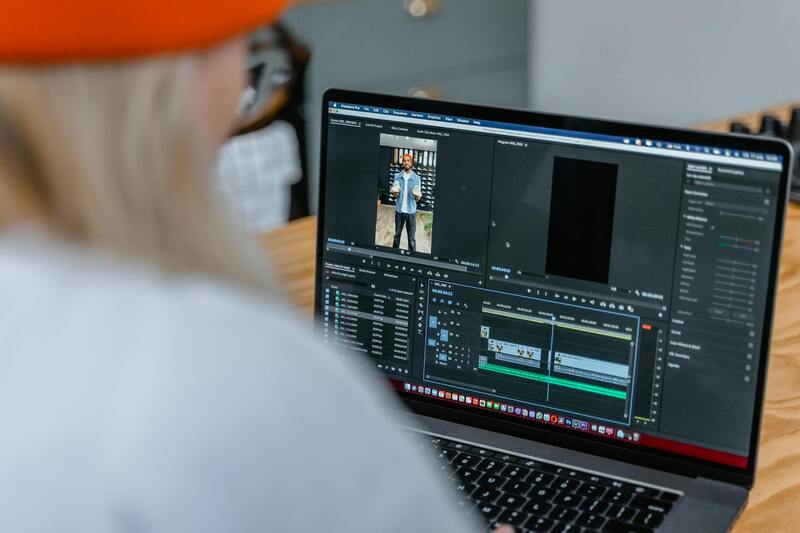
Proper planning for the right time maximizes the impact of each photograph, ensuring that both interior and exterior images highlight the home's best features in natural light, thus attracting more potential buyers and increasing engagement in online listings.
Key Angles and Composition Techniques
Effective house for sale photo composition relies heavily on selecting the right angles that best showcase the property’s unique features. To create images that captivate potential buyers, it is essential to identify points that emphasize spaciousness, flow, and architectural details. Shooting from a slightly elevated position can reveal room layouts more clearly, providing viewers with a sense of scale and arrangement.
Utilize a wide-angle lens to encompass more of the space within a single shot, which helps convey the openness of rooms without distortion. When photographing interiors, aim to include key focal points such as a fireplace, an island in the kitchen, or a stunning view through large windows. These elements serve as visual anchors that draw the eye and highlight the property's highlights.
Composition techniques such as the rule of thirds can guide the placement of main features within the frame, creating balance and visual interest. Leading lines—like hallway directions or furniture arrangements—guide viewers through the space and create a sense of depth. Including outdoor views or landscaped areas in the background adds context and helps prospect buyers imagine living in the home.
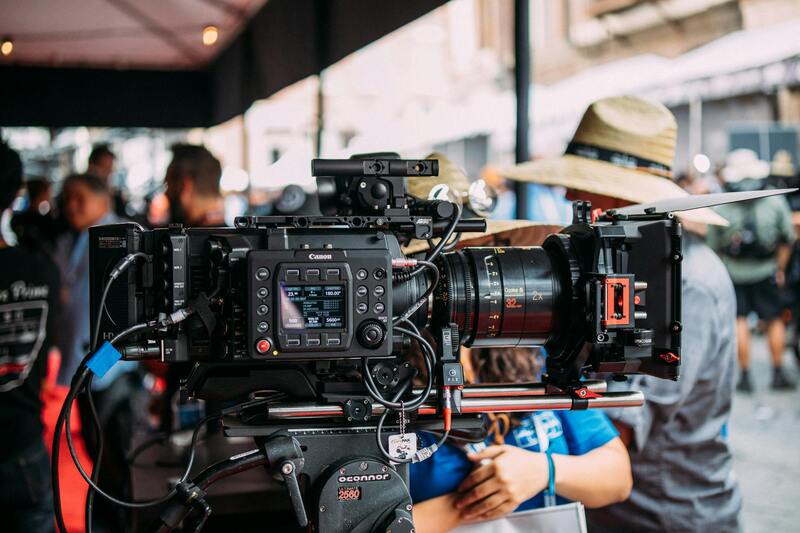
When capturing exterior shots, consider shooting from corners of the property to showcase multiple angles and architectural nuances. Elevating the camera slightly above ground level can help avoid obstructions like parked vehicles or landscaping while capturing a comprehensive view of the front yard and facade.
Utilizing Equipment and Editing for Professional Results
To ensure high-quality images that accurately represent the property, using the appropriate equipment is crucial. A DSLR or mirrorless camera equipped with a wide-angle lens typically provides the clarity and breadth needed for professional house photos. Stabilizing the camera with a tripod helps maintain sharpness, especially in lower light conditions.
Post-processing also plays a vital role in enhancing house for sale photo quality. Careful editing can correct minor color discrepancies, adjust brightness and contrast, and straighten skewed lines for a more polished appearance. However, it is important to maintain a natural look and avoid over-editing that can misrepresent the property's true condition.
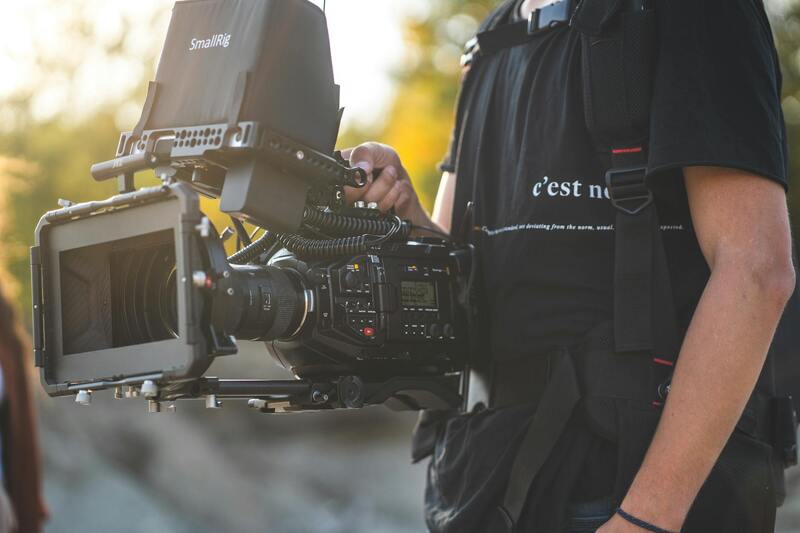
Professional photographers often utilize software like Adobe Lightroom or Photoshop for detailed adjustments. These tools help fine-tune exposure, correct distortion from wide-angle shots, and ensure consistent color accuracy across all images.
Legal and Ethical Considerations in Property Photography
When capturing images for a house for sale, it is essential to consider legal and ethical practices that protect both the seller's interests and the integrity of the listing. Respecting privacy boundaries involves obtaining consent from all individuals who may appear in the photographs, especially in private or secluded areas of the property. This step ensures that personal privacy is maintained, preventing potential disputes or misunderstandings.
It is equally important to avoid including neighboring properties, vehicles, or any private features that could infringe on the privacy of others or create confusion about the property's boundaries. Careful framing and mindful composition help in showcasing the property without exposing unintended elements that could compromise privacy or mislead viewers.
Adhering to ethical standards also involves honest representation of the property. This means avoiding digital manipulation that alters the true appearance or features of the home. Over-editing can distort viewers’ expectations and lead to dissatisfaction once they visit the property in person. Accurate lighting, colors, and spatial representation foster trust with potential buyers and contribute to the credibility of the listing.
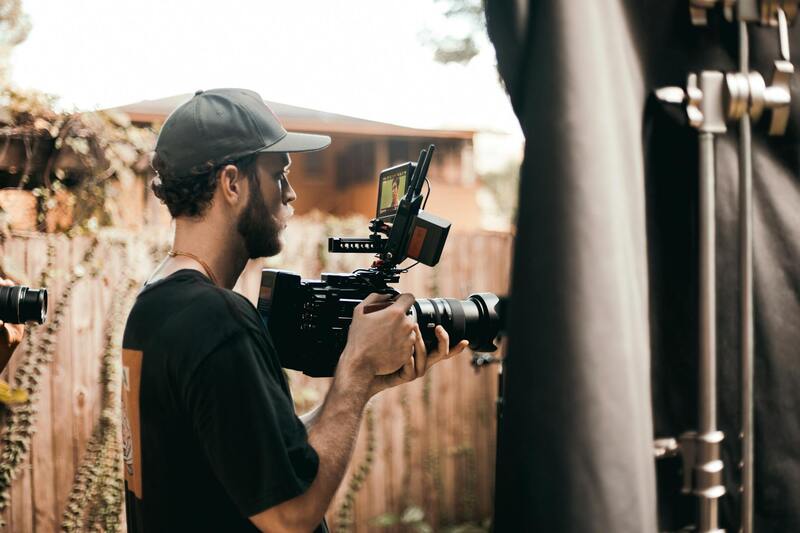
Additionally, it is advisable to be aware of any local regulations or guidelines pertaining to real estate imagery. Some regions have specific rules about drone photography or certain filming techniques, which should be adhered to in order to avoid legal complications. When professional services are employed, ensuring that the photographer is properly licensed and insured enforces responsible practices and assures clients of their adherence to industry standards.
Maintaining transparency throughout the photography process not only aligns with best practices but also cultivates trust with prospective buyers. Clear communication about the scope of the shots, the use of editing, and any special features ensures that expectations are managed appropriately and that the resulting images serve the property's best interests in the marketplace.
Utilizing Equipment and Editing for Professional Results
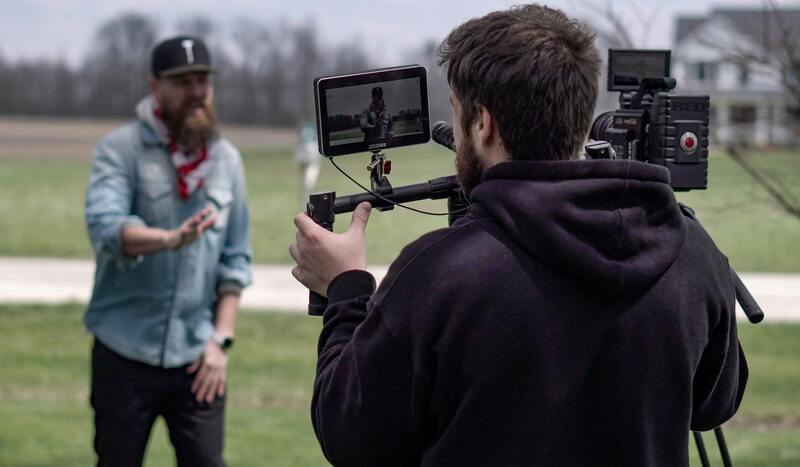
Achieving standout images of a house for sale requires more than just a good camera; it demands the right combination of equipment, technical settings, and post-processing techniques. High-quality photographs can significantly influence a buyer’s first impression and increase engagement levels. To start, professional photographers often use DSLR or mirrorless cameras that offer larger sensors and interchangeable lenses, enabling sharper images and better control over depth of field.
Lens selection plays a crucial role in capturing the property's space effectively. Wide-angle lenses, typically ranging from 14mm to 24mm, are essential to encompass expansive rooms and exterior views without distortion. Utilizing a tripod ensures stability during shots, reducing blurriness and maintaining consistent framing, especially in low-light conditions.
Camera settings should be optimized for interior photography: a low ISO to reduce noise, an aperture around f/8 to keep everything in focus, and proper exposure settings that balance natural and artificial lighting. Bracketing techniques, where multiple images are captured at different exposures, can be combined to create HDR images. These demonstrate both bright and shadowed areas clearly, ensuring interior and exterior details are visible.
Post-processing is equally vital in refining images to reflect their true beauty. Adjustments such as color correction, contrast enhancement, and straightening ensure the photos look natural and appealing. Over-editing, however, should be avoided to prevent misrepresenting the property. Techniques like perspective correction can help keep walls and flooring aligned correctly, avoiding optical illusions that might mislead viewers.
Employing advanced editing tools allows for subtle enhancements that highlight a property's best features. This includes balancing lighting in darker corners, minimizing minor imperfections, and ensuring the overall tone matches daylight conditions. The goal is to make the photographs inviting yet authentic, fostering trust and interest among prospective buyers.
Incorporating these professional practices demonstrates a commitment to quality, ensuring each image effectively communicates the property's value without exaggeration. When combined with proper planning and execution, the use of the right equipment and careful editing can significantly elevate the listing's visibility and attractiveness in a competitive real estate market.
Utilizing Equipment and Editing for Professional Results
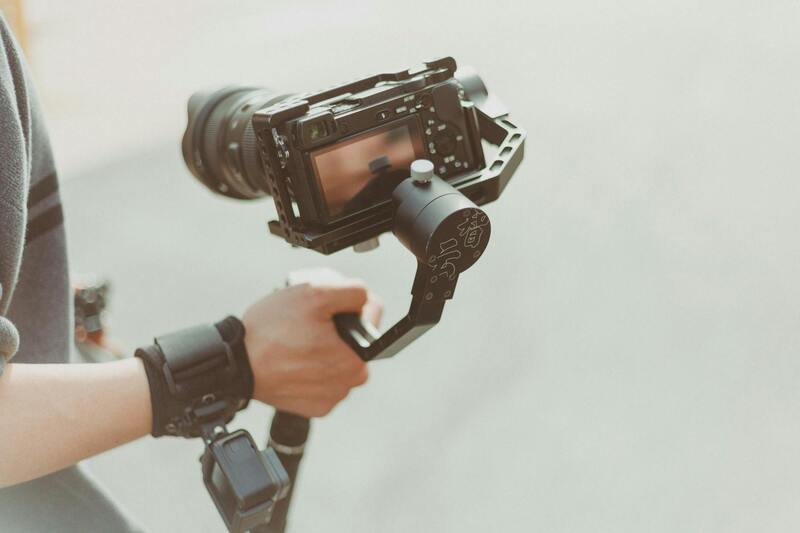
Achieving stunning property photographs hinges on employing the right equipment combined with precise editing techniques. High-quality cameras with a wide dynamic range capture the depth and detail of each space, ensuring that both interior and exterior features are vividly represented. Tripods are essential for maintaining stability during shots, preventing blur and allowing for consistent framing across multiple images. Additionally, wide-angle lenses are commonly used to encompass more of a room, providing viewers with a comprehensive perspective that highlights the space's size and layout.
Lighting plays a critical role in property photography, which is why professional photographers often utilize additional light sources or reflectors to eliminate harsh shadows and evenly illuminate rooms. For outdoor shots, optimal lighting occurs during golden hours—shortly after sunrise and before sunset—when the natural light enhances the property's appeal without creating glare or overly stark shadows. Combining different exposures through techniques like HDR imaging ensures that details in shadows and highlights are preserved, producing balanced photographs that reflect the true character of the space.
Post-processing is equally crucial in professional real estate photography. Adjustments such as color correction ensure that the images accurately represent the property's true appearance under natural lighting conditions. Cropping and straightening help improve composition, removing distractions and aligning shots to provide a clean, professional look. Minor retouching can diminish small imperfections, like smudges or minor blemishes, without misrepresenting the property's reality. This careful editing fosters a balance between appealing imagery and authenticity, cultivating trust with prospective buyers.
Advanced editing software allows for subtle enhancements that highlight key features—such as brightening dark corners, boosting contrast to make architectural details stand out, and ensuring overall tone consistency. Perspective correction tools can straighten lines, walls, and flooring, avoiding distortions that could mislead viewers. The overarching aim is to create inviting, high-resolution images that accurately reflect the property's true character, encouraging engagement and increasing interest among potential buyers. When equipment choices and editing practices are executed skillfully, the resultant photos significantly elevate a listing’s visibility, blending aesthetic appeal with genuine representation.
Understanding the Importance of High-Quality Sale Photos
Investing in high-quality images for a house for sale is a fundamental aspect of modern real estate marketing. When potential buyers browse online listings, the visual presentation can often be the deciding factor in their interest. Clear, sharp, and professionally captured photographs immediately convey the property's value and appeal. These images serve as a virtual tour, offering prospective buyers an authentic glimpse into the property's features, layout, and atmosphere without physically visiting the site.
The strategic use of high-resolution images enhances the overall perception of the property, making it appear more inviting and well-maintained. High-quality photos highlight key elements such as spacious interiors, modern amenities, and attractive exterior features, thereby encouraging viewers to explore further. Additionally, well-crafted images tend to generate more engagement, including increased clicks, longer viewing times, and higher inquiry rates. Consequently, professional-quality photos translate into a competitive advantage within the crowded online marketplace.
Optimized property images also contribute to increased trust and credibility. Buyers are more likely to form a positive impression when they see consistent, authentic photographs that accurately depict the property. The use of professional photography reduces the likelihood of misrepresentation or disappointment upon eventual in-person visits, fostering a transparent and trustworthy buying process. Moreover, curated images that emphasize the property's best attributes can effectively evoke emotional responses, motivating buyers to schedule viewings and take the next step towards purchasing.
In essence, the visual aspect of a property listing is often the first impression made on buyers. Ensuring thatthis impression is positive requires attention to detail in every phase of photography—from preparation and equipment to editing and presentation. Professionals who understand the nuances of real estate imagery can help craft compelling visuals that align with the property's unique charm and market positioning, ultimately facilitating faster sales at optimal prices.
Preparing the Property for Photo Shoots
Preparation is a crucial step in ensuring the success of real estate photo sessions. This process involves decluttering and depersonalizing spaces to provide a clean, inviting backdrop. Removing personal items, excess furniture, and clutter allows the potential buyer to envision themselves within the space more easily. Deep cleaning is essential; surfaces should shine, windows should be spotless, and any signs of wear or damage should be addressed to showcase the property in its best light.
Additionally, staging the property can significantly enhance visual appeal. This includes arranging furniture to emphasize the room’s dimensions, highlighting architectural details, and adding tasteful accessories or fresh flowers to introduce vibrancy. Properly organizing spaces ensures that each room appears spacious and functional. When preparing the property, consider enhancing natural light by opening curtains and blinds, which helps the property appear brighter and more welcoming in photographs.
Choosing the Right Time for Photography
The timing of the photo shoot significantly influences the quality and warmth of the images. Capturing photos during the golden hour—shortly after sunrise or before sunset—can produce soft, warm lighting that enhances the property's exterior and creates a welcoming atmosphere. This natural lighting minimizes harsh shadows and highlights architectural features beautifully.
On overcast days, diffused natural light offers a balanced illumination that reduces glare and shadows, often providing a neutral tone that accurately depicts colors and textures. Conversely, shooting in the bright midday sun may result in high contrast and unflattering shadows, which can obscure details and diminish overall visual quality. Therefore, scheduling photography sessions during optimal weather conditions is vital for achieving professional results.
Key Angles and Composition Techniques
Proper angles and composition are fundamental in highlighting the property's best features. Wide-angle lenses are typically employed to capture more of a room in a single shot, conveying a sense of spaciousness. The camera should be positioned at eye level and centered to ensure balanced perspectives.
- Exterior Shots: Capture front and rear facades from strategic angles that showcase the property's curb appeal and outdoor amenities.
- Interior Shots: Focus on key areas such as the living room, kitchen, master bedroom, and bathrooms. Use multiple angles within each space to display flow and functionality.
- Detail Shots: Highlight distinctive architectural features, fixtures, or upgrades that add value.
Composition techniques like the rule of thirds, leading lines, and framing help guide viewers' attention and create engaging images. Ensuring the horizon is level and lines are straight minimizes distortions, thus providing a true representation of the space.
Utilizing Equipment and Editing for Professional Results
Employing the right tools is essential in producing high-quality real estate images. DSLR or mirrorless cameras with wide-angle lenses are preferred, offering superior resolution and clarity. Tripods stabilize the camera, enable consistent framing, and facilitate longer exposures, particularly in low-light situations.
HDR (High Dynamic Range) photography combines multiple exposures to capture details in both bright and shadowed areas—crucial for interior shots where lighting conditions vary significantly. Proper lighting setups, such as portable LED lights or flash units, help balance internal illumination when natural light is insufficient.
Post-production editing plays a vital role in refining images. Adjustments to brightness, contrast, and color balance enhance realism and appeal. Cropping and straightening improve composition, while minor retouching can remove distracting elements like cables or blemishes. Perspective correction tools ensure structural lines remain straight and true, preventing distortion. Skilled editing strikes a balance between aesthetic enhancement and authentic representation, vital for maintaining buyer trust and interest.
Understanding the Importance of High-Quality Sale Photos
High-quality property images serve as the digital front door to prospective buyers. In an increasingly visual market, compelling photographs can significantly influence a viewer's decision-making process. Clear, bright, and well-composed images not only showcase the property's best features but also establish trust, conveying professionalism and attention to detail. They help create an emotional connection, allowing potential buyers to envision themselves living in the space.
Quality images also enhance the property's online visibility by increasing engagement rates. Listings with professional-grade photos tend to attract more clicks, resulting in higher traffic and potentially shorter listing durations. This increased exposure can translate into a broader pool of interested buyers, often leading to faster sales and more competitive offers. Moreover, attention to detail in the photos aligns with the property's perceived value, helping justify asking prices and positioning the property as a premium listing.
In addition to aesthetic appeal, high-resolution visuals provide clarity and depth, capturing the true essence of the home’s layout and features. This accuracy ensures that the virtual representation aligns closely with reality, reducing disappointment during in-person visits and streamlining the buying process. Therefore, investing in quality sale photos is a critical step in creating an effective marketing strategy that resonates with serious buyers and facilitates a seamless sale flow.

Preparing the Property for Photo Shoots
Effective preparation ensures that the property presents itself at its best and maximizes the impact of each photograph. Cleaning every room thoroughly removes stains, clutter, and distractions that could detract from the home's appeal. Decluttering not only creates a sense of space but also allows each room's purpose to be clearly understood, making it easier for buyers to imagine living there.
Staging plays a vital role in visual storytelling. Simple arrangements such as fresh flowers, strategic placement of furniture, and neutral decor can enhance the ambiance and highlight the property’s features. Properly arranged furnishings can accentuate spaciousness or cozy aspects, depending on the desired perception.
Next, ensure that lighting is optimal; opening curtains and blinds allows natural light to fill the space, creating an inviting atmosphere. For darker areas, supplement natural light with additional lighting, such as portable LED panels or lamps, to avoid shadows and uneven illumination. Additionally, repairing minor issues—like chipped paint, loose doorknobs, or cracked tiles—prevents distractions in images and preserves the home’s best impression.
Finally, consider the timing of the shoot to coincide with natural light peaks and avoid capturing the property during times with harsh shadows or overexposure. Proper preparation day before the shoot guarantees that the images will reflect a well-maintained, welcoming environment, enticing buyers to take the next step.
Choosing the Right Time for Photography
The timing of the photography session significantly influences the quality of the images. Early morning or late afternoon, often referred to as the golden hours, provide softer, more flattering natural light that brings out warm tones and reduces harsh shadows. Shooting during these times enhances the ambiance of both interior and exterior shots, emphasizing the home’s inviting atmosphere.
For exterior photography, selecting a day with clear weather is essential. Bright, sunny days make the property look vibrant, emphasizing landscaping details and architectural features. Conversely, overcast days can produce diffused, even lighting that avoids the glare and deep shadows typical of midday sun. This type of lighting works well for capturing detailed shots of the property's façade and outdoor spaces.
Interior photos benefit from shooting when natural light is most abundant, which generally coincides with midday hours. However, if external conditions are less favorable, supplementary lighting can correct underexposed areas. Additionally, scheduling around weather changes prevents issues like rain or heavy winds disrupting outdoor shots or making surfaces reflective, which can complicate image quality.
Coordination with the property owner or tenants ensures that the home remains tidy and accessible during prime shooting times, minimizing disruptions and maximizing efficiency. The goal is to capture the home in its best light—both literally and figuratively—making it more appealing and memorable to potential buyers.