Importance of Professional Real Estate Photography
In the competitive landscape of real estate, visual presentation plays a crucial role in attracting potential buyers and closing deals efficiently. Professional real estate photography elevates the appeal of property listings, ensuring they stand out in crowded online marketplaces and print advertisements. Instead of amateur snapshots, high-quality images created by skilled photographers can showcase properties in their best light, emphasizing architectural details, interior design, and unique features.
Research consistently demonstrates that homes with professional photography receive more views and inquiries, which accelerates the sales process. In fact, listings with compelling images tend to sell faster and at higher prices compared to those with low-quality photographs. This visual presence not only influences buyers’ initial impressions but also sets the tone for their overall perception of the property and the trustworthiness of the listing agent.
For real estate agents operating in Miami, where the market is dynamic and highly competitive, investing in professional photography is a strategic move. It helps establish a high standard of marketing excellence and can be decisive in sealing deals quickly. Well-captured images become powerful marketing tools across various channels—from multiple listing services (MLS) to social media platforms, enhancing visibility and generating increased interest.
Furthermore, professional photography supports the branding efforts of real estate professionals by consistently presenting their listings with a polished, authoritative look. This consistency fosters trust and positions them as top-tier agents capable of delivering outstanding marketing results. In essence, professional real estate photography transcends simple visual enhancement; it is a vital component of a comprehensive real estate marketing strategy that directly impacts sales success.
Choosing the Right Photographer for Real Estate Agents
Selecting an appropriate photographer is a pivotal step in ensuring your property listings stand out and attract qualified buyers. Real estate agents should prioritize professionals with a proven track record in architectural and real estate photography, as their expertise directly affects the quality of images. When evaluating potential photographers, consider their portfolio to assess their capability in capturing properties in a way that accentuates space, lighting, and distinctive features.
Experience with current photographic technology, such as high dynamic range (HDR) imaging and wide-angle lenses, is essential for producing high-quality, eye-catching images. A skilled photographer understands how to maximize natural light and use framing techniques that make spaces appear larger and more inviting. Additionally, familiarity with the latest editing tools allows for subtle enhancements that preserve authenticity while highlighting key property attributes.
Communication skills and professionalism play significant roles in the selection process. An effective photographer should be able to interpret the client’s vision, offer suggestions for optimal angles, and work efficiently within tight schedules. Compatibility is equally crucial; agents need to feel confident that their photographer understands their brand and target market.
Agents should also verify the photographer’s familiarity with real estate marketing platforms, ensuring that the images are suitable for MLS listings, social media, and digital advertisements. By aligning these criteria with their specific needs, agents can forge lasting partnerships that translate into more engaging property presentations and increased client satisfaction.
Photographic Techniques for Real Estate Imaging
Mastering advanced photographic techniques is critical for capturing compelling real estate images that stand out in competitive markets. Professionals employ several methods to enhance the visual appeal of property listings, including the strategic use of lighting, perspectives, and post-processing adjustments. Techniques such as HDR imaging enable photographers to balance interior lighting with exterior views seamlessly, ensuring that both shadows and highlights are appropriately rendered without sacrificing authenticity. Wide-angle lenses are frequently utilized to encompass more of a space within a single frame, creating an expansive feel that appeals to potential buyers.
Skilled photographers carefully choose angles that highlight the most attractive aspects of each room, such as natural light source directions and focal points that guide the viewer’s eye through the space. They also leverage exposure bracketing to avoid overexposed windows or dark corners, resulting in balanced images that accurately portray the property’s ambiance.
 igure>
Post-processing plays a vital role in real estate photography, allowing adjustments to brightness, contrast, and color balance to enhance visual clarity without straying from capturing authentic representations. Subtle retouching can also remove distractions such as clutter or imperfections, ensuring the focus remains on the property’s best features. These methods collectively contribute to photos that are not only visually appealing but also trustworthy representations of the property.
Lighting Mastery
Optimal lighting reveals the true qualities of a space. Photographers often schedule shoots during daylight hours to capitalize on natural illumination, but also utilize supplemental lighting when needed to brighten darker areas or create a warm, inviting atmosphere. Understanding how to manipulate light sources, including reflectors and diffusers, allows for even, flattering illumination that enhances textures and architectural details.
Space Manipulation and Composition
Effective use of composition principles, such as the rule of thirds and leading lines, guides viewers’ attention to key areas within each shot. Shooting from multiple vantage points offers diverse perspectives and helps agents select the most impactful images for marketing. Consistent framing and color grading across a property’s image set also foster a cohesive visual presentation.
Integration of Drone Photography
Incorporating drone footage and aerial photos provides additional context and showcases property boundaries, landscaping, and surrounding amenities from a unique vantage point. This approach is particularly valuable for large properties, waterfront estates, or developments where the property’s relationship to its environment is crucial.
Technical Skills and Equipment Mastery
Achieving high-quality real estate photography requires a deep understanding of technical skills and proficiency with advanced equipment. Experienced photographers leverage professional-grade cameras equipped with full-frame sensors and high-resolution capabilities to capture crisp, detailed images that do justice to each property. The use of wide-angle lenses is essential in this genre, as they allow the photographer to capture expansive spaces in a single frame, providing viewers with a comprehensive perspective of each room.
Beyond camera gear, mastery of post-processing software is vital. Skilled editors adjust exposure, contrast, and color balance to ensure that images accurately reflect real-world conditions while enhancing visual appeal. Proper editing enhances textures, removes minor distractions, and ensures consistency across all images in a property’s marketing portfolio. These adjustments are performed with an eye for authenticity, avoiding over-editing techniques that could mislead potential buyers.
Utilizing high dynamic range (HDR) imaging, for example, allows photographers to balance bright windows with interior lighting, resulting in well-exposed images that reveal all details. Additionally, focus stacking techniques may be employed to maintain sharpness throughout images, especially in rooms with varying depths of field. A photographer’s familiarity with lighting modifiers, such as diffusers and reflectors, further enhances the quality by controlling light and reducing harsh shadows or glare.
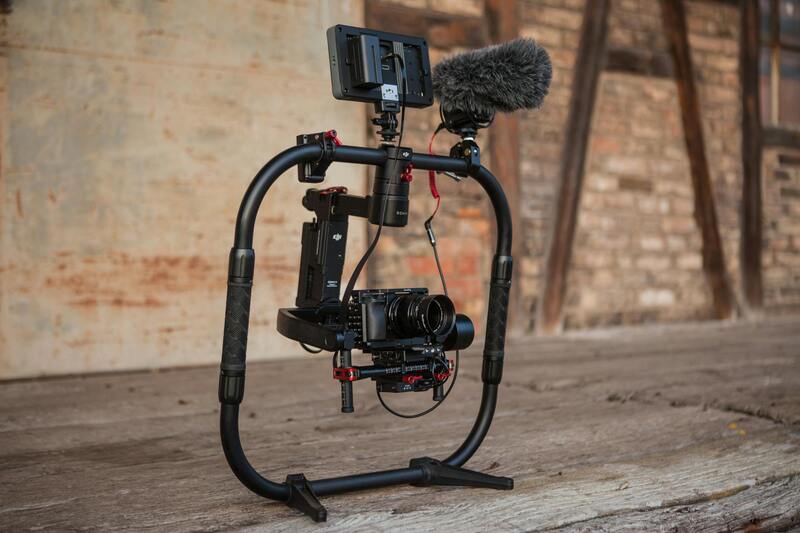
Choosing the right equipment, including stabilizers for sharp handheld shots and drone technology for aerial views, significantly contributes to the diversity and professionalism of the visual content. Whether capturing interior shots, exterior facades, or breathtaking landscape vistas, technical expertise ensures each image serves its strategic purpose in marketing campaigns.
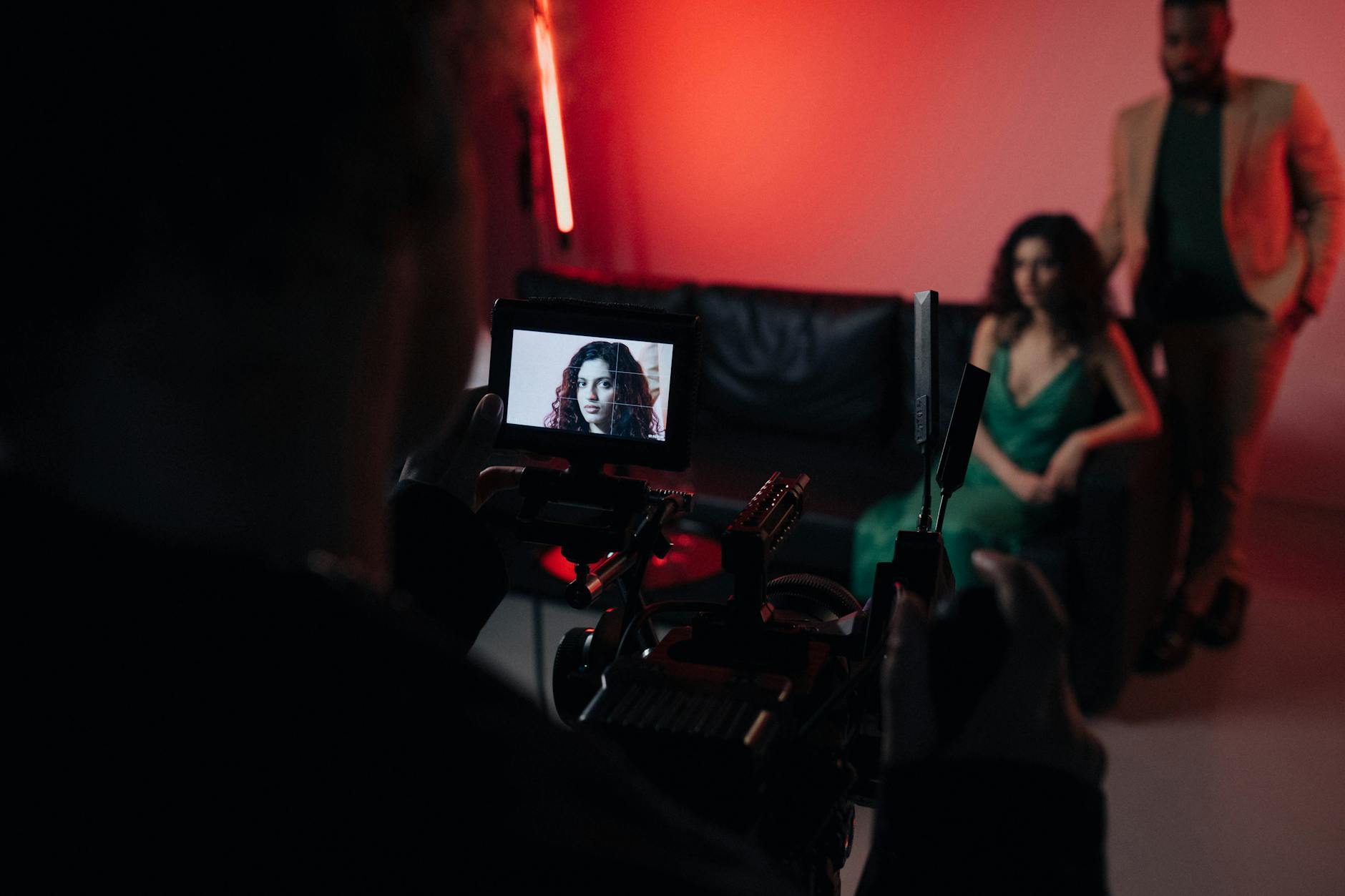
Moreover, regular training and staying updated with the latest photographic trends and technological innovations are crucial for photographers aiming to deliver top-tier results. Continuous learning ensures that they can utilize new tools and techniques effectively, providing real estate agents with images that stand out in competitive markets. This technical foundation ultimately transforms simple photos into powerful marketing assets capable of significantly accelerating property sales and generating interest among prospective buyers.
Legal and Ethical Considerations in Real Estate Photography
Maintaining high standards of professionalism and integrity is essential when working as a photographer for real estate agents. This involves adhering strictly to established guidelines regarding the use and presentation of images to ensure they accurately represent the property. Photographers must obtain explicit consent and necessary permissions from property owners or authorized representatives before capturing and distributing images, especially when using advanced equipment such as drones or aerial photography tools. Respecting privacy rights also extends to capturing areas not meant for public view and avoiding intrusive photographing of private spaces without consent.
Accurate representation is critical. Photographers should avoid over-editing or manipulation that might mislead potential buyers, such as altering the scale, altering the appearance of room sizes, or removing visible flaws. Transparency about post-processing techniques fosters trust with real estate agents and their clients. Additionally, photographers should ensure consistency across all property images, maintaining a truthful portrayal that aligns with the property's actual condition and features.
Professionalism also extends to punctuality and reliability. Delivering high-quality images within agreed timelines helps build strong, trustworthy relationships with real estate agents. Failure to meet deadlines or delivering subpar images can negatively impact the marketing campaign and damage reputations.
 igure>
Furthermore, photographers should be familiar with local regulations and industry standards concerning aerial and commercial photography. Proper licensing and certification, especially for drone operators, are crucial to avoid legal issues and uphold industry credibility. Staying informed about evolving standards and best practices helps ensure compliance and reassures clients of the photographer’s professionalism.
Adhering to these ethical and legal principles not only protects all parties involved but also elevates the quality of the visual content. This credibility enhances the reputation of both the photographer and the real estate agents they partner with, ultimately contributing to successful property sales and a positive market reputation.
Cost Factors and Budgeting for Real Estate Photography
Accurate budgeting for real estate photography involves understanding the various factors that influence pricing, ensuring agents and property owners allocate appropriate resources for high-quality visuals. Typically, costs vary based on the scope of work, property size, and required photographic techniques. For example, simple interior shots may be priced differently from comprehensive shoot packages that include aerial photography, twilight images, or virtual staging.
Experience and reputation of the photographer also impact pricing. Established professionals with a strong portfolio and a track record of delivering consistent results tend to command higher fees. However, they often provide a level of craftsmanship that can significantly enhance a property’s visual appeal, making the investment worthwhile.
Additionally, geographic location influences cost. In vibrant markets like Miami, variables such as demand for premium visuals and competition among photographers can affect rates. It’s essential to balance budget constraints with the need for compelling imagery that attracts potential buyers quickly.
Furthermore, photographers often offer customizable packages to meet specific needs, ranging from basic interior shots to full-scale media productions including video tours and drone footage. When budgeting, agents should consider the potential return on investment that professional visuals can generate through increased online engagement and faster sales.
Negotiating clear terms and understanding what each package includes helps prevent unforeseen expenses. Transparent pricing structures also foster trust and set realistic expectations, ensuring that all parties are aligned on deliverables and timelines. Investing in quality imagery is a strategic decision that, when properly budgeted, enhances visibility and appeal in a competitive real estate market.
Legal and Ethical Considerations in Real Estate Photography
Engaging in real estate photography involves adhering to important standards that uphold professionalism and integrity in the marketing process. Photographers should obtain proper permissions for any property to be photographed, ensuring they have clear agreements with property owners or authorized representatives. This practice not only facilitates smooth collaborations but also safeguards all parties involved from misunderstandings regarding rights to images and usage rights.
Maintaining transparency about how images will be used and distributed is vital. Photographers should detail the scope of usage rights, including whether images are for exclusive use, limited campaigns, or broader licensing. This clarity encourages trust and helps prevent disputes related to image rights later on.
Ethically, real estate photographers are committed to representing properties accurately. This means avoiding manipulative editing that distorts the true appearance of a property. Such practices could mislead potential buyers and damage reputations if discrepancies are discovered. A focus on realistic lighting, color authenticity, and honest portrayal ensures marketing efforts are both effective and trustworthy.
Additionally, transparency in the use of images extends to respecting privacy and avoiding the inclusion of unrelated individuals or private spaces without consent. For real estate agents, collaborating with photographers who prioritize these legal and ethical standards safeguards their reputation and ensures compliance with industry expectations.
Photographers should also stay informed about rights of publicity and image rights laws that may apply, particularly when capturing images that include recognizable individuals or copyrighted artworks within a property. Responsible handling of such elements prevents legal complications and supports a professional, reputable marketing approach.
Legal and Ethical Considerations in Real Estate Photography
Ensuring adherence to established legal and ethical standards is paramount in real estate photography. Professional photographers commit to honest and accurate representations of properties, which builds trust with clients and prospective buyers alike. This commitment involves accurately portraying a property's features without exaggeration or manipulation that could distort its true appearance. Photographers should focus on realistic lighting, true-to-life colors, and honest perspectives to prevent any misleading impressions.
Transparency regarding image usage rights is a vital aspect of ethical practice. Clearly defining whether images are for exclusive use, part of a limited campaign, or subject to broader licensing helps prevent disputes and maintains professional integrity. Such clarity fosters a trustworthy relationship between photographers and real estate agents, ensuring all parties have a shared understanding of how the images can be used.
Respect for privacy is another critical element. Photographers must avoid capturing private spaces or individuals without explicit consent or including unrelated individuals or private possessions in their shots. Respecting the privacy and comfort of current residents and neighbors maintains goodwill and avoids potential conflicts.
Handling images that contain recognizable individuals or copyrighted artworks requires careful attention. Photographers need to ensure they have the necessary rights or permissions to avoid infringing on rights of publicity or copyright laws. This practice prevents legal complications that could impact the reputation of the real estate agent and the photographer.
Upholding Industry Standards and Ethical Practices
Adhering to ethical standards also involves continuous education about evolving laws surrounding image rights and privacy. Staying informed ensures photographers operate within the boundaries of current regulations, thereby fostering a safer and more professional advertising environment.
Overall, the integration of strong ethical practices and legal compliance enhances the credibility of real estate marketing efforts. It demonstrates a commitment to honesty, respects the rights of all parties involved, and supports a professional, reputable image for real estate agents and their marketing campaigns.