Understanding the Importance of Professional Home Photography
In today’s competitive real estate landscape, especially within vibrant markets like Miami, the visual presentation of a property can significantly influence its sale prospects. High-quality photographs serve as the first impression for potential buyers browsing online listings, making them a critical component of effective marketing strategies. Professional home photography captures the essence of a property, highlighting its best features with clarity and aesthetic appeal. These images not only attract more views but also encourage more inquiries, leading to increased foot traffic and faster sales.
Superior quality images showcased across multiple platforms amplify the property's perceived value and help differentiate it from similar listings. In Miami's dynamic market, where buyers often have a wealth of options, compelling visuals can be the decisive factor that motivates a viewer to schedule a visit or make an offer. The role of professional photography extends beyond mere aesthetics; it ensures that each space is accurately and attractively represented, reflecting the property's true character.
Moreover, professional photographs facilitate a seamless online viewing experience, crucial for remote buyers or those conducting initial searches absently. Well-composed images with optimal lighting, balanced composition, and attention to detail enhance viewer engagement and increase the likelihood of physical visits. Consequently, real estate agents and property owners employing professional photography often experience higher listing visibility, quicker sales cycles, and better market positioning.
In the Miami real estate scene, where properties vary from luxurious waterfront estates to modern condos in bustling neighborhoods, capturing these diverse spaces requires an understanding of architectural nuances and regional aesthetics. Skilled photographers bring this expertise, transforming living spaces into compelling visual stories that resonate with prospective buyers. The investment in professional photography represents a strategic step toward marketing success, ensuring properties stand out in a saturated market.
Choosing the Right Equipment and Techniques
Employing the appropriate photography equipment is essential to capture compelling images that accurately reflect the property’s appeal. High-resolution digital cameras with wide-angle lenses are the standard tools for real estate photography, enabling photographers to showcase both spacious interiors and detailed architectural features. Wide-angle lenses, typically ranging from 14mm to 24mm, help create a sense of depth and scale, making rooms appear larger and more inviting, which is especially important for capturing the essence of open floor plans.
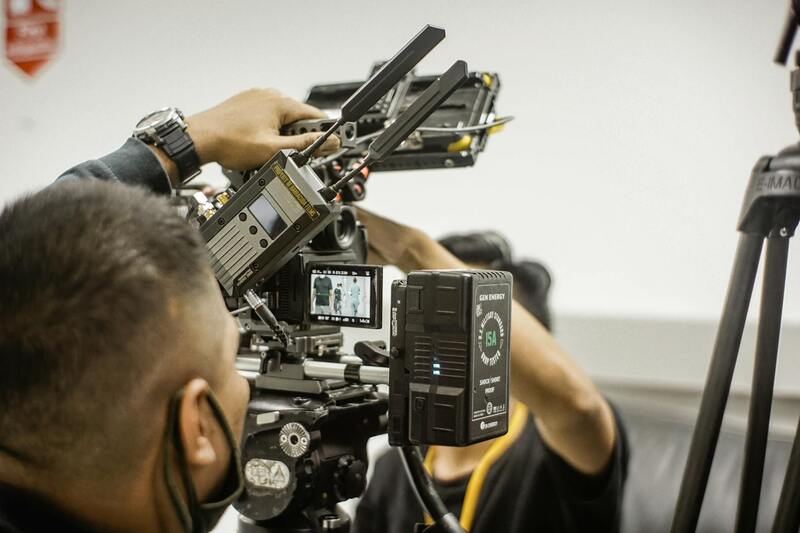
Tripods are indispensable for ensuring stability and achieving crisp, evenly exposed images, particularly indoors where lighting conditions can be challenging. Neutral, diffused lighting minimizes shadows and highlights, creating a balanced image that accurately depicts the space. Photographers may also use portable lighting kits or reflectors to enhance natural light, filling in shadows and highlighting key features of the home.
Advanced techniques, such as HDR (High Dynamic Range) imaging, combine multiple shots taken at different exposure levels. This approach ensures that both bright and dark areas of a room are visible, providing a comprehensive view that matches the property’s real-life appearance. When executed skillfully, HDR enhances overall image quality without resulting in unnatural or exaggerated visuals.
Optimal Timing and Lighting Conditions
The timing of the photo shoot significantly impacts the quality of imagery in real estate photography. Scheduling shoots during the late morning or early afternoon, when natural light is abundant, is generally optimal. Bright, even daylight helps illuminate interior spaces naturally, reducing the need for extensive artificial lighting and creating a welcoming atmosphere.
Weather conditions also influence shooting schedules. On bright, clear days, natural sunlight enters through windows, emphasizing the home’s features and creating a vibrant ambiance. Cloudy days diffuse sunlight evenly, minimizing harsh shadows and glare, which can obscure details.
Within the home, managing artificial light sources is crucial. Balancing interior lighting with natural sunlight through window exposure ensures images do not appear overly bright or shadowed. Photographers often use lighting control techniques, such as turning on all available lights and adjusting curtains and blinds, to maintain a consistent exposure and highlight key architectural details without distortions.
Composition and Framing for Real Estate Shots
Thoughtful composition is central to capturing images that resonate with potential buyers. Proper framing involves selecting angles that showcase the full extent of the room while minimizing visual clutter. Typically, shooting from a corner or doorway provides depth and perspective, revealing multiple features within a single shot.
Paying attention to vertical and horizontal lines ensures the image appears balanced and accurately represents the space. Keeping vertical lines straight prevents distortion, especially when using wide-angle lenses. Including architectural details, such as crown molding, unique fixtures, or scenic vistas seen through windows, adds visual interest and context.
When photographing exteriors, framing should emphasize the property’s curb appeal, including landscaping, architecture, and entryways. Symmetrical compositions often create a pleasing aesthetic, attracting viewers' attention and making properties look more appealing.
Post-Processing and Image Optimization
After capturing the visuals, meticulous post-processing enhances image quality and ensures consistency across listings. Adjustments to brightness, contrast, and color balance correct any discrepancies caused by lighting variations or camera limitations. Slight sharpening accentuates details, making images appear crisp and professional.
Removing minor imperfections, such as dust spots or reflections, is standard practice to create a clean, appealing presentation. It’s essential, however, to maintain authenticity and avoid overly aggressive edits that could mislead potential buyers. Proper image optimization also involves resizing images for web use, ensuring quick loading times without sacrificing quality.
Utilizing software with advanced editing capabilities allows photographers to selectively enhance specific areas, emphasizing features like a fireplace, panoramic windows, or outdoor landscaping. This targeted enhancement guides viewers’ attention to the most compelling aspects of the property, increasing engagement and interest.
Choosing the Right Equipment and Techniques
Achieving high-quality photographs of homes relies heavily on selecting appropriate equipment and employing effective shooting techniques. Professional-grade digital cameras with high-resolution sensors are fundamental, ensuring that every detail of the property is captured with clarity and sharpness. Wide-angle lenses, typically ranging from 14mm to 24mm, are highly recommended for interior shots as they allow photographers to encompass more of a room within a single frame, providing viewers with a comprehensive perspective of space and layout.
Utilizing tripods is essential for maintaining stability during shoots, especially in interiors with lower light conditions. This equipment prevents camera shake, resulting in crisp images with consistent exposure across all photographs. Advanced photographers often employ remote shutter releases or timers, which further minimize vibrations when capturing images.
Lighting setup plays a pivotal role in capturing appealing home images. Natural light is preferred; therefore, photographers schedule shoots during periods of optimal daylight while maximizing the use of open curtains and windows to flood rooms with soft, even illumination. When natural light is insufficient, supplemental lighting such as softboxes or diffused flashes help create balanced exposures, reducing shadows and highlighting details effectively.
Techniques like HDR (High Dynamic Range) photography are often employed to manage scenes with contrasting light sources or complex lighting conditions. By taking multiple bracketed shots at different exposures and merging them, photographers can produce images that accurately represent the visual range of the scene, ensuring that neither shadows nor bright highlights are lost.

Proper composition and framing are equally critical. Photographers should aim to highlight the most impressive features of each space, whether it’s a stunning fireplace, spacious kitchen, or panoramic windows with scenic views. Strategic angles that showcase room flow and spatial relationships make interiors more inviting. Including clean, clutter-free areas in the frame ensures that viewers focus on the property’s key selling points.
During exterior shoots, attention to angles that accentuate the property’s architecture and curb appeal is essential. Overhead shots or symmetrical compositions often add depth and balance to the visual narrative, drawing viewers’ attention to the home’s most appealing exterior features.
Post-processing follows the capture phase, where meticulous editing enhances the initial photos. Adjustments to brightness, contrast, and color temperature help match the images to real-life appearances. Removing minor imperfections, such as reflections or dust spots, enhances professionalism while maintaining authenticity. It’s also common to straighten crooked lines caused by lens distortion or camera tilt, ensuring that structural elements appear true to form.
Furthermore, optimization techniques such as resizing images and compressing files are crucial for online listings. Properly optimized images load faster, improve user experience, and ensure consistent quality across various devices and platforms. Advanced editing software allows for selective enhancements that emphasize specific spaces or features, guiding potential buyers’ attention and increasing interest in the property.
Legal Considerations and Permissions
Ensuring compliance with legal standards when photographing homes is a critical aspect of professional real estate photography. Photographers must obtain explicit permissions before capturing images on private property, respecting the homeowner’s privacy and rights. Clear agreements should be established that outline the scope of the shoot, the intended uses of the images, and the rights to publish or distribute the photographs within marketing platforms.
It is advisable to document consent through signed release forms from property owners or authorized representatives. This documentation helps prevent misunderstandings and provides clarity on image rights, especially when images are used for commercial purposes such as listings, advertisements, or online promotions. Additionally, photographers should verify that any individuals who might appear in the images have also consented to their depiction, especially in cases involving portraits or identifiable features.
Beyond permissions, adherence to local laws regarding drone photography, if aerial shots are involved, is essential. Regulations may govern altitude limits, flight zones, and privacy considerations, requiring appropriate permits or notifications. Using drones responsibly not only enhances the visual appeal but also demonstrates professionalism and respect for privacy boundaries.
Photographers should also familiarize themselves with any restrictions related to photographing certain properties, such as government buildings, heritage sites, or sensitive areas where special permissions might be necessary. Respecting these boundaries maintains the integrity of the professional relationship and aligns with industry best practices.
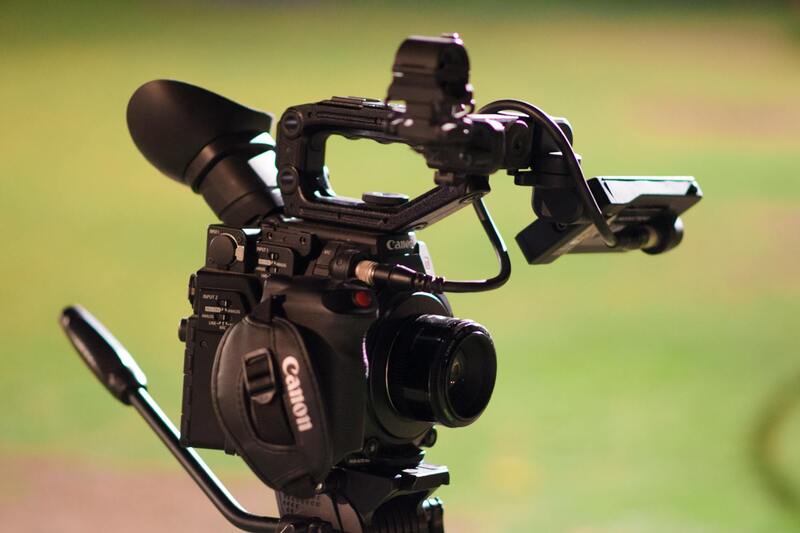
In addition, understanding intellectual property rights related to the photographs themselves is vital. Establishing clear licensing agreements ensures that the property owner or agency can use the images in specified contexts without infringing on rights or facing legal complications. Professional photographers often include clauses that specify the scope and duration of image use, further clarifying the relationship.
Adhering to these legal considerations not only protects all parties involved but also upholds the high standards expected in the real estate industry. Responsible use of images, transparency about permissions, and compliance with relevant regulations contribute significantly to the credibility and professionalism of the photographer's service.
Technical Aspects of Commercial Real Estate Photography
Capturing high-quality images of commercial properties requires attention to specific technical considerations that go beyond residential photography. These include maintaining sharp focus across the entire scene, controlling distortion caused by wide-angle lenses, and managing reflections or glare that can detract from the image’s clarity and professionalism.
Utilizing suitable camera settings is essential for achieving optimal exposure and color accuracy. Proper aperture choices ensure a deep depth of field, keeping both foreground and background elements in focus, which is particularly important for showcasing the full scope of large spaces. Additionally, shutter speed adjustments should aim to eliminate motion blur when photographing interiors with moving elements or using handheld techniques.
High dynamic range (HDR) techniques are particularly beneficial in commercial shoots, where differing light conditions can create stark contrast between illuminated and shadowed areas. Combining multiple exposures helps to produce balanced images that accurately represent the property's appearance, ensuring potential clients or tenants can assess the space effectively.
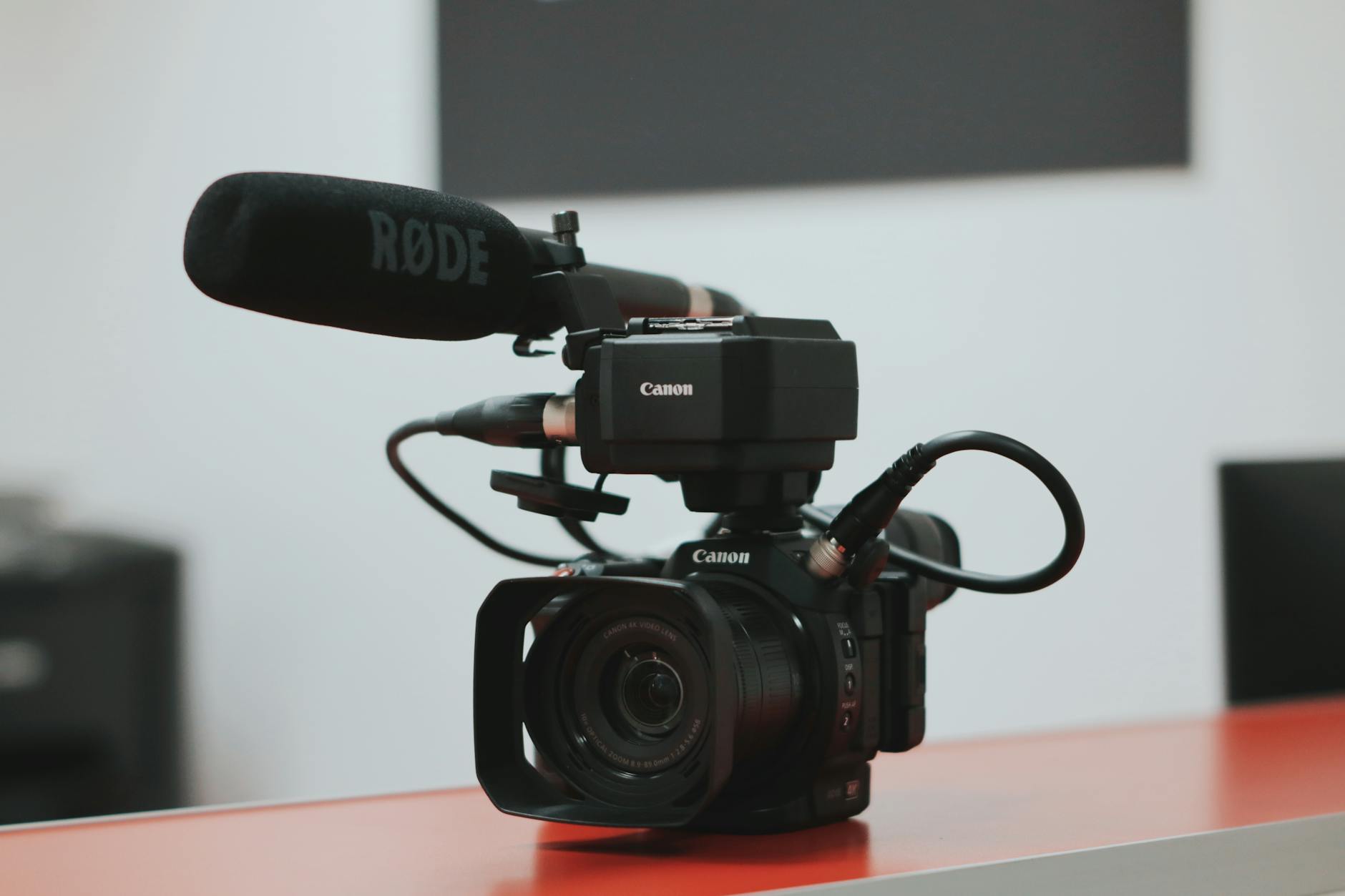
Choosing the appropriate lens is equally important. Wide-angle lenses enable the capture of expansive interiors and exteriors, but must be used carefully to avoid distortion that can misrepresent property dimensions. In some cases, tilt-shift lenses are advantageous for maintaining straight lines and proportions, ensuring a more accurate depiction of the space.
Stability is another crucial element. Tripods or stabilizers should be used to prevent camera shake, especially in low-light scenarios. This practice results in crisp, detailed photos that convey professionalism and attention to detail.
Integrating Advanced Techniques for Captivating Images
Beyond basic photography, incorporating techniques such as vertical stitching can be highly effective for capturing large-scale sites or detailed interior architecture. This approach involves taking multiple images from a fixed position and stitching them together to create a highly detailed, panoramic view.
Similarly, focus stacking allows subjects at different distances within a scene to remain sharp simultaneously, which is particularly useful for complex interior shots with varied focal planes. These advanced methods require precise planning and execution, but they significantly elevate the quality of commercial real estate photography.
When combined with meticulous post-processing, these techniques produce compelling visuals that not only attract interest but also accurately portray the property’s features and potential. The goal is to deliver images that communicate space and appeal in a manner consistent with the high standards of the commercial real estate industry.
Understanding the Importance of Professional Home Photography
Engaging in professional home photography plays a vital role in showcasing properties effectively. High-quality images serve as the primary visual influence for potential buyers or tenants, providing an accurate and appealing representation of the space. Expert photographers utilize advanced techniques and equipment to highlight a home’s best features, from architectural details to interior design elements, ensuring each shot appeals visually and conveys the true essence of the property. This form of visual communication not only attracts immediate interest but also accelerates the sales or leasing process, reducing the time a property spends on the market.
The Role of Professionalism in Real Estate Marketing
Professional home photography reinforces a property’s perceived value and builds confidence in prospective clients. Well-composed and properly lit images demonstrate attention to detail and convey a sense of quality that can set a listing apart from the competition. This is particularly significant in crowded markets where visual content can dictate engagement levels and influence decision-making. By investing in specialist photography, real estate professionals can ensure their listings are portrayed in the most compelling and accurate manner possible, ultimately leading to more successful transactions.
Impact on Online and Offline Marketing Strategies
Integrating high-quality photographs into online listings, social media campaigns, and printed marketing materials greatly enhances visibility. In online platforms, where potential buyers often browse dozens of listings daily, professionally crafted images create a memorable first impression. Consistent, engaging visuals foster trust and encourage viewers to explore further details of the property. Furthermore, curated photo collections can be used in brochures, virtual tours, and open house displays, enriching offline marketing efforts by providing cohesive, attractive representations of the home.
Building Trust and Credibility
Authentic and professional imagery helps establish credibility for real estate agents and property owners. When images accurately reflect the property's condition and ambiance, they set proper expectations and reduce misconceptions. This transparency encourages serious inquiries, minimizes cancellations or disappointments during viewings, and nurtures long-term trust. Professional photos also reflect the commitment of the seller or agent to quality and transparency, fostering confidence among prospective buyers or tenants.
The Competitive Edge in a Dynamic Market
In highly competitive real estate markets, the difference between average and exceptional listings often hinges on visual appeal. Professional home photography offers a tangible advantage, helping properties stand out amidst numerous alternatives. Eye-catching visuals attract more clicks, inquiries, and scheduled viewings, directly impacting the success rate of a listing. With rapid technological advancements and growing consumer expectations, professional photography remains a key component for those seeking to maximize their marketing efforts and achieve faster, more profitable transactions.
Conclusion: Strategic Investment for Market Success
Investing in professional home photography yields measurable benefits in property presentation, marketing effectiveness, and reputation strength. It encapsulates a strategic approach to real estate selling and leasing, ensuring that each listing conveys its full potential compellingly and accurately. By emphasizing quality visuals, sellers and agents position themselves at the forefront of the market, attracting serious buyers and facilitating smoother sales processes.
Legal Considerations and Permissions
When engaging in photographing homes, particularly within the vibrant real estate market of Miami, adhering to established protocols for property access and privacy is essential. This involves securing explicit permission from property owners or authorized representatives before scheduling a shoot. Clear communication regarding the intended use of images should be established to ensure mutual understanding and respect for the property’s privacy and owner’s rights.
It is important to document permission, preferably through written agreements or confirmations, to facilitate smooth operations and protect all parties involved. In multi-unit buildings or shared complexes, coordination with property management or strata organizations may be necessary to obtain access and avoid conflicts.
Additionally, certain areas within a property might contain proprietary or sensitive elements that require special attention. For instance, areas with personal belongings, artworks, or confidential information should be either excluded from the shoot or photographed with the owner’s consent to prevent privacy breaches.
In terms of legal compliance, understanding Miami’s local regulations regarding property photography—particularly in regards to drone usage, if applicable—is crucial. Drone photography can offer unique perspectives but often requires specific permits or compliance with municipal regulations, including safety guidelines and restricted airspace considerations. Ensuring all drone operations are conducted legally not only prevents potential penalties but also upholds safety standards for everyone involved.
In sum, lawful and respectful practices in property photography foster positive relationships with clients and safeguard the integrity of marketing efforts. Proper permissions, awareness of legal frameworks, and respect for privacy contribute to a seamless, efficient process that upholds industry standards and supports successful property transactions.
Using Photographs for Marketing and Listing Success
High-quality images serve as a cornerstone for effective property marketing. They are often the first impression potential buyers or tenants have of a property, making professional photographs an invaluable asset in today’s digital-driven real estate landscape. When leveraged correctly, these visuals can significantly enhance online listings, creating a compelling narrative and visual story that resonates with prospective clients.
Photographs should be aligned with the overall marketing strategy, emphasizing core features, unique selling points, and the property's best angles. Including a diverse set of shots—from wide-angle exterior views to detailed interior highlights—creates a comprehensive visual profile that appeals to varied buyer preferences.
Incorporating images into online listings, social media campaigns, and email marketing can increase engagement rates, generate more inquiries, and reduce time on market. A well-curated portfolio of images can establish a property as a desirable option, setting it apart from the competition in a bustling Miami market.
Understanding the importance of strategic image use allows real estate professionals and property owners to maximize the impact of their marketing efforts. As a result, professionally captured photographs become a critical component in achieving faster sales cycles, higher offers, and long-term reputation growth within the competitive Miami real estate scene.
Legal Considerations and Permissions
Ensuring that all necessary authorizations are obtained prior to photographing a property is essential in maintaining ethical standards and fostering trust between photographers, property owners, and agents. Securing explicit permission to access and photograph a residence not only facilitates a smooth shooting process but also safeguards against potential misunderstandings or disputes. This can involve formal agreements outlining the scope of the shoot, the intended use of images, and any restrictions or specific requirements stipulated by property owners or representatives.
It is important to document permissions comprehensively. Written consent provides a clear record that can be referenced if questions arise regarding the usage of images or access. Additionally, respecting the privacy of residents and adhering to any stipulated confidentiality clauses reflects professionalism and adherence to best practices within the industry.

Beyond permissions, being compliant with local regulations related to property photography prevents potential legal complications. This includes understanding restrictions about photographing in certain areas, during specific times, or under particular circumstances. Staying informed about such guidelines helps maintain professionalism and ensures that the marketing process remains smooth and lawful.
Lastly, respecting intellectual property rights related to staging, artwork, or personalized decor within the home is crucial. When capturing images that showcase authorized furnishings or special features, credit or acknowledgment is unnecessary; however, avoiding the use of proprietary or copyrighted materials without consent is essential to uphold ethical standards.