
Understanding the Importance of Quality House Photography
In the bustling Miami real estate market, where competition is fierce, the visual presentation of a property can significantly influence a potential buyer’s or renter’s decision. High-quality house photography serves as a powerful marketing tool, creating a compelling first impression that can make a listing stand out amidst numerous options. Clear, well-composed images highlight the best features of a property, showcase its unique architectural details, and convey the overall ambiance of the space, all from the comfort of a digital platform.
When prospective clients browse online listings, their initial impression often hinges on the quality of photographs. Blurry, poorly lit, or poorly framed images can deter interest and decrease viewing requests. Conversely, professionally captured photos imbue the property with an inviting and trustworthy appearance, encouraging viewers to schedule an in-person visit. In Miami’s dynamic real estate landscape, where luxury homes and contemporary condos are regularly showcased, expert photography can elevate a listing from ordinary to extraordinary.
Moreover, high-quality images have a direct impact on marketing effectiveness. They enhance online presence across multiple platforms, including real estate websites, social media, and email campaigns. Well-crafted photographs also facilitate better search engine optimization (SEO), making online listings more visible to potential buyers searching with specific criteria. This synergy between visual appeal and digital strategy results in increased inquiries, faster sales, and higher transaction values.
In Miami’s competitive environment, where numerous properties are often listed simultaneously, the adage “a picture is worth a thousand words” holds particularly true. Professional photographing not only elevates the aesthetic of a listing but also builds trust and confidence among potential clients, making them more likely to choose a property that looks impeccable online. Therefore, investing in high-quality house photography becomes an essential step for real estate professionals seeking to optimize their marketing efforts and close deals efficiently.
Essential Equipment and Camera Settings for House Photography
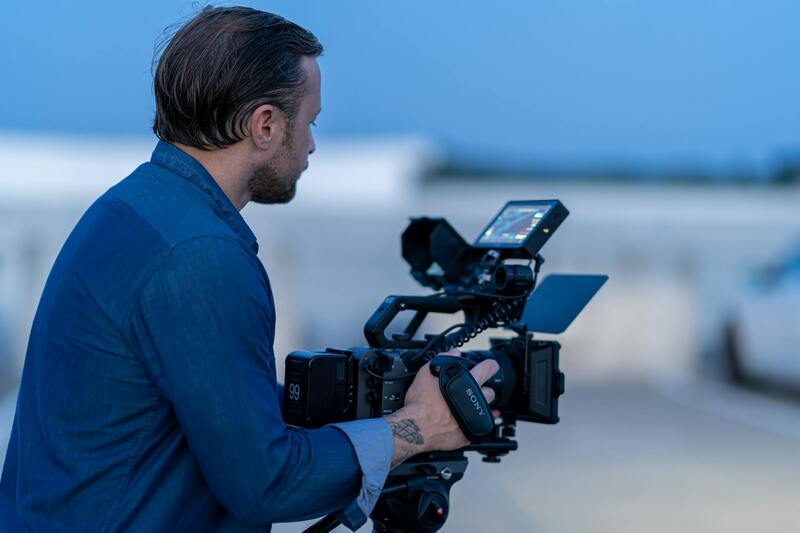
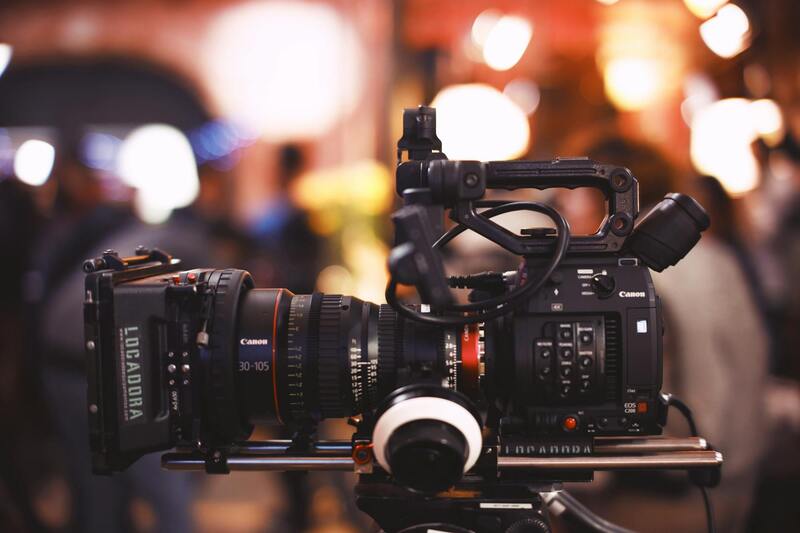
Achieving professional-quality images of residential properties hinges on the right combination of equipment and camera settings. High-quality gear ensures sharp, detailed, and well-lit photographs that accurately represent a home's features. For interior and exterior shots, a digital single-lens reflex (DSLR) or mirrorless camera equipped with a wide-angle lens is highly recommended. Wide-angle lenses typically range from 14mm to 24mm, allowing photographers to capture more of a room or exterior scene without distortion, creating an immersive experience for potential buyers.
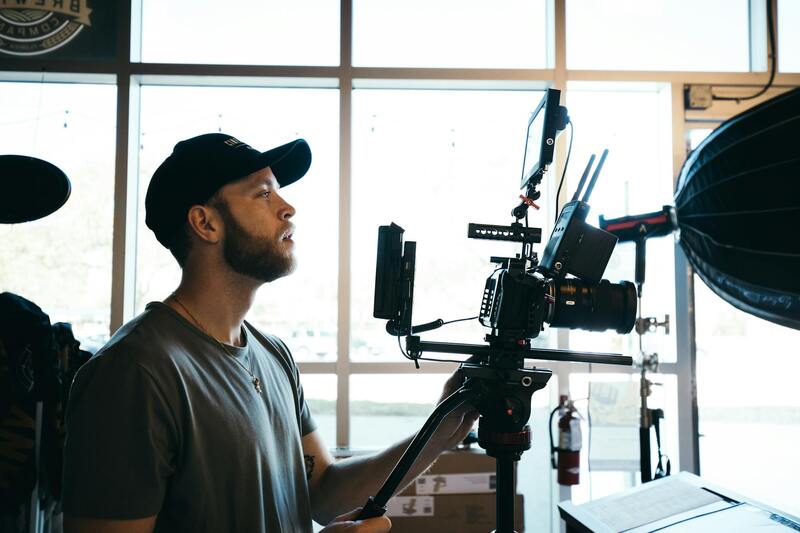
Stabilization tools, such as tripods, are essential to maintain steady shots and prevent blurring, especially under lower light conditions. Remote shutter releases or the camera's timer function can further minimize camera shake during longer exposures.
In terms of camera settings, a focus on proper exposure is vital. Utilizing aperture settings between f/8 and f/11 ensures sufficient depth of field, keeping both foreground and background elements sharply in focus. For interior shots with varied lighting conditions, shooting in manual mode helps control exposure levels. A low ISO setting, typically ISO 100 or 200, minimizes noise, resulting in cleaner images. For well-lit spaces, using natural light complemented by external flash or continuous lighting can enhance brightness and color accuracy.
Dynamic range is another consideration; capturing multiple exposures and blending them in post-processing can effectively manage scenes with contrasting lighting—bright windows versus darker interior corners. Additionally, shooting in high-resolution formats provides flexibility for post-production editing and ensures the images retain detail when displayed on large screens or printed materials.
Investing in quality lenses, stabilization accessories, and mastering camera functions markedly improves the overall presentation of a property. Such meticulous preparation translates into images that are not only visually appealing but also accurately depict the property's true character, which is key to attracting serious inquiries and closing sales efficiently.
Utilizing Proper Lighting Techniques for House Photography
Effective lighting is a cornerstone of high-quality house photography. To achieve consistent, well-exposed images, photographers should leverage natural light whenever possible, aiming to shoot during times of the day when sunlight is soft—typically early morning or late afternoon. These periods produce flattering, diffused light that enhances the color palette and accentuates architectural details without harsh shadows.
In interior settings, it’s crucial to balance ambient light with supplementary lighting. Using external flashes or continuous LED lights can fill in shadows created by natural light sources, especially during overcast days or in spaces with limited windows. Employing light modifiers such as softboxes or diffusers ensures even light distribution, reducing glare and hotspots that can distract viewers.
Proper use of reflectors can also help bounce light into darker corners, enhancing the overall brightness without introducing unwanted color casts. Adjusting color temperature settings on the camera or lights to match the natural lighting conditions prevents color distortions, ensuring that photos accurately reflect the property's appearance.
While natural light is preferable, artificial lighting allows for greater control over the scene, especially in interior spaces with inconsistent or insufficient natural illumination. Combining these sources strategically results in vibrant, inviting images that give potential buyers a compelling visual experience of the property.
Employing Composition and Framing Strategies
Good composition significantly impacts the effectiveness of house photography. Advanced framing techniques such as the rule of thirds guide the viewer’s eye towards the most attractive features of a property. Positioning key elements—like an elegant staircase, a spacious living area, or an outdoor patio—in strategic locations within the frame creates a balanced, engaging image.
Width and perspective play critical roles; using wide-angle lenses can capture more of a room's layout, providing context and sense of space. However, caution is needed to avoid distortion—lens correction in post-processing or shooting at lower angles can maintain natural proportions.
Vertical lines, such as walls and doorframes, should be kept straight to maintain realistic proportions, which can be achieved through proper camera positioning and the use of tripod stabilization. Incorporating leading lines and natural focal points directs the viewer's gaze smoothly across the scene, enhancing the overall narrative of the space.
Close-up shots of distinctive features—such as decorative moldings, high-end fixtures, or unique architectural details—add depth and interest to the listing portfolio. Combining wide shots with detailed imagery provides a comprehensive visual story that appeals to prospective buyers and elevates the property's presentation.
Techniques for Capturing Interior Shots
Achieving stunning interior photographs requires a combination of proper camera techniques and an understanding of optimal composition. When photographing interior spaces, selecting the right perspective is crucial. Often, shooting from a corner of the room provides a broader view, showcasing the layout and flow of the space. Using a wide-angle lens helps capture more of the room in a single frame; however, it's important to avoid excessive distortion that can skew the proportions of walls and furniture. A tripod is essential for interior shots, especially in low-light conditions, to ensure sharp images with minimal blur. Proper stabilization allows for longer exposure times, which can significantly improve brightness and clarity without sacrificing detail. When dealing with low-light environments, increasing ISO settings cautiously, adjusting aperture, and utilizing external lighting sources or reflectors can enhance the overall illumination. In terms of composition, maintaining vertical lines by keeping the camera level preserves the natural proportions of the room. Leading lines—such as hallway floors, countertops, or ceiling moldings—guide the viewer's eye towards focal points like a fireplace, a piece of artwork, or a large window. This technique enhances depth and draws attention to the room’s key features. Balancing light and shadow is vital; avoiding overly dark areas or blown-out highlights results in a balanced exposure that accurately represents the space. Bracketing exposures can be beneficial in challenging lighting conditions, blending multiple images to produce a well-exposed final photograph. Pay attention to details that highlight luxury or design elements—such as intricate crown molding, unique fixtures, or high-end finishes. These smaller features add character and can set a property apart in the online marketplace. Consistent color temperature across shots ensures a harmonious look when the images are compiled into a listing portfolio. Properly executed interior photography not only provides a realistic view of the space but also emphasizes its ambiance and flow, helping prospective buyers or renters envision themselves living there.
Legal Considerations and Best Practices in House Photography
Maintaining high standards in house photography involves adhering to established best practices that respect property rights and privacy. Ensuring clear permissions are obtained before photographing a property safeguards all parties involved and promotes transparency. Use official documentation or contractual agreements to verify authorization, particularly when photographing private or condominiums, to avoid potential misunderstandings or disputes.
It’s important to accurately represent the property’s features without distortion or misleading alterations. This includes refraining from computer-generated enhancements that could mislead prospective buyers or renters about the actual state of the home. Accurate depiction not only builds trust but also aligns with ethical standards of real estate marketing.
When photographing properties situated on expansive or private lands, respecting boundaries and privacy zones is essential. Avoid capturing images that include neighboring properties or personal spaces unless explicitly permitted, thus maintaining respect for privacy and avoiding infringing on others’ rights.
Incorporating the use of legally compliant equipment, such as drone cameras, requires adherence to airspace regulations and obtaining necessary operational clearances. Flying drones over private properties or in restricted airspace without proper authorization can lead to legal issues. Employ certified operators and ensure compliance with local guidelines, which routinely specify altitude limits, no-fly zones, and privacy considerations.
During the post-processing stage, ensure that editing techniques do not alter the fundamental characteristics of the property. Over-processed images can mislead viewers; instead, focus on enhancing clarity, correcting exposure, and ensuring color accuracy to present a true and appealing depiction of the home. Maintaining consistency across all images fosters a coherent visual narrative that authentically represents the property.
Always incorporate clear, high-quality images in marketing campaigns, avoiding low-resolution or heavily compressed files that diminish the property’s appeal. Respect intellectual property rights by only using licensed or owned images, and give appropriate credit when incorporating elements that are not your own.
Post-Processing and Editing of House Photos
Effective post-processing plays a vital role in showcasing a property's best features while maintaining authenticity. High-quality editing involves adjusting brightness and contrast to ensure the images are vibrant and inviting, without creating an overly manipulated appearance. Color correction is essential to accurately represent the property's interior and exterior hues, fostering viewer trust and providing a transparent viewing experience.
Sharpness enhancement helps in emphasizing key architectural details and textures, making images more engaging. Techniques such as noise reduction can be applied to produce cleaner images, especially in low-light conditions or when using higher ISO sensitivities. However, it is important to avoid over-processing, which can distort true color and mislead viewers.
In terms of editing tools, professionals often utilize industry-standard software that allows precise adjustments. Maintaining consistency in editing styles across multiple images ensures a cohesive visual narrative, which is especially beneficial for online listings and marketing materials.
Proper cropping and perspective correction also contribute to an appealing presentation. Eliminating distracting elements from the frame, straightening tilted horizons, and ensuring all lines are geometrically accurate help in conveying a polished, professional appearance.
Ultimately, the goal of post-processing is to highlight the property's strengths without exaggeration. When executed with precision and integrity, editing significantly enhances the visual impact and appeal of the property, attracting potential buyers or renters effectively.
Legal Considerations and Best Practices in House Photography
When conducting professional house photography, adhering to established guidelines and best practices ensures the integrity and quality of the images, while also respecting property rights and privacy concerns. These practices foster trust with clients and help maintain a reputable image within the industry.
One of the primary considerations involves obtaining proper permissions before photographing a property. This encompasses securing explicit consent from property owners or authorized representatives, especially when taking photographs that include private spaces or features not publicly visible. Clear communication about the purpose of the shoot and how the images will be used is crucial for transparency.
Another key aspect pertains to respecting tenants' rights and privacy. Photographers should avoid capturing images that could infringe on personal privacy or reveal sensitive information. For instance, interior shots should be taken with permission, and areas such as private bedrooms, bathrooms, or personal offices should only be photographed when appropriate consent has been secured.
Ensuring safety and compliance with local regulations is also fundamental. Photographers must be cautious when shooting on properties located in restricted areas or those requiring special permits, such as drone photography for aerial shots. Familiarity with regional rules concerning airspace, privacy, and property access helps prevent legal complications and potential penalties.
Professional conduct extends to copyright considerations as well. Photographers should retain ownership rights to their images unless explicitly transferred through contracts. Proper documentation of agreements helps prevent disputes and clarifies usage rights for clients and marketing efforts.
Maintaining consistency in quality and ethical standards ultimately serves to boost a photographer's credibility and reliability. Starting each project with a comprehensive agreement that specifies all relevant terms — including permissions, usage rights, and safety protocols — is a best practice that benefits all parties involved.
Legal Considerations and Best Practices in House Photography
Ensuring that house photography is conducted within set guidelines involves adhering to established protocols related to property access, privacy, and ethical standards. Securing explicit permission from property owners or authorized representatives before capturing images is fundamental. This not only demonstrates professionalism but also minimizes misunderstandings and fosters trust between photographers and clients. Documentation of permissions, whether through written agreements or verbal confirmations reinforced by email correspondence, provides clarity on the scope and purpose of the photo sessions.
Respect for privacy is paramount when photographing houses, especially when interior shots are involved. Photographers should avoid intrusive images that may reveal personal or sensitive information, such as financial documents, private family spaces, or confidential belongings. When shooting interior spaces, obtaining consent from residents or tenants ensures that their privacy rights are respected. For properties with multiple occupants, clear communication about the purpose and use of images helps manage expectations and avoid conflicts.
Awareness of regional regulations related to drone or aerial photography is critical. Certain areas may have designated restrictions or require specific permits for aerial captures, particularly when operating within restricted airspace near airports, government buildings, or private estates. Familiarity with these regulations helps prevent inadvertent violations that could lead to penalties or legal complications.
Ethical standards extend to copyright and usage rights concerning the photographs taken. Photographers should retain copies of signed agreements that specify who owns the rights to the images and how they can be utilized. These documents protect both parties by delineating permitted uses, whether for online listings, print advertisements, or promotional materials, thereby avoiding potential disputes.
In addition to legal permissions, ensuring the safety of everyone involved during the photo shoot is essential. Photographers should follow safety protocols when working on-site, especially in multi-story buildings, construction sites, or properties with unique hazards. Proper signage, equipment checks, and adherence to safety guidelines help create a secure environment for all participants.
Establishing transparent communication channels with clients about the scope of work, permitted areas for photography, and post-processing expectations helps set professional standards. This clarity contributes to producing high-quality results that meet clients’ needs while maintaining ethical practices. Continuous education on changing regulations and industry standards ensures that photographers remain compliant and uphold their reputation for integrity and professionalism.