
Understanding the Importance of High-Quality Interior Photography
In the competitive real estate market, the visual presentation of a property can significantly influence a potential buyer’s decision. High-quality interior photography serves as a vital marketing tool, capturing the essence of a space and highlighting its best features. Well-executed images can attract more online viewers, generate increased interest, and ultimately lead to faster sales.
Professionally captured interior photos offer clarity and detail that amateur photos often lack, demonstrating the property’s scale, layout, and ambiance. These images help convey the true character of a home, including its design, functionality, and unique elements. When potential buyers view compelling interior photographs, they imagine themselves living in the space, creating an emotional connection that encourages further engagement.
Moreover, the importance of high-quality photography extends beyond just attracting buyers. It plays a critical role in establishing a property’s credibility and professionalism. Listings with professionally taken interior images tend to appear more appealing and trustworthy, fostering confidence and interest from prospective buyers. In digital marketing, the power of a well-presented image cannot be overstated; it can make a listing stand out amid a sea of comparable properties.
From a strategic perspective, investing in professional interior photography enhances a property’s overall marketing campaign. It allows real estate agents and sellers to showcase the property in its best light across various channels, including websites, social media platforms, and print ads. The visual high quality of these images can lead to increased foot traffic and more scheduled showings, expediting the sales process.
In essence, professional interior photographs are an investment in a property's marketability. They serve as a powerful tool to evoke emotions, communicate value, and create a lasting impression that can turn interest into a purchase. For real estate professionals committed to excellence, mastering the art of photographing interiors is fundamental for successful property promotion.
Choosing the Right Equipment for Interior Photography
Selecting appropriate gear is fundamental to capturing high-quality images that faithfully represent a property's interior. The primary tools include a reliable digital camera with a wide-angle lens capable of capturing expansive spaces without distortion. A full-frame DSLR or mirrorless camera equipped with a lens in the 14-24mm or 16-35mm range often provides the versatility needed for various room sizes and lighting conditions.
Tripods are essential for stability, especially in dimly lit environments where slow shutter speeds are necessary. Utilizing a tripod ensures sharp, clear images and allows for consistent framing across multiple shots. Furthermore, consider investing in remote shutter releases or camera timers to minimize vibration and movement during the shot.
Lighting equipment also plays a crucial role. While natural light is ideal, supplementary lighting such as portable strobes or LED panels can help illuminate darker areas evenly. Properly balanced artificial lighting can eliminate shadows, highlight architectural features, and create a warm, inviting ambiance.
In addition to camera gear, employing accessories like lens filters, circular polarizers, and remote controls can enhance image quality and streamline the shooting process. For consistent results, using calibrated monitors and calibrated color profiles during editing ensures the photographs accurately reflect the interior’s true colors and details.
Mastering equipment selection enables real estate photographers to adapt to different spaces, lighting conditions, and client expectations. The goal is to produce clear, vibrant, and appealing images that convey the essence of the interior environment effectively to potential buyers.
Choosing the Right Equipment for Interior Photography
Selecting the appropriate equipment is fundamental to capturing compelling interior images that attract prospective buyers. The core of interior photography revolves around the camera, lenses, and accessories that adapt to varying lighting conditions and architectural features.
High-resolution digital single-lens reflex (DSLR) cameras or mirrorless models are preferred due to their superior image quality, dynamic range, and low-light performance. These cameras allow for manual control over exposure settings, which is crucial when capturing interiors with contrasting lighting scenarios.
Wide-angle lenses, typically ranging from 14mm to 24mm, are indispensable for interior photography. They enable the photographer to incorporate more of the space within a single shot, creating an immersive sense of scale. When choosing lenses, consider those with minimal distortion to ensure straight lines and true-to-life proportions, especially when photographing structural elements such as doorways, windows, and archways.
In addition to camera equipment, accessories such as remote shutter releases, tripod mounts, and calibrated color profiles improve image quality and consistency. Tripods establish stability for sharp images, especially in low-light environments, while remote controls minimize camera shake during long exposures. Color calibration tools ensure the colors in the final image match the interior’s true appearance, which is vital for honest representation.
Managing Lighting to Achieve Bright and Inviting Interiors
Lighting is a pivotal element in interior photography, directly impacting the mood, clarity, and overall appeal of the space. Leveraging natural light is often the first choice; however, artificial lighting setups are crucial for evenly illuminating windows and shadowed areas.
Professional photographers frequently employ portable LED panels, strobe lights, or softboxes to achieve consistent light distribution. These tools help eliminate harsh shadows, soften reflections, and highlight design features. Balancing interior lighting with available natural light requires adjusting light intensity and positioning to create a warm glow that feels authentic and inviting.
Using modifiers like diffusers, reflectors, and gels allows the photographer to shape and direct light effectively. When combining natural and artificial light, maintaining consistent color temperature is crucial to prevent unnatural color shifts, which can be achieved through the use of color-corrected light sources and post-processing adjustments.
Composition and Framing for Interior Shots
Effective composition hinges on understanding spatial dynamics and perspective. Start by choosing vantage points that showcase the room’s best features without clutter or obstructions. Use the rule of thirds to position key architectural elements and furniture in a visually appealing manner. Vertical lines should be kept straight, emphasizing the room's height, which can be compromised by wide-angle lenses if not carefully managed.
Employing proper framing techniques involves controlling the camera angle and ensuring that images are free of distortions. Aligning the camera parallel to walls and windows helps maintain straight lines and accurate perspectives. Additionally, including elements like doorway frames or furniture can add depth and context to the images, making them more engaging and realistic.
Post-Processing and Editing of Interior Photographs
After capturing images, post-processing enhances their clarity, color accuracy, and overall visual impact. Basic adjustments include correcting exposure, contrast, white balance, and sharpness. High Dynamic Range (HDR) techniques can be employed to blend multiple exposures, ensuring detail in both shadowed and illuminated areas.
Retouching may involve removing minor imperfections, such as clutter or distractions, and adjusting vertical and horizontal lines to maintain architectural accuracy. It's essential to preserve the integrity of the space while enhancing its appeal, avoiding over-editing that could misrepresent the property.
Advanced editing software offers precise control over color grading and perspective correction, which helps produce polished images aligned with professional standards. The ultimate goal is to create vibrant, true-to-life photographs that convey the essence and atmosphere of the interior environment effectively to viewers, emphasizing its best features without exaggeration.
Managing Lighting to Achieve Bright and Inviting Interiors
Effective lighting plays a crucial role in capturing appealing interior photographs. Proper management of natural and artificial light sources ensures that spaces are showcased in the best possible manner, highlighting architectural features and interior details. Photographers must consider the time of day and weather conditions to maximize natural light, often scheduling shoots during daylight hours when sunlight can illuminate rooms evenly. Overcast days are especially favorable, as diffuse light reduces harsh shadows and minimizes interior glare.
In situations where natural light alone cannot achieve the desired brightness, supplemental lighting becomes essential. Use of softbox lights, LED panels, or portable flash units can add even, diffused light that complements existing illumination. Positioning lights strategically prevents unwanted shadows and ensures a balanced exposure across all elements within the scene. It is pertinent to avoid overly harsh lighting that can create unflattering shadows or overly bright spots, as this detracts from the inviting atmosphere that prospective buyers seek.
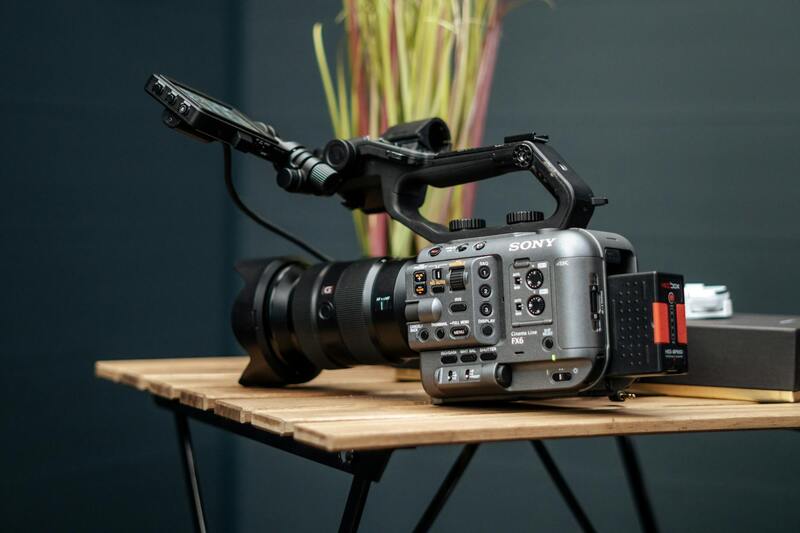
Camera settings should be adjusted to optimize light capture. Shooting in manual mode allows precise control over ISO, aperture, and shutter speed. A lower ISO setting reduces image noise and maintains clarity, while an aperture between f/8 and f/11 captures enough depth of field to keep multiple interior elements in sharp focus. A slower shutter speed, used with a tripod, can help gather more light, producing well-lit images with minimal motion blur.
It's crucial to balance light sources to avoid color cast issues, especially when mixing natural daylight with artificial lighting. Employing proper white balance settings ensures accurate color representation. During post-processing, techniques such as adjusting brightness and contrast, color balance, and shadow detail further enhance the lighting effects, resulting in inviting, vibrant images that accurately reflect the interior environment.
Additionally, employing high dynamic range (HDR) imaging techniques helps in capturing interiors with contrasting light levels. By blending multiple exposures, HDR allows for detailed shadow areas without sacrificing highlights, producing well-exposed images regardless of challenging lighting conditions. This approach is particularly beneficial in interiors with large windows or reflective surfaces where high contrast is prevalent.
Legal and Ethical Considerations in Real Estate Photography
Maintaining transparency and honesty in residential interior photography is essential to uphold the trust of clients and prospective buyers. Clear communication about the scope of the shoot, including the specific areas to be photographed and any adjustments made during post-processing, ensures that all parties have aligned expectations. Avoiding manipulative techniques that misrepresent the actual state of the property safeguards credibility and reinforces professional integrity.
Adherence to the standards set by industry guidelines and local regulations helps ensure compliance with best practices. This includes respecting the privacy of current occupants by obtaining proper authorization before photographing personal spaces or sensitive areas. When photographing interiors in occupied homes, it's important to be considerate of residents' privacy and minimize disruption. This may involve scheduling shoots at convenient times and avoiding intrusive shots of private areas unless explicitly authorized.
Accurate representation is further supported by detailed documentation of the photographs, with timestamps and contextual notes when necessary. This documentation assists in verifying the authenticity of images and can serve as a reference if disputes arise regarding the depiction of the property. Ethical photography also involves avoiding enhancements or edits that could alter the perceived size, features, or condition of the interior in a way that could deceive viewers.
In addition, it is essential to handle clients' images and property details with care, following data protection protocols and confidentiality agreements. Proper storage and sharing of images, only with authorized individuals, help prevent misuse or unauthorized dissemination. By combining technical professionalism with a commitment to truthful representation, real estate photographers can strengthen their reputation and foster long-term client relationships.
Utilizing Official Methods for Capturing Authentic Interior Images
When it comes to photographing interior spaces that accurately reflect their true condition and appeal, relying on certified equipment and standardized techniques ensures consistency and professionalism. Professional real estate photographers often utilize ISO-compliant cameras with high resolution capabilities, enabling clear and detailed images that showcase every aspect of a property’s interior. Additionally, utilizing tripods and stabilize equipment is essential to maintain sharpness and avoid blurring, especially in low-light conditions or when capturing narrow indoor spaces.
Implementing proper camera settings, such as aperture, shutter speed, and white balance, according to the specific lighting conditions within the property, is crucial for genuine representation. This adjustment guarantees optimal exposure and color accuracy, which are fundamental in providing prospective buyers with truthful visuals. Photographers adhere to established industry standards, such as capturing multiple angles of each room and including key features, to create comprehensive and reliable visual documentation.
In the digital age, metadata embedded within images—such as timestamps, GPS location, and camera settings—serve as official records of when and how photos were taken. This metadata helps establish the authenticity of images and can be crucial in resolving any queries regarding the depiction of the interior space.
Engaging Certified Software for Post-Processing
After capturing the images, entry-level editing tools may be sufficient for minor adjustments, but employing official and industry-approved software ensures the integrity of the visuals. Programs like Adobe Lightroom and Photoshop are widely recognized for their precise control over color correction, brightness, contrast, and perspective adjustments. These tools help enhance the images subtly, emphasizing the property’s best features without altering its true appearance.
Furthermore, employing calibrated monitors and adhering to standardized workflows facilitates uniform editing practices across different projects and photographers. These official methods help maintain consistency, especially for agencies managing multiple properties and aiming for a cohesive visual branding.
Documentation and Provenance of Photographs
Creating an official record for interior photographs involves meticulous documentation of each shoot. This may include maintaining logs of camera settings, date and time stamps, and location data. Such records serve as verifiable evidence of the images’ authenticity and can be instrumental if the images are ever contested.
In professional practice, capturing multiple shots with different focal lengths or from different vantage points and documenting each with specific notes helps provide a comprehensive visual narrative of the property interior. This approach ensures that all visual representations can be traced back to the original, unaltered files, reinforcing trust with clients and regulatory bodies.
Adhering to Industry Standard Methods for Transparent and Accurate Representation
Following an official, protocol-driven process promotes ethical integrity in interior photography. This involves precise adherence to the guidelines for capturing, editing, and documenting images, ensuring that representations are truthful and comprehensive. The use of calibrated hardware and software aligns with industry best practices, preserving the accuracy of color, space dimensions, and overall visual fidelity.
Clients and prospective buyers benefit from this standardization, as it offers a reliable visual narrative that aligns with real-world observations. This transparent approach avoids any potential miscommunications or misinterpretations, fostering a reputation of trustworthiness and professionalism in the real estate market.
Understanding the Importance of High-Quality Interior Photography
Capturing the essence of a property's interior through professional photography is vital for creating compelling property listings. High-quality images not only attract potential buyers or tenants but also accurately represent the space, detailing the architectural features, layout, and ambiance. This level of clarity ensures viewers receive an authentic impression, fostering trust and engagement. Superior interior photographs enhance the property's perceived value and can significantly influence the speed at which a property moves off the market. As such, investing in professional techniques, equipment, and post-processing methods directly translates into increased interest, better offers, and a more reliable portrayal of the real estate asset.
Preparing a Property Before Shooting
Navigating the process of photographing real estate interiors begins long before the camera is set up. Proper preparation involves several key steps to ensure optimal image quality and an inviting atmosphere.
- Decluttering: Remove unnecessary items to create a clean, spacious appearance. Clear countertops, straighten furniture, and hide personal adornments that may distract viewers.
- Cleaning: Conduct a thorough cleaning of every surface, including floors, windows, and fixtures. Sparkling surfaces reflect light better and enhance the overall aesthetic.
- Staging: Arrange furniture and decor to highlight the space’s potential. Subtle touches, such as fresh flowers or well-placed art, add visual appeal without overpowering the environment.
- Lighting Checks: Ensure all light sources are working and consider replacing dim or yellow-tinted bulbs with natural or daylight-balanced lighting to produce a bright, welcoming ambiance.
Choosing the Right Equipment for Interior Photography
Professional interior photography relies heavily on the appropriate tools and hardware. The right equipment ensures sharp, clear images that faithfully represent the space's true character.
- Camera: A high-resolution digital camera with full-frame capabilities provides the detail and depth necessary for interior shots.
- Wide-Angle Lens: A lens with a focal length between 14mm and 24mm captures expansive views of rooms, emphasizing spatial openness.
- Tripod: Stability is crucial for maintaining sharp focus, especially in low-light conditions or when shooting multiple exposures for HDR processing.
- Remote Shutter Release: Minimize camera shake and ensure crisp images by using a remote or timer function.
- Extras: A circular polarizer or neutral density filters can help manage reflections and balance light, ensuring accurate color representation.
Managing Lighting to Achieve Bright and Inviting Interiors
Lighting plays a pivotal role in interior photography, converting spaces from dull to vibrant and helping to showcase the property accurately. To manage lighting effectively:
- Utilize Natural Light: Shoot during daylight hours, preferably in mid-morning or late afternoon when sunlight is softer, and open curtains or blinds to flood the space with natural illumination.
- Supplement with Artificial Lighting: Use softbox lights or portable flashes to fill shadows and balance interior lighting, especially in poorly lit areas or rooms with small windows.
- Control Light Temperature: Ensure color consistency by matching artificial light color temperature with natural light, ideally around 5000-5500K for daylight-balanced images.
- Manage Reflections and Glare: Adjust angles and light placement to avoid unwanted reflections on glass surfaces or shiny fixtures that can distort the image’s clarity.
Composition and Framing for Interior Shots
Effective composition elevates the visual storytelling of interior photography. It involves thoughtful framing, perspective, and spatial awareness.
- Use Leading Lines: Incorporate lines such as doorframes, furniture edges, or architectural features to draw viewers' eyes into the room, creating a sense of depth.
- Maintain Level Horizon: Ensure the camera is perfectly horizontal to prevent tilted images that can distract viewers.
- capturing Multiple Angles: Take shots from various vantage points—corner angles, straight-on, and wide shots—to provide a comprehensive view of each space.
- Balance the Frame: Keep clutter out of the frame and center key features to produce visually balanced images that highlight the property’s best attributes.
Post-Processing and Editing of Interior Photographs
Post-processing enhances images by correcting imperfections, balancing exposure, and ensuring color accuracy. High-quality editing adheres strictly to the original visual intent, emphasizing authenticity.
- Color Correction: Adjust white balance and vibrancy to reflect reality accurately, avoiding overly saturated or unnatural hues.
- Exposure Blending: Use HDR techniques or exposure stacking to balance lighting across different areas, especially in rooms with high contrast lighting.
- Sharpness and Clarity: Enhance details through subtle sharpening without introducing noise or artifacts.
- Retouching: Remove minor blemishes or distractions while maintaining true-to-life representation.
- Maintaining Consistency: Apply similar editing styles across all images for a cohesive and professional presentation of the property.
Legal and Ethical Considerations in Real Estate Photography
When engaging in photographing real estate interiors, adherence to established industry standards and ethical practices is paramount. This includes respecting property owners' privacy and ensuring that all images accurately represent the space without exaggeration or misrepresentation. Photographers should obtain necessary permissions before entering a property, especially when capturing images in private areas or during off-hours. Transparency with clients about the scope of work, the techniques used, and the expected outcomes fosters trust and maintains professional integrity.
Moreover, it is essential to avoid manipulating images in a manner that could mislead prospective buyers or renters. While post-processing can enhance the visual appeal of images, it should be used responsibly to reflect the true state of the property. This includes accurately representing colors, lighting, and structural features. Any alterations should serve to improve clarity and visual accuracy rather than create a deceptive depiction of the space.
Furthermore, photographers should familiarize themselves with local regulations regarding the use of drones, security camera footage, or other equipment that might intersect with privacy concerns. Ensuring compliance with these standards helps prevent conflicts or legal issues that could arise from unintended privacy breaches. Maintaining ethical standards not only safeguards the professional reputation of the photographer but also contributes to a trustworthy real estate marketing environment.
While capturing striking interior images, it is equally important to respect the intentions and privacy of the property owner. Discretion in the handling of sensitive or personal spaces is a key aspect of ethical practice. Clear communication and honest representation are vital in fostering long-term client relationships and sustaining a reputation for quality and integrity within the industry.
By adhering to these practices, real estate photographers can produce high-quality, authentic images that support successful property sales and rentals. This approach ensures that visual marketing efforts are both effective and responsible, aligning with industry standards and client expectations for professionalism and transparency.