
Importance of High-Quality Real Estate Photography
In the competitive realm of real estate, captivating imagery has become an essential tool for attracting potential buyers and renters. High-quality photography not only enhances the visual appeal of a property but also serves as a strategic asset in online marketing efforts. Through professional images, real estate listings emerge more compelling, encouraging greater engagement and interest from prospective clients.
Effective real estate photography significantly influences the initial perception of a property. Vibrant, well-composed images help highlight key features and unique selling points, making properties stand out in crowded online marketplaces. As more buyers start their property search digitally, the importance of sharp, professionally captured images increases—ultimately shortening the sales cycle and reducing time on market.
Bright, detailed photographs foster trust and credibility. They demonstrate to buyers that the property is well-maintained and accurately represented, which can translate into increased inquiries and showings. Additionally, listings with high-quality images tend to generate higher online engagement, including more clicks, shares, and saves, creating a ripple effect that amplifies visibility across various platforms.
Professional photography also plays a crucial role in establishing a seller's confidence in the Listing agent’s expertise. When properties are showcased with clarity and precision, it encourages a perception of professionalism. This, combined with strategic presentation, can lead to faster offers and optimal sale prices. For real estate agents aiming to maximize their marketing efforts, investing in high-caliber photography is an indispensable move.
Moreover, in an era where virtual tours and digital walkthroughs are increasingly integrated into property marketing, the foundation of excellent imagery becomes even more critical. Superior photography forms the basis of immersive virtual experiences, allowing potential buyers to explore a property remotely with confidence and ease. This avenue broadens the reach of listings, attracting a diverse pool of potential clients beyond local geographic boundaries.

Impact on Sales Speed and Price
Beyond visual appeal, professional photography directly contributes to faster sales and higher offers. Well-presented properties often command better prices due to perceived value, with buyers willing to pay a premium for homes that look move-in ready and meticulously showcased. The cumulative effect of striking images enhances overall marketing effectiveness, ultimately elevating the success rate for real estate transactions.

Choosing the Right Equipment and Techniques
For real estate photography to stand out, selecting appropriate equipment and applying skilled techniques are fundamental. Professionals typically utilize high-resolution DSLR or mirrorless cameras equipped with wide-angle lenses. Wide-angle lenses are essential for capturing expansive interior spaces, giving potential buyers a comprehensive view of rooms without distortion. Their ability to encompass more in a single shot helps convey the spatial relationships within a property, making spaces appear larger and more inviting.
Tripods play a vital role in achieving sharp, well-composed images, especially in low-light conditions or when longer exposures are necessary. Stabilization ensures clarity and reduces motion blur, which is crucial in producing polished, professional photographs. Additionally, utilizing external flash units or studio lighting can significantly enhance interior shots by balancing ambient light and reducing unwanted shadows, especially in areas with limited natural light.
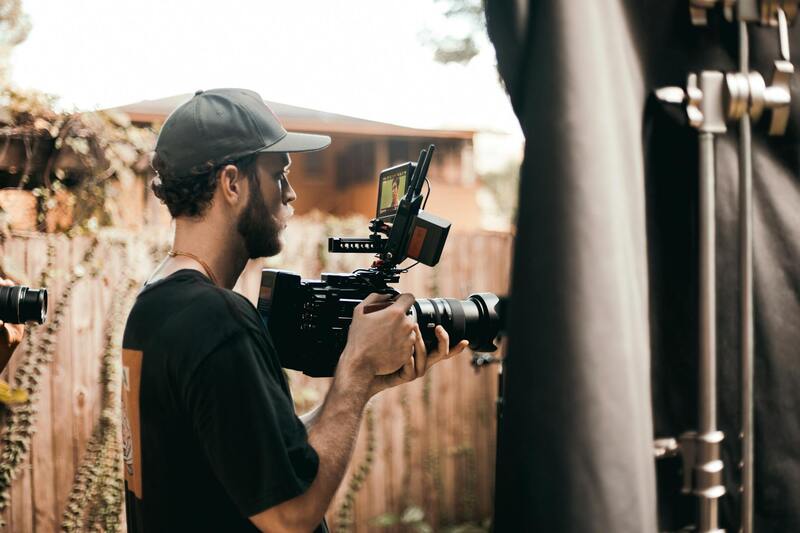
Photographers also employ techniques such as strategic shooting angles and systematic room coverage to ensure consistency across images. Proper composition involves highlighting the property’s best features, emphasizing spaciousness, brightness, and the flow between rooms. Bracketing exposures or utilizing HDR (High Dynamic Range) imaging can help capture details in both bright and shadowed areas, resulting in well-balanced photographs that are appealing and true to life.
Effective Post-Processing and Editing
Post-processing is an essential step in refining real estate images, transforming raw captures into compelling visual narratives. High-quality editing techniques involve adjusting brightness, contrast, and color balance to reflect the property accurately. Removing minor imperfections, such as smudges or distracting objects, further enhances the aesthetic appeal of images.
Employing perspective correction tools ensures straight lines in architectural features, preventing images from appearing distorted. It is critical, however, to maintain authenticity; over-editing can mislead viewers and diminish credibility. Skilled editors focus on enhancing natural lighting, emphasizing the property’s best features, and ensuring that colors are true to reality, all of which contribute to creating trustworthy and attractive listings.

Utilizing specialized software like Adobe Lightroom or Photoshop allows for precise adjustments tailored to the property’s unique characteristics. Consistent editing styles across a portfolio of images help maintain professional branding and offer a cohesive viewing experience for prospective buyers. The ultimate goal is to produce images that are vibrant, inviting, and convey a true representation of the property, all while appealing visually to online audiences.
Choosing the Right Equipment and Techniques
Selecting appropriate camera gear and employing effective photography techniques are fundamental steps for capturing compelling real estate images. High-quality images start with the right tools and methods that highlight the property’s best features while maintaining clarity and detail.
Essential Camera Equipment
- Digital Single-Lens Reflex (DSLR) or Mirrorless Cameras: These cameras offer superior image quality, interchangeable lenses, and manual controls that are vital for real estate photography. Their ability to operate effectively in various lighting conditions ensures consistent results.
- Wide-Angle Lenses: Wide-angle lenses (typically between 10mm and 24mm) enable photographers to capture more of the space in a single shot, providing viewers with a comprehensive view of rooms. This effect helps make spaces appear larger and more inviting.
- Tripods: Stability is paramount for sharp images, especially in interior shots where longer exposure times might be necessary. Tripods help eliminate camera shake and allow for precise framing.
- Remote Shutters or Timer Functions: These tools prevent vibrations during shot initiation, ensuring crisp images, particularly in low-light environments or when using slow shutter speeds.
Optimal Shooting Techniques
- Time of Day: Shooting during daylight hours, ideally when natural light floods the interior, enhances brightness and color accuracy. Overcast days are favorable to avoid harsh shadows and uneven lighting.
- Proper Framing and Composition: Emphasize the flow of spaces by incorporating leading lines and ensuring that vertical lines remain straight, especially in architectural features. Keep clutter out of the frame and use symmetry to create balanced compositions.
- Multiple Exposure Techniques: Bracketing different exposures allows for capturing details in both bright and dark areas and can be combined for a well-balanced final image.
- Lighting Management: Use natural light as much as possible, supplementing with off-camera flashes or reflectors to illuminate darker areas and prevent underexposure.
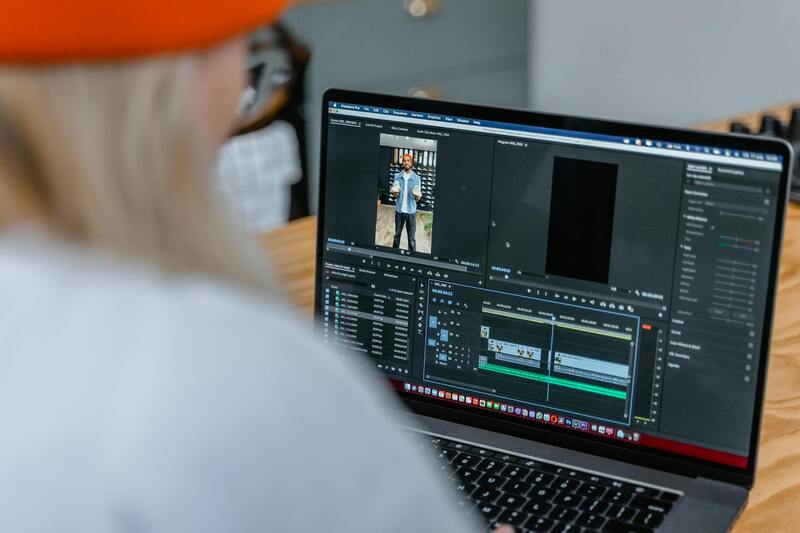
Mastering the use of high-quality equipment combined with disciplined shooting techniques lays a solid foundation for producing visually appealing and accurate property representations. These practices ensure that each image not only captures the essence of the space but also resonates with prospective buyers, fostering engagement and interest in listings.
Effective Post-Processing and Editing
Post-processing plays a crucial role in transforming raw images into captivating visuals that effectively showcase a property's potential. High-quality editing emphasizes clarity, color accuracy, and detail, which can make the difference between a listing that attracts viewings and one that gets overlooked. Proper adjustments involve fine-tuning exposure, contrast, and white balance to ensure the images are true to life and inviting.
One of the foundational steps in post-processing is correcting distortion, especially straightening vertical lines that often appear skewed due to wide-angle lenses. Clipping and noise reduction are also essential, particularly in darker areas or when dealing with low-light interior shots. These enhancements help produce sharp, clean images free from distractions that could detract from the property's appeal.
Maintaining consistency across a series of photographs is vital for creating a cohesive visual story of the property. This includes uniform color grading and exposure levels, which help prospective buyers form an accurate perception of the property’s ambiance. Additionally, accurately representing the space through white balance adjustments prevents misleading color casts that could distort the true look of the environment.
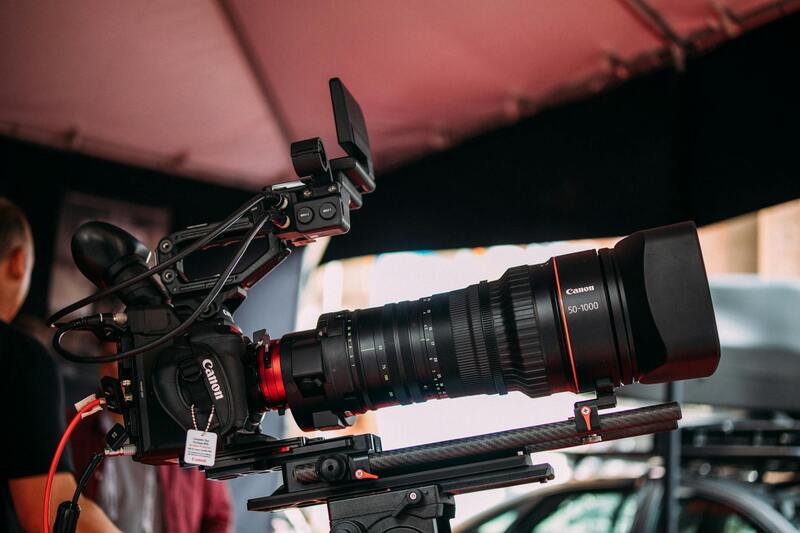
Advanced editing techniques such as HDR merging can be employed to balance bright and dark areas in high-contrast scenes, resulting in images that truly reflect the visual experience of the property. When used judiciously, these methods enhance details in both shadows and highlights, giving potential buyers a comprehensive view of the property’s features.
It is important to approach editing with professionalism and restraint, avoiding overly manipulated images that could mislead clients. Authentic images that accurately portray the property foster trust and reduce the risk of dissatisfaction during viewings. Skilled post-processing complements high-quality photography, ensuring the final product is polished, engaging, and ready for online platforms, print marketing, or virtual tours.
Effective Techniques for Showcasing Unique Property Features
Highlighting a property's distinctive characteristics requires a strategic approach to real estate photography. To effectively showcase unique features such as custom architecture, luxurious finishes, or outdoor amenities, photographers should utilize specific techniques that draw attention and create visual interest. Using angle selection, lighting, and composition skills, professionals can emphasize these elements to make them stand out within the overall property presentation.
For architectural details like intricate moldings, exposed beams, or ornate staircases, employ low-angle shots and highlight the craftsmanship with targeted lighting. When photographing outdoor features such as pools, gardens, or patios, incorporate wide-angle lenses to encompass the entire area and use natural light to accentuate textures and colors. Time-of-day play is crucial; capturing scenes during the golden hour adds warmth and depth, enhancing the appeal of outdoor spaces.
In addition to capturing the features themselves, incorporating contextual shots helps potential buyers understand how these elements fit within the property’s overall layout and lifestyle potential. Close-up shots of unique fixtures or finishes can also convey quality and attention to detail, which are critical components in high-end listings.
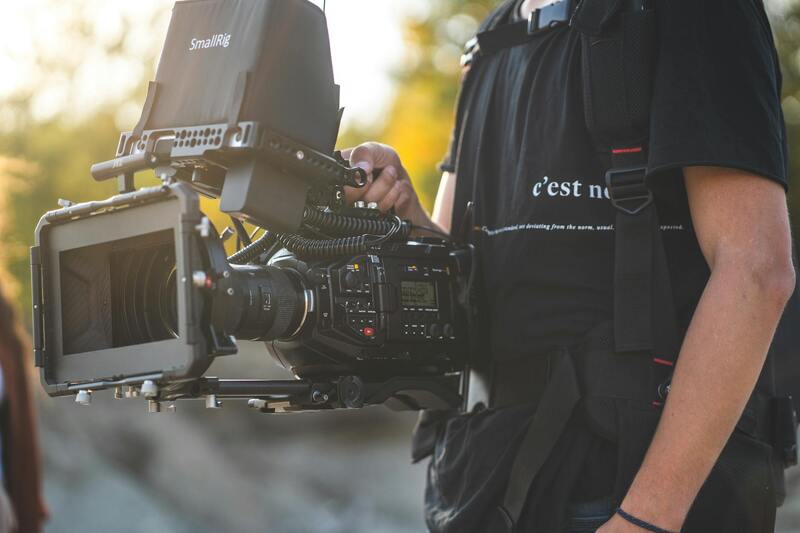
Throughout the process, maintaining a clean, clutter-free environment is essential. Visitors viewing online listings often examine multiple images, so clarity and focus on the property's best aspects must be prioritized. This comprehensive approach ensures each feature is presented accurately and attractively, heightening the property’s marketability in a competitive landscape.
Utilizing Virtual Staging and Digital Enhancements
Virtual staging can be an integral part of storytelling in real estate photography, especially for vacant properties that lack furniture or decor. Properly staged images give prospective buyers an idea of the space’s potential and can highlight specific areas of interest. When combined with digital enhancements, such as subtle brightness adjustments or color corrections, virtual staging helps create an inviting, aspirational environment.
Care should be taken to ensure that virtual staging and digital edits do not distort the true dimensions or features of the property. Authentic representation remains a cornerstone of trustworthy real estate photography, fostering confidence among buyers and agents alike.

Overall, the goal is to craft compelling visual narratives that resonate with target audiences. By accentuating the property’s unique features through precise angles, lighting, and editing, real estate professionals can significantly improve engagement and attract qualified buyers efficiently.
Legal and Ethical Considerations
While producing high-quality images is vital, ensuring that photographic practices adhere to professional standards is equally important. Accurate representation not only builds trust but also maintains the integrity of the listing and the reputation of the real estate professional. When capturing images, photographers should avoid manipulations that might mislead viewers about the property's actual condition or features. This includes refraining from overly aggressive editing, such as excessive brightness adjustments, digital enhancements that alter the property's true appearance, or removing elements that are present in reality.
Consistency in lighting and perspective is essential to depict the property honestly. For instance, windows should reflect realistic lighting conditions to provide an authentic sense of space and ambiance. Misleading angles that exaggerate room sizes or hide flaws can erode trust and potentially lead to disputes once the property is viewed in person.
Additionally, photographers should respect privacy and legal boundaries, obtaining permission to photograph private spaces or residents, especially in occupied properties. Proper documentation and clear communication with clients regarding the scope and purpose of the images safeguard professional relationships and uphold ethical standards.
When it comes to digital editing, transparency is key. Subtle adjustments to color balance, exposure, and perspective correction are acceptable, provided they do not substantially alter the genuine appearance of the property. Disclosing any significant modifications to clients ensures transparency and fosters confidence in the visual material.
Maintaining honesty in real estate photography not only aligns with best practices but also enhances the overall marketing strategy by providing prospective buyers with reliable visuals. This approach reduces the risk of disappointment during property viewings and accelerates the decision-making process, ultimately benefiting both sellers and agents.

Legal and Ethical Considerations
Ensuring compliance with proper protocols is paramount in real estate photography, particularly regarding obtaining explicit permissions from property owners or residents before capturing images. This step not only respects individuals' privacy but also helps avoid misunderstandings or disputes that could arise from unauthorized photography. Photographers should clearly communicate the scope of their work, specifying which areas will be photographed and how the images will be used, preferably through written agreements or consent forms.
Ownership rights to images can vary depending on contractual arrangements. Establishing clear agreements about who retains the rights to the photographs prevents potential conflicts and ensures all parties understand their usage rights. This is especially important when photos are intended for multiple platforms or promotional campaigns.
Adherence to professional standards involves maintaining transparency with clients, disclosing the extent of editing, and avoiding enhancements that could misrepresent the property's true appearance. Ethical real estate photography emphasizes accuracy, integrity, and honesty, which foster trust with clients and prospective buyers alike.
Working with Real Estate Agents and Clients
Effective collaboration with real estate professionals is essential for producing compelling visual content that aligns with marketing strategies. Regular communication enables photographers to understand the key features and unique selling points of each property, allowing for targeted photography that highlights its strengths.
Agents and clients should provide detailed briefs regarding the desired outcomes, including preferred angles, areas of focus, and any specific features they wish to showcase. Establishing a timeline ensures that the photography process integrates smoothly into the overall marketing plan, minimizing delays.
Building professional trust involves punctuality, responsiveness, and consistent quality in delivering final images. Photographers should educate clients on how high-quality visuals can increase engagement, improve listing visibility, and expedite sales. By emphasizing strategic photography tailored to the property's attributes, agents can leverage imagery to enhance their listings effectively.

Legal and Ethical Considerations in Real Estate Photography
Adhering to proper procedures and maintaining integrity are fundamental aspects of professional real estate photography. Ensuring that all images accurately represent the property is critical for fostering transparency and building trust with clients and prospective buyers. Photographers should refrain from making alterations that could significantly distort the appearance of a property, such as removing or adding features unless explicitly approved by the property owner. This commitment to authenticity supports fair marketing practices and helps prevent misunderstandings or disputes post-sale.
Securing clear permissions prior to photographing a property is essential. This process involves obtaining consent from property owners or authorized representatives, clarifying the scope of the shoot, and understanding any restrictions related to privacy or proprietary features. Respecting the rights and privacy of current occupants or tenants is also crucial, especially when capturing interior shots. Photographers should communicate transparently about how the images will be used, distributed, and displayed across various platforms.

Maintaining confidentiality is equally important. When dealing with sensitive information or private spaces, photographers should ensure that images do not inadvertently reveal confidential details or personal belongings. This means reviewing photographs before publication, cropping or editing out unwanted elements, and adhering to agreed-upon guidelines with clients.
Transparency and Professionalism in Marketing
Using high-quality visuals responsibly involves clear communication and transparency with all stakeholders. Photographers should clearly explain any post-production enhancements, emphasizing that edits are aimed at showcasing the property under typical viewing conditions rather than creating misleading impressions. This approach not only aligns with best practices but also enhances the professional reputation of the photographer.
Moreover, adhering to a consistent standard of honesty in image presentation can lead to more effective property marketing. Accurate representations help set realistic expectations for buyers, reducing potential dissatisfaction or disputes after viewing. For real estate agents, this strategic honesty amplifies credibility and fosters stronger relationships with clients.
Documenting the Photography Process
Maintaining detailed records of permissions, client briefs, and the scope of work can further reinforce ethical standards. Documentation serves as a safeguard, demonstrating a commitment to transparency and professionalism. It also provides clarity if questions or concerns arise later in the marketing or sales process.

In summary, responsible real estate photography hinges on honesty, transparency, and respect for all involved parties. By following conscientious practices, photographers not only uphold industry standards but also contribute to the overall integrity of the real estate market, enabling buyers and sellers to make informed decisions based on reliable visual content.