
Understanding the Importance of Professional House Photography
In Miami’s competitive real estate market, the quality of property images can significantly influence a property's success. High-quality, professional house photography not only showcases a home’s best features but also acts as a powerful marketing tool that attracts potential buyers and effectively communicates the property's value. When prospective buyers browse listings, their initial impression of a property often hinges on the visual appeal of the photos. Crisp, well-composed images can entice viewers to schedule physical visits, increasing the likelihood of a sale. Conversely, poorly lit, blurry, or amateurish photos may cause listings to be overlooked, regardless of the property's intrinsic qualities.
Professional house photography enhances a property's marketability by capturing its unique attributes and creating an inviting visual narrative. High-resolution images make spaces appear larger, brighter, and more appealing, which is crucial in a city like Miami, where vibrant lifestyle and luxurious living are highly sought after. Effective photography creates a compelling online presence, boosting online engagement and encouraging shareability across various platforms. It serves as an essential component of real estate marketing strategies, directly influencing how quickly a property moves from listing to sales agreement.
Beyond aesthetics, professional photography contributes to setting accurate expectations. When images reflect the true character of a home, it minimizes the chances of misunderstandings, reducing the likelihood of dissatisfaction or mistaken assumptions during viewings. This level of transparency helps build trust between sellers and buyers, streamlining the transaction process. In Miami's dynamic real estate environment, where competition is fierce and buyers are often searching remotely, having exceptional visual content is no longer optional—it's a fundamental aspect of successful property sales.
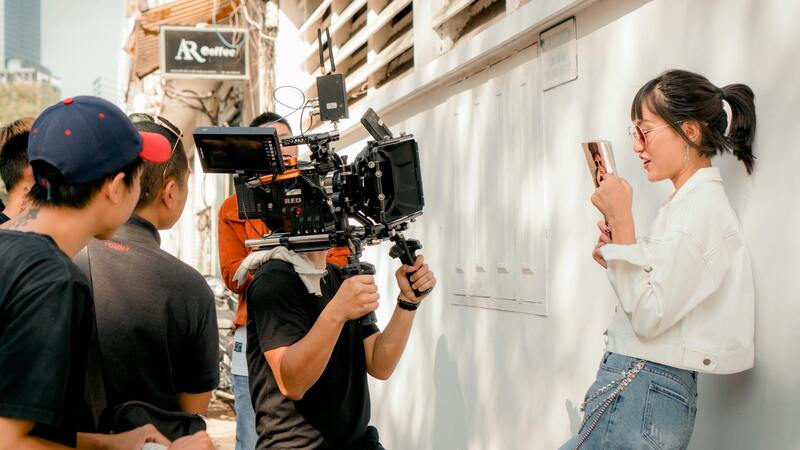
Investing in professional house photography is a strategic move for homeowners and real estate agents alike. It elevates the property's presentation, garners more online visibility, and ultimately accelerates the sales cycle. In the fast-paced Miami market, where first impressions are paramount, superior photography stands as a vital element of effective property marketing, ensuring a property catches the eye amidst a sea of listings.
Choosing the Right Equipment and Techniques
To achieve stunning results in professional house photography, the selection of appropriate equipment and technique is crucial. High-quality cameras with full-frame sensors are preferred as they capture more detail, provide better depth of field, and handle varying light conditions more effectively. Modern digital single-lens reflex (DSLR) and mirrorless cameras offer the versatility needed for diverse shooting scenarios present within residential spaces.
Using wide-angle lenses, typically between 14mm and 24mm, enables photographers to capture entire rooms from a single vantage point, creating a sense of spaciousness that appeals to prospective buyers. These lenses are particularly effective in small to medium-sized rooms, where maximizing space perception is essential. However, care must be taken to avoid distortion, which can be mitigated through careful framing and post-processing.
Tripods are indispensable tools that ensure stability during long exposure shots, especially in low-light environments or interior spaces with limited natural light. This stability prevents camera shake, resulting in sharp, crisp images. For night or dusk shots, photographers often employ remote shutters or timers to further eliminate vibrations.
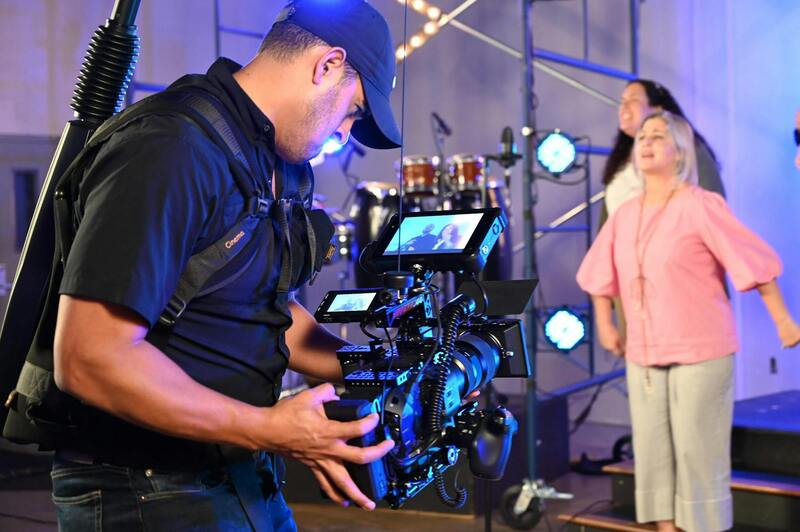
Proper lighting is equally vital. While natural light is ideal, effective use of auxiliary lighting—such as softboxes, diffusers, and reflectors—can significantly enhance image quality by evenly illuminating dark corners and reducing harsh shadows. Techniques like HDR (High Dynamic Range) imaging combine multiple exposures, balancing interior and exterior lighting, and capturing a true-to-life representation of a home's ambiance.
Posture, lens positioning, and timing play roles in the technical mastery of house photography. Emphasizing symmetry and vertical lines, avoiding clutter in frames, and capturing images during optimal lighting hours—typically late morning or early afternoon—are practices that contribute to the professionalism of the final product.
Implementing Advanced Techniques
- HDR Imaging: Combining multiple exposures to manage high contrast scenes, ensuring both interior details and exterior views are well-lit.
- Bracketing: Shooting several photographs at different exposures and merging them to create balanced images.
- Panoramic Shots: For larger spaces or outdoor vistas, stitching multiple images creates seamless wide-angle views that emphasize a property's scope.
- Console Editing: Employing image stitching software and perspective correction tools helps refine the final visuals for maximum authenticity and appeal.
Ultimately, expertise in equipment handling and technique application results in images that authentically and attractively reflect a property’s unique essence, encouraging viewer engagement and interest.
Choosing the Right Equipment and Techniques
Achieving high-quality house photography requires more than just a good camera; it involves utilizing specialized equipment and advanced techniques tailored for residential properties. Professional photographers typically opt for full-frame digital single-lens reflex (DSLR) or mirrorless cameras, known for their superior image sensors that capture rich detail and accurate color. These cameras provide the versatility needed to adapt to varying lighting conditions within a home.
Equipping the camera with wide-angle lenses—typically ranging from 14mm to 24mm—allows for capturing expansive interior spaces without distortion, offering viewers a comprehensive view of the property's layout. Such lenses help in showcasing rooms effectively, emphasizing space and flow.
In addition to cameras and lenses, drone photography has become an invaluable tool for capturing aerial views of larger properties, outdoor amenities, and surrounding landscapes. Drones equipped with high-resolution cameras provide unique perspectives that can set a listing apart.
Lighting is critical in home photography. While natural light is preferred, supplementary lighting devices—such as portable strobes, softboxes, and reflectors—are employed to eliminate shadows and illuminate dark corners. Precise control over lighting conditions ensures that each image accurately reflects the true ambiance of the space.
Photographers also use advanced techniques like bracketing, where multiple exposures of the same scene are taken at different settings and merged during post-production to produce evenly balanced images. HDR (High Dynamic Range) imaging is particularly effective in scenes with high contrast, capturing details in both shadows and highlights.
For exterior shots or large open spaces, panoramic imaging involves stitching multiple images to generate a seamless, wide-angle representation. This technique helps viewers grasp the full scale of outdoor areas or expansive interiors.
Perspective correction and image stitching software are instrumental in refining these visuals, ensuring straight lines and authentic proportions. Mastery of these tools and techniques transforms ordinary photos into compelling visuals that attract prospective buyers and elevate marketing efforts.
Leveraging Advanced Imaging Technologies
In the realm of professional house photography, employing cutting-edge imaging technologies can dramatically improve the visual impact of property listings. Techniques such as drone photography enable capturing captivating aerial views that showcase property size, layout, and surrounding scenery from perspectives unavailable through standard ground shots. These high-altitude images are especially useful for large estates, properties with significant outdoor features, or homes in scenic locales, providing potential buyers with a comprehensive understanding of the property’s context.
Moreover, the adoption of panoramic imaging allows for creating immersive views of interior and exterior spaces. By stitching multiple high-resolution images, photographers can generate wide-angle, seamless panoramas that vividly convey the sense of scale and spatial relationships within a property. This method is particularly valuable for showcasing open-plan living areas, expansive gardens, or outdoor amenities such as pools and patios.
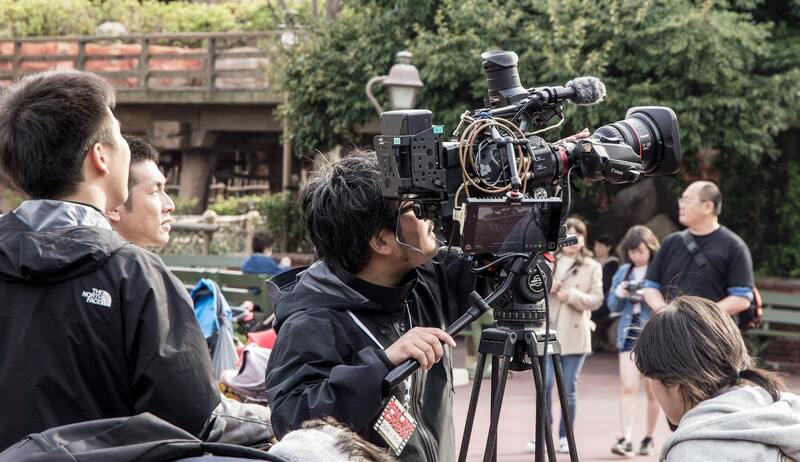
Advanced image correction software plays a crucial role in perfecting these visuals. Perspective correction tools ensure that vertical lines such as walls and door frames appear straight and true to proportion, which enhances the realism and professionalism of the photographs. Image stitching applications seamlessly combine multiple shots, creating expansive vistas that elevate the viewer’s experience and provide a comprehensive view of the property.
Utilizing HDR (High Dynamic Range) imaging further refines the quality of photographs, especially in scenes with challenging lighting conditions. This technique involves capturing multiple images at different exposures and merging them into a single image that balances shadows and highlights. As a result, the final photograph accurately depicts the true ambiance of a space, whether it’s a dimly lit living room or a sunlit backyard.
Within this technological framework, lighting also remains a pivotal component. Supplementing natural light with professional lighting equipment such as softboxes and reflectors ensures consistent illumination across all images. This careful approach to lighting not only enhances the visual clarity but also helps in maintaining color accuracy and texture detail—critical elements for creating credible and attractive listings.
Executing Effective Post-Production Editing
Post-processing is an essential phase in transforming raw captures into polished promotional images. Skilled editing involves adjusting exposure, contrast, color balance, and sharpness to enhance the natural beauty of each space without over-editing. Subtle retouching removes minor imperfections like dust spots, reflections, or distractions, ensuring the focus remains on the property’s features.
Proper color correction and consistency across all images contribute to a cohesive visual story that conveys professionalism. When done with precision, post-processing enhances the appeal without misrepresenting the property. It helps in accentuating key features—such as a stunning fireplace, unique architectural details, or desirable outdoor views—encouraging prospective buyers to envision themselves living there.
Incorporating Virtual Tours and 3D Imaging for a Complete Experience
Beyond static images, integrating virtual tours and 3D walkthroughs provides an immersive experience that can significantly boost a property’s attractiveness. These interactive formats allow viewers to virtually navigate through spaces, gaining a realistic sense of scale and layout from the comfort of their devices. Such features are particularly valuable in remote viewing scenarios or for high-end properties targeting discerning buyers.
Specialized 3D imaging technology creates accurate models of interiors and exteriors, offering comprehensive visualizations that static photos cannot match. These representations can be embedded into listings or websites, enabling potential buyers to explore the property in detail and at their own pace. The combination of professional photography, virtual tours, and 3D models establishes a compelling, multi-dimensional presentation that addresses diverse buyer preferences and enhances engagement.
Choosing the Right Equipment and Techniques
Securing high-quality results in professional house photography hinges on using the appropriate tools and mastering effective shooting methods. Top-tier cameras with full-frame sensors and high-resolution capabilities are essential for capturing intricate architectural details and vibrant color accuracy. Wide-angle lenses, typically between 14mm to 24mm, allow photographers to encompass more of a room within a single shot, creating a more spacious and inviting feel. Tripods are indispensable for achieving sharp images, especially in low-light conditions or when employing longer exposure times indoors.
Lighting is a critical component in real estate photography. Natural light often highlights a property's best features, but supplemental lighting — such as portable flash units, softboxes, or LED panels — ensures evenly lit interiors free from harsh shadows. Mastery over techniques like bracketing, where multiple exposures are combined, allows for enhanced dynamic range, making both bright and shadowed areas visible. Dusk or twilight photography, achieved through specific timing and settings, can add a warm and cozy ambiance that appeals to prospective buyers.
Photographers should also employ meticulous composition techniques, leveraging the rule of thirds and leading lines to guide the viewer’s eye through each space. Proper framing and perspective—such as capturing key architectural features or focal points—are vital for creating compelling visuals. It’s equally important to consider the staging and arrangement of furniture, décor, and accessories to complement the photography process. Clean, uncluttered spaces not only photograph more effectively but also help buyers imagine themselves inhabiting the home.
The Role of Staging and Decluttering
Effective home staging plays a significant role in elevating the quality of professional house photography. A well-staged property showcases its fullest potential, highlighting its layout, space, and natural lighting in the most appealing manner. This involves strategic placement of furniture to emphasize room functionality, as well as the addition of tasteful décor that complements the property's architectural style.
Decluttering is equally critical. Removing personal items, excessive furniture, and unnecessary belongings creates a sense of openness and allows viewers to focus on the property's features. Simple interventions like adding fresh flowers, opening curtains to maximize daylight, and arranging furniture to create inviting flow paths can significantly improve photographic results.
Incorporating these practices ensures that each image accurately communicates the property's potential, directly influencing prospective buyers' emotional engagement with the space. The goal is to craft an environment that feels both welcoming and aspirational, inspiring viewers to envision their own lives within those walls.
Understanding the Importance of Professional House Photography
High-quality real estate images are crucial in capturing the essence of a home and attracting potential buyers. Professional house photography involves more than just clicking a camera shutter; it requires a strategic approach to highlight the property's best features while creating an inviting atmosphere. Well-crafted images can significantly influence a buyer’s first impression, increasing the likelihood of inquiries and showings. When a home is professionally photographed, it stands out in a competitive market, portrays the property in its best light, and can even justify a higher asking price. These images serve as a digital handshake, setting expectations and enticing viewers to explore further. In today’s digital age, where most home searches begin online, the visual appeal created through professional photography can be the defining factor between a missed opportunity and a successful sale. Real estate professionals recognize that investing in top-tier visual content translates directly into faster sales and higher transaction values. Therefore, understanding the importance of professional house photography is fundamental for anyone aiming to maximize their property's market potential.

Key Elements of Effective Home Photography
Creating compelling real estate images involves several core components. First, lighting plays a pivotal role in setting the mood and highlighting architectural details. Natural light, used optimally, can produce warm, inviting images that make spaces appear larger and more welcoming. Besides, professional photographers often utilize additional lighting equipment to ensure consistent brightness and eliminate unwanted shadows.
Composition is another essential aspect. Utilizing techniques such as the rule of thirds, leading lines, and balanced framing guides viewers' eyes naturally across the space. Properly showcasing rooms from strategic angles ensures that each area looks spacious and functional, while minimizing distortions often caused by wide-angle lenses. A keen eye for detail ensures that each photograph captures the home's authentic character without distractions.
Additionally, comprehensive coverage is vital. Multiple shots of each room from different angles, including exterior views, focus on providing a full picture of the property. This portfolio of images enables potential buyers to visualize themselves living in the space, fostering emotional connections that lead to future inquiries or visits.
Choosing the Right Equipment and Techniques
To achieve high-caliber results, professional photographers rely on specialized equipment and proven techniques. DSLR or mirrorless cameras equipped with wide-angle lenses are standard, as they capture expansive views without sacrificing detail. Tripods are essential to maintain stability during long exposures, ensuring sharpness even in challenging lighting conditions.
Advanced techniques such as HDR (High Dynamic Range) imaging combine multiple exposures, balancing bright and dark areas for evenly lit photos that reveal every detail. Bracketing shots and combining them in post-processing address common lighting imbalances, especially in spaces with high contrast between windows and interior lighting.
Further, drone photography offers an aerial perspective, providing stunning views of the property's exterior and surrounding environment. This approach can highlight curb appeal and neighborhood context, enriching the visual narrative of the listing. Skilled use of these tools and techniques results in images that are both aesthetically pleasing and true to the property's actual appearance.
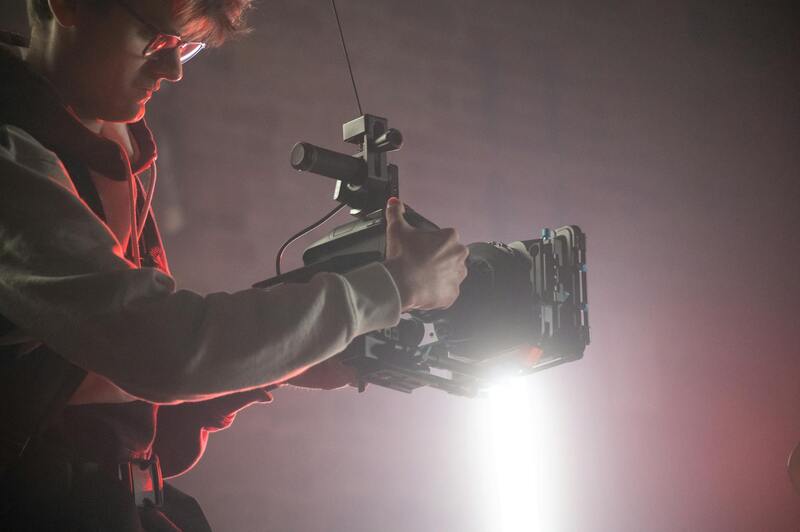
Understanding the Importance of Professional House Photography
In the competitive real estate market, high-quality photography differentiates a property from numerous others listed online. Professional house photography captures the property’s unique features, architectural details, and overall ambiance in a manner that resonates with potential buyers. When executed with attention to detail, these images serve as compelling visual stories that invite viewers to envision themselves living in the home. Effective photography can significantly reduce the time a property remains on the market and potentially increase its perceived value, making it a crucial element in successful listings.
Key Elements of Effective Home Photography
Successful home photography encompasses several core components that collectively enhance the property's appeal:
- Lighting: Mastery of natural and artificial light ensures well-lit images that showcase the space accurately. Proper timing, such as shooting during daylight hours with optimal sunlight, accentuates the home’s best features.
- Composition: Framing shots thoughtfully highlights focal points and creates a balanced scene. Techniques like the rule of thirds guide where to position key elements within the frame to draw viewer attention effectively.
- Angles: Utilizing wide-angle lenses and choosing strategic angles can make rooms appear more spacious and inviting. Consistency in perspective throughout the shoot maintains a cohesive visual flow.
- Cleansing and staging: Ensuring the house is tidy and appropriately staged emphasizes its potential and minimizes distractions.
- Details and close-ups: Capturing fine features such as custom finishes, fixtures, or unique architectural elements adds depth and interest to the visual story.
Choosing the Right Equipment and Techniques
Professional house photographers rely on advanced tools and methods to produce standout images. Camera equipment typically includes DSLR or mirrorless cameras paired with ultra-wide-angle lenses that provide expansive views while maintaining clarity. Tripods stabilize the camera during long exposures, especially in lower light conditions, resulting in crisp, clear images. High Dynamic Range (HDR) imaging is frequently employed, combining multiple exposures to balance lighting and reveal details in both shadowed and bright areas of a room. Drone photography adds an aerial dimension to showcase exterior aspects and surrounding neighborhoods, enriching the overall presentation of the property.
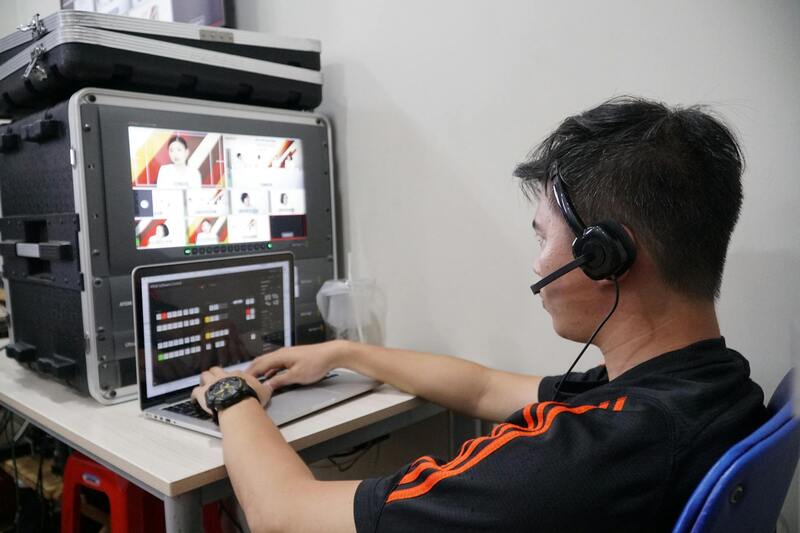
Using specialized equipment and advanced techniques ensures that every photograph accurately reflects the property's true charm and spaciousness. This combination of technology and skill results in a comprehensive visual portfolio that appeals to prospective buyers and enhances marketing efforts.
The Role of Staging and Decluttering
Staging and decluttering play pivotal roles in professional home photography. A well-staged space highlights the home's strengths, presents it in an aspirational light, and helps viewers imagine their own lives within the space. Simple, tasteful decor, coordinated color schemes, and intentional furniture placement create inviting atmospheres that resonate emotionally. Decluttering minimizes distractions and ensures the focus remains on the architectural and design features that make the home special. The removal of personal items and excess furniture creates a clean, neutral environment conducive to compelling photography.
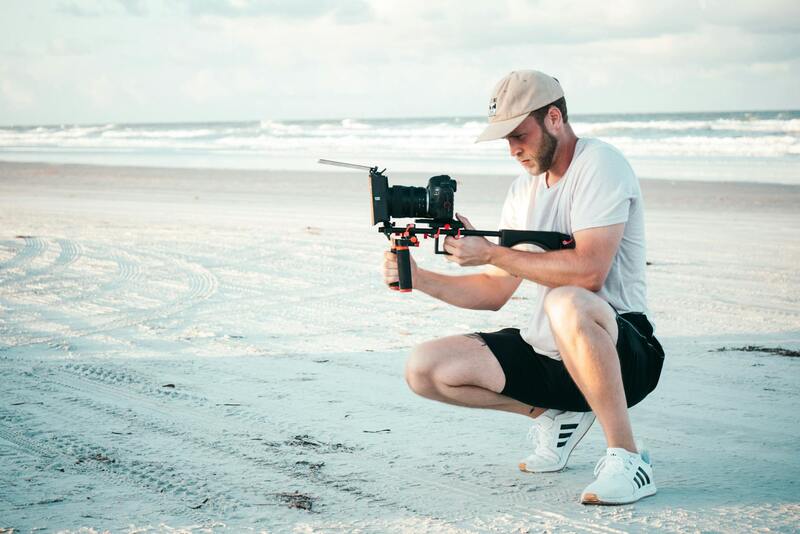
Professional photographers often collaborate with stagers to maximize the impact of each shot. The combined effort of staging and high-quality photography produces images capable of captivating a broad audience and accelerating the decision-making process for potential buyers.
Post-Processing and Photo Editing
Post-processing is a vital stage in professional house photography that refines raw images and ensures consistency across all visuals. Adjustments such as brightness, contrast, and color correction enhance the overall aesthetic without misrepresenting the property. Techniques like perspective correction straighten lines and improve spatial accuracy, contributing to a more inviting and true-to-life appearance. Noise reduction and sharpening optimize image clarity, especially in low-light situations. Advanced editing may involve removing minor imperfections or distracting elements, but care is taken to preserve authenticity and avoid over-editing that could mislead viewers.
Consistent editing standards across all images foster a professional presentation, reinforcing trust and confidence in the listing. High-quality post-processing elevates the overall visual storytelling and ensures that the property’s best features are highlighted with clarity and visual appeal.
Integrating Virtual Tours and 3D Imaging
Incorporating virtual tours and 3D imaging into the marketing strategy expands the reach and depth of property presentations. These tools enable potential buyers to explore the interior layout interactively, gaining a comprehensive understanding of the space from the comfort of their own devices. 3D walkthroughs can highlight spatial relationships between rooms, showcase flow, and emphasize design features with immersive realism. Virtual tours provide an engaging alternative to static images, capturing the interest of remote prospects and reducing the number of in-person visits needed.
To maximize effectiveness, professional house photography extends beyond still images by integrating these digital components seamlessly into listings. High-quality virtual experiences foster greater engagement, encourage sharing, and ultimately accelerate the sales process.
Effective Use of Professional House Photography for Marketing Success
Creative Integration of Visual Content
Beyond capturing high-quality images, the strategic presentation of photographs plays a crucial role in attracting prospective buyers. Compelling visuals should be paired with well-crafted property descriptions, highlighting unique features and upgrades that resonate with target audiences. High-resolution images should be optimized for various online platforms, ensuring quick load times without sacrificing clarity. Proper formatting, such as consistent aspect ratios and appropriate image dimensions, enhances the overall aesthetic and user experience on listing websites.
Impacts on Search Engine Visibility
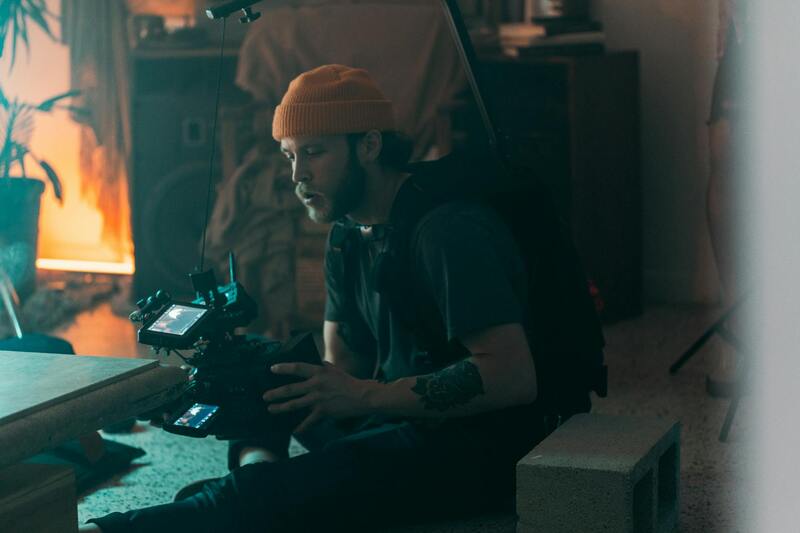
Enriching property listings with professionally captured images significantly improves their visibility on search engines. Utilizing relevant keywords in image filenames, alt text, and captions boosts SEO performance by aligning visual content with common search queries. This optimized content strategy increases the likelihood of appearing in image search results and local listings, drawing more qualified traffic to your property. Additionally, high-quality visuals encourage longer viewing times and social sharing, further elevating online presence.
Development of a Consistent Visual Narrative
Establishing a cohesive visual story through professional photography strengthens branding efforts and creates a memorable impression. This consistency can be achieved by adhering to a defined style, such as a particular color palette, lighting approach, or angle selection. When all images on a listing or portfolio follow this narrative, potential buyers perceive professionalism and attention to detail, fostering greater confidence in the property and the agent representing it.
Leveraging Professional Photography for Aerial and Specialty Shots
Incorporating aerial photography, drone footage, or interior detail shots into the marketing mix enhances the comprehensiveness of a property showcase. These specialized images provide prospective buyers with a broader perspective of the estate and its surroundings. Professional photographers skilled in these techniques can capture sweeping landscape views, unique architectural elements, or amenities that might be less visible from ground-level shots. When integrated properly, these images add depth and allure, captivating viewers and differentiating your listings from competitors.
Maximizing Engagement Through Consistent Quality
Quality is paramount when it comes to professional house photography. Regularly updating property images to reflect the current condition and seasonal changes maintains relevance and appeal. Consistent image quality also signals professionalism and builds confidence in your marketing efforts. To this end, comprehensive planning—including proper lighting, camera settings, and post-processing—ensures each photo accurately represents the property’s space and character, attracting qualified buyers and expediting the sales process.