
Importance of High-Quality Photography in Real Estate
In today’s competitive real estate market, high-quality photography plays a crucial role in attracting potential buyers and closing deals efficiently. The visual presentation of a property can significantly influence a buyer’s initial impression, often determining whether they choose to explore further or move on. Professional photography captures the essence and character of a home, highlighting its best features and creating an inviting atmosphere that appeals to a wide audience.
Research consistently demonstrates that listings paired with professional images tend to generate more interest and receive multiple showings. Buyers often browse online listings with a discerning eye, and compelling visuals help listings stand out amid countless options. Well-crafted photographs not only showcase a property’s spatial layout and unique design elements but also evoke an emotional response, helping potential buyers envision themselves living in the space.
Moreover, homes presented with superior imagery are perceived as more valuable, which can translate into higher offers. This perception stems from the quality of the photographs—crisp, well-lit, and color-balanced images suggest that the property is well-maintained and desirable. As a result, employing professional photography services can lead to faster sales cycles and potentially higher sale prices, benefiting sellers who aim for optimal market performance.

Investing in professional real estate photography is not simply a matter of aesthetics; it is a strategic component of effective marketing. The compounded effect of high-quality visuals often results in increased online traffic, more inquiries, and ultimately, quicker sales. As digital platforms dominate the property selling landscape, leveraging top-tier imagery becomes an indispensable element of a comprehensive sales plan.
Impact on Buyer Perception and Marketability
- Enhanced First Impressions: Clear, professional images create a positive first impression, encouraging prospective buyers to schedule viewings.
- Showcasing Space and Features: Properly lit and staged photos highlight a property’s best aspects, making small spaces appear larger and emphasizing unique design details.
- Building Trust and Credibility: Consistently high-quality images signal professionalism and reliability, fostering confidence among buyers.
- Increased Online Engagement: Listings with professional photos tend to attract more clicks, longer viewing times, and higher interest levels.
Choosing the Right Equipment and Techniques
To achieve exceptional results in real estate photography for selling a house, it is crucial to utilize the appropriate equipment and established techniques. Professional photographers typically employ high-resolution DSLR or mirrorless cameras equipped with wide-angle lenses. These tools enable capturing expansive interior spaces and intricate architectural details with clarity and depth. A tripod is also essential, providing stability for sharper images and allowing for precise framing, especially in low-light conditions.
Lighting plays a pivotal role in showcasing a property's true character. Natural light is preferred, so shooting during daylight hours and opening curtains or blinds can help illuminate rooms effectively. However, supplementary lighting such as external flashes or studio lights may be necessary to reduce shadows and brighten dark corners. HDR (High Dynamic Range) imaging techniques are often employed to balance bright windows and interior shadows, resulting in images that accurately reflect how spaces appear to the human eye.
Composition and staging are equally vital. Properly staged rooms with minimal clutter enhance visual appeal and help prospective buyers focus on the space's features. Photographers follow principles like the rule of thirds, leading lines, and symmetry to create balanced, engaging images. The goal is to present interiors that highlight the property's strengths while maintaining a natural and inviting atmosphere.
Employing Proper Post-Processing Methods
Post-processing is a critical step in producing polished and compelling images. Professional editors adjust brightness, contrast, and color balance to ensure the final photos are vibrant yet authentic. They also straighten lines and correct lens distortion to uphold geometric accuracy, providing a true representation of the property. Subtle retouching may remove distractions like minor blemishes or imperfections, but it is essential to preserve an honest portrayal to maintain viewer trust. Expert editing ensures images stand out in competitive listings, attracting more potential buyers and encouraging inquiries.
The Role of Professional Photographers vs. DIY Approaches
While some property owners consider taking photos themselves to save costs, professional photography offers unparalleled advantages that often justify the investment. Hobbyist or impromptu photographs typically lack the technical quality, composition finesse, and strategic lighting that professionals deliver. DIY methods may result in images that appear unprofessional, poorly lit, or cluttered, ultimately diminishing the property's appeal online.
Professional photographers bring a trained eye, specialized equipment, and an understanding of how to showcase a property's best features. Their experience encompasses staging advice, optimal angles, and effective use of editing tools—all of which contribute to more enticing listings. Especially in competitive markets, these quality visuals can be decisive factors in attracting serious buyers and accelerating the sale process.
Moreover, high-quality imagery reduces the need for multiple viewings, as prospective buyers can confidently assess the property's condition and layout remotely. This efficiency benefits both sellers and agents, ensuring that in-person visits are more focused and productive.
Optimizing Photography for Online Listings
In the digital era, online listings serve as the primary vehicle for property marketing. To maximize online engagement, photographs must be tailored to platform specifications and viewer expectations. High-resolution images should be optimized for quick loading without sacrificing quality. Employing multiple images that showcase various angles, room types, and exterior views creates a comprehensive virtual tour that entices prospective buyers.
Images should also be formatted to emphasize key selling points, such as spacious living areas, modern kitchens, or stunning outdoor scenery. For best results, strategic thumbnail selection and consistent aesthetic editing across all images help establish a cohesive and appealing listing presentation.
In addition, highlighting features like natural light, architectural details, or recent renovations can differentiate a listing from competitors. Professional photographers often produce images in formats suitable for multiple platforms, ensuring maximum visual impact whether viewed on desktops, tablets, or smartphones.
Choosing the Right Equipment and Techniques
To achieve exceptional real estate photographs that captivate potential buyers, employing advanced tools and techniques is essential. The selection of equipment directly influences the clarity, depth, and overall appeal of property images. Wide-angle lenses, for example, enable photographers to capture expansive interior spaces within a single shot, providing a sense of scale and openness that resonates with viewers. These lenses help showcase large rooms, panoramic views, and outdoor landscapes effectively, making spaces appear more inviting and spacious.
In addition to standard lenses, the strategic use of drones has gained significant importance in marketing residential properties, especially those with appealing outdoor features. Drone photography offers breathtaking aerial perspectives, allowing potential buyers to appreciate the property's size, layout, external amenities, and surrounding environment from a unique vantage point. This not only enhances visual storytelling but also conveys a comprehensive understanding of the property's setting.
Advanced techniques such as High Dynamic Range (HDR) imaging significantly improve image quality by balancing lighting between bright and shadowed areas. HDR combines multiple exposures to produce a single, well-lit shot that reflects true-to-life colors and details, even in challenging lighting conditions. Twilight or dusk shots are another valuable technique, capturing the property's exterior illuminated against a scenic sky, which creates a dramatic and attractive visual impression. These images often evoke emotional responses and leave a lasting impression.
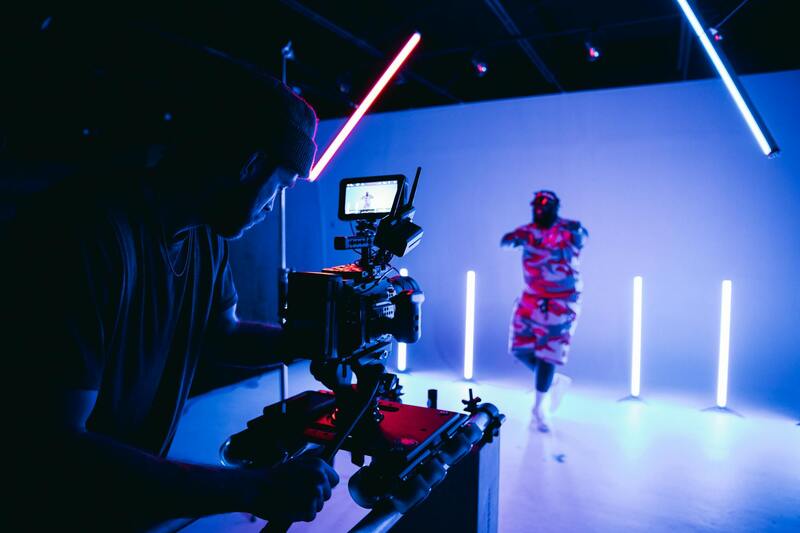
Implementing these equipment choices and techniques ensures that property images stand out in competitive online markets. Professional photographers are skilled in selecting and executing these methods, resulting in high-quality visuals that effectively showcase the property’s unique characteristics.
Furthermore, professional editing and post-processing refine raw images by correcting color, enhancing details, and ensuring consistency across all photos on listings. This meticulous attention to detail ensures that every image aligns with the property’s selling points and appeals to the target audience, ultimately driving higher engagement and interest from prospective buyers.
Legal and Ethical Considerations in Real Estate Photography
When preparing property images for sale, it is essential to adhere to accepted standards that respect privacy, property rights, and advertising integrity. Professional photographers and agents must ensure that all images accurately represent the property without misleading potential buyers. This includes disclosing the scope of photography, such as staged furniture or edited images, to maintain transparency. Credit must also be given to any individuals or private spaces visible in photos, especially when capturing images in shared or restricted areas. Moreover, scheduling shoots at appropriate times to avoid disrupting residents or compromising security reflects a commitment to professional conduct. Compliance with property access protocols is vital, ensuring that the photographer has proper authorization to shoot at specific times or locations. This prevents misunderstandings and ensures a smooth process. Additionally, staff involved in the photography process should be trained to handle confidential information and avoid sharing proprietary visuals without proper consent. From an ethical standpoint, maintaining honesty in visual representation fosters trust with clients and prospective buyers. High-quality images that truthfully showcase the property's features enhance the listing's credibility and prevent disputes or claims of misrepresentation. Finally, it is important for professionals to stay updated on industry standards related to privacy laws, image rights, and advertising regulations. By doing so, they help sustain a reputable market environment that values integrity and transparency in real estate transactions.
Ensuring Consistent Quality and Professional Presentation
Maintaining a consistent quality across all property images is fundamental in establishing a reliable and professional listing. When potential buyers browse through multiple listings, they develop expectations based on visual presentation. Discrepancies in image quality, lighting, or staging can lead to diminished interest and perceived lack of professionalism. Therefore, applying a standardized approach to photography—such as uniform lighting setups, color correction, and framing—helps create a cohesive look that reinforces trust.
Visual consistency extends to the choice of angles and the portrayal of space. Wide-angle lenses are often used to capture larger areas convincingly, yet they must be utilized skillfully to avoid distortion that can mislead viewers about the actual space available. Ensuring that images are taken from optimal heights and perspectives helps showcase the property’s proportions accurately.
Branding elements, such as watermarks or logo placement, should be incorporated thoughtfully. These elements serve to protect visual content from unauthorized use while reinforcing the professional identity of the listing agent or company. Detailed descriptions and accurate captions are also vital, providing buyers with context and additional information that complements the visual content.
The post-production process, including color correction, image retouching, and editing, should be approached with precision to preserve realism. Over-editing can distort the true appearance of a property and may alienate sincere buyers. Skilled photographers balance enhancing visual appeal with authenticity, ensuring images serve as trustworthy representations.

Legal and Ethical Considerations in Real Estate Photography
When utilizing professional photography to market a property, adherence to established legal and ethical standards is paramount. This ensures that all visual content respects the rights of individuals and property owners while maintaining trust with potential buyers.
It is essential to secure proper permissions before including images of private areas, personal belongings, or recognizable individuals in photographs. Even in situations where consent is implied, obtaining explicit approval helps prevent misunderstandings and disputes. Ethical photography practices also involve accurately presenting the property's condition without deceptive enhancements or omissions that could mislead viewers.
Respecting intellectual property rights is critical. Photographers must have the authority to use and reproduce images, especially when working with third-party photographers or agencies. Proper licensing agreements and clear contractual terms safeguard against unauthorized use or distribution of visual content.
Maintaining transparency in image selection and editing is also a key ethical consideration. Overly manipulated images that do not reflect the actual appearance of the property should be avoided, as they may set false expectations. Instead, images should serve as truthful representations, helping potential buyers make informed decisions based on accurate visuals.
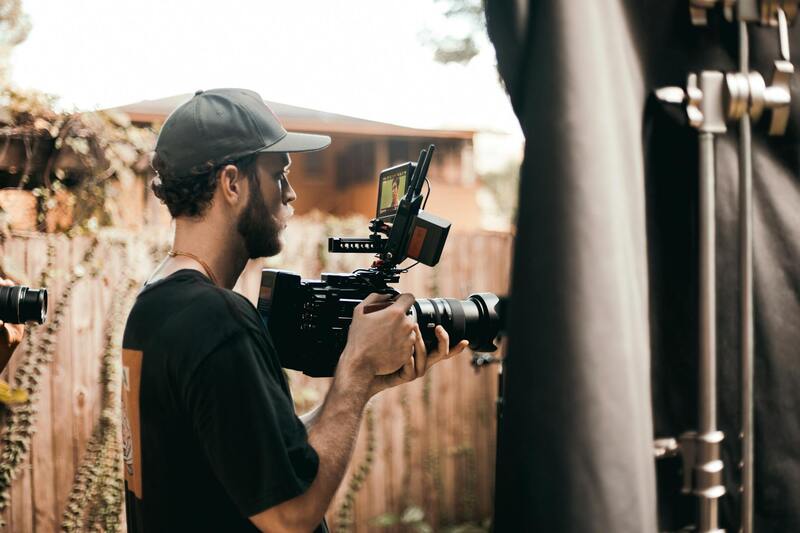
Engaging with experienced professionals who adhere to industry standards ensures that the process remains above reproach. By emphasizing transparency, respecting rights, and avoiding misleading portrayals, real estate professionals can use high-quality photography to enhance their listing credibility and attract genuine interest from serious buyers.
Importance of High-Quality Photography in Real Estate
In the competitive realm of real estate, high-quality photography serves as a pivotal factor in attracting potential buyers and facilitating quicker sales. Clear, well-composed images highlight a property's best features, making listings stand out amidst numerous options. Professional images foster an emotional connection with viewers, allowing them to envision living in the space and triggering their interest. Moreover, excellent visual presentation can significantly influence online engagement metrics, increasing clicks, inquiries, and ultimately, the likelihood of a sale.
Enhancing First Impressions and Trust
First impressions are crucial in real estate. Listings accompanied by professional photographs convey a sense of quality and reliability, reassuring prospective buyers about the property's value. When potential clients see that an agent or seller has invested in high-quality visuals, it suggests a commitment to transparency and professionalism, establishing credibility from the outset.
Driving Online Visibility and Market Appeal
Most buyers begin their property search online, making the visual appeal of digital listings more important than ever. Professionally captured images are optimized for various platforms, ensuring clarity and attractiveness across desktops, tablets, and smartphones. This enhanced presentation increases the property’s visibility in search results and attracts a broader audience, which can translate into more scheduled viewings and offers.
Key Elements of Effective Real Estate Photography
- Lighting: Natural light is preferred, but supplemental lighting can be used to eliminate shadows and highlight interior details.
- Composition: Proper framing, level horizons, and strategic angles emphasize spaciousness and key features.
- Decluttering: Clear and tidy spaces appeal more to buyers, reducing distractions and showcasing the property's potential.
- Accurate Color Representation: Ensuring colors are true to life helps manage expectations and builds trust.
- Detail Shots: Close-ups of unique architectural elements or upgrades can add value to the listing.
Utilizing Wide-Angle Lenses to Enhance Space
Wide-angle photography allows for capturing expansive interior views from a single vantage point, making rooms appear larger and more inviting. When used correctly, this technique provides a comprehensive perspective, helping potential buyers gauge space and layout effectively. Proper post-processing ensures images remain realistic while maximizing visual appeal.

Choosing the Right Equipment and Techniques
Professional real estate photography relies on advanced equipment and refined techniques to produce stunning images. High-resolution cameras with full-frame sensors are essential for achieving clarity and detail. Tripods stabilize shots, especially in low-light conditions, reducing blur and ensuring sharpness. Wide-angle lenses are standard for capturing entire rooms, while drone photography provides an exceptional perspective of exterior and landscape features.
Proper Use of HDR Imaging
High Dynamic Range (HDR) imaging combines multiple exposures to accurately depict indoor and outdoor lighting contrasts, preventing overexposure or underexposure. This technique results in well-balanced images that faithfully represent the property under various lighting conditions, making interiors appear brighter and more welcoming.
Post-Processing and Editing
Efficient editing enhances natural light, corrects lens distortions, and ensures consistency across all images. Avoiding over-editing maintains the authenticity of the property and prevents misleading portrayals. Skilled post-processing also involves retouching minor imperfections, highlighting architectural details, and setting the right mood to attract serious buyers.
The Role of Professional Photographers vs. DIY Approaches
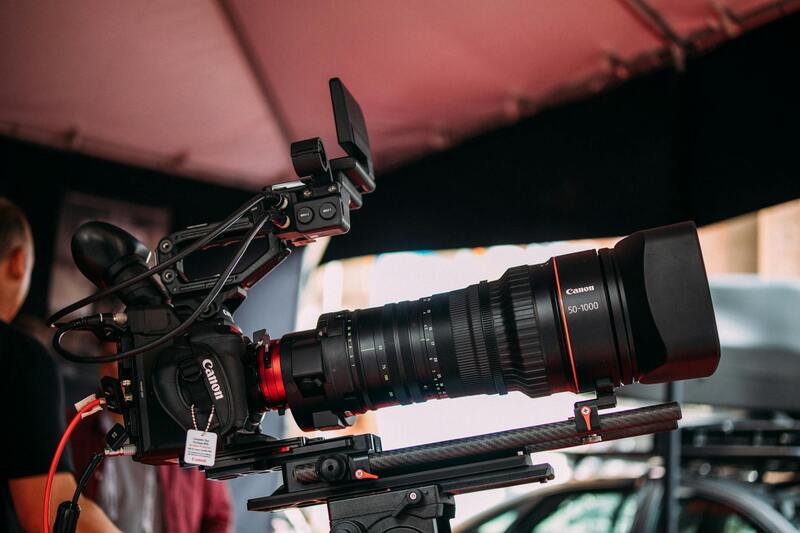
While DIY photography may seem cost-effective, it often falls short in delivering consistently compelling images necessary for competitive listings. Professional photographers possess specialized equipment, technical expertise, and an artistic eye to harness lighting, angles, and composition effectively. They are adept at creating a cohesive visual narrative that elevates the property's appeal.
Consistency and Branding
Professional photography ensures a uniform style and quality across all property listings, reinforcing branding and professionalism. This consistency helps establish trust with potential clients and buyers, differentiating listings in a crowded marketplace.
Time and Effort Savings
Engaging experts saves time during busy schedules, allowing agents and sellers to focus on other aspects of the sale process. Professionals handle equipment setup, shot selection, and post-processing, streamlining the entire workflow.
Optimizing Photography for Online Listings
Effective online presentation involves more than just high-quality images. Proper image sizing, fast-loading formats, and relevant metadata enhance searchability and user experience. Additionally, strategic placement of images within listings, such as prioritizing the most compelling shots at the beginning, captures attention immediately.
Image Resolutions and File Sizes
Using appropriately optimized images ensures fast-loading listings without sacrificing quality. High-resolution images are essential for detailed views, especially for zoom features, but should be compressed efficiently to reduce page load times.
Geo-Tagging and Metadata
Embedding location data and descriptive tags into images aids in search engine optimization, increasing the visibility of listings in local search results. Accurate metadata helps buyers find properties more efficiently based on their search criteria.
Legal and Ethical Considerations in Real Estate Photography
When utilizing professional photography for real estate purposes, it is essential to adhere to established practices that respect the rights of property owners, tenants, and all involved parties. Ensuring consent is obtained prior to photographing private spaces, especially interior rooms, helps maintain transparency and fosters trust with clients. Clear communication about the purpose of the images, how they will be used, and securing appropriate permissions mitigate potential misunderstandings and safeguard all stakeholders involved.
Additionally, accurate representation of the property is critical. Editing and post-processing should improve visual appeal without creating misleading impressions of the property’s condition or features. This includes faithfully capturing room dimensions, architectural details, and the condition of surfaces and fixtures. Presenting an authentic view supports informed decision-making by prospective buyers and maintains the integrity of the listing.
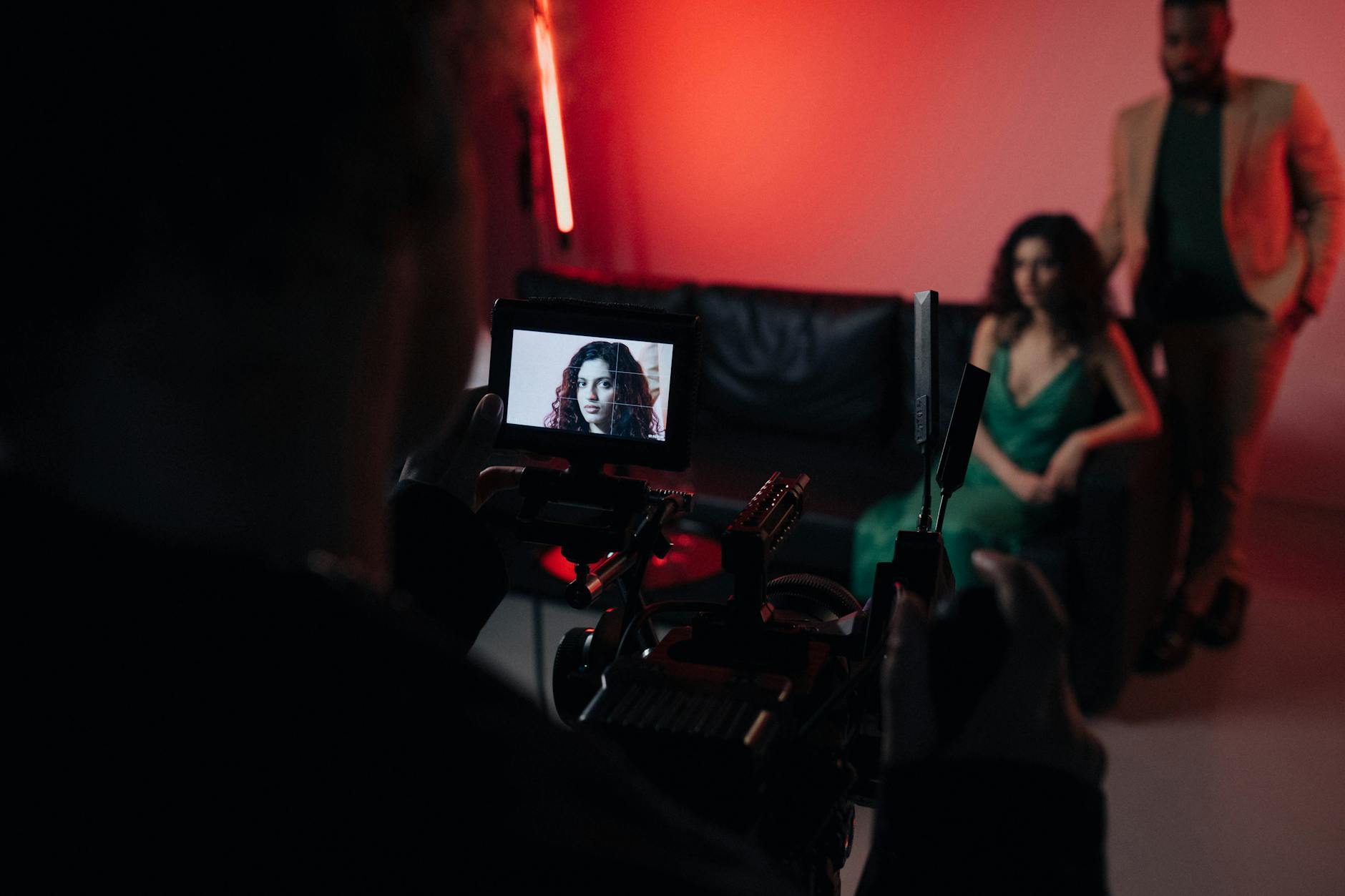
Respecting intellectual property rights by avoiding unauthorized use of copyrighted images or proprietary content is another paramount aspect. Professional photographers typically hold the rights to their images, and clear licensing agreements should be established to specify how images can be used by real estate agents, brokers, or sellers. Proper attribution and adherence to licensing agreements prevent legal issues and uphold ethical standards.
In an era where visual content is central to marketing, transparency regarding the tools and techniques used to produce high-quality images also contributes to authenticity. Disclosure of image enhancements or the use of virtual staging technology should be communicated transparently, allowing prospective buyers to trust the accuracy of the listing visuals.
Overall, following legal and ethical guidelines not only enhances credibility but also ensures that real estate professionals maintain reputable practices that benefit both sellers and buyers in the marketplace.