
Importance of High-Quality Images in Real Estate Marketing
In the competitive landscape of real estate, the significance of high-quality images cannot be overstated. Professional photographs serve as the first point of contact between potential buyers and a property, often making the critical difference that encourages viewers to explore further. In today’s digital age, most homebuyers start their search online, relying heavily on visual cues to gauge interest. Listings with superior images tend to attract more clicks, foster greater engagement, and generate faster sales.
Effective real estate photography elevates a property's appeal by showcasing its best features and creating an emotional connection with prospective buyers. Bright, well-composed photographs can highlight natural light, spaciousness, and unique architectural details, making a property stand out amidst numerous listings. The clarity and professionalism of these images contribute significantly to perceived property value, often justifying higher asking prices.
Additionally, strong visual content enhances listing visibility across multiple platforms, including MLS databases, social media, and real estate websites. Algorithms that prioritize high-quality images ensure that properties with professional photos gain maximum exposure. This improved visibility correlates directly with increased inquiries, open house visits, and ultimately, faster sales and better market positioning.

Investing in professional photography signifies to potential clients that an agent values quality and professionalism. It boosts the overall perception of listings and builds trust with clients who seek seamless, attractive marketing efforts. As competition intensifies, professional images serve as a crucial differentiator, ultimately leading to a higher success rate in closing deals and achieving optimal sale prices.
In summary, professionally captured images are an indispensable element of successful real estate marketing strategies. They influence buyer interest, increase listing visibility, and contribute to faster, more profitable sales outcomes. For real estate agents aiming to establish a strong market presence, prioritizing high-caliber visual content offers tangible advantages that directly impact their business growth.
Key Features of Effective Real Estate Photography
To capture the true essence of a property and appeal to potential buyers, several critical elements must be incorporated into the photography process. The cornerstone of impactful real estate images lies in meticulous attention to lighting, staging, composition, and image clarity. Each of these facets plays a vital role in crafting visuals that not only attract attention but also accurately represent the property’s features and atmosphere.
Lighting is paramount; natural light should be maximized to create bright, inviting images that showcase the space in the best possible way. Proper lighting eliminates harsh shadows and highlights the property’s best attributes, such as spaciousness or architectural details. When natural light is insufficient, professional lighting equipment can be employed to maintain consistency and professionalism across all photos.
Staging involves preparing the space to highlight its potential. This includes decluttering, arranging furniture to enhance spaciousness, and ensuring the property appears welcoming and well-maintained. Effective staging helps viewers envision themselves living in the space, which can significantly influence their interest and emotional connection.
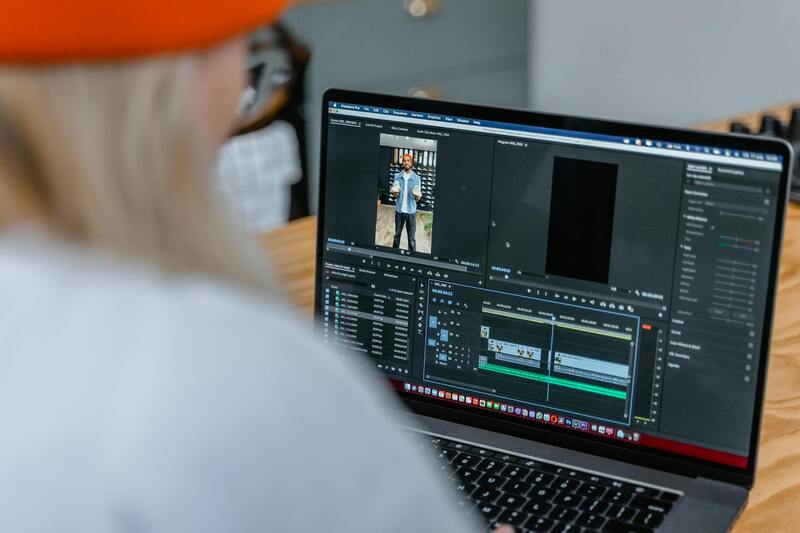
Composition refers to the arrangement of elements within the frame. Skilled photographers use techniques like the rule of thirds, leading lines, and proper framing to produce balanced and aesthetically pleasing images. Wide-angle lenses are often utilized to capture entire rooms, making spaces appear larger and more open.
Image clarity involves maintaining high-resolution quality during capture and post-processing. Sharp, detailed images allow viewers to examine property features clearly, conveying professionalism and trustworthiness. Minimal editing is advisable to preserve authenticity while enhancing visual appeal through appropriate adjustments like brightness, contrast, and color correction.
Choosing the Right Photography Service for Real Estate Agents
Selecting a professional photography service tailored to real estate needs ensures that images consistently meet high standards. Experienced providers understand the nuances of real estate marketing, from optimal angles to effective lighting setups. They are equipped with specialized tools and techniques to deliver images that align with current market trends and buyer preferences.
When evaluating potential services, agents should consider their portfolio, reputation, and familiarity with real estate photography. A reliable provider will offer rapid turnaround times, flexible scheduling, and additional services like virtual tours or drone imaging, further enhancing property listings.
Types of Photos Needed for Real Estate Listings
- Exterior Shots: Showcasing the front facade, backyard, and any notable architectural features to establish immediate curb appeal.
- Interior Photos: Highlighting the main living spaces, bedrooms, bathrooms, kitchen, and special features such as fireplaces or panoramic views.
- Detail Shots: Focused images of design elements, fixtures, appliances, and unique property details that add value.
- Aerial Photography: Using drones to capture expansive views of the property, surrounding area, and neighborhood context.
- Virtual Tours and 360-Degree Shots: Providing immersive experiences for online viewers, enabling virtual walk-throughs that save time and broaden reach.
Best Practices for Preparing Properties for Photoshoots
Proper preparation significantly impacts the quality of real estate images. Clear clutter, remove personal items, and ensure the property is clean and well-maintained. Opening curtains to allow natural light, turning on all lights, and adjusting thermostats to comfortable levels contribute to a welcoming atmosphere.
Furnishings should be arranged to maximize space and highlight functionality. Additionally, consider minor touch-ups such as fixing any damages, repositioning furniture, and ensuring the property is well-ventilated for fresh ambiance. These steps help produce polished images that resonate with viewers and emphasize the property's best features.
Optimizing Images for Online Listings and Marketing
High-quality images should be carefully optimized to ensure fast load speeds and consistent presentation across platforms. This involves resizing images to appropriate dimensions, compressing files without sacrificing clarity, and using descriptive filenames for better search engine indexing.
Implementation of metadata such as alt text, captions, and keywords enhances visibility in search results. Additionally, formatting images for responsive design ensures they display correctly on desktops, tablets, and smartphones, providing a seamless user experience that encourages further engagement.
Legal and Ethical Considerations in Real Estate Photography
Adhering to ethical standards involves obtaining necessary permissions for drone photography, avoiding misleading representations, and ensuring privacy by not capturing confidential or sensitive information. Accurate portrayal of a property’s condition and features builds trust with prospective clients while respecting the rights and privacy of current occupants.
Cost and Investment in Professional Real Estate Photography
Investing in professional photography yields tangible benefits, often translating into faster sales and higher sale prices. Costs vary depending on the scope of services, such as the number of images, additional media offerings, and the level of post-processing. While initial investments may seem substantial, the return in terms of increased listing visibility and improved market positioning makes it a strategic choice for real estate professionals aiming for competitive advantage.
Choosing the Right Photography Service for Real Estate Agents
Assessing the capabilities and specialization of a photography service is essential for real estate professionals aiming to elevate their property listings. A dependable provider should demonstrate a comprehensive understanding of real estate marketing strategies, including expertise in capturing properties that appeal to prospective buyers. Experience with residential, commercial, or luxury properties indicates versatility and mastery of various shooting environments. Portfolio review is a critical step—it allows agents to evaluate image quality, stylistic approach, and consistency across projects. A portfolio showcasing diverse properties suggests adaptability and a commitment to delivering tailored visual content. Furthermore, specialized knowledge of the Miami market can make a distinct difference. Local familiarity enables photographers to recognize specific neighborhood features, lighting conditions, and architectural styles that resonate with regional audiences. This nuanced understanding ensures images are not only high in quality but also contextually relevant, capturing the unique appeal of each property. Clear communication is also paramount. An ideal photography service should demonstrate professionalism through prompt responses, detailed consultations, and transparent pricing. Agents might consider providers who offer a suite of services beyond basic photography, such as drone footage, virtual staging, or 3D tours—these additional media can significantly enhance a listing’s visibility and attractiveness. Ultimately, choosing a photographer with a strong reputation, positive client testimonials, and a track record of successful real estate marketing campaigns ensures that the visual content produced will meet the standards necessary to attract serious buyers and facilitate faster sales.

Legal and Ethical Considerations in Real Estate Photography
When engaging in professional real estate photography, understanding the boundaries of ethical practices and adhering to established standards is essential. This ensures that the images presented online truthfully represent the property, maintaining trust between agents, photographers, and prospective buyers.
Authenticity should be the guiding principle in every aspect of real estate imaging. Photographers must avoid altering or enhancing images in ways that would mislead viewers regarding the property's condition, size, or features. Techniques such as lighting adjustments and color correction are acceptable if they accurately convey the property's real appearance.
Another critical ethical aspect involves respecting the privacy and security of the property and its inhabitants. Photographers should coordinate with property owners to ensure that personal belongings, private areas, or other sensitive features are appropriately managed or excluded from shots. Proper planning prevents potential privacy breaches and aligns with professional standards.
Consent is also fundamental. Property owners should provide explicit approval for the use of any images taken, especially when additional media such as drone footage or virtual staging is involved. Maintaining a transparent process fosters trust and minimizes disputes or misunderstandings during the marketing campaign.

Photographers must be vigilant to avoid deceptive practices, such as (but not limited to) using angles or perspectives that exaggerate the property's size or appeal. It’s vital to deliver images that reflect the true state of the property to uphold professionalism and credibility in the marketplace.
Moreover, compliance with local or regional regulations concerning drone photography, privacy, and airspace use is necessary. Staying informed about these guidelines not only prevents legal complications but also preserves the integrity of the marketing efforts.
Ultimately, professionalism in real estate photography extends beyond technical skill—it encompasses a commitment to honesty, respect for property owners’ rights, and adherence to ethical standards that safeguard the reputation of agents and photographers alike.
Legal and Ethical Considerations in Real Estate Photography
Maintaining ethical standards in real estate photography is essential to uphold the trust between agents, clients, and potential buyers. Authenticity in imagery helps convey a truthful representation of the property, which influences buyer confidence and reduces the risk of misunderstandings or dissatisfaction later in the sales process. Photographers should avoid the use of deceptive techniques such as excessively broad angles, overly edited images, or misrepresentative lighting that can distort perceptions of space, condition, or features. Instead, the focus should be on capturing the property in a manner that accurately reflects its current state.
Transparency with property owners is pivotal. Clear communication regarding which areas will be photographed, the types of images that will be produced, and how the images will be used ensures everyone’s expectations are aligned. This includes discussing the inclusion of special features, renovations, or unique selling points that the client wishes to highlight.
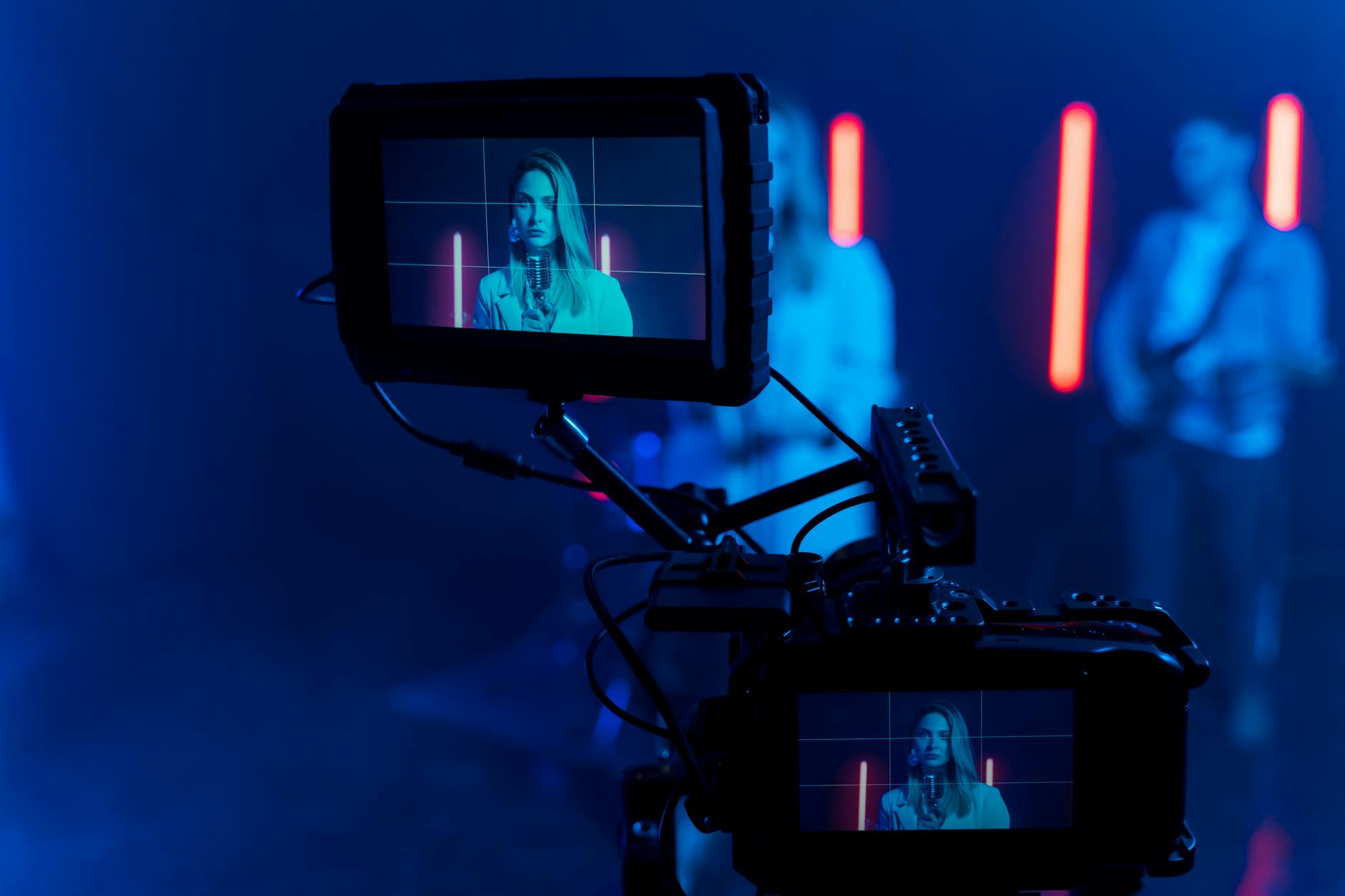
In addition, respect for privacy and adherence to regional regulations regarding drone use, privacy rights, and airspace restrictions are fundamental. Photographers and agents must stay informed about these issues to avoid infringing on individuals' rights or breaching regulations that could lead to complications or reputational damage.
Furthermore, professional photographers should have a clear contractual agreement that stipulates the scope of work, usage rights, and limitations concerning the images taken. This reduces potential disputes and clarifies ownership and licensing rights, supporting an ethical approach to property marketing.
Ultimately, comprehensive consideration of legal and ethical principles within real estate photography not only enhances the integrity of marketing efforts but also fortifies the credibility and professionalism of the agents involved. Transparent and honest representation ensures that prospective buyers have realistic expectations, fostering a smoother transaction process and reinforcing industry standards.
Legal and Ethical Considerations in Real Estate Photography
Adhering to established legal and ethical standards in real estate photography is essential for maintaining the professionalism and integrity of property marketing efforts. This involves ensuring that images accurately represent the property without misleading potential buyers, which fosters trust and transparency. Authentic representation prevents any form of misrepresentation that could undermine buyer confidence and cause disputes later in the transaction process.
In addition to accuracy, respecting the privacy rights of homeowners and neighbors is paramount. Photographers and agents should seek permission before capturing images that include private properties or individuals, particularly in densely populated areas. Maintaining a respectful distance from personal privacy boundaries minimizes discomfort and potential conflicts.
Another critical aspect involves compliance with regional regulations related to drone usage, airspace restrictions, and the use of aerial photography. These regulations, which vary by region, are put in place to ensure safety and privacy and should be strictly followed by all professional photographers to avoid legal complications.
Clear contractual agreements between photographers and agents specify the scope of services, licensing rights, and permitted uses for the images. Such agreements help prevent misunderstandings and ensure that all parties are aware of their rights and responsibilities. Additionally, securing the necessary permissions for any specialized equipment or techniques, such as drone photography, demonstrates a commitment to ethical practices.
Maintaining high ethical standards in real estate imagery not only protects the involved parties but also elevates the overall reputation of the industry. When clients and prospective buyers perceive honesty and professionalism in the marketing process, it contributes to a more positive experience and a smoother transaction, reinforcing the credibility of real estate agents.
Legal and Ethical Responsibilities in Real Estate Photography
Maintaining transparency and respect in real estate imagery is essential for fostering trust with clients and prospective buyers. Before conducting a photoshoot, it is advisable for real estate agents and photographers to obtain explicit permission when capturing images that feature private properties or individuals. This practice not only upholds ethical standards but also ensures that all parties are aware of and agree to the use of these images for marketing purposes.
Respecting privacy boundaries is particularly important in densely populated neighborhoods or in situations where personal spaces may be visible. Photographers should be diligent in avoiding intrusive captures, such as images that inadvertently reveal private details or sensitive information. Using strategic angles, appropriate distances, and framing techniques can help focus on the property’s features while maintaining the occupants' privacy.
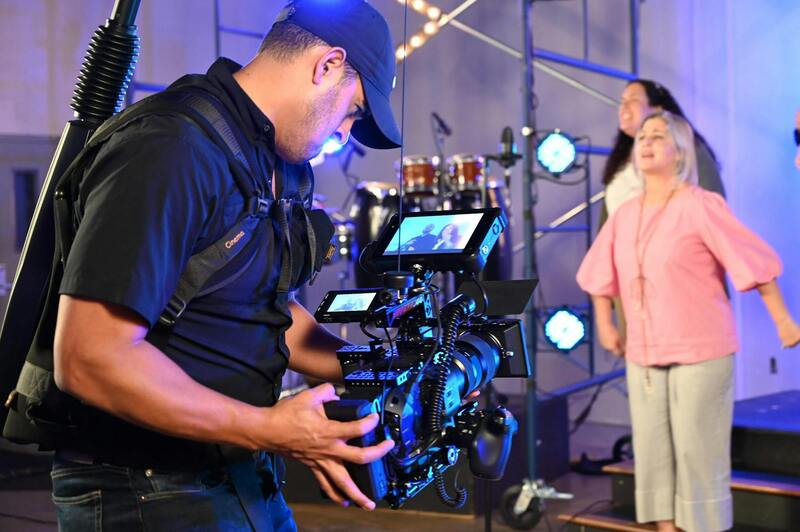
Beyond privacy considerations, regional regulations concerning drone usage and aerial photography must be strictly followed. These rules are designed to safeguard airspace safety and personal privacy rights. Compliance involves understanding local restrictions, applying for necessary permits, and operating equipment responsibly. Adhering to these guidelines demonstrates professionalism and reduces the likelihood of legal complications during and after a property’s marketing campaign.
Drafting clear contractual agreements between real estate agents and photography professionals sets the foundation for the entire collaboration. Such agreements should specify the scope of work, permitted uses of images, licensing rights, and obligations related to permissions and permits. Including clauses related to the use of specialized equipment, like drones, underscores the importance of transparency and ethical conduct. This proactive approach helps prevent disputes and ensures that all involved parties operate under shared expectations.
High ethical standards in real estate photography directly impact industry reputation. Buyers and clients perceive honesty and professionalism when images are captured responsibly, boosting confidence in listings. Authentic and ethically obtained images also reduce the risk of misunderstandings or misrepresentations that could hinder the transaction process. Comprehensive adherence to these principles reinforces the credibility of real estate professionals and promotes a positive buying experience for all stakeholders.
Legal and Ethical Considerations in Real Estate Photography
Ensuring the use of legally compliant and ethically responsible imagery is fundamental in professional real estate marketing. This includes strictly adhering to regulations related to drone usage, aerial photography, and the protection of personal privacy. Permission protocols must be followed diligently, especially when capturing images in private or restricted areas. The employment of drones, for instance, often requires obtaining specific permits and understanding no-fly zones to avoid infringing upon airspace regulations. Respecting the privacy of individuals is equally critical; photographing occupied properties should be conducted with care to avoid capturing private moments without consent.
Property owners and real estate agents should also be aware of contractual obligations surrounding the use and distribution of images. Clear agreements should detail the extent of image usage, licensing rights, and any limitations on reproductions. This transparency helps safeguard all parties involved and delineates responsibilities clearly, especially when images are shared across multiple platforms or used in promotional materials.
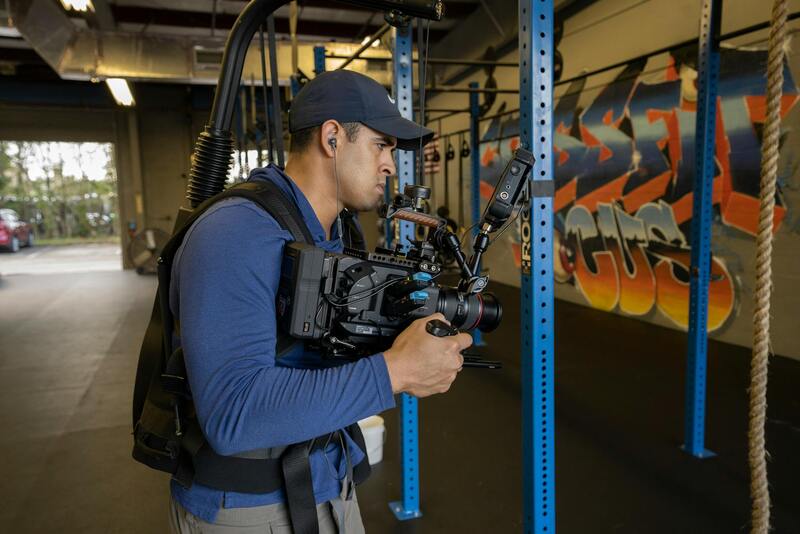
Ethics in real estate photography extend beyond legal compliance to uphold honesty and integrity in listing representations. Utilizing authentic images that truthfully depict the property's condition fosters trust among potential buyers. Overly edited or artificially enhanced photos can mislead clients and diminish the credibility of the listing. Authentic imagery encourages transparency, helping buyers make informed decisions, and cultivating positive relationships throughout the transaction process.
Industry professionals should emphasize ethical standards in their operational protocols, from image capture to post-production editing. Maintaining transparency about editing practices and ensuring images accurately reflect the property's aspects uphold industry reputation and serve the best interests of clients. Such practices also minimize the possibility of disputes arising from misrepresentations, ensuring a smooth and professional marketing experience.
Implementing Ethical Guidelines in Practice
- Obtain necessary permissions before photographing private or restricted areas.
- Ensure all images accurately portray the property's current state without deceptive enhancements.
- Include disclaimers if significant editing or adjustments are made to convey authenticity.
- Respect privacy and avoid capturing sensitive or personal moments in occupied properties.
- Use contractual agreements to specify permitted uses and licenses of images.
By adhering to these standards, real estate agents demonstrate a commitment to professionalism, fostering trust and long-term client relationships. It also aligns with official best practices within the industry, emphasizing responsibility and integrity in marketing efforts.