
Importance of Professional Property Photos
In the competitive Miami real estate market, the significance of high-quality property photos cannot be overstated. Visual presentation plays a vital role in capturing the attention of prospective buyers and increasing a property's appeal. Properly executed images can significantly influence the initial impression, which is often the deciding factor for viewers considering a property.
The vibrant and diverse nature of Miami's real estate landscape demands that listings stand out through striking visuals. Professional property photos showcase the property's best features, ensuring that potential buyers appreciate the space, layout, and unique characteristics from the outset. High-resolution, well-lit images not only attract more interest but also encourage faster sales, reducing the time a property remains on the market.
Research indicates that listings with professional images receive considerably higher click-through rates and engagement online. This translates into a broader reach, attracting a diverse pool of buyers both locally and globally. In this digital age, the mere presence of professional photography can determine the success and profitability of a real estate transaction.
Furthermore, proficient property photos enhance credibility and build trust with prospective buyers. They provide a truthful and appealing representation of the property, setting realistic expectations and minimizing buyer hesitation. For real estate agents and property owners in Miami, investing in top-tier imagery is an essential component of a comprehensive marketing strategy.
The visual narrative crafted through professional photography also supports branding efforts. It positions the property—and by extension, the agent—in a premium category, reinforcing the value and quality of offerings. Whether displayed across MLS listings, social media platforms, or dedicated websites, these images form the visual backbone that sustains interest and drives engagement.
In summary, the impact of high-quality, professional property photos in Miami extends beyond aesthetic appeal. They serve as a crucial tool for market positioning, attracting potential buyers, and ensuring a swift sale. As such, partnering with experienced photographers who understand the nuances of real estate imagery is an investment that yields substantial returns in today's competitive market.

Key Elements of Effective Property Photography
To achieve compelling real estate imagery, certain foundational elements must be meticulously addressed. Lighting, composition, and staging form the core of successful property photography, ensuring that each image accurately conveys the property’s appeal while capturing its unique character.
Lighting
Natural light is preferred whenever possible; it enhances the space’s warmth and openness, creating inviting images that resonate with potential buyers. Photographers often schedule shoots during the day to utilize sunlight optimally, avoiding shadows and dark corners. When natural light isn’t sufficient, professional lighting equipment — including softboxes and reflectors — can be used to evenly illuminate the property, highlighting key features without creating harsh shadows or overexposed areas.
Composition
Effective composition guides the viewer’s eye through the space and emphasizes its best attributes. Techniques such as the rule of thirds, leading lines, and symmetry help create balanced, engaging images. Strategic framing ensures that important elements—such as modern kitchens, spacious living rooms, or scenic views—are prominently featured. The choice of angles and perspectives can dramatically influence how expansive or cozy a space appears, which can influence a prospective buyer’s perception of the property.
Staging
A well-staged property sets the scene for potential buyers, enabling them to imagine themselves living in the space. Minimalist décor, decluttering, and tasteful accessories can help accentuate the room’s dimensions and architectural features. Staging also involves considering color schemes and furniture placement to create visual harmony and highlight the property’s best aspects.
Additional Tips for Effective Photography
- Use wide-angle lenses to capture more of each room, emphasizing space and layout.
- Avoid clutter and ensure surfaces are clean and neat to present a polished look.
- Incorporate exterior shots that showcase landscaping, entryways, and curb appeal.
- Showcase key features such as updated appliances, unique architectural details, or outdoor amenities.
The Impact of High-Quality Property Photos
Images created with attention to these elements forge a visual narrative that entices buyers to explore further. They communicate the property’s potential, evoke emotional responses, and foster a sense of trust and excitement. In Miami’s highly competitive market, where first impressions can make or break a sale, investing in high-quality photography is an unmistakable advantage that elevates a property’s market presence and accelerates the transaction process.
Technical Aspects of Property Photography
Mastering the technical details is essential for capturing compelling real estate images that accurately represent the property’s appeal. Properly managing camera settings, lighting, and composition ensures that each shot highlights the property's best features with clarity and precision. Using a tripod stabilizes the camera, allowing for longer exposures necessary in low-light conditions without introducing blur. Adjusting aperture settings to a mid-range (such as f/8 to f/11) provides sharpness across the entire scene, which is particularly important in interior photography where depth of field affects the visibility of both foreground and background details.
Lighting is an integral aspect of professional property photography. Natural light should be maximized by shooting during daylight hours, preferably when the weather is clear. Supplement natural light with professional lighting equipment, such as softboxes and reflectors, to fill shadows and evenly light rooms, especially those with limited sunlight or darker tones. Proper exposure settings prevent images from appearing too dark or washed out, ensuring that interior colors are true to life and exterior landscapes are vivid.
Utilizing appropriate lenses significantly impacts the visual quality. Wide-angle lenses, typically ranging from 14mm to 24mm for full-frame cameras, are standard for capturing entire rooms and creating an inviting sense of space. However, care must be taken to avoid distortion that exaggerates proportions. Compositionally, lines should be straight, and angles balanced to generate a cohesive and visually pleasing image. Techniques such as shooting from a slightly elevated position can help eliminate oblique angles and provide a comprehensive view of spacious areas.
Creating a Consistent Visual Style
Consistency in style throughout property photos reinforces brand identity and creates a more professional appearance across online listings. This includes a predictable color palette, similar framing, and uniform use of lighting techniques. Maintaining a cohesive visual style helps potential buyers quickly recognize listings from a particular seller or agency, fostering a sense of reliability and trust.
To establish this consistency, develop standardized shooting protocols, such as specific angles for key rooms, preferred times of day for shooting exterior shots, and a consistent approach to staging. Post-processing routines should also be aligned to ensure that colors, brightness, and contrast remain uniform across images. Using editing presets or templates can help streamline this process, maintaining a professional look that enhances—the overall presentation of the property.

Editing and Post-Processing
Post-processing elevates property photos from good to exceptional by refining visual elements without altering the authenticity of the images. Adjustments in brightness, contrast, and color balance can correct lighting inconsistencies and improve overall clarity. Retouching minor flaws, such as small blemishes or distractions, further enhances the professionalism of the images.
It’s essential to strike a balance—over-editing can create unrealistic visuals that may mislead potential buyers, undermining trust. Instead, subtle enhancements should aim to showcase the property's true potential while retaining a natural appearance. Techniques such as perspective correction, vertical line adjustments, and perspective blending are vital to produce true-to-life representations that align with the property's real features.
Advanced editing software allows for fine-tuning multiple images efficiently. Consistent application of editing presets ensures uniformity across all photographs, making entire listings visually cohesive and more appealing to viewers.

Optimizing Photos for Online Listings
Once images are captured and edited, optimizing them for online platforms ensures they load quickly and display crisply across various devices. File resolution should strike a balance between quality and file size—high-resolution images attract viewers without burdening website load times. Utilizing appropriate image formats such as JPEG or WebP guarantees optimal compatibility and quality.
Furthermore, metadata such as descriptive filenames and alt text improve search engine visibility, helping property listings rank higher in search results. Properly compressed images with appropriate dimensions ensure quick-loading galleries, which are preferred by potential buyers and reduce bounce rates. Consistent aspect ratios and strategic cropping focus viewers’ attention on the property’s standout features, guiding their visual journey through the property.
Implementing a systematic approach to image optimization not only enhances user experience but also increases engagement, leading to faster and more successful property transactions.
Technical Aspects of Property Photography
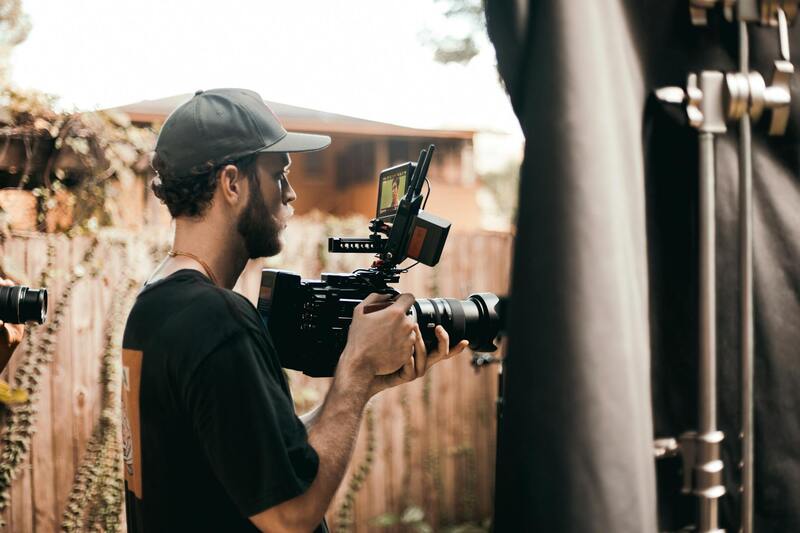
Achieving high-quality professional property photos requires a thorough understanding of the technical elements involved in capturing compelling images. The choice of equipment plays a critical role in ensuring clarity, depth, and true-to-life color reproduction. High-resolution digital cameras with wide-angle lenses are standard tools, enabling photographers to encompass more of the space in a single frame while maintaining image sharpness. Tripods are essential to minimize camera shake, especially in low-light conditions or when shooting at slower shutter speeds for optimal exposure.
Camera settings should be meticulously adjusted to match the lighting environment of each space. Utilizing a low ISO setting helps reduce grain and noise, promoting crisp detail. Aperture selection balances depth of field and focus, with a preference for small apertures (higher f-stop numbers) to keep the entire room in sharp focus. Proper shutter speeds are vital to prevent motion blurring, especially when natural light is limited or when shooting in rooms with less favorable lighting conditions.
Lighting techniques are equally crucial; natural daylight often produces vibrant, inviting photos. When interior lighting is insufficient, supplementary lighting or reflectors can be employed to balance the scene and eliminate unwanted shadows. Mastering techniques such as HDR photography allows for capturing details in both bright and dark areas within a single frame, producing well-balanced images that accurately depict the property's features.
Additionally, attention to composition and perspective influences the visual impact of property photos. Photographers should aim for clean, clutter-free shots with strategic angles that highlight the property’s spaciousness and functional layout. Vertical lines should be maintained to avoid distortion, and strategic cropping can emphasize key features. Consistent eye-level shooting ensures a natural and inviting perspective, helping potential buyers visualize themselves in the space.
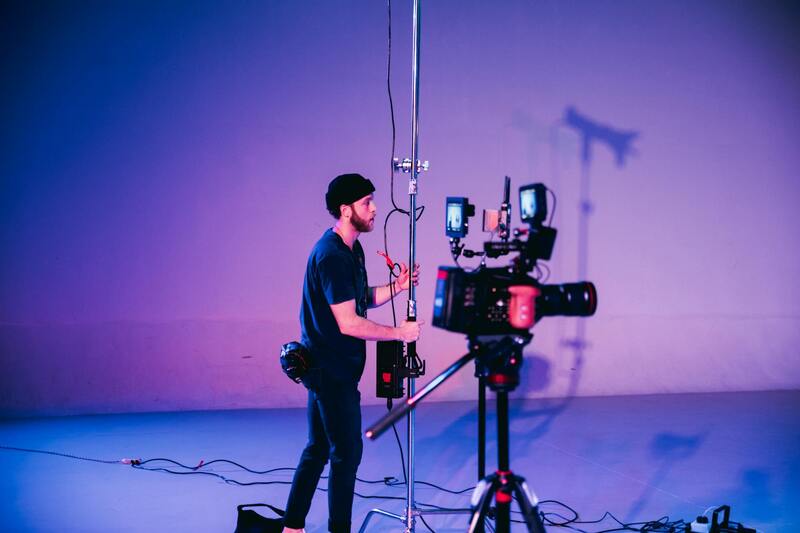
The culmination of technical proficiency in equipment use, proper camera settings, and lighting mastery results in images that are both appealing and reliably reproduced. This foundation is essential for generating compelling visuals that effectively communicate a property's value and attract serious buyers or tenants.
Creating a Consistent Visual Style
Maintaining a cohesive visual identity across all property listings significantly elevates a real estate brand’s reputation and market presence. Consistent styling in photographs ensures that prospective clients recognize and associate the quality of images with professionalism and attention to detail. This can be achieved through standardized composition techniques, color grading, and editing protocols that align with the brand’s aesthetic. Using uniform color correction, similar lighting treatments, and perspective choices across multiple properties establishes a recognizable visual signature that increases trust and engagement from potential buyers and tenants.
In practice, this involves establishing clear guidelines for image presentation, including preferred angles, lighting styles, and post-processing methods. For instance, a consistent approach might involve bright, natural-looking images that emphasize clarity and natural tones, or a specific color grading style that adds warmth or modern tones. Such uniformity allows viewers to focus on the property’s features without the distraction of mismatched visuals, thereby enhancing overall listing effectiveness and strengthening the brand’s position in the competitive Miami real estate scene.
Editing and Post-Processing
Effective post-processing is crucial for refining raw photographs into compelling marketing materials. Professional photo editing involves adjusting exposure, contrast, color balance, and sharpness to ensure every image accurately portrays the property’s unique features. Subtle enhancements, such as removing minor imperfections, correcting distortions, or emphasizing architectural lines, contribute to a polished appearance without deception.
Advanced techniques like HDR blending can be employed to reveal intricate details in both shadows and highlights, producing images with a full range of tones. Consistent application of these editing principles across all listings ensures a uniform look, reinforcing brand identity and maximizing visual appeal. Proper post-processing also involves resizing images to optimal dimensions for online use, such as property websites, MLS listings, and social media, ensuring fast load times without sacrificing quality.
Optimizing Photos for Online Listings
Once photos are edited, optimizing them for digital platforms involves more than just resizing. Image optimization guarantees quick loading times, which is vital for user experience and search engine visibility. Properly compressed images retain high visual quality while reducing file size, ensuring fast page loads that keep potential clients engaged.
Additionally, incorporating relevant keywords into image metadata, such as alt text and file names, enhances SEO, making listings more accessible and discoverable in search results. Ensuring that photos are sharp, well-exposed, and representative of the property’s strongest features helps attract attention and generate inquiries. Color accuracy and clarity are especially critical for high-end Miami properties where visual appeal can significantly influence buyer interest.
Legal and Ethical Considerations
Photographers must adhere to standards that respect the property owner’s rights and ensure truthful representations. This includes obtaining necessary permissions for photographing and publishing images of private interiors or restricted areas. Ethical photography involves accurately showcasing the property without deceptive enhancements or distortions that could mislead potential buyers.
It’s vital to portray each property honestly while highlighting its best features. Avoiding overly manipulated images preserves trust with clients and prospects alike. Clear documentation of the editing process and maintaining professional standards ensure compliance and foster confidence in the marketing materials produced. This responsible approach supports a transparent and trustworthy real estate market in Miami, where accurate visuals underpin successful transactions.
Technical Aspects of Property Photography
Achieving high-quality property photos requires mastery over several technical elements that ensure each image is sharp, clear, and visually appealing. Proper lighting is paramount; photographers often utilize natural light during the day to highlight a property’s features, but supplementary artificial lighting may be necessary to eliminate shadows and ensure uniform illumination. In spaces with large windows or diverse lighting conditions, camera settings such as ISO, shutter speed, and aperture must be adjusted to balance exposure and maintain image quality.
Use of professional-grade DSLR or mirrorless cameras is standard in producing detailed images with accurate colors. Wide-angle lenses are particularly useful in real estate photography, allowing photographers to capture more of each room and showcase available space effectively. However, it's important to employ these lenses carefully to avoid distortion, which can misrepresent the property's true dimensions.
Proper focus and depth of field control are essential, ensuring that key features—the kitchen countertops, master bedroom, or outdoor patio—are in sharp focus. This precision guides potential buyers’ attention to properties’ most attractive elements and helps generate interest. Additionally, maintaining consistent white balance across all images produces uniform color tones, reinforcing professionalism in the listing presentation.

Post-capture techniques, such as image stitching for wide shots and HDR (High Dynamic Range) processing, help in balancing highlights and shadows, especially in rooms with contrasting light levels. These technical refinements ensure the final images accurately reflect the property's true appearance, making listings more compelling and trustworthy.
Creating a Consistent Visual Style
Consistency across all property images enhances brand recognition and fosters confidence among prospective clients. Establishing a visual style involves defining parameters such as color tones, framing, and the angle of shots. For instance, some Miami real estate professionals opt for bright, vibrant images that accentuate the sunny climate, while others prefer a more subdued, sophisticated palette suitable for luxury properties.
Adopting specific shooting angles and compositions that highlight architectural features and flow of space contributes to cohesive listing presentations. Maintaining a uniform approach in lighting and editing settings ensures all images appear as part of a coordinated visual strategy, reinforcing the professionalism of the marketing campaign.
Tools such as Lightroom or Photoshop facilitate maintaining this uniformity by allowing batch processing of images, adjusting exposure, color saturation, and sharpness consistently. This approach minimizes discrepancies that can distract viewers or diminish perceived quality, ultimately leading to more compelling listings that resonate across different platforms and audiences.
Creating a Cohesive Visual Strategy for Property Listings
Establishing a consistent visual style across all property photographs is essential in portraying the property's character convincingly and professionally. This process involves thoughtful planning of various elements, including color grading, framing choices, lighting consistency, and overall composition. When prospective buyers or renters browse through listings, a unified visual presentation simplifies the comparison process and fosters a stronger perception of professionalism and trustworthiness.
One effective method is to develop a style guide that specifies preferred shooting angles, framing techniques, and color tones. For example, for high-end luxury properties in Miami, a photographer might emphasize natural light, brightening interiors to showcase spaciousness and elegance, while using subtle saturation to retain realism. Conversely, for modern condos with sleek interiors, a minimalist approach with sharp lines and subdued hues may be more suitable.
Photography teams can employ specific tools to maintain this uniformity. Adjustments made in bulk through software like Adobe Lightroom enable editors to set consistent exposure levels, white balance, and color settings across all images for a specific listing. This consistency ensures that each photo aligns with the overall visual narrative and enhances the listing’s professional image.
Implementing these practices creates a harmonious visual experience for viewers, guiding their focus and fostering positive emotional responses. When all the images follow the same stylistic approach, it not only improves aesthetic cohesion but also supports the branding efforts of real estate agents and brokers. This consistency can make a listing stand out amid competitive markets, ultimately contributing to faster sales or rentals.
Technical Measures to Ensure Visual Consistency
- Use the same camera settings for all shots within a single property to maintain uniform exposure and color balance.
- Create a standardized lighting setup, such as using diffused natural light or consistent artificial lighting to avoid stark contrasts or shadows.
- Apply batch editing techniques for color grading and sharpness to keep the aesthetic aligned across all images.
- Adopt the same shooting angles and framing techniques that best highlight the property's strengths.
By systematically applying these technical measures, Miami real estate professionals can produce a compelling, cohesive set of images that enhance the property's appeal and reinforce brand consistency across digital and print platforms.
Legal and Ethical Considerations
Engaging in professional property photography within Miami necessitates a clear understanding of various legal and ethical considerations to uphold integrity and respect for all parties involved. Securing proper consent from property owners before scheduling and executing photoshoots is essential, as it ensures that all representations align with the owner’s rights and expectations. This consent often involves a formal agreement outlining the scope of work, usage rights, and any specific areas or features that should or should not be photographed.
Respecting privacy is particularly critical when capturing images inside residential or commercial properties. Photographers must be cautious to avoid including personal belongings, private spaces, or sensitive information in their shots unless explicitly permitted. This diligence not only protects the privacy of occupants but also enhances the photographer's reputation for professionalism and ethical conduct.
Intellectual property rights surrounding property images are another important aspect. Photographers should have clear agreements regarding the rights to the photographs, ensuring that their images are used appropriately in marketing efforts and that ownership rights are properly assigned or licensed. Misuse or unauthorized use of images can lead to disputes or damage to professional relationships.
Adhering to local Miami regulations and standards involves staying current with any updates related to real estate advertising, privacy laws, and copyright rules. This proactive approach not only safeguards against potential legal challenges but also underscores a photographer or agency’s dedication to conducting business ethically and responsibly.
Finally, transparency and honesty in marketing materials, supported by authentic and professionally captured images, build trust with potential clients. Clients value clarity and integrity when showcasing their properties, which is fostered through responsible photography practices that respect all legal and ethical boundaries.