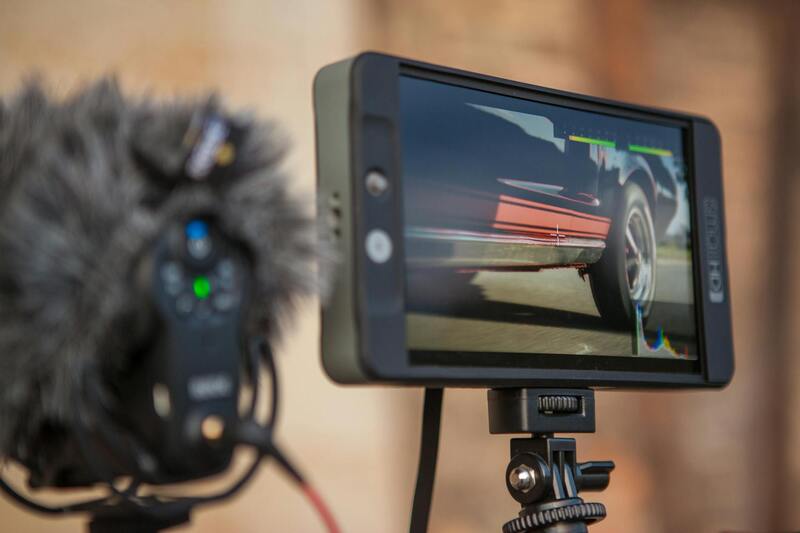
Importance of Professional Real Estate Photography
In the competitive real estate market, the quality of visual representation can significantly influence a property's appeal. High-resolution, professionally captured images serve as a crucial tool in attracting potential buyers and accelerating the sales process. When prospective buyers browse online listings, the first impression made by compelling photography often determines whether they will schedule a viewing or move on to another property.
Effective real estate photography goes beyond simple snapshots; it embodies an art form that highlights a property's best features, creates engaging visual narratives, and provides viewers with an accurate and inviting representation of the space. Listings featuring professional photography typically garner higher traffic and engagement rates, which directly correlates with a faster sale timeline.
Visual content plays a vital role in establishing trust and credibility. Buyers expect clarity, optimal lighting, and a sense of scale in images to understand the layout and ambiance of a property. Poor-quality photographs, on the other hand, can deceive or deter potential clients, resulting in decreased interest and longer listing periods. Given the importance of first impressions, investing in professional real estate photography offers an effective strategy for agents and sellers aiming to stand out in a crowded marketplace.
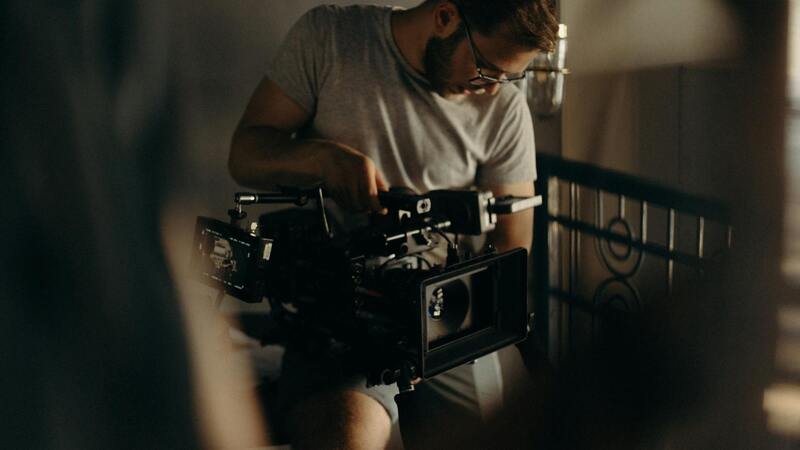
Moreover, the advent of digital marketing has amplified the need for outstanding visuals. With platforms relying heavily on visual content, the quality of photographs directly influences a listing’s visibility and engagement. Real estate professionals recognize that investing in professional photography translates into improved marketing effectiveness and higher return on investment.
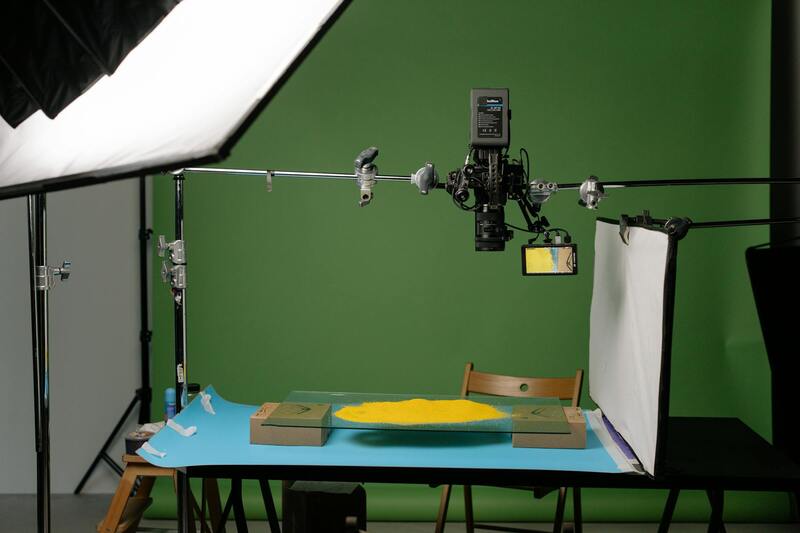
Ultimately, professional real estate photography is an essential component of modern property marketing, helping agents and sellers present properties in their best light, attract serious buyers, and secure successful transactions efficiently.
Equipment and Technology Used in Real Estate Photography
Professional real estate photography relies heavily on advanced equipment and innovative technology to deliver high-quality images that capture the essence and appeal of each property. This begins with high-resolution cameras capable of capturing sharp, detailed images, even in challenging lighting conditions. DSLR and mirrorless cameras are preferred for their superior image sensors and manual control features, allowing photographers to optimize settings for each shot.
Lens selection is equally critical. Wide-angle lenses are essential for including as much of the room as possible, giving viewers a sense of space and layout. These lenses help prevent distortion while emphasizing the size of the property, making rooms appear more inviting.
Stable support devices such as tripods are used to ensure sharp images and consistent framing, especially when shooting in low light or during multiple exposures. Tripod use is vital for maintaining proper composition and for techniques like HDR (High Dynamic Range) imaging, which combines several shots taken at different exposures to produce well-lit, balanced photos.
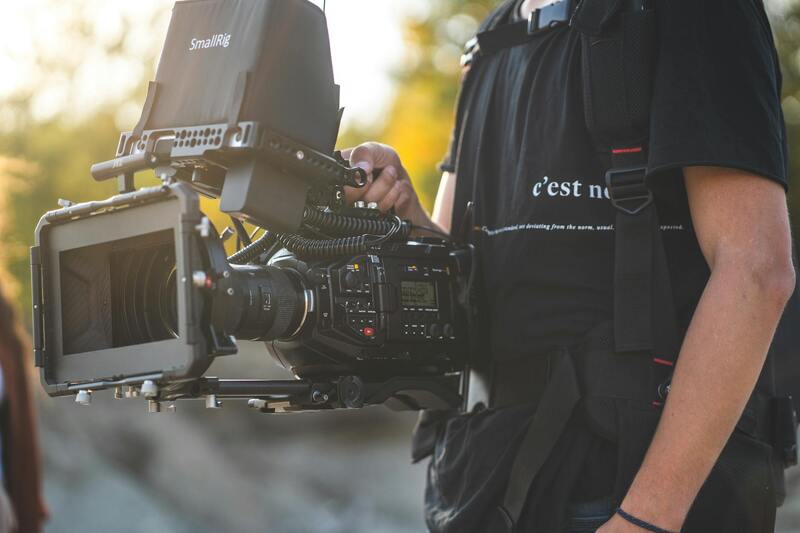
Lighting tools also play a crucial role. Natural light is often supplemented with portable flash units, LED panels, or strobe lights to ensure even, flattering illumination that accurately represents the property's ambiance. Proper lighting avoids shadows and highlights the features most appealing to potential buyers.
Additionally, software tools are used to enhance images post-shoot. Advanced editing and post-processing software like Adobe Lightroom and Photoshop allow professionals to adjust brightness, contrast, color balance, and remove minor imperfections, ensuring each photograph looks polished and inviting.
Best Practices for Shooting Real Estate Properties
- Schedule shoots during optimal lighting conditions, typically during times of the day when natural light is abundant.
- Use wide-angle lenses to capture maximal space without distortion, providing a comprehensive view of each room.
- Ensure the property is clean, decluttered, and well-staged to create an inviting atmosphere that appeals to prospective buyers.
- Maintain consistent camera settings throughout a shoot to produce uniform and professional image quality.
- Experiment with different angles and perspectives to highlight the property's best features and architectural details.
- Pay attention to the details: straighten lines, eliminate unwanted objects, and ensure proper alignment for a clean look.
Following these practices helps the photographer produce compelling, high-impact images that showcase the property’s strengths and encourage buyer engagement.
Equipment and Technology Used in Real Estate Photography
Achieving high-quality images that captivate potential buyers requires the use of advanced equipment and innovative technology. Professional real estate photographers rely on high-resolution digital cameras equipped with full-frame sensors to capture detailed and vibrant images that do justice to each property. These cameras provide excellent dynamic range, allowing photographers to balance exposure in scenes where there is brightness from windows and darker interior areas.
Wide-angle lenses are essential tools in real estate photography, enabling photographers to showcase entire rooms in a single shot without sacrificing detail. Using lenses with focal lengths typically between 14mm and 24mm ensures that spaces appear spacious and inviting. For properties with significant exterior features or expansive landscapes, telephoto lenses can be employed for detailed shots that highlight specific architectural elements or surrounding scenery.
Drone technology has revolutionized real estate marketing by offering breathtaking aerial views of properties and their surrounding landscapes. Drones provide before-and-after perspectives that are impossible to achieve from the ground, helping buyers visualize the property's scale and location context. Stable mounted drones with high-definition cameras allow for smooth footage and capturing images at different angles to showcase large estates, commercial properties, or unique landscapes effectively.
Post-shoot software tools are equally pivotal in refining images to meet professional standards. Adobe Lightroom and Photoshop are industry leaders, offering features such as exposure correction, color grading, distortion removal, and minor retouching to ensure each image appears polished. These tools help in balancing images where windows might cause overexposure or interior lighting appears uneven, ensuring a consistent visual presentation across listings.
Additionally, advancements in high Dynamic Range (HDR) imaging enable capturing multiple exposures and blending them into a single image. This technique provides balanced lighting throughout in scenes with contrasting light levels, such as an interior room with window views. Some photographers also utilize panoramic stitching software to create wide, seamless images that give viewers an immersive sense of space, especially for large open-plan areas.
By integrating cutting-edge camera gear, aerial drones, and sophisticated editing tools, professionals are equipped to produce compelling visual content that highlights the property's unique features, attracting serious buyers and facilitating quicker transactions.
Best Practices for Shooting Real Estate Properties
Achieving captivating and accurate property images hinges on meticulous planning and adherence to professional shooting standards. Prior to capturing photos, it is essential to prepare the property by decluttering spaces, ensuring all lights are functional, and opening curtains or blinds to maximize natural light. Optimal lighting not only enhances visual appeal but also provides a true representation of the property's ambiance.
Camera settings should be customized according to ambient conditions. A low ISO setting (typically around 100-200) minimizes grain and maintains image clarity. Aperture selection is crucial; a smaller aperture (higher f-number) increases depth of field, ensuring that both foreground and background elements remain sharp — particularly important in interior shots of large rooms or open areas. A wider-angle lens, usually between 14mm and 24mm, helps capture more of the space, making rooms appear larger and more inviting.
During the shoot, diverse angles should be explored. While straight-on shots of rooms are standard, highlighting architectural features with corner or tilted perspectives can add depth and interest. Incorporating shots from higher vantage points—using either ladder-mounted cameras or drone footage—can give viewers a comprehensive understanding of the property's layout and external appeal.
Lighting is a pivotal factor. When natural light is insufficient, supplemental lighting such as softboxes or portable LED panels should be used to eliminate shadows and even out interior illumination. The goal is to produce well-lit, true-to-color images that reflect the property's true character. Overexposed or underexposed images diminish the property’s appeal and may mislead potential buyers.
Consider the timing of the shoot to capitalize on optimal daylight. Overcast days often provide diffuse light, reducing harsh shadows, while clear days with soft sunlight can add warmth and vibrancy to exterior shots. Consistent photo styles and perspectives across listings create a cohesive and professional brand image, boosting credibility and attracting serious inquiries.
Techniques for Enhancing Real Estate Images through Post-Processing
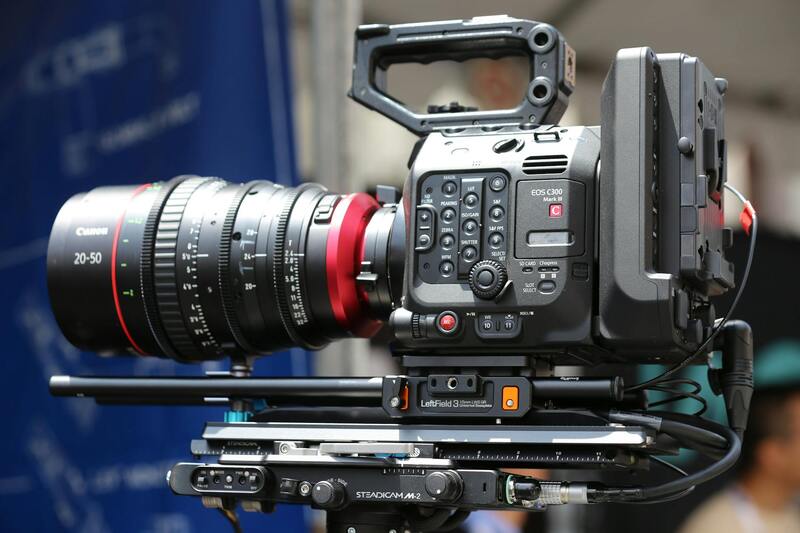
Post-processing is an essential phase in delivering polished, high-quality real estate images that can effectively attract potential buyers. Professional editing not only enhances visual appeal but also ensures that images accurately represent the property’s features. One of the cornerstone techniques in this process is High Dynamic Range (HDR) imaging, which combines multiple exposures to balance interior brightness with exterior views, capturing both shadowed details and bright highlights in a single image.
Color correction plays a vital role in maintaining consistency across all photos and showcasing the property in its best light. Adjustments to white balance and saturation ensure that the colors appear natural and appealing, avoiding overly processed or artificial tones that could mislead viewers. Fine-tuning brightness and contrast enhances the depth of images, making spaces look more inviting and spacious.
Additionally, perspective corrections are often necessary to straighten vertical lines, especially in images of rooms with tall ceilings or exterior facades. This correction avoids the distortion that can occur with wide-angle lenses and helps preserve the true proportions of architectural features. When well-executed, these adjustments result in images that are both eye-catching and true to life, offering potential buyers a realistic impression of the property.
Retouching also involves removing minor imperfections like distracting objects, blemishes, or shadows that distract from the main features of a space. This process subtly refines the image without altering its authenticity. Softening reflections or glare can also improve the clarity of windows and reflective surfaces, giving a clearer view of the interior environment.

Utilizing complementary post-processing software allows photographers to apply non-destructive edits, preserving the original files while experimenting with enhancements. Consistency in editing style across multiple listing images sustains a professional brand identity, fostering trust and credibility among clients and prospective buyers.
Overall, a meticulous approach to editing transforms basic photographs into impactful marketing tools. When combined with superior capturing techniques, post-processing ensures that properties are presented in the most compelling and truthful manner, ultimately aiding faster sales and higher valuation.
Advanced Techniques for Optimizing Real Estate Photography
Beyond capturing high-quality images with proper equipment, employing advanced shooting techniques significantly enhances the visual appeal and accuracy of real estate photographs. Techniques such as high Dynamic Range (HDR) imaging allow real estate photographers to capture a wider range of light, balancing interior shadows and exterior highlights to produce well-exposed images regardless of contrasting lighting conditions. This method is particularly effective for capturing exterior facades during different times of the day, ensuring that both bright sky and shaded areas retain detail without overexposure or underexposure.
Another key technique involves the use of tilt-shift lenses, which help correct perspective distortions common in architectural photography. This ensures walls remain straight and true to the actual structure, providing a realistic representation of the property. Proper application of this technique is essential for maintaining credibility and meeting the expectations of prospective buyers who rely on accurate depictions of the space.
Utilizing controlled lighting setups, including the strategic placement of artificial lights or reflectors, can also dramatically improve indoor images. By balancing natural light with supplemental lighting, photographers can highlight architectural features, make spaces appear more inviting, and eliminate undesirable shadows or dark corners. This level of control enhances the overall quality and attractiveness of the images.
Strategies for Achieving Consistent and High-Quality Results
Consistency in real estate photography is crucial for branding and client trust. Establishing a standardized shooting protocol—such as specific camera settings, angles, and staging guidelines—ensures that all images across different listings maintain a professional and uniform appearance. This not only aids in building a recognizable visual identity but also accelerates the workflow for photographers and clients.
To achieve this, professional photographers often develop comprehensive shot lists tailored to each property type. These lists specify key viewpoints, rooms, and exterior shots that capture the property’s unique selling points without redundancy. Incorporating time-of-day considerations to shoot during optimal lighting conditions ensures natural light complements the scene, adding vibrancy and realism.
Quality control measures, including meticulous reviews of images before delivery, help identify and correct issues such as misaligned horizons, color inconsistencies, or minor retouching needs. Investing in ongoing training and staying current with technological advancements ensures that photographers can consistently deliver superior results aligned with industry standards.
Legal and Ethical Considerations in Real Estate Photography
Maintaining high standards in real estate photography involves adhering to core principles that respect intellectual property rights, truthfulness, and transparency. Photographers must ensure that their images accurately depict the property without misleading potential buyers or renters. This entails capturing genuine representations of the space, including its condition and features, and avoiding the manipulation of images in ways that could distort reality or exaggerate the property's appeal.
When editing images, professionals should focus on enhancements that improve clarity, color accuracy, and lighting without altering the fundamental aspects of the property. This approach reinforces trust with clients and prospective buyers, as the images serve as honest representations of what the property offers. Additionally, photographers should secure necessary permissions for any proprietary or copyrighted elements present within the property, such as artwork, signage, or branded equipment, ensuring compliance with intellectual property regulations.
Transparency with clients about the editing process and the extent of enhancements provides clarity and aligns expectations. It is essential that all modifications are documented, especially when images are used in marketing campaigns or online listings, where authenticity is critical. This approach supports the ethical standards vital to professional real estate photography and maintains the integrity of the marketing materials.
Moreover, respecting privacy concerns is paramount. Photographers should obtain consent from homeowners before shooting, particularly in sensitive areas, and be aware of local regulations governing drone photography and aerial shots. Adherence to these practices helps protect all parties involved and fosters an environment of professionalism and trust.
Working with Real Estate Agents and Sellers
Collaboration between professional real estate photographers, agents, and property owners is critical to achieving optimal results. Establishing clear communication from the outset ensures that all parties’ expectations are aligned, and the specific features and selling points of the property are accurately highlighted. Photographers should conduct preliminary discussions to understand the client’s goals, target demographic, and preferred style, whether it’s modern, cozy, or luxurious. This tailored approach enables the photographer to craft images that resonate with prospective buyers and effectively showcase the property’s unique attributes.
One essential aspect of working effectively with clients involves scheduling shoots at optimal times. Lighting plays a crucial role in real estate photography, so planning sessions during times with ample natural light or when supplemental lighting can enhance the ambiance is vital. Coordinating appointments that consider the homeowner’s schedule and minimizing property disruptions contribute to smooth operations and high-quality results.
It’s also important for photographers to educate clients on the process and set realistic expectations. Discussing how images will be captured, the editing procedures, and the intended use of photographs helps establish transparency. This openness ensures clients understand the value of professional photography and appreciate how it can elevate their property’s market appeal. Moreover, informing clients about post-shoot processes, such as image selection, editing timelines, and delivery formats, helps maintain a professional relationship grounded in trust.
Enhancing client satisfaction involves respecting their privacy and property boundaries. Photographers should obtain necessary permissions before shooting, especially in sensitive areas or when including personal belongings. Discussing privacy considerations beforehand prevents misunderstandings and maintains professionalism throughout the project.
Furthermore, adhering to established ethical standards includes providing honest representations of the property and avoiding misleading enhancements. This integrity sustains the trust of clients and future buyers alike, reinforcing the reputation of the professional photography service. By fostering open communication, respecting privacy, and delivering high-quality imagery, photographers can build long-term relationships that benefit all parties involved.