
Importance of High-Quality Real Estate Photography
In today’s competitive real estate environment, the visual presentation of a property can significantly influence potential buyers’ interest and decision-making process. High-quality real estate photography serves as a powerful marketing tool that captures the essence of a property’s appeal, highlighting its best features with clarity and vibrant detail. Professionally captured images ensure that property listings stand out in online portals, brochures, and social media platforms, drawing more attention and increasing viewer engagement.
Exceptional visuals can showcase a property’s spatial layout, interior design elements, and unique architectural details, all of which contribute to forming a positive first impression. These images act as virtual tours that invite prospective buyers to envision themselves living in the space, thereby fostering emotional connection and encouraging swift engagement.
Moreover, in the era of digital property searches, the quality of photographs directly correlates with the perceived value of the property. Listings with professionally taken, high-resolution images tend to receive more clicks, longer viewing times, and ultimately, more inquiries from serious buyers. This visibility boost can lead to faster sales and potentially elevate the final sale price.
Investing in professional real estate photography also aligns with the broader marketing strategy of building credibility and trust with clients. It demonstrates a commitment to quality and a serious approach to marketing, which can differentiate a listing from competitors relying on amateur photos. Coupled with effective online advertising, compelling imagery enhances the overall reputation of the agent or agency.
For property owners and real estate professionals alike, understanding the profound impact of high-quality imagery underscores the necessity of incorporating professional photography into every listing. The visual storytelling created through expert photography plays a vital role in attracting the right buyers, accelerating sales processes, and elevating market presence.
Enhanced First Impressions
First impressions are crucial in real estate. Well-composed images demonstrate the property’s best attributes and create an inviting atmosphere that encourages prospective buyers to schedule viewings. This is especially vital in online listings, where photographs are often the initial point of contact.
Accurate Representation of Property Features
High-quality photos offer an honest, detailed representation of the property, giving potential buyers a clear understanding of its layout, size, and condition. Accurate visuals help set realistic expectations and reduce the likelihood of misunderstandings or post-sale dissatisfaction.
Market Differentiation
In a saturated market, professional imagery can distinguish a property from competition. Exceptional presentation through skilled photography communicates professionalism, attracts premium buyers, and positions the property for success in a competitive landscape.
Key Elements of Effective Real Estate Photos
Creating compelling real estate images requires attentiveness to several fundamental elements that contribute to the overall quality and effectiveness of the photographs. These elements ensure that the images accurately showcase the property's best features while appealing to prospective buyers.
- Composition: Proper framing and balanced arrangements emphasize the property's highlights. Employing techniques such as the rule of thirds directs viewers' attention to focal points like spacious living areas or architectural details.
- Lighting: Natural light is preferred to illuminate spaces evenly, reducing shadows and enhancing features. Shooting during the day when sunlight fills rooms creates bright, inviting images that resonate with viewers.
- Staging: Well-staged interiors—featuring tidy spaces, appealing decor, and strategic furniture placement—help potential buyers envision living in the property. Vacant homes, in particular, benefit from staging to showcase scale and functionality.
- Camera Settings: Utilizing professional-grade camera settings, including the appropriate aperture, ISO, and shutter speed, ensures sharp, vibrant images. Wide-angle lenses are commonly employed to capture more of the space in a single shot, making rooms appear more spacious.
Effective real estate photography combines these key elements with an understanding of what highlights the property's character. Once mastered, these techniques produce images that not only attract attention but also foster emotional connections with potential buyers, ultimately accelerating the sales process and increasing market value.
In addition, attention to detail extends beyond technical aspects. Cleanliness of the space, coherence in style, and strategic lighting choices all contribute considerably to the image's appeal. Employing professional photographers who specialize in real estate imagery ensures these elements are integrated seamlessly, resulting in high-impact visuals that stand out in a competitive market.
Choosing the Right Professional Photographer
Selecting a skilled photographer with extensive experience in real estate imagery is a crucial step toward achieving high-quality visual content. When evaluating potential photographers, review their portfolio to assess consistency, style, and the quality of their work in similar markets. Photographers specializing in real estate have a keen understanding of lighting, composition, and optimal angles that best showcase properties.
Equipment plays a fundamental role in capturing professional images. Ensure the photographer uses high-resolution cameras paired with professional-grade lenses, such as wide-angle optics, to maximize the space and detail captured in each shot. Additionally, tools like drone cameras can provide striking aerial views that highlight property boundaries, surrounding amenities, and landscape features, adding a distinct advantage to your marketing efforts.
Understanding the nuances of the Miami real estate market is equally important. An experienced photographer familiar with local trends and buyer preferences can tailor their approach to produce images that resonate with targeted audiences. They know how to accentuate custom architecture, waterfront views, and vibrant neighborhoods, making your property stand out against the competition.
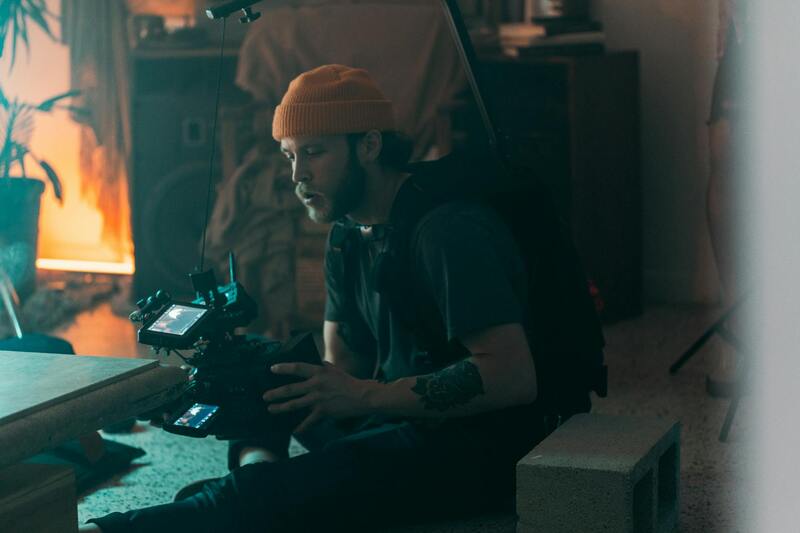
Professional photographers also typically have access to advanced editing software and lighting techniques that further enhance image quality. Their insight into post-shoot processing ensures that images are vibrant, well-balanced, and free from distractions, contributing to a polished final product that captures the true essence of the property.
Impact of Post-Processing and Editing
Post-processing and editing are essential steps in transforming raw images into captivating visual assets that truly reflect a property's appeal. Skilled editors utilize professional software to fine-tune various aspects of the photographs, ensuring clarity, brightness, and color accuracy match the property's real-life ambiance. Enhancements such as adjusting exposure levels, sharpening details, and balancing white tones contribute to images that are both vibrant and realistic, capturing the interest of prospective buyers. Additionally, subtle retouching can eliminate minor imperfections, such as distracting reflections, shadows, or clutter, which might detract from the property's visual harmony. However, it's crucial that editing remains authentic; overly manipulated images can mislead viewers and compromise trust. Ultimately, well-executed post-processing reinforces the quality conveyed by professional real estate pictures, helping your listing stand out in a competitive market.
Legal and Ethical Considerations
Maintaining high standards of integrity is vital in real estate photography. Accurate representation of the property preserves trust and upholds the reputation of the listing. Professional photographers commit to capturing images that depict the property honestly, avoiding misleading enhancements or omissions that might give a false impression. Using authentic images also involves respecting privacy and securing the necessary permissions for photography. This includes obtaining consent from tenants or homeowners when required and ensuring that images do not infringe upon personal privacy. Proper licensing and attribution for any copyrighted material used in editing further reinforce ethical practices. Adhering to these standards not only aligns with professional ethics but also fosters transparency, which resonates positively with discerning buyers and stakeholders. Clear, truthful visuals serve as a foundation for smooth transactions and sustained credibility in the Miami real estate market.

Impact of Post-Processing and Editing
Post-processing and editing are essential components of professional real estate photography, significantly contributing to the overall presentation of property images. Skilled editing involves a careful balance—enhancing visual appeal without distorting the actual features of the property. Techniques such as color correction ensure that the images accurately reflect lighting conditions and interior hues, creating a welcoming and authentic atmosphere.
Retouching may be applied to remove minor imperfections, such as blemishes or distracting elements, which can detract from the property's appeal. This process should be done subtly to preserve authenticity and avoid misleading viewers. Virtual staging is another advanced editing technique that allows potential buyers to visualize the space with furniture and décor, helping them imagine living in the property without physically altering the space.
While these editing methods enhance the visual presentation, maintaining the integrity of the images is paramount. Over-editing, such as exaggerating room sizes or manipulating features beyond realistic levels, can compromise trust and mislead viewers. Therefore, a professional approach involves meticulous attention to detail, ensuring that all enhancements serve to highlight the property's best qualities while adhering to the principles of honest representation.
Advantages of Thoughtful Editing
- Creates an inviting and visually cohesive presentation that captivates potential buyers.
- Highlights key features of the property, drawing attention to unique architectural details or design elements.
- Ensures consistent lighting and color tones across multiple images for a unified listing presentation.
- Boosts overall listing attractiveness, leading to increased engagement and faster sales.
In the dynamic Miami real estate market, high-quality images refined through professional post-processing serve as compelling visual tools. When executed correctly, these enhancements support marketing efforts by making listings stand out, attracting sophisticated buyers who appreciate attention to detail and authenticity.
Impact of Post-Processing and Editing
In the realm of professional real estate photography, post-processing and editing play crucial roles in delivering striking visuals that resonate with prospective buyers. After capturing high-quality images, skilled editing can enhance lighting, correct color imbalances, and remove minor distractions, thereby highlighting the property's most appealing features. However, the aim is to strike a balance between enhancement and authenticity. Over-editing can lead to images that misrepresent the actual space, potentially creating unrealistic expectations and eroding trust with viewers.
Professional editing involves meticulous attention to detail—adjusting brightness, contrast, and sharpness to create a cohesive look across all property images. These adjustments ensure that each photograph accurately reflects the property's true appearance while emphasizing architectural details, interior design elements, and spatial features. This calibrated approach helps in portraying the property at its best without exaggerating its attributes or fabricating features.
Well-executed post-processing also considers the overall aesthetic of the listing. Consistency in lighting and color tones across multiple images provides a unified presentation that is visually appealing. This cohesiveness encourages viewers to explore the entire set of photographs, increasing engagement and the likelihood of a faster sale. Furthermore, professional editing can correct for limitations of the shoot environment, such as low-light conditions or uneven lighting, ensuring quality visuals regardless of initial shooting circumstances.

When editing is approached with integrity, it enhances the authenticity of the visual story without misleading viewers. Prospective buyers rely heavily on images to assess a property's potential and suitability. Therefore, maintaining an honest representation through thoughtful editing fosters trust and helps set realistic expectations. This transparency ultimately strengthens the reputation of the listing and the agent or agency behind it, creating a foundation for positive engagement and successful transactions.
Legal and Ethical Considerations in Real Estate Photography
Maintaining integrity in real estate photography is essential for building trust with potential buyers and safeguarding the reputation of real estate professionals. Authentic representation of properties helps ensure that prospective buyers are well-informed and have realistic expectations about what they are considering purchasing.
One fundamental aspect is accurate portrayal, which involves highlighting the genuine features of a property without manipulation that could mislead viewers. This means capturing images under appropriate lighting conditions, using correct angles to showcase space, and avoiding the use of filters or editing techniques that alter the true appearance of key features.
Transparency in the representation process also extends to disclosures related to property conditions. For example, if certain areas of the property require repairs or renovations, these should be accurately depicted in the images, or at least clearly noted in accompanying descriptions. Failing to do so can lead to misunderstandings and potential disputes that damage credibility.
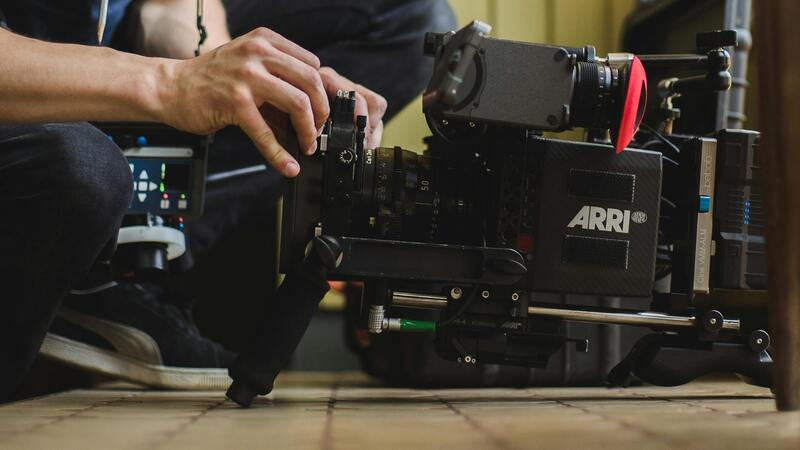
Respecting privacy rights is another crucial aspect. Photographers must obtain proper permissions before photographing private areas or neighboring properties to avoid legal complications. Additionally, respecting the privacy of current occupants by scheduling shoots appropriately and securing necessary consent helps maintain ethical standards.
By adhering to these principles, real estate professionals and photographers foster a culture of honesty that benefits all parties involved. Authentic images not only attract genuinely interested buyers but also reduce the likelihood of dissatisfaction or contractual issues arising from misrepresentations. Ultimately, emphasizing integrity in real estate photography enhances client trust, improves sales experiences, and sustains long-term professional relationships.
Legal and Ethical Considerations in Real Estate Photography
When leveraging professional real estate pictures, adhering to established practices ensures the integrity of property listings and maintains positive relationships with clients and viewers. Respect for property rights and privacy is paramount in producing authentic images that accurately reflect the property being marketed.
Photographers must secure explicit permission before capturing images of private estates, interior spaces, or neighboring properties. This involves obtaining written consent from property owners or occupants, which clarifies the scope of the shoot and safeguards against potential misunderstandings. Respecting occupancy rights also entails scheduling photography sessions at appropriate times to minimize disruption and privacy concerns.
Moreover, honest representation hinges on transparency regarding property conditions. Professionals should avoid manipulating images in a way that masks structural issues or significant defects. If certain areas require repairs or renovations, these should be documented clearly, either through supplementary descriptions or by including images that reveal the true state of the property. Misrepresentation can lead to dissatisfaction and damage the reputation of real estate agencies and photographers alike.
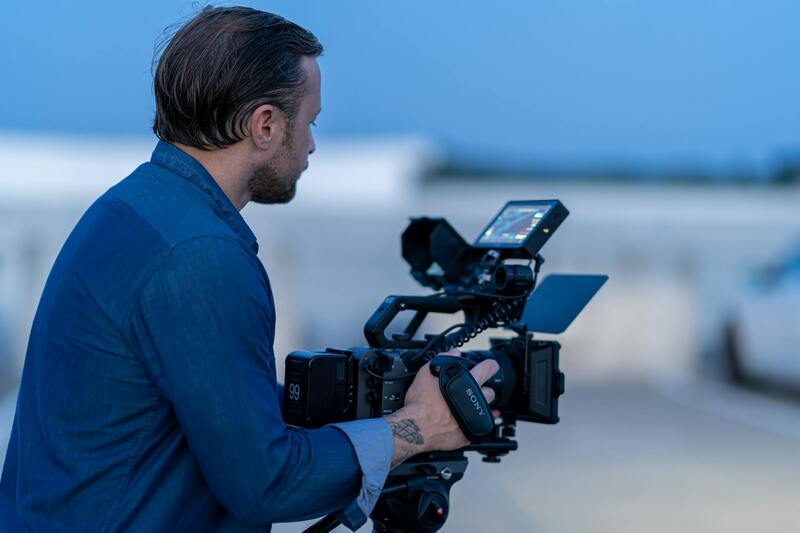
All photography must comply with applicable local regulations and industry standards, which often specify how images should be captured, stored, and shared. Photographers and agents are responsible for ensuring that images do not infringe on privacy rights or mislead viewers about the property's features or condition.
Utilizing professional images ethically enhances credibility and helps build a reputation grounded in integrity. This approach not only reduces the risk of disputes or misunderstandings but also creates a solid foundation of trust with prospective buyers. When potential clients view authentic and well-produced images, they feel more confident in their decision-making process, ultimately leading to a smoother transaction experience.

In Miami's vibrant real estate market, where competition is fierce, maintaining high standards in photography practices can significantly influence a property's visibility and appeal. Agents and photographers who adhere to ethical standards demonstrate professionalism and commitment to honest representation, which is crucial for sustaining good industry practices and client satisfaction.