
Understanding the Importance of Property Photography
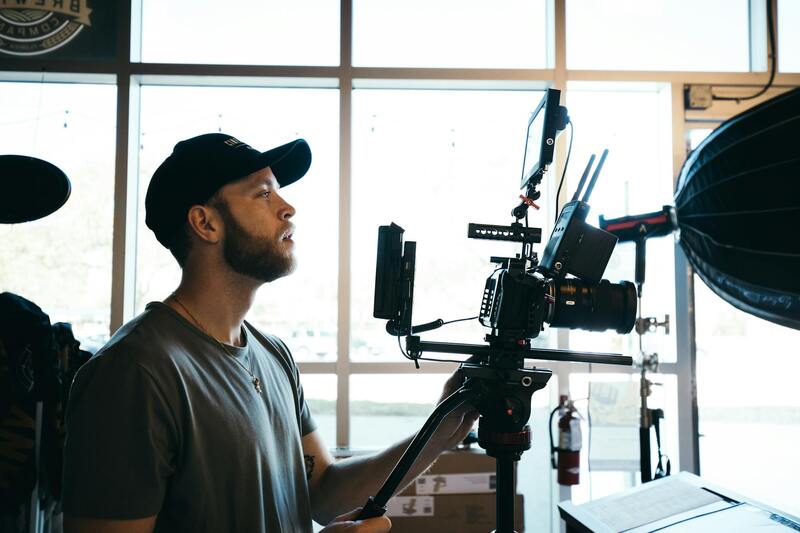
High-quality property photography plays a crucial role in real estate marketing, serving as the first visual impression prospective buyers or tenants encounter. In a competitive market like Miami, where property visuals often make or break an online listing, professional photography enhances the perceived value of a property, attracting more potential clients and accelerating the sales or leasing process. Well-composed images highlight the property's best features, showcase its spatial layout, and evoke emotional responses that encourage viewers to schedule viewings. When property photography is executed with precision and skill, it can significantly boost listing visibility across digital platforms, leading to increased inquiries and faster transactions.
Effective property photos do more than simply capture a room—they tell a compelling story of the space, emphasizing unique architectural details, natural light, and the property's ambiance. For real estate agents, property owners, and investors, investing in professional photography offers a strategic advantage by creating engaging listings that stand out amidst numerous competitors. Moreover, high-caliber imagery supports branding efforts, ensuring that a property's visual presentation aligns with premium market expectations. With the growing reliance on online property portals and social media platforms, visually appealing images are indispensable tools for modern real estate marketing in Miami.
 igure>
How Quality Property Photography Influences Buyer Engagement
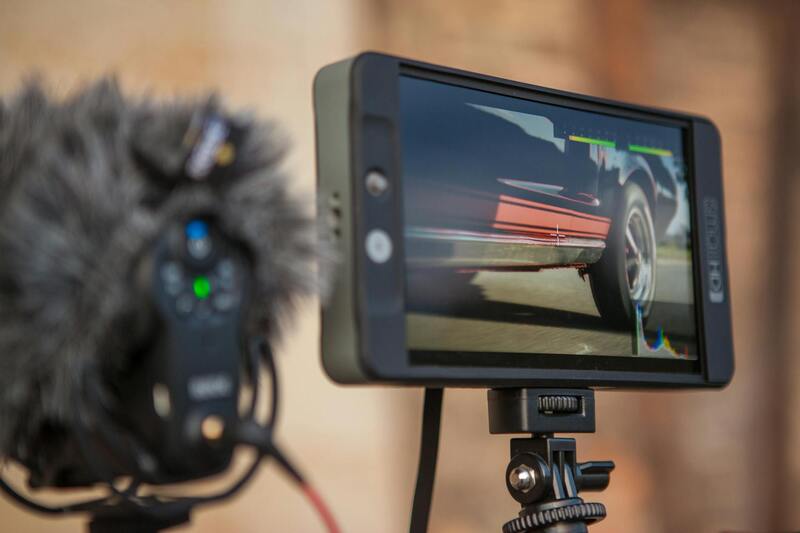
Compelling images draw more engagement, leading to higher click-through rates on listings and increased foot traffic during viewings. When potential buyers see clear, bright, and well-composed photographs, they can better visualize living in the space, fostering a quicker emotional connection to the property. This visual clarity also helps to minimize misunderstandings about the property's true features, reducing the likelihood of wasted viewings for properties that do not meet expectations. In essence, professional property photography acts as a powerful marketing tool that communicates the property's value proposition efficiently and convincingly.
Impact on Market Perception and Property Value
Exceptional photographs can elevate the perceived value of a property, making it appear more desirable and well-maintained. This perception plays a significant role in attracting serious buyers who are willing to invest time and resources into a premium property. Additionally, consistently professional imagery across listings contributes to a positive brand image for real estate professionals and agencies, reinforcing their reputation for quality service. As a result, properties featured with appealing and accurate photography often fetch higher offers and experience quicker sales cycles.
Essential Equipment and Camera Settings
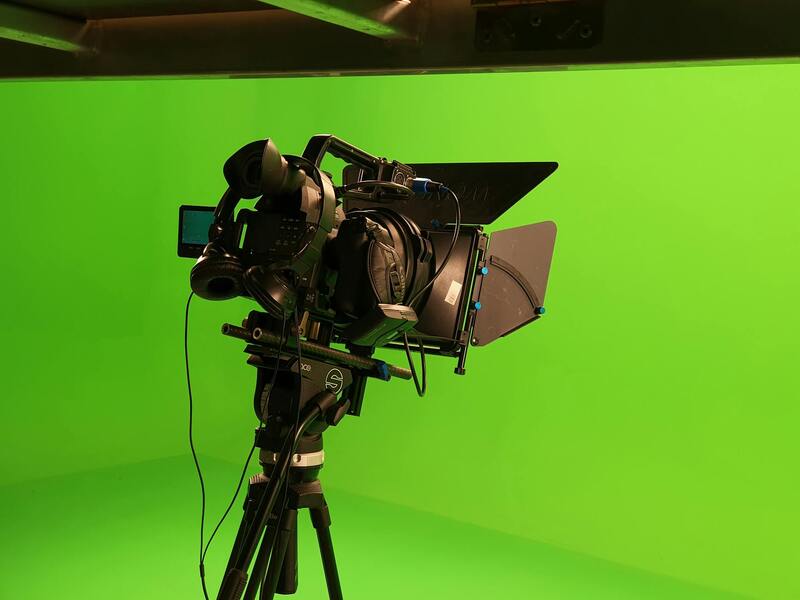
Achieving professional-quality property photographs begins with selecting the right equipment. High-resolution digital cameras, such as full-frame DSLR or mirrorless models, are preferred for their superior image quality and versatility. These cameras provide the ability to capture fine details and manage various lighting conditions encountered within different property interior spaces. Lenses play a crucial role, with wide-angle lenses (typically between 14mm and 24mm) being essential to encompass more of the room within a single frame — thereby conveying spaciousness effectively.
A tripod is another vital piece of equipment, ensuring stability during shot-taking to prevent blurring and enabling precise framing, especially in low-light settings or when using longer exposure times. Additionally, external flash units or portable lighting kits can help balance interior lighting, eliminating shadows and highlighting room features.
In terms of camera settings, utilizing the correct configurations enhances image clarity and color accuracy. A key consideration is setting a small aperture (such as f/8 to f/11) to maximize depth of field, keeping the foreground and background sharply focused. Maintaining a low ISO (100-200) minimizes noise, resulting in cleaner images. Shutter speed will vary depending on lighting but should generally be adjusted to properly expose each shot without overexposure or underexposure. Shooting in RAW format is highly recommended, as it preserves image data, allowing for detailed post-processing adjustments without losing quality.
Preparing a Property for Photography
Proper preparation of a property is fundamental to achieving optimal photographic results. It begins with a thorough decluttering process — removing personal items, excess furniture, and any distracting objects to create a clean, inviting environment. Freshly painted walls, well-maintained flooring, and neatly arranged furniture contribute to an overall sense of order and care, which resonates positively in photographs.
Ensuring all lights are functional and replacing burnt-out bulbs is vital, as consistent lighting helps produce bright and welcoming images. If natural light is abundant, opening curtains or blinds allows for soft, even illumination that can reduce reliance on artificial lighting. Conversely, in darker spaces, supplemental lighting should be employed thoughtfully to highlight key features without creating harsh shadows.
Staging the property involves strategically placing furniture to emphasize the space’s dimensions and potential. Small decorative touches — like tasteful artwork, fresh flowers, or coordinated linens — can add vibrancy without cluttering the scene. Additionally, paying attention to exterior elements such as landscaping, driveway cleanliness, and front porch appearance ensures the outdoor environment complements the indoor photographs.
Techniques for Capturing Wide-Angle and Interior Shots
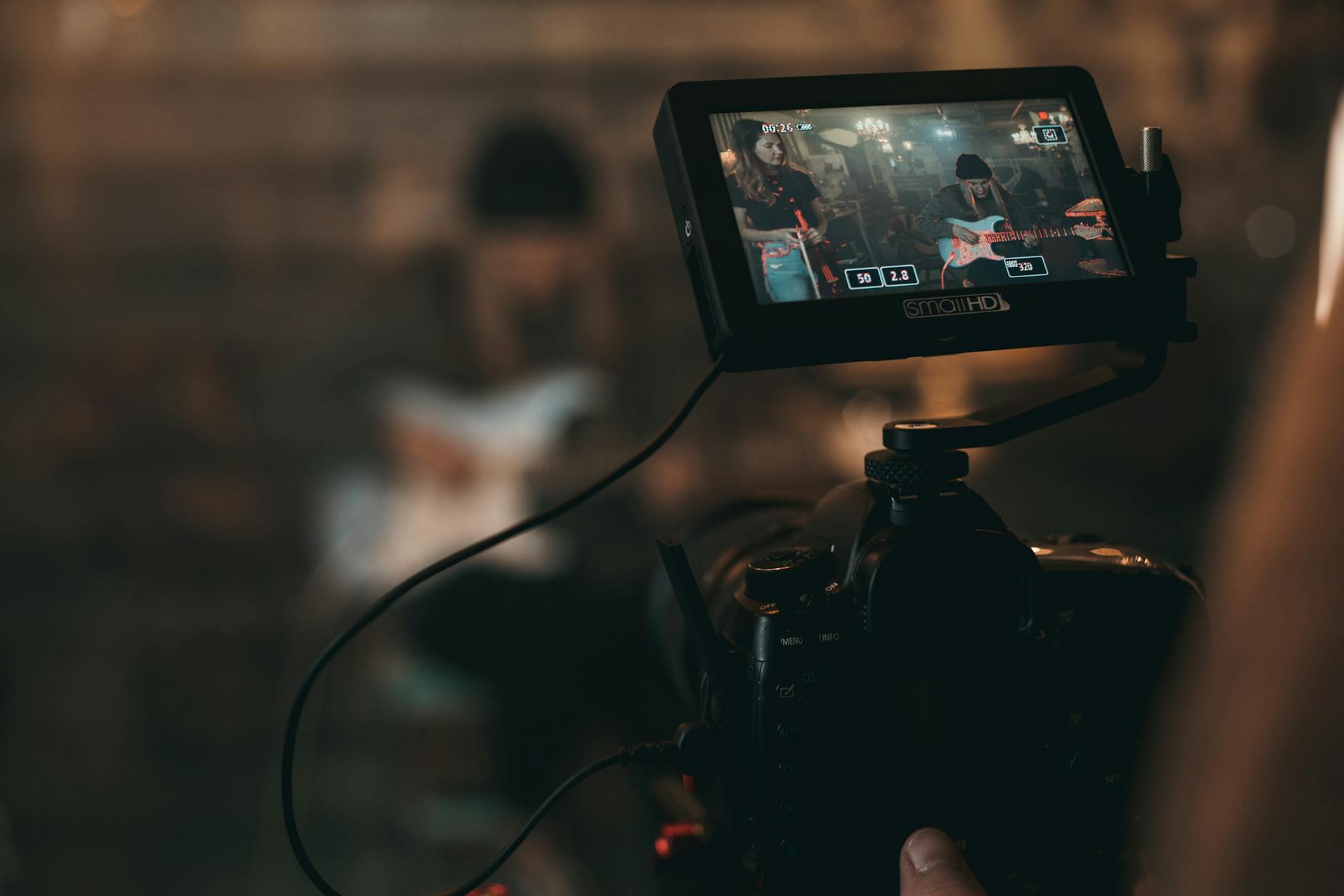
Achieving compelling property photographs requires strategic camera techniques that emphasize the space and create an inviting visual narrative. Wide-angle lenses are fundamental for capturing expansive rooms, allowing viewers to appreciate the full volume of living areas without distortion. These lenses typically have a focal length between 10mm and 24mm, which helps to encompass more of the interior within a single shot, offering a comprehensive view of the property's layout.
When photographing interiors, positioning the camera at a height of approximately 3 to 4 feet from the floor ensures natural eye-level perspective, making spaces appear more relatable and welcoming. Placing the camera perpendicular to the walls and avoiding obstructions enables clear, unobstructed views that showcase the room's dimensions.
Using a tripod stabilizes the camera, reducing motion blur and allowing for longer exposures in lower light conditions. Additionally, employing techniques such as bracketing exposures can help capture the full dynamic range of the scene, ranging from bright windows to darker interior corners. This approach provides a seamless foundation for high dynamic range (HDR) processing, enhancing overall exposure balance.
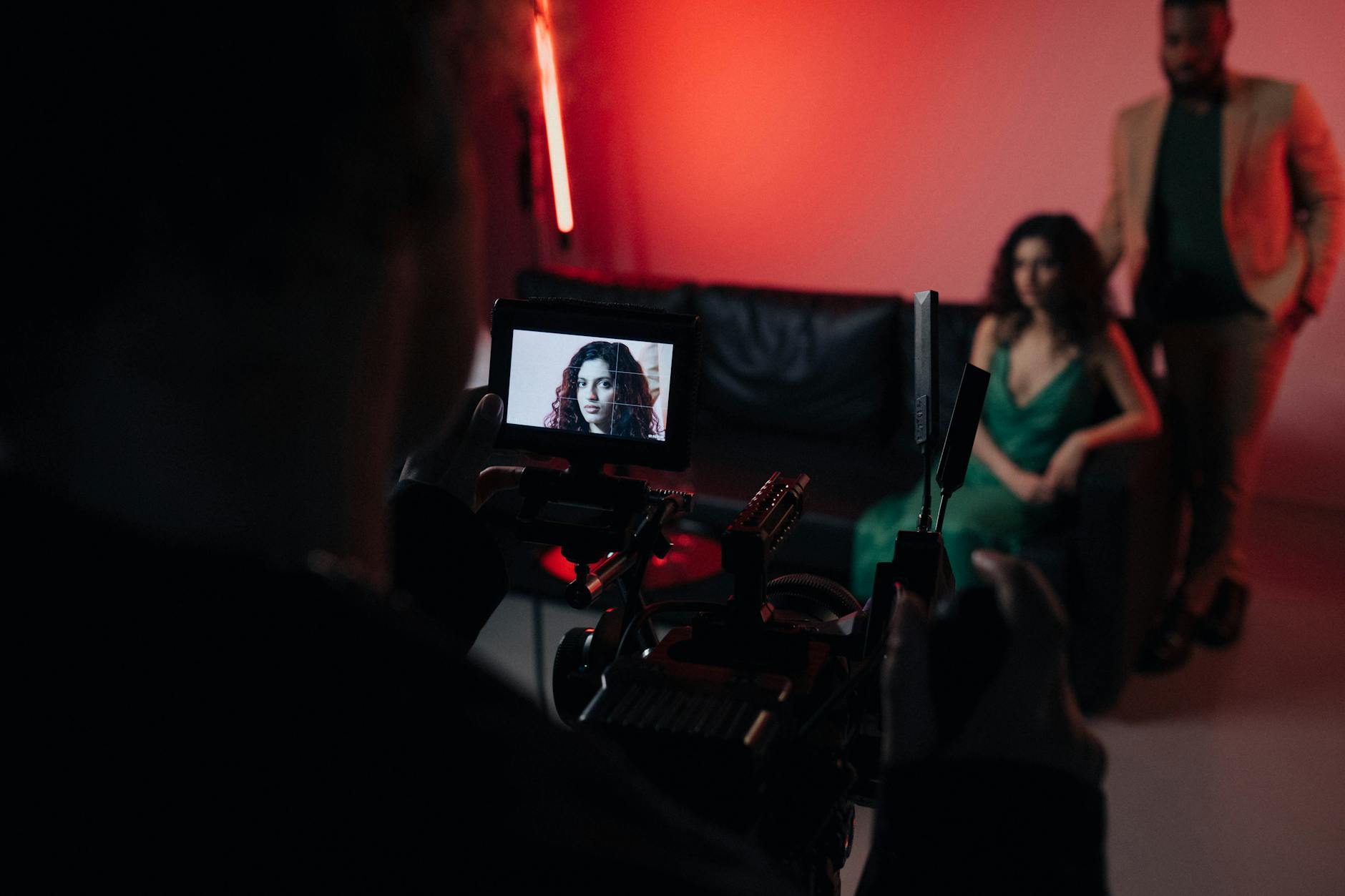
In tight spaces or smaller rooms, maximizing the field of view while minimizing distortion is essential. This can be achieved by carefully choosing the appropriate wide-angle lens and adjusting the camera's position to avoid fisheye effects that warp proportions. The goal is to produce images that accurately represent the interior’s scale without exaggeration.
Attention to the foreground and background elements within the shot ensures the composition remains balanced. Including a well-staged piece of furniture or decorative element can add depth and interest, guiding the viewer’s eye through the photograph.
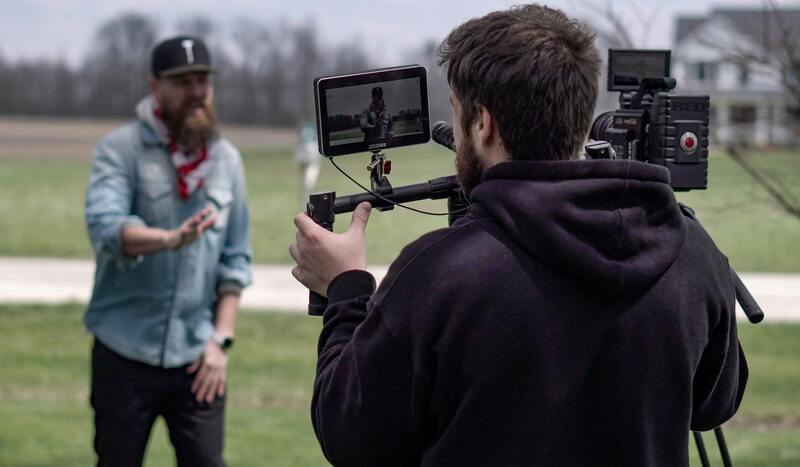
Mastering these techniques enhances the visual appeal of property listings, helping prospective buyers to envision themselves within the space. Properly executed interior and wide-angle shots emphasize key features and spatial relationships, ultimately influencing the viewer’s perception of the property's value.
Techniques for Capturing Wide-Angle and Interior Shots
Mastering the art of wide-angle photography is fundamental in showcasing architectural spaces comprehensively. When photographing large rooms or properties with expansive layouts, a wide-angle lens allows for capturing a broader perspective, making spaces appear more generous and inviting. However, an effective approach involves more than just selecting the right lens; it requires thoughtful execution to avoid common distortions.
Begin with proper camera positioning to maximize the true spatial proportions. Placing the camera at a height roughly eye-level ensures natural perspective, avoiding exaggerated vertical or horizontal distortions. Use a tripod to stabilize the camera, especially when employing slower shutter speeds for optimal light capture. In tight interiors, slight adjustments in perspective—such as angling the camera slightly upward or downward—can help correct distortions caused by the lens and produce more accurate representations.
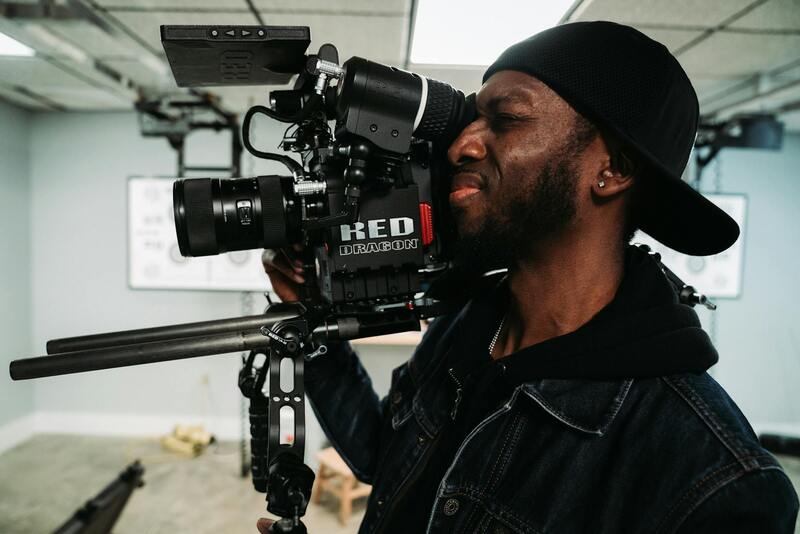
In terms of lens choice, a focal length between 14mm to 24mm is ideal for most interior spaces. This range provides a wide field of view while minimizing fisheye effects that can warp spatial relationships. When borderline distortions are unavoidable, post-processing techniques, such as perspective correction, can help straighten lines and preserve the true shape of the interior.
When shooting multiple images within a single space, consider capturing overlapping shots to facilitate seamless stitching during editing. This panoramic approach can showcase entire rooms with high detail and clarity. For each shot, ensure the camera remains level and aligned with the room’s main axes to maintain consistency across images.
Interior shots benefit from strategic lighting and staging. Ensure windows are not overexposed by adjusting exposure settings or employing HDR techniques. Including well-placed furniture or decor adds depth and guides viewers’ eye through the scene, emphasizing the property's best features. Additionally, paying attention to foreground and background elements, such as doorways or decorative features, enhances the overall composition.
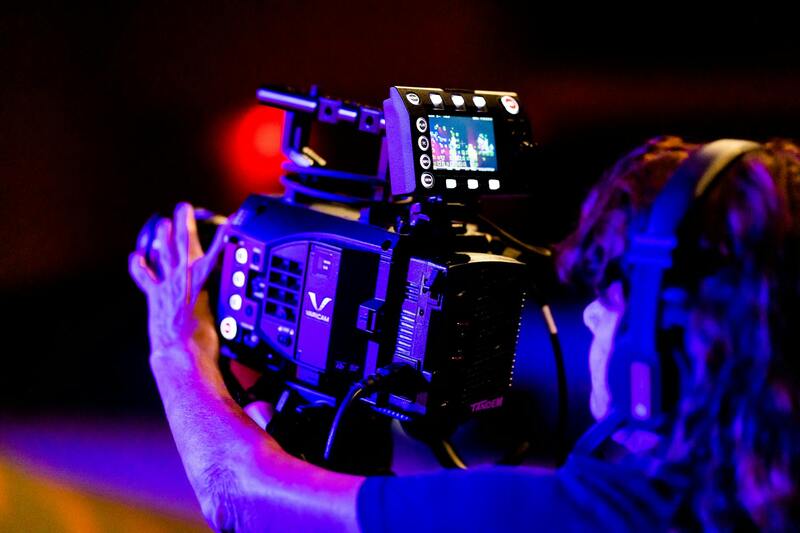
Ultimately, capturing interior and wide-angle shots with precision significantly impacts the perceived size, quality, and appeal of a property. When executed properly, these images serve as powerful tools to attract potential buyers and generate interest in the listing, demonstrating the importance of technical skill and attention to detail in property photography.
Leveraging Image Quality and Authenticity for Effective Property Marketing
High-quality property photography plays a pivotal role in attracting potential buyers and renters by offering an inviting glimpse into the property's true nature. To achieve this, professional-grade equipment, meticulous preparation, and advanced techniques are essential. When sourcing images, authenticity remains paramount, ensuring that prospective clients receive a truthful representation of the property, thus fostering trust and confidence in the listing.
One of the primary strategies to uphold image authenticity involves the use of calibrated cameras and lenses specifically designed for real estate photography. These tools allow photographers to capture images with the correct color balance, sharpness, and detail, which are crucial for accurately showcasing a property’s features. Additionally, employing manual camera settings rather than auto modes grants greater control over exposure, contrast, and depth of field, reducing the risk of misleading distortions.
In the post-processing stage, image editing software serves as a vital resource for refining photographs while maintaining their integrity. Adjustments such as correcting exposure discrepancies, enhancing color vibrancy, and straightening lines help create a polished appearance without altering the true structure of the space. Techniques like perspective correction are particularly important for interior shots, where maintaining straight vertical walls and aligned horizontal lines reinforces the property's realistic proportions.
Furthermore, the inclusion of high-resolution images enables viewers to scrutinize finer details, fostering an authentic experience that encourages engagement. Overly manipulated or exaggerated images may generate initial interest but can ultimately lead to dissatisfaction or mistrust once prospective clients visit the actual property. Therefore, an emphasis on truthful, crisp visuals not only boosts online appeal but also cultivates a positive reputation for the listing and the agent.
Ultimately, the goal is to create a visual narrative that accurately reflects the property’s condition and character. This requires a combination of technical skill, honest editing, and an in-depth understanding of what features highlight the space’s best qualities. When executed with precision and integrity, property photography becomes an invaluable tool for effective marketing, ensuring that visuals align with the property's real-world appeal, thus attracting the right audience and facilitating smooth transactions.
Techniques for Capturing Wide-Angle and Interior Shots
Achieving compelling wide-angle and interior shots requires more than just a capable camera; it demands a strategic approach to composition, lens selection, and camera positioning. Wide-angle lenses, typically ranging from 10mm to 24mm, enable photographers to capture expansive spaces within limited room dimensions, making rooms appear larger and more inviting. Proper use of these lenses involves maintaining straight lines and avoiding distortion that can misrepresent the space. Employing a tilting lens correction or software post-processing ensures that vertical lines remain upright, preserving the authenticity of the scene.
When photographing interiors, consider the placement of the camera to optimize perspective corrections, emphasizing the property's best features without exaggerating proportions. Shooting from a corner often maximizes the sense of depth and space, providing viewers with a more comprehensive visualization of the room. Using a tripod ensures stability, which is crucial for maintaining consistent framing and exposure. Stylizing the shot in a way that avoids clutter and emphasizes key features, such as architectural details or natural light sources, helps craft a compelling visual narrative.
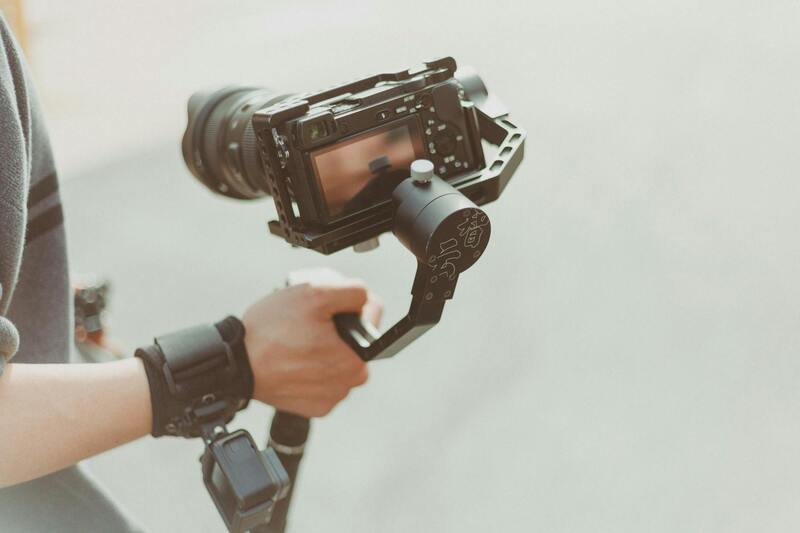
In addition to lens choice and camera placement, adjusting aperture settings can dramatically influence image clarity and depth of field. A narrower aperture (higher f-stop number) ensures sharpness across the entire scene, capturing fine details from foreground to background. For interior shots, attention to alignment and symmetry is vital; ensuring that horizontal and vertical elements are level will lead to professional-looking images that stand out in online listings.
Mastering these techniques means not only capturing the space accurately but also highlighting its potential. Properly executed wide-angle and interior photography communicate the size, flow, and character of the property, attracting serious buyers or tenants. Consistent practice with different spaces and lighting conditions gradually refines these skills, resulting in a portfolio that reflects reliability and expertise.
Understanding the Challenges and Strategies in Property Photography
Capturing compelling property images requires more than just technical expertise; it involves overcoming various challenges to accurately showcase the property's features. One common obstacle is managing the differences in lighting, especially when natural light is limited or uneven. Photographers must utilize supplementary lighting sources or reflectors to create an evenly illuminated space that highlights architectural details without casting distracting shadows. Additionally, controlling glare and reflections, particularly in kitchens or bathrooms with shiny surfaces, demands careful positioning and often the use of polarizing filters.
Another challenge involves maintaining consistent image quality across a series of photographs. Achieving uniform exposure, color balance, and perspective helps create a cohesive presentation that appeals to viewers. Shooting in RAW format provides greater flexibility during post-processing, allowing adjustments without loss of quality. Proper use of manual camera settings, such as ISO, shutter speed, and aperture, ensures images are sharp, well-exposed, and rich in detail. Employing a tripod is essential for minimizing camera shake, especially in low-light conditions or when capturing multiple shots to later stitch into panoramic views.
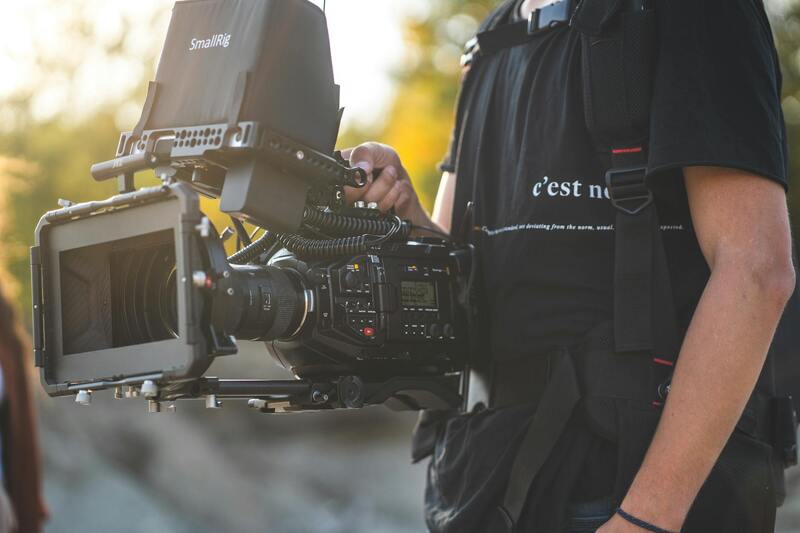
Perspective plays a crucial role in rendering a realistic sense of space. By choosing the right vantage point—often from a corner of the room—photographers can accentuate room dimensions and demonstrate the flow between different areas of the property. Using a level and a tripod ensures straight lines and balanced compositions, which contribute to a more professional appearance. Advanced techniques, such as HDR (High Dynamic Range) imaging, combine multiple exposures to capture both shadowed and brightly lit areas, resulting in well-balanced photos even in challenging lighting situations.
Managing Color Accuracy and White Balance
Accurately representing the property's color palette helps set proper expectations and enhances the appeal of the listing. Adjusting white balance settings on the camera before shooting—whether through presets or custom calibration—ensures that whites and neutral tones appear natural. During post-processing, fine-tuning color saturation and contrast can further enhance the visual impact, making the property more inviting without misleading viewers. A consistent color scheme across all images maintains harmony and professionalism in the visual presentation.
Final Tips for Professionals
- Check all equipment beforehand to prevent technical issues during the shoot.
- Plan your shots to capture the property's best features and optimal angles.
- Pay attention to minor details—such as ensuring surfaces are free of dust and clutter—to ensure clarity and focus on the property’s strengths.
- Utilize multiple shots with different focal lengths to provide comprehensive views and perspectives.
- Always review images on a larger screen to identify and correct any issues before finalizing the gallery.
Advanced Techniques for Capturing High-Quality Property Images
To truly showcase a property’s best features and attract potential buyers or tenants, employing advanced photography techniques is essential. These methods elevate the visual appeal and provide a comprehensive representation of the space that simple snapshots cannot achieve. Implementing these practices requires an understanding of equipment, environment, and post-shoot processing, ensuring each photograph communicates the property’s value effectively.
Utilizing High Dynamic Range (HDR) Imaging
HDR imaging involves capturing multiple exposures of the same scene—typically underexposed, correctly exposed, and overexposed—and merging them into a single image. This technique is particularly beneficial when dealing with complex lighting conditions, such as large windows with bright outdoor views and darker interior corners. The result is a balanced image that preserves details in shadows and highlights, giving viewers a true sense of the space’s depth and lighting nuances.
Implementing Bracketing for Enhanced Detail
Similarly, bracketing involves taking several shots at different exposure levels in rapid succession. This method allows for fine-tuning the blending process during post-production, ensuring a seamless transition between light and dark areas. Properly executed, it helps deliver images that accurately reflect the property's ambiance and lighting conditions, making rooms appear inviting and spacious.
Strategic Use of Focus Stacking
Focus stacking involves capturing multiple images at different focal distances and merging them. This technique ensures sharpness across the entire scene—foreground, midground, and background—resulting in clearer interior shots where details are crisp from front to back. Focus stacking is particularly useful in tight spaces, where depth of field limitations can compromise image clarity.
Employing Vertical and Horizontal Composition Techniques
Strong compositional choices resonate with viewers and highlight a property's best features. Maintaining vertical lines with the camera’s sensor aligned parallel to walls avoids distortion, while horizontal compositions help guide viewers’ eyes across key areas of the property. Symmetry and leading lines can be intentionally used to create balance and draw attention to focal points, such as fireplaces, kitchen islands, or panoramic windows.
Creative Use of Drone Photography
Adding aerial shots through drone photography provides a comprehensive view of the property’s exterior and surrounding landscape. Such images help potential clients understand the property’s context within its environment, showcasing yards, gardens, proximity to amenities, and neighborhood characteristics. Drones should be operated with precision to ensure safe, steady footage that complements ground-level images seamlessly.
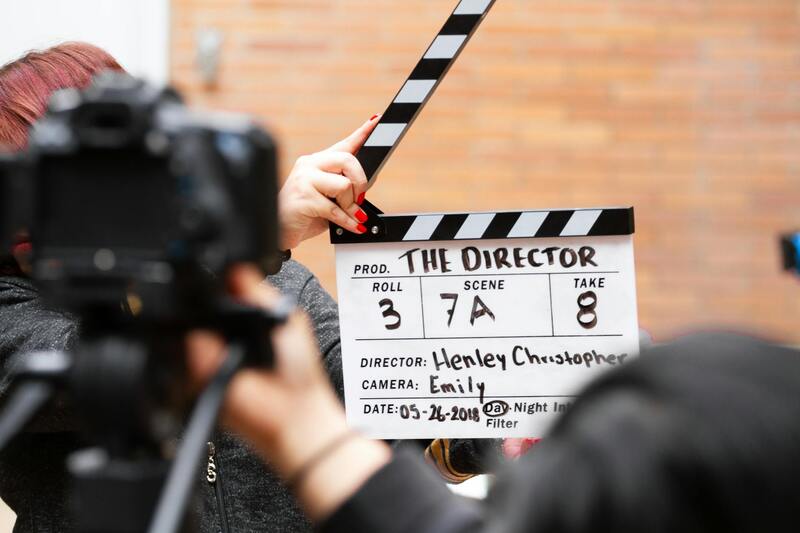
Ensuring Consistent Image Quality Through Studio Lighting
While natural light is paramount, supplementing with artificial lighting ensures consistent exposure and color balance. Portable flash units and continuous LED lights can fill in shadows and enhance interior brightness. Using diffusers and reflectors softens harsh light and minimizes glare, creating even illumination that accurately depicts the space. Thoughtful lighting setup transforms dim or cluttered areas into visually appealing and professional-looking images.
Balancing Natural and Artificial Light Sources
Integrating day and artificial lighting during shoots helps achieve natural-looking images in various conditions. For exterior shots, shooting during blue hour—shortly after sunrise or before sunset—provides a warm, inviting glow that enhances curb appeal. Inside, balancing window light with supplementary lighting reduces high contrast and shadow issues, resulting in images that are both vibrant and true to life.
Final Point: Continuous Improvement and Equipment Calibration
For sustained success in property photography, ongoing calibration of camera equipment and recurring training in the latest techniques are vital. Regularly updating skills enables photographers to adapt to changing technology and market expectations, ensuring each property’s visual presentation remains compelling and professional. High-quality images require an investment in the right tools and continuous refinement of photography skills, thereby consistently elevating the standard of property marketing efforts.