
Understanding the Importance of High-Quality Property Photos
In Miami’s vibrant and competitive real estate market, the visual presentation of a property can significantly influence its appeal and marketability. High-quality property photos serve as the first impression for potential buyers browsing online listings, making them a crucial element in the sales process. With the majority of property searches beginning on digital platforms, compelling images can enhance visibility, attract targeted traffic, and ultimately accelerate sales cycles.
Professionally captured photos highlight a property's best features, emphasizing its spaciousness, design details, and unique elements that set it apart from comparable listings. Clear, well-composed images foster trust and credibility, reassuring prospective buyers of the property's quality and condition. Moreover, high-resolution images with accurate color representation and optimal lighting can evoke emotional responses, fostering a deeper connection and interest in the property.
Investing in professional property photography provides a competitive edge within Miami’s real estate landscape. It aligns with the expectations of discerning buyers who value transparency and quality, ensuring that listings stand out amidst a sea of options. Well-executed photographs not only draw more viewers but also increase the chances of inquiries, showings, and successful transactions. As digital marketing continues to evolve, the role of high-caliber imagery becomes increasingly vital to leverage online platforms effectively and reach a wider, more engaged audience.
In summary, high-quality property photos are a strategic asset in marketing real estate in Miami. They serve as visual storytelling tools that showcase the property's best attributes, evoke emotional connections, and generate tangible results in terms of exposure and saleability.
Choosing the Right Photographer and Equipment
Securing the services of a professional photographer with specialized expertise in real estate imagery is essential for capturing compelling property photos. Experienced photographers understand how to optimize various camera settings, lenses, and accessories to highlight the unique aspects of a property. They often employ wide-angle lenses to encompass more of a room within a single frame, creating a sense of spaciousness that appeals to potential buyers. Furthermore, high-end digital cameras with superior sensor technology allow for sharper images with richer color reproduction, which is critical for showcasing the property's true aesthetic.
Investing in a photographer equipped with advanced lighting gear, such as portable strobes or diffusers, enhances image clarity and eliminates shadows or uneven lighting. Drone photography can also be incorporated to provide aerial views that capture the property's exterior and surrounding neighborhood, offering prospective buyers a comprehensive perspective. Professional photographers typically utilize high-quality tripods to achieve stable, blur-free images, especially in low-light conditions, ensuring consistency and precision across all shots.

Best Time of Day and Lighting Techniques
Timing photography sessions to coincide with optimal lighting conditions significantly impacts the final output of property photos. The ideal window tends to be during the late morning or early afternoon when natural light floods indoor spaces without creating harsh shadows. Overcast days can be advantageous as diffuse sunlight softens shadows, producing more even illumination that enhances detail and color accuracy. Shooting during this period minimizes the need for extensive artificial lighting and reduces post-production adjustments.
Utilizing natural light effectively involves opening curtains and blinds to allow sunlight to fill the room. Additionally, photography professionals often employ reflectors to bounce light into darker corners, balancing the overall exposure. Artificial lighting is carefully managed to complement natural sources, avoiding overexposure or color temperature mismatches that can distort the property's appearance. Properly lit images not only look more appealing but also accurately convey the true ambiance of each space.
Choosing the Right Photographer and Equipment
Selecting a professional photographer with extensive experience in property shoots ensures that the visual presentations of your property are compelling and accurately reflect its best features. When evaluating potential photographers, consider their portfolio to assess their style, expertise, and versatility in capturing various property types. A skilled photographer understands how to utilize specific camera settings, lenses, and lighting equipment to highlight interior and exterior spaces effectively.
In addition to experience, the equipment used by the photographer plays a crucial role in the quality of images produced. High-resolution DSLR or mirrorless cameras with wide-angle lenses are standard in property photography, as they allow capturing expansive interior shots without distortion. Tripods are essential for stability, especially in low-light conditions or when taking long exposure shots, which improve image clarity and sharpness. Drone cameras are increasingly employed for exterior shots, providing aerial perspectives that showcase the property's size and surroundings comprehensively.
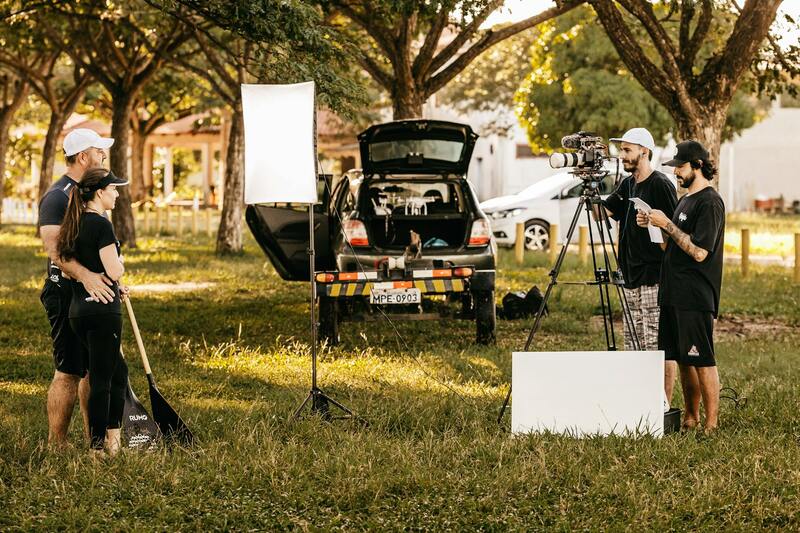
Investing in the right equipment enables the photographer to produce images that are not only visually impressive but also detailed enough to serve as effective marketing tools. The combination of professional-grade cameras, lenses, stabilizers, and lighting setups ensures that every shot captures the property's appeal with precision and clarity, ultimately making a significant difference in how potential buyers perceive the listing.
Best Time of Day and Lighting Techniques
The timing of a property photoshoot significantly influences the quality of the images. During the late morning or early afternoon, natural light is abundant and evenly distributed, reducing harsh shadows and enhancing interior brightness. Overcast days can be particularly beneficial, as diffused sunlight minimizes glare and harsh contrasts, producing more consistent and inviting images.
Effective lighting techniques involve opening curtains and blinds to maximize natural illumination and using reflectors to bounce light into darker corners. Artificial lighting, such as softboxes or LED panels, is strategically employed to fill shadows without overpowering natural light, maintaining color accuracy and ambiance. Properly illuminated interiors help convey a welcoming and spacious environment, which is more appealing to prospective buyers.
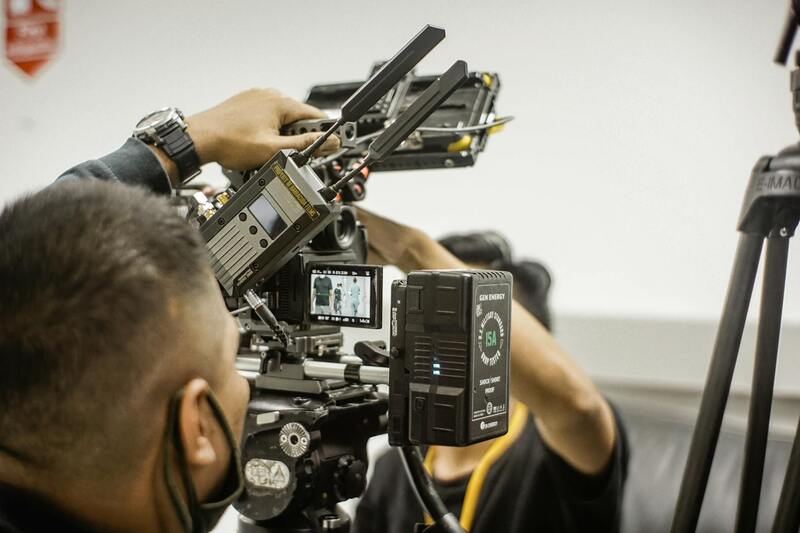
Achieving a balance between natural and artificial light results in images that accurately reflect the property's true atmosphere. Timing the photoshoot during periods of ideal lighting and utilizing proper techniques are essential to produce professional-level property photographs that stand out in the competitive real estate market.
Choosing the Right Photographer and Equipment
Securing a capable photographer with the appropriate gear is fundamental to capturing compelling property images that resonate with viewers. When selecting a photographer, consider their professional portfolio, specifically their experience with real estate shots. A seasoned real estate photographer understands how to highlight a property's best features, utilize lighting effectively, and compose images that create a sense of space and appeal.
Equipment quality directly impacts the clarity, sharpness, and overall aesthetic of the photographs. High-resolution digital cameras equipped with wide-angle lenses are standard in real estate photography, allowing for expansive shots that encompass entire rooms and architectural details without distortion. Additionally, professional photographers often employ tripods to ensure stability and consistency across images, and utilize multiple lenses to capture different perspectives, from sweeping exterior shots to detailed interior angles.
Proper lighting gear also plays a crucial role. While natural light is ideal, supplementary illumination such as portable flashes, softboxes, or LED panels can create uniform brightness, eliminate shadows, and enhance colors. This equipment helps achieve balanced lighting that accurately depicts interior spaces and exteriors, making the property appear more inviting.
Collaborating with a photographer who uses state-of-the-art gear and techniques ensures the property is presented at its best, ultimately attracting more potential buyers and increasing engagement with the listing. Investing in professional photography services provides a strategic advantage in a highly competitive real estate market.
Executing a Successful Property Photoshoot: Essential Techniques and Strategies
Once the preliminary preparations are complete, the focused execution of the property photoshoot becomes critical in capturing compelling images that elevate the property's appeal. To achieve this, professional photographers employ a combination of technical skill, artistic sensitivity, and an understanding of the property's unique features. This involves meticulous planning of shot sequences, optimal camera settings, and strategic staging to ensure each photograph highlights the most attractive elements of the property.
Effective composition begins with framing. Photographers often use the rule of thirds to create visually balanced images, ensuring that key architectural features, furniture, or design elements are accentuated. They pay close attention to angles, seeking perspectives that enhance spatial perception and emphasize the property's size and layout. Wide-angle lenses are standard, allowing viewers to grasp the full scope of rooms and interiors without distortion, while also capturing expansive exterior views.
Lighting remains a cornerstone of high-quality property photography. Natural light is preferred, especially during the golden hours — shortly after sunrise or before sunset — when sunlight provides soft, warm tones that flatter both interior and exterior spaces. However, when natural light is insufficient, supplemental lighting tools like softboxes or LED panels are employed to create a evenly balanced illumination, eliminating harsh shadows and bringing out true colors and textures. Photographers must also consider interior lighting fixtures; adjusting or dimming them can help control the overall ambiance and prevent color mismatches or unwanted shadows.
Posture and perspective are equally vital. Photographers often position the camera at eye level for interior shots, ensuring a natural and inviting viewpoint. For exterior shots, a slightly elevated angle can showcase the property's landscaping and architectural details, providing a comprehensive view. Multiple shots from various angles—such as corners of rooms, views from windows, or garden perspectives—offer potential buyers a well-rounded understanding of the property’s layout and features.
During the session, attention should be paid to decluttering and staging. Removing personal items, minimizing clutter, and arranging furniture in a way that facilitates movement can significantly improve the visual flow of the images. Small adjustments, like opening curtains to let in more natural light or adjusting blinds to control sunlight, can make a noticeable difference in the final photographs.
Once the shoot is complete, the images undergo a detailed editing process. This includes color correction, straightening lines to restore geometric accuracy, and enhancing brightness or contrast to make features pop. Minimal retouching ensures the photos remain authentic, accurately representing the property while maximizing visual appeal. Professional editing maintains a consistent style, which helps in creating a uniform presentation across all marketing materials.
A well-executed property photoshoot combines technical prowess with artistic sensibility, resulting in images that not only attract interest but also foster an emotional connection with potential buyers. The meticulous approach to composition, lighting, staging, and post-processing ensures each photograph effectively communicates the property's strengths and potential, significantly enhancing marketing efforts and elevating the property's marketability in the competitive real estate landscape.
Using Professional Property Photos in Marketing Strategies
In today’s competitive real estate market, high-quality property images serve as a crucial element in attracting potential buyers and accelerating sales. Once professional photos have been captured, leveraging them across various marketing channels can substantially increase visibility and generate interest. Proper utilization of these images not only enhances the property’s online presence but also builds trust and credibility with prospective clients.
Online Listings and Real Estate Platforms
The most direct approach to marketing property photos is through online property listings on established platforms and real estate websites. High-resolution images placed strategically within a listing provide viewers with a compelling visual narrative, showcasing the property’s unique features and layout. These photos should be grouped logically, starting with exterior shots that establish curb appeal, followed by interior images that highlight key rooms such as the living area, kitchen, bedrooms, and bathrooms.
For optimal impact, images should be formatted to load quickly while maintaining clarity. It’s advisable to choose images that portray the property in its best light, both literally and figuratively. Multiple angles of each room, wide shots, and close-ups of special features—such as built-in appliances, custom finishes, or scenic views—allow potential buyers to get a comprehensive understanding of the property from their devices.
Social Media and Digital Campaigns
In addition to traditional listings, displaying property photos on social media platforms can significantly expand reach. Platforms like Instagram, Facebook, and Pinterest excel at sharing eye-catching visuals that can be targeted to specific demographics. Consistent branding with a mix of curated professional images, stories, and reels can foster greater engagement and generate buzz around the property.
Running targeted advertising campaigns using these images enables more precise outreach, drawing attention from ideal prospects. Incorporating virtual tours or 3D walkthroughs alongside high-quality photos further enhances the online presentation, allowing viewers to immerse themselves in the property remotely.
Printed Marketing Materials
Despite the digital dominance of real estate marketing, printed materials remain valuable for certain audiences. High-resolution photos can be incorporated into brochures, flyers, and signage to create visually appealing collateral that can be distributed during open houses or community events. Professionally shot images ensure that the property is presented consistently and attractively across all physical marketing channels.
Enhanced Virtual Tours and 3D Renderings
Integrating professional property photos into virtual tours or augmented reality applications offers an immersive experience for potential buyers. These methods allow prospects to explore the property remotely with a realistic sense of space and flow, often leading to increased engagement and quicker decision-making processes. High-quality images form the foundation of these advanced marketing tools, emphasizing the property's appeal and fostering an emotional connection.
Maintaining Consistency and Quality
Across all marketing platforms, consistency in image quality and style reinforces the property’s branding and creates a cohesive presentation. Ensuring that photos are curated, edited uniformly, and displayed with optimal resolution maintains professionalism and trust. Metadata, captions, and descriptive tags should also be carefully curated to improve discoverability and accurately describe the property's features.
Tips for Quick and Effective Property Photoshoots
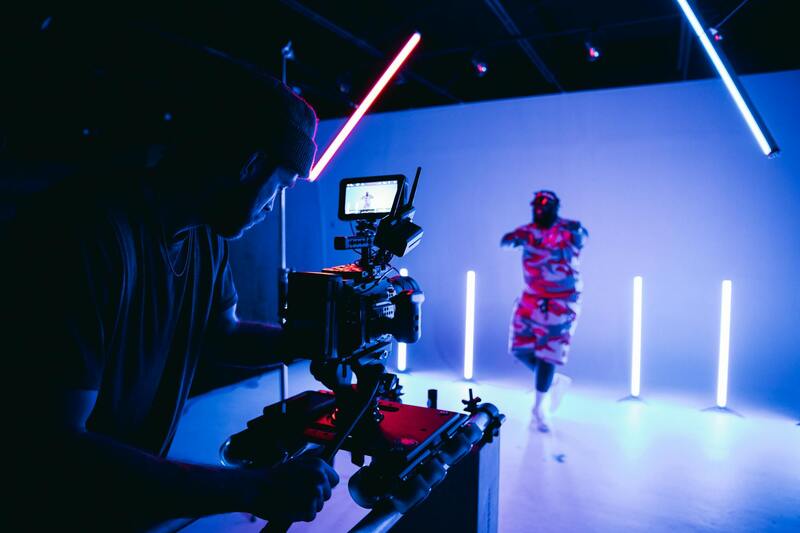
Optimizing the efficiency of a property photoshoot while maintaining a high standard of image quality is essential for streamlined marketing efforts. Proper planning, preparation, and execution not only save time but also ensure that each shot accurately conveys the property's best features.
1. Develop a Detailed Shoot Plan
Before the day of the photoshoot, create a comprehensive outline that includes:
- List of rooms and exterior areas to photograph
- Scenes and angles that best highlight the space
- A visual shot list aligned with marketing goals
- Sequence of shots to optimize natural lighting and movement flow
This plan prevents unnecessary delays and helps the team stay focused during the shoot, ensuring all essential features are captured efficiently.
2. Prepare the Property in Advance
Scheduling a prep day prior to the shoot can significantly improve the quality and pace of the session. Tasks include:
- Decluttering living spaces, countertops, and exterior areas
- Staging rooms to highlight their potential
- Ensuring all lights are functional and replace bulbs if needed
- Cleaning windows, floors, and surfaces for spotless backgrounds
Presentation matters, and a well-prepared property reduces the need for extensive post-shoot edits.
3. Coordinate Efficiently with the Photography Team
Clear communication with the photographer and crew can prevent delays. Share the shoot plan, preferred shots, and specific considerations such as prominence of certain features or angles. Arriving promptly and adhering to scheduled timelines ensures maximum use of natural light and optimal conditions for each scene.
4. Use the Right Equipment and Settings
High-quality property photos require appropriate gear and settings:
- Wide-angle lenses to capture more of the space in a single frame
- Tripods for stability and consistent framing
- Proper camera settings, including low ISO, aperture adjustments for depth of field, and appropriate shutter speeds
- Additional equipment like drone cameras for aerial shots of the property exterior
Investing in suitable tools ensures quick setup and superior image results, streamlining the entire process.
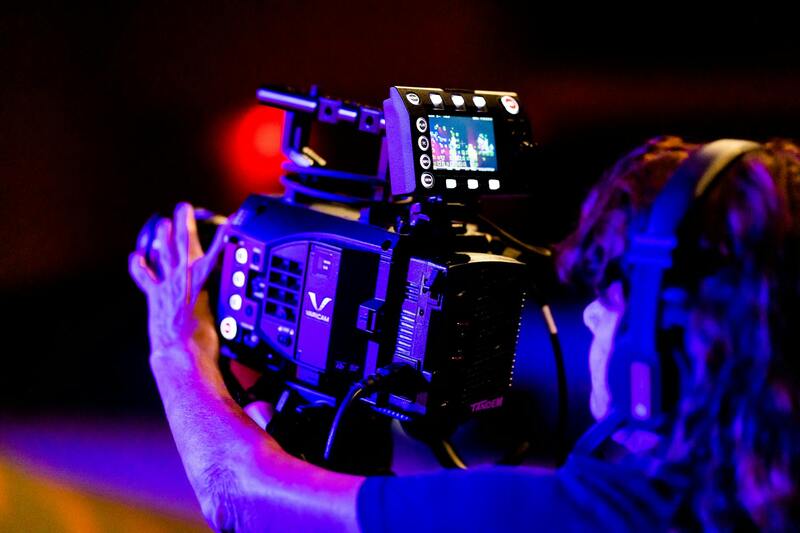
5. Focus on Lighting and Composition
Natural lighting is preferred whenever possible. Shooting during optimal times of day—such as late morning or early afternoon—provides soft, diffused light that reduces shadows and highlights interior features. If needed, supplement with portable lighting to fill shadows and highlight specific areas. Composition should adhere to the rule of thirds, emphasizing focal points and maintaining visual balance across each shot.
6. Conduct a Quick Review During the Shoot
Frequent reviews of captured images help identify if additional takes are necessary while on-site. Checking for the clarity, exposure, and framing of each photo allows immediate adjustments, reducing time spent in post-production. This proactive approach guarantees the final selection exemplifies the property at its best without requiring extensive editing later.
7. Efficient Post-Shoot Workflow
After the session, organize and back up images promptly. Implementing a systematic labeling process ensures quick retrieval and editing. Utilizing professional photo editing software to correct color balance, straighten horizons, and enhance details can refine images without excessive adjustments, saving time and ensuring consistency across the gallery.
By embracing these strategies, a property photoshoot can be both swift and effective, consistently delivering high-quality visuals that elevate marketing efforts and attract prospective buyers.
Utilizing Property Photos for Marketing
High-quality property photos serve as a cornerstone in showcasing a property's best features across various marketing platforms. Whether used on websites, social media, or print brochures, compelling visuals attract prospective buyers and renters by providing an authentic and enticing representation of the space.
Integrating professional images into advertising campaigns enhances the property's perceived value and encourages more engagement. Well-crafted photographs can significantly reduce the time a property spends on the market by capturing the attention of qualified clients early in the browsing process. When using photos in digital and print marketing, consistency in style and quality promotes a strong, recognizable brand for your listings, fostering trust and credibility with your audience.
Optimizing the Use of Property Photos
To maximize impact, photos should be tailored to the platform and audience. For online listings, images must be optimized for fast loading without compromising clarity. Use high-resolution images that highlight key features, such as spacious living areas, modern kitchens, and inviting outdoor spaces. Incorporate a mix of wide-angle shots to provide context and detail shots to focus on unique architectural elements or finishes.
- Create a Virtual Tour: Use a sequence of high-quality images to produce virtual walk-through experiences. This allows potential buyers to virtually explore the property's layout and flow, increasing engagement and interest.
- Highlight Unique Selling Points: Focus on elements that distinguish the property, such as scenic views, recent renovations, or smart home features. These specifics can be focal points that resonate with target audiences.
- Incorporate Lifestyle Imagery: Sometimes, staged photos that depict a lifestyle rather than just the space itself can evoke emotional connections, inspiring viewers to envision themselves living there.
Best Practices for Digital and Print Campaigns
Ensuring the professional quality of property photos translates to better results across different media. For digital platforms, utilize images that are optimized for various screen sizes and resolutions, maintaining sharpness and clarity. Pay attention to regional preferences and market trends when selecting images to appeal to local buyers.
In print, high-resolution photos should be printed on quality paper that enhances color accuracy and detail. Consider creating customized marketing materials such as postcards and flyers that incorporate striking images, providing tangible reminders of the property outside the digital realm.
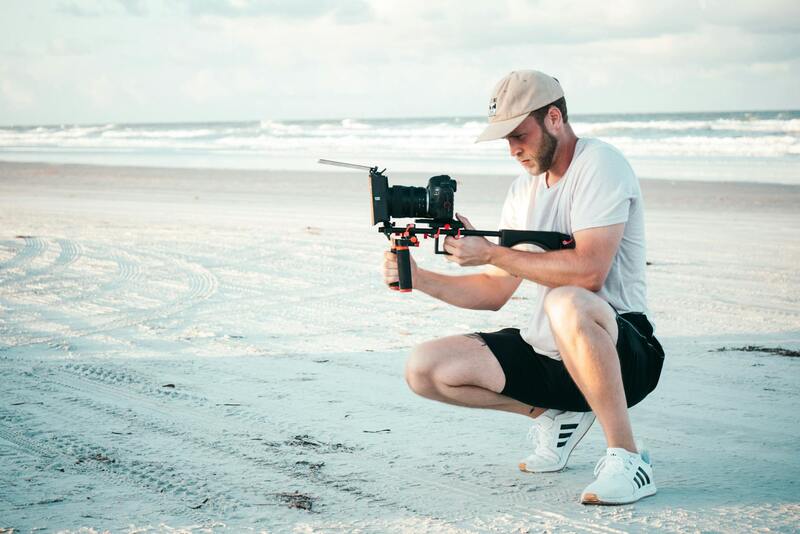
Embedding high-quality photos not only streamlines the marketing process but also elevates the overall perception of the property, leading to faster sales cycles and increased buyer interest. Properly utilized images become a powerful tool in turning online browsers into actual clients, ultimately driving successful transactions and satisfied stakeholders.