
Importance of High-Quality Property Photos
In the competitive Miami real estate market, the significance of captivating property pictures cannot be overstated. High-quality images serve as the first impression potential buyers and renters form about a property, often determining whether they proceed further in their viewing process. Well-crafted photos have the power to highlight the property's unique features, convey its ambiance, and generate emotional interest that text descriptions alone cannot achieve.
Effective property pictures expedite the decision-making process for prospective clients by providing a clear, realistic view of spaces. They help set accurate expectations, minimize unnecessary visits, and streamline the sales or leasing journey. Moreover, visually appealing photographs enhance online property listings, improving visibility across real estate platforms and social media channels. Ultimately, investing in professional-grade images leads to faster sales, higher offers, and a broader reach in a highly dynamic market.
The importance of high-caliber property pictures is particularly evident in Miami's vibrant real estate landscape, where properties often stand out through their visual presentation. Buyers accustomed to sophisticated marketing materials increasingly rely on images to assess properties remotely. As a result, well-produced property pictures are not just an aesthetic choice—they are a fundamental component of effective marketing strategies that can significantly influence the success of real estate transactions.

Preparing a Property for Photography
Preparation is a critical step in capturing high-quality property pictures that effectively showcase a home's best features. It begins with thorough decluttering and deep cleaning to remove any distracting elements or stains that could detract from the overall appeal. Organizing furniture and accessories to enhance the space's natural flow helps create a welcoming atmosphere. Additionally, ensuring all lights are functioning properly and replacing any burnt-out bulbs enhances the brightness in photos. It’s advisable to open curtains and blinds well before the shoot to maximize natural light, which plays a pivotal role in rendering vibrant and inviting images. In outdoor spaces, trimming landscaping, cleaning windows, and removing personal items help present a polished exterior that aligns with the interior’s visual standards. Properly preparing the property not only minimizes post-process adjustments but also allows for consistent, professional-looking images that capture the property's true potential.
Choosing the Right Equipment and Techniques
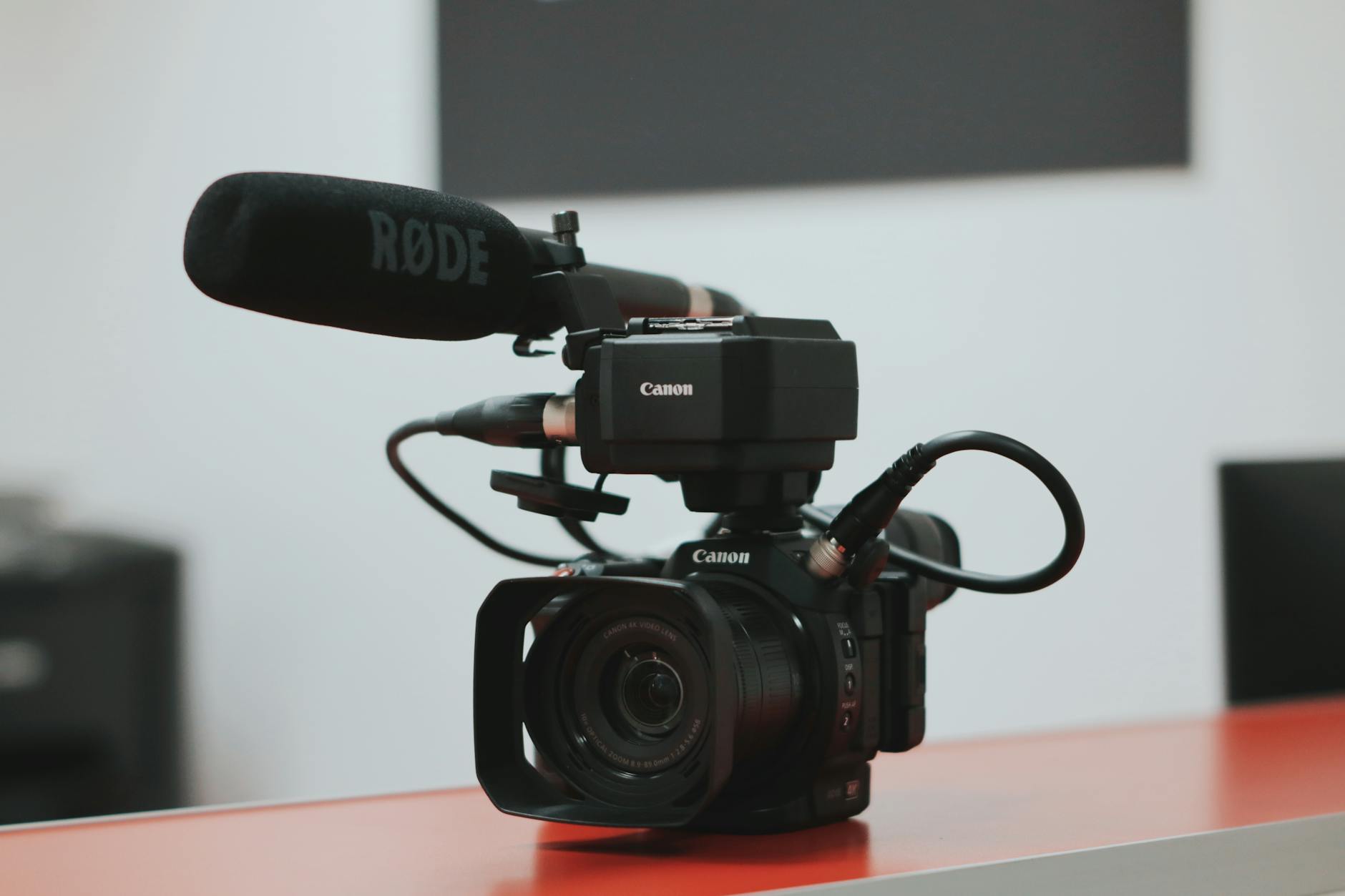
Utilizing the appropriate equipment is fundamental to producing standout property images. A high-resolution DSLR or mirrorless camera with a wide-angle lens, typically between 14mm and 24mm, ensures capturing expansive views while maintaining clarity. A sturdy tripod stabilizes the camera, especially in lower light conditions, allowing for sharp images with proper framing. Wide-angle lenses are particularly effective in showcasing interior spaces, giving viewers a comprehensive sense of room size and layout. For outdoor shots, a drone can be utilized to capture expansive property boundaries and appealing aerial perspectives. Additionally, using panoramic stitching software can help compile multiple images into one seamless wide shot, providing a broader view of property exteriors. Employing techniques such as HDR (High Dynamic Range) photography balances bright exterior light with shadowed interior areas, resulting in well-exposed images regardless of lighting disparities.
Best Practices for Shooting Property Pictures
Effective photography involves strategic planning and execution. It’s essential to shoot during the day when abundant natural light enhances the property's features. Utilizing a wide-angle lens enables capturing full room views without distortion, ensuring viewers get an accurate sense of space. Shooting from multiple angles allows for comprehensive portrayal of each room, highlighting architectural details and flow. Verticality should be maintained by keeping the camera level to avoid skewed images, which can distort perceptions of space. Incorporating key features such as fireplaces, views, or outdoor amenities can add interest. When staging rooms, remove clutter, add tasteful décor, and arrange furniture to emphasize function and style. During the shoot, maintain consistency in lighting and perspective across all images to provide a cohesive viewing experience. The goal is to create a portfolio of images that tell a compelling story about the property’s unique attributes.

Post-Processing and Editing of Property Photos
After capturing the images, post-processing plays a crucial role in polishing photographs for maximum impact. Basic editing includes adjusting brightness, contrast, and color saturation to ensure natural yet vibrant visuals. Correcting distortions, straightening lines, and cropping images help achieve precise framing. Advanced techniques such as removing minor distractions, enhancing lighting effects, and balancing exposure levels contribute to a professional finish. It’s important to avoid over-editing, which can create unrealistic representations and undermine trust. Consistency across all images must be maintained, ensuring uniform color temperature and style. Effective editing enhances the property's visual narrative, making the images more compelling for prospective buyers or tenants. High-quality, well-edited photos can significantly improve a listing's attractivity across digital platforms.

Storing and Displaying Property Pictures Online
Organized storage and proper presentation of property images are vital for effective marketing. Digital asset management involves categorizing photos by room or exterior sections, clearly labeling each file for easy retrieval. Using cloud-based storage solutions ensures high-resolution images are preserved without loss of quality and are readily accessible for updates or sharing. When displaying images online, optimize file sizes to balance quick loading times with sharp quality. Embedding images in listings with consistent formatting, such as uniform aspect ratios and borders, enhances aesthetic appeal. Testimonials from real estate professionals highlight that embedding high-quality images within user-friendly platforms improves engagement rates and attracts more inquiries. Ensuring images are tailored for various devices, including mobile phones and tablets, guarantees broad accessibility and a seamless viewing experience for potential buyers or renters.

The Role of Professional Property Photography in Miami Real Estate
In Miami’s competitive real estate environment, professional property photography serves as a key differentiator. High-caliber images crafted by seasoned photographers capture the vibrant lifestyle and luxurious details that appeal to discerning clients. This level of visual presentation is especially important in a market characterized by haste and high expectations, where prospective buyers often make initial judgments solely based on online visuals. Successful listings leverage professional photography to highlight property uniqueness, from ocean views and tropical landscapes to premium interior finishes. The value of investing in professional images extends beyond aesthetics; it enhances credibility and sets a standard that resonates with the upscale market Miami is known for. Real estate professionals understand that compelling property pictures not only attract more interest but also facilitate faster transactions and more competitive offers, ensuring their listings stand out amidst the bustling Miami scene.
Choosing the Right Equipment and Techniques
Investing in high-quality photography equipment is essential to capture sharp, vibrant images that accurately represent the property's features. Professional-grade DSLR or mirrorless cameras with wide-angle lenses are standard tools, allowing photographers to encompass more space within each frame while maintaining clarity and detail. High Dynamic Range (HDR) photography techniques are often employed to balance exposure between bright and dark areas, especially in rooms with large windows or complex lighting conditions. Tripods are crucial for stabilization, ensuring crisp images without motion blur, particularly in low-light settings. Lighting plays a pivotal role in property photography. Utilizing natural light during daytime shoots can highlight the property's best features, such as sunlight streaming through windows or outdoor landscapes. For interiors with limited natural light, additional lighting equipment, including softboxes or LED panels, can help eliminate shadows and create a welcoming atmosphere. Employing a consistent shooting approach—such as lining up shots at similar angles and heights—ensures a cohesive visual narrative across all images. Furthermore, techniques such as maintaining proper vertical and horizontal alignment prevent distortion and provide a true-to-life depiction of the property. Attention to detail, including straightening horizons and correcting perspective distortions, enhances professionalism and viewer trust. Advanced photographic methods, including drone photography or 360-degree virtual tours, can augment traditional images, offering comprehensive views that attract potential clients seeking immersive experiences.
Best Practices for Shooting Property Pictures
Achieving captivating property photos involves strategic planning and adherence to best practices. Scheduling shoots during the property's optimal lighting conditions—typically late morning or early afternoon—ensures natural light enhances interior and exterior views. Before capturing images, meticulously declutter each space, removing personal items and unnecessary furniture that could distract viewers or make rooms appear smaller. Framing shots to emphasize the property's most attractive features is crucial. Use wide-angle lenses to showcase spacious rooms and outdoor areas, but avoid distortion by keeping a consistent angle and distance. Photograph multiple perspectives of each room, including corners and focal points like fireplaces or views, to provide comprehensive visuals. Special attention should be given to exterior shots, capturing the property's facade at peak lighting hours and including landscaping or unique architectural features. In outdoor settings, consider golden hour photography—the period shortly after sunrise or before sunset—for warm, inviting tones. Post-shoot, reviewing images for clarity, brightness, and accuracy allows for reshooting if necessary. Employing a systematic approach ensures no critical details are overlooked and that the final collection of images coherently narrates the property's story. Including images of amenities such as pools, balconies, or outdoor kitchens can significantly enhance the listing’s appeal, encouraging viewers to envision living there. Consistent image quality across all shots reinforces professionalism and increases viewer engagement.
Post-Processing and Editing of Property Photos
After capturing the raw images, post-processing is the next crucial step to refine and enhance their visual appeal. Professional editing software allows for adjustments in brightness, contrast, and color balance, ensuring the images accurately represent the property's true appearance. Correcting any lens distortions or perspective issues helps in presenting straight lines and proportional spaces, adding to the images' professionalism. To further elevate photos, consider selective enhancements such as sharpening details or subtly increasing saturation to make colors pop, particularly in outdoor shots with vibrant landscaping. Removing minor imperfections, like reflections, flaws, or distracting elements, can create a cleaner, more appealing image. It’s vital to avoid over-editing, which can mislead viewers or misrepresent the property's true condition. Instead, aim for natural-looking images that highlight key features without exaggeration. Consistency in editing style across all photos reflects a cohesive visual strategy, reinforcing the listing's quality. Final images should be optimized for various digital platforms, ensuring fast load times without sacrificing quality. Properly formatted, high-resolution images are essential for online listings, social media promotion, and virtual tours. This attention to detail enhances credibility and invites engagement from prospective buyers or renters.
Leveraging Official Methods to Capture Appealing Property Pictures
To ensure the highest visual quality and accuracy in property images, it is essential to utilize legitimate, industry-standard techniques and tools. Commercial-grade cameras with high-resolution sensors are preferred over consumer-grade devices, as they provide clearer, sharper images that highlight both interior and exterior spaces effectively. Employing professional-grade wide-angle lenses allows photographers to capture more of a room in a single shot, reducing the need for multiple images and creating a more comprehensive view for potential buyers or tenants.
Stability is crucial during photography sessions. Using tripods and stabilizers ensures camera stability, resulting in crisp, distortion-free images, especially in low-light conditions common indoors. Proper aperture settings control depth of field, keeping key features sharp and in focus, while controlled shutter speeds prevent blurring caused by movement.
Lighting plays a pivotal role in property photography. Natural light should be maximized by scheduling shoots during times of optimal daylight, often mid-morning or late afternoon, to envelope spaces in warm, inviting illumination. When natural light is insufficient, legitimate lighting equipment—such as softboxes, reflectors, and high-quality strobes—can be employed to evenly light rooms without harsh shadows.
Furthermore, adhering to systematic shooting techniques—such as maintaining consistent height, angles, and perspectives—creates a cohesive visual narrative of the property. Using a consistent approach across all shots strengthens the overall presentation and helps viewers better understand the space in relation to its surroundings.

Emphasizing Authenticity and Visual Appeal in Property Photography
Authentic, high-quality property pictures serve as a vital component in effective real estate marketing. They provide viewers with an accurate visual impression of the property, which can significantly influence their decision-making process. Using reputable methods ensures that images reflect the true condition, size, and ambiance of the space, fostering trust and credibility. Authentic photography also encompasses highlighting unique features and attributes that set a property apart. From architectural details to scenic outdoor views, capturing these elements with authenticity can elevate a listing’s appeal. This requires photographers to pay close attention to angles, lighting, and timing, always aiming to showcase the property at its best without over-enhancement. The use of advanced techniques—such as HDR (High Dynamic Range) imaging—allows for balanced exposure in scenes with challenging lighting conditions, like bright windows paired with darker interior spaces. This technique creates well-exposed images that preserve detail throughout the image, portraying the property as genuinely as possible. Another critical aspect is consistency in style and presentation. Visitors to a property listing often compare multiple images; thus, maintaining uniformity in composition, color tones, and exposure levels across all photos supports a professional and cohesive appearance. This dedication to authenticity and quality strengthens the listing’s credibility and attracts serious inquiries. Digital display considerations also matter. High-resolution images should be optimized for online use, ensuring fast load times while retaining clarity. Proper formatting and compression techniques prevent slow page loads that can diminish user experience and reduce engagement chances. Through these official approaches and attention to detail, property pictures become powerful tools in conveying value, building trust, and ultimately, facilitating successful transactions in Miami’s competitive real estate market.
Post-Processing and Editing of Property Photos
After capturing high-quality images of a property, the next essential step involves meticulous post-processing and editing to enhance the visual appeal without compromising authenticity. This process should be executed with precision, focusing on minimizing imperfections and ensuring that each image accurately reflects the property's true appearance. Techniques such as adjusting brightness, contrast, and color balance can help achieve a vibrant and inviting look, drawing potential buyers' attention. However, it is critical to avoid over-editing, which can lead to exaggerated visuals that may create false expectations or misrepresent the property. Professional photo editing includes managing shadows and highlights to ensure balanced exposure throughout each shot. This is especially important in rooms with uneven lighting or windows that cause glare. Correcting minor distortions caused by wide-angle lenses can help maintain proper proportions and perspectives, creating a more realistic view of the space. Additionally, cropping and straightening images enhance composition, focusing viewers on key features and improving overall presentation. Employing advanced editing tools allows for seamless adjustments that preserve the integrity of the property’s features. Ensuring consistency across all images helps maintain a cohesive look for the listing, projecting professionalism and attention to detail. When executed properly, post-processing elevates raw images into compelling visuals that effectively communicate the property's unique qualities, thereby increasing engagement and interest.

Storing and Displaying Property Pictures Online
Proper storage and strategic display of property pictures are vital for maintaining image quality and accessibility over time. High-resolution images should be stored in organized digital directories, ensuring easy retrieval for updates or multiple listings. It is also important to employ reliable cloud storage solutions that offer sufficient security and backup options, safeguarding the images against data loss and ensuring immediate availability for online platforms. When these images are uploaded to a property website or listing platform, optimizing file formats and sizes enhances loading speeds without sacrificing clarity. JPEGs are typically preferred for their balance of quality and compression capabilities, while PNG files are suitable for images requiring transparency. Implementing proper compression techniques ensures images load quickly, providing a seamless user experience that encourages longer engagement. An effective online presentation involves categorizing photos into galleries or slideshows, allowing prospective buyers or tenants to explore the property comprehensively. Displaying images in a logical sequence—starting with exterior views, followed by key interior spaces—guides viewers through a virtual tour that highlights the property's best features. Responsive design considerations are also crucial, as images should adapt seamlessly across various devices. This ensures that high-quality visuals retain their clarity whether viewed on desktops, tablets, or smartphones. Well-structured storage and display practices reinforce the professionalism of the listing and foster a sense of trust among potential clients, supporting successful property transactions in Miami’s competitive market.
Enhancing Property Listings with Professional Photography Techniques
Utilizing Natural Light and Optimal Timing
One of the most effective methods to capture stunning property images is leveraging natural light. Shooting during the early morning or late afternoon, often referred to as the "golden hour," provides soft, warm illumination that highlights the property's best features. This approach minimizes harsh shadows and overexposure, resulting in images that appear inviting and vibrant. Furthermore, understanding the local climate and weather patterns can assist in choosing the ideal day for photographing, ensuring clear skies and optimal lighting conditions.
Strategic Framing and Composition
An essential component of compelling property images is deliberate framing and composition. Employing techniques such as the rule of thirds helps position key elements within the frame to create a balanced and engaging visual. Wide-angle lenses are commonly used to convey spaciousness, allowing viewers to perceive the scale of rooms and outdoor areas effectively. Ensuring that vertical lines—such as walls and windows—remain straight avoids distortions that can detract from the image's professionalism. Additionally, including a clear focal point—like a fireplace, scenic view, or modern kitchen—guides viewer attention and emphasizes the property's strengths.
Highlighting Unique Features and Upgrades
Property photos should showcase features that distinguish a home from the competition. Thoughtfully capturing upgraded kitchens, spa-like bathrooms, custom cabinetry, outdoor entertaining spaces, or smart home integrations can significantly influence prospective buyers or tenants. Properly lighting these areas ensures their details stand out, creating an aspirational effect that appeals to viewers’ desires. When viewed online, high-quality images depicting these amenities can result in increased engagement and inquiries, facilitating a faster transaction process.
Maintaining Consistency Across Listing Photos
Consistency in photographic style and quality across all property images reinforces the professionalism of the listing. Using similar angles, lighting, and editing techniques provides a cohesive visual narrative that guides prospective clients seamlessly through the property’s various spaces. This uniformity not only enhances the aesthetic appeal but also reduces confusion, helping viewers to form a clear mental image of the home. In Miami's vibrant real estate market, where competition is fierce, polished and consistent imagery can make a listing stand out significantly.
Implementing Virtual Tours and 360-Degree Photography
To elevate property presentations further, integrating virtual tours and 360-degree images allows viewers an immersive experience from their device. These advanced visual tools enable prospective buyers to explore the layout and spatial relationships within a home more intuitively. Properly captured panoramic images should be sharp and smoothly stitched together, providing a seamless viewing experience that encourages deeper engagement. Investing in this technology can be particularly advantageous in Miami's dynamic market, where convenience and comprehensive information are highly valued.
Professional Techniques for Capturing Property Pictures
Achieving high-quality property images that effectively showcase a home requires a combination of professional equipment, precise techniques, and an understanding of the property's unique features. Utilizing professional-grade cameras with high-resolution sensors ensures that details are crisp and colors are true to life, providing a faithful representation of the property. Wide-angle lenses are essential for capturing more of a room in a single shot, giving viewers a comprehensive perspective of the space. When shooting interior spaces, maintaining proper aperture settings allows for a greater depth of field, ensuring that both foreground and background remain sharp.
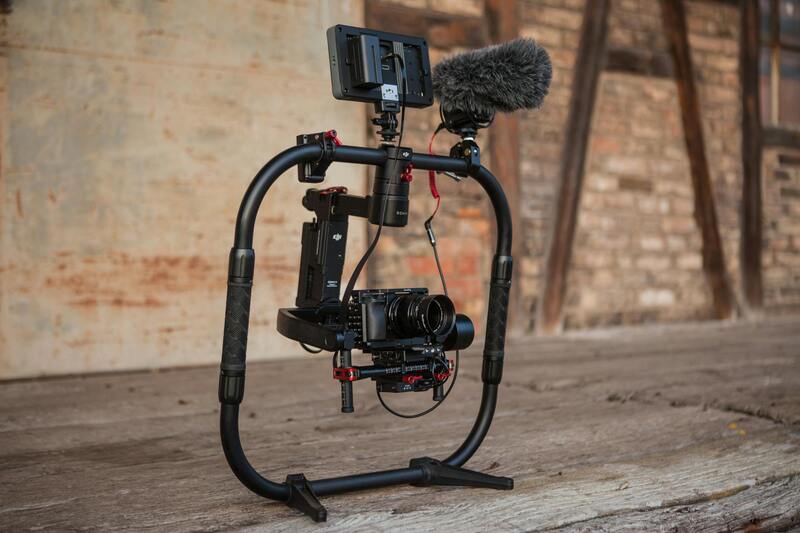
Lighting plays a vital role in professional property photography. Natural light, when available, creates a warm and inviting atmosphere, so photographing rooms during the day or opening blinds and curtains before a shoot is highly beneficial. Whenever natural light is insufficient or inconsistent, auxiliary lighting such as softboxes or reflectors can help evenly illuminate the space without creating harsh shadows. Proper exposure settings ensure that bright areas are not washed out and darker regions retain detail.
HDR and Bracketing Techniques
High Dynamic Range (HDR) imaging involves capturing multiple images at different exposures and blending them to produce a photograph that accurately displays both bright and shadowed areas. This technique is particularly useful in rooms with large windows or complex lighting conditions, ensuring a balanced exposure across the image. Bracketing can similarly be employed to achieve uniform brightness and detail, contributing to more professional and appealing property photos.

Setting Up the Shot
Prior to taking photos, it’s essential to declutter and stage the property to highlight its best features. Ensuring that furniture is well-arranged and that personal items are minimized helps prospective buyers visualize themselves living in the space. The appropriate positioning of furniture and accessories can also make rooms appear more spacious and inviting. Stage elements should complement the architecture and design style, ensuring consistency and flow throughout the images.
Colors and Composition
Color accuracy in photographs is critical for creating an authentic and appealing listing. Using a consistent white balance setting across photos guarantees that the hues appear natural and appealing. Composition techniques such as the rule of thirds, leading lines, and framing are instrumental in guiding the viewer's eye through the image, emphasizing the property’s most attractive features. Shooting from eye level or a slightly higher angle often results in a more natural and balanced perspective, avoiding distortions or exaggerated proportions.
Storing and Displaying Property Pictures Online
Effectively storing and presenting property images online is crucial to attracting potential buyers and providing a seamless virtual tour experience. High-resolution images need to be stored in organized, accessible formats to facilitate quick loading times and easy updates to listings. Cloud-based storage solutions offer scalable and secure repositories for large image files, allowing real estate professionals to manage extensive portfolios without performance issues.
Proper categorization of images by property, room, or feature ensures quick retrieval and efficient website management. Naming conventions should be descriptive yet concise, aiding in search engine optimization and internal organization. For example, titles like "Kitchen_WestWing_2024" help to quickly identify the content at a glance and improve indexing by search engines, enhancing the property’s online visibility.
When displaying property photos on digital platforms, optimizing image size and resolution is vital. Compressing images for fast loading without sacrificing clarity ensures that viewers have a smooth browsing experience, especially on mobile devices where bandwidth may be limited. Web-optimized formats like JPEG or WebP are widely supported and balance quality with file size, reducing page load times and increasing user engagement.
Responsive design plays a significant role in how property pictures are experienced across various devices. Utilizing flexible image scaling ensures that high-quality visuals are appropriately rendered whether viewed on desktops, tablets, or smartphones. Implementing zoom features or interactive galleries allows prospective buyers to examine details more closely, simulating the in-person viewing experience. Incorporating virtual tours or 360-degree panoramic images further immerses viewers, providing a comprehensive understanding of the property’s layout and features without physical visitation.

Maintaining updated images is important as property features evolve or improvements are made. Regularly refreshing photos ensures that listings accurately reflect the current state of the property, which can influence buyer perception and confidence. Additionally, integrating property pictures into social media campaigns or email marketing strategies expands outreach, leveraging visual content to generate greater interest and engagement in the Miami real estate market.