
Importance of Full Video Tours in Real Estate Marketing
In today’s competitive real estate landscape, comprehensive visual content has become a vital component of successful marketing strategies. Full video tours offer potential buyers a detailed and immersive view of properties, enabling them to experience the space as if they were physically present. This method not only enhances property visibility but also attracts a broader audience, including out-of-town buyers and remote investors, who may not have the opportunity to visit in person.
By providing a complete walkthrough of a property, real estate agents can highlight key features, unique design elements, and the overall layout more effectively than static images alone. These videos serve as a powerful conversion tool, increasing engagement levels and prompting more inquiries. Additionally, full property videos can shorten sales cycles by helping clients make informed decisions quickly, reducing the need for multiple in-person showings.
Investing in high-quality, comprehensive video content demonstrates professionalism and a commitment to transparency, enhancing an agent’s reputation in a highly competitive market. When clients see detailed and professionally produced videos, it builds trust and confidence, positioning the agent as an industry expert. Overall, full video tours have become indispensable in creating an impactful online presence that connects with prospective buyers and accelerates property sales.
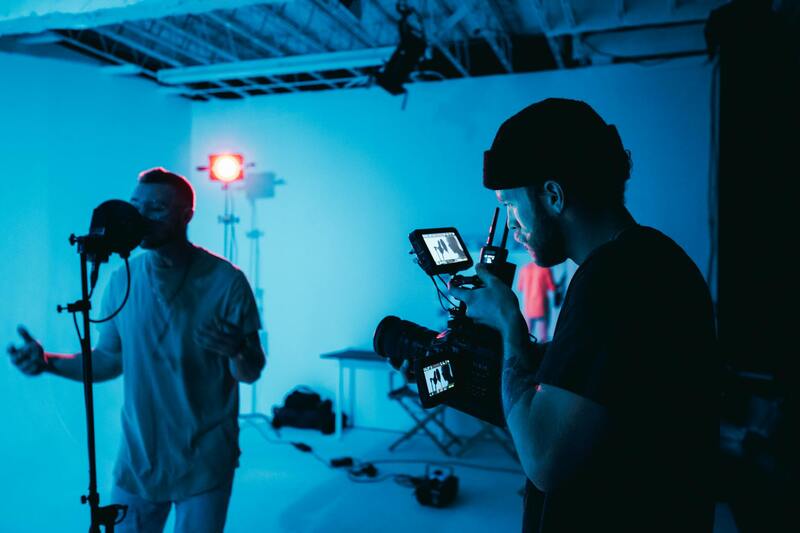
Types of Real Estate Videos for Agents
Real estate agents utilize a variety of video formats to enhance marketing strategies and showcase properties effectively. Each type serves a specific purpose and targets different segments of prospective buyers, ensuring broad outreach and engagement.
- Full Property Tours: These immersive videos walk viewers through the entire property, highlighting room layouts, architectural features, and the overall feel of the home. They are designed to give potential buyers an authentic experience remotely, fostering stronger interest and reducing unnecessary in-person visits.
- Agent Introduction Videos: Personal introductions help establish trust and build rapport with potential clients. By presenting professionalism, expertise, and personality on camera, agents can differentiate themselves in competitive markets.
- Neighborhood Guides: These videos spotlight the community, local amenities, schools, and lifestyle benefits surrounding a property. They appeal to buyers seeking not only a home but a desirable environment.
- Client Testimonials: Sharing positive experiences from satisfied clients reinforces credibility. Testimonials humanize the agent’s brand and can influence prospects making purchasing decisions.
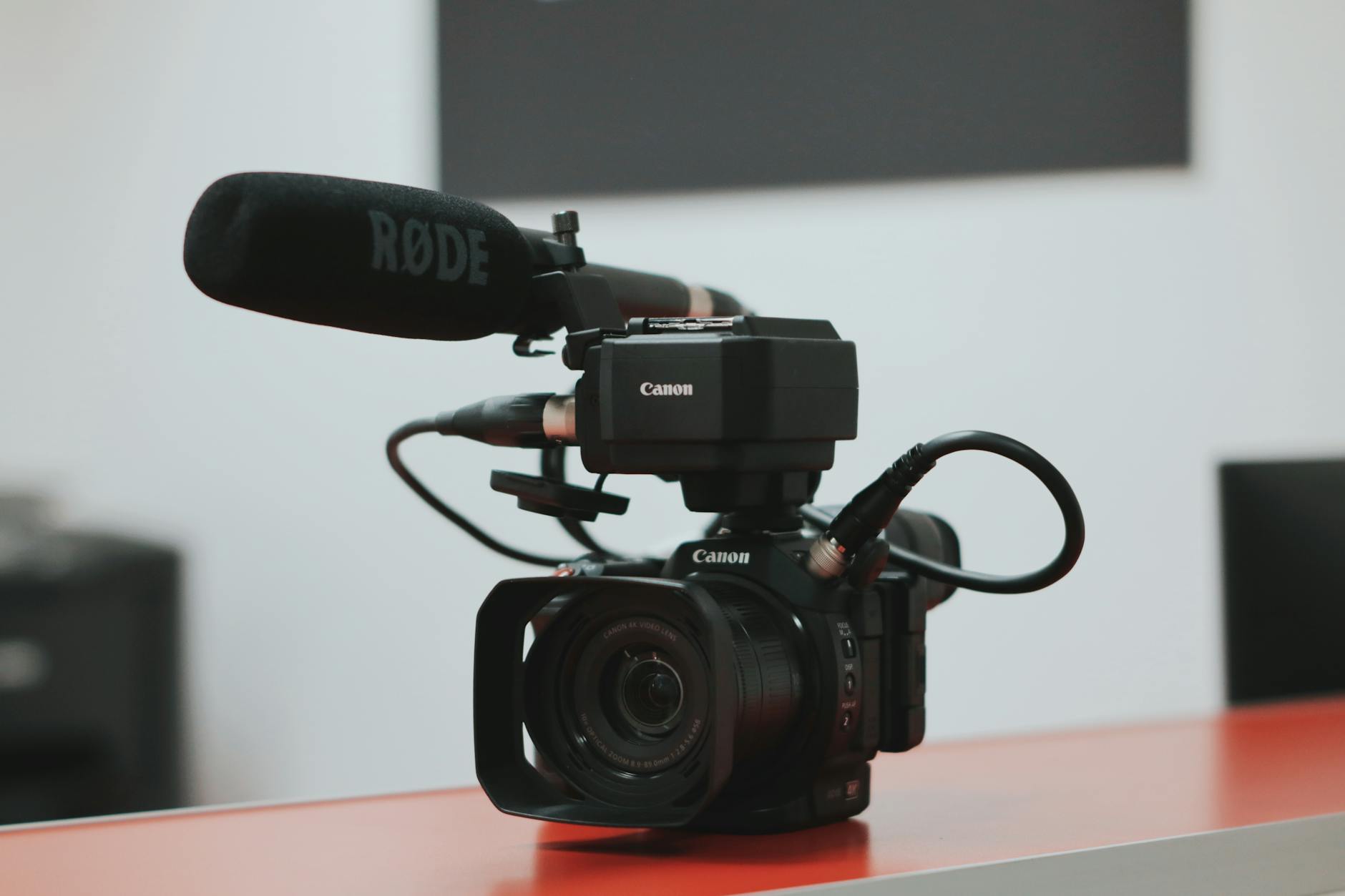
Key Elements of a High-Quality Full Real Estate Video
Creating compelling full property videos requires attention to several fundamental components that collectively enhance viewer experience and engagement.
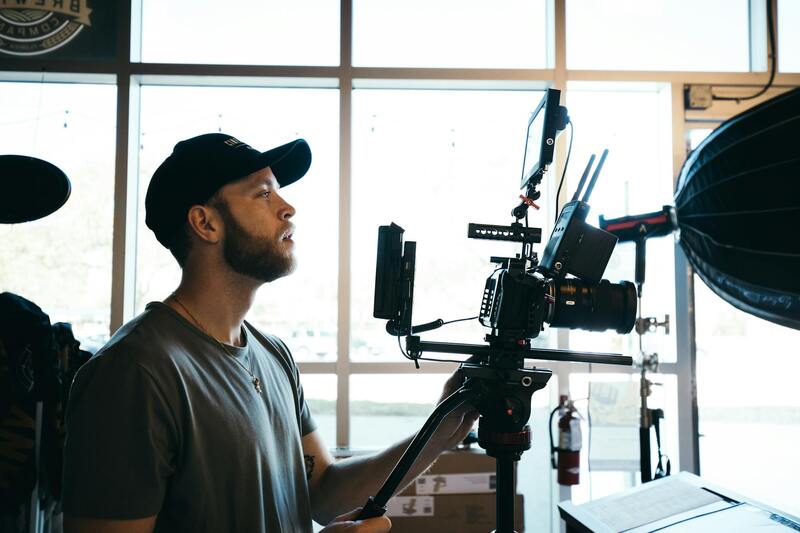
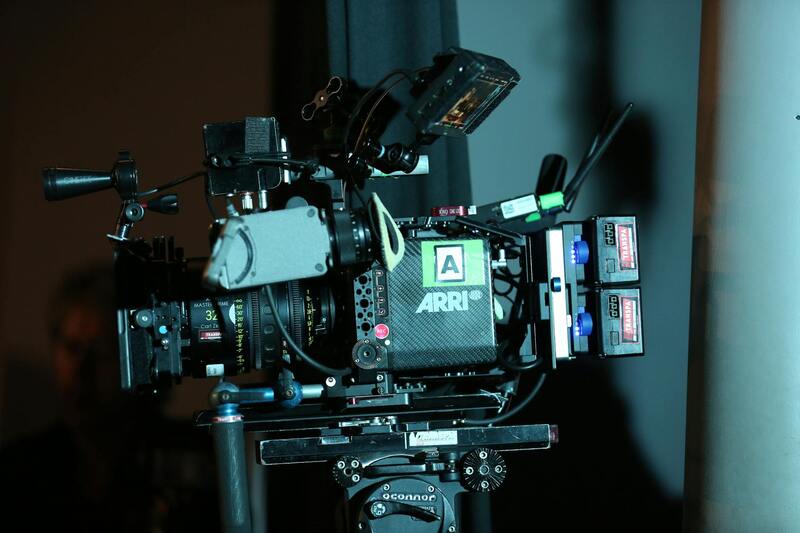
- Professional Cinematography: High-resolution footage captured with stabilized equipment ensures clear and smooth visuals that accurately portray the property.
- Comprehensive Property Coverage: The video should systematically guide viewers through all key areas, including bedrooms, bathrooms, kitchens, living spaces, and exterior features.
- Effective Lighting: Adequate lighting emphasizes the property's best features and creates an inviting atmosphere, often requiring supplemental lighting in darker areas.
- Strategic Editing: A seamless narrative flow, proper pacing, and the inclusion of highlight shots are essential to keep viewers engaged and showcase the property's unique selling points.
- Clear Audio Narration: Well-spoken narration or background music enhances storytelling, providing context and emphasizing key details without overpowering visuals.
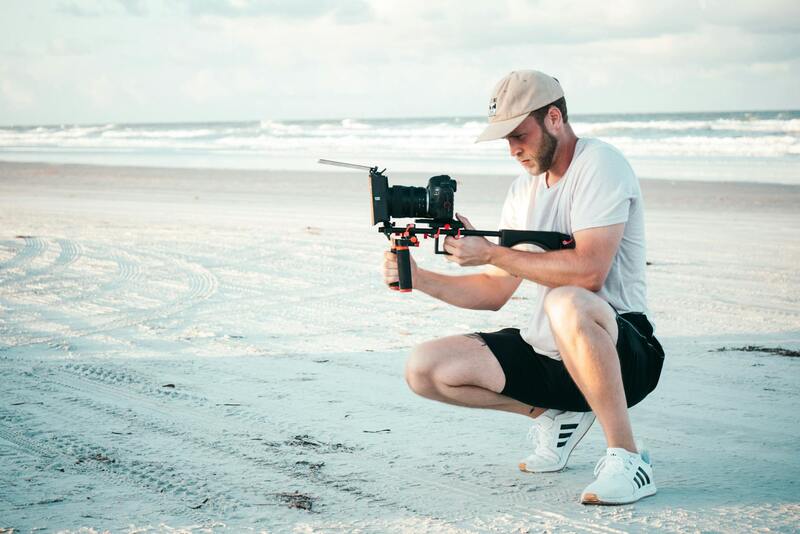
Best Practices for Shooting Full Property Videos
Executing a successful property video begins with meticulous planning and adherence to proven filming techniques. Here are some essential practices:
- Scouting and Planning: Walk through the property beforehand to identify optimal filming angles and lighting conditions. Prepare a shot list to ensure all critical areas are covered.
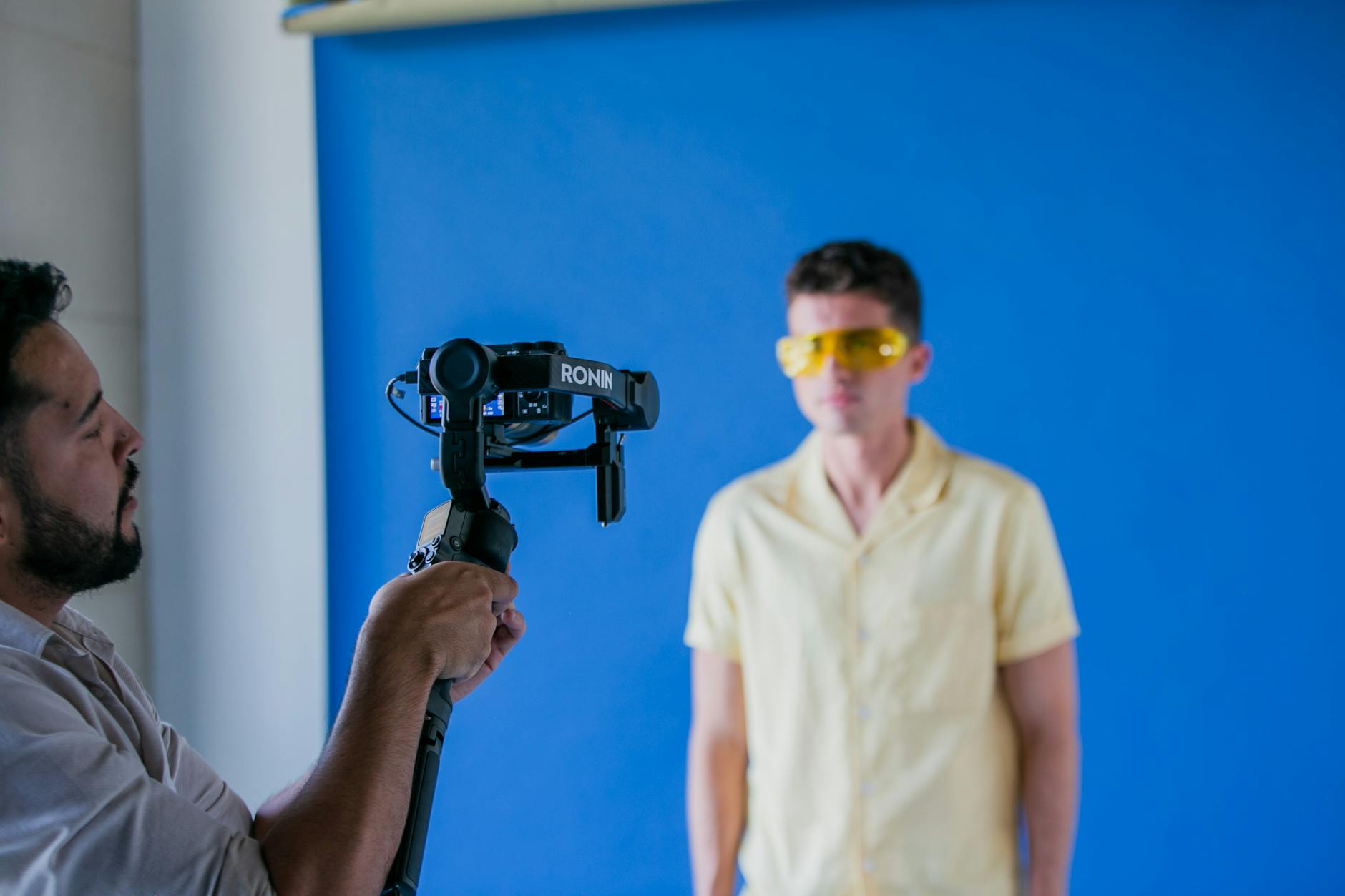
- Use of Stabilization Equipment: Employ gimbals or stabilizers to maintain smooth footage, especially during walkthroughs or moving shots.
- Optimal Shooting Schedule: Film during daylight hours when natural light is abundant. Avoid shooting during harsh sunlight to prevent unwanted shadows or glare.
- Controlled Lighting Conditions: Supplement natural light with additional lighting where necessary to highlight interior features effectively.
- Steady and Slow Movements: Move the camera deliberately and slowly to create a professional look, avoiding jerky or abrupt motions.
- Multiple Takes and Angles: Capture various shots from different angles, ensuring options for editing and storytelling flexibility.

Importance of Full Video Tours in Real Estate Marketing
In the competitive landscape of real estate, the use of comprehensive video tours has become a crucial strategy for agents aiming to stand out. These videos offer potential buyers an immersive experience, allowing them to explore properties remotely with a level of detail that static images simply cannot provide. Full property video tours serve as virtual walkthroughs, capturing the essence of each space, highlighting architectural features, and showcasing the property's overall ambiance.
Consumers increasingly prefer engaging, visual content that provides a realistic sense of scale and flow within a property. By investing in professional full video tours, real estate agents can attract more qualified leads, reduce in-person visits that may not yield interest, and build a trustworthy, authoritative online presence. The dynamic nature of these videos helps convey the property's true value, fostering emotional connections that can accelerate the decision-making process.
Furthermore, high-quality full videos enhance search engine visibility. When optimized correctly, they increase the likelihood of appearing at the top of search results, attracting organic traffic from motivated buyers. Given the growing importance of online platforms in property transactions, integrating compelling video content into marketing strategies is no longer optional—it's essential for efficiency and success.
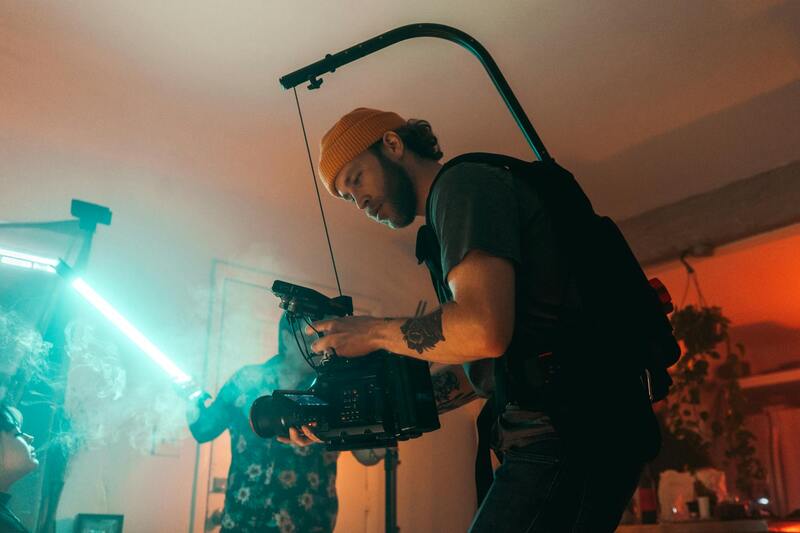
Types of Real Estate Videos for Agents
To maximize the impact of marketing efforts, agents should consider diversifying their video offerings. Different formats serve various purposes and target audiences, ensuring a comprehensive promotional approach.
- Full Property Tours: These videos provide an in-depth walkthrough of the entire property, highlighting each key room and feature. They are ideal for listings that aim to give an authentic sense of space and layout.
- Highlight Reels: Short, engaging clips that showcase the property's best features—such as a stunning kitchen, outdoor living space, or panoramic views. These are perfect for social media sharing to generate immediate interest.
- Neighborhood and Community Videos: Videos that contextualize the property within its surrounding area, including nearby amenities, schools, parks, and transportation options. They help buyers visualize their lifestyle beyond the home.
- Testimonial and Client Review Videos: Authentic stories from satisfied clients build credibility and trust, making prospective buyers more comfortable and confident in the property and agent.
Each type of video contributes uniquely to a comprehensive marketing campaign, ensuring broad reach and reader engagement across multiple channels.
Best Practices for Shooting Full Property Videos
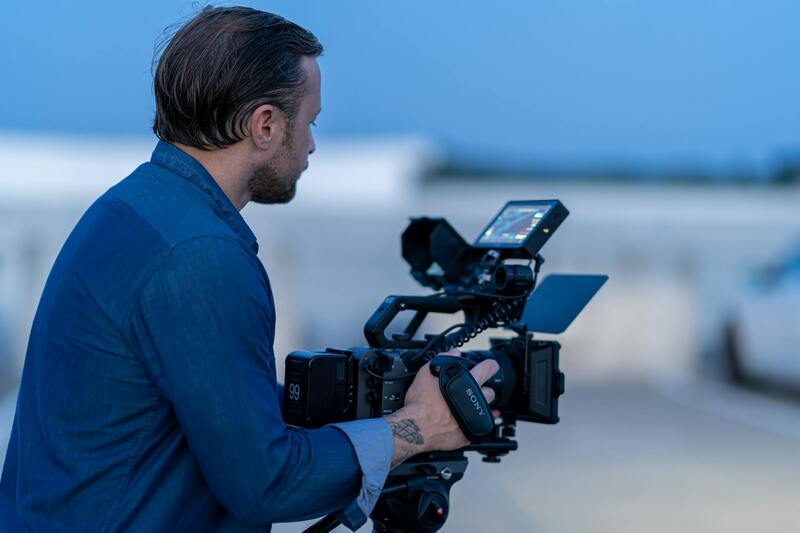
Creating compelling full property videos requires careful planning and execution to ensure every aspect of the property is showcased effectively. Starting with proper staging is essential; decluttering spaces, arranging furniture to highlight room functionality, and adding accents that enhance the property's appeal can significantly elevate the visual experience. Lighting plays a crucial role—shoot during times of natural light when the interior is bright and inviting, utilizing additional lighting if necessary to avoid dark or unwelcoming scenes.
Capturing all key spaces involves strategic camera placement and movement. Use smooth, stable shots with wide-angle lenses to provide an expansive view of rooms, allowing viewers to appreciate the volume and layout. Incorporate varied angles to demonstrate the flow between spaces, especially in open-concept areas like kitchens and living rooms. For exterior shots, ensure that the landscape and outdoor amenities are well-framed, emphasizing curb appeal.

Optimal lighting conditions are vital, but also consider the time of day; early morning or late afternoon can provide warm, inviting tones. For rooms with large windows, use natural light to highlight bright, airy spaces, while supplemental lighting can eliminate shadows and enhance details in darker areas. Movement techniques, including slow pans and steady dolly shots, add professionalism and help viewers feel like they are walking through the space.
Incorporating aerial shots, especially for larger properties or those with scenic surroundings, can give prospective buyers a comprehensive view of the property’s exterior and its context within the neighborhood. When possible, incorporate walk-through sequences that simulate a real-life visit, providing an immersive experience. Remember, consistency in camera angles and pacing throughout the video ensures a seamless narrative flow that keeps viewers engaged from start to finish.
Ensuring all these elements are executed with precision requires the right equipment, expertise, and attention to detail—investing in professional filming services can significantly enhance the quality and appeal of the final product.
Legal and Ethical Considerations in Real Estate Video Content
Creating compelling full video tours of real estate properties involves a careful balance of showcasing the property’s features while respecting all relevant rights and privacy considerations. Adhering to vetted procedures ensures that the content promotes transparency and trustworthiness, which are essential for establishing a reputable presence in the real estate market.
It is crucial to obtain proper permissions from property owners before filming. This includes securing consent for any areas that might be private or sensitive within the property, such as personal storage spaces or locked rooms, ensuring that the footage accurately represents the space without infringing on privacy. Transparency about the scope of the video and its intended use fosters a positive relationship with clients and prospective buyers.
Respect for the privacy of current residents and neighbors also plays a vital role. When filming exteriors or communal spaces, avoid capturing identifiable individuals without their permission, and be mindful of privacy boundaries. Employing techniques such as blurring or cropping can mitigate unintended invasions of privacy while still highlighting key property features.
In the editing process, using images and footage that authentically represent the property helps build trust with viewers. Overly staged or exaggerated visuals can mislead potential buyers, which may harm credibility. Maintaining visual accuracy aligns with best practices for responsible marketing, reinforcing confidence in the listing.
Additionally, it is advisable to include clear disclosures related to the property, such as renovation history or specific conditions, to provide a comprehensive overview. When music or voiceovers are incorporated, ensure that licensing rights are respected to avoid copyright issues. Utilizing royalty-free or licensed content upholds compliance and professional integrity.
Staying updated with industry regulations and best practices is essential for any real estate professional producing video content. Regularly reviewing guidelines about digital marketing and advertising helps maintain high standards, ensuring that videos serve as effective, honest tools in property promotion.
Legal and Ethical Considerations in Real Estate Video Content
Creating comprehensive real estate videos requires meticulous attention to ethical standards that reflect the professionalism of the agent and the transparency expected in the property market. The process must prioritize respect for privacy, accurate representation, and compliance with industry guidelines.
Before filming begins, conducting a thorough assessment of the property and its surroundings helps identify areas that require sensitivity or special handling. This includes ensuring that no personal or confidential information is inadvertently disclosed in the visuals or accompanying audio segments. For communal spaces like lobbies, hallways, or shared amenities, necessary permissions should be obtained if individuals are identifiable in the footage.
Maintaining Visual Accuracy and Authenticity
To build trust with prospective buyers, the visuals presented in the video must faithfully depict the property's actual features. This entails honest lighting, correct color rendering, and avoiding any form of digital enhancement that could mislead viewers. When editing, adjustments such as color correction or stabilization should be applied subtly to enhance the viewer’s experience without altering the true appearance.
Providing Full Disclosure and Transparency
In addition to visual fidelity, including complete and transparent property details strengthens the listing's integrity. This includes information about recent renovations, structural conditions, or any noteworthy issues that could influence a buyer’s decision. Clear disclosures set realistic expectations and demonstrate commitment to honest marketing practices.
Voiceovers, background music, and other audio elements should be ethically sourced. Licensing rights must be secured to avoid copyright infringements, in turn protecting the agent’s reputation and the firm’s operational integrity.
Respecting Privacy and Confidentiality
When filming, particular care should be taken to prevent capturing identifiable individuals without their consent, especially in exterior settings or communal areas. Employing techniques such as blurring faces or cropping footage can effectively mitigate privacy concerns while still highlighting the property's key features.
Compliance with Industry Standards
Staying informed about evolving regulations and standards related to digital content sharing and marketing fosters compliance. Regular review of industry guidelines is essential for continuously aligning your video productions with accepted practices, thereby safeguarding both the viewer's rights and your professional standing.
By adhering to these key ethical principles, real estate agents ensure that their full property videos serve as reliable, transparent, and respectful tools in property promotion. Responsible content creation not only enhances credibility but also elevates the overall professionalism within the industry.
Promoting Full Videos to Reach Target Audiences
Effectively marketing full real estate videos involves strategic promotion across multiple channels to ensure maximum visibility among prospective buyers and investors. Utilizing social media platforms such as Facebook, Instagram, LinkedIn, and YouTube allows agents to tap into diverse demographics, leveraging the platforms’ targeted advertising capabilities to reach specific audiences based on age, interests, location, and purchasing behavior.
Integrating full video tours into your website offers a seamless user experience, encouraging visitors to explore properties in depth. Embedding videos on property listings not only enhances engagement but also improves search engine rankings by increasing time spent on your site. Incorporating calls to action within the videos or alongside them—such as scheduling a tour or requesting more information—guides viewers toward the next step in their property journey.
Email marketing campaigns remain a powerful tool for distributing full property videos to a curated list of contacts. Personalized emails with embedded videos or links to dedicated landing pages can boost click-through rates and generate meaningful leads. Additionally, creating targeted ads quoting neighborhood features or property highlights helps highlight your listings to specific buyer segments, ensuring that the right audience is seeing your marketing efforts.
Partnering with local businesses and community organizations can also extend the reach of your full videos through cross-promotional efforts. Hosting live virtual tours or webinars based on your full video content enables real-time interaction and instant engagement, boosting your credibility and connection with potential clients.
Ensuring consistent branding across all promotional materials—including video thumbnails, descriptions, and overlays—reinforces your market presence and builds recognition. By combining these promotional strategies, real estate agents can significantly increase the exposure of their full property videos, attracting serious buyers and accelerating the sales process.
Legal and Ethical Considerations in Real Estate Video Content
Creating full real estate videos entails adherence to certain standards that uphold transparency and trustworthiness for viewers. It is crucial for agents to ensure that all visual content accurately represents the property’s condition, dimensions, and features without misleading or exaggerating details. This accuracy not only fosters integrity but also minimizes potential misunderstandings that could arise during a transaction.
When highlighting a property's key attributes, such as room layouts, outdoor spaces, or unique architectural details, it is essential to provide comprehensive and honest portrayals. Using a consistent approach to disclose any known issues or limitations of a property, whether it involves structural aspects, renovation needs, or neighborhood considerations, enhances credibility and positions the agent as a reliable source of information.
Respect for privacy is paramount when producing real estate content. This involves obtaining consent from tenants or occupants before filming, especially for properties that are still occupied. Additionally, it is important to avoid capturing identifiable individuals in the background without their permission, as this respects personal privacy rights and maintains a professional standard.
There is also a responsibility to avoid the dissemination of content that might be considered discriminatory or biased. Providing equal representation of diverse communities and avoiding language or visuals that could be interpreted as exclusive or prejudiced are critical components of ethical marketing practices.
Accurate metadata and descriptive tags are equally vital. When uploading videos online, including truthful titles, descriptions, and tags helps ensure that the content reaches appropriate audiences and enhances searchability without misrepresenting the property or the location.
Finally, by maintaining an ongoing commitment to transparency and professionalism in all video content, real estate agents can build lasting relationships with clients and foster a reputation grounded in integrity. This approach not only aligns with best practices but also enhances overall client confidence, leading to stronger referrals and sustained success in the competitive Miami real estate market.