
Understanding the Role of a Real Estate Agent Photographer
In the highly competitive Miami real estate market, the visual presentation of property listings plays a crucial role in attracting potential buyers. A professional real estate agent photographer specializes in capturing high-quality images that highlight the unique features and selling points of properties. Their primary responsibility is to create compelling visual content that not only accurately represents the property but also maximizes its appeal to online viewers.
Real estate agent photographers are skilled in various photography techniques, including wide-angle shots, optimal lighting, and strategic staging. They understand the importance of framing spaces to emphasize size, flow, and natural lighting, which can significantly influence a buyer’s perception. With the growth of digital platforms and real estate listing sites, having vibrant, detailed images has become an essential aspect of marketing properties effectively.
Beyond just taking photos, these professionals often offer additional services such as virtual tours, 3D walkthroughs, and twilight photography — all designed to give potential buyers a comprehensive view of the property from various angles and in different lighting conditions. This comprehensive approach ensures listings stand out in a crowded Miami market, increasing the likelihood of viewings and offers.
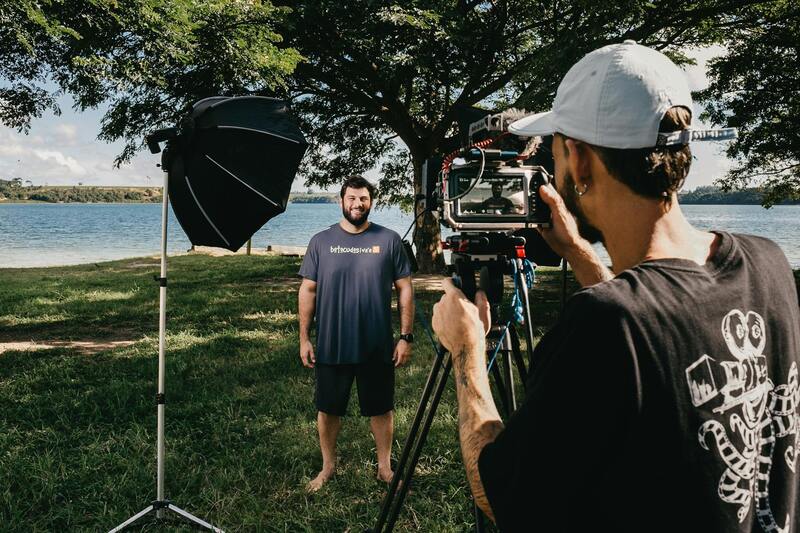
In essence, the role of a real estate agent photographer is integral to modern property marketing strategies. Their expertise helps agents and sellers craft a compelling narrative about the property, encouraging engagement and inquiries that can lead to quicker sales. Investing in professional photography often results in higher listing views, better online engagement, and ultimately, more successful transactions in Miami's vibrant real estate scene.
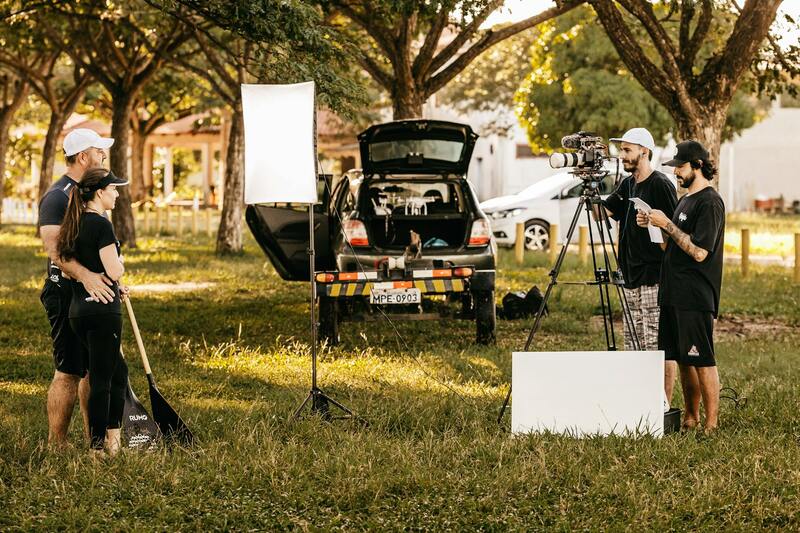
Understanding the Role of a Real Estate Agent Photographer
In the competitive Miami real estate market, the expertise of a dedicated real estate agent photographer becomes a vital asset for showcasing properties in the best light. These professionals employ advanced photography techniques tailored specifically to real estate, such as capturing wide-angle shots that reveal the full scope of rooms, ensuring that spaces appear more spacious and inviting. They optimize lighting conditions to highlight the natural appeal of the property, whether it’s the warm glow of sunset or the crisp clarity of midday sun, creating images that resonate with prospective buyers.
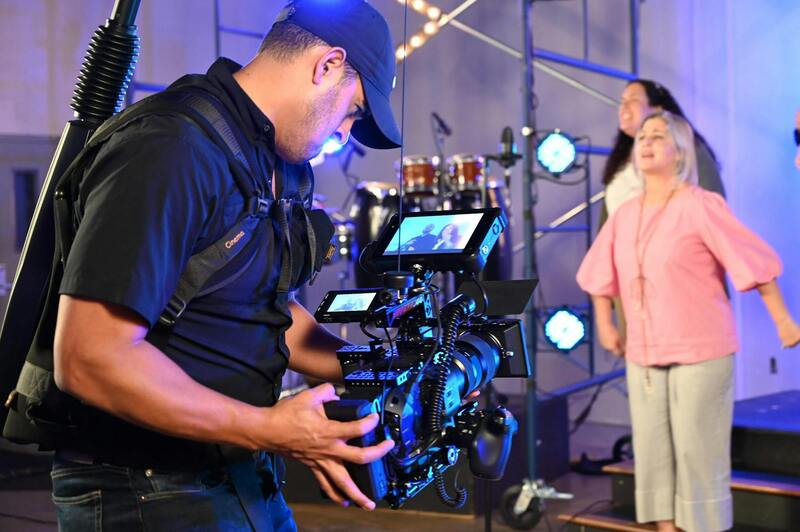
Strategic staging and framing are integral aspects of their craft, designed to emphasize a property’s strongest features while downplaying less appealing aspects. The choice of angles and the inclusion of key architectural details help craft a narrative that draws viewers into the space. With the surge of online property listings, these high-quality images serve as the first impression for potential buyers, often determining whether a viewer will schedule an in-person tour.
Beyond static images, these photographers are familiar with producing diverse visual content that enhances online listings. Virtual tours, 3D walkthroughs, and twilight photography are now standard tools used to present properties in a dynamic manner. Twilight photography, in particular, captures properties during the evening hours, showcasing the ambiance and exterior lighting that can make a home more attractive and memorable. These elements not only elevate the listing's appeal but also help agents stand out in a crowded Miami market.
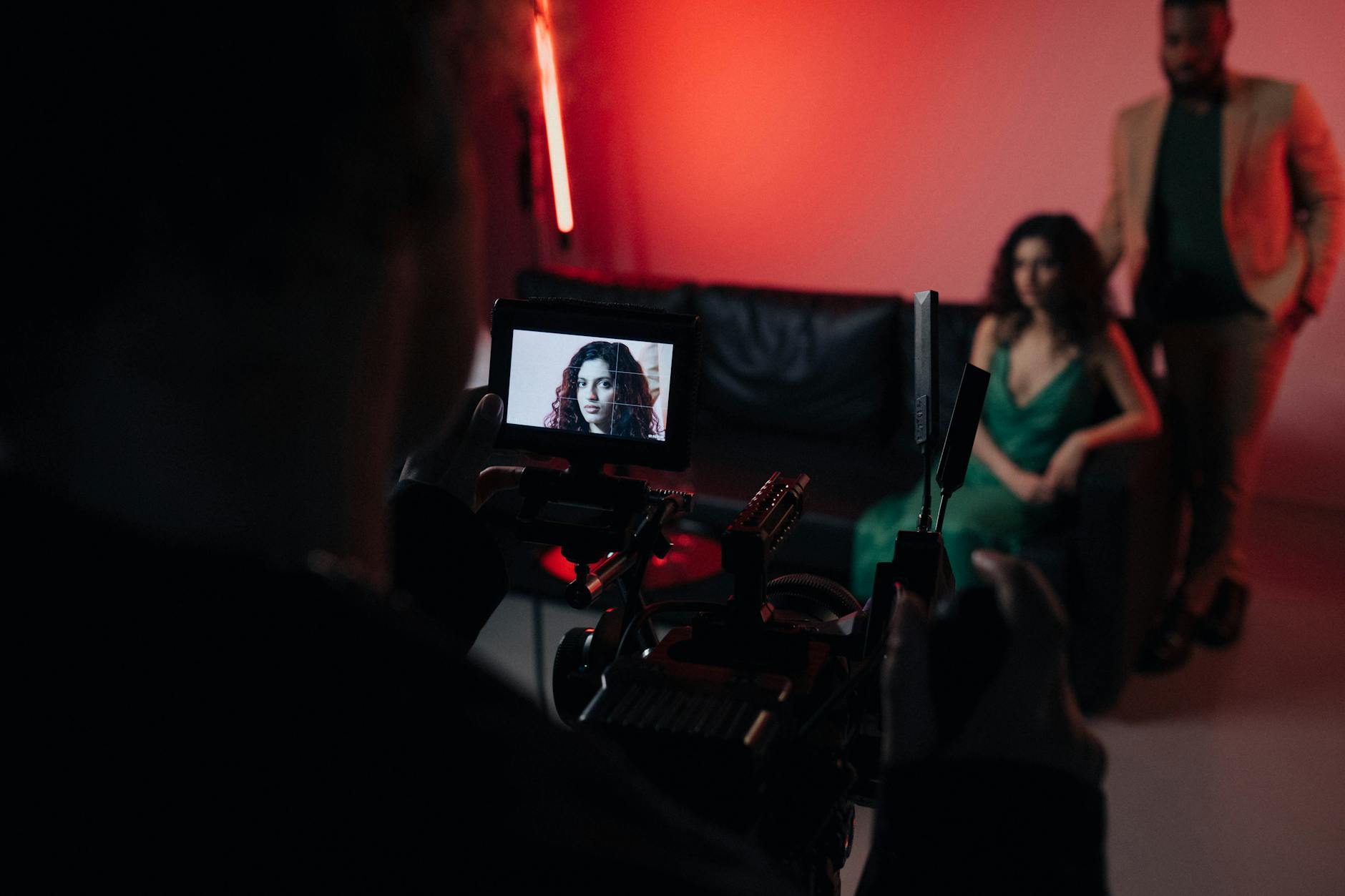
The role of a real estate agent photographer extends beyond simple image capturing. Their knowledge of real estate marketing principles allows them to advise on the best presentation strategies for each property. They understand the importance of consistency across marketing materials and can tailor their services to match specific client or agent needs, ensuring that every listing is optimized for maximum engagement.
In an environment where digital engagement heavily influences sales velocity, professional photography acts as a cornerstone of effective marketing. High-quality images help properties attract more online views, increase inquiry rates, and facilitate quicker transactions. Miami's vibrant and diverse real estate scene benefits greatly from the visual storytelling accomplished by expert photographers, making their role indispensable for both sellers and agents aiming to succeed in today's competitive market.
Strategies for Finding a Certified and Reputable Real Estate Agent Photographer in Miami
Identifying a skilled real estate agent photographer in Miami requires a strategic approach that emphasizes experience, industry knowledge, and a strong portfolio. Begin by seeking professionals who specialize exclusively in real estate photography, as their expertise typically translates to a more refined understanding of the nuances involved in capturing properties effectively. When evaluating potential photographers, review their portfolio meticulously to assess image quality, composition, lighting, and their ability to showcase different types of properties, such as luxury homes, condos, or commercial spaces.
It is equally important to verify the photographer’s familiarity with the Miami market. Local expertise ensures they comprehend regional architectural styles, preferred lighting conditions, and what high-end clients expect from luxury listings. This understanding influences how they capture each space, highlighting features that appeal directly to prospective buyers in Miami's competitive market.
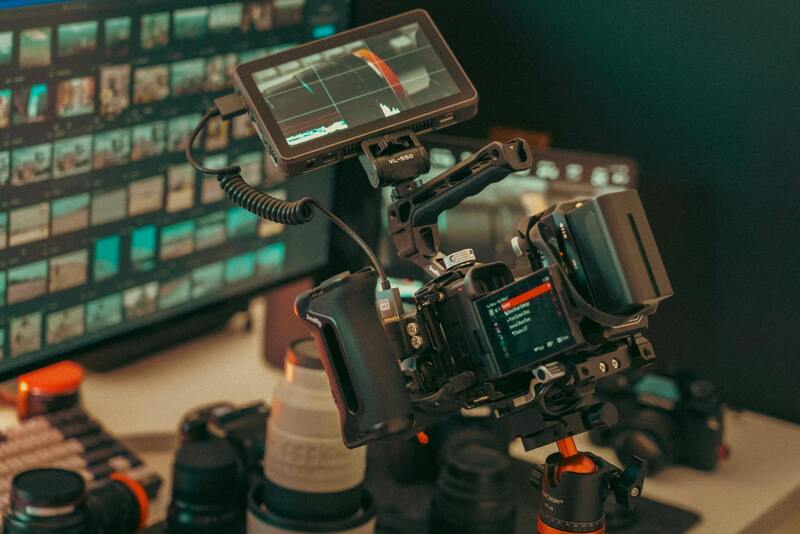
References and reviews from real estate agents and property owners can provide insight into the photographer’s professionalism, reliability, and ability to meet deadlines. Scheduling consultations or portfolio reviews can further clarify their approach and whether it aligns with your marketing objectives. Importantly, inquire about their technical skills, such as proficiency with the latest camera equipment, post-processing techniques, and familiarity with advanced styles like drone photography, virtual tours, and twilight shots.
Verifying Certification and Industry Recognition
While there’s no formal licensing for real estate photographers, industry certifications, memberships, or awards can indicate a higher level of professionalism. Many skilled photographers are members of professional associations, which promote ongoing education and adherence to industry standards. Some may also participate in specialized training related to real estate staging, lighting techniques, or 3D imaging. Ensuring your chosen photographer stays current with emerging trends and technology will enhance the quality and effectiveness of your marketing visuals.
Evaluating Service Packages and Scheduling Flexibility
Services offered by top Miami real estate photographers often extend beyond basic photography, including virtual walkthroughs, drone shots, and 360-degree images. Flexibility regarding scheduling, especially for twilight shots or on-demand shoots, is essential to accommodate you and your clients’ timelines. Clarify pricing structures upfront, including any additional fees for special shoots or photo editing, to avoid surprises and ensure your marketing budget is appropriately allocated. Secure agreements that specify deliverables, turnaround times, and revision policies, fostering a smooth collaboration that prioritizes your property’s market readiness.
Legal and Privacy Considerations in Real Estate Photography
Successfully capturing and utilizing images for real estate marketing involves adhering to important legal and privacy standards. When professional photographers shoot properties, they must obtain proper permissions to avoid infringing on privacy rights, especially when including residential interiors or personal features. Securing consent from property owners ensures that all visual content aligns with legal expectations and maintains a trustworthy reputation.
It is also crucial for photographers and agents to understand rights related to the use and distribution of images. Clear agreements should specify how photographs will be used across various channels, including websites, social media, and printed marketing materials. This clarity not only prevents future disputes but also affirms the professionalism of the service provided.
Efficient Workflow and Project Management
Orchestrating a smooth workflow between real estate agents and photographers enhances productivity and results. Effective project management starts with detailed planning—outlining shoot dates, locations, and specific requirements. Advanced scheduling tools and communication platforms facilitate seamless coordination, ensuring that all parties are aligned regarding expectations and timelines.
Post-shoot, timely delivery of high-quality images is critical for maintaining a competitive edge in the Miami real estate market. Photographers should offer transparent timelines and consistent updates on the progress of editing and post-processing. Some professionals also utilize digital proofing galleries, enabling agents to review images and request revisions promptly.
Incorporating Advanced Techniques in Real Estate Photography
Modern real estate photography embraces a variety of advanced techniques to captivate potential buyers and highlight property features vividly. High dynamic range (HDR) imaging effectively balances exposure between bright and shadowed areas, creating crisp and inviting visuals. Additionally, the strategic use of drone footage offers breathtaking aerial perspectives, providing context and showcasing the property's surroundings.
Virtual staging, 3D walkthroughs, and twilight shots are increasingly popular, providing immersive experiences that engage buyers remotely. These techniques require specialized equipment and expertise, emphasizing the importance of partnering with experienced professionals who stay ahead of technological advancements.
Maintaining Quality Standards and Continuous Improvement
Quality assurance is vital in real estate photography. Periodic reviews of the photographer’s portfolio help ensure the images meet professional standards and reflect current industry trends. Feedback from clients can also identify areas for improvement, fostering a cycle of ongoing enhancement.
Investing in continuing education for photographers encourages mastery of new techniques, equipment, and editing software. Membership in industry organizations often provides access to workshops, conferences, and certifications that bolster a photographer’s skills and credibility.
Choosing the Right Real Estate Agent Photographer in Miami
Selecting a qualified and experienced real estate agent photographer is essential for ensuring that property listings stand out in Miami’s competitive market. The ideal photographer should possess a comprehensive understanding of local real estate aesthetics and be familiar with the unique architectural styles found throughout Miami, from luxurious waterfront estates to modern downtown condos. This regional expertise allows them to highlight the most appealing features of each property effectively.
One of the most important factors to consider is the photographer’s portfolio. A diverse collection of images showcasing various property types and styles demonstrates versatility and an understanding of different lighting conditions, interiors, exteriors, and staging scenarios. Reviewing a portfolio provides insight into their technical skills, composition techniques, and attention to detail.
Experience with real estate photography is a strong indicator of reliability. Photographers who specialize in property imaging continually refine their craft through ongoing education and stay updated with emerging technology and trends. An experienced professional understands the nuances of staging, how to work with natural light, and the best angles to accentuate a property’s standout features.
Client testimonials and reviews further assist in evaluating a photographer’s reputation. Feedback from other real estate professionals and property owners can reveal their level of professionalism, punctuality, and ability to work efficiently within tight schedules common in real estate transactions.
Additionally, it is vital to confirm whether the photographer offers a comprehensive suite of services. Beyond standard high-quality images, services might include drone photography, virtual staging, 3D virtual tours, twilight shoots, and video walkthroughs. These options enhance marketing efforts by providing various immersive experiences that attract remote buyers and increase engagement.
Pricing structures should also be transparent and aligned with the scope of services provided. A reputable photographer will be clear about costs upfront, offering package options that can be tailored to the individual needs of each property. It’s advisable to compare offers from different providers to balance quality and affordability while ensuring the services meet the specific aims of a Miami real estate listing.
Ultimately, choosing a Miami-based real estate agent photographer who combines regional expertise, technical skill, a strong portfolio, and comprehensive service offerings will significantly enhance property visibility and appeal. Engaging with professionals who understand the local market dynamics ensures that each listing is presented at its best, attracting potential buyers more effectively and accelerating sales timelines.
Best Practices for Working with a Real Estate Photographer
Successfully collaborating with a professional real estate agent photographer requires careful preparation and open communication. This ensures each property is showcased in the best possible light, maximizing visual appeal and attracting potential buyers more effectively.
Pre-Shoot Preparation
- Property Decluttering: Clear out clutter to create a clean, spacious appearance. Focus on removing personal items, excessive furniture, and any distractions that might detract from the property's features.
- Staging and Arranging: Utilize neutral décor and arrange furniture to highlight the property's best features. Proper staging can make spaces appear larger and more inviting.
- Lighting Optimization: Ensure natural light enters the space by opening curtains and blinds. If necessary, add supplementary lighting to brighten darker areas, which helps achieve optimal image quality.
- Scheduled Timing: Coordinate shoot times during daylight hours for ample natural light. แจ scheduling around weather conditions can also impact the quality of exterior shots, particularly outdoor features and landscaping.
Communication and Expectations
- Detailed Briefing: Provide the photographer with a clear understanding of the property's key selling points and any specific shots you desire, such as aerial views or twilight scenes.
- Service Scope Clarification: Discuss additional services needed, like virtual staging or video walkthroughs, to align on scope and costs upfront.
- Timely Feedback: After initial previews of images, offer constructive feedback promptly to ensure final deliverables meet expectations.
- Scheduling Flexibility: Allow sufficient lead time for scheduling, particularly during busy seasons, to secure the photographer's availability and avoid rushed shoots.
Post-Shoot Follow-up
Once images are delivered, review them thoroughly to confirm they align with the agreed-upon vision. If adjustments or additional shots are needed, communicate promptly with the photographer to facilitate quick revisions. This collaborative approach ultimately results in visual content that best represents the property's value, appealing directly to the target demographic of Miami buyers.
 igure>
Choosing the Right Real Estate Agent Photographer in Miami
When selecting a real estate agent photographer, especially in a vibrant market like Miami, it is crucial to consider a professional who understands the nuances of local property presentation. Miami’s diverse architecture and stunning outdoor scenery require a photographer who can adapt their skills to showcase both modern luxury condos and historic homes effectively. Consider photographers who have a proven track record within the Miami area, with a portfolio demonstrating versatility across different property types. This familiarity ensures that they are proficient in capturing the unique angles and lighting conditions that highlight Miami’s distinctive aesthetic, from sunlit waterfront views to nightlife-drenched cityscapes.
Another key aspect is ensuring the photographer’s technical capabilities align with your needs. Modern real estate photography demands expertise in high dynamic range (HDR) imaging, wide-angle lenses, and drone photography. Look for professionals who utilize state-of-the-art equipment and advanced editing techniques to produce crisp, vibrant images. Equally important is their familiarity with the latest trends in real estate marketing, such as twilight images and 3D virtual tours, which significantly boost online engagement.
Referrals and reviews from fellow real estate agents or property owners can offer insights into a photographer’s reliability and output quality. Additionally, transparent communication about turnaround times, service packages, and the scope of work helps establish mutual understanding. In a competitive Miami market, partnering with a photographer who is responsive, dependable, and well-versed in real estate marketing strategies will ensure your listings stand out.
It's also advisable to inquire about their understanding of local regulations and access requirements for property shoots. A photographer experienced in working within Miami's diverse neighborhoods will be more efficient in navigating logistical obstacles, from securing permissions to timing shoots during optimal conditions. Overall, selecting a photographer with a tailored approach to Miami’s real estate landscape maximizes the visual impact of your property and accelerates the sales process.
Final Considerations When Hiring a Real Estate Agent Photographer in Miami
When selecting a professional photographer to enhance your real estate listings, understanding the comprehensive scope of their services is essential. Beyond capturing images, many top-tier photographers offer an array of supplementary visual marketing tools that can significantly elevate a property’s appeal. For Miami real estate agents, this might include aerial drone footage, 3D virtual tours, twilight photography, and even video walk-throughs. These elements provide prospective buyers with a dynamic and immersive viewing experience, boosting online engagement and increasing the likelihood of a quicker sale.
It’s also crucial to consider a photographer's adaptability to different property types and environments. Miami’s diverse neighborhoods—from luxury waterfront villas to urban condos—require tailored visual strategies. An experienced photographer understands lighting nuances, local architectural styles, and unique selling points, allowing them to craft compelling images that resonate with target audiences. They possess the skills to operate sophisticated equipment effectively, such as high-end cameras, drone technology, and editing software, ensuring each shot highlights the property's best features.
Additionally, transparent communication regarding deliverables, timelines, and revision policies helps establish a smooth working relationship. Reputable photographers are proactive about providing a detailed timeline for post-production and are receptive to client feedback to refine images accordingly. Settling these details upfront ensures that the final visual content aligns seamlessly with your marketing strategy and scheduling needs.
For real estate professionals committed to excellence, choosing a photographer who stays current with technological innovations and industry trends offers competitive advantages. State-of-the-art equipment combined with an understanding of Miami’s vibrant real estate market enables the creation of eye-catching visuals that capture attention across digital platforms. Collaborating with a photographer dedicated to these standards ensures your listings not only attract views but also translate into successful transactions.
In summary, the best approach is selecting a partner with demonstrated expertise in real estate photography, an understanding of your target market, cutting-edge technical skills, and a strategic mindset focused on optimizing property visibility. These qualities collectively contribute to more compelling listings, increased buyer interest, and ultimately, faster sales in Miami’s highly competitive real estate landscape.