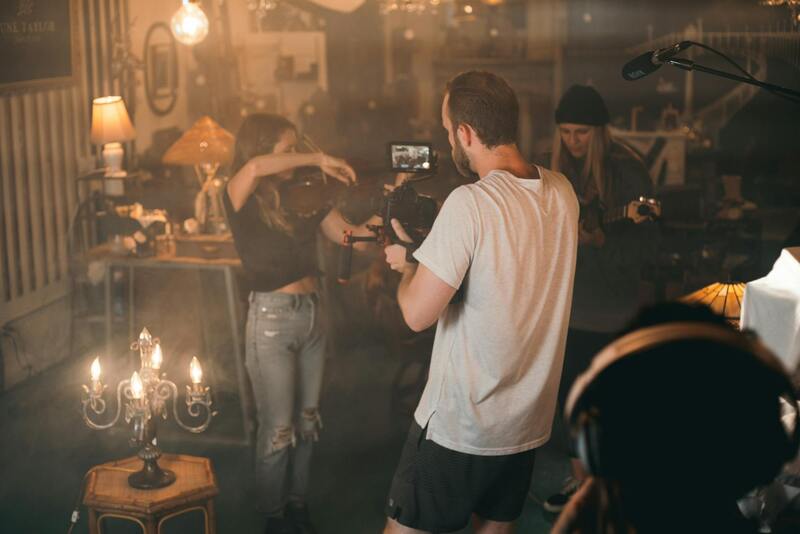
Importance of High-Quality Photos in Real Estate
In today’s competitive real estate market, the significance of high-quality photographs cannot be overstated. Professionally captured images serve as the first impression for potential buyers browsing online listings, making them a vital component of effective property marketing. Superior photos not only showcase a property’s best features but also foster increased engagement and inquiries. When prospective buyers see clear, well-lit images that accurately represent the space, they are more likely to schedule viewings and make serious offers.
Furthermore, high-quality real estate photos contribute to building trust and credibility. Buyers are more inclined to consider properties that appear inviting and professionally presented, establishing a perception of value and quality. In contrast, poorly lit or blurry images can deter interest and diminish a property’s market potential. As digital platforms dominate the home buying process, investing in professional photography ensures that listings stand out among countless others.
Statistics support this importance: listings with high-resolution images tend to receive significantly more views and engagement than those with amateur photos. This increased visibility directly influences quicker sales and often leads to higher offers, maximizing the property’s market value.
Ultimately, a well-executed real estate photoshoot is an essential strategic step for agents and property owners aiming to achieve a successful sale. It bridges the gap between physical space and prospective buyers’ digital impressions, making it a cornerstone of effective property marketing.


Preparing the Property for the Photoshoot
Before the camera crews arrive, meticulous preparation of the property is crucial to capture its full potential. Effective staging emphasizes the property’s best features and creates an inviting environment that resonates with prospective buyers. This involves arranging furniture to maximize space and flow, as well as removing personal items and clutter that can distract viewers from the property's core appeal. Deep cleaning ensures every surface looks spotless, reflecting well on the property’s overall maintenance.
Lighting plays a pivotal role in real estate photography. Strategic placement of lamps and maximizing natural light during the shoot can dramatically enhance a space’s warmth and openness. Open curtains and blinds to let in sunlight, and consider adding subtle lighting fixtures to illuminate darker areas. The goal is to create a balanced, bright ambiance that accurately depicts the space’s true character.
Additionally, minor repairs, such as fixing squeaky hinges, leaky faucets, or chipped paint, can prevent hidden flaws from detracting from the overall impression. Fresh coat of neutral paint on accent walls or repainting areas with scuffs provide a clean, uniform look that appeals to a broad audience.

Property owners and agents should collaborate to develop a comprehensive checklist covering all necessary preparations. This preparedness not only speeds up the execution but also ensures consistency across different properties, reinforcing a brand's professional image. Attention to detail during preparation can turn ordinary spaces into captivating visuals that effectively attract potential buyers.
Choosing Appropriate Wardrobe and Styling for Agents
For real estate professionals, the stylistic presentation during the photoshoot impacts credibility and appeal. Agents should opt for professional, neutral attire that aligns with the property’s aesthetic and market positioning. A polished appearance conveys authority and trustworthiness, essential qualities for making a positive impression.
Avoid overly casual or distracting clothing, opting instead for classic and understated options that won’t draw attention away from the property. Accessories should be minimal, and grooming must be impeccable to reflect professionalism. When in doubt, a conservative approach to styling ensures the focus remains on the property and its features.
Scheduling the Photoshoot for Optimal Lighting
The timing of the photoshoot directly influences the quality of images captured. Early morning or late afternoon, when natural light is soft and warm, is ideal for creating inviting, luminous photos. Midday sunlight, which tends to produce harsh shadows, can be less flattering, so planning shoots during golden hours maximizes aesthetic appeal.
Weather conditions also affect scheduling. Overcast days offer diffuse natural lighting, eliminating harsh shadows and reflections. Flexibility in scheduling allows for capturing the property in the best natural light, ultimately enhancing the property's visual appeal and marketability.
Professional Photography Techniques and Equipment
To produce stunning real estate images, employing advanced techniques and equipment is essential. Wide-angle lenses are standard tools, enabling photographers to capture more of a space in a single shot, making rooms appear larger and more inviting.
High dynamic range (HDR) photography combines multiple exposures to ensure details are visible in both highlights and shadows, creating a balanced, vibrant image. Tripods stabilize the camera for sharp, blur-free photos, especially in low-light conditions. Additionally, drones and aerial cameras can provide compelling overhead shots, showcasing the property’s exterior from unique perspectives.

Post-shoot, professional editing enhances images further. Adjustments in brightness, contrast, and color balance help produce polished, attractive photographs. Skilled editing corrects minor imperfections and prepares images for various marketing channels, ensuring consistency and high visual standards.
Editing and Post-Processing of Photos
Post-processing transforms raw images into striking marketing assets. Subtle enhancements highlight key features, such as brightening interiors or adjusting color hues for accuracy. Retouching may include removing temporary objects or minor blemishes, ensuring a clean, professional appearance.
Consistency in editing style across all property images reinforces a cohesive brand and marketing strategy. High-quality edited photos speak to a homeowner’s professionalism and create a compelling allure that draws in potential buyers.
Optimizing Visual Content for Maximum Impact
Once high-quality photographs are obtained, strategic integration into marketing campaigns is essential. Effective use of images can significantly influence prospective buyers' perceptions and interest levels. It is crucial to utilize these visuals across multiple channels, including online listings, social media platforms, and email marketing, ensuring each image maintains its visual integrity and consistency.
High-resolution images should be compressed appropriately to ensure fast loading times without compromising clarity. For online listings, optimized images enhance user experience, reduce bounce rates, and improve search engine rankings. Incorporating a mix of wide-angle shots that showcase the entire property, as well as detailed images that highlighting unique features, creates a comprehensive visual story that resonates with potential buyers.
In addition to online platforms, quality photography contributes to print marketing materials such as brochures, flyers, and magazine ads. Consistently high-caliber images reinforce the professional image of the real estate agency and help establish a trusted brand identity. Including photographs with diverse perspectives—interior, exterior, aerial shots—enhances the overall appeal and provides potential clients with a comprehensive understanding of the property’s features.
An effective way to maximize the impact of property images is through virtual tours and 3D walkthroughs. These immersive experiences allow remote viewers to explore the property in detail, increasing engagement and interest. Integrating high-quality photographs into these formats ensures a seamless, visually appealing experience that encourages viewers to take the next step toward scheduling an in-person visit.
Measuring the Effectiveness of Visual Content
Tracking performance metrics related to visual content provides insights into marketing efficacy. Analytics tools can monitor engagement rates, click-throughs, and inquiry volumes generated by listings featuring professionally shot photos. Analyzing this data helps inform future photography strategies, ensuring continuous improvement and alignment with target market preferences.
Soliciting feedback from clients and potential buyers about the visual quality of property images can reveal areas for enhancement. High-quality photos often lead to increased interest and quicker sales, illustrating their value as a critical component of an effective real estate marketing plan.
Ensuring Authentic and Consistent Representation through Professional Photography
Utilizing a skilled photographer for your real estate photoshoot guarantees that each image authentically represents the property's unique features and ambiance. Professional photographers employ high-end equipment, such as digital single-lens reflex (DSLR) cameras, wide-angle lenses, and drones for aerial shots, which collectively produce sharp, vibrant images with excellent depth of field. These technical tools enable the capture of interiors and exteriors with an accuracy and detail that standard photography often cannot achieve.
Beyond equipment, a seasoned real estate photographer understands the significance of composition, lighting, and perspective to highlight the property’s best aspects. They skillfully manipulate angles to emphasize spaciousness, natural light to create inviting atmospheres, and strategic framing to showcase architectural details. This meticulous attention to visual storytelling transforms ordinary property images into compelling invitations for prospective buyers.
Post-shoot editing is another critical component. Professional photographers utilize advanced software to enhance images subtly—adjusting brightness, contrast, and color balance—to ensure each photo accurately portrays the property without misrepresentation. Correcting for distortions, removing minor imperfections, and adding subtle finishes helps produce a polished, appealing gallery that aligns with the property's true character.
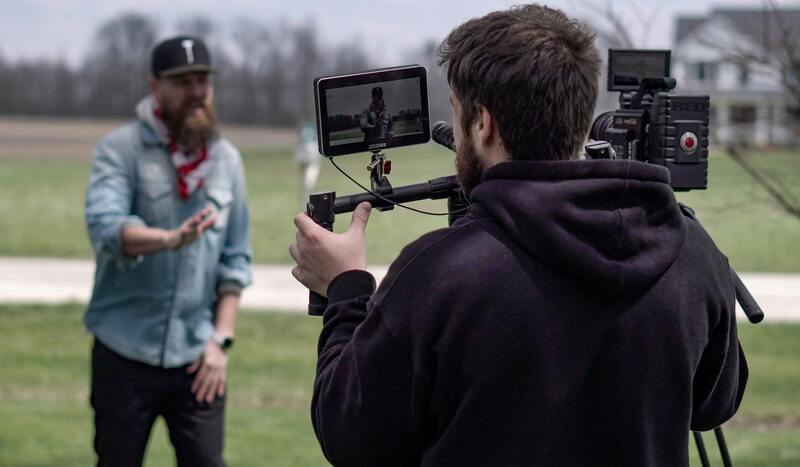
Optimizing Visual Impact with Effective Post-Processing and Strategic Usage
Effective editing elevates raw images into a cohesive visual story that captures potential buyers’ interest. This process involves not only improving aesthetic qualities but also ensuring the photos remain true to reality, which upholds trust and transparency. Careful enhancement prevents over-saturation or unnatural alterations that could mislead viewers.
Once finalized, high-resolution images can be integrated across various marketing platforms, such as MLS listings, social media, and email campaigns. Including multiple perspectives—from wide-angle shots of common areas to detailed close-ups of unique features—provides a comprehensive, immersive view of the property.
It's vital to maintain a consistent visual style throughout marketing materials to reinforce brand recognition and professionalism. This consistency also contributes to a cohesive and persuasive property presentation, boosting the likelihood of attracting serious buyers.
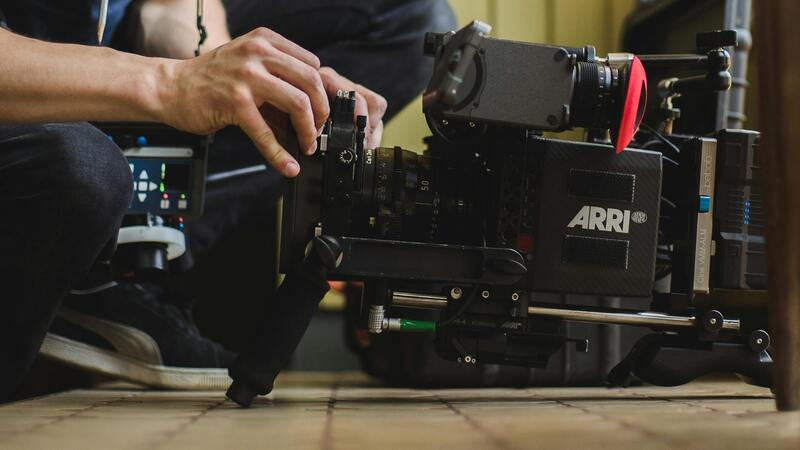
Choosing a Miami Production Agency with Expertise in Real Estate Photography
Selecting the right production agency in Miami involves evaluating their portfolio, experience, and understanding of local real estate market nuances. A reputable agency offers tailored services, ensuring that each property’s unique features are accentuated to appeal to regional buyer preferences. They also provide comprehensive packages, including pre-shoot consultations, on-site setup, post-processing, and delivery within specified timelines.
When assessing potential agencies, consider their familiarity with the latest photography equipment and techniques, as well as their ability to adapt to different property types and client objectives. A dependable agency has a proven track record of producing high-quality imagery that aligns with strategic marketing goals, ultimately accelerating property sales and enhancing brand reputation.

Proper Use of Images in Digital Marketing Campaigns
Once high-quality real estate agent photos are captured, leveraging them effectively across various marketing channels is crucial for maximum impact. Ensuring that images are optimized for different platforms enhances visibility and engagement, driving higher traffic to property listings.
For online property listings, images should be compressed without losing clarity to facilitate quick loading times. Incorporating high-resolution images that showcase the property’s best features can significantly influence potential buyers' perceptions and interest levels.
Utilizing images across social media platforms involves tailoring the visual content to meet each platform’s specifications and audience preferences. Carousel posts on Instagram and Facebook allow for a sequential showcase of rooms and features, creating a narrative that guides viewers through the property.
In addition to social media, images should be incorporated into targeted email campaigns. Well-placed, compelling photographs captivate recipients and increase the likelihood of engagement through clicks or inquiries. Virtual tours and 3D walkthroughs, supplemented by high-quality photos, offer interactive experiences that further attract serious buyers.

Print marketing materials, such as brochures and flyers, also benefit from crisp, professionally shot images. These tangible assets serve as lasting impressions during open houses and client meetings, reinforcing the premium quality of the property.
Metrics and Monitoring Results
Implementing analytics tools enables agents and marketing teams to track how images influence engagement, inquiries, and conversions. Monitoring metrics such as click-through rates, time spent on listing pages, and social media interactions helps refine visual strategies for future photoshoots.
Regular assessment of marketing performance ensures that the investment in professional photography yields tangible returns. Fine-tuning image choices and presentation methods based on analytical data allows agents to continuously improve their listings' effectiveness.
Integrating Photos into Broader Marketing Campaigns
Effective marketing of real estate listings involves a cohesive strategy that aligns visuals with messaging and branding. High-quality photos serve as the cornerstone of this approach, drawing attention and establishing credibility.
Combining photos with compelling property descriptions, virtual tours, and community highlights creates a comprehensive narrative that appeals to targeted buyer segments. When all elements work harmoniously, they enhance the perceived value of the property and accelerate the sales process.
Using professional images as part of a multi-channel campaign not only maximizes exposure but also reinforces a consistent, trustworthy image for the agent or agency, fostering stronger connections with prospective buyers.
Choosing the Right Equipment and Lighting Techniques for a Captivating Photoshoot
Effective real estate photography hinges on the mastery of equipment and lighting to produce images that stand out in a competitive market. Investment in the right tools allows real estate agents to showcase properties in their best light, capturing both the aesthetic appeal and the spatial dynamics of each listing.
High-quality digital cameras with full-frame sensors are paramount in capturing sharp, detailed images with rich color fidelity. Units equipped with wide-angle lenses are commonly used to encompass larger spaces within a single shot, providing viewers with a comprehensive perspective of the property's layout. Tripods stabilize the camera, ensuring crisp images, especially in low-light conditions or subtle interior shots.
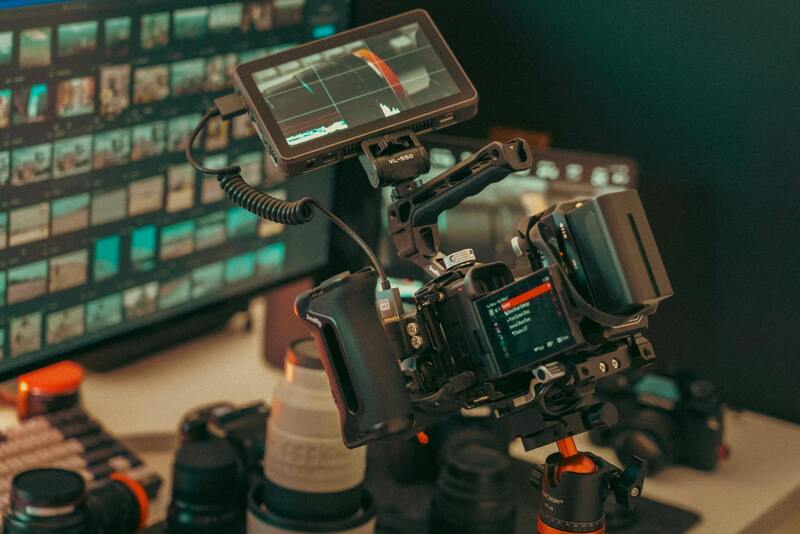
Lighting, however, is equally critical. Natural light, when harnessed correctly, can bring warmth and authenticity to images, making spaces appear inviting. An optimal approach involves scheduling photoshoots during times of the day when sunlight floods the interiors—typically late morning or early afternoon—while avoiding harsh shadows.
Supplementing natural light with artificial lighting is a common practice, especially in darker or shaded areas. High-quality LED or strobe lights can fill in shadows and elevate interior illumination uniformly. Using diffusers and reflectors helps soften light, reducing glare and harsh contrasts that detract from the visual harmony of the images.
For exterior shots, tripod-mounted HDR (High Dynamic Range) photography can be employed to balance exposure levels between the bright sky and shaded areas, ensuring a well-exposed image from foreground to background. This technique involves capturing multiple images at different exposures and combining them in post-processing for a dynamic, realistic aesthetic.
The combination of proper equipment and lighting techniques facilitates the creation of compelling visuals that accurately represent each listing's features and ambiance. Skilled photographers meticulously adjust their gear settings, ambient light sources, and modifiers to craft images that attract prospective buyers and elevate the effectiveness of marketing campaigns.
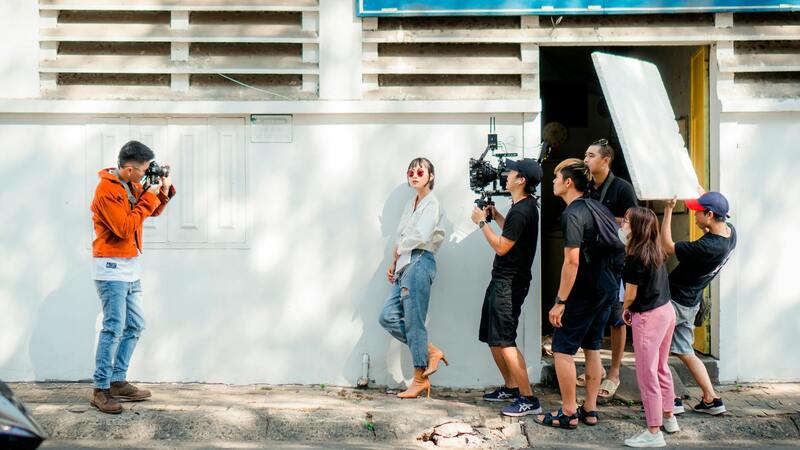
By investing in quality equipment and implementing strategic lighting practices, real estate professionals can significantly enhance the visual appeal of their listings. This disciplined approach ensures each photograph conveys the true potential of a property, ultimately contributing to faster sales and higher property valuations.
Choosing the Right Equipment and Techniques for Real Estate Photography
Achieving stunning real estate images begins with selecting the appropriate photographic equipment and employing advanced techniques tailored to highlight each property’s unique features. High-quality DSLR or mirrorless cameras equipped with wide-angle lenses are essential for capturing expansive interior spaces without distortion. These lenses enable real estate agents to showcase rooms in a way that feels inviting and spacious, making it easier for potential buyers to envision living there.
Tripods are a crucial accessory, providing stability for sharp images during longer exposure times, especially in low-light conditions. For exterior shots, drones can be leveraged to capture expansive aerial views, offering a comprehensive perspective of the property and surrounding area, which is often a valuable selling point.
In addition to hardware, the application of specialized techniques significantly enhances the visual impact of images. HDR (High Dynamic Range) photography is commonly used to balance the exposure between a bright sky and shaded areas inside the property, ensuring that no detail gets lost. Techniques like focus stacking can be applied to maintain sharpness across different depths within a shot, particularly in intricate interior spaces.
Photographers also often employ bracketing modes, capturing multiple exposures at varying levels of brightness and merging them in post-processing. This approach results in images that exhibit excellent detail in both shadowed and brightly lit areas, creating a realistic and appealing presentation.
Optimal Lighting Conditions for Interior and Exterior Shots
Lighting plays a pivotal role in real estate photography, and the strategic use of both natural and artificial sources is essential. During the shoot, overcast days are ideal for exterior shots, as diffuse sunlight prevents harsh shadows and glare. For interiors, scheduling shoots during times of natural daylight ensures ample light flooding the space, making rooms appear more inviting.
When natural light is insufficient, professional lighting equipment such as LED panels, softboxes, and reflectors can be used to eliminate shadows and highlight essential features. Light modifiers like diffusers help soften direct lighting, creating a warm and welcoming atmosphere in every photograph.
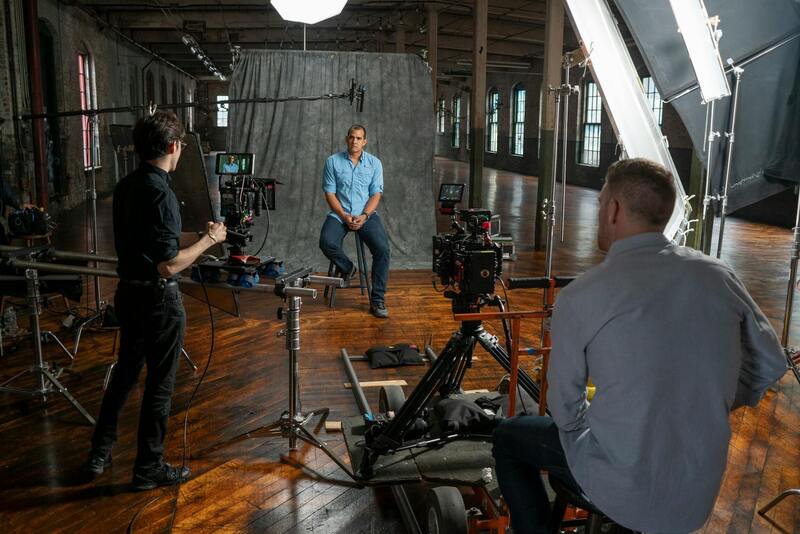
Post-Processing and Editing Considerations
Once the photography session concludes, editing and post-processing become vital steps to refine images. Adjustments such as correcting color balance, enhancing contrast, and sharpening details can make the photos more vibrant and true to life. Professional editors often straighten images, remove minor blemishes, and sometimes subtly enhance natural lighting to produce polished visuals that stand out online.
Advanced editing processes include perspective correction to ensure that lines and angles appear natural, especially in rooms with architectural features. Overall, the goal is to produce images that accurately represent the property while emphasizing its most attractive aspects – not to exaggerate or mislead potential buyers.
Ensuring Consistency and Brand Identity
To maximize marketing effectiveness, maintaining a consistent photographic style across all listings helps establish a recognizable brand image. This consistency involves using similar lighting setups, color grading, and compositional techniques, which reinforce professionalism and trustworthiness to prospective clients.
Effective Utilization of Real Estate Photos in Marketing Campaigns
Once high-quality images of a property are captured, the strategic deployment of these visuals plays a crucial role in attracting potential buyers and elevating the property's market presence. Professional photographs are not merely digital assets; they are integral components of a robust marketing strategy that can significantly influence decision-making processes.
Optimizing Listings Across Multiple Platforms
Property images should be prominently featured across all digital marketing channels. Real estate websites, social media platforms, and email campaigns all benefit from visually compelling content. Consistent, high-resolution photos ensure that listings look professional and trustworthy, cultivating interest and encouraging inquiries. When images are optimized for each platform—adapting size and format—the visual appeal remains intact, further enhancing engagement.
Creating Virtual Tours and Interactive Content
Beyond static images, immersive virtual tours derived from high-quality photos allow prospective buyers to explore a property remotely. These tours, combined with 360-degree views and interactive floor plans, can generate higher levels of interest and extend the reach of marketing efforts. Well-crafted visuals contribute to seamless virtual experiences that help buyers visualize themselves in the space, ultimately speeding up the decision process.
Enhancing Print and Offline Marketing Materials
Although digital marketing predominates, print collateral remains valuable for certain audiences. Brochures, postcards, and signage benefit from vibrant images that capture the property's essence. High-resolution photos, carefully selected and printed with precision, create tangible assets that leave lasting impressions during open houses or direct mail campaigns.
Consistent Branding and Visual Storytelling
Brand consistency across all marketing materials builds recognition and trust. Using a defined color palette, style, and composition motif in property photos aligns with your overall brand image. This visual storytelling reinforces professionalism and reliability, making your listings stand out in a competitive market.