
Importance of Professional Real Estate Photos
In Miami's highly competitive real estate market, the quality of property visuals can significantly influence buyer interest and engagement. High-caliber real estate photos serve as a primary marketing tool, capturing the essence of a property and enticing potential buyers to explore listings further. Well-executed images can elevate a listing’s visibility across multiple platforms, from MLS databases to social media channels, thereby expanding reach and reducing time on the market.
Effective real estate photography helps to showcase a property’s best features, emphasizing spaciousness, natural light, and design details that resonate with prospective buyers. In Miami’s diverse property landscape—from luxury condos overlooking the ocean to sprawling suburban homes—professional photos create a compelling visual narrative that appeals to targeted audiences.
Furthermore, property images influence perceived value, with high-quality photos often leading to higher offers and faster sales. A strong visual presentation can differentiate listings from the competition, especially in a saturated market where first impressions are critical. In essence, professional real estate photos are an investment toward maximized interest, faster transactions, and overall success in property marketing.
Choosing the Right Photography Equipment and Techniques
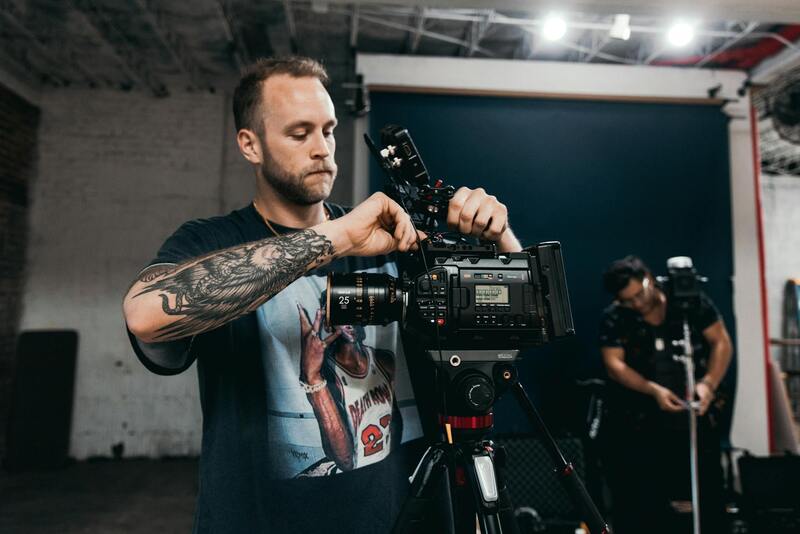
High-quality real estate photos hinge on the selection of appropriate equipment and mastery of advanced photographic techniques. Professionals use wide-angle lenses to capture expansive interior spaces, allowing viewers to appreciate room proportions and seamless flow within the property. This approach enhances spatial perception, making rooms appear larger and more inviting.
Stability during shooting is paramount. Tripods are essential tools that facilitate crystal-clear images by eliminating camera shake, especially in low-light conditions or during long-exposure shots. In low-light environments, professional photographers may employ external lighting or reflectors to balance natural and artificial light, ensuring the space appears bright and welcoming without harsh shadows or overexposure.
Additionally, high dynamic range (HDR) imaging techniques are frequently employed. By taking multiple exposures at different levels and merging them, photographers can accurately depict both interior details and exterior views, overcoming challenges of bright windows or shadowed corners. This results in well-balanced images that faithfully represent the property’s true ambiance.
To accentuate features and create a dramatic visual impact, some photographers incorporate drone photography. Aerial shots provide an impressive overview of large properties, landscapes, or proximity to key Miami attractions, offering potential buyers a comprehensive perspective that ground-level images cannot fully convey.
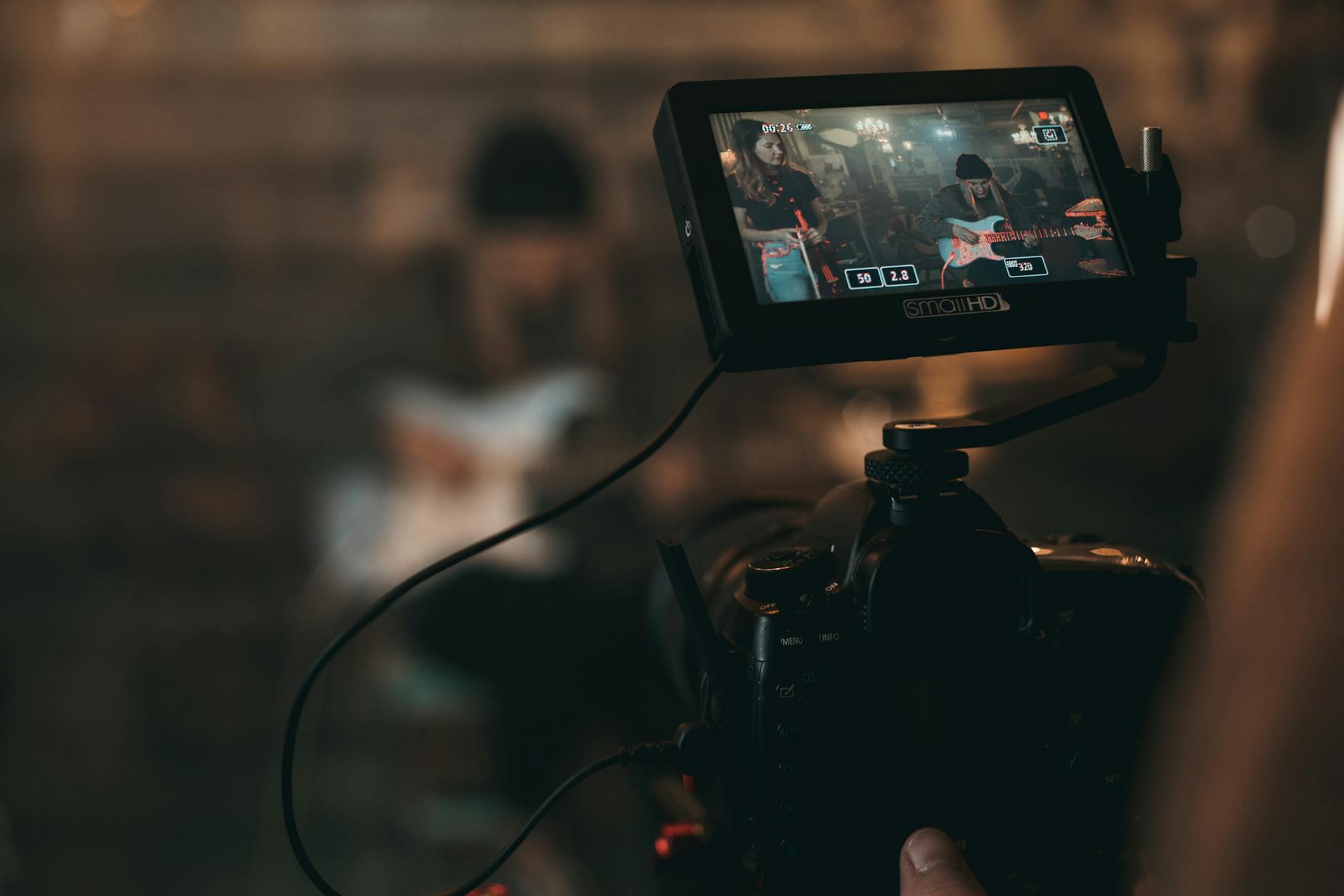
Post-processing also plays a crucial role. Skilled editors adjust color balance, straighten lines, and remove minor imperfections to ensure each image presents the property in the best possible light. The goal is to create a polished portfolio that emphasizes the property’s appeal without misrepresenting its features.
Best Practices for Staging and Preparing Properties
Preparation and staging set the foundation for compelling real estate imagery. For optimal results, spaces should appear clean, decluttered, and well-maintained. Personal items and excess furniture are removed to create a sense of spaciousness and allow viewers to envision themselves living there. It’s advantageous to highlight architectural elements, such as crown molding or unique fixtures, through strategic arrangement.
Natural light is a critical element—curtains should be drawn back and blinds opened to maximize daylight. In addition, properties can benefit from subtle enhancements like fresh paint, neutral decor, and accent pieces that bring warmth and character. Properly arranging furniture fosters inviting and functional layouts, which translate well in photos.
Finally, outdoor areas like gardens, patios, and balconies should be tidied and well-prepared to demonstrate the full potential of the exterior spaces. Enhancing curb appeal along with outdoor features contributes significantly to a property's marketability.
Choosing the Right Photography Equipment and Techniques
For capturing high-quality real estate photos that truly showcase a property’s best features, investing in professional-grade equipment is essential. A high-resolution digital single-lens reflex (DSLR) camera or mirrorless camera provides the clarity and detail necessary for compelling imagery. These cameras offer a range of manual settings, allowing photographers to control aperture, shutter speed, and ISO to adapt to various lighting conditions and achieve sharp, vibrant images.
Complementing the camera choice are specialized lenses designed for real estate photography. Wide-angle lenses, typically within the 14mm to 24mm range, are instrumental in capturing expansive interior spaces and exterior views. These lenses help to create a sense of depth and spaciousness, giving potential buyers a realistic feel for the property's scale. Fisheye lenses might be used sparingly for interior shots that require a dramatic perspective, but it's important to maintain minimal distortion for authenticity.
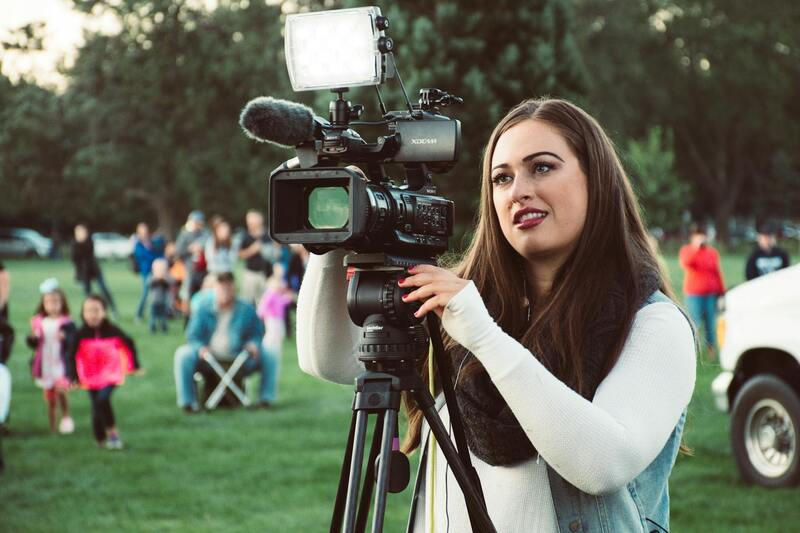
Lighting techniques are crucial as well. Professional photographers often utilize natural light during daytime shoots, but they also incorporate additional light sources, such as external flashes or continuous lighting, to brighten dim corners and balance exposure. To achieve a natural appearance, HDR (High Dynamic Range) imaging typically involves capturing multiple exposures and merging them to ensure details are visible in both shadows and highlights. This process results in well-lit, vibrant photos that accurately represent the property.
Camera settings should be optimized for sharpness and color accuracy. Using a tripod is fundamental to ensure stability and consistency across shots, especially when multiple exposures are required. Proper composition, including framing, vertical and horizontal alignment, and strategic angles, enhances the visual appeal and guides viewers through the space logically.
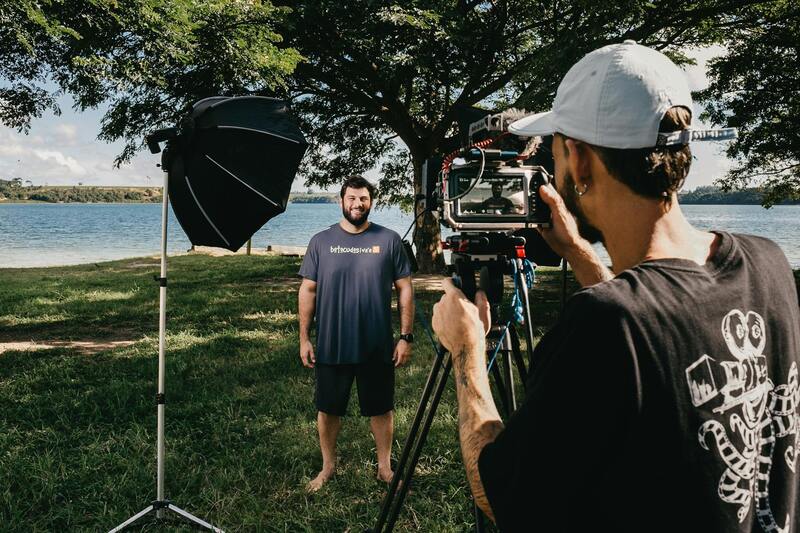
In summary, the combination of advanced cameras, suitable lenses, strategic lighting, and precise shooting techniques lays the groundwork for effective real estate photography. When executed correctly, these methods produce images that not only attract prospective buyers but also build trust by providing an honest, engaging representation of the property. The initial investment in quality equipment and skillful application significantly enhances the overall marketing impact of the property listing.
Post-Processing and Image Optimization
Once high-quality images are captured, meticulous post-processing is essential to enhance their visual appeal without misrepresenting the property. This stage involves adjusting brightness, contrast, and color balance to ensure the images consistently reflect the actual conditions of the space. Skillful editing can also correct lens distortions, straighten horizons, and remove minor imperfections such as dust spots or distracting objects, contributing to a clean and professional look.
In terms of image optimization, compressing files effectively ensures fast loading times on property websites and listing platforms, which can significantly influence viewer engagement. Maintaining a balance between image quality and file size is vital; too large files can slow down website performance, while overly compressed images may lose clarity. Using appropriate formats and resolution settings tailored to the platform's specifications maximizes both visual quality and accessibility.
Additionally, incorporating virtual staging and 3D virtual tours can be a highly impactful extension of the original photos. These tools allow potential buyers to visualize the space with different furniture layouts or renovations, increasing engagement and interest in the property. However, it is crucial that such enhancements are transparent and do not distort the true appearance of the property.
Legal and Ethical Considerations in Real Estate Photography
Adhering to ethical standards involves accurately representing the property without deception or exaggeration. Photographers must ensure that their images reflect the current state of the property, avoiding overly manipulated images or the use of filters that alter perceptions significantly. Clear disclosure about the use of editing or virtual staging maintains trust with clients and viewers alike.
Respecting privacy is equally important. This means obtaining necessary permissions before photographing private areas or neighboring properties and respecting any restrictions set by homeowners or property managers. Ethical real estate photography also involves compliance with intellectual property rights, ensuring that all images are original or properly licensed, and that copyrighted material is not used without permission.
In essence, the focus should always be on delivering accurate, compelling visuals that serve the interests of both sellers and buyers, facilitated by a clear understanding of legal and ethical guidelines.
Utilizing Professional Post-Processing Techniques
Once high-quality images are captured, specialized post-processing methods are essential to refine the visual presentation. Color correction plays a crucial role in ensuring that the hues of walls, flooring, and fixtures accurately reflect the actual property. Proper exposure adjustments can brighten dark areas, bringing out details that might be lost in shadows, while preserving the natural ambiance of the space.
Resolution optimization ensures that images are clear, sharp, and suitable for various digital platforms without pixelation or blurriness. High-resolution photos allow potential buyers to zoom in on details, helping them feel more connected to the property's features.
In addition to basic edits, image enhancement techniques such as HDR (High Dynamic Range) imaging can combine multiple exposures to create balanced photos that showcase both interior and exterior elements effectively. These enhancements help mitigate lighting disparities, often encountered in properties with large windows or mixed lighting conditions.
Care must be taken to avoid over-editing, which can lead to misleading representations. Maintaining a realistic and authentic aesthetic boosts credibility and aligns with ethical standards. When properly executed, post-processing contributes significantly to the overall appeal of property listings, attracting more viewers and generating increased interest.
Effective Presentation Strategies for Real Estate Photos
Presentation plays a pivotal role in maximizing the impact of real estate photos. Organizing images to tell a coherent story of the property—from the entrance and living spaces to bedrooms and outdoor areas—guides potential buyers through a virtual walkthrough.
Implementing a strategic sequence ensures that key features are highlighted first, capturing attention early. Layering images to emphasize spaciousness, natural lighting, and style helps viewers imagine themselves living in the space.
Incorporating photos taken at optimal times of day—preferably during daylight hours when natural light is abundant—enhances the visual warmth and attractiveness of the property. Including detailed shots of unique architectural elements or standout features provides additional points of interest.
Consistency in image quality and style across all listing photos establishes a professional appearance, reinforcing the property's desirability. High-resolution, well-edited images that faithfully portray the property serve as a powerful marketing tool that can lead to faster sales and higher offers.
Legal and Ethical Considerations in Real Estate Photography
Authentic and truthful presentation of property images is fundamental in the real estate industry. When capturing photographs, it is imperative to secure appropriate permissions from property owners or authorized representatives to ensure ethical practices. This step not only maintains transparency but also fosters trust with potential buyers and agents.
Respecting the privacy and comfort of current occupants or tenants is equally essential. Photographers should coordinate suitable times for shoot sessions that minimize intrusion. Additionally, obtaining explicit consent to photograph and publish images of personal belongings or any confidential areas within the property is necessary to uphold respectful standards.
Image accuracy plays a crucial role in managing buyer expectations. Photographers must avoid any modifications or digital enhancements that may distort the property's true features. Clear representation ensures that viewers receive an honest depiction, which can prevent misunderstandings and promote confidence in the listing.

Engaging in these responsible photography practices enhances professional reputation and aligns with industry standards for trustworthy marketing. Properly managed imagery not only attracts genuine interest but also facilitates smoother transactions, benefiting all parties involved.
Legal and Ethical Considerations in Real Estate Photography
In the realm of real estate photography, maintaining high standards of authenticity and integrity is essential for building trust with clients and potential buyers alike. Securing explicit permission from property owners or authorized representatives prior to capturing images ensures that the rights and interests of all parties are respected. This transparency not only aligns with professional norms but also solidifies the credibility of the marketing efforts. Respecting the privacy and comfort of current residents or tenants is equally important. Photographers should coordinate shoot times that minimize disturbance and avoid intrusive procedures. When photographing areas that contain personal belongings or sensitive information, obtaining clear consent is necessary to prevent misunderstandings and uphold a respectful approach. Accurate image representation is fundamental for setting correct expectations. Digital alterations or enhancements that could mislead viewers must be avoided, ensuring that all images convey an honest depiction of the property’s features. Such practices foster realistic perceptions, helping potential buyers make informed decisions. Honest photography not only enhances reputation but also plays a vital role in establishing long-term trust within the industry. By adhering to these responsible standards, professionals contribute to a transparent and credible marketplace. Furthermore, adherence to local regulations and industry guidelines is crucial. This includes proper documentation of permissions and adhering to property disclosure requirements where applicable. Maintaining meticulous records of permissions and shoot details supports an ethical framework and protects all parties involved in the marketing process. Utilizing legitimate methods in real estate photography mitigates potential conflicts and aligns with the overarching goal of providing prospective buyers with a truthful representation of properties. This responsible approach ultimately facilitates smoother transactions and reinforces professional integrity in the competitive Miami market.
Legal and Ethical Considerations in Real Estate Photography
In the realm of real estate marketing, maintaining high standards of honesty and professionalism is paramount. When capturing images of a property, it is essential to obtain proper permissions from property owners or authorized representatives before conducting a photo shoot. Documenting these permissions ensures clarity and accountability throughout the marketing process, establishing a foundation of mutual trust.
Ensuring that photographs accurately represent the property is critical. Digital enhancements should be used sparingly and only to correct minor imperfections that do not alter the true appearance or features of the property. Overly staged or heavily edited photos may mislead prospective buyers, which can lead to dissatisfaction and erode trust down the line. Transparency in image presentation supports a reputable market and fosters long-term relationships with clients and buyers alike.
Compliance with local property disclosure laws is another vital aspect of ethical real estate photography. While this primarily pertains to the informational content of property listings, the visual content should also adhere to these standards by accurately depicting the property’s condition and features. Misleading images not only compromise ethical standards but can also result in legal complications or disputes post-transaction.
Respecting privacy and confidentiality is equally important. When photographing properties, care should be taken to avoid capturing any personal or sensitive items such as private documents, personal photographs, or family heirlooms. Securing the necessary consents prior to shooting ensures that the rights of all individuals involved are protected, fostering a respectful and professional environment.
For professionals working in Miami’s competitive real estate market, working with licensed agencies and adhering to established industry standards enhances credibility. Relying on legitimate, skillful methods for capturing images further guarantees that all marketing efforts are aligned with legal and ethical standards, ultimately protecting the reputation of real estate practitioners and providing truthful, reliable visuals for prospective buyers.