
Introduction to Real Estate Drone Video
In the competitive landscape of Miami real estate, visual presentation plays a pivotal role in attracting prospective buyers and investors. Among the most innovative tools available today are real estate drone videos, which offer a compelling way to showcase properties from breathtaking aerial perspectives. Unlike traditional photography or ground-level videography, drone videos provide expansive views that highlight the property's scale, surroundings, and unique architectural features, creating an immersive experience for viewers.
Real estate drone videos have become an integral component of modern property marketing strategies. They enable real estate professionals to present listings with a dynamic and engaging format that captures the essence of the property and its environment more vividly. This is especially relevant within the Miami market, known for its luxurious waterfront properties, sprawling estates, and vibrant neighborhoods. By integrating aerial footage, agents can convey the lifestyle potential of a property—such as proximity to beaches, parks, or the city skyline—thus appealing directly to the aspirations of prospective clients.
The popularity of drone videos in real estate marketing stems not only from their visual appeal but also from their capacity to generate increased engagement. Properties presented through high-quality drone footage tend to stand out in online listings, drawing more attention from browsing buyers and ultimately leading to quicker inquiries and sales. As the property market in Miami continues to evolve, leveraging drone technology ensures that listings remain competitive and visually commanding in a crowded marketplace.
Legal and Safety Considerations for Drone Operations in Miami
Utilizing aerial footage to enhance real estate listings involves adhering to specific protocols that ensure safe and compliant drone operations within Miami. These measures are fundamental to maintaining professionalism and safeguarding all parties involved, including residents and property owners. Proper planning begins with conducting a comprehensive site assessment to identify potential hazards and to determine optimal flight paths. This proactive approach minimizes risks associated with obstacle interference such as power lines, trees, or moving vehicles during aerial shoots.
Before a drone operation takes place, securing the necessary permissions and permits is essential to ensure smooth execution. This process typically involves coordinating with the appropriate local authorities or complying with municipal guidelines that govern aerial activities. Engaging experienced drone operators who are well-versed in local regulations helps to streamline permissions and avoid unforeseen issues that could disrupt the shoot or lead to delays.
Operational safety also hinges on utilizing well-maintained equipment and following manufacturer recommendations for flight practices. Conducting pre-flight checks on batteries, propellers, and GPS systems reduces the likelihood of technical failures mid-flight. During the shoot, continuous situational awareness is vital. The operator must monitor the drone’s location, altitude, and battery life to prevent accidents or loss of control. Maintaining a safe distance from populated areas and critical infrastructure further emphasizes responsible practices in drone videography.
Compliance extends to respecting privacy rights by avoiding capturing images that intrude on private property or personal spaces without consent. Implementing flight restrictions, such as altitude limits and no-fly zones, helps safeguard community standards and aligns with best practices in aerial filming. Additionally, having safety protocols in place—like emergency landing procedures or immediate shutdown plans—enhances overall safety during drone operations.
Investing in certified pilots trained in both drone technology and local regulations not only guarantees compliance but also elevates the quality of the footage captured. By coupling technical expertise with a thorough understanding of Miami’s unique aerial landscape, professionals can produce compelling video content while prioritizing safety and operational integrity. This approach fosters trust among clients and community stakeholders, reinforcing the value of legitimate drone use in real estate marketing.
Legal and Safety Considerations for Drone Operations in Miami
Executing drone photography within Miami's vibrant and diverse environment necessitates adherence to established operational standards that prioritize safety and community standards. Certified pilots, possessing comprehensive knowledge of local airspace regulations and real estate marketing objectives, ensure the execution of drone flights meets high standards of professionalism and responsibility. Their expertise encompasses understanding restricted zones, such as airports, government buildings, and other sensitive areas, which are designated to maintain safety and operational integrity. Pre-flight planning is a crucial phase where pilots conduct thorough site assessments, including identifying potential obstacles such as tall structures, power lines, and natural features that could impact drone flight. This proactive approach minimizes risk factors and enhances the stability of the footage captured. Throughout operation, real-time monitoring of the drone's parameters—such as altitude, battery life, and GPS signal strength—is essential. This vigilance allows for immediate response to unforeseen circumstances, such as sudden weather changes or technical malfunctions. Additionally, pilots are trained to execute emergency procedures that include immediate landing protocols and safe recovery techniques. Respect for community privacy and property rights is reinforced through strategic flight planning. Pilots avoid intrusions into private spaces and sensitive locations by employing precise flight paths and maintaining appropriate distances. This conscientious approach not only aligns with ethical standards but also fosters trust among property owners and residents. Furthermore, drone operators are well-versed in adhering to local airspace restrictions, respecting altitude limits, and observing no-fly zones designated for safety and security purposes. This compliance preserves the integrity of operations and supports sustainable, responsible drone use. Investing in skilled, regulated pilots ensures the consistent delivery of high-caliber footage that enhances marketing efforts while maintaining safety and community respect. Precise flight execution paired with rigorous safety protocols results in compelling visual content that effectively showcases Miami properties, attracting prospective buyers and elevating the property's appeal in a competitive market.
Technical Aspects of Creating High-Quality Drone Videos
Achieving professional-grade real estate drone videos in Miami requires a comprehensive understanding of the technical elements that influence visual quality and viewer engagement. Factors such as camera specifications, flight stability, lighting conditions, and image processing techniques play pivotal roles in producing compelling footage that accurately represents property features.
High-resolution cameras with excellent dynamic range are essential for capturing crisp details in various lighting environments, from bright sunlight to shaded areas. Gimbal stabilization technology ensures smooth, steady shots that eliminate jitter and shakiness, providing a cinematic feel that elevates the perceived value of the property. Additionally, adopting intelligent flight modes enables the drone to execute complex movements and shots, such as orbit shots, vertical panoramas, and slow fly-throughs, with precision and minimal effort.
Optimal flight planning takes into account weather conditions, wind patterns, and optimal times of day for lighting. Early mornings and late afternoons often provide soft, warm light that enhances property features and landscaping, creating inviting visuals. Proper exposure settings, along with color correction and image enhancement during post-production, further refine the footage to ensure vibrant, true-to-life representations.
Effective editing harnesses techniques such as color grading, stabilization, and seamless transitions to craft a cohesive story around each property. Incorporating aerial shots with ground-level footage can showcase property scale, surrounding amenities, and landscape features, establishing a comprehensive visual narrative that appeals to prospective buyers.
Incorporating Sound and Motion in Drone Content
While visual clarity is paramount, integrating ambient sound or background music enhances the overall viewing experience. However, clarity of the visuals remains the core focus, especially in high-end Miami real estate marketing. Combining well-planned drone shots with precise editing ensures that each video delivers maximum impact, attracting immediate interest and facilitating customer engagement.
By leveraging advanced technical capabilities and meticulous post-production workflows, real estate professionals can produce drone videos that stand out in Miami’s competitive property market, elevating their listings with cinematic quality and compelling storytelling.
Legal and Safety Considerations for Drone Operations in Miami
When deploying drone technology for real estate marketing in Miami, it is crucial to adhere to established procedures that prioritize safety and operational responsibility. Proper planning involves meticulous checks of local airspace regulations, ensuring drone flights are conducted within authorized zones and during permissible times. This includes understanding the specific restrictions around airports, wildlife reserves, and densely populated areas to prevent disruptions or accidents.
Operators often utilize official notices and advisories issued by Miami's relevant authorities, staying informed about temporary flight restrictions and no-fly zones. Conducting pre-flight site assessments is vital, taking into account environmental variables such as wind speed, visibility, and weather conditions. These assessments help mitigate risks and confirm that flight paths are secure and unobstructed.
Implementing a comprehensive safety protocol also involves:
- Performing routine equipment checks to verify drone integrity and functionality before each flight.
- Confirming operator credentials and training levels to ensure proficiency in handling diverse scenarios.
- Securing necessary permissions or certifications that facilitate compliant drone use in commercial settings.
Additionally, maintaining clear communication with team members and spectators during flights helps prevent misunderstandings and hazardous situations. Keep in mind that clear identification measures, such as visible markings or identification tags on drones, further promote transparency and accountability during flight operations.
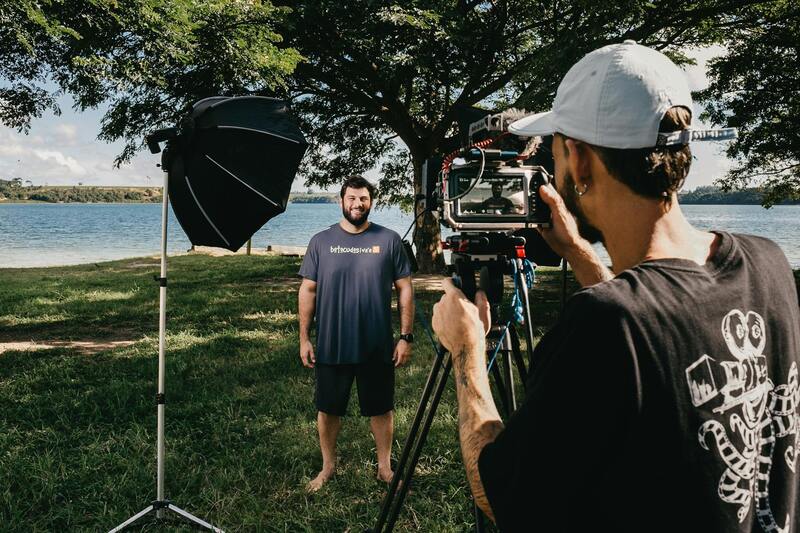
Incorporating these practices not only supports a smooth filming process but also enhances confidence among clients and stakeholders who rely on safe, professional representations of properties. Proper operational discipline ensures that aerial marketing assets are created effectively, with minimal disruptions, while upholding the highest standards of safety and compliance.
Technical Aspects of Creating High-Quality Drone Videos
Producing exceptional real estate drone footage involves a combination of advanced equipment, skilled operation, and meticulous post-production work. High-quality drone videos can significantly enhance property listings, providing prospective buyers with an immersive view that static images cannot match. Achieving the desired visual impact requires careful attention to technical details at each stage of the process.
Selecting the Right Equipment
Utilizing the appropriate drone and camera system is fundamental. Modern drones equipped with 4K or higher resolution cameras offer sharp, detailed imagery perfect for showcasing property features and surroundings. Gimbals are essential for stabilizing footage, reducing vibrations, and ensuring smooth camera movements. For properties with expansive terrains or complex architectural details, multi-rotor drones with extended flight times and robust stabilization features are preferable. Additionally, choosing aircraft with obstacle avoidance sensors helps mitigate risks during flight, allowing for more precise and confident maneuvers.
Optimal Shooting Techniques
Capturing professional-grade drone footage involves strategic planning of flight paths and camera settings. Pre-visualization of the property helps determine the most compelling angles and motions for shots. For instance, aerial panoramas and sweeping flyovers create a dramatic overview of the estate, highlighting its size, landscape features, and nearby amenities. Slow, steady movements combined with gradual altitude changes provide a cinematic feel, engaging viewers and offering a comprehensive understanding of the property's surroundings. Proper lighting—preferably during the golden hours of early morning or late afternoon—ensures natural, vibrant colors and minimizes harsh shadows.
Post-Production Enhancement
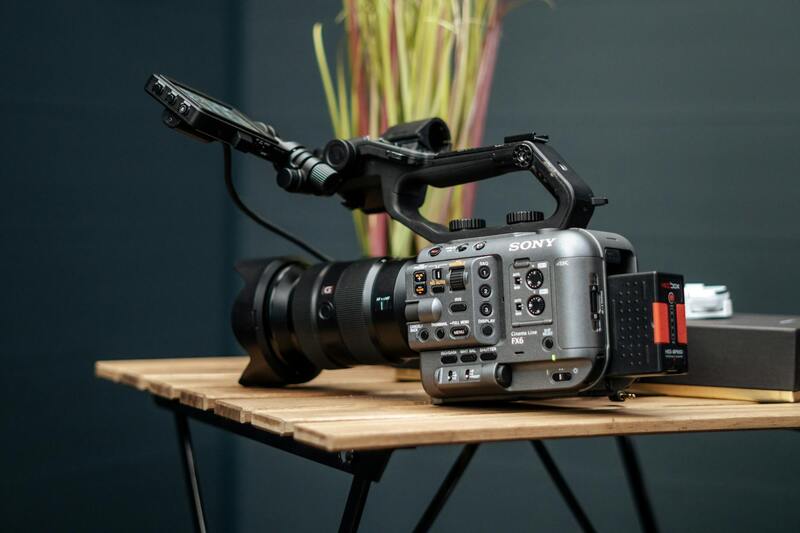
Post-production is crucial for maximizing the visual appeal of drone videos. Color grading techniques enhance the vibrancy and contrast, making the property appear more appealing. Stabilization algorithms correct any minor jitters or shakes, ensuring the footage is smooth and professional. Sequencing shots thoughtfully—beginning with establishing wide shots, followed by detailed close-ups—guides viewers seamlessly through the property. Adding motion effects, such as slow zooms and gentle pans, can heighten the cinematic quality and draw attention to key features. Incorporating music and concise captions or annotations further enriches the viewing experience, making the video more engaging and memorable.
Optimizing for Platforms and Engagement
Finally, ensuring the output format aligns with intended platforms—such as property websites, social media, or email campaigns—is vital. High-bitrate files with appropriate aspect ratios maintain quality and compatibility across devices. Thumbnails, titles, and descriptions should be crafted for SEO, incorporating relevant keywords like "Miami real estate drone video" to increase visibility. Quality drone footage integrated into a well-rounded marketing strategy not only elevates the listing but also builds trust and credibility with potential clients.
Technical Aspects of Creating High-Quality Drone Videos
Producing professional-grade drone videos for real estate requires a deep understanding of both the technical equipment and the operational techniques involved. Selecting the right drone model equipped with high-resolution cameras is essential. Cameras with larger sensors and adjustable aperture settings enable capturing sharp images with rich color fidelity, even in variable lighting conditions across Miami’s diverse environments. A stable gimbal system is equally important, providing smooth, jitter-free footage during flight, which is crucial for maintaining a polished appearance.
Optimal flight planning involves scouting locations beforehand to identify the best angles and times for shooting. Early morning or late afternoon offers natural lighting that accentuates property features while avoiding harsh shadows. Maintaining consistent altitude and smooth, gradual movements ensures cinematic quality, avoiding abrupt changes that can distract viewers. For innovative shots, employing drone features such as orbiting or focusing on specific property elements can add depth and interest.
Camera settings should be meticulously adjusted: shooting in 4K resolution allows for high-detail footage that remains sharp when zoomed or cropped. Utilizing manual controls for focus, exposure, and white balance helps achieve color accuracy and overall image quality. Conducting pre-flight checks on battery levels, GPS signals, and obstacle avoidance systems contributes to safety and operational efficiency, eliminating potential disruptions during filming.
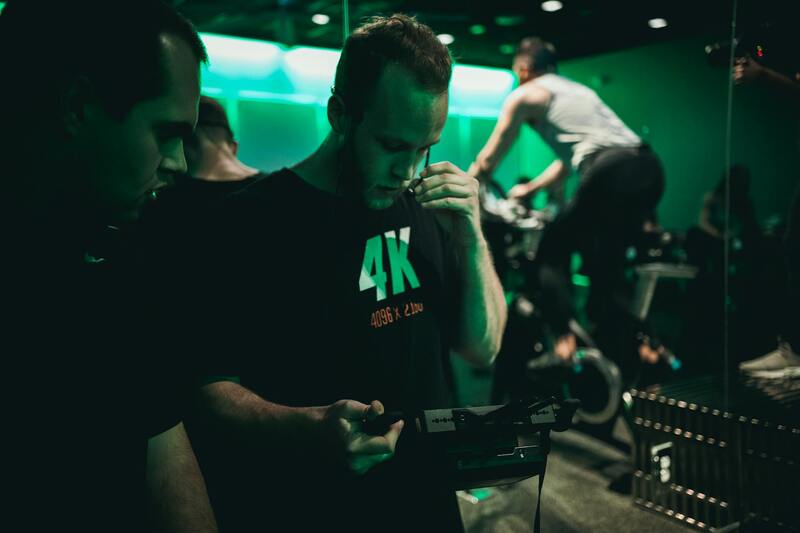
Editing and Post-Production Techniques for Drone Footage
Once raw footage has been captured, post-production steps are vital to enhance visual impact and storytelling. Color grading can be used to correct and elevate the vibrancy of Miami’s coastal and urban landscapes, making the properties stand out vividly. Stabilization algorithms are employed during editing to smooth out any remaining imperfections, ensuring a seamless viewing experience.
Effective sequencing involves arranging shots in a logical flow—from establishing wide angles to close-up details—guiding viewers naturally through the property’s layout. Incorporating subtle motion effects, such as slow zooms or panoramic pans, adds a cinematic quality that can emphasize key features or views. Overlaying captions or annotations can highlight specific selling points, such as proximity to beaches or city centers.
Sound design, including the addition of background music that complements the video’s tone, enhances engagement without overpowering the visuals. Export settings should be optimized for the intended delivery platform. High-bitrate, resolution-preserving formats ensure that quality is maintained across websites, social media, or virtual tour integrations, upholding a professional presentation.
Technical Aspects of Creating High-Quality Drone Videos
Producing exceptional drone footage for real estate requires a thorough understanding of the technical elements that influence video quality. Filmmakers must select the appropriate drone model equipped with high-resolution cameras capable of capturing detailed visuals, especially when showcasing expansive properties or intricate architectural features. The choice of lens and camera settings, such as aperture, shutter speed, and ISO, plays a crucial role in achieving clear, bright images that accurately represent the property and its surroundings.
Stability during flight is vital to avoiding shaky footage that can diminish the video's professionalism. Advanced gimbal systems are employed to maintain camera steadiness, even in windy conditions prevalent in Miami's coastal environment. When planning drone flights, optimal flight paths are designed to maximize coverage while adhering to safety protocols, including maintaining safe distances from structures and crowds.
Lighting conditions are another critical consideration. Shooting during golden hour—shortly after sunrise or before sunset—leverages natural lighting that adds warmth and depth to footage, enhancing the property's curb appeal. During overcast days, adjustments in exposure and white balance help prevent dull or washed-out images.
Moreover, utilizing filters, such as ND (neutral density) filters, can help control exposure levels, especially when capturing high-contrast scenes typical of Miami's vibrant urban and coastal environments. These technical choices collectively contribute to producing compelling visuals that highlight the property's best features and appeal to potential buyers and investors.
In addition to capturing raw footage, professional editors employ software tools to refine the visual output. Techniques like color grading ensure vibrant, true-to-life colors that do not distort the appearance of the property or landscape. The integration of cinematic camera movements, such as slow pans, tilts, or tracking shots, requires precise planning and execution to produce a dynamic viewing experience.
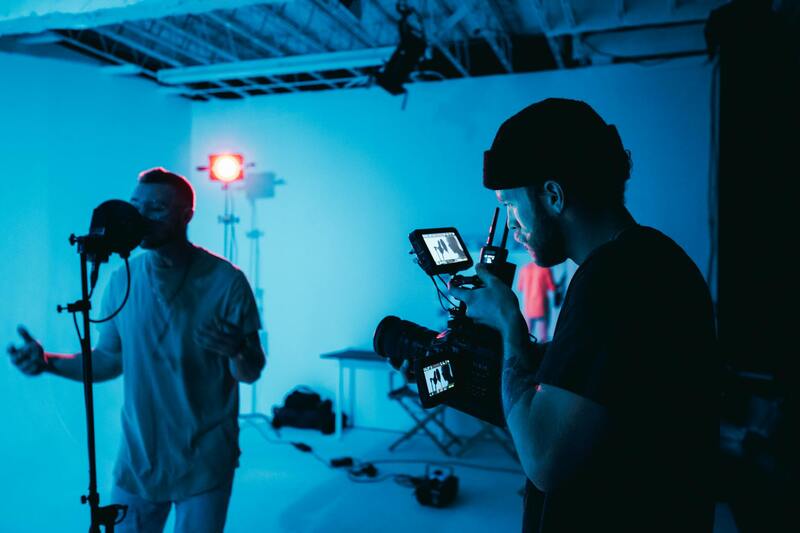
Particularly for Miami's competitive real estate market, high-quality drone videos with professional-grade visuals can significantly influence the property's marketability. Every technical detail—from camera settings to stabilization and lighting—must be calibrated meticulously to ensure the final product exceeds expectations and effectively showcases the property’s unique features.