Importance of Quality Real Estate Photos in Miami
In Miami's dynamic real estate market, the visual representation of a property plays a pivotal role in attracting potential buyers. High-quality real estate home photos serve as the primary gateway to ignite interest and generate leads. They influence how a property is perceived online, often determining whether a viewer will schedule a showing or scroll past it. Given Miami's competitive landscape, where numerous listings compete for attention, professional photography can distinguish a property and elevate its market presence.
Effective real estate photos capture the essence of a home, highlighting its best features and creating an emotional connection with prospective buyers. This visual storytelling not only accelerates the decision-making process but also cultivates a sense of trust and credibility. Listings adorned with compelling images tend to garner higher engagement rates, including more views, saves, and inquiries, making them more likely to lead to a sale.
Furthermore, the perception of a property's value is greatly enhanced through meticulously crafted images. High-resolution, well-lit photographs can make spaces appear larger, cleaner, and more inviting—attributes highly prized in Miami's luxury and waterfront markets. As a result, sellers who invest in professional real estate photos often see faster sales and higher closing prices. In essence, visual quality and presentation directly impact a property's marketability, reinforcing the importance of professional photography in Miami's real estate dealings.

Preparing a Property for Photography
Optimal preparation of a property ensures that every photograph captures its full potential, accentuating the spaces’ best features and minimizing imperfections. Prior to the photography session, it is crucial to declutter all areas, removing personal items and excessive furnishings that can distract viewers from the property’s main attributes. A tidy and organized environment creates a more inviting and spacious impression, which can significantly influence buyer perception.
Deep cleaning is essential—stains, dust, and residues can be highly noticeable in high-resolution images. Attention to detail should include cleaning windows for clarity, buffing floors and surfaces for shine, and ensuring that bathrooms and kitchens are spotless. Freshly laundered linens, fluffy towels, and well-placed decor items can add warmth and appeal, especially to living spaces and bedrooms.
In addition to cleaning, proper staging plays a vital role. Strategically arranging furniture to define space and enhance flow helps in presenting rooms as functional and inviting. Using neutral tones and minimalistic decor allows potential buyers to envision their personal belongings in the space. Incorporating elements that evoke Miami’s vibrant lifestyle—such as beach-inspired accents or modern art pieces—can further resonate with regional buyers.

Ensuring adequate natural light is another critical consideration. Opening curtains, blinds, and turning on lights brightens the space and reveals true colors. Checking for and addressing any maintenance issues—such as peeling paint, leaky faucets, or squeaky doors—before the shoot maintains a polished appearance and prevents distractions in the photographs.
Lastly, timing the shoot during daylight hours when the property receives optimal sunlight naturally boosts the attractiveness of images. When combined with meticulous preparation, these steps create a compelling visual narrative that elevates the overall listing presentation.
Choosing the Right Equipment and Techniques
The foundation of high-quality real estate photography lies in selecting suitable equipment and employing appropriate techniques. Professional-grade cameras with interchangeable lenses are preferred to capture clear, detailed images. Wide-angle lenses are especially valuable, as they enable the photographer to showcase entire rooms and architectural features within a single frame, imparting a sense of spaciousness.
Tripods are essential for stability, ensuring sharp images, particularly in low-light conditions. Exterior shots benefit from drone photography or high-resolution telephoto lenses to capture the property’s surroundings and architectural details from advantageous angles.
Techniques such as HDR (High Dynamic Range) imaging combine multiple exposures to accurately portray both bright outdoor scenes and interior lighting. This approach mitigates issues with shadows and highlights, producing well-balanced and vibrant photos. Using calibrated color profiles ensures consistent white balance and color accuracy across all images, maintaining a professional appearance.
Incorporating lighting techniques, such as additional indoor lighting or reflectors, can compensate for uneven natural light and create a warm, inviting atmosphere. Proper editing and post-processing further refine images by enhancing clarity, correcting color discrepancies, and ensuring that the final photographs accurately represent the property's true appeal.
Proper Lighting and Timing for Capturing Stunning Real Estate Photos
Achieving high-quality real estate home photos requires meticulous attention to lighting, which significantly influences the overall appearance of the property in images. Natural light is preferred wherever possible, as it creates a warm, inviting atmosphere that enhances the property's features. The optimal time for exterior shots is during golden hour—shortly after sunrise or before sunset—when sunlight provides a soft, diffused glow that minimizes harsh shadows and highlights architectural details.
For interior photography, maximizing natural light involves opening curtains and blinds to allow sunlight to flood the space. In areas where natural light is limited, supplementary lighting sources such as softbox lights or LED panels are used to evenly illuminate rooms, avoiding unflattering shadows or dark spots. Diffused lighting helps to create a balanced and realistic depiction of the home’s interior, making the space appear more spacious and appealing.

Timing remains crucial, especially considering the property’s unique characteristics and the neighborhood’s lighting conditions. Typical scheduling involves capturing photos during peak daylight hours on clear days to ensure consistent, high-quality images. When shooting exteriors, overcast days can sometimes provide ideal diffused lighting, reducing the contrast between shadows and highlights. This approach results in more evenly lit photographs that better showcase the property’s exterior details and curb appeal.
Camera Settings and Composition Techniques in Real Estate Photography
Camera settings are pivotal to producing clear, sharp, and professional-looking images. A wide-angle lens with a focal length between 14mm and 24mm is standard for capturing expansive rooms and outdoor areas, providing a comprehensive view that helps prospective buyers envision the entire space. Using a low ISO setting (typically 100–200) minimizes noise and ensures crisp image quality, especially in well-lit environments.
Optimal aperture choices generally range from f/8 to f/11, offering a balance between depth of field and sharpness. A tripod is essential to maintain stability during long exposures, which are often necessary in interior shots to properly expose the scene without increasing ISO and introducing noise.
Composition techniques play a vital role in creating compelling real estate photographs. Employing the rule of thirds helps to achieve balanced images, while leading lines direct viewers’ eyes toward focal points within the space. Including multiple perspectives—and even shooting from corners—can better highlight the size and flow of rooms. Ensuring that all vertical lines—such as walls and doorframes—are straight, prevents distortions that can distract viewers and detract from the property’s true appearance.
Post-Processing: Enhancing Real Estate Photos Without Overdoing It
Post-processing is integral to refining real estate images while maintaining their authenticity. Basic editing involves adjusting brightness, contrast, and color saturation to accurately represent the property's colors and lighting conditions. Correcting perspective distortions and straightening lines ensures that architectural features appear true to life, enhancing viewers’ trust in the listing.
Further touches include sharpening details to highlight texture and clarity, as well as reducing minor imperfections such as reflections or distracting objects. However, it is crucial that post-processing does not alter the property’s appearance to a degree that misleadingly sets false expectations. Consistent editing standards maintain professionalism and integrity, reinforcing the credibility of the listing.
Utilizing Advanced Equipment and Techniques to Capture Stunning Real Estate Photos
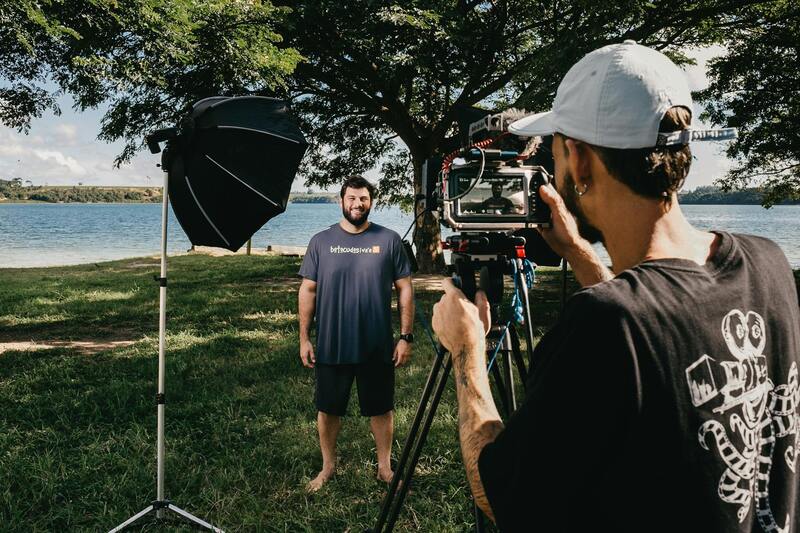
Investing in the appropriate equipment is fundamental for capturing high-quality real estate photographs that truly showcase a property’s best features. Professional-grade cameras with full-frame sensors paired with high-resolution lenses ensure clarity, detail, and accurate color reproduction. Wide-angle lenses are particularly effective for photographing interior spaces as they allow for a broader perspective, making rooms appear more spacious and inviting. When using wide-angle lenses, it’s essential to avoid distortion by adjusting the camera settings properly and maintaining correct camera angles.
In addition to standard photography, drone imaging has become an invaluable tool for capturing expansive property views, especially for estates, waterfront properties, or lands with scenic surroundings. Aerial shots provide prospective buyers with a comprehensive understanding of the property’s layout and its relationship to the surrounding environment.
Shooting techniques play a critical role in producing compelling images. Maintaining a steady camera setup with a tripod helps ensure sharpness and consistency, especially in interior shots where lighting conditions can vary. Properly framing scenes based on the rule of thirds enhances visual interest and balance. Using HDR (High Dynamic Range) photography can address challenging lighting conditions, ensuring both bright and shadowed areas are well-exposed.

Effective Strategies for Showcasing Real Estate Photos Online
Maximizing the appeal of property images on online listings requires meticulous attention to detail and strategic presentation. Ensuring consistency in style, lighting, and framing helps create a cohesive visual narrative that resonates with prospective buyers. High-quality images should be properly sized and optimized to load swiftly across devices while maintaining clarity. This balance enhances user experience, reduces bounce rates, and encourages further engagement with the listing.
Another crucial aspect is the strategic placement of images within the listing. Prioritizing the most striking exterior shots at the beginning captures immediate interest, followed by interior photos that highlight key features like spacious living areas, modern kitchens, and luxurious bathrooms. Incorporating floor plans alongside high-resolution images can further assist buyers in visualizing the property’s layout. Regularly updating these visuals with seasonal photos or new angles ensures the listing remains current and appealing.

Utilizing descriptive, keyword-rich image filenames and alternative text enhances visibility in search engine results. This practice, combined with strategic keywords specific to the Miami market, helps attract local buyers seeking properties in the area. Additionally, integrating virtual tours or 360-degree images can elevate the listing, providing an immersive experience that captures the attention of potential clients.
Highlighting unique property features through thoughtfully curated sets of images encourages viewers to envision living there. Staging the home before photography sessions ensures that spaces look their best, emphasizing spaciousness, cleanliness, and style. Professional editing, including color correction and minor retouching, ensures the photos are vibrant and inviting—without misrepresenting the property.
Maximizing the Impact of Real Estate Photos in a Competitive Market
In Miami’s bustling real estate scene, outstanding visuals can distinguish a property from the multitude of listings. By pairing high-quality photography with compelling captions and accurate descriptions, sellers and agents can craft powerful narratives that resonate with buyers. Incorporating a variety of shot types, from wide-angle exterior views to detailed close-ups of architectural elements, provides a comprehensive visual portfolio.
Promoting these images across different online channels—including social media platforms, real estate aggregators, and email marketing—further broadens their reach. Consistent branding and professional presentation reinforce the property’s value and appeal, increasing the likelihood of attracting serious inquiries and competitive offers.
Ensuring Accurate Representation Through Professional Photography
High-quality real estate photos serve as a critical first impression for potential buyers browsing online listings. To effectively showcase a property's best features, professional photographers utilize advanced techniques that balance aesthetic appeal with factual accuracy. This includes careful composition, strategic lighting, and the selection of optimal angles that highlight spaciousness, design details, and unique architectural elements. By capturing images that authentically portray the property's condition and character, real estate professionals can foster trust and transparency, encouraging viewers to schedule viewings and make informed decisions.
Utilizing Equipment and Techniques for Superior Results
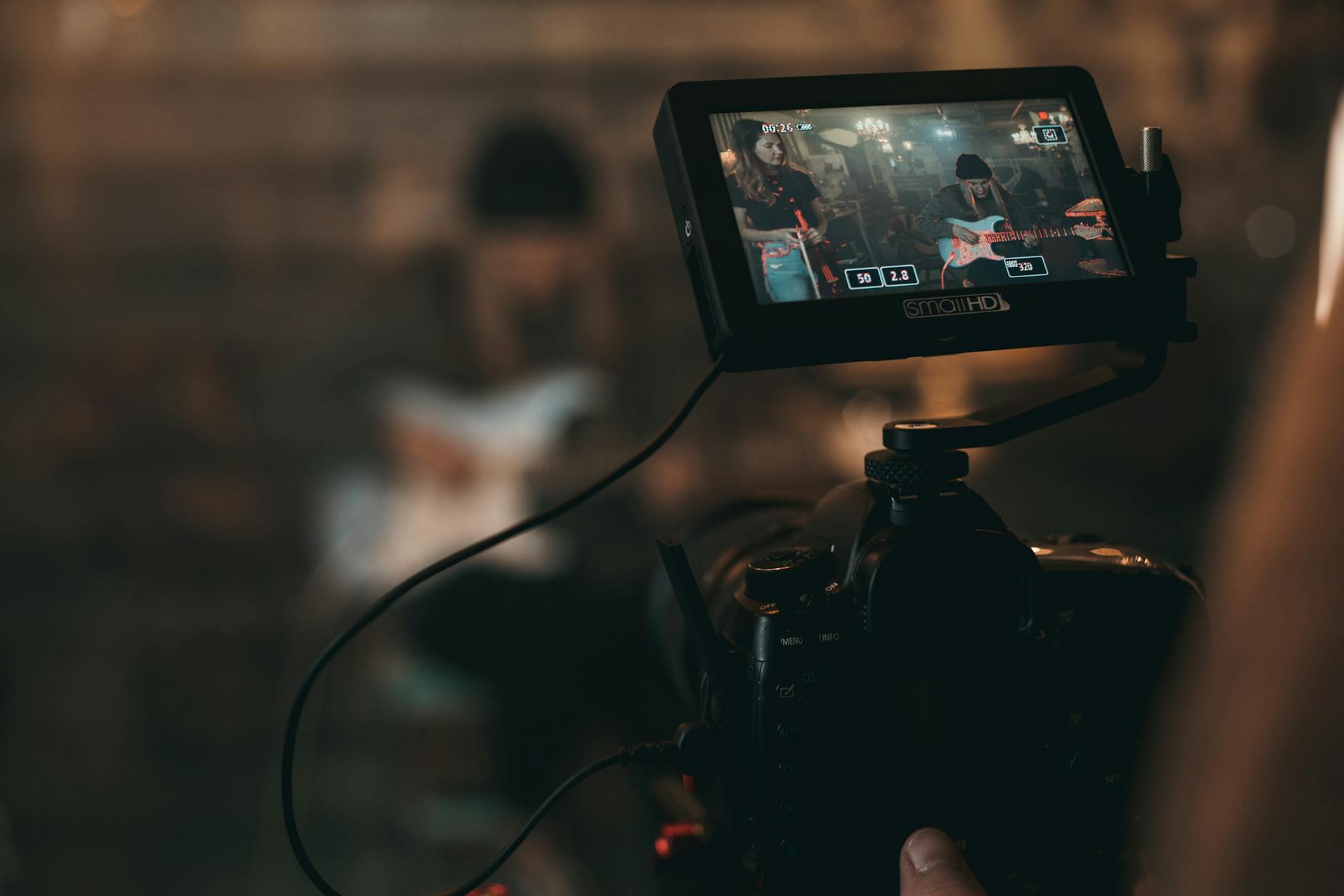
To produce visually compelling images, professional photography employs equipment such as DSLR or mirrorless cameras equipped with wide-angle lenses. These lenses allow for capturing expansive interior and exterior views without distortion, presenting spaces in their true proportions. Additionally, tripod stabilization ensures sharp, well-aligned images, especially in lower light conditions, while high dynamic range (HDR) imaging balances light and shadow, delivering consistent exposure throughout the scene. Techniques such as drone photography provide aerial perspectives, offering panoramic views and showcasing large estates or extensive grounds, which can be particularly appealing in Miami’s diverse real estate landscape.
Advanced Editing and Post-Processing Steps
Post-processing plays a vital role in refining real estate images. Professional editors adjust brightness, contrast, and color saturation to enhance visual impact while maintaining natural appearance. Retouching may involve removing minor imperfections, such as lens flare or distracting clutter, to ensure the focus remains on the property's assets. Nevertheless, it is essential that edits do not alter the true look of the property, preserving an honest representation that aligns with prospective buyers' expectations. This careful balance enhances the photos' effectiveness, encouraging viewer engagement and facilitating a quicker sale process.

Implementing Photo Optimization for Listing Success
Optimizing photos for online listings involves more than just high-quality images; it requires ensuring that visuals load efficiently and display correctly across various devices. File sizes are adjusted to prevent slow page loads, which can deter potential viewers. Descriptive file names rich in keywords, such as "Miami luxury waterfront home exterior," improve search engine visibility, driving more traffic to the listing. Implementing alt text with relevant keywords enhances accessibility and further supports online discoverability. Additionally, integrating the images seamlessly into the website's layout and ensuring consistent image dimensions help create a polished, professional appearance that reinforces the property's value proposition.
Strategic placement of images within online listings—such as placing exterior shots at the beginning and highlighting key features like kitchens, master bedrooms, or outdoor amenities—guides viewers through a visual narrative. This approach encourages prolonged engagement and increases the likelihood of inquiries. Combining high-quality images with compelling descriptions that highlight distinctive features establishes a strong connection with potential buyers, making the property more memorable and desirable in a competitive market.
Legal Considerations and Ethical Standards
When it comes to utilizing real estate home photos, adhering to established legal frameworks and ethical standards is paramount to maintain professionalism and protect all parties involved. Proper authorization must be secured before capturing or publishing images of a property, especially when it involves private spaces or sensitive information. It is essential to obtain clear consent from property owners or authorized representatives, ensuring they are aware of how the images will be used and distributed across various platforms.
Respecting the privacy of tenants or residents is a critical aspect of ethical real estate photography. This includes avoiding the inclusion of personal items, identifying information, or any elements that could compromise security or privacy. Photographers should be diligent in editing out such details and focus solely on portraying the property in its best light.
Accurate Representation and Integrity
High-quality real estate photos should accurately reflect the property's features and condition without misleading potential buyers. Selective editing should enhance the visual appeal without altering the true essence of the space. Overly manipulated images can create false expectations, leading to dissatisfaction or mistrust in the transaction process. Maintaining integrity in visual presentation not only reinforces credibility but also fosters a transparent relationship with prospective buyers.
Compliance with Platform Guidelines
Different online listing platforms and real estate websites have specific policies regarding image content and quality. Adhering to these guidelines ensures that photos are displayed correctly and reach the intended audience effectively. This includes following specifications for image dimensions, resolution, and formatting, as well as avoiding prohibited content or misleading imagery. Staying compliant enhances the property's visibility and helps avoid potential conflicts or removals.
Legal Considerations and Ethical Standards
Ensuring that all property photographs adhere to established legal guidelines and ethical standards is integral to professional real estate marketing. Authenticity plays a significant role in building trust with prospective buyers, which is why real estate photographers and agents must be diligent in presenting truthful representations of the property. This involves capturing images that reflect the true condition, layout, and ambiance of the home without embellishment or omission.
One of the primary aspects involves securing appropriate permissions prior to photographing private or restricted areas within the property. It is essential to respect privacy boundaries, particularly in shared or multi-unit buildings where common areas may have specific regulations regarding photography. Photographers should also avoid including identifiable personal items or sensitive information in their shots, maintaining a clear boundary between marketing images and personal privacy.
Photographic Integrity and Editing
While post-processing is a standard part of professional photography, it must be performed within the limits of honesty. Adjustments such as brightness, contrast, and color correction can enhance image quality, but excessive manipulation that distorts the true appearance of the property can mislead viewers. Discrepancies between photographs and the actual property can undermine the trustworthiness of listings, potentially leading to issues during the sale process.
Photographers should follow established guidelines for editing, emphasizing transparency and accuracy. Proper documentation of any significant alterations helps maintain ethical standards and ensures that the images serve as a reliable preview of the property.
Adherence to Platform Regulations
Online real estate listings and digital platforms often have specific requirements regarding image quality and content. These guidelines aim to provide consistency and fairness in property marketing. Examples include specifications for image resolution, dimensions, and file formats, as well as restrictions on misleading or prohibited content.
Professionals involved in real estate photography must familiarize themselves with these standards and ensure compliance. This not only optimizes the visibility of the listing but also protects the interests of both sellers and buyers by maintaining a fair and transparent marketplace.