
Importance of High-Quality Real Estate Photos
In the competitive Miami real estate market, the visual presentation of a property plays a critical role in attracting potential buyers and closing deals efficiently. High-quality real estate house photos serve as the first impression for online listings, significantly influencing a viewer's decision to explore further. When photographs showcase the property’s best features with clarity and professionalism, they enhance the property’s appeal and generate increased interest from prospective buyers and investors.
Professionally captured images do more than just highlight a home's aesthetic qualities; they establish trust and convey credibility for the seller and agent. Buyers tend to be more engaged and willing to schedule viewings when they can clearly perceive the property's value through crisp, well-composed photos. This is especially vital in Miami, where diverse architectural styles and luxurious homes demand images that effectively communicate the property’s unique attributes to a broad audience.
Accurate and high-quality photography translates into more effective marketing campaigns across multiple channels, including property listing websites, social media platforms, and email marketing. These visuals increase the likelihood of reaching serious buyers, ultimately shortening the selling cycle. Moreover, striking images enable listings to stand out amid a sea of competitors, making a compelling case for viewing the property in person. Given the importance of first impressions in real estate, investing in professional photography is a strategic move to maximize market visibility and optimize sales opportunities in Miami’s vibrant housing market.
Key Elements of Successful Real Estate Photos
To capture compelling real estate house photos, certain elements must be prioritized. The right composition, lighting, and staging are crucial for creating images that accurately represent the property's true potential and appeal. Successful photographs highlight the flow and spatial relationships within the home, as well as key features such as modern kitchens, spacious living areas, and outdoor amenities that resonate with today's buyers.
Color accuracy and image clarity help establish trust with viewers, providing a realistic portrayal of the property which encourages in-person visits. Wide-angle lenses, proper lighting setups, and thoughtful staging contribute to an inviting and professional appearance. Additionally, capturing the property at optimal times — typically during daylight hours — ensures natural light enhances the images and accentuates the property's best aspects.
In Miami's dynamic real estate scene, standout photos also incorporate elements of the local environment, such as scenic views, beaches, or urban landscapes, framing the property in an appealing context. When these key elements are integrated effectively, they create a visual story that engages prospective buyers and guides their perception of the property’s value.
Choosing the Right Equipment and Techniques
Achieving exceptional real estate house photos in Miami begins with selecting the appropriate equipment and mastering specific techniques. High-quality images rely heavily on the use of professional-grade cameras equipped with wide-angle lenses, which allow photographers to capture more of a room in a single shot, emphasizing space and flow. Tripods are essential to maintain stability and ensure sharp, distortion-free images, especially in low-light conditions or when longer exposure times are necessary.
Utilizing proper lighting techniques is equally vital. Natural light, abundant during daylight hours, helps reveal the home's true colors and details, minimizing shadows and enhancing the overall ambiance. Photographers often supplement natural light with portable lighting solutions or reflectors to evenly illuminate dark corners and highlight key features. For interiors with insufficient natural light, high Dynamic Range (HDR) photography can be employed to balance exposure levels, resulting in well-lit, vibrant images that truly showcase each space.
Additionally, camera settings such as aperture, ISO, and shutter speed should be carefully adjusted to suit the environment. A narrow aperture (higher f-stop number) ensures greater depth of field, keeping both foreground and background in sharp focus. Keeping ISO low helps reduce image noise, maintaining clarity and professionalism. Thoughtful use of geometric lines, symmetry, and perspective also plays a crucial role in composition, guiding the viewer’s eye through the space and creating inviting visuals that highlight the property’s strengths.

Most professional photographers also incorporate the use of drone technology for exterior shots, providing stunning aerial views of the property and its surroundings. This perspective is particularly effective in Miami, where landscape, beaches, and urban vistas contribute significantly to the property's appeal. Combining ground-level and aerial photography ensures a comprehensive visual presentation that is engaging and informative for potential buyers or renters.
Post-capture methods, including proper image editing, play a critical role in refining photographs to meet high standards. Adjustments for brightness, contrast, and color balance without exaggerating the true appearance of the property help maintain authenticity. Advanced editing tools allow for the removal of minor imperfections and the enhancement of textures and details, making each image more appealing while preserving the natural beauty of Miami homes.
Technical Tips for Capturing High-Quality Real Estate House Photos
Achieving outstanding real estate photos requires a comprehensive understanding of both the technical aspects and the creative nuances of photography. Proper planning before the shoot involves scouting the property to identify the best angles and lighting conditions, which can significantly impact the overall presentation of the home. Natural light plays a pivotal role in producing inviting, warm images that resonate with potential buyers, and scheduling shoots during the golden hours—shortly after sunrise or before sunset—can enhance the property’s natural appeal.
Using a tripod is fundamental in ensuring stability and sharpness in every shot, particularly when working with narrower apertures and low light conditions. This equipment allows consistent framing, minimizes camera shake, and facilitates precise composition adjustments. When selecting lenses, wide-angle options—typically between 14mm and 24mm—are standard because they encompass more of the space within a single frame, conveying the room’s true proportions and creating a sense of openness advantageous in real estate marketing.
Lighting techniques are equally critical. While utilizing natural sunlight is ideal, supplementing with professional lighting setups can effectively fill shadows, highlight architectural features, and maintain uniform exposure throughout interior spaces. Properly balanced lighting ensures that colors are true to life and details are crisply visible, which enhances the authenticity and visual appeal of the images.

Advanced shooting techniques, such as bracketing exposures for high dynamic range (HDR) photography, allow for seamless blending of multiple images to capture both interior brightness and exterior views without sacrificing detail. Orientation and framing should follow principles of symmetry and leading lines to draw the viewer’s eye naturally through the space, emphasizing the property’s best features. Incorporating drone photography for aerial shots provides a comprehensive view of the property’s layout, surrounding landscape, and unique Miami scenery, adding depth and context to the listing visuals.
Final considerations involve meticulous post-processing to polish images without compromising their authenticity. Adjustments in brightness, contrast, and color saturation should aim to enhance the natural look, ensuring that the house represents what prospective buyers will encounter in person. Removing minor distractions—such as dust spots or small surface imperfections—can make a significant difference, while maintaining a true representation of the property’s features.
Overall, combining technical proficiency with a keen eye for detail results in real estate house photos that effectively communicate the property's value, appeal to targeted audiences, and support successful marketing efforts. The goal remains to produce images that are not just visually attractive but also trustworthy and informative for prospective clients.
Choosing the Right Equipment and Techniques
Achieving exceptional real estate house photos hinges on selecting appropriate equipment and employing effective techniques. High-resolution DSLR or mirrorless cameras are preferred due to their ability to capture detailed images with accurate color reproduction. Wide-angle lenses, typically ranging from 14mm to 24mm, are essential for showcasing interior spaces comprehensively, allowing viewers to perceive the full scope of rooms without distortion.
Tripods play a vital role in stabilizing the camera, especially in low-light conditions or when capturing long-exposure shots to brighten interiors without introducing blur. Sturdy, adjustable tripods ensure consistent framing and perspective across multiple images, which is crucial for creating cohesive virtual tours or photo collections.

Lighting and Composition
Optimal lighting is fundamental for producing inviting and accurate representations of homes. Natural light should be harnessed as much as possible, with images scheduled during the golden hours—shortly after sunrise or before sunset—for soft, warm illumination that emphasizes architectural features and interior textures. When natural light is insufficient, professional lighting setups, including strobe lights or LED panels, should be used to evenly illuminate spaces without creating harsh shadows.
Composition should adhere to established principles that guide the viewer’s eye smoothly through the photograph. Use leading lines, such as hallways or furniture arrangements, to direct attention toward focal points like the fireplace, stunning views, or unique design elements. Symmetry can be exploited in architectural features to create balanced and pleasing images, especially in exterior shots. Incorporating vertical and horizontal lines helps maintain perspective accuracy and avoids distortion caused by wide-angle lenses.
Techniques for Enhancing Image Quality
- HDR Photography: Combining multiple exposures captures both shadowed and brightly lit areas, ensuring interior details and exterior views are visible without overexposure or underexposure.
- Bracketing: Shooting bracketed images enables merging into high-dynamic-range (HDR) photos that accurately reflect the property's lighting conditions.
- Dusk and Dawn Shots: capturing properties during twilight adds a warm ambiance and showcases exterior lighting effects, making listings more captivating.
- Drones and Aerial Photography: aerial shots provide comprehensive overviews of the property, yard, and surrounding Miami scenery, setting listings apart with a panoramic perspective.

Post-Processing and Editing Practices
After capturing images, a meticulous editing process ensures that visuals are polished yet authentic. Adjustments in brightness, contrast, and color saturation can help images look vibrant and realistic. It is critical to avoid overly dramatic edits that could misrepresent the property’s true appearance, maintaining a high standard of integrity. Small retouches, such as removing dust spots, minor surface imperfections, or distracting elements, enhance the viewer's experience without altering the integrity of the listing.
Software like Adobe Photoshop and Lightroom provides powerful tools for color correction, perspective adjustment, and image stacking. Preserving the original proportions and spatial relationships is essential to accurately convey the size and layout of a property, ensuring prospective buyers receive a truthful depiction that aligns with in-person impressions.
Legal and Ethical Considerations
When showcasing real estate properties through high-quality photographs, adhering to established guidelines is essential to maintain transparency and trust with potential buyers. Proper accreditation for any third-party content, such as drone footage or unique visuals captured with specialized equipment, ensures clear attribution and respects previous work. It is important to secure appropriate permissions for photographing certain properties, especially those with restrictions on photography or private areas, reflecting a respectful and professional approach.
Authenticity in real estate photographs involves accurately representing the property's features without exaggerated perspectives or misleading enhancements. Avoiding manipulative editing practices helps to preserve the integrity of your listings, ensuring that prospective buyers receive an honest view. Transparency about the use of editing techniques or enhancements in your marketing materials can foster buyer confidence and establish a reputation for reliability.
Using Photos for Effective Marketing
High-quality images serve as a cornerstone for compelling property listings, transforming online platforms into engaging visual narratives. Properly curated photographs can dramatically increase the interest and engagement of prospective buyers by highlighting key features, interior layouts, and captivating exterior views.
- Visual Storytelling: Well-composed images tell a story about the property, conveying its unique charm and appeal.
- Platform Optimization: Use high-resolution photos tailored to different marketing channels, ensuring clarity across websites, social media, and virtual tours.
- Highlighting Details: Showcase distinctive features such as custom finishes, spacious layouts, or scenic views that set the property apart.
- Consistency: Maintain a cohesive style across all images to strengthen brand identity and professionalism.
Effective marketing also involves strategic timing and presentation, such as releasing images at peak viewing times and using descriptive captions to enhance visual impact. Coordinating these efforts with a professional photography provider ensures that presentations adhere to high standards and maximize reach.
Partnering with a Miami Real Estate Photography Agency
Collaborating with an experienced Miami-based photography agency provides access to industry-leading techniques tailored to local market nuances. These agencies offer expertise in capturing diverse property types—from luxury condos to single-family homes—ensuring each listing highlights its best features.
- Professional Equipment: Agencies utilize advanced cameras, lighting, and drone technology to produce superior images.
- Customized Approach: Tailored photo shoots that consider property architecture, lighting conditions, and client preferences.
- Post-Shoot Support: Comprehensive editing, retouching, and formatting to meet marketing specifications.
- Market Insights: Local knowledge to emphasize features most attractive to Miami buyers, boosting engagement.
Choosing the right partner ensures that every aspect of property portrayal aligns with best practices, helping listings stand out in an increasingly competitive Miami real estate market. Establishing a trusted relationship with a reliable agency enhances the quality, consistency, and effectiveness of marketing campaigns.
Legal and Ethical Considerations
When producing compelling real estate house photos, adherence to established standards is essential for maintaining trust and professionalism in the market. This involves obtaining proper permissions before photography, especially when capturing interior spaces or private areas. Securing consent from property owners or authorized representatives ensures that all visual content is created with authorization, preserving respectful boundaries and fostering positive relationships.
Respect for privacy also extends to neighboring properties and communal spaces. Ensuring that images do not inadvertently capture private or sensitive areas helps avoid misunderstandings and potential disputes. Photographers should be diligent in framing shots to avoid unintended inclusions that might infringe on others' privacy rights.
In addition to respecting privacy, it’s important to adhere to specific property rights and rights of publicity, especially when featuring people or recognizable private assets within photographs. Obtaining written releases when individuals appear in images is recommended to prevent future conflicts.
Compliance with local regulations related to drone photography and aerial imaging is also crucial. Various jurisdictions maintain rules regarding altitude limits, no-fly zones, and the use of unmanned aerial vehicles in residential areas. Utilizing licensed operators who follow approved guidelines guarantees that aerial shots are captured legally and ethically.
Maintaining transparency about the use of editing and digital enhancements is vital. Honest representation of a property's features fosters trust with potential buyers and ensures marketing material reflects reality. Overly staged or manipulated images can mislead buyers and damage credibility—professional editing should aim to enhance the property's visual appeal without misrepresenting its true condition.
Importance of High-Quality Real Estate Photos
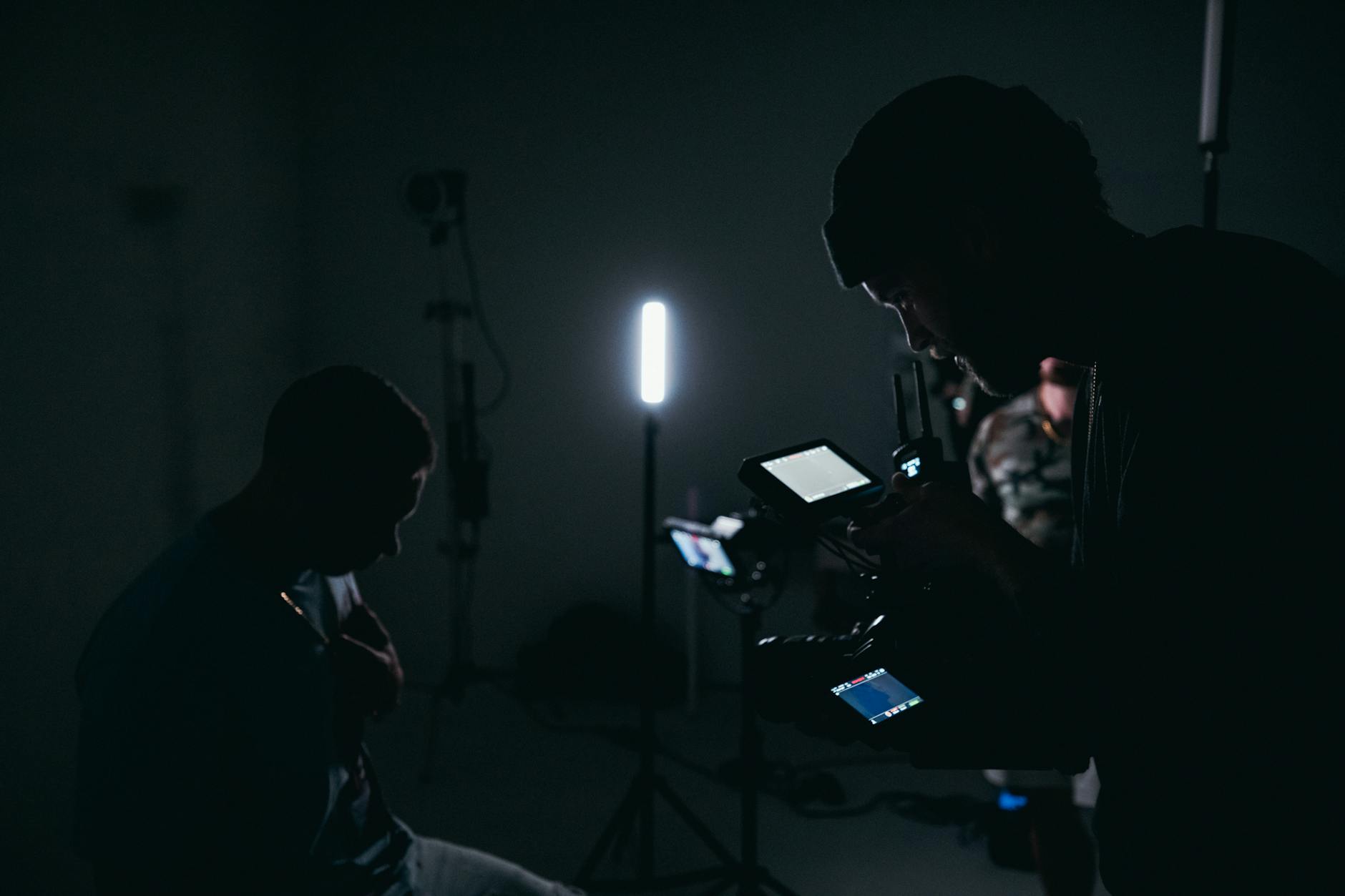
In the competitive Miami real estate market, captivating imagery is essential for attracting potential buyers. High-quality photos serve as the initial impression of a property, often determining whether a viewer proceeds to learn more or scroll past. Professional images highlight the property's best features, creating an emotional connection that can accelerate the decision-making process. Moreover, well-composed photographs enhance the perceived value of the home, justifying asking prices and reducing the time a property spends on the market.
The significance of high-resolution images cannot be overstated. Clear, sharply detailed photos allow viewers to scrutinize interior finishes, architectural details, and exterior landscapes, fostering confidence in the property's condition. Additionally, visually appealing photographs stand out in online listings, social media feeds, and virtual showcases, increasing the overall visibility and reach of real estate advertisements.
Incorporating a diverse set of images—including wide-angle shots, close-ups of key features, and well-lit exterior scenes—gives prospective buyers a comprehensive understanding of the property. This not only builds trust but also reduces the likelihood of misunderstandings or unmet expectations during viewings, streamlining the sales process. High-quality imagery ultimately serves as a powerful tool in creating a compelling narrative around a property, motivating buyers to take the next step.
Key Elements of Successful Real Estate Photos
- Lighting: Proper illumination is fundamental. Natural light during daytime hours enhances colors and creates inviting atmospheres. Use additional lighting when needed to eliminate shadows or dark corners.
- Composition: Use the rule of thirds to create balanced, engaging shots. Ensure key features are centered and framed correctly, avoiding clutter or distractions in the background.
- Angles and Perspectives: Capture multiple angles to showcase spaces from various viewpoints. Wide-angle lenses can make rooms appear more spacious but should be used judiciously to maintain perspective accuracy.
- Decluttering and Staging: Keep spaces tidy and well-staged to appeal to buyers. Remove personal items and clutter that can detract from the home's features.
- Exterior Shots: Highlight curb appeal with well-composed images of the front and backyard, including landscaping and outdoor amenities.
Choosing the Right Equipment and Techniques
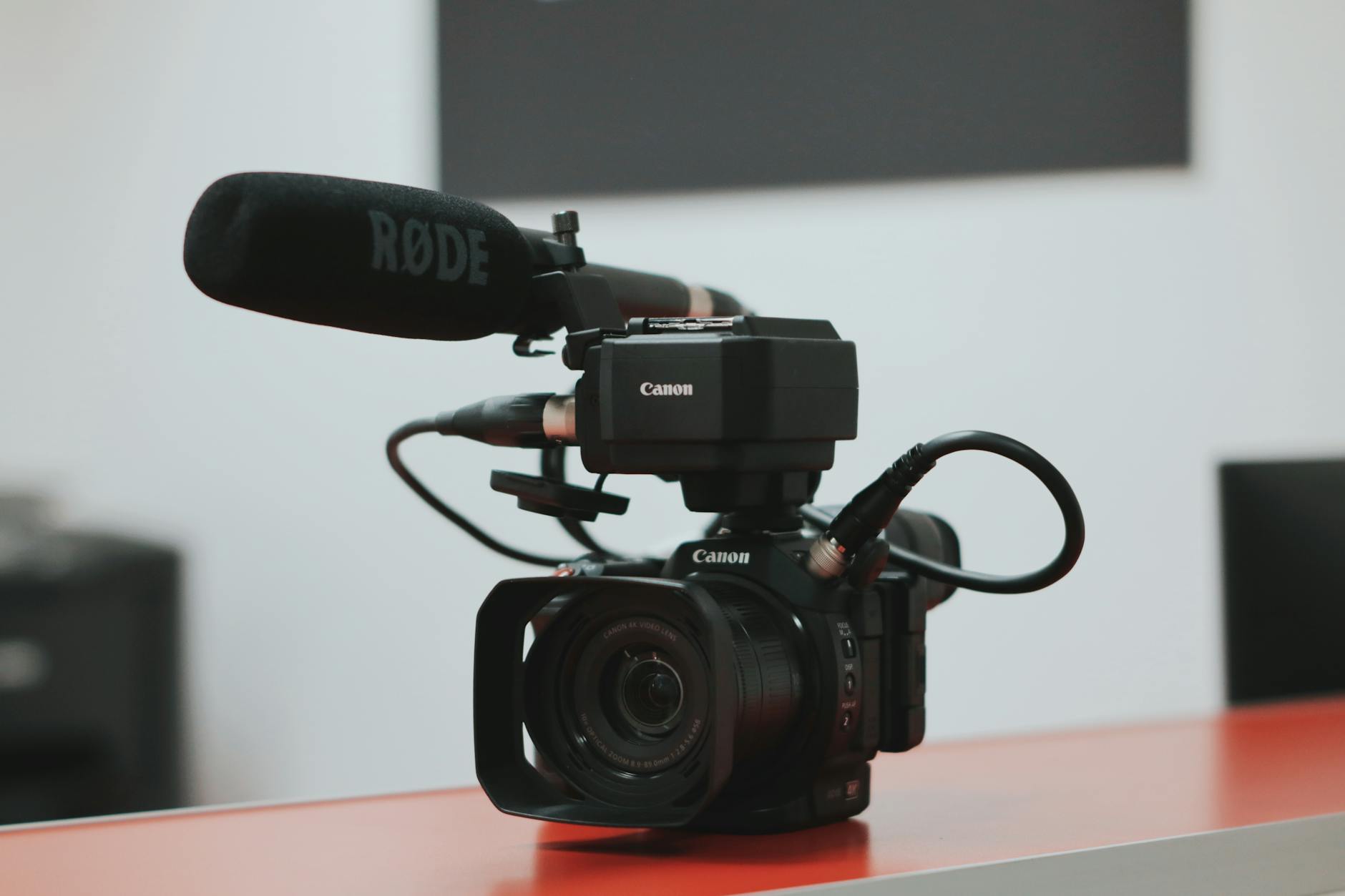
Successful real estate photography relies on specialized equipment and professional techniques. DSLR or mirrorless cameras with high-resolution sensors are preferred for capturing detailed images with accurate colors. Utilizing wide-angle lenses (typically between 10-24mm) allows for capturing more of a room in a single shot, making spaces look more inviting and spacious.
Tripods ensure stability and prevent camera shake, especially in lower light conditions. Drones are increasingly used to provide aerial perspectives of Miami properties, showcasing larger estates or scenic surroundings effectively. The use of HDR (High Dynamic Range) imaging can balance exposures in scenes with contrasting light levels, such as bright exteriors against shaded interiors.

Photographing Different Types of Miami Properties
Miami's diverse property landscape requires tailored approaches to representing each type effectively. Luxury waterfront estates benefit from aerial shots highlighting their location and expansive outdoor areas. High-rise condos necessitate capturing panoramic city views and impressive amenities.
Historic homes call for detailed images that emphasize architectural features, such as intricate moldings or restored facades. Family-friendly suburban houses should focus on spacious interiors, welcoming exteriors, and yard spaces.
Each property type presents unique visual storytelling opportunities. Understanding the target audience and the property's distinctive appeal guides the photographer in selecting the most effective angles, lighting, and staging techniques.
Sample considerations include:
- Exterior property shots emphasizing curb appeal and landscape design.
- Interior photos focusing on natural light and functional layouts.
- Highlighting outdoor living spaces, such as pools, patios, or balconies.
- Showcasing nearby amenities or scenic views relevant to Miami lifestyles.
Post-Processing and Editing Practices
Post-shoot editing enhances real estate images while maintaining an authentic representation of the property. Adjustments to exposure, contrast, and color balance help produce vibrant, appealing visuals. When appropriate, stitching multiple exposures creates high dynamic range images that reveal details in both shadowed and well-lit areas.
Retouching should be subtle, removing minor distractions such as reflecting windows, wires, or clutter, without altering the actual features of the property. It's essential to preserve the true character and condition of the home to foster trust among prospective buyers.
Professional editing software allows precise control over image quality, ensuring consistency across a property’s visual presentation. This attention to detail supports a cohesive and compelling marketing campaign, ensuring the images reflect the property’s true potential.
Effective Utilization of Real Estate House Photos in Marketing Strategies
High-quality real estate photos are integral to crafting compelling property listings that capture potential buyers’ attention and foster engagement. To maximize the impact of visual content, marketers should adopt structured approaches that align with current digital trends and consumer preferences. This involves strategic placement of images within online listings, social media platforms, and virtual tours, ensuring each visual element reinforces the property’s unique features.
Besides presentation, consistency across photographic styles strengthens branding efforts for real estate agents and agencies. Employing a standardized color palette, staging approach, and editing style creates a recognizable visual identity, enhancing credibility and trustworthiness. Images should be optimized for various devices, balancing resolution with quick load times to facilitate seamless viewing experiences on desktops, tablets, and smartphones.

In real estate marketing, data-driven insights demonstrate that properties with professional-quality photos generate significantly higher interest rates and faster sale cycles. Technology advancements enable integration with virtual staging, 3D walkthroughs, and interactive floor plans, providing immersive experiences that reduce buyer hesitation. Incorporating such features into digital marketing campaigns enhances the property's appeal and broadens the reach within target markets.
Moreover, complementary content such as drone images or neighborhood panoramas enriches the visual narrative, emphasizing the property's setting within the vibrant Miami landscape. These high-resolution images, when strategically deployed, create a sense of lifestyle and community, resonating with prospective residents seeking a particular ambiance.
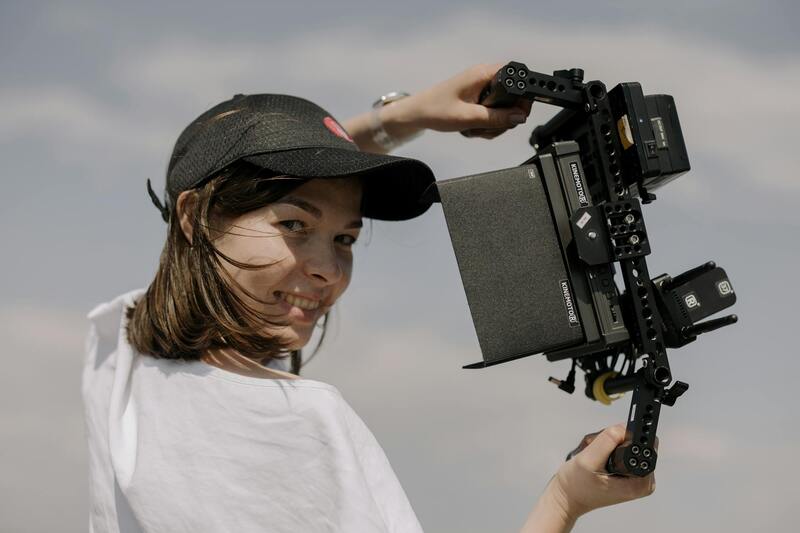
Efficient use of real estate house photos extends beyond online listings. Incorporating them into print materials, such as brochures and signage, reinforces brand consistency and captures attention in physical marketing environments. Additionally, leveraging these images for targeted advertising campaigns on social media allows precise demographic and geographic segmentation, increasing the likelihood of connecting with qualified buyers.
In sum, the strategic deployment of high-quality real estate photos within a comprehensive marketing plan significantly enhances property visibility, builds trust, and accelerates the sales process. When combined with innovative digital tools and consistent branding, professional imagery becomes a cornerstone of successful real estate marketing in competitive markets like Miami.