
Understanding the Role of a Real Estate Listing Photographer
In the highly competitive real estate market of Miami, the visual presentation of a property can significantly influence its marketability and sale price. A professional real estate listing photographer specializes in capturing high-quality images that showcase a property's best features, making it stand out among numerous listings. These experts understand the nuances of lighting, angles, and composition that elevate ordinary shots into compelling visuals capable of attracting potential buyers. r>r> Great real estate photos do more than just depict the property; they create an emotional connection with viewers and evoke a sense of lifestyle that buyers aspire to. Consequently, this role extends beyond basic photography skills—requiring an understanding of real estate marketing strategy to highlight each property's unique attributes effectively. r>r> By focusing on clarity, depth, and the right perspective, a skilled photographer can significantly reduce the time a property spends on the market. High-quality images increase online engagement, generate more inquiries, and ultimately lead to faster sales. They also help real estate agents build credibility and trust with clients by consistently delivering visually appealing, professional photographs. r>r> The importance of these visuals is undeniable when considering the online nature of property searches today. Potential buyers often make initial decisions based solely on digital images, underscoring the necessity of employing a real estate listing photographer who understands how to optimize each shot for maximum visual impact.
Additional Considerations
- Professional photographers possess an eye for composition that can make even small spaces appear larger and more inviting.
- They leverage advanced techniques to ensure each image is well-lit, balanced, and free of distortions—a critical factor in real estate visuals.
- Utilizing high-end equipment such as wide-angle lenses, drone cameras, and professional lighting systems, photographers can deliver superior image quality that appeals to discerning online audiences.
- Understanding the target market and property type allows photographers to tailor their approach, whether capturing luxury estates or cozy condos in Miami's diverse neighborhoods.
Key Skills and Equipment for Real Estate Listing Photography
The foundation of compelling real estate visuals lies in the combination of technical mastery and specialized equipment. Skilled real estate listing photographers possess a deep understanding of composition, lighting, and timing, enabling them to capture a property’s best features effectively. Their ability to identify the optimal angle and utilize natural light enhances the property's appeal and creates an inviting atmosphere that resonates with potential buyers.
Proficiency in camera settings such as aperture, shutter speed, and ISO ensures sharp, well-exposed images that highlight both interior and exterior details. Photographers must also be adept at managing challenging lighting conditions, balancing interior ambient light with exterior views to prevent overexposure or underexposure.
Regarding gear, high-quality wide-angle lenses are essential for showcasing spaciousness and architectural details. Drone cameras open opportunities for capturing stunning aerial shots, especially useful for large properties or picturesque Miami landscapes. Professional lighting systems, including portable flash units and reflectors, eliminate shadows and emphasize features, particularly in dimly lit rooms or areas with complex lighting setups.
The use of tripods ensures stability during shooting, resulting in sharper images and simplified framing. Advanced editing tools and software also play a vital role in post-processing, allowing photographers to enhance color accuracy, correct distortions, and optimize images for digital display while maintaining authenticity.

In Miami's dynamic housing market, a professional photographer’s technical skills ensure that each listing stands out. Tailoring equipment choices to the specific property type—whether a luxury waterfront estate or an urban condo—further elevates the visual presentation, making the listing more attractive to targeted buyers.
Understanding the Role of a Real Estate Listing Photographer
A professional real estate listing photographer plays a critical role in the marketing and selling process of properties. Their primary responsibility is to produce high-quality images that effectively showcase a property's most appealing features, capturing its unique architectural elements, interior design, and overall ambiance. These images serve as the digital first impression for prospective buyers, making it essential that they are both visually compelling and accurate representations of the property.
Beyond just capturing pictures, these photographers are skilled in understanding the nuances that influence a structure’s visual appeal. They recognize how lighting, angles, and composition contribute to highlighting a space’s dimensions and character. By ensuring that each photograph conveys the true essence of the property, they help create an emotional connection with viewers, encouraging them to arrange a viewing or make an offer.
In the competitive Miami real estate market, where properties often feature luxurious finishes or scenic waterfront views, the role of a listing photographer extends to emphasizing these elements through strategic photo techniques. Their work directly impacts listing attractiveness, online engagement, and ultimately, sale speed. It's more than just taking pictures—it's about crafting a visual story that resonates with potential buyers.
Key Skills and Equipment for Real Estate Listing Photography
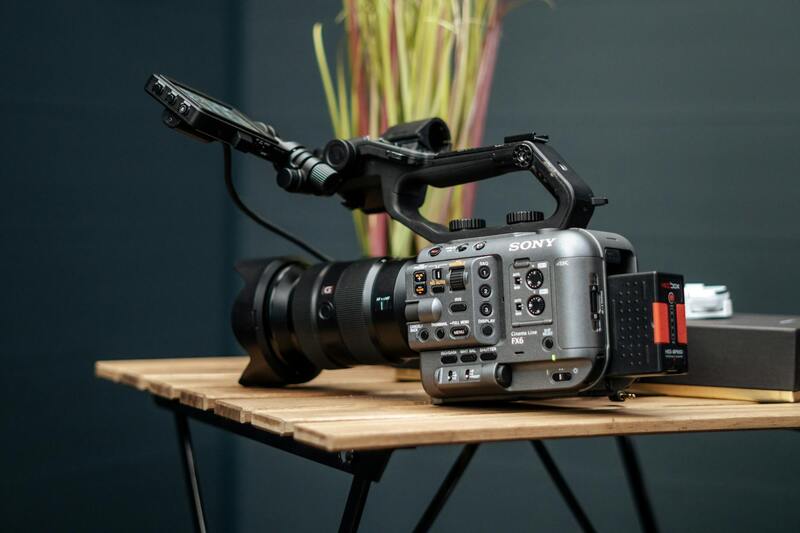
Success in real estate listing photography hinges on a combination of specialized skills and tailored equipment. A photographer must possess a keen eye for detail, understanding how to manipulate lighting, perspective, and composition to produce images that are both accurate and captivating. Technical proficiency with various camera settings and editing software ensures the final images look polished and professional.
The equipment employed encompasses high-resolution digital cameras equipped with wide-angle lenses, which are indispensable for capturing the full scope of interior spaces and architectural features. These lenses help avoid distortion, ensuring rooms appear proportionate and inviting. Drone cameras have become increasingly popular, providing expansive aerial views that highlight a property's size, landscaping, or scenic surroundings—particularly vital in Miami’s picturesque neighborhoods.
Additional tools include portable lighting systems, such as flash units and reflectors, to manage lighting inconsistencies and eliminate shadows. Tripods stabilize the camera, allowing for consistent framing and sharpness. Post-processing software enhances images by adjusting color balance, correcting distortions, and ensuring optimal exposure. This meticulous attention to technical detail results in images that not only present the property accurately but also appeal visually.
Preparation and Staging for Property Photoshoots
Prior to a photoshoot, thorough preparation is essential to achieve top-tier results. Staging involves arranging furniture and decorative elements to highlight a space’s potential, creating a welcoming environment that appeals to buyers’ imaginations. Decluttering removes distractions, allowing viewers to focus on the property’s features. Proper lighting setup ensures spaces are well-lit and vibrant, whether through natural light or supplemental artificial sources.
Effective staging can dramatically transform a vacant or cluttered space into an attractive, market-ready presentation. The goal is to emphasize the property’s strengths while maintaining authenticity, ensuring that prospective buyers are drawn to genuine, appealing visuals that accurately represent what they can expect when visiting in person.
Photography Techniques for Highlighting Property Features
Maximizing the visual appeal of real estate listings requires a strategic approach to photography. The selection of angles, perspective, and composition significantly influences how potential buyers perceive a property. Employing wide-angle lenses is essential for capturing more of a room in a single shot, creating a sense of spaciousness that can attract larger interest from viewers. When framing shots, emphasizing the best features—such as a stunning fireplace, large windows, or modern kitchen countertops—draws attention to key selling points.
In addition to camera equipment, understanding how to manipulate light and shadow is critical. Shooting during peak natural daylight hours ensures spaces are bright and inviting. For rooms with less natural light, supplemental artificial lighting can be used effectively to soften shadows and illuminate hard-to-see details. Utilizing multiple exposures and HDR techniques allows merging different lighting levels into a balanced, vibrant image, revealing the property's true colors and ambiance without overexposing or underexposing areas.
Choosing the right angles involves experimenting with both vertical and horizontal shots. Vertical orientations can accentuate ceiling height, making a room feel more expansive, while horizontal shots typically provide a more comprehensive view of a space. Incorporating creative compositions such as framing through doorways or windows can add depth and intrigue to images, guiding the viewer's eye toward the property's most appealing aspects.
Highlighting unique architectural details or intricate design elements can set a listing apart. For instance, focusing on custom moldings, high-end appliances, or outdoor spaces can communicate luxury and quality. Properly balancing the inclusion of foreground and background elements helps generate compelling images that tell a story of the property's lifestyle potential.

In essence, mastering these photography techniques ensures each image not only accurately reflects the property but also enhances its marketability through visual storytelling geared towards buyer engagement and interest.
Post-Processing and Image Optimization
After capturing high-quality images of a property, the next critical phase involves meticulous post-processing to ensure each photo delivers maximum impact. Post-processing begins with fundamental adjustments such as correcting exposure, contrast, and white balance to accurately represent the property's colors and lighting conditions. This step ensures that the images are true to real-life appearances, establishing trust with potential buyers.
Advanced editing techniques include fine-tuning sharpness and clarity to highlight architectural details and interior textures. Removing minor distractions or imperfections—such as blemishes, dust spots, or unwanted objects—is essential to maintain visual neatness, which enhances overall professionalism. Properly balanced color correction can bring vibrancy to images without oversaturating, thus preserving authenticity and appealing aesthetics.
Image formatting also plays a crucial role in optimizing photos for online platforms. High-resolution images should be compressed effectively to reduce load times without sacrificing visual quality, ensuring that potential buyers experience fast, seamless browsing. It is advisable to use formats like JPEG with optimized compression settings to maintain clarity while minimizing file size.
Furthermore, implementing consistent editing styles across all listing images reinforces brand identity and creates a cohesive visual presentation. This consistency helps in establishing a recognizable aesthetic that prospective clients associate with reliable, professional photography services. Incorporating watermarking or subtle branding elements—such as a logo or contact information—can also boost brand recognition without detracting from the property visuals.

Finally, optimizing images for multiple marketing channels—such as MLS platforms, social media, and dedicated real estate websites—requires tailored sizing and compression settings. Standard practices include providing several image dimensions to suit different display formats, from thumbnail previews to full-screen views. Paying attention to technical details like metadata removal and color profiles ensures images display correctly across diverse devices and browsers, ultimately driving higher engagement and interest in the property.
Post-Processing and Image Optimization
Once the initial photos are captured, the process of post-processing becomes essential to enhance their visual appeal and ensure they meet the high standards required for online real estate listings. Skilled real estate listing photographers utilize advanced editing software to correct exposure issues, adjust color balance, and enhance contrast, ensuring that each image accurately represents the property's true appearance. This step is vital in highlighting the property's best features and creating an inviting visual experience for potential buyers.
Image compression is a crucial aspect of post-processing. High-resolution photos should be optimized without sacrificing quality, facilitating faster load times on listing platforms and websites. Techniques such as converting images into optimized JPEG formats with appropriate compression settings help maintain clarity while reducing file sizes. This improves the overall browsing experience for users and minimizes potential bounce rates caused by slow-loading images.
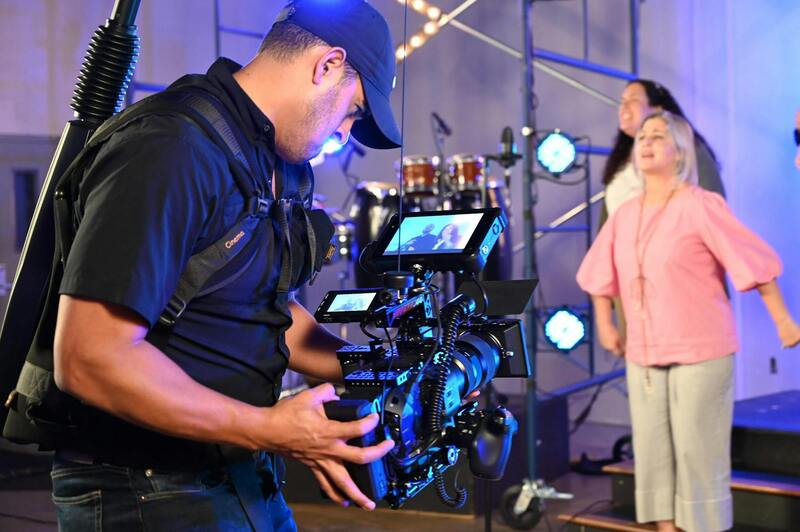
Consistent editing styles across all images in a property portfolio foster a cohesive visual narrative. Establishing a signature look—be it through subtle color grading, lighting adjustments, or composition styles—can reinforce branding and help differentiate a photographer’s work in a competitive market. Including watermarking or branded elements, like a logo or contact information subtly embedded within images, can further support brand recognition, especially on social media platforms and online listings, without detracting from the visual focus of the property itself.
The proper management of image metadata, such as removing any unnecessary information and embedding accurate details, assists in maintaining image integrity across various channels. Additionally, ensuring that images are adapted for different marketing needs—ranging from thumbnail previews to detailed, high-quality full-screen views—requires seamless resizing and format adjustments. Effective image optimization directly influences online engagement rates and attracts more potential buyers to the listing, ultimately increasing the likelihood of a sale.
Understanding the Role of a Real Estate Listing Photographer
A professional real estate listing photographer plays a crucial role in showcasing a property’s best features through expertly crafted visuals. Their primary focus is to create high-quality images that accurately depict the property’s layout, size, and unique characteristics, capturing both the exterior and interior perspectives to appeal to potential buyers. These images serve as the initial point of contact for clients browsing online listings, making impactful visuals essential for attracting interest and prompting viewings.
In addition to technical proficiency, a seasoned listing photographer understands the importance of timing, lighting, and environmental considerations, ensuring each shot highlights the property's strengths. They also collaborate with real estate agents and property owners to understand the key selling points of each property, allowing them to tailor their approach accordingly. Their work not only influences online engagement but also reinforces the property's perceived value, contributing directly to faster sales cycles and higher market competitiveness.

Key Skills and Equipment for Real Estate Listing Photography
The effectiveness of a real estate listing photographer is rooted in a combination of technical skills, artistic sensibility, and the right tools. Proficiency in camera operation, exposure control, and composition allows photographers to produce clear, well-balanced images. An understanding of lighting techniques—both natural and artificial—is vital to illuminate interiors without creating unwanted shadows or reflections. Posture and angle selection further emphasize the spatial dimensions of a property, creating an inviting atmosphere.
Essential equipment includes professional-grade DSLR or mirrorless cameras equipped with wide-angle lenses, which facilitate capturing expansive interior spaces and exterior shots comprehensively. Tripods ensure stability for sharp images, while drone cameras enable stunning aerial views of the property and neighborhood. Additionally, professional lighting equipment, such as portable flashes and reflectors, can help to balance interior lighting conditions, especially in spaces with limited natural light. Photographers also rely on software for editing and image enhancement to refine each shot, ensuring consistency and visual appeal across all marketing materials.

Preparation and Staging for Property Photoshoots
Prior to a professional photoshoot, it’s critical to prepare the property to ensure it presents itself in the best possible light. Staging plays a key role in this process, involving the arrangement of furniture, decor, and accessories to accentuate the property’s strengths and create a welcoming atmosphere. Decluttering and deep cleaning remove distractions, making spaces appear larger and more inviting. Repainting or fixing minor repairs can significantly enhance visual appeal, especially if imperfections might draw attention in high-resolution images.
Timing the shoot during optimal lighting conditions—preferably during daylight hours—maximizes natural light, which naturally enhances room brightness and color vibrancy. Opening curtains and blinds allows sunlight to flow into the space, reducing the need for additional lighting adjustments. Ensuring all appliances, fixtures, and furnishings are in place and functional allows for seamless photoshoots. A well-prepared property not only saves time during the shoot but also results in more compelling visuals that resonate with prospective buyers.
Photography Techniques for Highlighting Property Features
Effective real estate listing photography involves techniques that highlight the property’s best features while minimizing flaws. Wide-angle shots are essential for capturing entire rooms in a single frame, providing viewers with a realistic sense of space. Proper use of natural light and deliberate camera angles enhance the perception of openness and depth, making rooms look more spacious. For exterior shots, capturing the front facade with morning or late afternoon sunlight adds warmth and appeal.
In smaller or less naturally lit rooms, employing artificial lighting carefully—such as managed flash or continuous lights—can balance shadows and highlight key architectural elements. Techniques like vertical framing prevent distortion, maintaining the proportionality of walls and furniture. Composition-wise, including focal points like a fireplace, kitchen island, or scenic views through windows draws viewers’ attention to features worth emphasizing. Additionally, shooting from eye level and avoiding clutter in the background produces cleaner, more professional images.

Post-Processing and Image Optimization
After capturing photographs, the editing process refines images to maximize visual impact and consistency across a property’s listing portfolio. Adjustments such as color correction, brightness, and contrast enhance the natural appeal of interior and exterior photos. Removing minor imperfections or distractions—like unwanted reflections or temporary clutter—helps in presenting a polished final product.
Furthermore, optimizing images involves resizing, compressing, and format selection to ensure fast load times without sacrificing quality. Files are often saved in formats like JPEG, with compression settings tailored for web use, balancing clarity and size. Embedding accurate metadata, such as property details and copyright information, supports efficient management and attribution of images across multiple platforms. Ensuring dramatic yet natural-looking visuals increases viewer engagement and encourages immediate action from prospects.
Importance of Consistency and Branding in Listing Photos
Maintaining a consistent style across all property images enhances brand recognition and creates a professional appearance. This involves adopting cohesive color grading, lighting adjustments, and compositional styles that become associated with the photographer or real estate agency’s identity. Including subtle branding elements, such as watermarks or logo embeds, reinforces brand presence while avoiding visual clutter.
Consistent presentation also improves user experience by providing a seamless visual narrative across multiple listings. When potential buyers view several properties from the same agency, recognizable styles foster trust and recall. Measuring engagement metrics from online platforms can inform adjustments in style and presentation, further refining visual strategies to attract more interest. The ultimate goal is to produce an unmistakable visual signature that elevates the property portfolio and supports the overarching marketing efforts.
Advanced Techniques in Real Estate Listing Photography
Utilizing Drone Photography for Aerial Views
Drone photography has become an invaluable component of comprehensive real estate marketing strategies, especially for properties with expansive outdoor spaces or unique architectural features. High-quality aerial shots offer potential buyers a perspective that ground-level images cannot replicate, showcasing property size, surrounding amenities, and neighborhood context effectively. When selecting a real estate listing photographer in Miami, it is essential to consider vendors who possess FAA drone certification and have a proven track record of executing safe, professional aerial shoots. Properly captured drone imagery can significantly enhance the visual narrative of a listing, providing an immersive experience that encourages further engagement.
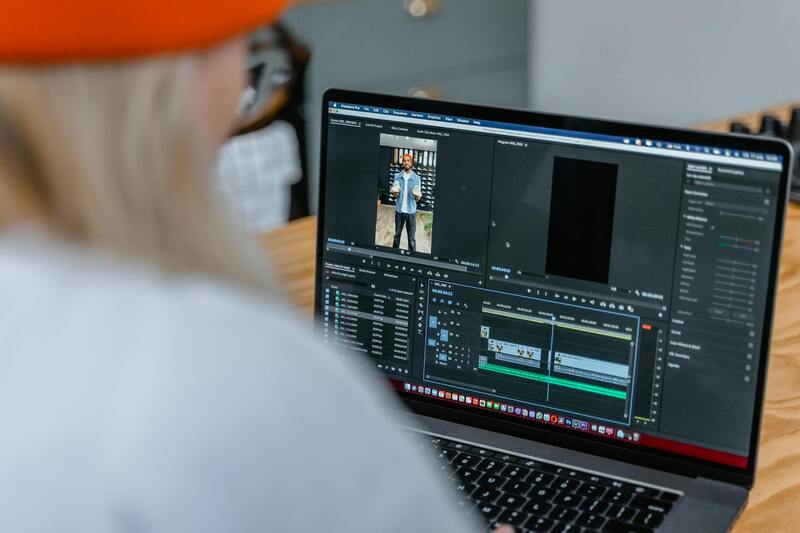
Integrating Virtual Tours and 3D Walkthroughs
As digital engagement continues to rise, incorporating virtual tours and 3D walkthroughs into property listings has become a standard practice for top Miami real estate listing photographers. These immersive formats allow prospective buyers to virtually explore a property from any location, enabling a comprehensive understanding of layout, space, and flow. Professional photographers adept in capturing high-quality 360-degree images and stitching them into seamless virtual environments can significantly increase a listing's visibility and appeal. When executed effectively, these virtual experiences elevate the overall presentation, making listings more interactive and accessible, particularly for remote or international buyers.

Ensuring Compliance with Local Regulations and Standards
Working with a real estate listing photographer familiar with Miami’s specific real estate marketing guidelines ensures all visual content aligns with local standards. This encompasses adherence to property signage regulations, privacy considerations, and platform-specific image specifications. A seasoned photographer understands the importance of obtaining appropriate permissions and respects the privacy of tenants or neighboring properties during shoots. By maintaining compliance, real estate professionals can avoid potential pitfalls and ensure that all marketing materials are issued smoothly, supporting a professional and trustworthy image for the agency.
Choosing the Right Partner: Experience and Local Knowledge
Opting for a Miami-based photography service with extensive experience in the local market provides distinct advantages. Such professionals are well-versed in Miami’s diverse architecture styles, lighting conditions, and environmental challenges. They understand the nuances that make Miami properties visually compelling—from beachside villas to urban condominiums—and can tailor their approach accordingly. Familiarity with the neighborhood also enables them to capture shots that highlight proximity to key amenities, cultural attractions, and transportation hubs, adding further appeal to the listings. Collaborating with a local expert ensures that visual content resonates with the target demographic and maximizes the property’s marketability.