
Importance of High-Quality Listing Photos
In the competitive Miami real estate market, the visual presentation of a property can significantly influence buyer interest and market perception. High-quality real estate listing photography serves as the first impression for potential buyers browsing online listings, where the majority of property searches initiate. Well-executed photographs can elevate a property's appeal, highlight unique features, and convey a sense of lifestyle that resonates with prospective buyers. Furthermore, professional visual content enhances credibility, demonstrating that a property is valued and well-maintained, while also building trust in the agent or agency responsible for the listing.
Exceptional listing photos not only attract more viewings but also increase engagement and inquiries. Properties presented with compelling images tend to sell faster and at favorable prices compared to those with subpar visuals. In particular, Miami's vibrant real estate environment benefits greatly from stunning imagery that captures scenic views, luxurious interiors, and the distinctive local charm. The importance of quality imagery becomes even more evident when competing in a market with numerous options for buyers to choose from. Therefore, investing in professional real estate listing photography is a strategic move that yields tangible results, making properties stand out in a crowded marketplace.

Moreover, listing photos influence the online platform algorithms that determine how often a property appears in search results and recommended listings. Higher-quality images tend to generate more clicks, views, and ultimately, scheduled showings. These visual assets function as a bridge connecting a property to interested buyers, making it imperative that they are both engaging and accurate representations of the property's true appeal. Emphasizing the importance of professional photography in marketing strategies helps real estate professionals secure a competitive edge in Miami’s dynamic market landscape.
Choosing the Right Equipment and Techniques
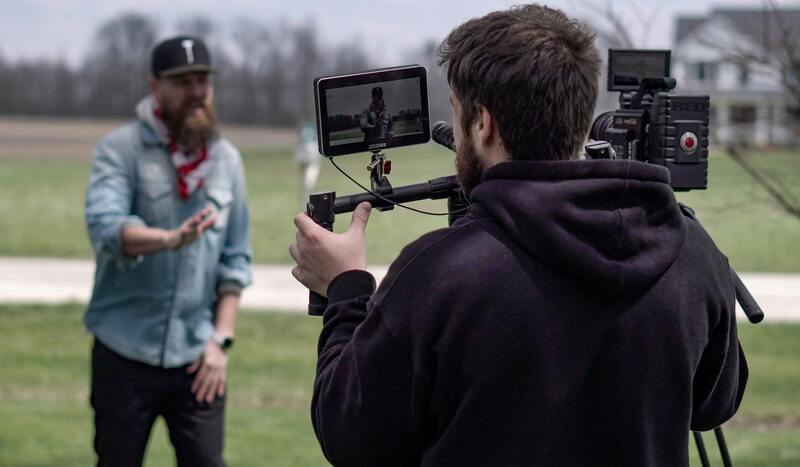
Premier real estate listing photography begins with selecting appropriate equipment that captures the true essence and expansiveness of a property. High-resolution DSLR or mirrorless cameras are standard, providing the clarity and detail necessary to showcase every feature. Wide-angle lenses are essential tools, allowing photographers to capture entire rooms and large spaces in a single shot, which makes interiors appear more spacious and inviting to potential buyers.
Alongside the camera, professional-grade tripod stabilization ensures sharp, distortion-free images, especially in low-light conditions or when shooting in tight spaces. Using remote shutters or timer functions helps minimize camera shake, resulting in crisp visuals that enhance the property's perceived quality.
Additionally, advanced techniques such as HDR (High Dynamic Range) imaging can be employed to balance the exposure across bright and dark areas of a shot. This ensures that windows, fixtures, and shadowed areas are well-lit without overexposing the entire scene. Bracketing multiple exposures and merging them through post-processing yields images that reflect the true ambiance of each space with vibrant, natural colors.

In terms of techniques, mastering the art of composition is crucial. Techniques such as the rule of thirds, leading lines, and framing can dramatically enhance the visual appeal of photographs. Photographers should aim to shoot from eye level or slightly above, using natural light whenever possible to ensure spaces look open, bright, and welcoming.
For exteriors, drones and stabilized gimbals can expand creative options, capturing striking aerial views and sweeping panoramas that demonstrate the property's setting and curb appeal effectively. The integration of these tools and techniques results in a comprehensive visual presentation that captures the property’s best features, ultimately increasing engagement and interest from prospective buyers.
Lighting Strategies for Real Estate Photos
Effective lighting is fundamental in creating inviting and professional real estate listing photos. The goal is to present each space in the most flattering and accurate way possible, which requires a strategic approach to lighting conditions both indoors and outdoors. Natural light remains the most desirable source, as it produces soft, even illumination that highlights the property’s best features. To capitalize on natural light, it is advisable to shoot during the day when sunlight is abundant, particularly during the golden hours—shortly after sunrise or before sunset—when the light is diffused and warm.
When natural lighting is insufficient or unavailable, artificial lighting can be employed to balance the scene. Using supplementary lights such as LED panels or portable strobes can illuminate dark corners or shadowed areas without harsh shadows or color casts. Diffusers and reflectors also play a vital role in controlling light, softening shadows, and bouncing light into darker spaces.
Balancing interior lighting with exterior conditions requires careful management. For example, during sunny days, interior spaces may appear darker if the interior does not receive enough daylight. In such cases, opening curtains or blinds allows natural light to flood inside, showing the space in its best light. For exteriors, ensuring the landscape is well-lit, the sky is clear, and shadows are minimized helps capture appealing curb appeal images.

Utilizing HDR imaging techniques further optimizes lighting by merging multiple exposures to ensure bright areas and shadows are properly visible, preventing loss of detail. Properly executed lighting strategies work synergistically with camera settings and post-processing adjustments to produce images that faithfully represent the property, boosting buyer interest and confidence.
Optimal Composition and Camera Angles
Achieving stunning real estate listing photography requires careful attention to composition and camera angles. Proper framing accentuates the space’s best features while maintaining a sense of balance and harmony within each shot. Wide-angle lenses are commonly employed to capture broad perspectives, making rooms appear more spacious and inviting. However, it is vital to avoid distortion that can misrepresent the property's true proportions; this is managed through precise lens choices and stabilization techniques.
When positioning the camera, standing at eye level or slightly elevated ensures a natural viewpoint that appeals to potential buyers. Shooting from corners tends to showcase the room's depth and layout, providing a more comprehensive impression of the space. For exterior shots, capturing the facade from a slightly elevated angle can emphasize curb appeal, while including elements such as landscaped pathways or appealing entryways enhances visual interest.

In the planning phase, it’s crucial to prioritize the flow between images, ensuring that when viewed in sequence, they narrate an intuitive story of the property’s layout. This helps prospective buyers visualize themselves within the space, fostering emotional connection and interest. The strategic use of vertical and horizontal lines within a shot—such as aligning doorways, windows, and furniture—guides the viewer’s eye and adds a sense of order to each frame.
Refining Images Through Post-Processing
Post-processing plays a significant role in enhancing the overall quality of real estate listing photos. Adjustments for brightness, contrast, and color balance ensure that images appear vibrant and true to life, highlighting the property’s best features. This step corrects any lighting imbalances or color shifts that may have occurred during the shoot.
It is essential to avoid over-editing, as artificially enhanced images can mislead potential buyers. Subtle retouches—such as removing minor imperfections, straightening skewed lines, and ensuring consistent white balance—help maintain authenticity. Effective editing can also improve clarity, bringing out details that might be overshadowed in raw images, such as texture in flooring or intricate architectural features.

Using professional editing tools designed specifically for real estate photography benefits the overall presentation, supporting marketing efforts that attract qualified buyers. Consistency across all listing images fosters a cohesive visual story, increasing the property's perceived value and desirability.
Composition and Angles for Maximum Impact
Effective real estate listing photography hinges on strategic framing and the selection of compelling angles that truly showcase the property's strengths. When planning shots, it's essential to prioritize perspectives that highlight spaciousness, natural flow, and architectural features. A common approach involves shooting from corners to encompass the widest possible views of a room, allowing potential buyers to grasp the scale and ambiance effortlessly.
Choosing the right angles can also accentuate desirable elements such as high ceilings, unique design details, or scenic views through windows. Low or high shooting angles can add drama or depth, making spaces appear more dynamic. For example, capturing a living room from a slightly elevated position can reveal the layout effectively, emphasizing the flow between indoor spaces and outdoor areas.
Showcasing the property's layout accurately requires a variety of shot types, including overall room photos, close-ups of focal points, and detail shots of distinctive features. Plane consistency—keeping vertical lines straight and avoiding distortion—is crucial for maintaining a professional appearance. Incorporating wide-angle lenses can enhance the sense of space but should be used judiciously to prevent distortion that misrepresents the property’s true dimensions.
Incorporating aerial shots, when appropriate, provides an overarching view of the property's lot, landscaping, and neighboring surroundings, giving prospective buyers context and a sense of environment. Drone photography, executed with high-quality equipment and adherence to best practices, elevates the listing’s visual narrative and can be pivotal in competitive markets.
Ultimately, thoughtful composition and angled shots serve to tell a story about the space, making the property memorable and appealing. The goal is to evoke emotion and inspiration, encouraging viewers to imagine themselves living within the property, thereby increasing engagement and interest.
Legal and Ethical Considerations
Ensuring the integrity of real estate listing photos is a critical aspect of professional property marketing. Authentic representation builds trust with prospective buyers and maintains a transparent sales process. Accurate depiction of a property's features, dimensions, and condition is essential to avoid misleading impressions that could lead to dissatisfaction or disputes. To uphold these standards, photographers should adhere to the following best practices:
- Use genuine images: Only include photos that accurately reflect the current state of the property. Avoid digital enhancements that alter the true appearance or size of rooms, fixtures, or features, unless they serve to fix lighting issues or correct distortions without misrepresentation.
- Maintain balanced lighting: Proper lighting helps portray spaces realistically. Overly bright or overly dark images can distort perception and cause false expectations. Adjustments during post-processing should enhance clarity without exaggerating the actual lighting or colors.
- Preserve true color tones: Color accuracy is vital to convey the space's true ambiance and aesthetic. This includes shades of paint, flooring, furniture, and outdoor landscaping.
- Accurately represent room sizes and proportions: Use appropriate angles and lenses to display dimensions honestly. Avoid wide-angle or fisheye lenses that can create distortion, of which prospective buyers might quickly become aware during physical visits.
- Disclose any significant alterations: If images have been edited or staged, it is ethically advisable to disclose this information to prevent misunderstandings.
Respect for privacy and legal boundaries also plays a role. Obtain permission from property owners before photographing interiors, and avoid capturing and sharing images of private or restricted areas without consent. Maintaining confidentiality and respecting the privacy rights of residents contribute to a trustworthy real estate marketing environment. By aligning photography practices with these guidelines, professionals foster credibility and foster a positive reputation within the real estate community. This approach not only supports effective marketing but also cultivates long-term client relationships based on honesty and professionalism.
Leveraging Listing Photos for Marketing Success
High-quality real estate listing photography serves as a cornerstone for successful property marketing. Well-crafted images not only attract potential buyers but also set realistic expectations, creating a seamless transition from online browsing to physical visits. The impact of professional photography transcends mere aesthetics; it elevates the property's perceived value and enhances its visibility across multiple channels. When prospective buyers see crisp, clear images highlighting a home's unique features, their interest is piqued, leading to increased showings and faster sales. Utilizing professional photography in marketing strategies ensures that listings stand out in a competitive market, ultimately translating to superior engagement rates and higher offers.

The Role of High-Quality Photos in Online Listings
In the digital age, the first interaction most buyers have with a property is through online listings, where photos form the primary impression. High-resolution images facilitate a comprehensive showcase of the property's interior and exterior, allowing viewers to assess spatial flow, design, and overall condition. Listings accompanied by professional photos tend to receive more clicks, longer viewing times, and more inquiries. Conversely, poorly lit or blurry images can deter interest and diminish perceived value. As a result, investing in professional real estate listing photography emerges as an essential component of effective property marketing efforts.
Enhancing Listing Visibility Across Platforms
Platforms like real estate websites, social media channels, and email marketing campaigns rely heavily on visual content. Utilizing high-quality images assures consistency and professionalism, reinforcing the listing’s appeal across multiple formats. Strategic image selection—such as highlighting key features like spacious kitchens, scenic outdoor spaces, or luxurious master bedrooms—can captivate prospective buyers. Incorporating a range of shots, including wide-angle views, close-ups of distinctive features, and contextual exterior images, provides a comprehensive portrayal of the property that appeals to diverse buyer preferences.
Building Trust Through Authentic Visuals
Authenticity in listing photographs nurtures trust and sets transparent expectations. Prospective buyers appreciate images that accurately depict the property's condition and ambiance. This honesty reduces the likelihood of disappointment during viewings and fosters a reputation for credibility among clients. As real estate professionals, leveraging images that genuinely represent the property demonstrates a commitment to ethical marketing practices, which can foster long-term client relationships and positive referrals.

Maximizing the Impact of Listing Photos in Marketing Campaigns
Beyond online listing platforms, professional photographs can be seamlessly integrated into various marketing channels to maximize reach and engagement. Here are some strategies to leverage high-quality images effectively:
- Print Marketing Materials: Incorporate standout images into brochures, flyers, and postcards to generate interest among local buyers and agents.
- Social Media Advertising: Use visually compelling photos in targeted advertising campaigns on platforms like Facebook and Instagram to reach specific demographics.
- Virtual Tours and Video Content: Combine high-quality images to create immersive virtual tours, increasing accessibility for remote buyers and providing a comprehensive property overview.
- Open House Promotions: Promote upcoming open houses with captivating images that showcase the property's best features, encouraging attendance.
Consistency and Branding in Listing Photographs
Maintaining consistency in photography style, lighting, and presentation enhances branding efforts and presents a unified image to prospective clients. Establishing a signature look or style—such as warm, inviting tones or modern, clean compositions—can make a listing memorable. Consistent branding within images, along with professional captions and descriptions, reinforces the agent’s or company's identity, fostering trust and recognition in a competitive marketplace.
Legal and Ethical Considerations in Real Estate Listing Photography
Maintaining integrity in real estate listing photography is essential for building trust with clients and buyers. Transparent representation ensures that potential buyers receive an accurate view of the property's condition and features, setting realistic expectations from the outset. Realtors and professional photographers should prioritize authenticity by capturing images that genuinely reflect the property's current state, avoiding enhancements or edits that could mislead prospective buyers.
Adhering to established standards of honesty involves meticulous attention to detail during the photo shoot. This includes punctuality, presenting the property at its best during visits, and ensuring that all images are clear, well-lit, and accurately represent each space’s dimensions and layout. Proper disclosure of any existing flaws, renovations, or unique features further enhances credibility and fosters long-term relationships based on trust.

Professional photographers and real estate agents should also stay informed about industry best practices and advance their skills accordingly. Continuous education on the latest photography techniques, ethical standards, and legal guidelines helps maintain high standards of professionalism. This proactive approach not only boosts image quality but also ensures compliance with industry expectations, ultimately contributing to a reputable and trusted brand identity.
Moreover, collecting consent from homeowners before photographing their property is a crucial step. Clear communication about image usage and distribution rights safeguards against misunderstandings and respects privacy. This practice also emphasizes transparency, reinforcing the ethical commitment of the real estate professional.
Transparency and Accuracy in Marketing
- Ensure all images portray the property honestly without exaggeration.
- Disclose any modifications or enhancements made during post-processing.
- Obtain necessary permissions from homeowners before conducting photoshoots.
- Maintain consistent standards across all property listings to uphold professionalism.
At the heart of effective real estate marketing is the commitment to authenticity. By integrating legitimate methods for capturing and presenting property images, industry professionals can foster genuine relationships with buyers and stakeholders. This approach not only elevates the quality of listings but also reinforces the integrity of the marketplace, leading to sustained success and growth.