
Importance of High-Quality Real Estate Photos
In the competitive real estate market, the visual presentation of a property can significantly influence its sale prospects. High-quality real estate photos serve as the frontline marketing tool, capturing the essence of a property and enticing prospective buyers to explore further. Professionally shot images showcase both the property's features and its potential lifestyle benefits, creating an emotional connection that can lead to quicker sales and higher asking prices.
Accurate, appealing photographs extend the reach of property listings across multiple online platforms, increasing visibility among a broader audience. They are often the first impression potential buyers receive, making it vital that these images portray the property accurately and attractively. Well-executed photos can highlight the property's unique attributes, whether it’s an open-concept living area, outdoor amenities, or modern upgrades, helping properties stand out in crowded markets.
The impact of professional real estate photography extends beyond initial interest. These images influence the perception of market value, with high-quality visuals often associated with well-maintained, desirable properties. Detailed, clear photos can reduce the number of showings needed, as interested buyers are able to make informed decisions based on the visual representation. Consequently, a compelling collection of real estate photos not only attracts viewers but also positions the property favorably among competing listings.
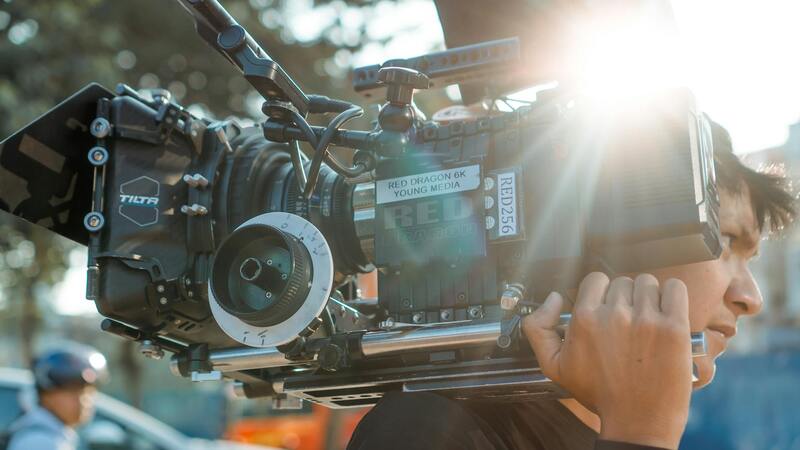
Ultimately, investing in professional photography aligns with strategic marketing principles, ensuring properties receive maximum exposure and generate high-quality interest. When high-caliber images are used consistently, they reinforce the property’s value proposition and help establish a trustworthy, appealing online presence for real estate professionals and property owners alike.
Choosing the Right Equipment and Technology
For capturing high-caliber real estate photographs, selecting appropriate equipment is fundamental. Using a DSLR or mirrorless camera offers superior image quality compared to smartphone cameras, especially when shooting in varied lighting conditions. High-resolution sensors ensure that every detail of the property is crisp and clear, which is crucial for effectively showcasing the property's features.
Lens selection also impacts image effectiveness. Wide-angle lenses, typically between 14mm and 24mm, are standard in real estate photography as they allow for capturing expansive interior spaces within a single shot, giving viewers a comprehensive perspective of each room. These lenses help create an inviting atmosphere by emphasizing space and openness.
 igure>
Stabilization equipment, such as tripods, are essential to maintain image sharpness and prevent blurring, especially in low-light conditions or when shooting interiors with limited natural light. Remote shutters or timers minimize vibrations caused by pressing the shutter button, ensuring crisp images.
Lighting technology plays a critical role in real estate photography. Portable flash units and light modifiers help balance indoor lighting, reducing shadows and highlights that can distort the property's appearance. High Dynamic Range (HDR) photography, which involves capturing multiple images at different exposures, combined during post-processing, ensures balanced lighting across the entire shot, revealing details in both shadows and highlights.
Adopting Advanced Tools and Software
Modern HDR and panoramic stitching software streamline the process of creating visually appealing images. These tools enable photographers to merge multiple exposures seamlessly, producing images that reflect the true ambiance and detail of each space.
Drone technology also adds value by capturing aerial views of larger properties or outdoor amenities, offering a comprehensive visual narrative that ground-level photos cannot achieve. Choosing drones with high-resolution cameras ensures sharp, detailed aerial imagery.
In addition, photo editing software like Adobe Lightroom or Photoshop allows for fine-tuning images post-shoot. Adjustments to brightness, contrast, and color balance enhance the visual appeal while maintaining an authentic look. Proper editing ensures that property images are both eye-catching and true to life, providing potential buyers with a reliable representation.
Best Practices for Shooting Real Estate Photos
Executing effective real estate photography involves a combination of technical skill and strategic planning. Schedule shoots during times of day when natural light is abundant and diffuse, typically mid-morning or late afternoon, to maximize interior brightness without harsh shadows.
Preparing the property beforehand is equally important. Cleanliness, decluttering, and strategic staging help highlight the property's best features. Equip the property with neutral, appealing décor to create an inviting atmosphere for potential buyers.
Angles should be carefully chosen to showcase each room's proportions and layout. Shooting from a corner provides a sense of depth, while keeping the horizon level ensures aesthetic balance. Avoiding distortion caused by wide-angle lenses requires meticulous attention to the camera's positioning and alignment.
 igure>
Consistent framing across property images creates a cohesive visual story, helping viewers navigate through different spaces smoothly. Incorporate multiple images of each room from various angles to offer comprehensive visual insights.
Editing and Post-Processing Techniques
Post-processing plays a vital role in refining real estate photos. Adjustments to exposure, contrast, and color balance elevate the overall image quality, making spaces appear more inviting and realistic.
Cropping and straightening images ensure that the composition remains balanced and aligned, removing unnecessary elements from the frame. Removing minor imperfections, like reflections or distracting objects, helps focus attention on the property itself.
HDR blending during post-processing balances the light levels within a photo, revealing architectural details often lost in high-contrast scenes. This technique is especially beneficial in rooms with windows or outdoor views.
Color correction ensures that the images accurately represent the property's true hues, preventing over-saturation or color cast issues. Maintaining this authenticity is essential for building trust and credibility with prospective buyers.
Integrating Photos into Marketing Platforms
High-quality images should be seamlessly incorporated into various digital marketing channels to maximize reach. Online property listings, social media, and dedicated real estate websites benefit from the strategic placement of compelling visuals.
Ensuring that images are optimized for each platform involves balancing quality with file size. Compressing images without sacrificing visual integrity reduces load times, enhancing user experience and engagement.
Using image galleries, virtual tours, and slideshow presentations enriches the viewer’s experience, providing multiple angles and immersive views of the property. Incorporating high-resolution photos in these formats increases the likelihood of capturing buyer interest.
Consistent branding across marketing materials—including watermarks, logos, and style guidelines—reinforces brand recognition while showcasing property images professionally.
Choosing the Right Equipment and Technology
Achieving top-tier real estate marketing photos hinges greatly on utilizing appropriate equipment and embracing advanced technology. High-resolution digital cameras capable of capturing detailed images with accurate color rendition are foundational in producing compelling visual content. Full-frame DSLR or mirrorless cameras are often preferred due to their superior image quality, dynamic range, and ability to handle diverse lighting conditions.
Complementing camera selection, the use of wide-angle lenses—typically 14mm to 24mm—allows photographers to capture expansive interiors and optimize space portrayal. These lenses help present rooms in a way that feels spacious and inviting without distorting proportions, which is crucial for maintaining authenticity.
For aerial shots and expansive outdoor views, drone technology offers a strategic advantage. High-quality drones equipped with stabilized gimbals and high-resolution cameras enable capturing sweeping vistas, neighborhood views, and property exteriors from unique perspectives. These images can greatly enhance the visual appeal of listings and provide prospective buyers with a comprehensive overview.
Post-processing software plays a vital role in refining images. Advanced editing tools such as Adobe Lightroom and Photoshop facilitate precise adjustments, including exposure correction, color grading, and perspective correction. These technologies enable real estate professionals to present properties at their best while keeping images true to life.
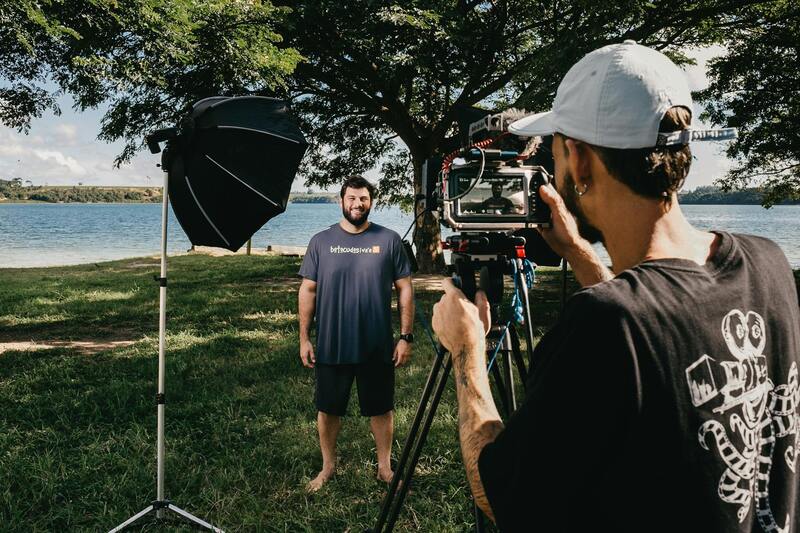
Incorporating technologies like HDR blending in post-processing can significantly improve image quality. HDR, which combines multiple shots taken at different exposures, helps reveal intricate architectural details and dynamic lighting conditions, such as bright windows and shaded areas.
Furthermore, optical stabilization features in cameras and drones reduce motion blur, resulting in crisp, professional images. Lighting accessories such as portable flash units or LED panels can also be employed on-site to illuminate rooms evenly, minimizing shadows and enhancing aesthetic appeal.
Choosing equipment should be tailored to the specific needs of each property—large estates may benefit from drone photography and wide-angle lenses to capture sprawling grounds, while smaller apartments might focus on high-quality interior shots with wide apertures for depth and clarity.
Choosing the Right Equipment and Technology
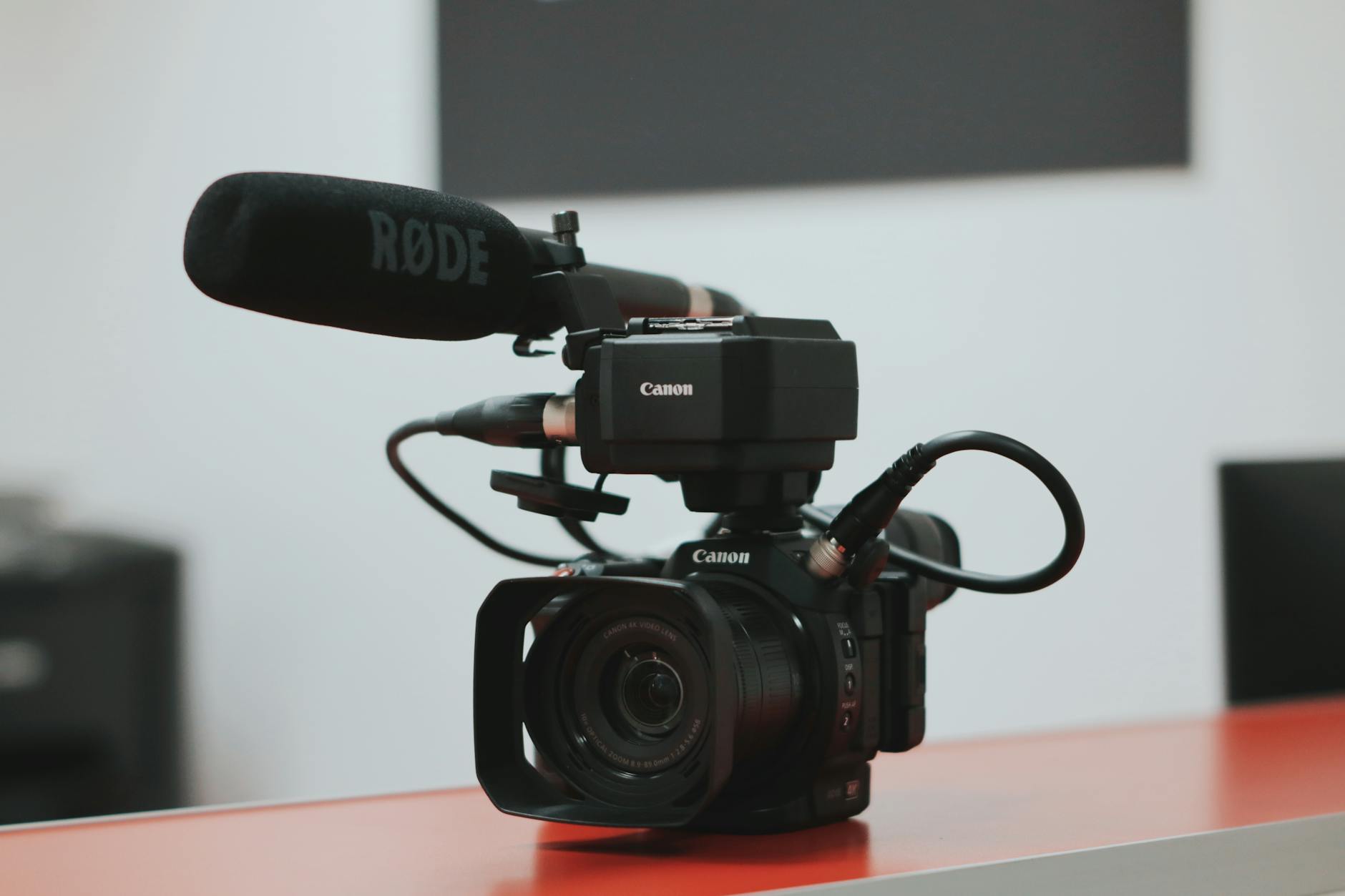
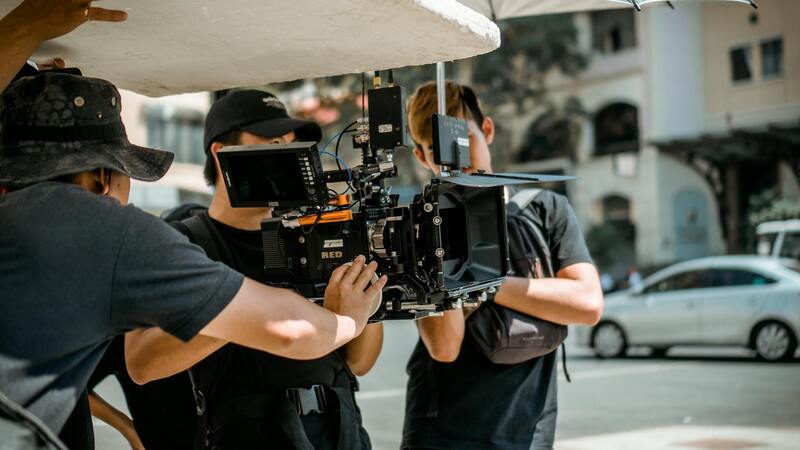
When aiming to produce exceptional real estate marketing photos, selecting the appropriate equipment is fundamental. The quality of your images heavily depends on the tools used, which include high-resolution cameras, lenses, lighting equipment, and accessories that facilitate seamless capturing of the property’s details.
r>r>
High-resolution digital cameras are essential for capturing sharp, detailed images that authentically represent the property. Cameras equipped with full-frame sensors provide better image quality, particularly in low-light conditions, ensuring clear and vibrant visuals.
r>r>
Lens selection plays a pivotal role in framing interior and exterior shots. Wide-angle lenses, typically between 14mm and 24mm, are ideal for capturing spacious interiors and broad exteriors, highlighting the property’s scale and layout without distortion.
r>r>
Lighting is another critical component. Portable lighting solutions such as LED panels or flash units can offset inadequate natural light, illuminating dark corners and reducing shadows. This creates a balanced image that showcases every aspect of the property.
Choosing the Right Equipment and Technology
High-quality real estate photos are pivotal in capturing the essence of a property and attracting potential buyers. Achieving this level of visual excellence begins with selecting appropriate equipment and leveraging cutting-edge technology tailored for real estate photography. The right tools not only improve image clarity but also enable photographers to highlight key features of a property effectively.
For interior shots, professional-grade DSLR or mirrorless cameras equipped with wide-angle lenses are essential. These lenses allow for capturing expansive room views without distortion, giving viewers a realistic sense of space. A camera with high-resolution sensors ensures sharp, detailed images that make every room look inviting and well-defined. Tripods are equally important, providing stability for slow shutter speeds necessary in low-light conditions, thus preventing blurred images.

For exterior shots and wide properties, drone technology has become an invaluable asset. Drones equipped with 4K cameras or higher offer unique aerial perspectives, showcasing the entire estate and surrounding landscapes. These aerial images provide a comprehensive view that ground-level photos cannot convey, helping prospective buyers visualize the property's scale and environment.
Lighting equipment plays a crucial role in achieving balanced images. Portable lighting kits or natural lighting strategies can illuminate interiors, remove shadows, and emphasize architectural details. Additionally, some properties benefit from HDR (High Dynamic Range) imaging, a technique that combines multiple exposures to produce photos with perfect brightness and contrast. This ensures that both shadowed and brightly lit areas are visible, maintaining the property's true appearance.
Emerging technology such as 3D imaging and virtual tours also supplement traditional photography. 3D cameras create immersive walkthroughs, allowing viewers to explore spaces interactively, enhancing the property's appeal especially in remote viewing scenarios.
Overall, equipment choices should align with the property’s unique features and the marketing goals. Larger estate properties largely benefit from drone imagery and wide-angle lenses to emphasize scope, while smaller, detail-rich interiors require high-resolution cameras and specialized lighting setup to capture intricate details. Investing in quality equipment and innovative technology ultimately results in professional-grade images that stand out in competitive real estate markets.
Legal and Ethical Considerations
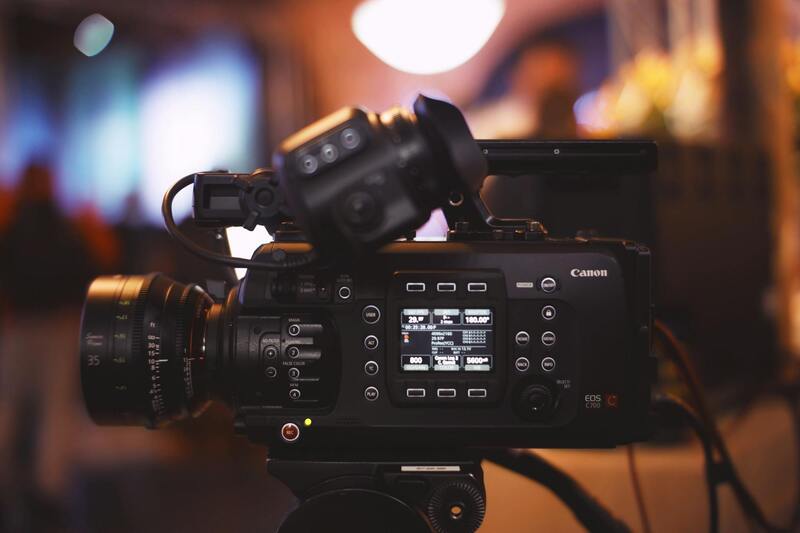
When creating and utilizing real estate marketing photos, adherence to established standards and practices is essential. Respect for privacy and property rights must guide every step of the process, ensuring that images accurately represent the property without misrepresentation or infringement. It is important to obtain explicit permission from property owners before photography sessions, especially when including personal or private areas in the shots.
Maintaining transparency about the editing process is a core element of ethical real estate photography. Clear communication about any post-processing adjustments helps preserve trust with prospective buyers and agents, preventing misunderstandings regarding the property's appearance. Over-editing or manipulating images to exaggerate features can skew perceptions and lead to misaligned expectations.
Additionally, operators should be aware of local regulations regarding drone photography and aerial shots, including restrictions on capturing images over certain properties or in designated airspace. Ensuring compliance with these guidelines helps avoid legal complications and demonstrates professional integrity.
Authenticity plays a crucial role in effective real estate marketing photos. Viewers should get an accurate sense of the property's size, space, and condition through images that reliably reflect the property’s features. This honesty enhances credibility and encourages serious inquiries, reducing chances of buyer disappointment or after-sale disputes.
Incorporating these considerations into the photography process helps in establishing a professional reputation, fostering trust with clients, and supporting a transparent, positive real estate market environment. Ethical practices not only protect interests but also serve as a foundation for long-term success in real estate marketing endeavors.
Legal and Ethical Considerations
When engaging in real estate marketing photography, adherence to established guidelines and standards is essential to maintaining credibility and fostering trust within the market. Property photographs must accurately reflect the space without manipulative enhancements that could mislead potential buyers. This includes avoiding excessive retouching or staging that alters the true appearance of rooms, exteriors, or landscape features.
Respect for privacy rights is also paramount. Photographers should ensure that personal or sensitive information, such as license plates, identifiable faces, or private areas, are not visible unless explicit permission has been obtained. Properly anonymizing such details demonstrates a commitment to respecting individual privacy and upholding responsible photography practices.
Copyright considerations are crucial, especially when sourcing images or using third-party elements within property photos. Secure rights or licenses for all visual content used helps prevent infringement issues and promotes ethical conduct. Additionally, photographers and agents should keep clear documentation of agreements regarding image use, ensuring that all parties understand the scope and limitations of photo utilization.
Authenticity in imagery underpins effective marketing strategies. Accurate, unembellished photos establish trust with prospective buyers and reinforce the professionalism of the listing. Avoiding any form of deceptive editing or selective framing helps buyers form realistic expectations about the property, reducing the potential for dissatisfaction post-sale.
Employing ethical practices in real estate photography also aligns with industry standards and regional regulations, which often encompass guidelines related to drone photography, aerial shots, and the use of digital enhancements. Staying informed about these practices ensures compliance and demonstrates a commitment to transparency in marketing endeavors.
Legal and Ethical Considerations in Real Estate Photography
Adhering to established legal and ethical standards when capturing real estate photos is fundamental to maintaining professionalism and trust in the industry. One primary aspect involves securing explicit permission before photographing private or restricted areas within a property. This ensures the privacy rights of individuals are respected and that there are no misunderstandings regarding image use. Moreover, it's vital to avoid including identifiable faces, license plates, or private information unless consent has been obtained, reinforcing responsible visual documentation.
Copyright management plays a critical role in safeguarding the integrity of real estate marketing photographs. Photographers and agents should acquire proper licenses or rights for all visual content, particularly when sourcing images from third-party providers or stock photo libraries. This practice prevents potential infringement issues and aligns with industry standards. Maintaining thorough records of agreements related to image rights and usage rights helps clarify responsibilities and avoid future disputes.
Transparency about the authenticity of images is also crucial. Listing photos should accurately represent the property’s condition and features to set correct expectations for prospective buyers. Overly edited or selectively framed images can mislead viewers, leading to dissatisfaction once the transaction is complete. Ethical photography practices involve avoiding deceptive enhancements that could distort the property's true appearance, fostering trust and credibility.
Regional guidelines and industry standards often govern aspects like drone usage, aerial photography, and digital modifications. Staying well-informed about these norms helps ensure compliance and demonstrates a commitment to transparent marketing. This not only enhances the reputation of real estate professionals but also cultivates buyer confidence—an essential element in successful property transactions.
Working with Professional Photography Services
Collaborating with seasoned real estate photographers or specialized production agencies offers considerable advantages, particularly within competitive markets like Miami. Professional photographers possess the technical expertise and creative vision necessary to showcase properties at their best, employing advanced equipment, lighting techniques, and post-processing skills to craft compelling visuals. Partnering with experienced service providers also ensures consistency in image quality, which bolsters a property's online presentation across various platforms.
Dedicated real estate photography firms often understand regional nuances and market preferences, allowing them to tailor their approach accordingly. This knowledge is vital when highlighting unique architectural details, neighborhood features, and lifestyle amenities that appeal specifically to Miami's diverse buyers. Furthermore, professional services often include comprehensive packages that extend beyond basic photography, incorporating virtual tours, drone footage, and 3D walkthroughs, all of which enhance the property's visual narrative.
Investing in high-quality real estate marketing photos is a strategic move that can significantly impact listing performance. The combination of technical proficiency, artistic vision, and regional expertise embodied by professional service providers results in imagery that attracts more attention, generates higher engagement, and increases the likelihood of property viewings and offers. Ultimately, choosing the right photography partner is a vital component of a comprehensive and effective real estate marketing plan.