
Importance of Professional Real Estate Photos
In Miami’s highly competitive real estate landscape, showcasing properties through high-quality images is fundamental to capturing the interest of prospective buyers. Professional real estate photography acts as the visual gateway that entices viewers to explore further. Well-crafted images not only highlight a property’s features but also evoke an emotional response, creating a desire to see the property in person. They serve as a first impression, often determining whether a potential buyer proceeds to schedule a viewing or moves on to another listing.
Effective real estate images can significantly increase online engagement, leading to more inquiries, scheduled showings, and ultimately, faster sales. In a market where listings come and go quickly, standing out with stunning, accurate visuals offers a tangible advantage. Miami's diverse properties, from luxury condos to sprawling estates, demand professional photography to highlight their unique魅魅魅魅魅魅魅魅魅魅魅魅魅魅魅魅魅魅魅魅魅魅魅魅魅魅魅魅魅魅魅魅魅魅魅魅魅魅魅魅魅魅魅魅魅魅魅魅魅魅魅魅魅魅魅魅魅魅魅魅魅魅魅魅魅魅魅魅魅魅魅魅魅魅魅魅魅魅魅魅魅魅魅魅魅魅魅魅魅魅魅魅魅魅魅魅魅魅魅魅魅魅魅魅魅魅魅魅魅魅魅魅魅魅魅魅魅魅魅魅魅魅魅魅魅魅魅魅魅魅魅魅魅魅魅魅魅魅魅魅魅魅魅魅魅魅魅魅魅魅魅魅魅魅魅魅魅魅魅魅魅魅魅魅魅魅魅魅魅魅魅魅魅魅魅魅魅魅魅魅魅魅魅魅魅魅魅魅魅魅魅魅魅魅魅魅魅魅魅魅魅魅魅魅魅魅魅魅魅魅魅魅魅魅魅魅魅魅魅魅魅魅
Key Elements of Effective Real Estate Images
To maximize the impact of real estate photos, certain elements should be prioritized. These include good lighting, correct framing, image clarity, and an emphasis on the property's best features. Wide-angle lenses are often used to showcase spacious interiors, while carefully selected angles reveal the property's flow and layout. Ensuring that every shot is clear and well-composed helps potential buyers visualize themselves living in the space.
Lighting and Composition
Natural light is ideal for making spaces appear warm, inviting, and true to life. Proper composition involves framing the shot to highlight key features and maintain a balanced perspective. Techniques such as proper horizon alignment, decluttering, and strategic positioning can significantly enhance the overall visual appeal.
Image Clarity and Resolution
High-resolution images are essential for professional presentation, allowing viewers to zoom in and scrutinize details. Blurry or pixelated images diminish credibility and reduce engagement, so investing in top-tier photography equipment and post-processing is crucial.
Choosing the Right Photography Style
Different properties and target audiences benefit from various photography styles. Whether aiming for a sleek modern look, a cozy residential feel, or a luxurious aesthetic, the style should reflect the property's character and appeal to the desired market segment. Consistency across all marketing images further reinforces branding and professionalism.
Preparing Properties for Photography
Effective real estate marketing pictures begin long before the camera clicks. Proper preparation ensures that each property is showcased at its best, capturing a clean, inviting, and well-organized environment that appeals to prospective buyers. Attention to detail during staging plays a crucial role in elevating the property's visual appeal.
Prior to the photography session, it is essential to declutter all interior spaces. Removing personal items, excessive furniture, and clutter helps create a sense of space and allows potential buyers to envision themselves living there. Deep cleaning all surfaces, including floors, windows, and fixtures, enhances the overall look and feel of the property, ensuring that the images convey cleanliness and freshness.
Additionally, rearranging furniture to optimize flow and highlight architectural features can significantly improve the visual impact. Simple accessories like fresh flowers, tasteful artwork, and decorative pillows contribute to a warm, welcoming atmosphere. For outdoor areas such as gardens, patios, or balconies, tidy up landscaping, mow lawns, and add attractive outdoor decor to showcase the property's potential for outdoor living.
Technical Setup and Timing
Achieving optimal lighting is fundamental to high-quality real estate images. Scheduling photography sessions during daylight hours, especially when natural light floods the interior, helps capture bright, vibrant photos. It's advisable to avoid shooting during overly sunny or shadowed times to prevent glare and high contrast, which can obscure detail.
Using a tripod stabilizes the camera and ensures sharp images with consistent framing. Adjusting camera settings, such as ISO, aperture, and shutter speed, according to the lighting conditions, results in clear, balanced images without noise or overexposure. Incorporating wide-angle lenses allows for capturing more of a room in a single shot, making spaces appear larger and more open.
To maximize efficiency, prepare the property by turning on all lights, opening curtains to let in natural light, and ensuring that windows and mirrors are clean and free of streaks. These small yet impactful steps enhance brightness and clarity in the final photographs.
Post-Processing for Enhanced Visuals
Post-processing plays a vital role in creating compelling real estate images. Adjustments to brightness, contrast, and color balance can correct lighting inconsistencies and ensure the images accurately reflect the property's appearance. Removing minor imperfections, such as dust spots or distractions, helps maintain a professional presentation.
While editing can elevate images, it is essential to preserve authenticity. Overly manipulated photographs risk misleading potential buyers and can damage credibility. Striking a balance between enhancement and realism ensures that images are appealing and truthful representations of the property.
Adapting Photography for Different Property Types
Each type of property requires tailored approaches to capture its unique appeal through images. Residential homes, especially those in Miami's vibrant neighborhoods, benefit from warm, inviting visuals that emphasize comfort and lifestyle. Incorporating lifestyle elements, such as staged interiors with natural light and outdoor living spaces, can attract targeted buyers seeking a residence that offers both comfort and entertainment options.
Condos and high-rise apartments often focus on showcasing views and the building’s amenities. Tall windows, balconies, and scenic vistas should be framed to highlight the property's best features. Interior shots should emphasize space, flow, and modern finishes to appeal to urban dwellers.
Luxury properties demand high-end styling and meticulous attention to detail. Using professional staging, sophisticated lighting techniques, and capturing expansive exterior shots help elevate the property's perceived value. Highlighting architectural details, premium finishes, and outdoor amenities can draw in discerning buyers looking for exclusivity and opulence.
Technical Aspects of Real Estate Photography
Ensuring high-quality images begins with mastering the technical fundamentals of property photography. Professional real estate photos require precise camera settings and equipment to accurately capture the space's dimensions and ambiance. Using a DSLR or mirrorless camera with a wide-angle lens—typically between 14mm and 24mm—enables the photographer to encompass more of the room in a single frame, creating a sense of spaciousness that appeals to homebuyers.
Lighting plays a crucial role in creating inviting visuals. Natural light should be maximized by scheduling shots during the day when sunlight enters through windows, ensuring interior spaces are bright and welcoming. Supplementary lighting, such as off-camera flash or portable LED panels, can be employed to eliminate shadows and highlight key features without washing out the scene.
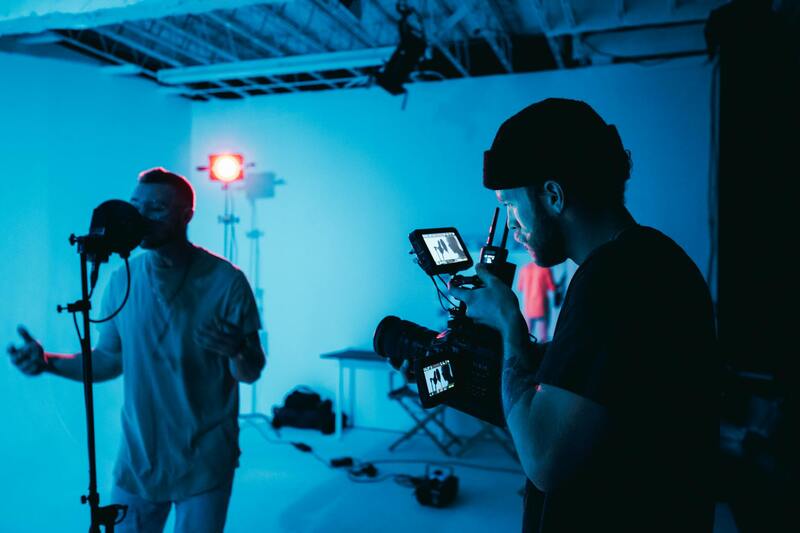
Post-processing should aim for subtle enhancements that preserve the authentic look of the property. Adjustments in exposure, contrast, and color balance can significantly improve image clarity and appeal. However, over-editing, such as excessive HDR effects or digital alterations, might misrepresent the space and lead to mismatched expectations.
For properties with large windows or complex lighting conditions, bracketing multiple exposures and merging them in editing software can create balanced images that showcase both interior brightness and exterior views. Maintaining a consistent style across images ensures a cohesive presentation that reinforces the property's narrative and marketing materials.
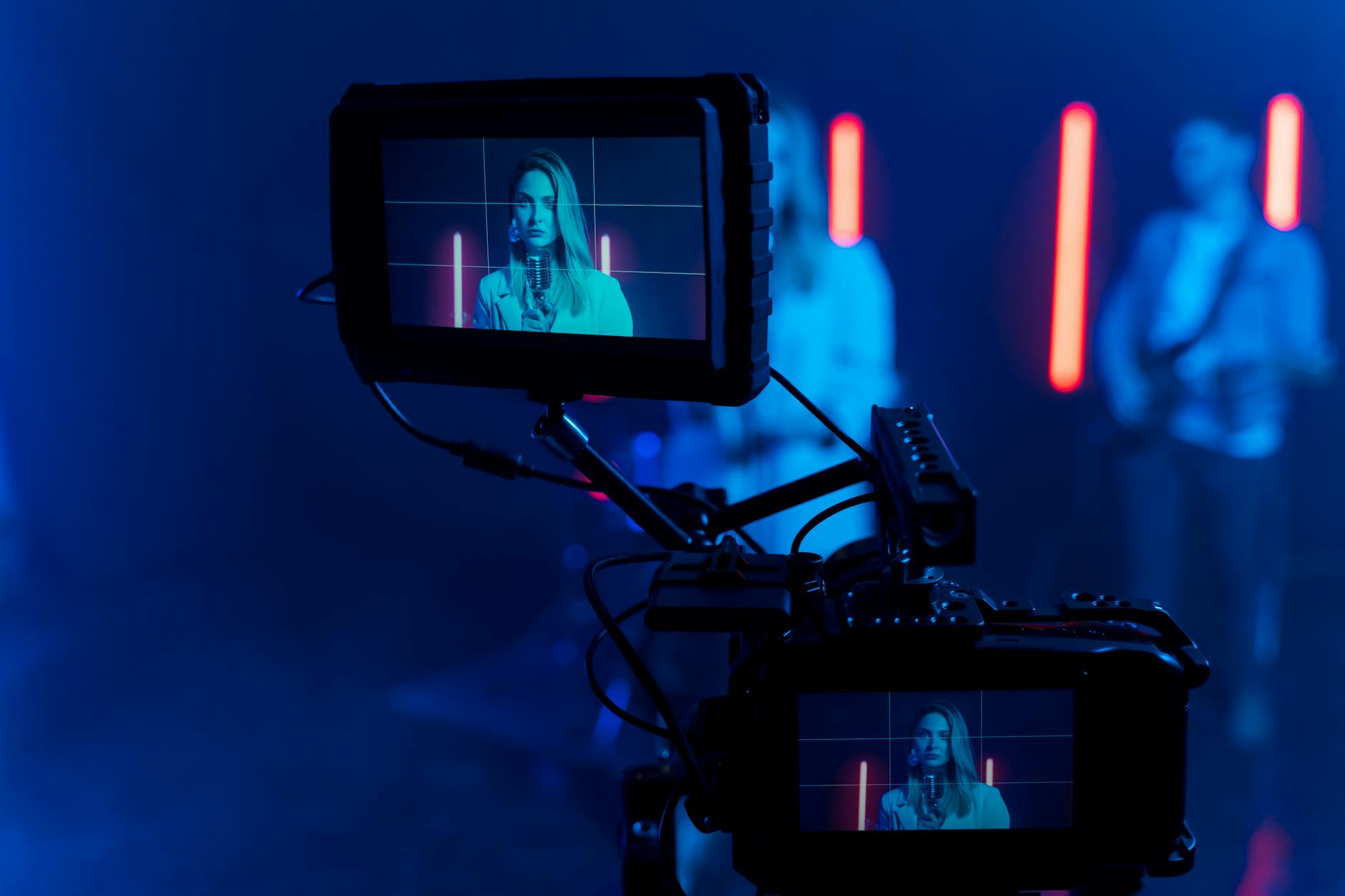
Specialized equipment, such as drone cameras, can capture stunning aerial views and unique perspectives. Tripods and remote shutter releases minimize camera shake, ensuring sharp, well-composed shots. For interior photography, a tripod facilitates slower shutter speeds needed for low-light environments without sacrificing image quality.
Ultimately, the technical execution of photography directly influences the perceived value of the property. Clear, well-lit images with true-to-life colors attract more interest and facilitate quicker sales by providing prospective buyers with an accurate visual understanding of the space. Investing in professional equipment and technical expertise is essential for real estate marketers aiming to produce top-tier visual content that resonates in Miami’s competitive market.
Technical Aspects of Real Estate Photography
Producing high-quality real estate marketing pictures hinges on a combination of technical proficiency and appropriate equipment. Skilled photographers primarily utilize DSLR or mirrorless cameras equipped with wide-angle lenses, typically ranging from 14mm to 24mm, to capture expansive room shots without distortion. Proper camera settings are crucial; utilizing a low ISO setting reduces noise and ensures crisp images, while optimal aperture choices—usually f/8 to f/11—provide sufficient depth of field to keep both foreground and background elements in sharp focus.
Lighting plays a vital role in real estate photography. Natural light is preferred whenever possible, as it produces vibrant, inviting photos that accurately depict the property's ambiance. To maximize lighting, photographers often shoot during the golden hour—shortly after sunrise or before sunset—when the light is soft and warm. For indoor shots, professional photographers use external flash units, strobe lights, or continuous lighting solutions to eliminate shadows and highlight key features. Reflectors can also redirect light into darker corners, ensuring even illumination throughout the space.
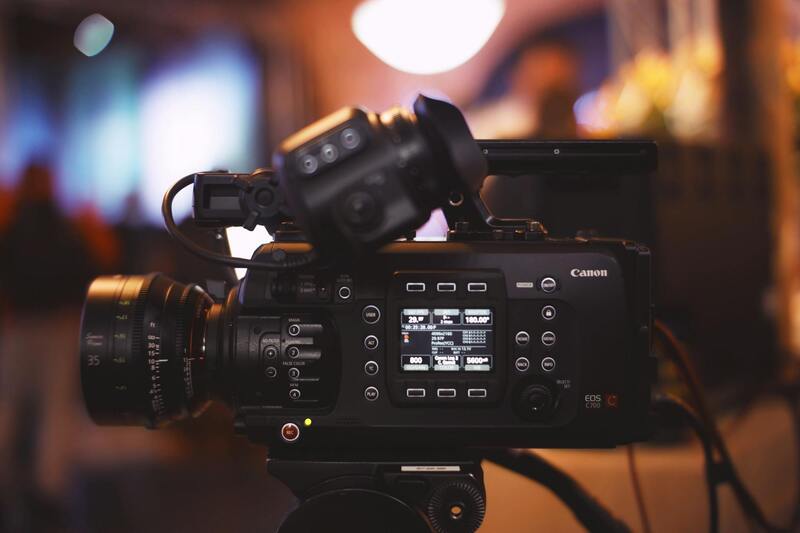
Stability is fundamental in producing sharp images. Tripods are employed to prevent camera shake, especially for interior shots or when using slower shutter speeds. Remote shutter releases or timer functions further mitigate vibrations caused by pressing the shutter button. In addition, bracketing multiple exposures can be beneficial in high-contrast scenes, allowing the blending of images to achieve balanced brightness and detail across both interior and exterior views.
Post-processing techniques, while an extension of the photography process, should enhance realism without misrepresenting the property. Adjustments to brightness, contrast, and color balance help depict the space as accurately as possible. HDR imaging is often used judiciously to handle complex lighting scenarios, such as rooms with windows facing the sun, where shadows and bright spots need balancing. However, over-editing can distort viewers’ expectations, so maintaining authenticity in color and detail is essential.
Additionally, drone photography is increasingly employed to capture compelling aerial shots of Miami properties. These images can showcase the property's surroundings, outdoor amenities, and landscape layout from viewpoints unavailable through traditional ground-level photography. When executed properly with stabilized drone equipment and proper planning, aerial images add a dynamic dimension that attracts modern homebuyers looking for comprehensive property visuals.
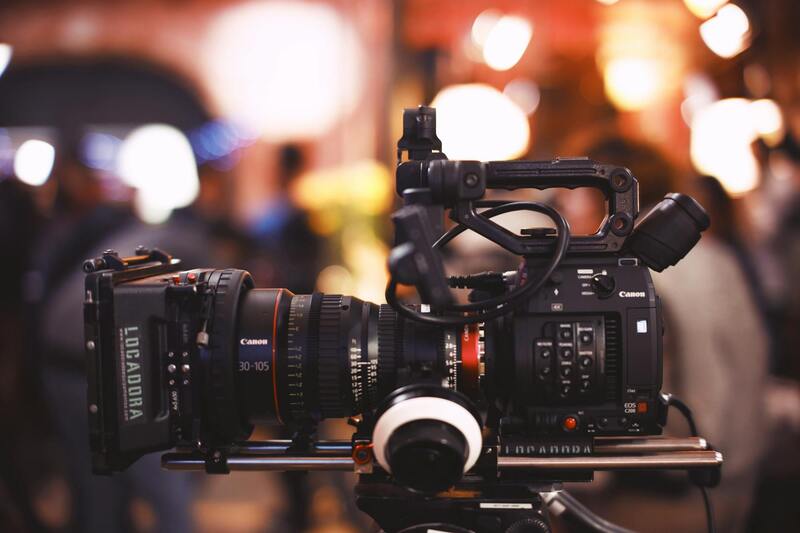
The synergy of camera choice, lighting, stabilization, and post-processing techniques forms the backbone of professional real estate photography. These technical elements directly influence the perceived value of properties, striking a balance between aesthetic appeal and authentic representation. For real estate marketers aiming to attract serious buyers in Miami’s competitive landscape, investing in state-of-the-art equipment and mastering technical best practices is indispensable for producing images that stand out and accurately reflect the property's true essence.
Legal and Ethical Considerations in Real Estate Photography
When capturing compelling real estate images, adherence to established standards and practices is fundamental to ensure that photos accurately reflect the property without misrepresentation. Authenticity fosters trust between sellers and buyers, and maintains the integrity of marketing efforts. Photographers must obtain proper permissions before entering properties, especially when utilizing drone photography or shooting in private or restricted areas. Securing necessary authorizations ensures the smooth execution of a shoot and upholds confidentiality agreements. Displaying the full scope of the property without omitting or digitally altering structures to appear larger or more appealing is crucial. This honesty helps manage buyer expectations and supports transparent marketing practices. Furthermore, ethical considerations include avoiding deceptive editing—such as excessive retouching or color enhancement—that could mislead potential buyers. Consistency in lighting, perspective, and color portrayal maintains realism and helps buyers make well-informed decisions based on accurate representations. In terms of privacy, it is essential to respect the privacy of residents and neighbors when framing shots. Avoid capturing identifiable features or personal items that could infringe on individual privacy rights. Properly briefing all personnel involved about these guidelines enhances professionalism and safeguards the reputation of the real estate enterprise. Incorporating legal and ethical best practices in real estate photography not only aligns with industry standards but also strengthens trust and credibility, ensuring long-term success in Miami’s competitive property market.
Technical Aspects of Real Estate Photography
Achieving high-quality real estate marketing pictures requires a solid understanding of technical photography principles. Proper equipment, camera settings, and post-processing techniques play vital roles in producing images that truly showcase a property’s best features.
Most professional real estate photographers utilize digital single-lens reflex (DSLR) or mirrorless cameras equipped with wide-angle lenses. These lenses facilitate capturing expansive interior views, making rooms appear larger and more inviting. A focal length in the range of 14mm to 24mm is commonly preferred for interior shots, as it allows for comprehensive views without distortion.
Optimal camera settings include a low ISO to minimize noise, a narrow aperture (around f/8 to f/11) to maximize depth of field, and a balanced shutter speed that ensures sharpness, especially in well-lit environments. High dynamic range (HDR) photography is often employed to handle complex lighting conditions, such as bright windows and shadowed corners, resulting in well-exposed images that faithfully represent the scene.

During post-processing, adjustments to brightness, contrast, and color balance enhance the visual appeal while maintaining realism. Skilled editing ensures that images do not appear over-saturated or artificially enhanced, which is essential in building buyer trust. Techniques such as perspective correction and straightening lines help mitigate distortion caused by wide-angle lenses, resulting in professional, accurate representations of the property.
Lighting also greatly impacts image quality. Utilizing natural light, complemented by professional lighting equipment when necessary, ensures interiors are bright and welcoming. The goal is to eliminate harsh shadows and highlight the property’s architectural features, creating a balanced and attractive visual narrative for potential buyers.
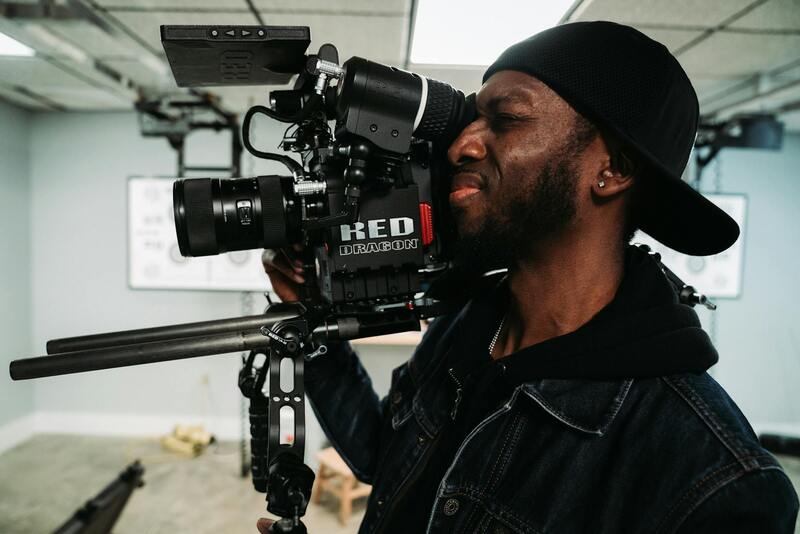
In summary, mastering the technical aspects of real estate photography demands an investment in quality equipment and a thorough understanding of photographic principles. When executed correctly, these techniques result in pictures that accurately reflect the property’s qualities, evoke emotional responses from viewers, and ultimately attract more potential buyers.
Legal and Ethical Considerations in Real Estate Photography
Maintaining integrity and transparency in real estate marketing pictures is essential to foster trust with potential buyers and uphold industry standards. Professional photographers and property marketers must adhere to guidelines that respect privacy rights, accurately depict the property, and avoid misleading representations.
One fundamental principle involves obtaining proper permissions before capturing images of private spaces. This ensures that all individuals' privacy rights are respected, especially in cases where tenants or occupants are present. Clear communication about the purpose of the photos and their intended use minimizes misunderstandings and fosters a cooperative environment.
Accurately representing the property is critical to avoid any form of misrepresentation. This includes capturing images that highlight the actual condition and features of the property without manipulation that could mislead viewers. For instance, cropping or editing should be used to enhance visual appeal but not distort the true dimensions or features of the space.
It is equally important to avoid deceptive techniques such as excessive image enhancement or misleading angles. Wide-angle lenses, while popular, should be used judiciously to prevent exaggerating space or creating false impressions of room sizes. Similarly, HDR (High Dynamic Range) photography must be used responsibly to ensure light and shadow are balanced without altering the reality of the scene.
In addition, legal considerations include adhering to copyright laws concerning photographs. Only licensed or original images should be used for marketing purposes, ensuring that intellectual property rights are respected. This approach avoids potential disputes or accusations of infringement, preserving the credibility and professionalism of the marketing effort.
Advanced Techniques for Capturing Standout Property Images
Achieving compelling real estate photographs extends beyond basic photography skills. Incorporating advanced techniques ensures images accurately mirror the property's qualities while appealing to potential buyers. Use of strategic lighting, including natural light enhancement and supplemental lighting, highlights interior spaces and creates a welcoming atmosphere. Techniques such as tilt-shift or perspective control lenses can correct distortions typically caused by wide-angle lenses, ensuring proportionate and realistic representations of rooms and exteriors.
Incorporating drone photography offers a dynamic perspective of larger properties or those with notable outdoor features. Aerial shots can showcase landscaping, property boundaries, and unique geographical advantages, providing a comprehensive visual story of the estate. When employing drone imagery, operators must operate within regulatory guidelines to capture safe, high-quality footage that complements ground-level images.
Color grading and post-processing are vital stages in creating polished images. Adjusting brightness, contrast, and saturation can make images more vibrant while ensuring they remain true to the property's appearance. Professionals avoid over-editing, which might distort the actual look of the property, maintaining trustworthiness in marketing visuals.
Implementing Virtual Staging and 3D Tours
Virtual staging tools allow viewers to visualize potential layouts and furniture configurations without physical alterations. This technique appeals to buyers imagining their future home and increases engagement. Simultaneously, 3D virtual tours offer immersive walkthroughs that enable remote prospects to explore the property intimately, saving time and broadening market reach. High-quality renderings and navigation ease are crucial; the experience should feel authentic and inviting.
Utilizing Proper Image Workflow Management
An efficient workflow from photography to editing ensures timely delivery of marketing assets without compromising quality. Organizing images systematically, applying consistent color calibration, and utilizing high-resolution formats are best practices. Employing cloud-based storage and editing platforms enhances collaboration among marketing teams and maintains image integrity throughout the process.
Incorporating these advanced photography methods maintains a competitive edge in real estate marketing, elevating property presentation beyond standard expectations. Real estate professionals should consider investing in continuous education or collaborating with specialized photographers to keep pace with evolving industry standards and ensure their listings stand out in Miami's dynamic market environment.