
Importance of High-Quality Visuals in Real Estate
In the vibrant and highly competitive Miami real estate market, the significance of professional photography and videography cannot be overstated. High-quality visuals serve as the frontline tool to attract potential buyers and stand out within an increasingly digital landscape. The first impression delivered through well-crafted images and videos can greatly influence a buyer’s decision, often determining whether a property moves forward in the buying process or becomes lost amid a sea of listings.
Professional visuals actively enhance the marketing appeal of Miami properties, capturing the unique architectural features, interior design details, and neighborhood atmosphere. These visuals not only increase online engagement but also help generate more inquiries, drive traffic to listing pages, and ultimately accelerate the sales process. In areas like Miami, where the market is marked by diversity and luxury, compelling visuals can highlight the property's exclusivity, waterfront views, or luxurious amenities, making it stand apart from the competition.
In addition to attracting immediate attention, high-quality real estate imagery fosters a sense of trust and credibility. Buyers tend to perceive listings with professional photos and videos as more reliable and well-maintained, which can translate into higher offers and quicker closed deals. For real estate agents, partnering with skilled videographers and photographers ensures their properties are showcased in the best light, facilitating a smoother transaction process from listing to closing.
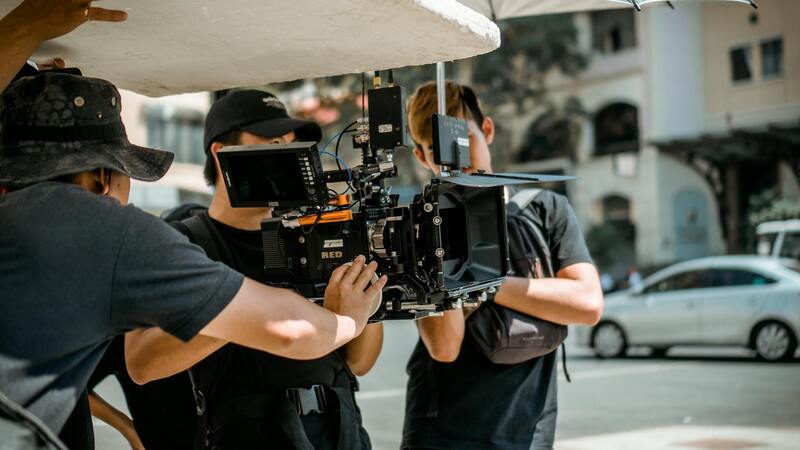
Moreover, the digital age has transformed how property campaigns are executed. Most homebuyers start their search online, scrolling through countless listings. Exceptional visuals increase the likelihood of a listing catching the eye, encouraging viewers to spend more time exploring the property details. This digital-first approach requires images and videos that are not only high in resolution but also precisely staged, properly lit, and thoughtfully composed to radiate the best features of each property.
The influence of professional imagery extends beyond the immediate listing. High-quality visuals are suitable for social media campaigns, virtual open houses, and 3D virtual tours. These components have become standard in Miami real estate marketing strategies, enabling prospective buyers to experience the property remotely with a level of detail that static images alone cannot provide. As a result, real estate professionals who invest in top-tier visual presentation distinguish themselves and command greater market recognition.
Investing in professional real estate photography and videography is no longer an optional enhancement but a fundamental component of successful property marketing in Miami. It amplifies property appeal, expedites sales, and bolsters the reputation of real estate agents and agencies dedicated to excellence in service and presentation.
Key Elements of Real Estate Photography in Miami
Capturing Miami's diverse and vibrant property landscape requires a strategic approach centered on several critical elements. High-quality imagery hinges on optimal lighting, effective staging, and advanced camera techniques. These aspects ensure that each property is presented in its best light, both literally and figuratively, appealing directly to prospective buyers and investors.
Optimized Lighting
Lighting is paramount in real estate photography, especially in Miami where natural sunlight plays a significant role. Professionals utilize natural light to highlight a property’s most attractive features, creating warm, inviting atmospheres. During the shoot, early morning or late afternoon light — often called the golden hour — is preferred, as it produces softer shadows and enhances color vibrancy. In interiors, supplemental lighting or reflectors are employed to eliminate dark spots and ensure an even exposure, making rooms appear more spacious and appealing.
Effective Staging
Staging is more than arranging furniture; it involves curating spaces to emphasize a property’s potential. In Miami, where luxury properties and modern designs dominate, staging often includes contemporary furnishings, tasteful décor, and color schemes that complement the property’s aesthetic. Proper staging accentuates architectural features and helps potential buyers visualize their life in the space. Professional stylists or photographers familiar with Miami’s market nuances optimize each shot for maximum impact.
Advanced Camera Techniques
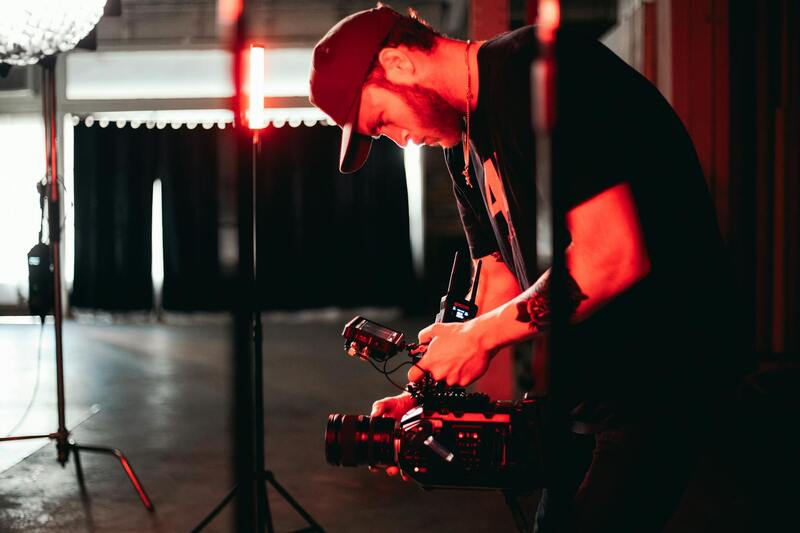
Employing high-end camera equipment and techniques elevates real estate imagery. Wide-angle lenses allow capturing expansive rooms, giving viewers a sense of space and openness. HDR (High Dynamic Range) imaging balances exposure across bright windows and darker interiors, revealing details that unadjusted photos might miss. Additionally, drone photography provides breathtaking aerial perspectives, highlighting property size, landscaping, and neighborhood views — crucial elements in Miami’s scenic surroundings.
Maintenance of Consistency and Brand Identity
Consistency across images reflects professionalism and helps establish a recognizable brand image. It involves standardized color grading, composition styles, and shot selection that align with the property’s target market and the agency’s identity. This consistency not only enhances marketing materials but also builds trust with clients, showcasing an unwavering commitment to quality.
Image Post-Processing and Optimization
Post-production enhances the original captures through color correction, brightness adjustment, and minor retouching. These edits ensure the visuals are polished, true to life, and compelling. Moreover, optimizing file sizes without sacrificing quality ensures fast webpage loading, which is vital for online listings and virtual tours.
In sum, the synergy of lighting, staging, camera mastery, and post-processing creates compelling visual narratives that resonate with Miami’s dynamic real estate market. Professionals who meticulously incorporate these elements stand out, improving listing visibility and attracting qualified buyers more efficiently.
Choosing the Right Equipment and Editing Techniques
Selecting appropriate equipment is fundamental to producing high-quality real estate visuals that captivate potential buyers and effectively showcase property features. Professionals in Miami prioritize tools that balance image resolution, color accuracy, and versatility, ensuring every shot highlights the property's unique attributes. High-resolution digital cameras with full-frame sensors are standard, enabling crisp detail reproduction and excellent performance in varied lighting conditions typical of Miami’s bright interiors and expansive windows.
Utilizing professional-grade wide-angle and tilt-shift lenses allows real estate photographers to capture expansive room layouts and architectural elements with minimal distortion. A robust tripod ensures stability during long exposures, especially in interior settings where natural light may be limited. Drones equipped with high-definition cameras provide aerial shots that reveal property size and landscape features, offering prospective buyers a comprehensive visual understanding of the property and its surroundings.
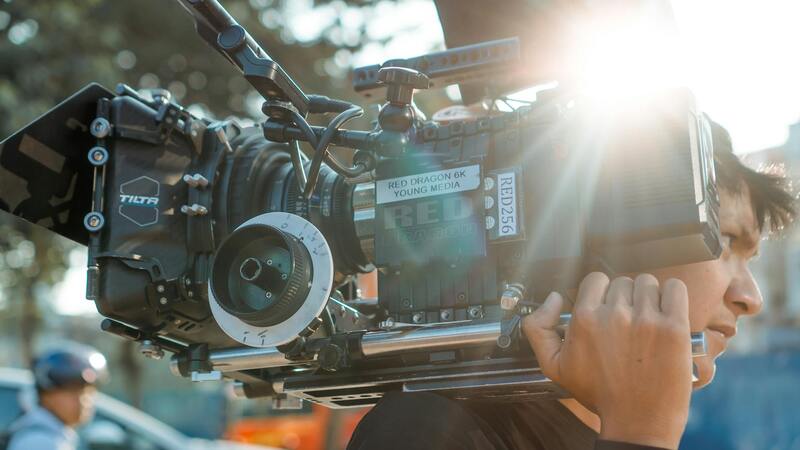
Editing techniques are critical in refining the raw footage and images to meet the highest standards. Color correction adjusts tones to accurately reflect the property's true appearance, emphasizing its best features while maintaining consistency across media. Proper exposure and contrast enhancements ensure interiors look inviting and well-lit without overexposure or shadows obscuring details.
Advanced retouching subtly improves visual appeal by refining lighting, removing distracting elements, and enhancing textures and surfaces. For instance, professionals may brighten dark corners or balance exterior lighting to match the interior ambiance. These steps ensure the visuals are polished, compelling, and ready for publication.
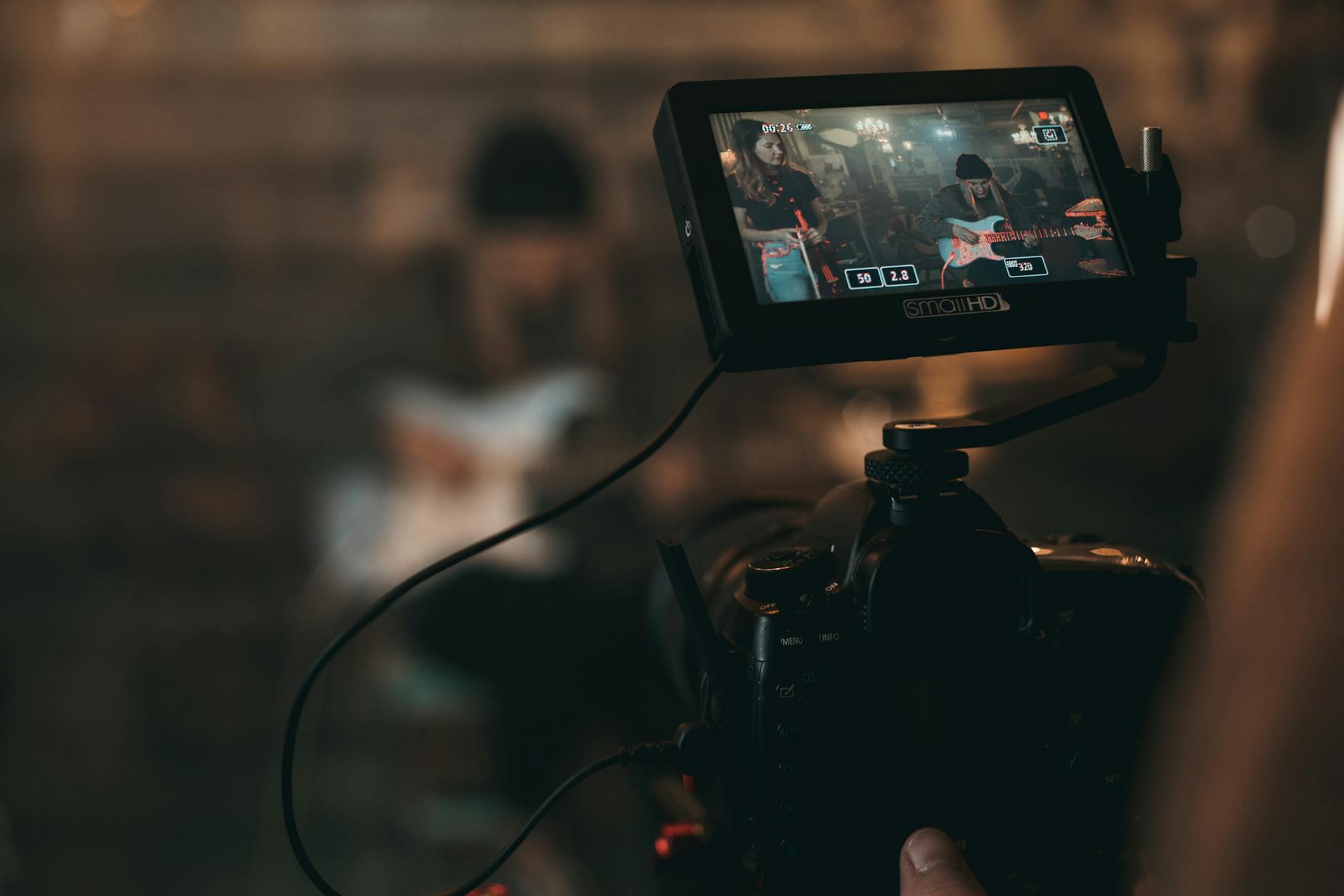
Optimizing media files is equally essential. Compressing images and videos to reduce load times enhances user experience on listing websites and virtual tours. Maintaining high visual fidelity while minimizing file sizes ensures fast rendering across devices, crucial in Miami’s digital-focused market.
Overall, effective equipment choices combined with meticulous editing techniques create a seamless visual presentation. These elements help real estate professionals highlight the unique qualities of Miami properties, making their listings stand out in a competitive market, and establishing an authoritative visual narrative that fosters trust and interest among prospective buyers.
Legal and Ethical Considerations in Miami Real Estate Media
In the competitive landscape of Miami real estate, maintaining high standards in media production extends beyond technical expertise to encompass adherence to established principles of ethical practice and industry standards. Professionals engaged in real estate photography and videography must ensure that all visual content accurately represents the property, avoiding manipulation that could mislead prospective buyers or distort the property's true condition. This commitment to authenticity fosters trust, enhances reputation, and facilitates smoother transactions. One of the fundamental ethical practices involves obtaining appropriate permissions before capturing images or videos, especially when employing drones or other specialized equipment. Respect for client confidentiality and privacy involves securing consent when filming in private spaces or capturing footage across neighboring properties. Clearly communicating the scope of work, including the use of aerial footage and virtual tours, ensures transparency between media providers and real estate agents or property owners. Additionally, it is critical to prioritize high-quality visual production that aligns with the property's actual condition. Over-editing or overly aggressive enhancements that alter the property's appearance can lead to mismatched expectations and buyer dissatisfaction. Ethical media presentation involves balancing artistic visual appeal with factual accuracy, refraining from misleading imagery. Professional integrity also extends to compliance with local regulations governing drone operation and filming activities. In Miami, operators must adhere to city-specific drone usage rules, including altitude limits, designated flight zones, and respecting restricted airspaces. These regulations are designed to ensure safety and minimize disruptions to the community. Furthermore, transparency about post-production processes, such as color correction and retouching, is advisable. When potential buyers recognize that what they view is an enhanced version of reality, it helps preserve trust and demonstrates professional credibility. Implementing clear policies on media development, respecting property rights, and engaging in honest communication are vital practices that uphold the industry's reputation. For Miami real estate professionals, integrating these ethical considerations into their media strategy reinforces client confidence, promotes sustainable growth, and ensures that visual marketing remains a trustworthy and effective tool in the property sales process.
Legal and Ethical Considerations in Miami Real Estate Media
In the competitive Miami real estate market, the utilization of professionally captured images and videos demands meticulous adherence to established standards that respect privacy rights and uphold transparency. Securing appropriate permits prior to drone flights or aerial captures is a fundamental step, particularly in areas with specific restrictions or protected zones. Ensuring all media content complies with city ordinance and aviation regulations not only demonstrates respect for local policies but also mitigates potential legal challenges.
It is essential to obtain explicit consent from property owners and any individuals appearing within the content. This practice prevents privacy breaches and fosters trust with clients and viewers. When featuring interiors or private outdoor spaces, explicit permission underscores an ethical approach to real estate media, promoting a positive reputation for all parties involved.
Employing responsible editing techniques further enhances the credibility of marketing materials. Color correction, lighting adjustments, and retouching should aim to accurately represent the property, avoiding overstated enhancements that could cause misleading expectations. Transparency about post-production processes cultivates honest communication with potential buyers, reinforcing authenticity.
Additionally, certain media elements, such as drone footage, come with specific operational constraints aimed at ensuring community safety and respecting airspace boundaries. Complying with these operational guidelines is crucial, especially in Miami’s diverse urban landscape with many restricted zones.
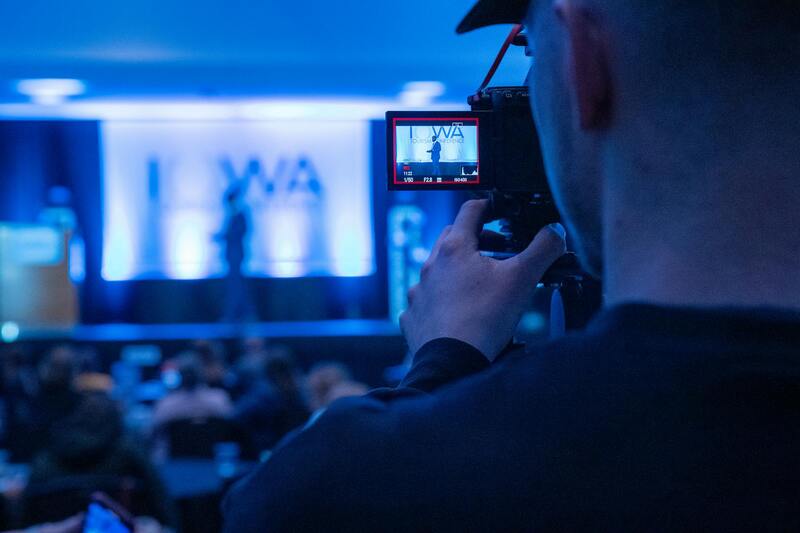
Legal and Ethical Considerations in Miami Real Estate Media
When creating medical-quality visual content for Miami real estate, adherence to established standards and ethical practices is essential to maintain trust and integrity within the industry. Proper authorization prior to media production ensures that all content is captured with full consent, respecting the privacy rights of clients and individuals present on the property. This practice not only aligns with responsible marketing but also helps in avoiding misunderstandings or disputes that may arise from unauthorized recordings.
Furthermore, transparency around the editing process is critical. When professional images or videos are enhanced through post-production techniques, such as color correction or lighting adjustments, disclosing these modifications sustains viewer confidence and sets accurate expectations. Misrepresentation, whether intentional or accidental, can lead to potential dissatisfaction or misaligned perceptions of the property’s true condition and appeal.
Drone footage and aerial imaging introduce additional layers of regulatory responsibility. Ensuring compliance with Miami’s airspace restrictions and operational guidelines for unmanned aircraft systems safeguards community safety and respects local ordinances. It’s important to obtain necessary permissions and to plan flight paths that avoid no-fly zones, especially near airports or protected environmental areas.
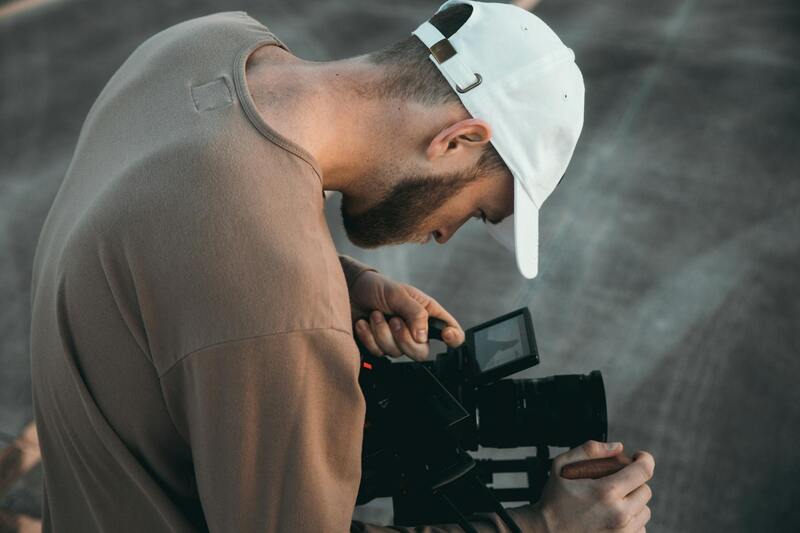
Respecting private property and obtaining explicit consent for showcasing interiors and outdoor spaces is fundamental. This process reinforces client trust and ensures that all media representations align with the property owners’ expectations. Ethical considerations extend to avoiding intrusive camera angles or footage that might infringe on privacy, especially in densely populated neighborhoods.
In Miami’s dynamic real estate market, responsible media practices reflect professionalism and respect for community standards. By adhering to permitted use policies, safeguarding privacy rights, and ensuring truthful representations, real estate professionals demonstrate commitment to quality and integrity—key qualities that foster sustained success and positive client relationships.
Importance of High-Quality Visuals in Real Estate
In today’s competitive Miami real estate market, captivating visuals are essential for attracting potential buyers and standing out among numerous listings. High-quality photography and videography serve as fundamental tools for showcasing a property’s unique features, layout, and overall appeal. When executed with precision, professional images and videos evoke emotional responses, helping prospective buyers envision themselves living in the space. They also provide an accurate representation of the property's condition, size, and ambiance, reducing misunderstandings and fostering trust.
Property visuals are often the first interaction a potential buyer has with a listing, making it crucial that these images and videos accurately reflect reality while highlighting the property’s best attributes. Superior visuals can expedite the sales process by captivating viewers’ interest, increasing online engagement, and generating more inquiries. This initial impression can make the difference between a quick sale and prolonged market exposure, especially in a vibrant city like Miami where visual storytelling can leverage the region’s diverse architectural styles and scenic landscapes.

Key Elements of Real Estate Photography in Miami
Effective real estate photography in Miami requires attention to several core elements to ensure each image conveys clarity, professionalism, and aesthetic appeal. First, proper lighting—natural light is ideal, especially during sunrise or sunset to capture warm hues—minimizes shadows and highlights interior space. Incorporating wide-angle lenses allows for capturing more of each room, presenting a spacious and inviting atmosphere.
Staging the property to optimize its visual appeal is equally important, ensuring that furniture and decor complement the overall design. Attention to detail, such as decluttering and emphasizing architectural features, enhances authenticity and interest. When photographing outdoor spaces, including pools, gardens, and city views, angles should be chosen to showcase the most impressive aspects of the property.
Post-production editing plays a vital role as well. Adjustments to brightness, contrast, and color balance must be subtle to maintain a natural look. Corrections should aim to enhance the visual experience without distorting the true features of the property, preserving trust and professionalism.
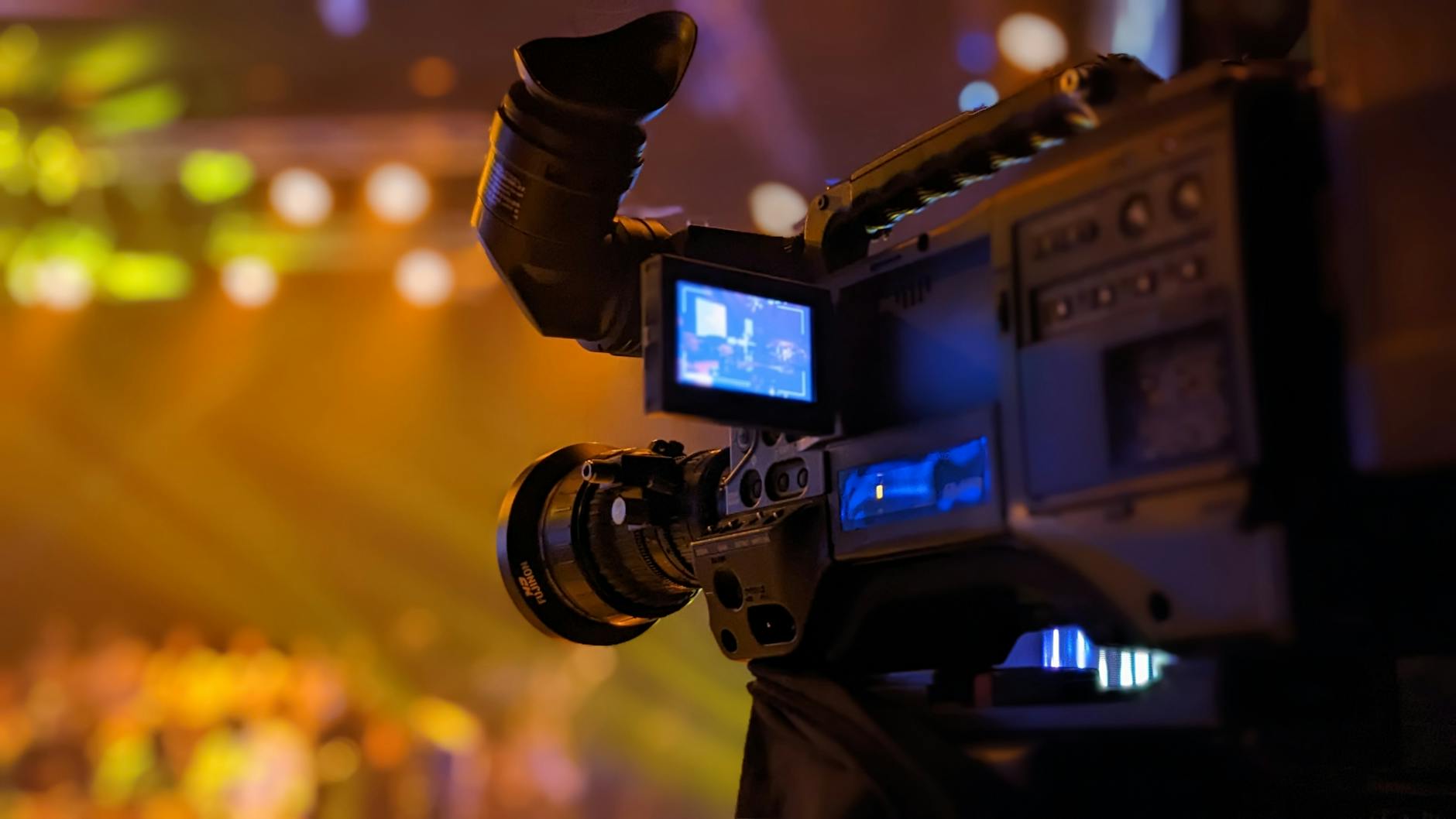
Advantages of Video Tours for Miami Properties
Video tours have revolutionized the way homes are marketed in Miami’s real estate landscape. Unlike static images, videos provide a dynamic, comprehensive view of the property, allowing potential buyers to experience the flow and spatial relationships within the space remotely. This immersive experience increases engagement and helps buyers make more informed decisions.
High-quality video tours can emphasize a property’s unique selling points, such as expansive living areas, luxurious pools, or scenic outdoor settings. They also enable the inclusion of narrative elements—highlighting design features or the neighborhood’s attractions—which can foster emotional connection and increase desirability.
Furthermore, video tours are especially valuable in Miami’s property market, which often includes waterfront homes, high-rise condominiums, and luxury estates. These types of properties benefit from aerial footage, lifestyle shots, and smooth walkthroughs that showcase their grandeur and appeal. As a result, listings with professional videos tend to attract more interest, generate higher quality leads, and often sell faster.
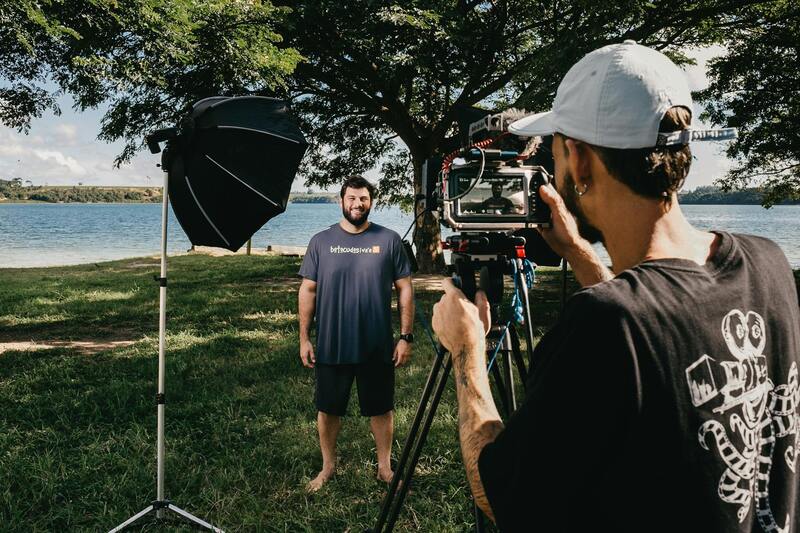
Choosing the Right Equipment and Editing Techniques
The foundation of compelling real estate visuals lies in selecting appropriate equipment. In photography, wide-angle lenses are preferred to capture comprehensive views of rooms and outdoor spaces. Using stabilizers and tripods ensures sharp images, while high-resolution cameras allow for detailed, crisp visuals that look professional on various screen sizes.
Videography, on the other hand, benefits from gimbals and steadycam systems that produce smooth, cinematic footage. Drones equipped with 4K cameras are invaluable for aerial views, providing perspectives that emphasize property size, surrounding scenery, and neighborhood context.
Post-production editing should focus on enhancing clarity, correcting distortion, and balancing exposure. Color grading may be applied to create a consistent aesthetic across all visuals, but it is vital to avoid oversaturation or unnatural hues. Modern editing software offers tools for seamless transitions, color correction, and noise reduction, ensuring the final product is both engaging and authentic.
Legal and Ethical Considerations in Miami Real Estate Media
Adhering to regulatory standards and respecting privacy rights are integral to the responsible production of real estate media in Miami. When capturing images or videos, it is essential to obtain explicit consent from property owners or residents, especially when filming interior spaces or outdoor areas that could infringe on personal privacy.
Properly licensing drone operations and complying with Miami’s airspace regulations is crucial. This includes securing necessary permits, understanding no-fly zones, and planning flight paths to avoid restricted areas such as airports or protected wildlife habitats. Ensuring safe drone flights not only prevents regulatory issues but also maintains community trust.
Transparency in media representations fosters credibility. Real estate professionals should ensure that images and videos accurately portray the property’s condition and features. Avoiding manipulative editing, such as modifying dimensions or enhancing elements beyond reality, sustains integrity and builds long-term client relationships.
Importance of High-Quality Visuals in Real Estate
In Miami's competitive real estate market, high-quality visuals are essential for capturing the attention of prospective buyers and investors. Professionally crafted images and videos not only highlight a property’s unique features but also convey a sense of trust and credibility. As most property searches begin online, visuals serve as the first impression, making the difference between a listing that gains significant interest and one that gets overlooked. Well-produced real estate media enhances property value perception, accelerates the sale process, and provides a compelling narrative that resonates with targeted audiences.
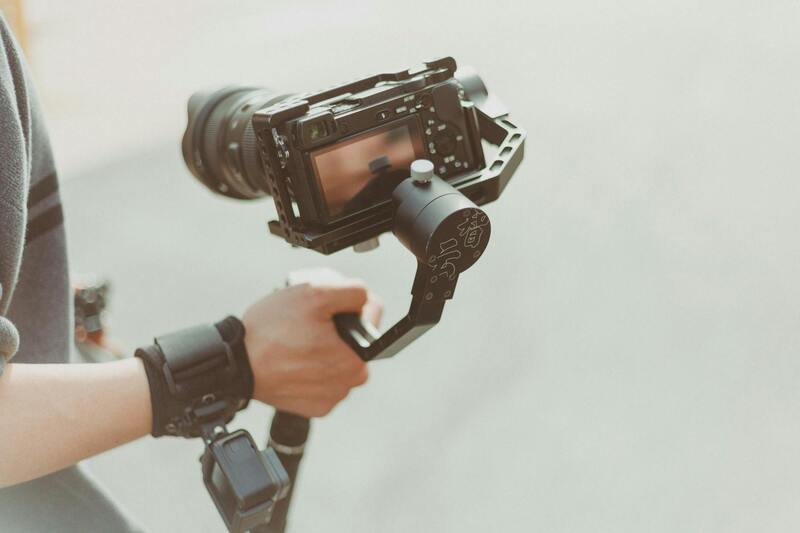
For Miami properties, where diverse architectural styles and vibrant lifestyles attract global attention, visuals must reflect authenticity and appeal. High-quality photography and videography capture the essence of Miami’s unique environment—be it ocean views, modern condos, or historic neighborhoods—rendering listings more attractive and shareable across digital platforms. The investment in premium visuals expedites inquiries, improves online ranking, and fosters a competitive edge in the local real estate landscape.
Key Elements of Real Estate Photography in Miami
- Proper Lighting: Utilizing natural light during daytime shoots enhances space and highlights architectural details. Supplementing with professional lighting ensures interiors appear bright and inviting.
- Wide-Angle Lenses: Wide-angle equipment captures more of the space, providing comprehensive views that help potential buyers gauge room size and layout effectively.
- Staging and Composition: Arranging furniture and decor to showcase each room's potential while framing shots to emphasize focal points elevates visual appeal.
- HDR and Exposure Settings: Using High Dynamic Range techniques balances shadows and highlights, rendering images true to real life even in challenging lighting conditions.
Advantages of Video Tours for Miami Properties
Video tours offer an immersive experience that static images cannot fully deliver. They allow viewers to walk through the property virtually, gaining a better sense of flow and spatial relationships. This is especially valuable for Miami's expansive beachfront estates or high-rise condo units, where panoramic videos can highlight breathtaking views and luxury amenities.
Combining cinematic techniques—such as smooth camera movements, drone shots, and well-curated walkthroughs—creates dynamic visual narratives that engage potential buyers emotionally. Video tours also accommodate remote viewing, enabling interested parties from across the globe to explore Miami listings in detail, thereby broadening the marketing reach and increasing inquiries.
Choosing the Right Equipment and Editing Techniques
- Camera Selection: High-resolution DSLRs or mirrorless cameras with wide-angle lenses are preferred for crisp, professional images.
- Drone Integration: Aerial footage offers a comprehensive view of the property and its surroundings, an essential feature in Miami’s coastal real estate market.
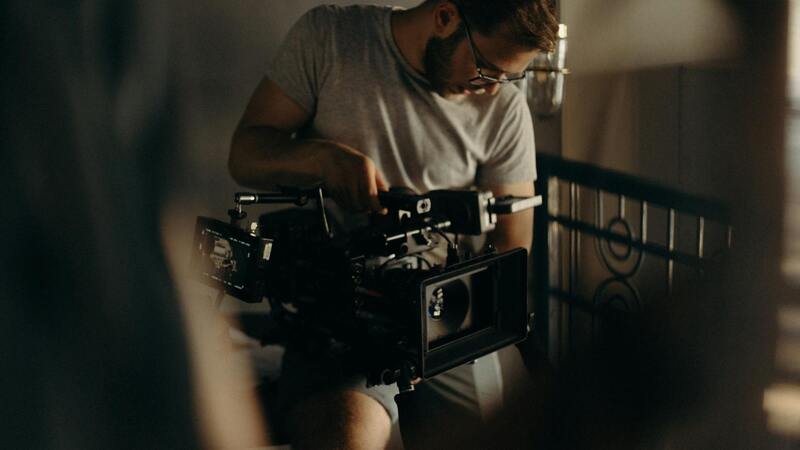
- Stabilization Tools: Gimbals and steadicams ensure smooth footage that looks polished and professional.
- Post-Processing: Content should undergo meticulous editing for color correction, noise reduction, and seamless transitions to preserve realism while enhancing visual impact.
Legal and Ethical Considerations in Miami Real Estate Media
Maintaining integrity and respect in property media involves adhering to established protocols that safeguard privacy and property rights. Always seek explicit consent from property owners or residents before capturing images or video footage, particularly within private interiors or confined outdoor spaces. It's critical to respect personal privacy and avoid intrusive angles or shots that could reveal sensitive information.
When utilizing drones, operators must secure proper permits and adhere to Miami’s airspace regulations to prevent operational conflicts and ensure safety. Awareness of no-fly zones near airports, wildlife reserves, or government facilities is necessary for compliant drone operations.
Accurate representation is vital in building trust. Content should reflect the property’s actual condition without manipulation that could mislead viewers. Authenticity fosters credibility and long-term relationships with clients, encouraging repeat business and positive reputation within Miami’s dynamic real estate environment.
Marketing Strategies Using Real Estate Media
- Optimized Listings: Incorporate high-quality images and engaging videos into online listings to increase visibility and attract more clicks.
- Social Media Campaigns: Share vibrant visuals across platforms like Instagram, Facebook, and LinkedIn to reach targeted audiences and generate buzz.
- Virtual Open Houses: Use live streaming and virtual tours to invite remote prospects and expand outreach beyond local markets.
- Email Marketing: Embed professionally crafted media in newsletters to keep potential clients engaged and informed about new listings.
Partnering with Miami Real Estate Agencies
Building relationships with local agencies enhances exposure and ensures consistent branding across listings. Collaborating on media projects provides agents with professional assets that elevate their marketing effectiveness. Additionally, understanding the specific preferences and target demographics of Miami’s diverse neighborhoods allows media providers to tailor content that resonates with prospective buyers, ultimately accelerating sales cycles and strengthening market presence.