
Understanding the Importance of High-Quality Visual Content
In the highly competitive real estate market of Miami, captivating visual content serves as a fundamental tool to attract potential buyers and renters. As properties rely heavily on first impressions, professionally crafted images and videos elevate a listing, making it stand out amidst numerous competitors. High-quality real estate photography and videography not only showcase the property's features and space effectively but also evoke emotional responses that can accelerate decision-making processes.
Moreover, professional visuals help establish credibility and trust with prospective clients, illustrating the seller’s commitment to presenting their property in the best possible light. With the proliferation of online listing platforms, having compelling visual content is no longer optional; it is a necessity for successful real estate marketing in Miami. Stunning imagery and videography foster increased engagement, longer viewing durations, and ultimately, faster transactions. It’s an investment that yields measurable results by transforming ordinary listings into compelling visual stories.
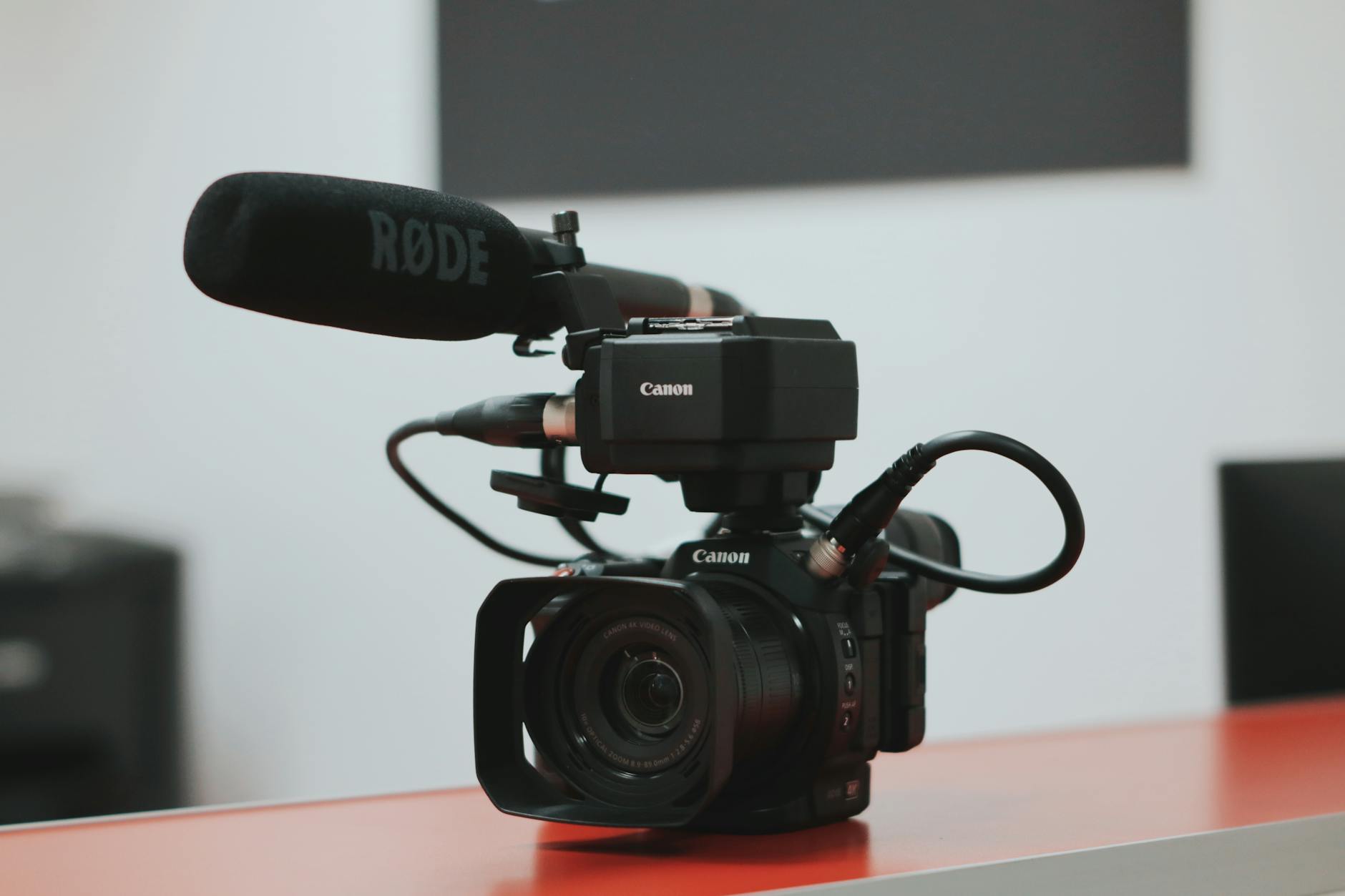 igurecaption> High-quality visuals significantly enhance property appeal in Miami's competitive market
Why Professional Visual Content is Essential
- Creates a strong first impression and attracts more viewers
- Highlights the property’s best features and spatial layout
- Builds credibility and demonstrates professionalism
- Increases online visibility on listing portals
- Encourages viewer engagement and inquiries
In a dynamic city like Miami, where the real estate landscape is constantly evolving, employing professional photography and videography techniques translates into tangible advantages for agents and property owners alike. Beautiful visuals serve as the digital storefront, drawing potential buyers into a detailed exploration of the property. Whether showcasing luxurious waterfront homes or modern condos, compelling multimedia content creates an immersive experience that static images alone cannot achieve.
The Competitive Edge in Miami's Real Estate Market
Miami’s real estate market thrives on innovation and visual storytelling. Properties that harness effective visual content consistently outperform those with basic or amateur visuals. As such, investing in top-tier real estate photography and videography is a strategic move for agents seeking to differentiate themselves. Professional visuals not only attract a broader audience but also command attention across various online platforms, including social media, where eye-catching content is crucial. The ability to deliver a comprehensive visual narrative enhances the overall marketing strategy, paving the way for quicker sales and higher property values.
Understanding the Importance of High-Quality Visual Content
In competitive Miami real estate, the visual representation of a property can make or break its market performance. High-quality photography and videography are essential tools that significantly influence prospective buyers’ perceptions. Clear, well-composed images and professional videos serve as compelling digital assets that enhance online listings and marketing campaigns. These visuals should accurately reflect the property's attributes, emphasizing its unique features, spaciousness, and aesthetic appeal.
Effective real estate visuals foster a strong emotional connection with viewers, encouraging them to envision themselves living in the space. They also establish a sense of trust and credibility, indicating that the property is presented with care and professionalism. When potential buyers encounter polished visual content, they are more likely to engage, inquire, and ultimately schedule property visits. As Miami’s property market continues to grow, showcasing listings through compelling multimedia content becomes an indispensable element of a successful real estate strategy.
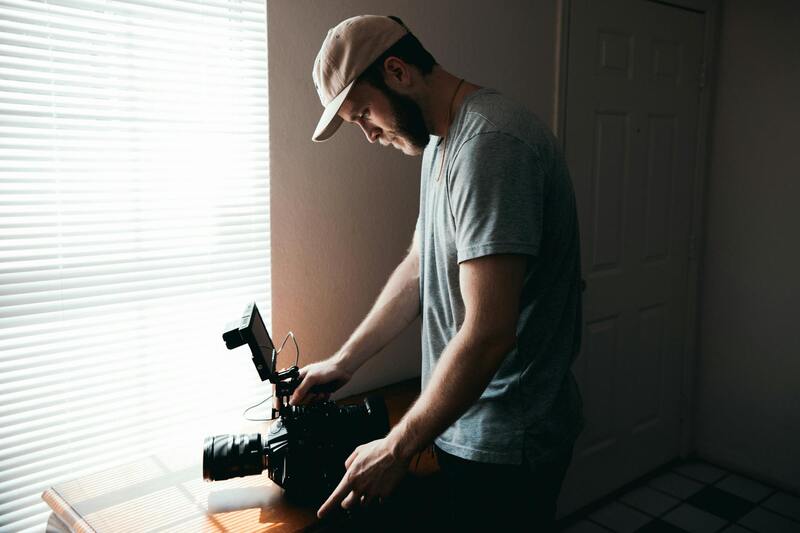
The Impact of Visual Content on Market Performance
Visual content directly influences how quickly a property moves from listing to sale. In a city like Miami, where buyers often conduct extensive online research, professional images and videos stand out, attracting more attention and generating greater interest. Effective visual storytelling helps to differentiate properties in a crowded marketplace, making listings more memorable.
Real estate photography and videography not only draw initial interest but also contribute to the property’s perceived value. High-quality visuals suggest that a property is well-maintained and desirable, often leading to increased offers and faster closing times. Furthermore, well-crafted visuals are highly shareable across social media platforms and listing websites, broadening the property's exposure to a diverse audience.
Enhancing Buyer Experience Through Multimedia Content
Videos and interactive visual tours provide an immersive experience that static images cannot match. Virtual walkthroughs, drone footage of exterior spaces, and 360-degree views give potential buyers a comprehensive understanding of the property's layout and surroundings. This approach saves time for both buyers and agents, streamlining the decision-making process.
In Miami’s fast-paced market, offering rich multimedia content can be a decisive factor that elevates a property's appeal. It demonstrates a commitment to high standards and helps buyers connect on a deeper level, often leading to quicker interest escalation.
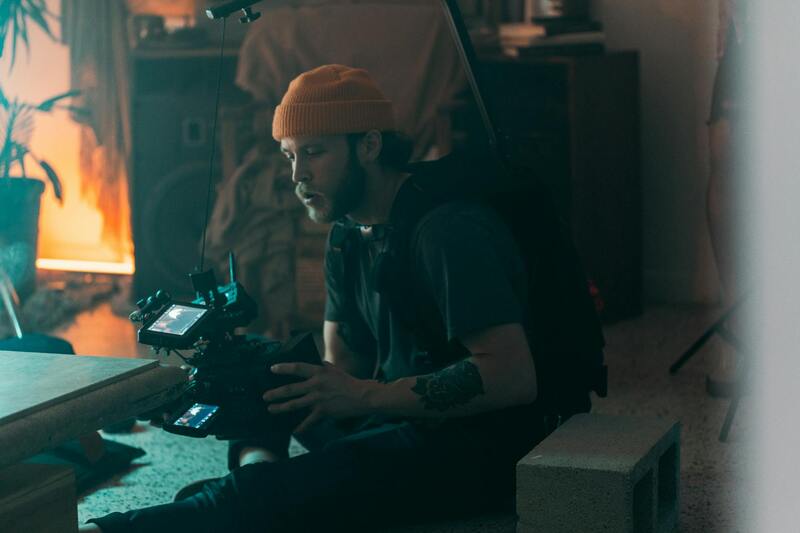
Concluding Perspective
Maximizing a property’s visibility and attractiveness hinges on employing top-notch visual presentation strategies. Whether through striking photography or engaging videography, professionals equipped with advanced techniques and equipment are key to producing content that resonates with prospective buyers. In Miami’s vibrant and competitive real estate environment, leveraging expert multimedia production translates into tangible advantages, elevating listings above the competition and accelerating sales processes.
Choosing the Right Equipment and Techniques
For real estate videography, selecting the appropriate tools is crucial in capturing compelling footage that accurately represents a property. Professionals employ high-definition cameras equipped with wide-angle lenses to ensure that interior and exterior spaces are presented with clarity, breadth, and precision. These cameras should support 4K or higher resolution to deliver sharp images that can be easily cropped and optimized for various marketing platforms.
In addition to camera selection, stabilizers such as gimbals and drones are instrumental in producing smooth, dynamic shots. Drones, in particular, have revolutionized exterior filming by providing aerial perspectives that showcase the property’s scale, landscaping, and neighborhood context. When properly used, drone footage can highlight unique selling points like expansive yards, waterfront access, or scenic surroundings.
Lighting techniques play a vital role in creating visually appealing images and videos. Professionals often utilize natural light to enhance the property’s ambiance, supplemented by advanced lighting equipment to fill shadows and highlight architectural features. Careful attention to lighting ensures that each shot reflects the true colors and textures of the space, making it more inviting to prospective buyers.
| Recommended Equipment for Real Estate Videography | |------------------------------| | High-resolution cameras (4K or higher) | | Wide-angle lenses for capturing spacious interiors | | Drone technology for aerial shots | | Stabilizers and gimbals for smooth footage | | Lighting kits and reflectors | | Editing software for post-production |
Editing and Post-Production for Real Estate Content
After capturing footage, the editing process is essential for creating polished, engaging content. Experienced editors utilize software like Adobe Premiere Pro or Final Cut Pro to craft a cohesive visual story that emphasizes the property’s best features. This stage involves color correction to ensure consistency and vibrancy, stabilization to eliminate shaky footage, and sound editing if narration or background music is added.
Editing also offers an opportunity to incorporate graphical overlays, labels, and contact information seamlessly. Strategic pacing, music selection, and smooth transitions keep viewers engaged and encourage further interest. Virtual staging or 3D walkthroughs can be integrated during post-production to enhance the visual appeal and provide a more comprehensive understanding of space layouts.
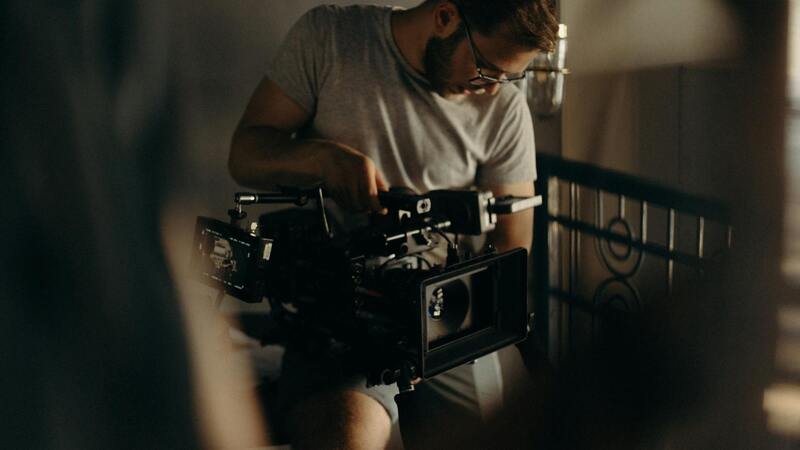
Meticulous editing ensures that the final product aligns with marketing goals, elevating the property's presentation to a professional standard that stands out in a competitive market.
Understanding the Optimal Techniques for Real Estate Videography
Effective real estate videography hinges on employing precise techniques tailored to showcase properties in the best light. One fundamental approach is utilizing smooth camera movements that avoid jarring transitions, which can be achieved through the use of stabilizers and gimbals. These tools ensure fluid motion, allowing viewers to experience the space naturally, akin to a guided tour. Moreover, camera settings require careful adjustment: shooting in wide dynamic range to capture details in shadows and highlights, adjusting shutter speed for natural motion portrayal, and selecting optimal aperture settings to maintain focus across frames.
Lighting plays a pivotal role in producing captivating videos. Whenever possible, leveraging natural light enhances the ambience, highlighting the property's features without harsh shadows. Supplementing with professional lighting kits and reflectors ensures consistent and balanced illumination, especially in darker areas or during overcast days. Additionally, the strategic use of drone footage provides an aerial perspective that contextualizes the property within its surroundings, offering potential buyers a comprehensive understanding of the location and property size.
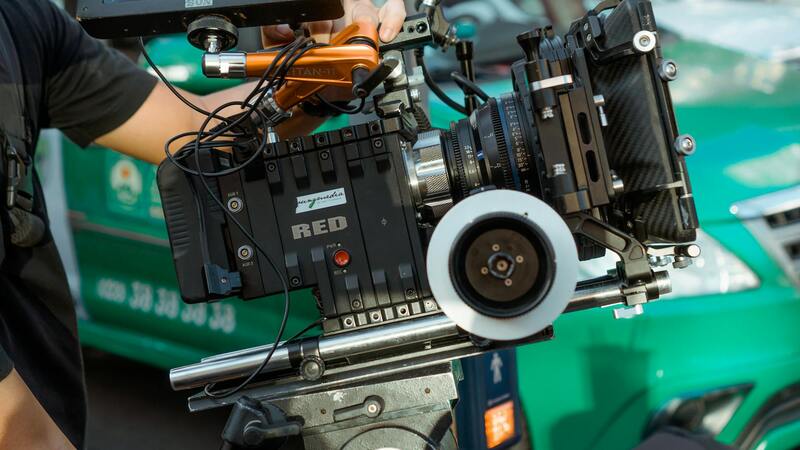
Filming techniques also include planning shot sequences to tell a compelling story of the property's flow—starting from curb appeal, moving through interior spaces, and culminating with unique features. Repeating key shots with varied angles provides editors with versatile options during post-production. Precise camera positioning and movement, along with thoughtful shot composition, amplify the property's best attributes and help create a narrative that resonates with viewers.
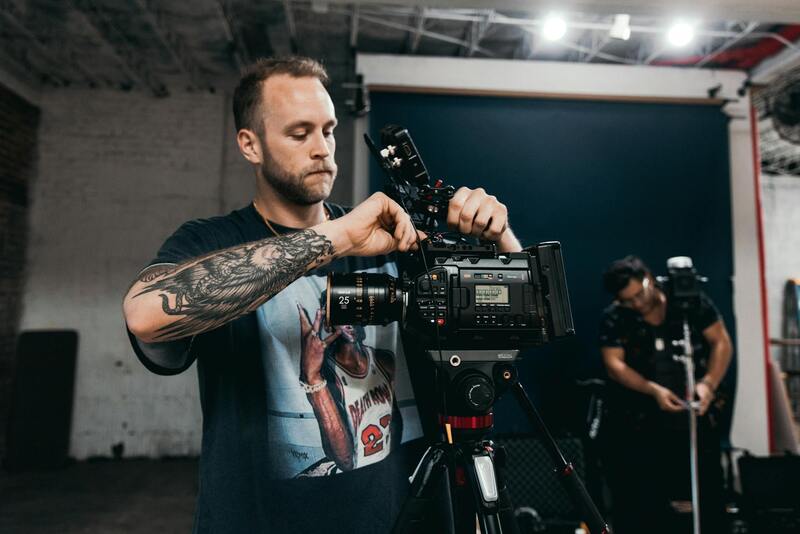
During filming, maintaining high-resolution output is critical to preserve visual fidelity throughout editing processes. Employing cameras capable of shooting in 4K or higher ensures clarity and flexibility for cropping or zooming without loss of quality. The combination of these techniques—stabilized footage, optimal lighting, strategic shot planning, and aerial views—culminates in a visually engaging video that elevates the property's market appeal.
Choosing the Right Equipment and Techniques
To effectively showcase real estate properties through photography and videography, selecting appropriate equipment and employing precise techniques are crucial. High-quality images and videos rely on advanced DSLR or mirrorless cameras equipped with wide-angle lenses that capture expansive interior and exterior scenes, providing viewers with a comprehensive perspective. Premium lenses, such as ultra-wide or tilt-shift, assist in correcting perspective distortions and enabling sharp, detailed shots across varying distances.
Utilizing stabilization tools like gimbals or steadicams ensures smooth footage during videography, eliminating shaky visuals that can detract from a property's appeal. Tripods are essential for stationary shots, especially when capturing long-exposure interior lighting or HDR images that balance bright windows with darker interior spaces. Incorporating drone technology allows for aerial shots that highlight property size, landscape features, and neighborhood context, offering a bird’s-eye view that adds depth and interest to the presentation.
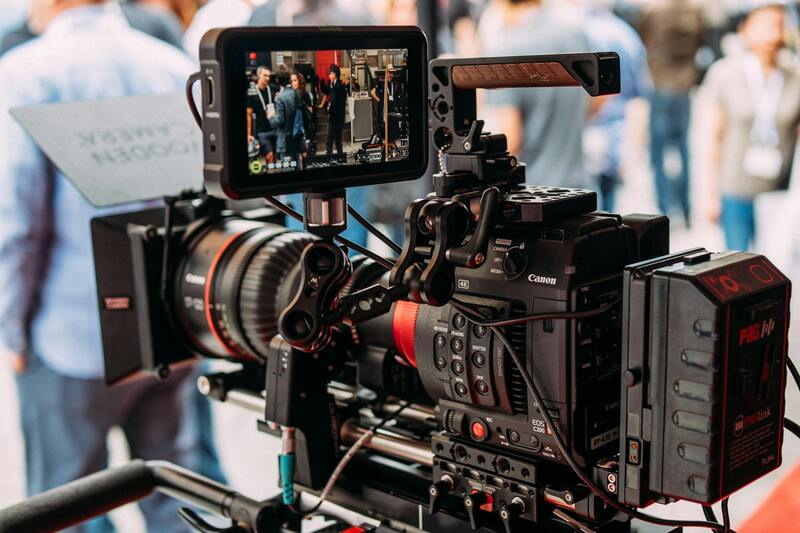
Lighting techniques are equally important; natural light is preferred, but supplementing with diffusers, reflectors, and professional lighting kits helps illuminate spaces evenly, emphasizing architectural details and creating inviting atmospheres. During interior shoots, maximizing daylight through strategic window placement and timing shoots during optimal hours enhances visibility and warmth. For evening or low-light conditions, portable lighting setups ensure consistent illumination without harsh shadows, contributing to a polished, professional look.
Camera Settings and Composition Strategies
- Optimal Aperture: Using a narrow aperture (f/8 to f/11) increases depth of field, ensuring sharp details across the entire scene.
- Exposure Management: Bracketed shots or HDR techniques balance interior brightness and exterior views through windows.
- Aspect Ratio: Maintaining wide aspect ratios enhances the cinematic quality of videos and panoramic images.
- Shot Composition: Placing key features along the rule of thirds, utilizing leading lines, and maintaining symmetry highlight the property's best attributes.
Proper equipment and methodical shooting strategies form the foundation of compelling visual content in real estate marketing. Thoughtful planning of shot sequences, combined with technological tools, ensures that each photograph and frame of video accurately and attractively represents the property, fostering increased engagement from prospective buyers.
Legal and Ethical Considerations
In the realm of real estate marketing, maintaining adherence to established legal and ethical standards is paramount to preserving credibility and fostering trust with clients and prospects alike. It requires a comprehensive understanding of property rights, privacy laws, and industry best practices that govern the use of visual content.
Firstly, securing proper permissions before capturing or distributing high-quality images and videos is essential. This involves obtaining consent from property owners or authorized representatives, especially when capturing images that may include private or sensitive areas. Transparency about the intended use of visual materials not only aligns with industry standards but also helps in building lasting professional relationships.
Additionally, employing techniques and tools that respect the privacy of individuals within the property line is vital. For example, avoiding the capture of personal belongings, confidential areas, or restricted zones ensures compliance with privacy expectations. When necessary, blurring or editing sensitive elements can reinforce a commitment to ethical content creation.
Adherence to intellectual property rights is another critical aspect. Always using original footage or properly licensed imagery guarantees that content remains within legal boundaries. This includes acquiring the rights to music, logos, or any other proprietary elements incorporated into videos or promotional materials.
The use of drones in real estate videography introduces specific considerations, such as maintaining safe operational practices and respecting airspace regulations. This not only ensures safety but also demonstrates a responsible approach to emerging technological tools in marketing.
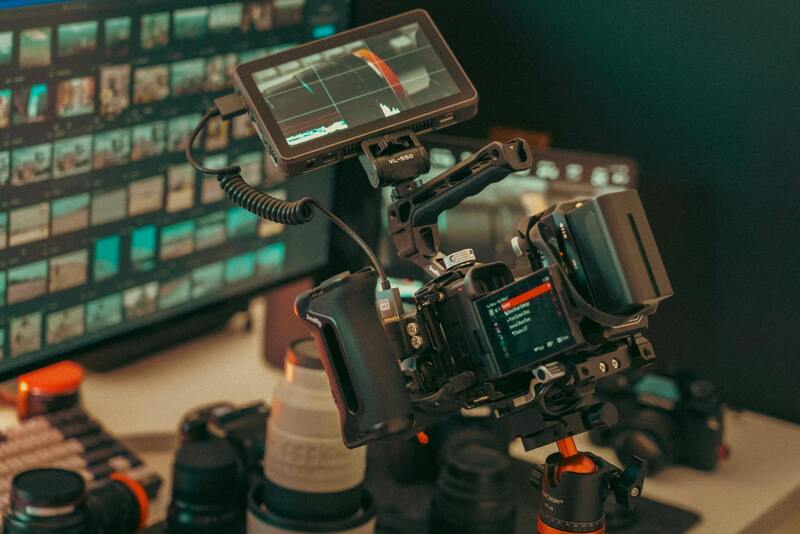
Furthermore, accurately representing the property’s features without exaggeration or misrepresentation is crucial for ethical marketing. Overly staged or digitally altered images that distort reality can lead to misaligned expectations and potential disputes. Honest representation ensures buyers receive a truthful depiction of what is being offered, fostering confidence in the transaction process.
Lastly, maintaining professionalism in all aspects of real estate visual marketing involves ongoing education and staying updated on evolving guidelines and technological advancements. Continuous training and awareness of regional regulations reinforce the agency’s commitment to legal and ethical excellence in real estate photography and videography.
Understanding the Importance of High-Quality Visual Content
In the competitive landscape of real estate in Miami, captivating visual content serves as an essential tool for attracting potential buyers and tenants. Professionally shot photography and compelling videography create an immersive experience that conveys the ambiance, layout, and unique features of a property more effectively than textual descriptions alone. High-quality visuals can dramatically enhance online listings, making properties stand out amidst a myriad of options. They serve as the first impression, significantly influencing a viewer's decision-making process and encouraging them to engage further with the property. When utilizing professional real estate photography videography, agents can showcase properties in their best light, capturing all the details that highlight the property's appeal and drive interest. Furthermore, well-produced visual content can be incorporated into various marketing channels, such as social media platforms, website listings, and virtual tours, ensuring a cohesive and impactful marketing strategy that increases visibility and accelerates the selling or leasing process.
Key Elements of Real Estate Photography
- Lighting: Proper lighting is fundamental for highlighting a property's best features. Natural light, complemented by professional lighting techniques, ensures images appear bright, inviting, and true to life.
- Composition: Effective composition involves thoughtfully framing shots to showcase spaces in a way that maximizes their appeal. This includes strategic placement of furniture, windows, and architectural features.
- Angles and Perspectives: Varying camera angles provide a comprehensive view of the property’s layout, emphasizing spaciousness and unique architectural details.
- Post-Processing: Editing enhances the visual quality, correcting color, exposure, and perspective issues while maintaining a realistic appearance.
- Detail Shots: Close-ups of special features like countertops, fixtures, or built-in appliances add depth to the visual story of the property.
The Role of Videography in Real Estate Marketing
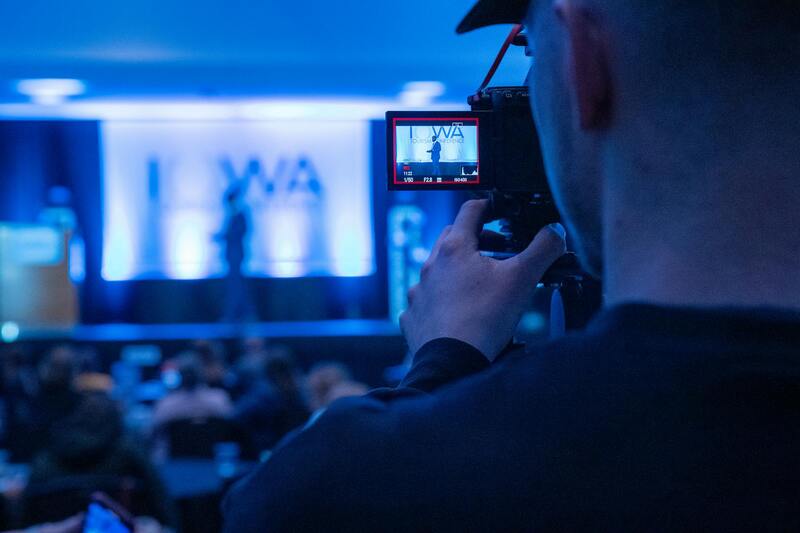
Video content complements still images by offering virtual walkthroughs, property tours, and neighborhood highlights. This dynamic medium helps potential buyers visualize their lifestyle, making it easier to connect emotionally with a listing. High-quality real estate videos encompass smooth camera movements, well-planned shot sequences, and clear narration or background music when appropriate. They can be used to emphasize the flow of the property, showcase panoramic views, and add contextual information about the neighborhood amenities. Video content also exhibits properties in a more engaging manner, often leading to higher viewer retention and increased inquiries. Including aerial footage captured via drones offers a unique vantage point, revealing surrounding landscapes and property size, which can be difficult to convey through traditional photography alone.
Choosing the Right Equipment and Techniques
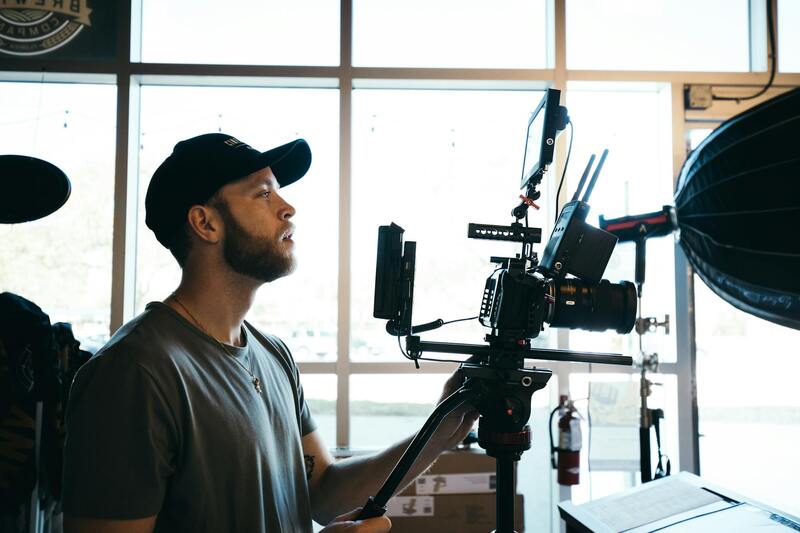
To achieve professional-grade visual content, selecting suitable equipment is crucial. High-resolution digital cameras, wide-angle lenses, and stabilization devices such as gimbals ensure sharp, captivating images and smooth videos. Drone technology, when operated responsibly, adds valuable aerial perspectives, enhancing the overall presentation. Techniques like HDR imaging help balance indoor and outdoor lighting, producing images with a broad tonal range that accurately reflect the property’s look. For videography, steady camera movements, proper framing, and controlled pacing are essential to create immersive virtual tours. Additionally, utilizing remote shutter release and lighting assistants can minimize disruptions, ensuring efficient and high-quality content creation across multiple properties.
Editing and Post-Production for Real Estate Content
Post-production plays a pivotal role in refining visual assets, making them more appealing and cohesive. Editing involves correcting color balance, adjusting brightness and contrast, and leveling exposures to ensure a natural appearance. It also includes removing minor imperfections or distractions within the frame that could detract from the property's appeal. For videos, editing sequences, adding transitions, and incorporating background music or narration can enhance storytelling and maintain viewer engagement. Consistency across images and videos facilitates a professional presentation, reinforcing the property's branding. Exporting files in optimal formats and resolutions ensures compatibility with various marketing platforms, providing a seamless experience for potential clients browsing online listings or virtual tours.
Hiring a Professional Miami Production Agency
Partnering with experienced local experts specializing in real estate visual content is vital for maximizing marketing ROI. A dedicated Miami-based production agency offers extensive knowledge of regional market nuances, ensuring that marketing materials align with local buyer preferences. Their proficiency in current equipment, industry-standard techniques, and regulatory awareness guarantees that content adheres to best practices. Moreover, professional agencies deliver consistent quality, saving time and resources while providing innovative solutions tailored to property-specific needs. Their team can manage the entire production process—from pre-shoot planning and property staging to post-production polishing—allowing real estate professionals to focus on client relationships and sales strategies. By leveraging local expertise, real estate agencies in Miami can create visually compelling content that resonates with target audiences, elevating their overall marketing effectiveness and property visibility.
Legal and Ethical Considerations in Real Estate Photography and Videography
When producing high-quality real estate visual content, it is imperative to adhere to established standards that respect privacy rights and intellectual property. Ensuring that all individuals present within photographs or videos have provided explicit consent is fundamental to maintaining ethical practices. This includes obtaining permission from homeowners, tenants, or visitors before capturing images or recordings, especially when such visuals include identifiable individuals or personal possessions.
In addition to obtaining consent, it is crucial to respect the privacy of neighboring properties and public spaces. Avoid capturing areas or features that could infringe on personal privacy or invade confidential settings. Employing strategic framing and selective focus helps to emphasize the property's key selling points while safeguarding privacy concerns.
Copyright considerations play a significant role in the creation and distribution of real estate visual content. All images and video footage must be the original work of the content creator or properly licensed. Using copyrighted music, graphics, or third-party media without proper attribution or licensing can lead to legal complications and community trust issues. When incorporating background music or narration, select royalty-free tracks or secure the necessary permissions to avoid potential infringement.
Furthermore, adhering to local regulations related to drone operations is vital when employing aerial photography or videography. Ensuring compliance with airspace rules and obtaining necessary permits when flying drones over private properties helps to prevent violations and security concerns. Additionally, maintaining detailed records of permissions and releases provides transparency and accountability, streamlining workflows and safeguarding against legal disputes.
Real estate professionals and visual content creators must stay informed about evolving best practices and regulations governing photography and videography. Regularly updating their knowledge base ensures that marketing efforts not only highlight the unique features of each property but do so within the framework of responsible and legally sound practices. This commitment to ethical standards reinforces credibility, fosters trust with clients and viewers, and ultimately supports successful property transactions.