
Importance of High-Quality Property Photography
In Miami's competitive real estate landscape, the visual presentation of a property can significantly influence its marketability. High-quality property photography acts as a powerful tool to captivate potential buyers, providing them with an accurate and appealing representation of the property from afar. Professional images highlight the property's strengths, showcasing its unique features, spaciousness, and aesthetic appeal in a manner that simple, amateur photographs often fail to achieve.
Effective real estate property photography can elevate a property listing, making it stand out in online marketplaces, social media promotions, and print advertisements. This visual impact often translates to increased interest, more showings, and a faster sales process. In Miami's diverse and vibrant real estate environment, where luxury condominiums, waterfront estates, and urban apartments are prevalent, striking imagery is essential to attract discerning buyers who expect top-tier visuals that reflect the property's value.
Furthermore, professional photography builds credibility and trust for real estate agents and property owners. Listings featuring high-quality images are perceived as more reliable and thorough, encouraging viewers to engage further. When prospective buyers see clear, well-lit images that accurately portray the property's true condition and design, they are more likely to initiate contact, schedule viewings, and make offers.
The influence of professional photography extends beyond initial impression — it helps set expectations and reduces misunderstandings, minimizing future surprises and dissatisfaction. Thus, investing in high-caliber property images is a strategic move that enhances the efficacy of marketing efforts, ultimately contributing to a successful sale in Miami's dynamic real estate market.
Choosing the Right Equipment and Techniques
To achieve exceptional real estate property photography, selecting appropriate equipment and employing effective techniques are critical. A high-resolution DSLR or mirrorless camera forms the backbone of professional property images, providing clarity and detail necessary to highlight a property's unique features. Wide-angle lenses, typically ranging from 14mm to 24mm, are essential for capturing expansive interior spaces, making rooms appear larger and more inviting. Utilizing a tripod ensures stability during shoots, which is crucial for maintaining sharpness and consistency across images.
In addition to equipment, mastering specific techniques can significantly elevate the quality of property photos. Proper use of natural light is fundamental; scheduling shoots during daylight hours when sunlight enhances interior spaces without causing harsh shadows is ideal. When natural light is insufficient, professional lighting setups such as softboxes or umbrella lights can produce even illumination and reduce glare. Bracketing exposures allows for high dynamic range (HDR) images that accurately represent both interior and exterior features. This technique involves capturing multiple images at different exposures and blending them to create a well-exposed final shot.
Incorporating Advanced Techniques
- Vertical and Horizontal Composition: Ensuring that lines such as walls and floors are straight to prevent distortion and maintain a realistic perspective.
- Aerial Photography: Using drones to capture stunning exterior shots and property layouts, especially in sprawling Miami estates or waterfront properties.
- Vertical Fusions and 360° Tours: Creating immersive experiences that mirror in-person visits, enticing potential buyers with comprehensive views of the space.
Achieving consistent and striking imagery involves meticulous attention to details like alignment, exposure settings, and perspective correction during post-processing. The methodical application of these techniques ensures that the final images not only depict the property's features but also evoke the lifestyle and atmosphere prospective buyers seek in Miami's competitive market.
Best Practices for Shooting Residential Properties
Operational efficiency and attention to detail are vital when photographing residential properties. Prior to shooting, decluttering and staging the space optimize visual appeal. Ensuring all lights are functioning and turning on every available light source increases brightness and fosters a welcoming ambiance. Shooting during twilight, when exterior lighting complements interior illumination, can produce captivating images that stand out online.
Positioning the camera at eye level to most accurately portray rooms, along with capturing multiple angles, provides a comprehensive view of space. It is advisable to photograph each room from multiple vantage points, emphasizing architectural features and spatial flow. For exterior shots, strategic angles that highlight curb appeal, landscaping, and architectural design are crucial.

Lastly, maintaining consistency across all photos creates a cohesive visual narrative, reinforcing the property's value and appeal to prospective buyers. This structured approach helps convey the property’s best features and supports marketing efforts in Miami's vibrant real estate scene.
Choosing the Right Equipment and Techniques
In the realm of real estate property photography, selecting the appropriate equipment is fundamental to capturing images that truly highlight a property's appeal. Professional-grade digital cameras with high-resolution sensors are essential to ensure clarity and detail, especially when showcasing intricate architectural features or interior finishes. Full-frame cameras tend to outperform crop sensors in low-light conditions and deliver superior image quality, which is crucial for capturing the vibrant energy of Miami's diverse properties.
The selection of lenses significantly influences the composition and perspective of property images. Wide-angle lenses, typically in the range of 14-24mm, enable photographers to capture expansive interior spaces from a single vantage point, providing viewers with a comprehensive sense of the room's layout. These lenses are particularly effective in tight spaces, making rooms appear more spacious and inviting. Tilt-shift lenses can be employed for architectural shots, allowing for correction of perspective distortions that occur when photographing tall buildings or façade details, resulting in images with straight lines and professional polish.
Drones have become increasingly valuable tools for real estate photography, especially when emphasizing a property's exterior, landscaping, and surrounding amenities. Aerial shots provide prospective buyers with a broader perspective of the property's size, location, and nearby features, which is particularly advantageous in Miami's sprawling neighborhoods. When using drones, operators should follow established flight guidelines to ensure safety and image quality, capturing sweeping views that enhance marketing materials.
Techniques such as High Dynamic Range (HDR) photography and wide-angle shots play a crucial role in producing eye-catching images. HDR involves capturing multiple exposures of the same scene and blending them to accurately represent both bright and shadowed areas, ensuring that interior lighting looks natural while retaining detail in windows, fixtures, and other bright elements. This technique is especially beneficial in properties with contrasting lighting conditions, such as sunlit rooms with interior lighting. Wide-angle photography, on the other hand, allows for capturing more of a room or exterior scene in a single shot, creating a sense of space that appeals to viewers online.
Combining these tools and techniques ensures that property images are both visually engaging and true-to-life, which is critical in a competitive Miami real estate market where first impressions can determine the level of interest from prospective buyers.
Optimal Techniques for Capturing the Essence of a Property
Achieving stunning real estate property photography in Miami requires mastery of specific camera setups and shooting protocols. For interiors, using a tripod ensures stability, especially in low-light conditions, and allows for precise framing. Aperture settings should typically be wide (f/8 to f/11) to maximize depth of field, keeping entire rooms in sharp focus. When photographing exteriors, consider the time of day—early mornings or late afternoons offer soft lighting that reduces harsh shadows and highlights the property's features elegantly.
To accentuate the spatial layout, photographing from corners and utilizing wide-angle lenses (generally between 14mm to 24mm on a full-frame camera) helps convey the sense of room dimensions effectively. Incorporating natural light is crucial; opening blinds and utilizing reflective surfaces can enhance brightness and color vibrancy. For exterior shots, positioning the camera at eye level from the street or driveway captures the property's façade authentically and establishes an inviting curb appeal.

Advanced techniques such as panoramic stitching, when performed with a tripod and consistent exposure settings, can produce wider views of spacious areas like living rooms or outdoor spaces. In contrast, vertical shots can emphasize ceiling heights, adding a sense of grandeur. When capturing outdoor surroundings, including landscaping, sidewalks, and neighboring properties provides prospective buyers with comprehensive visuals, which are particularly important in diverse Miami neighborhoods.
Post-processing plays a vital role in refining these images. Adjusting brightness, contrast, and sharpness can elevate photo quality while ensuring the images remain true to the actual appearance of the property. Color correction ensures that hues—particularly in vibrant Miami landscapes—are displayed accurately, aiding prospective buyers in forming realistic expectations.
Consistency in style and quality across all images is essential in establishing a professional listing. Implementing a standardized shooting protocol helps in producing coherent visuals, which improves the overall perception of the property and builds trust with potential buyers and collaborating agents. Whether it's capturing the elegant interiors of a high-rise condo or the sprawling backyard of a luxurious Miami estate, applying these methods ensures each property listing makes a compelling impression, ultimately accelerating the sales process.
Legal and Ethical Considerations in Real Estate Property Photography
Engaging in real estate property photography within the Miami market requires adherence to specific standards that uphold professional integrity and ensure clients’ trust. These practices encompass a range of official guidelines designed to promote transparency, accuracy, and respect for property owners’ rights. Effectively navigating these considerations safeguards the reputation of photographers and aligns their work with industry expectations.
One fundamental aspect involves obtaining proper authorization before photographing a property. This ensures that access to the property is authorized by the owner or designated representatives. Clear agreements specify the scope, purpose, and usage of the images, reducing the risk of misunderstandings or unauthorized use.
Accurate representation is critical in real estate imagery. Photographers must strive to depict properties truthfully, avoiding manipulations that could mislead potential buyers. This involves maintaining integrity in lighting, staging, and post-processing to ensure that images reflect the true state of the property without exaggeration or omission.
Respect for privacy is also paramount. Photos should avoid capturing private areas or personal belongings without consent. When photographing outdoor spaces or common areas, it’s important to ensure that any identifiable individuals are not inadvertently included unless explicitly permitted.

Furthermore, adherence to intellectual property rights involves using original images or properly licensed stock content. Photographers must ensure they have the rights to all visual elements incorporated into the listing, particularly when editing or compositing multiple images.
Developing a professional ethic also involves transparency regarding editing practices. Clients value honesty about post-processing techniques, emphasizing enhancements that improve clarity and visual appeal without altering the fundamental features of the property.
In Miami’s competitive real estate environment, following established ethical standards enhances credibility. It fosters stronger relationships with clients and real estate agents, leading to ongoing collaborations and positive referrals. Ultimately, upholding these practices contributes to a reputable brand and a sustainable business model for professional real estate property photography.
Effective Strategies for Marketing and Distribution of Property Photos
Once high-quality images are captured, the next step involves maximizing their exposure to attract potential buyers. Strategic marketing and optimal distribution channels are crucial in ensuring that property images reach the right audience and convey the property's best features. Leveraging diverse digital platforms enhances visibility and accelerates the sales process.
Online property listings serve as primary touchpoints for prospective buyers. High-resolution images should be uploaded in optimal formats and sizes to ensure quick loading times without compromising visual quality. Incorporating multiple images, including interior, exterior, and unique features, creates a comprehensive view that appeals to viewers. Descriptive image captions and alt text improve search engine rankings and accessibility.
Social media platforms provide an invaluable venue for marketing property photos. Sharing visually compelling images on Instagram, Facebook, and Pinterest can generate organic interest and direct traffic to listing pages. Engaging content, including virtual tours and behind-the-scenes videos, enhances audience interaction and broadens reach.
Specialized real estate websites and multiple listing services (MLS) are essential for professional distribution. These platforms enable agents and sellers to present polished, high-quality visuals to a targeted market, increasing the likelihood of prompt interest and offers. Ensuring that images comply with platform specifications guarantees optimal display quality and user experience.
Email marketing campaigns featuring stunning property photos can also attract qualified buyers. Including an image gallery in newsletters or email blasts ensures that potential clients receive visually engaging content directly. Consistent branding and clear calls-to-action encourage recipients to schedule viewings or inquire further.
Furthermore, virtual tours and 3D walkthroughs leverage your photographic content by providing immersive experiences. These digital innovations help overcome geographic barriers, allowing prospective buyers to experience the property from the comfort of their homes, thereby increasing engagement and interest.
Collaborating Effectively with Miami Real Estate Agents and Clients
Successful photography in Miami’s competitive market hinges on strong collaboration with local agents and clients. Understanding their specific needs, preferences, and target markets allows photographers to tailor their approach accordingly. Open communication ensures that images accurately represent the property’s unique selling points while aligning with marketing strategies.
Establishing a professional relationship built on trust and clarity fosters ongoing partnerships. Providing guidance on the best times for photos, staging advice, and technical specifications demonstrates expertise and commitment. Moreover, respecting client confidentiality and adhering to agreed timelines contribute to a seamless workflow that benefits all parties.
Ethical and Professional Standards in Real Estate Photography
Maintaining integrity within property photography involves honest representation of the space. Photographers must avoid using any techniques that exaggerate or distort features, ensuring that images mirror reality. Employing proper lighting, avoiding overuse of filters, and presenting a balanced perspective are critical components of authentic imagery.
Respect for privacy extends beyond the immediate property's boundaries. Photographers should be vigilant to exclude private or personal spaces in exterior shots, especially in densely populated areas. When capturing common areas or outdoor spaces, care must be taken to avoid including identifiable individuals unless prior consent is obtained.
Intellectual property rights should be meticulously observed. Use of licensed images or original content prevents legal complications and upholds professionalism. Transparency about any post-production edits fosters trust, ensuring that the client’s expectations are met without misrepresentation.
Adhering to high ethical standards in every phase of the photography process cultivates credibility and reputation within the real estate community. Such practices lead to stronger client relationships, repeat business, and positive referral networks—all essential for thriving in Miami’s dynamic real estate landscape.
Legal and Ethical Considerations
Ensuring adherence to established standards in real estate property photography is fundamental to maintaining professionalism and trust within the industry. Compliance with all official guidelines involves meticulous respect for client confidentiality, intellectual property rights, and privacy rights of individuals housed within or around the property. Photographers must obtain necessary permissions before capturing and sharing images, especially when private areas or sensitive spaces are involved. This diligence not only safeguards professional relationships but also fortifies the reputation of the photographer within Miami's competitive real estate sector.
Accurate representation of a property's features is paramount. This involves honest, well-framed images that share an authentic view of the space without distortions or manipulations that could mislead potential buyers or renters. Proper lighting, balanced perspective, and avoidance of excessive retouching are key factors that uphold the integrity of the images. Additionally, photographers should be vigilant not to include any individuals without prior consent, especially in exterior shots of shared or outdoor areas.
Respect for property and privacy extends to the use of images in promotional materials. Photographers are responsible for verifying that images do not compromise the privacy or safety of current occupants or neighboring residents. When in doubt, obscuring identifiable features or obtaining explicit permissions can prevent potential conflicts and uphold the professional standards expected in Miami’s real estate market.
Maintaining Intellectual Property Rights
Using licensed content or creating original images preserves the integrity of the marketing process. Photographers should keep detailed records of their work, including model releases and property permissions, to demonstrate compliance with requirements applicable in Miami’s real estate environment. Transparent communication about any modifications or enhancements made during post-production also reinforces trust and aligns with ethical guidelines.
Impact of Ethical Practices on Business Reputation
Consistently adhering to these principles elevates a photographer's standing within the industry. Clients value transparency and honesty, which translate into increased repeat business and positive referrals. Being perceived as a credible and reliable partner in property marketing is invaluable, particularly in a competitive real estate market like Miami’s, where high-quality visual presentation can significantly influence buyer interest.
Ensuring Proper Distribution and Usage of Real Estate Photography
Proper distribution of high-quality property images plays a crucial role in maximizing marketing impact and attracting qualified buyers. Real estate professionals and photographers must employ legitimate channels that respect copyright laws and adhere to industry standards. This involves utilizing established listing platforms, MLS services, and targeted social media campaigns that are approved for real estate promotion. These platforms often have stringent guidelines for image submission, which include resolution requirements, watermarking policies, and appropriate attribution, ensuring that property visuals are presented professionally and securely.
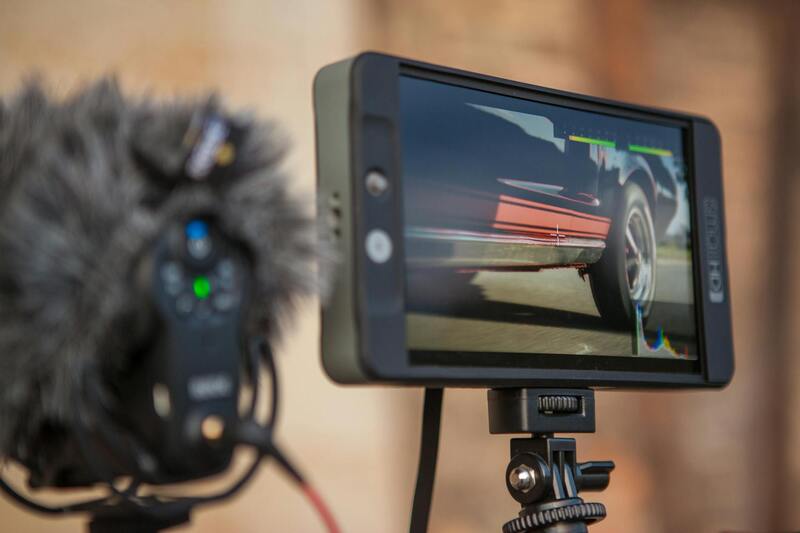
Distribution also involves strategic timing, understanding local market trends, and choosing the right media to showcase property features effectively. For instance, high-traffic online listing sites should be prioritized for broad visibility, while targeted email campaigns can engage a niche audience. Offline methods, such as printed brochures and direct mail, remain relevant for certain buyer segments and should be complemented by digital efforts. Consistency in image quality and branding across all distribution channels enhances credibility and reinforces the property's appeal.
Developing a Robust Portfolio of Property Images
Building a comprehensive portfolio of property images helps establish reputation and attract repeat clients. This portfolio should include a variety of property types, lighting conditions, and stylistic approaches. Showcasing different interior and exterior angles, twilight shots, and detailed close-ups can demonstrate versatility and technical expertise. A well-organized portfolio also facilitates client consultations, allowing real estate agents to select preferred styles and specific image sets, thereby aligning visual content with marketing strategies.
Legal Considerations in Image Use and Distribution
Adhering to existing intellectual property rights is fundamental when distributing property images. Proper licensing, model releases, and property rights documentation are necessary to safeguard against unauthorized use. Photographers should also maintain records of permissions obtained during the shoot, especially if private or proprietary information is captured unintentionally. Using watermarking techniques can help protect images during distribution while maintaining a professional appearance. Additionally, understanding and complying with local regulations related to image rights in Miami helps prevent disputes and reinforces ethical business practices.
Collaborating with Real Estate Professionals
Close collaboration with Miami real estate agents and property managers ensures images accurately reflect the property's best features and align with marketing campaigns. Establishing clear communication on branding standards, scheduled deadlines, and preferred image formats creates a seamless workflow. When agents have confidence in the quality and consistency of the visuals, they are more likely to recommend the photographer for future listings and refer their services to other clients, increasing professional credibility and expanding market reach.
Maximizing Exposure Through Strategic Marketing
- Leverage social media platforms with targeted advertising options to reach specific buyer demographics in Miami.
- Utilize virtual tour integrations and 3D walkthroughs to enhance online listings and create immersive experiences.
- Engage local community forums and real estate networks to increase visibility within the regional market.
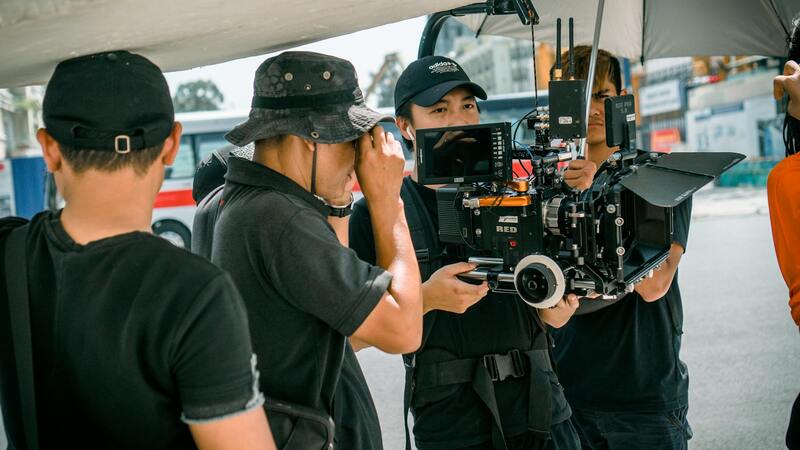
Consistent, legitimate usage of property images enhances trustworthiness and demonstrates a commitment to high standards, ultimately supporting successful property sales in Miami's dynamic market landscape. Employing ethical distribution practices ensures that the investment in quality photography yields optimal returns, fostering a reputation built on professionalism and respect for legal and industry norms.