Importance of High-Quality Property Photography
In Miami's bustling real estate market, the visual presentation of a property plays a critical role in attracting potential buyers. High-quality property pictures are not merely an aesthetic choice; they are a strategic tool that can significantly influence a buyer's initial impression and decision-making process. When prospective buyers scan online listings, images are often the first interaction they have with a property, and compelling visuals can set the property apart from numerous competitors.
Superior photography enhances the perceived value of a property by highlighting its best features and creating an inviting atmosphere. High-resolution, well-composed images effectively showcase interior spaces, exterior facades, landscaping, and unique architectural details. This level of detail helps buyers envision themselves living there, increasing the likelihood of inquiries and viewings.
Research indicates that listings with professional photographs attract more clicks and engagement, ultimately leading to faster sales and potentially higher offers. This is especially vital in the Miami real estate landscape, where buyers often compare numerous options within short browsing sessions. Enhanced images can reduce the time a property remains on the market by capturing attention quickly and encouraging prompt action.
Moreover, quality images contribute to a stronger online presence and brand image for real estate agents and agencies. They reflect professionalism, attention to detail, and a commitment to excellence that reassures buyers about the property's quality and the integrity of the listing. Consequently, properties with superior photography often garner higher perceived value, which can positively impact listing prices.
In summary, investing in high-quality property pictures is essential for any real estate strategy aiming to maximize exposure, accelerate sales, and positively influence buyer perceptions in Miami’s competitive environment. The visual storytelling conveyed through professional images acts as a powerful engagement tool that drives online interest and enhances overall market performance.

Choosing the Right Equipment and Techniques
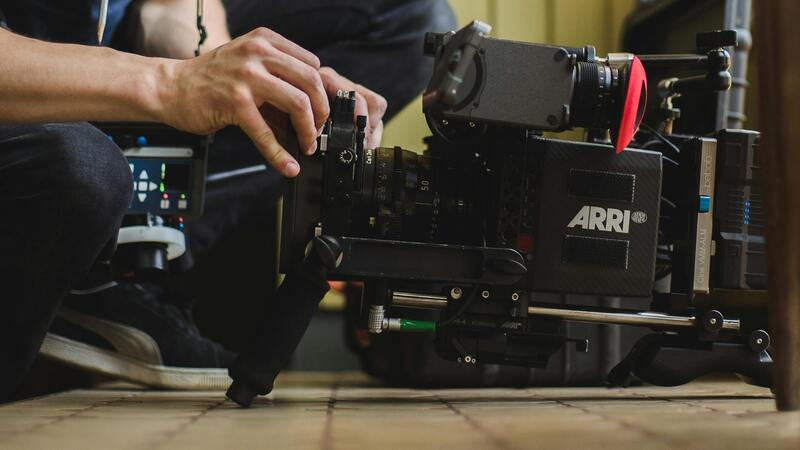
Selecting the appropriate tools is crucial for capturing stunning real estate property pictures that showcase each home's unique features. High-resolution digital cameras with wide-angle lenses are standard due to their ability to encompass more of a space within a single shot, providing viewers with an accurate and comprehensive view of rooms and exteriors. Leveraging tripod stabilizers ensures crisp, clear images and minimizes distortion caused by hand movement, especially in low-light conditions or when capturing HDR shots.
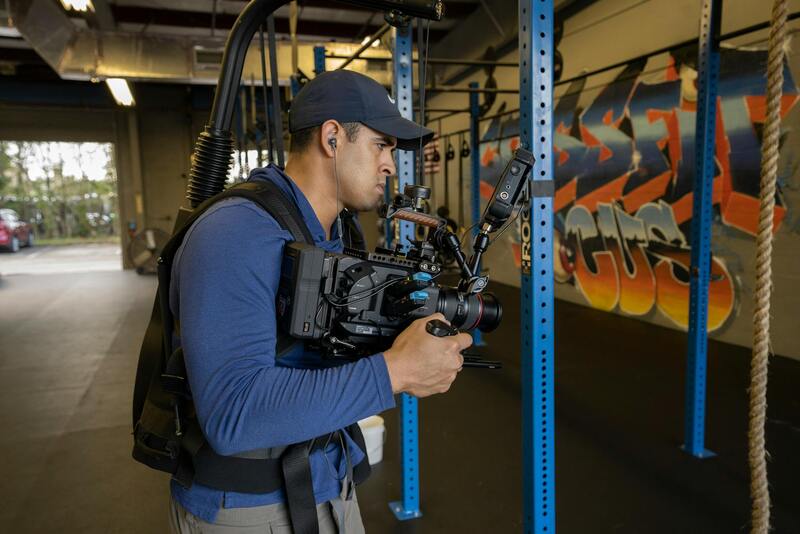
It is equally important to employ professional-grade lighting equipment or capitalize on natural light during the day. Proper lighting helps to eliminate shadows, balance color temperature, and highlight architectural details. Techniques such as bracketing—taking multiple shots at different exposures—allow for creating high dynamic range (HDR) images that reveal both interior details and exterior views without overexposure or underexposure.
In addition, employing drone photography can add a compelling aerial perspective of the property, especially for larger estates or properties with attractive landscaping. This approach offers potential buyers a comprehensive view of the property’s layout and surrounding environment, which can be a significant advantage in boosting interest.
Best Practices for Shooting Property Photos
- Schedule shoots during daylight hours when natural light floods the interior, highlighting the property's best features.
- Use a tripod to maintain stability and consistency across images.
- Capture multiple angles of each room, including wide shots and close-ups of focal points like fireplaces, cabinetry, or unique architectural details.
- Avoid clutter and ensure all spaces are tidy to present the property in its best light.
- Incorporate elements like open curtains, turned-on lights, and freshly made beds to add warmth and appeal.
- Maintain consistent angles and framing to create a harmonious, professional portfolio of images.
- Capture exterior shots during the 'golden hour'—early morning or late afternoon—for soft, flattering light.
Editing and Post-Processing of Images
Post-processing is essential for refining real estate photographs. Basic adjustments in brightness, contrast, and color balance can make images more vibrant and true to life. Cropping helps improve framing and removes distractions from the edges of photos, while straightening ensures vertical lines like walls and windows appear aligned, enhancing the professional look.
Advanced techniques, such as perspective correction and sky replacement, can further elevate image quality, especially when natural lighting conditions were suboptimal during the shoot. Ensuring images are sharp and detailed, yet natural in appearance, helps maintain authenticity and trustworthiness.
Optimizing Photos for Online Listings
Once editing is complete, images should be optimized for fast loading times without sacrificing quality. Using appropriate file formats—such as JPEG or WebP—and compressing images while maintaining clarity ensures quick page loads that improve user experience. Incorporating multiple resolution options allows listings to adapt seamlessly across devices and platforms. Additionally, including a diverse selection of images, from wide shots to specific features, provides potential buyers with comprehensive insights into the property.
Best Practices for Shooting Property Photos
Professional real estate photography relies heavily on the methods and techniques used during the shoot. To capture compelling property images, some key practices must be followed that ensure clarity, depth, and appeal. First and foremost, it is essential to prepare the space before shooting. This includes decluttering rooms, ensuring all lights are functional, and removing personal items to highlight the property’s features without distractions.
Utilizing proper equipment is vital. A camera with manual settings allows for greater control over exposure and focus, which is indispensable for achieving high-quality images. A wide-angle lens is often preferred as it can capture more of a room in a single shot, giving viewers a better sense of space. When using a wide-angle lens, it’s important to maintain proper framing to avoid distortion that may misrepresent the property's dimensions.

Lighting plays a decisive role in real estate photography. Shooting during daylight hours ensures sufficient natural light, which can enhance the overall brightness and color accuracy of images. When natural lighting isn’t enough, supplementary lighting, such as portable flash or LED panels, can fill shadows and evenly illuminate rooms. Employing HDR (High Dynamic Range) techniques allows the blending of multiple exposures to showcase both bright and dark areas, avoiding overly dark shadows or washed-out highlights.
Another valuable practice is to shoot from multiple angles and heights. This provides a comprehensive visual perspective of each space, making the listing more attractive. While wide shots are essential for showcasing room layouts, close-up images of distinctive features, such as unique architectural details or renovated fixtures, add depth and interest.
Maintaining consistency in lighting, angles, and framing across all images creates a cohesive look that reinforces professionalism. Using a tripod ensures stability and sharpness in every shot, particularly when employing slower shutter speeds in low-light situations.

Incorporating these practices helps ensure that property images accurately reflect the space and appeal to potential buyers. When these techniques are combined with a strategic approach to composition, lighting, and equipment, the resulting photographs significantly enhance the property’s online presence and marketability.
Legal Considerations and Rights Management
When creating high-quality real estate property pictures, understanding the scope of rights associated with the images is essential for maintaining professionalism and avoiding potential disputes. Utilizing official and authorized methods to capture and manage property photographs ensures that all images are properly documented and aligned with industry standards.
One of the primary steps is obtaining explicit permissions from property owners before conducting photography sessions. This helps establish clear boundaries regarding the use and distribution of images, safeguarding both the photographer and the client. Written consent, often in the form of a contractual agreement, specifies the scope of usage rights, including online listings, marketing materials, and promotional campaigns.
It's important to keep detailed records of the photographic process, including date, location, and specific areas photographed. Such documentation can be instrumental in verifying the origin and authenticity of images, especially in cases where usage rights might come into question.
Adhering to intellectual property guidelines is also critical. Respecting the privacy rights of individuals who may be present in or near the property at the time of shooting helps prevent legal complications. Obtaining model releases or waivers from individuals appearing in photographs ensures that their image rights are protected, especially if images are used prominently in marketing efforts.
In terms of digital rights management, watermarking images with identifying information can serve as a deterrent against unauthorized use. Ensuring metadata embedded in the image files accurately reflects ownership and rights also supports proper rights management and attribution.
Utilizing authorized methods not only enhances credibility but also aligns with established industry best practices. These measures help maintain a seamless workflow, foster trust with clients, and protect the reputation of your real estate marketing efforts.
Best Practices for Shooting Property Photos
Achieving compelling real estate property pictures starts long before the camera clicks. Preparation is crucial to showcase each property's best features effectively. It begins with a thorough walk-through to identify the most photogenic angles and lighting conditions. Ensuring the property is clean, decluttered, and well-organized minimizes distractions and enhances the visual appeal of images. Paying attention to details such as open blinds to let in natural light, turning on appropriate lighting fixtures, and arranging furniture to accentuate space can significantly influence the quality of the photos captured.
Avoid scheduling shoots during times of day when exterior lighting causes glare or shadows that obscure views. Early morning or late afternoon, when light is softer, often yields more flattering results than harsh midday sun. It's also essential to consider the weather when photographing outdoor spaces; clear, sunny days provide vibrant, inviting images that help buyers envision themselves in the space.

Meticulous preparation extends to checking your equipment. Batteries should be fully charged, and memory cards cleared to prevent interruptions. Scouting the property beforehand can help identify potential obstacles or areas that require special attention during the shoot. Arranging furniture and accessories thoughtfully ensures the space appears welcoming and functional. Consider adding decorative elements such as fresh flowers or colorful throw pillows to add vibrancy to the images without overwhelming the scene.
Additionally, coordinate with the property owner or manager to ensure access and timing align with your schedule. This minimizes disruptions and allows for optimal natural lighting conditions. Remember, each shot should be deliberate, focusing on highlighting specific features like spacious layouts, unique architectural details, and well-maintained outdoor areas. Efficiently managing these preparations translates into more captivating, professional images that effectively attract prospective buyers or renters.

Legal Considerations and Rights Management
Ensuring that the photos used to showcase a property adhere to established legal standards and rights management protocols is vital for maintaining professionalism and avoiding disputes. Proper documentation and permissions should be obtained whenever necessary to avoid any potential conflicts related to image rights and usage rights. This includes securing consent from individuals who appear prominently in the photos, especially if their presence is deemed identifiable and the images are used for commercial purposes.
Familiarity with copyright laws and image rights ensures the responsible use of visual content. Licensing agreements should clearly specify the scope of usage, duration, and any restrictions. When collaborating with photographers or agencies, review contracts carefully to understand rights transfer, attribution requirements, and limitations.
It is also crucial to use copyright-free or professionally licensed images when supplementing property photos. This step safeguards against unauthorized use and potential legal repercussions. Properly attributing images, where required, reinforces ethical practices and respects the creators’ intellectual property.

Maintaining accurate records of permissions, agreements, and licenses related to your property photographs supports accountability and simplifies any future management or disputes. Clear evidence of rights management demonstrates professional integrity and fortifies the credibility of your listing platform or promotional materials.
Enhancing Your Real Estate Listings with Professional Photography
Strategic Post-Processing to Elevate Property Images
After capturing the initial photographs, the focus shifts to meticulous editing and post-processing to ensure each image accurately represents the property's appeal. This phase involves optimizing lighting, adjusting color balance, and correcting any distortion or imperfections that may distract viewers. High-quality editing not only enhances visual attractiveness but also ensures consistency across all images, creating a cohesive and polished online listing.
Advanced editing techniques include perspective correction to straighten lines and showcase spaces more effectively, as well as retouching to remove distracting elements such as minor blemishes or clutter. Color correction is essential to preserve true-to-life hues, which helps potential buyers visualize the property accurately and fosters trust in the listing.
Implementing systematic post-processing workflows can significantly streamline the editing process while maintaining a high standard. This involves using professional photo editing software that allows precise control over image adjustments, as well as applying batch processing for multiple images to ensure uniformity. When done correctly, these steps produce images that highlight the property's best features and support a compelling narrative about the space.
Effective Optimization of Property Photos for Online Listings
Once edited, optimizing images is crucial to maximize their impact in digital environments. This involves resizing images to appropriate file sizes that balance visual quality with fast loading times, which positively influences user experience and search engine rankings. Proper image formatting, such as using the WebP format, can further enhance website performance without sacrificing clarity.
Furthermore, incorporating descriptive filenames and alt text enhances accessibility and improves search engine visibility. For example, using filenames like luxury-kitchen-miami-beach.jpg instead of generic ones helps search engines understand the content of each image, increasing the chances of appearing in relevant search results for property-related queries.
Quality visual content is a vital component of successful online real estate marketing. Carefully edited and optimized images can lead to increased engagement, higher click-through rates, and ultimately, faster property sales. By investing in comprehensive post-processing and optimization strategies, real estate professionals and property owners ensure their listings stand out in a competitive market, attracting serious inquiries and fostering trust with prospective clients.
Legal Considerations and Rights Management
When capturing and utilizing property images for real estate listings, it is essential to adhere to established practices that protect all parties involved. Ensuring proper rights management encompasses securing appropriate permissions for photographing the property, especially if the shoot involves private or restricted areas. Additionally, understanding the scope of image usage rights helps prevent misunderstandings and ensures all visuals are used within agreed boundaries.
Maintaining clear documentation of consent from property owners or stakeholders is a vital step. This documentation should specify how the images will be used, whether for online listings, print marketing, or multimedia presentations. Such records serve as a reference to confirm authorized use and mitigate potential disputes.
In terms of intellectual property, it is important to recognize that the photographer holds copyright privileges for the images they create. Therefore, establishing licensing agreements before publishing images ensures that both the photographer and the client are aligned on usage rights. These agreements define whether images can be reproduced, shared, or modified, and specify any restrictions.
Furthermore, implementing watermarking techniques can serve as a deterrent against unauthorized use of high-quality property pictures. Watermarks provide visual protection by clearly indicating ownership, which discourages misuse while still allowing prospective clients and viewers to appreciate the visual content.
For businesses managing multiple listings, maintaining an organized archive of licensed images helps streamline marketing efforts and reduces the risk of legal complications. Regularly reviewing permissions and rights agreements ensures ongoing compliance with evolving industry standards and best practices.
With the growth of digital platforms, adhering to proper rights management demonstrates professionalism and integrity. It not only safeguards the investment made in high-quality property photography but also fosters trust with clients and audiences by demonstrating respect for intellectual property standards.
Implementing these practices means that property images are utilized responsibly, enhancing a brand's reputation and ensuring the continued availability of compelling visual content legally and ethically.