
Factors Influencing Real Estate Video Costs
Creating compelling real estate videos involves numerous variables that directly impact the overall cost. Understanding these factors allows property professionals to better plan their budgets and choose appropriate production services. Key elements influencing real estate video pricing include video length, production quality, complexity of shots, and additional features that enhance viewer engagement.

Video Length and Content Depth
One of the primary factors affecting cost is the duration of the final video. Shorter videos, typically ranging from 1 to 2 minutes, are generally more affordable and suitable for quick property showcases. Conversely, longer videos that delve into detailed tours or include multiple scenes and angles tend to require more filming time and editing effort, thus increasing the price.
Production Quality and Equipment
The quality of the final product hinges on the equipment used and the skill level of the production team. High-definition cameras, drone footage, stabilizers, and professional lighting are essential for capturing visually appealing visuals. Higher production standards demand advanced tools and expertise, which elevate the overall cost.
Complexity of Shots and Editing
Complex shots, such as cinematic walkthroughs, aerial drone footage, or 3D virtual tours, contribute to higher rates. These require specialized skills and additional post-production work. Editing intricacies, including color correction, sound design, and transitions, also influence the final price. More sophisticated editing sequences generally entail longer turnaround times and additional labor costs.
Additional Features and Customizations
Customized graphics, animated floor plans, voiceovers, and music licensing are optional features that can enhance a real estate video. While they add quality and viewer engagement, they also contribute to an increase in total expenses. Property listings that aim for high-impact presentations often allocate more budget to these enhancements.
Location and Accessibility
The geographical location of the property impacts production costs, particularly if special permissions or travel arrangements are necessary. Miami's vibrant real estate market often involves properties in diverse areas, some of which might require additional logistics or permits, thus influencing the final costs.
Factors Influencing Real Estate Video Costs
Several key elements determine the final expense of producing a high-quality real estate video. Understanding these factors enables property owners and agents to budget effectively and select services that align with their goals.
Equipment and Technological Requirements
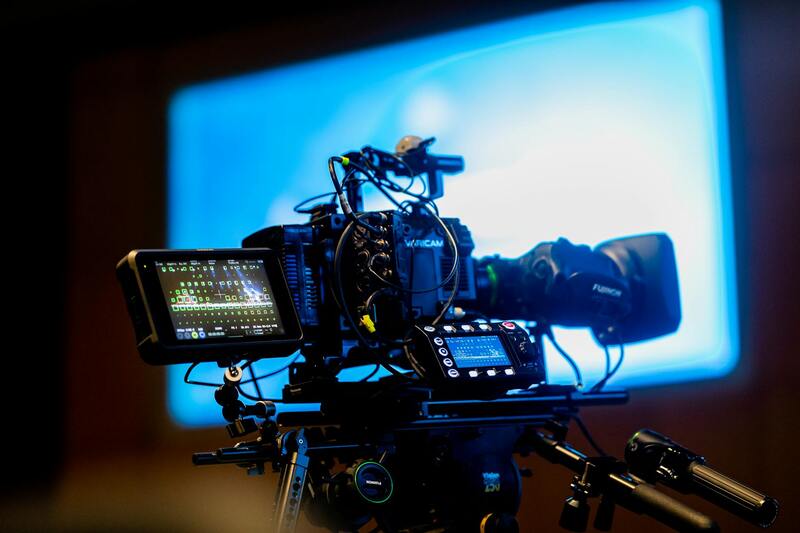
The quality of the equipment used during filming significantly impacts costs. Professional-grade cameras, drone technology for aerial shots, stabilizers for smooth footage, and effective lighting setups are necessary for captivating visuals. Advanced equipment with the capability to shoot in 4K or higher resolutions provides crisp detail, attracting viewers and potential buyers. Incorporating drone footage especially enhances the visual appeal of property exteriors and surrounding landscapes, but it also introduces additional costs due to licensing, pilot fees, and regulatory compliance. The integration of such technology requires skilled operators and post-production expertise, further influencing overall expenses.
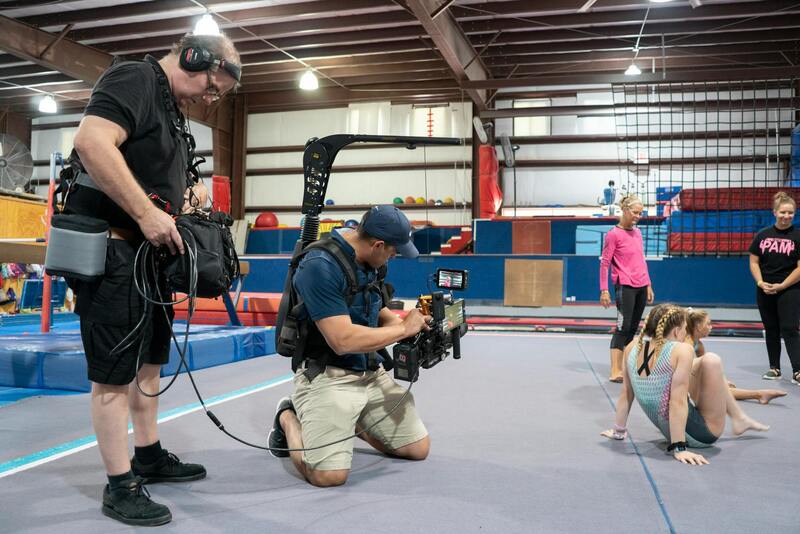
Additionally, professional lighting setups are essential to highlight a property's features effectively. Proper lighting ensures that interiors appear warm and inviting, avoiding shadows and dullness that could reduce visual appeal. All these technological needs contribute incrementally to the total production cost, especially for properties requiring a high level of visual refinement.
Complexity of Shots and Editing
The design of the shoot plays a major role in determining cost. Simple walkthroughs might be more budget-friendly, whereas cinematic walkthroughs, aerial drone perspectives, or 3D virtual tours demand specialized skills and additional time. These complex shots often involve multiple takes and meticulous planning. For instance, drone footage requires uploading flight plans, securing any necessary permissions, and skilled piloting, all of which add to costs.
Post-production editing is equally crucial. Enhancements such as color correction, sound design, overlay graphics, animated floor plans, and seamless transitions demand advanced editing skills. The more detailed and sophisticated the editing process, the higher the labor costs, as they extend the production timeline and require expertise in visual effects and sound engineering.
Additional Features and Customizations
Incorporating customized elements can significantly enhance the appeal of a property listing. Features such as animated floor plans help viewers understand spatial layouts quickly. Voiceover narration provides professional commentary that guides viewers through the property’s features, creating an engaging experience. Music licensing ensures background scores do not infringe on copyright, adding emotional resonance to the video.
While these customizations improve viewer engagement and perception of the property, they come with their own costs. Graphic design, animation, and licensing fees can increase the total expenditure, but they often lead to higher viewer interest and faster sales.
Location and Accessibility Challenges
The geographical positioning of the property influences production logistics and costs. Properties located in hard-to-access areas or requiring special permits for drone flights, shooting restrictions, or security arrangements can drive expenses upward. Miami's diverse neighborhoods range from bustling urban areas to exclusive waterfront estates, each presenting unique logistical challenges.
Additional costs may also include travel expenses for crew members, transportation of equipment, and time spent securing necessary permissions. Properties situated in areas that demand special arrangements necessitate precise planning, which can affect overall project costs.
Additional Costs and Considerations
Beyond the fundamental expenses associated with producing high-quality real estate videos, several supplementary costs can impact the overall budget. These additional considerations are essential for property professionals aiming to maximize the effectiveness of their visual presentations, ensuring that every aspect of the property is showcased vividly and accurately.
- Permits and Licensing: Certain locations or types of footage may require obtaining permits, especially when filming in protected areas, private estates, or areas with strict regulations. Acquiring these permits involves fees that vary depending on local jurisdiction and the nature of the filming.
- Specialized Equipment: Use of drone photography, 360-degree cameras, or stabilization rigs can enhance video quality but also incur higher equipment costs. These tools enable dynamic shots that offer viewers immersive experiences, yet they demand skilled operators and, consequently, increased expenditure.
- Lighting and Setup: For properties with challenging lighting conditions or unique architectural features, additional lighting fixtures or staging elements may be necessary to ensure the property looks its best on camera. This setup requires extra time and equipment, adding to the overall costs.
- Production Scheduling and Turnaround: Tight deadlines or complex shooting schedules may necessitate additional crew hours or multiple shooting days. Faster turnaround times often come with premium charges, especially when rapid editing and delivery are required to meet listing timelines.
- Post-Production Enhancements: Advanced editing work, such as color grading, motion graphics, or virtual staging, elevate the video's appeal but require specialized skills and software. These enhancements can significantly increase the final cost but also boost the property's attractiveness to prospective buyers.
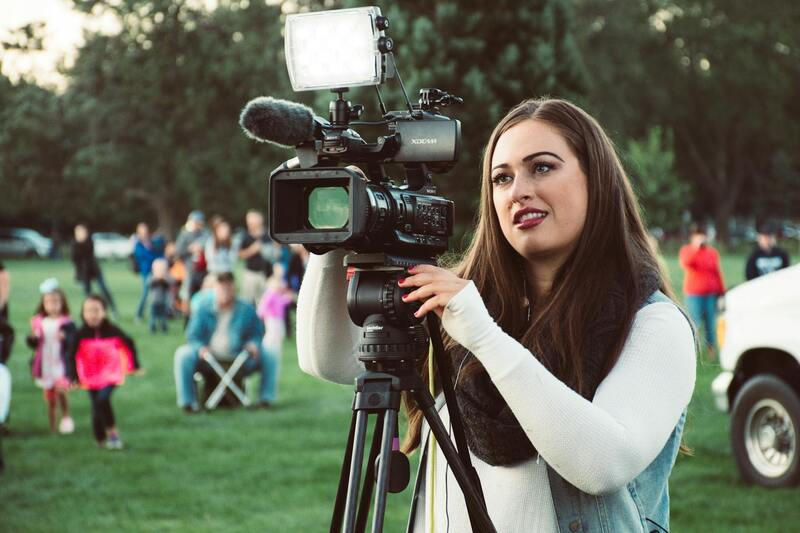
When planning a real estate video project, it's vital to account for these supplementary factors to avoid unexpected expenses and to ensure the final product aligns with marketing objectives. A detailed discussion with the production team about these potential costs upfront facilitates transparent budgeting and helps identify the most impactful investment areas for showcasing the property effectively.
Additional Costs and Considerations
When budgeting for a real estate video, it is essential to be aware of potential additional costs that can influence the overall expenditure. These factors extend beyond standard filming and editing, encompassing various logistical, technical, and creative elements that can impact the final price.
One significant consideration is the complexity of the property itself. Homes with expansive layouts, unique architectural features, or challenging terrains may require specialized equipment such as drone footage, steady cams, or additional lighting setups to capture the property adequately. These tools often necessitate the involvement of skilled operators and additional setup time, contributing to increased costs.
On-site logistics can also be a factor. If the property is located in an area with restricted access or during limited hours, additional permits or scheduling arrangements may be needed. Such arrangements can add to the production timeline and costs. Moreover, the presence of pets, tenants, or ongoing renovations can complicate the shoot, requiring additional planning or permissions, which may increase expenses.
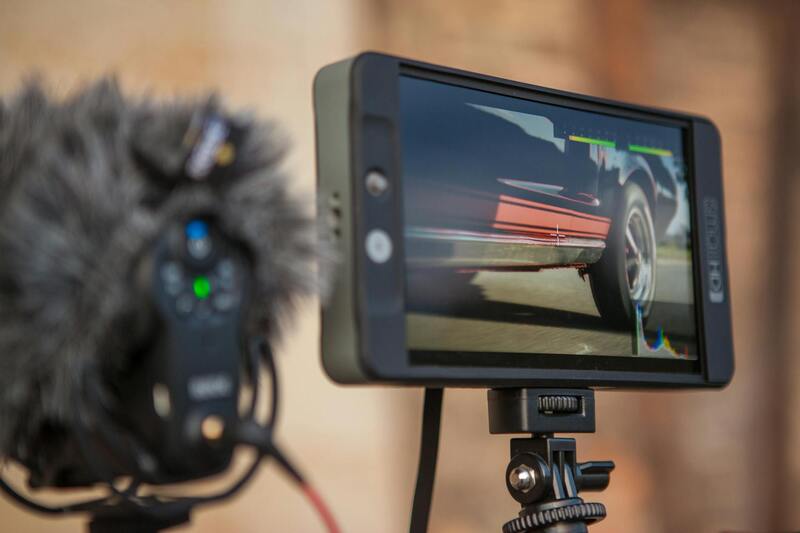
Post-production is another key area where costs can escalate. Advanced editing features, including detailed color grading to enhance property aesthetics, virtual staging to showcase potential renovations, or motion graphics to highlight unique selling points, often require specialized skills and software. These enhancements can significantly elevate the video's quality and appeal but also add to the overall budget.
Furthermore, client revisions and rapid delivery requests might incur additional charges. If urgent edits are required to meet tight marketing timelines, expedited processing fees could be applicable. This ensures the property is marketed promptly but should be factored into initial budgeting discussions.
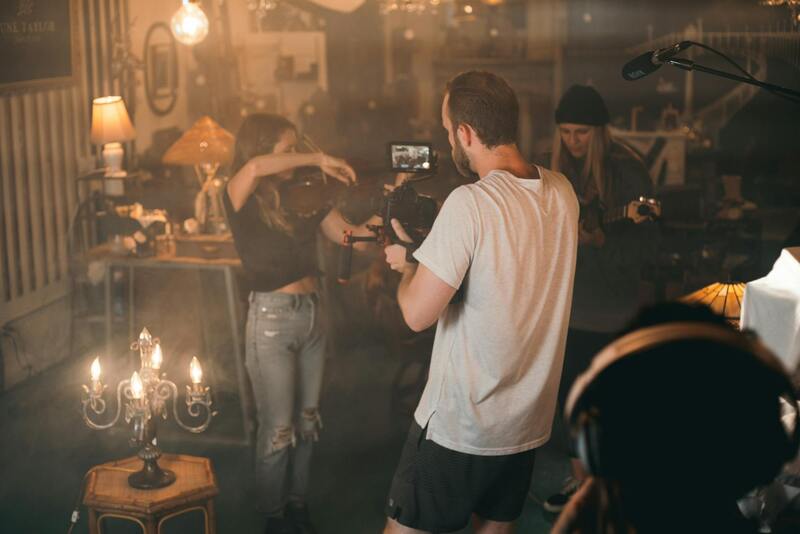
Understanding these additional costs upfront lays the foundation for a transparent and comprehensive budget plan. It also ensures that all relevant factors are considered, avoiding surprises during the production process. Discussions with your chosen video production partner should clarify what services are included and what might incur extra fees, enabling you to allocate your resources effectively and achieve the most impactful visual presentation of the property.
Factors That Can Increase Video Production Costs
While the baseline expenses for real estate videos can be relatively predictable, several factors have the potential to drive up the overall cost. Understanding these elements is crucial for clients aiming to manage budgets effectively without compromising quality.
One significant factor is the complexity of the property itself. Properties that feature unique architectural designs, large estates, or multiple units often require more elaborate filming techniques, longer shooting durations, or specialized equipment such as drones for aerial footage. These additional efforts naturally lead to increased production costs.
Another consideration is the level of detail and customization requested. For example, if the client desires cinematic-grade footage with advanced stabilization, intricate camera movements, or high-definition resolution, these specifications necessitate use of expensive gear and skilled operators. Such enhancements demand additional labor and equipment, translating into higher costs.
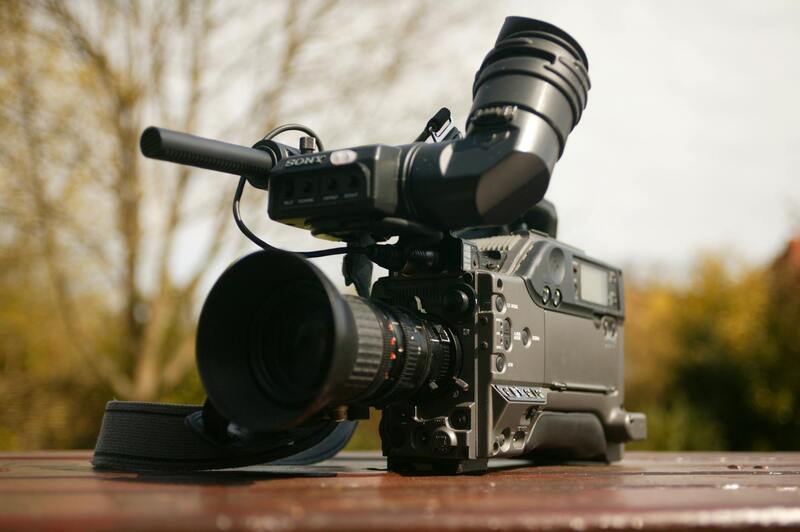
Post-production efforts also play a pivotal role in shaping the final budget. Complex editing tasks including virtual staging, motion graphics, or detailed color grading involve sophisticated software and specialized professionals. These enhancements improve the property's presentation but contribute to increased editing fees.
Additionally, tight deadlines can lead to expedited processing charges. If a property needs to be marketed swiftly, quick turnaround times may require prioritized scheduling or overtime shifts for crew and editors, adding to expenses.
- Location-specific challenges: Urban settings with limited access or logistical difficulties can increase shooting and setup time.
- Number of properties: Multiple locations or properties increase total shooting days, raising costs.
- Safety protocols: Extra precautions due to site-specific hazards or COVID-19 guidelines may add to labor and setup expenses.
Being aware of these potential cost drivers allows clients to plan more accurately and partner effectively with video production providers. Clear communication about expectations and scope helps prevent unforeseen expenses, ensuring that the investment aligns with the property's marketing objectives.
Additional Costs and Considerations
Extra costs beyond the standard filming and editing can influence the final price of a real estate video. Some items to consider include:
- Travel and logistics: Remote properties or those outside the immediate service area may incur travel fees, accommodation, or transportation costs.
- Supplemental services: These include 3D virtual tours, drone footage, or immersive walkthroughs, which can substantially boost the overall budget but provide a comprehensive view of the property.
- Modeling and virtual staging: Digital enhancements to showcase potential renovations or furniture arrangements often involve additional design and software costs.
- Revisions and edits: Multiple rounds of revisions requested by clients can extend editing timelines and increase charges accordingly.
Factoring in these considerations from the outset helps ensure a balanced budget that accommodates both the desired quality and scope of the project. Discussing options and obtaining detailed estimates upfront promotes transparency and enables strategic decision-making, ultimately maximizing the marketing impact of the property video within the available financial plan.
Factors That Can Increase Video Production Costs
While many aspects influence the base price of a real estate video, certain factors can lead to additional expenses, making the final cost higher than initially estimated. It's essential for clients to understand these elements to budget appropriately and avoid surprises.
- Location and Accessibility: Properties situated in remote or hard-to-reach areas often require extra travel time and transportation arrangements, which can increase costs significantly.
- Complexity of the Property: Large estates or properties with intricate layouts may demand more filming time and advanced drone or camera equipment to capture all aspects comprehensively.
- Specialized Equipment and Techniques: Incorporating features like 3D virtual tours, 360-degree panoramas, or aerial drone footage involves specialized gear and expertise, contributing to elevated costs.
- Additional Post-Production Services: Services such as color grading, animation overlays, voiceovers, or custom graphics can extend editing timelines and incur extra fees.
- Time Constraints: Short notice or expedited timelines require prioritization and dedicated resources, which typically result in increased charges.
- Revisions and Client Feedback: Multiple rounds of edits to fine-tune the video can extend both editing time and costs, especially if significant changes are requested after initial delivery.
 igure>
Understanding these potential cost drivers helps clients make informed decisions and collaborate effectively with production teams. Planning for additional expenses ensures the final product meets marketing expectations without compromising quality.
Factors That Can Increase Video Production Costs
Several elements can contribute to a rise in the overall expense of producing real estate videos, beyond the base costs of filming and editing. Understanding these factors allows property marketers and real estate professionals to anticipate potential additional expenses and plan accordingly.
- Property Complexity and Size: Larger properties with detailed architectural features, multiple angles, or expansive outdoor spaces require more filming time and equipment coverage. The intricacy of layouts often necessitates multiple shoot sessions or advanced camera setups to ensure every detail is captured accurately.
- Specialized Equipment and Techniques: Utilizing drone footage for aerial shots, 3D virtual tours, or 360-degree panoramas involves high-end equipment and skilled operators. Such techniques not only elevate the visual appeal but also incur additional rental and operational costs.
- Location and Accessibility: Properties located in hard-to-reach or remote areas may impose extra transportation or logistical expenses. This includes vehicle rentals, permits, or additional crew time to navigate challenging terrain or travel distances.
- Post-Production Enhancements: Advanced editing features like color grading, animations, custom graphics, or voiceovers can extend the editing process and involve additional technical expertise. These services help produce a polished final product but come at extra costs.
- Time Sensitivity and Scheduling: Short-notice projects or expedited timelines that demand immediate completion can lead to premium charges for prioritization, overtime work, or flexible scheduling commitments.
- Client Revisions and Feedback Iterations: Multiple rounds of edits or significant adjustments requested after initial delivery can increase both editing time and costs. Clear communication about expectations reduces the need for extensive revisions.
Cost-Saving Tips for Real Estate Video Production
While investing in quality video content is essential for effective property marketing, some strategies can help manage expenses without compromising the final outcome. These tips include:
- Define Clear Objectives: Establish specific goals for the video, such as highlighting key features or capturing the property's surroundings, to avoid unnecessary shots and editing extensions.
- Plan Efficiently: Develop a comprehensive shot list and filming schedule. Proper planning minimizes time on set and reduces the need for multiple takes or re-shoots.
- Utilize Standard Equipment: Focus on essential filming techniques and equipment to keep costs manageable, reserving advanced features for high-impact areas or exclusive listings.
- Batch Production: Combine multiple property shoots within a single trip to maximize resources and reduce travel-related expenses.
- Limit Revisions: Communicate thoroughly with the production team to minimize the number of feedback rounds, ensuring the initial edits align closely with your expectations.
- Leverage In-House Resources: If possible, use existing footage or still images to supplement the video, reducing the amount of new filming required.
Benefits of Investing in Professional Real Estate Videos
High-quality, professionally produced videos can significantly enhance property marketing efforts. They provide dynamic virtual tours that engage potential buyers and create a lasting impression. The investment yields benefits such as increased online visibility, faster sales cycles, and the ability to showcase properties at their best angles and features. Professional videos also lend credibility to listings, establishing trust and confidence among prospective clients. With the proper visual presentation, real estate professionals can position their properties competitively in a crowded market, ultimately accelerating the sale process and maximizing return on investment.
Factors Influencing Real Estate Video Costs
Several key elements directly impact the overall cost of producing real estate videos. The complexity of the property plays a significant role; larger or architecturally intricate homes require more detailed shots, special angles, and additional filming time, all of which contribute to higher expenses. Additionally, the desired video style influences the budget—simple walk-throughs cost less than cinematic productions with drone footage, helical shots, or 3D walkthroughs.
Production logistics also affect costs. Properties located in hard-to-reach areas may incur higher travel and transportation expenses. The duration of the shoot, number of scenes, and whether multiple locations are involved further impact the final price. The level of post-production work, including editing, color correction, and adding voiceovers or text overlays, must also be considered.
Types of Real Estate Videos and Their Prices
The variety of video styles available for real estate marketing allows for customization according to property needs and budgets. Basic walkthrough videos typically range from $300 to $800, providing a simple virtual tour with standard footage. Mid-range videos, which might include drone shots, interior highlighting, and minimal editing, usually cost between $800 and $1,500. High-end cinematic videos or 3D tours can go beyond $2,000, offering a highly polished, engaging presentation designed to attract premium buyers.
Average Cost Range for Real Estate Videos in Miami
In Miami, due to the vibrant real estate market, prices for professional real estate videos tend to be higher than the national average. A standard property video typically ranges from $500 to $1,200. For larger or luxury properties, costs can escalate to $2,000 or more, especially if advanced filming techniques are employed. It's common for agencies to offer package deals that include multiple videos or additional marketing services, which can influence overall expenses.

Factors That Can Increase Video Production Costs
- Extended shooting time: Larger properties or multiple filming locations require more time, raising labor costs.
- Special equipment: Use of drones, 4K cameras, steady-cams, and specialized lighting increases expenses.
- Additional edits: Multiple revision rounds or complex editing techniques such as CGI or animation add to the overall cost.
- Expedited turnaround: Rushed delivery schedules often require additional staffing or overtime, elevating fees.
- Licensing and permits: Securing permissions for drone use or filming in certain areas may incur extra charges.
Cost-Saving Tips for Real Estate Video Production
- Plan thoroughly: Clear storyboards and shot lists prevent unnecessary retakes and revisits.
- Limit scope: Focus on key property features to reduce filming and editing time.
- Use existing assets: Incorporate professional photographs or previous footage where applicable.
- Opt for virtual tours: Combining static images with motion elements can create engaging videos at lower costs.
- Batch shoots: Schedule multiple property videos in one trip to optimize resources and save on travel.
Benefits of Investing in Professional Real Estate Videos
High-quality, professionally crafted videos significantly enhance property exposure. They deliver immersive virtual experiences that attract more potential buyers, speed up the sales process, and boost listing visibility across online platforms. Professionals ensure that every frame highlights the property's best features, establishing credibility and trustworthiness. This elevated presentation supports competitive positioning in a crowded market, maximizes audience engagement, and often leads to faster negotiations, delivering an optimal return on investment.
Choosing a Miami Production Agency for Real Estate Videos
When selecting a production partner in Miami, consider their portfolio, experience with real estate properties, and understanding of local market dynamics. Agencies with a reputation for high-quality outputs offer tailored solutions that meet specific property requirements and budget constraints. Ensure they provide comprehensive services, including pre-production planning, filming, and post-production edits. Transparent pricing and clear communication about deliverables are essential to align expectations and avoid unexpected expenses.