
Factors Influencing Real Estate Videography Costs
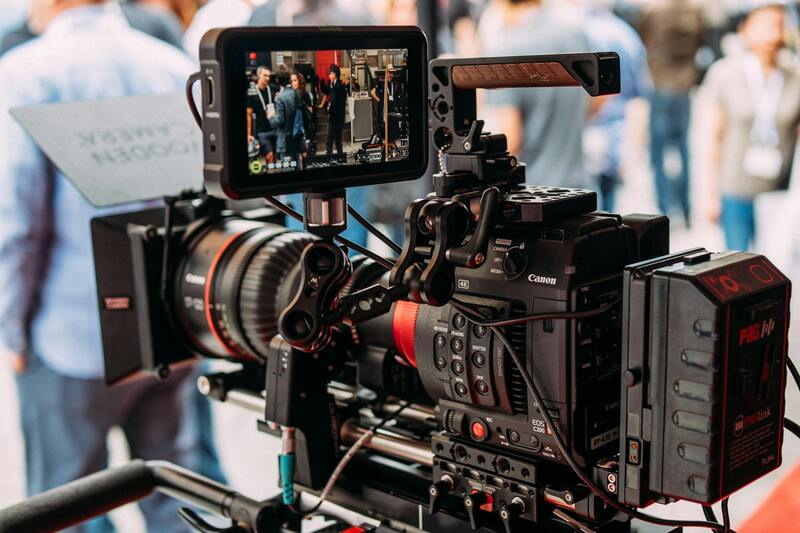
Understanding the various elements that impact the cost of real estate videography is essential for property owners and real estate professionals aiming to maximize their investment. Several key factors directly influence pricing, including the size of the property, the desired length of the video, and the complexity of the production process.
Property Size and Location
The overall square footage of a property significantly affects the filming requirements. Larger properties demand more comprehensive coverage, extensive setup, and longer shooting times, which contribute to higher costs. Additionally, properties in remote or difficult-to-access locations can incur extra charges due to logistical challenges or transportation needs.
Video Length and Content Depth
The length of the final video is a pivotal cost factor. Short, 1-2 minute clips are typically less expensive, suitable for quick showcases or social media snippets. Conversely, longer, in-depth tours that offer detailed views and multiple angles require additional filming and editing time, increasing the overall price.
Production Complexity and Styling
Complex shots, such as drone footage, stabilization shots, or interior staging, elevate both the technical difficulty and the resource demands of a project. These advanced techniques involve specialized equipment and skills, which can considerably influence the cost. Moreover, the inclusion of cinematic effects, voiceovers, or special transitions further amplifies expenses.
In essence, costs are shaped by a combination of property-specific features, technical requirements, and the desired quality level. Recognizing these factors helps property owners plan better budgets and select videography services that align with their marketing goals.
Production Complexity and Styling
When evaluating real estate videography costs, the technical intricacies involved in producing a high-quality property video are crucial considerations. Advanced filming techniques such as drone footage provide sweeping views of larger estates or properties in scenic locations, but require specialized equipment and licensed operators. Stabilization shots, frequently used for smooth walkthroughs, demand steady camera systems and experienced personnel to avoid shaky footage, which increases production expenses. Interior staging, virtual enhancements, or cinematic effects—like time-lapse sequences, slow-motion shots, or customizable transitions—further elevate the production complexity, requiring skilled editors and post-production resources.
The inclusion of professional voiceover narration, background music, or sound effects also adds layers of production value and cost. These elements help to craft compelling narratives around the property, emphasizing unique features and creating an emotionally appealing presentation. However, they involve additional planning, scripting, and editing efforts, which should be accounted for within your overall budget.
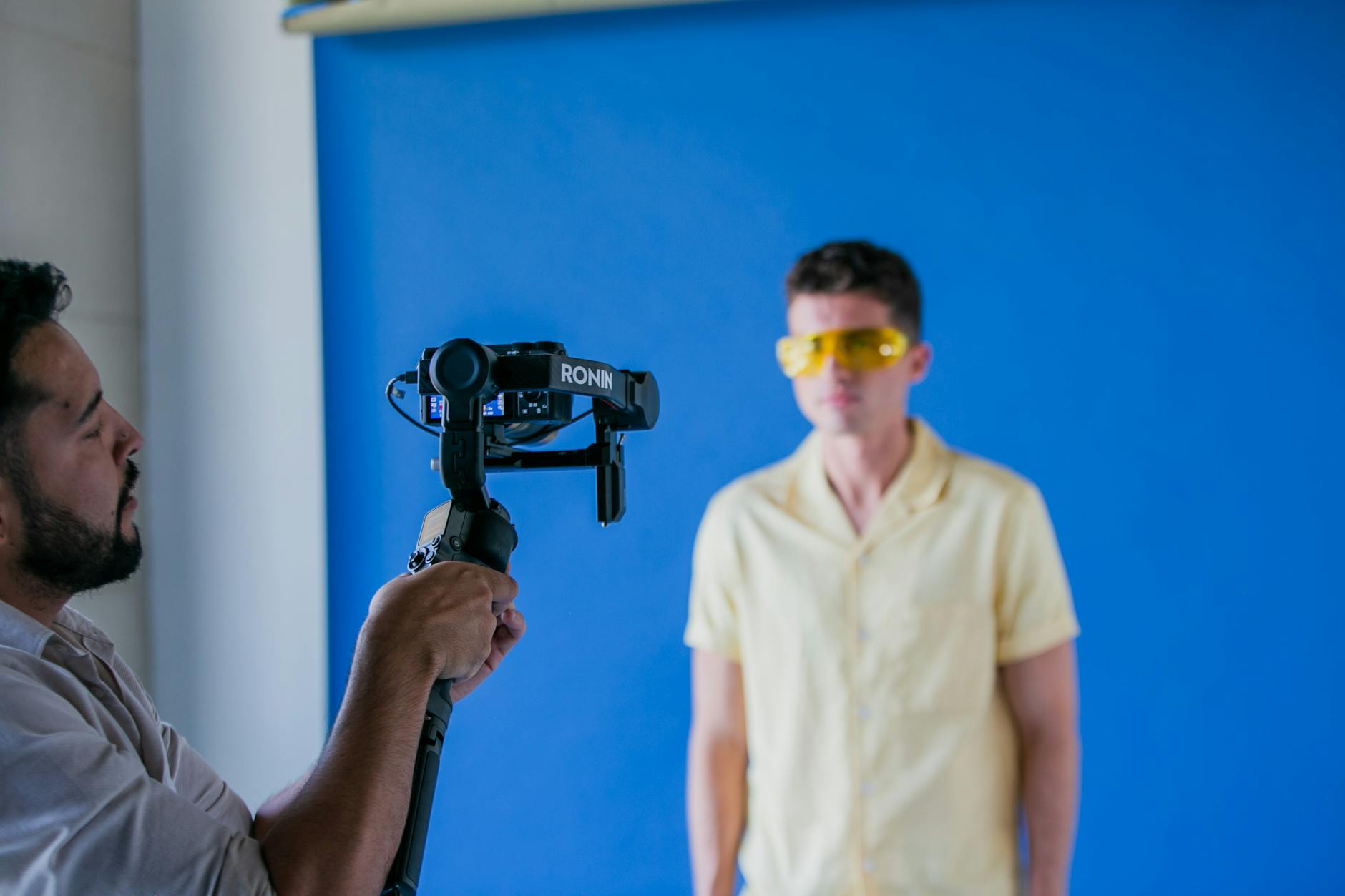
Each of these styling and technical enhancements plays a role in determining the final price, underscoring the importance of clearly communicating your objectives with the videography provider. Customizable options tailored to specific property types or marketing goals can optimize the investment, ensuring quality outcomes without unnecessary expenditure.
Impact of Property Features on Cost
- Architectural Complexity: Unique designs or historic properties may necessitate specialized filming techniques or equipment, increasing production time and costs.
- Size and Layout: Larger homes with multiple floors require more extensive coverage, multiple shooting angles, and longer editing sessions.
- Outdoor and Landscape Shots: Extensive landscaping or outdoor features, such as pools or gardens, require additional planning and equipment like drones or stabilized gimbals.
- Interior Details: Custom finishes, high-end fixtures, or complex room layouts demand detailed shots and multiple retakes for a polished presentation.
Understanding these property-specific aspects enables clients to anticipate the scope of work involved, aligning expectations with budget considerations and ensuring a seamless production process.
Types of Video Services and Their Costs
When exploring real estate videography options, the range of services available can significantly influence the overall expense. Standard property walkthrough videos serve as a fundamental marketing tool, typically providing a comprehensive yet straightforward view of the property. These videos generally involve minimal editing and are suitable for most residential listings, with costs ranging from moderate to high depending on the property size and desired quality.
For clients seeking a more immersive presentation, cinematic property videos elevate the viewing experience by incorporating professional lighting, scripted scenes, AI-enhanced effects, and engaging storytelling elements. This approach requires a higher level of technical expertise and time investment, usually commanding a premium price.
Drone footage has become a popular addition, especially for properties with extensive outdoor features, waterfront locations, or large estates, offering dynamic aerial perspectives that attract viewer attention. The use of drones entails additional licensing, specialized equipment, and skilled operators, contributing to increased costs.
3D virtual tours provide interactive, 360-degree views of interiors, allowing prospective buyers to explore the property remotely. Such immersive solutions involve advanced software and multiple cameras, thus impacting the budget based on the complexity of the tour.
Understanding these different types of videography services and their associated costs allows property owners and agents to tailor their marketing investment to their goals and property specifics. Selecting the right combination of services can maximize visibility without unnecessary expenditure, ensuring a balanced approach to property promotion.
Factors That Can Increase Videography Costs
Several elements beyond the basic filming process can influence the overall expense of real estate videography services. Recognizing these factors enables property owners and agents to better plan their marketing budgets and expectations.
- Property Size and Complexity: Larger properties or those with intricate layouts require more extensive filming, additional equipment, and more editing time. High ceilings, multiple levels, or properties with unique architectural features can demand specialized camera work and equipment setups.
- Location and Accessibility: If the property is situated in a challenging location—such as a gated community, remote area, or region with difficult access—additional logistical arrangements and travel costs may apply. Special permits or permissions could also affect pricing.
- Time of Day and Lighting Conditions: Filming during optimal lighting hours or in areas with challenging lighting conditions may require supplementary equipment such as additional lighting or reflectors, raising costs. Scheduling flexibility can help manage these expenses.
- Post-Production Complexity: Advanced editing, color grading, virtual staging, or the incorporation of special effects significantly extend the post-production phase. High-quality animations or 3D enhancements also add to the final price.
- Additional Services: Extras like drone footage, 3D virtual tours, or cinematic style videos involve specialized skills and equipment, contributing additional costs. The integration of these elements results in a more compelling and polished presentation, but often requires supplementary budget allocation.
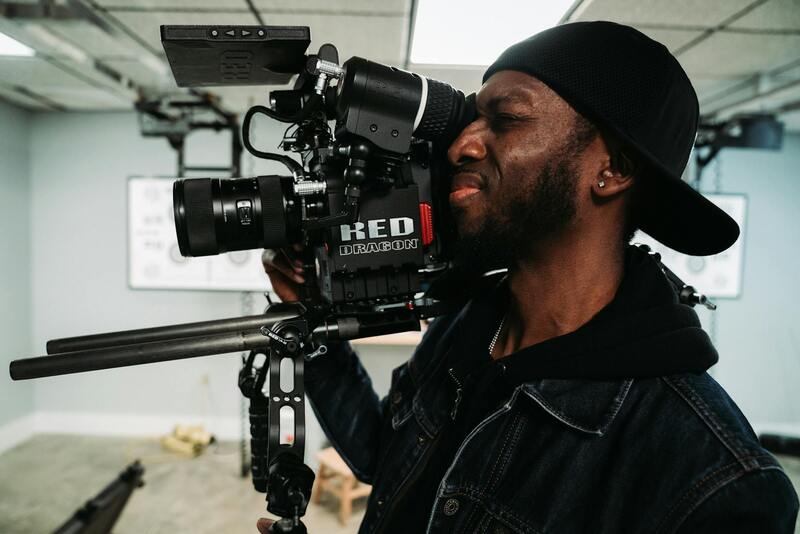
Property owners should communicate specific needs and property details upfront to their videography providers. This transparency helps obtain accurate estimates and avoids unexpected costs during project execution. Furthermore, understanding these influencing factors allows for strategic planning, such as prioritizing essential features or scheduling shoots during less costly times, ultimately optimizing project budgets while maintaining quality standards.
Additional Costs and Package Options
When evaluating the overall expense of real estate videography, it's important to consider supplementary charges that may be incurred beyond the standard filming rates. These additional costs can significantly influence the final budget allocated for property marketing. Common extras include professional editing services, which enhance the visual appeal and coherence of the footage. Music licensing is another factor, especially when using copyrighted tracks to create a more engaging viewing experience; this often requires an additional fee to use licensed music legally within the video.
Fast turnaround times might also come with a premium price, as expedited editing and delivery services demand priority scheduling and resources from the videography team. Many providers offer bundled service packages that combine various offerings—such as aerial footage, walk-through videos, and virtual tours—at a discounted rate. These packages enable clients to access comprehensive marketing content while managing costs effectively. It is advisable for property owners to thoroughly review these package options to determine the most suitable and cost-efficient solution for their specific needs.
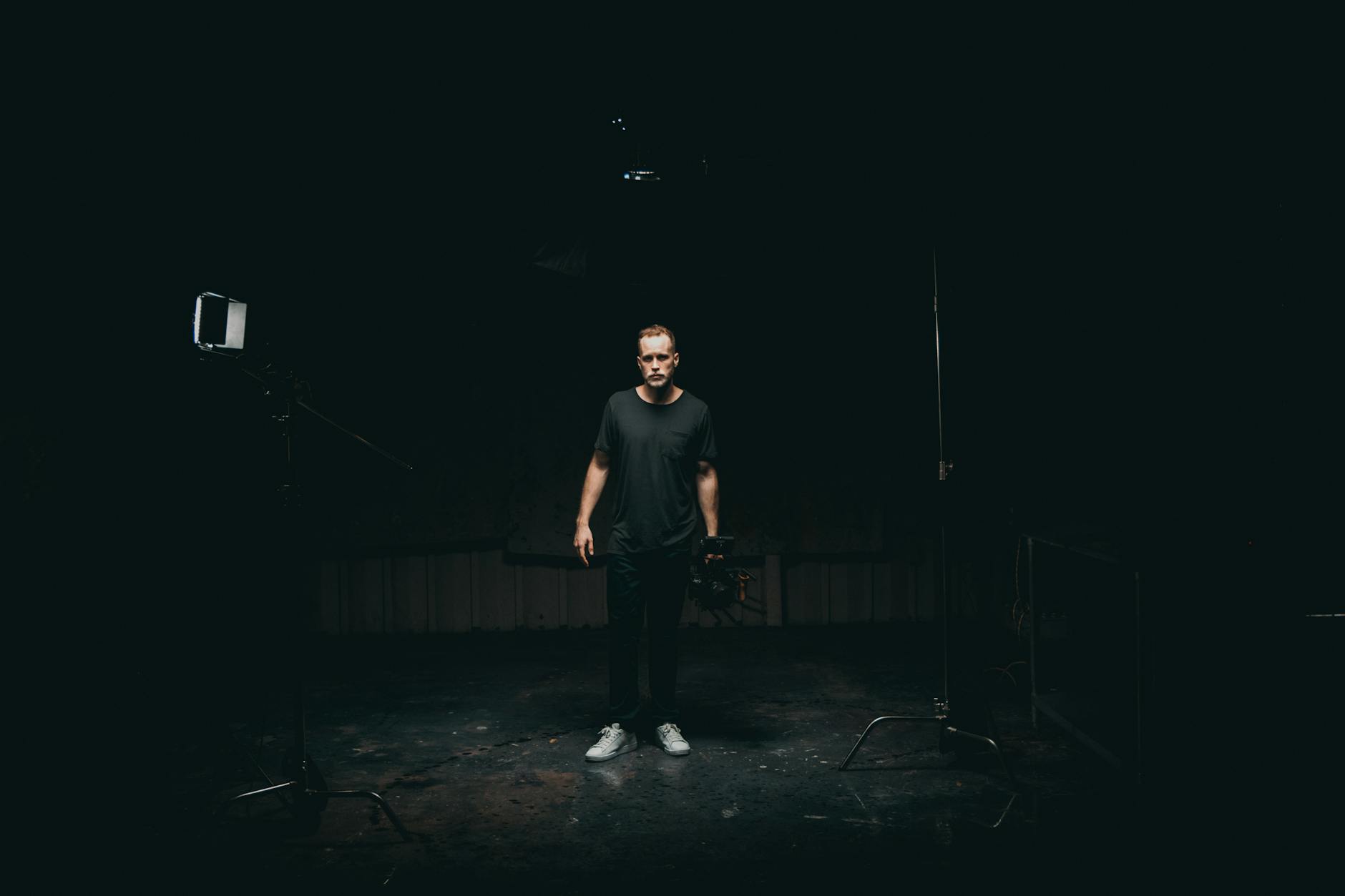
Factors That Can Increase Videography Costs
Several key factors can lead to higher expenses in real estate videography projects. Property size plays a crucial role—larger properties demand longer filming times, more equipment setup, and extensive post-production efforts, all contributing to increased costs. The property’s location is also significant; shooting in remote or difficult-access areas may incur additional logistical expenses, including travel, transportation, and additional permissions.
Complex property features, such as custom architectural details or intricate interior designs, can necessitate specialized filming techniques or additional footage, elevating both filming and editing costs. Environmental conditions also affect budget considerations; adverse weather, lighting challenges, or requiring shoot schedules during specific times of day can extend project timelines and require supplementary equipment like lighting rigs or reflectors.
Furthermore, the level of customization requested—such as virtual staging, 3D walkthroughs, or cinematic effects—can significantly inflate the overall budget. It’s vital for clients to clearly communicate their expectations and specific property details upfront. This proactive approach fosters accurate quote generation and helps avoid unforeseen expenses during production.
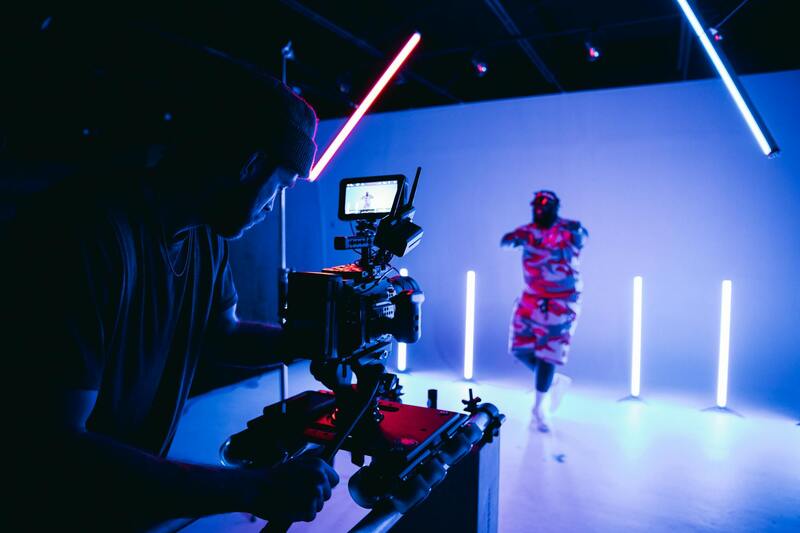
Types of Video Services and Their Costs
When evaluating real estate videography expenses, it’s important to understand the variety of services available, each with its own associated costs. Standard property walkthrough videos typically range from $300 to $700 per shoot, providing a comprehensive visual tour that highlights key features of the property. These videos usually involve basic editing, smooth camera movements, and high-definition footage, making them suitable for most residential listings.
Enhanced video options, such as cinematic property tours, can involve advanced filming techniques, drone footage, and professional voiceovers. These services often range from $800 to $2000 per project, depending on the complexity and length of the final product. Drone footage, in particular, adds an elevated perspective, offering potential buyers a detailed view of the property's exterior and surrounding environment. This type of footage not only boosts the property's market appeal but also incurs additional costs related to drone operators and specialized licensing.
Budget Ranges for Different Property Types
Budget estimates for real estate videography can vary significantly based on the type of property being showcased. For modest residential homes, basic videography services generally start at around $300 to $600, covering essential features and interior shots. Larger, more luxurious properties often require comprehensive videos, including multiple camera angles, aerial shots, and detailed post-production work, which can range from $1000 to $3000 or more.
Commercial properties, such as office buildings or retail spaces, typically demand higher investment due to the need for more extensive footage, detailed tour footage, and sometimes the inclusion of 3D walkthroughs. These projects often fall within the $1500 to $4000 range, reflecting the broader scope and higher production value required.
Additional Costs and Package Options
Beyond the core videography services, multiple factors can influence overall project costs. Add-on options such as virtual staging, 3D models, or interactive virtual tours can substantially increase expenses, with prices ranging from $200 to $2000 depending on the project scope. Virtual staging, in particular, offers a visually compelling way to showcase empty or cluttered spaces without physical furniture, often costing between $50 and $150 per image.
Many vendors offer package deals that bundle filming, editing, drone footage, and special features, providing a more consistent and cost-effective solution for clients. These packages typically start at $1000 and can go beyond $5000 for comprehensive marketing videos that incorporate multiple services.
Choosing a package that aligns with your property’s specific needs and budget constraints ensures optimal use of resources without compromising quality. It’s equally important to inquire about revisions included within the packages and what additional costs could accrue if modifications are necessary.
Factors Influencing Real Estate Videography Costs
Understanding the variables that directly impact the cost of real estate videography is essential for property owners, real estate agents, and developers aiming to allocate their budgets efficiently. Several key factors contribute to the overall price, ranging from the complexity of the property to the additional services incorporated into the video package.
Property Size and Layout Complexity
The size of the property significantly influences the amount of footage required and the time needed to capture every vital aspect. Larger homes or sprawling commercial spaces necessitate extended filming periods, multiple angles, and detailed walkthroughs, which naturally elevate costs. Additionally, intricate layouts with numerous rooms, unique architectural features, or complex floor plans demand more extensive planning and editing, further increasing expenses.
Type of Video Content
The sophistication of the video content directly correlates to the price. Basic panoramic shots or simple walkthroughs are more budget-friendly, whereas high-end productions involving drone footage, 3D virtual tours, or cinematic-style filming require advanced equipment, specialized skills, and more post-production effort. Such high-quality content enhances the property's appeal but comes at a premium.
Level of Production Quality
Professional videographers with industry experience typically charge more but deliver superior results. The use of high-resolution cameras, stabilized footage, professional lighting, and meticulous editing contributes to a polished final product. Enhanced production quality can justify increased costs, especially when aiming to make a strong market impression in competitive environments.
Additional Services and Add-Ons
- Drone footage: Creates dynamic aerial views, often priced separately but integrated into comprehensive packages.
- Virtual staging: Digitally furnishes empty rooms, with costs per image or as part of package deals.
- 3D walkthroughs and virtual tours: Expensive but highly engaging options that can significantly boost online interest.
- Special editing effects or branding overlays: Custom graphics or music may incur additional charges.
Timeframe and Urgency of Delivery
Clients with tight deadlines may incur rush fees. Expedited editing, quicker turnaround times, or last-minute scheduling typically increase the overall project cost, reflecting the expedited service requirements.
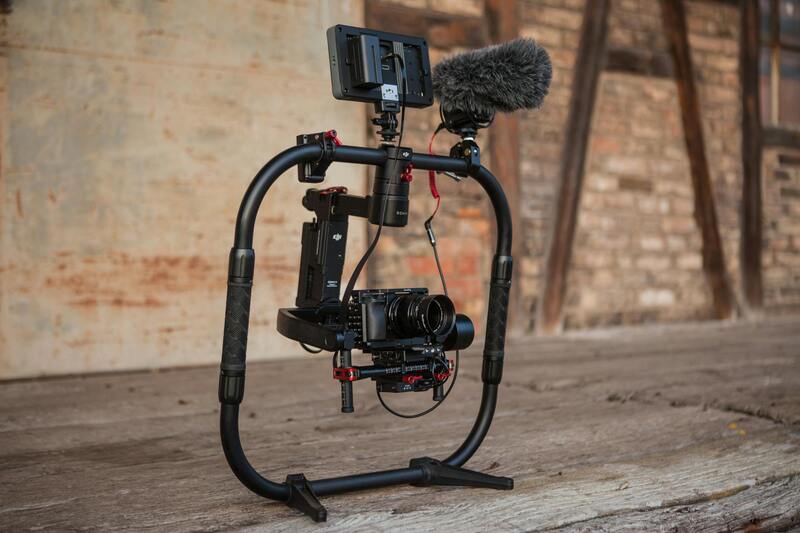
The selection of equipment and technology also plays a crucial role. Advanced tools such as high-dynamic-range (HDR) cameras, 4K resolution, and stabilized drones deliver superior visuals at a higher cost but are often necessary to meet market expectations for quality and professionalism.
Location and Accessibility
Properties situated in hard-to-reach areas or distant neighborhoods may incur additional travel and logistics expenses. These costs include transportation, permits, and time-based charges for on-site setup and filming.
Regional Market Rates
Geographical factors can influence pricing due to regional demand, availability of skilled videographers, and the local standard of living. Miami’s competitive real estate market typically commands premium videography rates, especially for high-end or luxury property presentations.
Factors Influencing Real Estate Videography Costs
Understanding the various elements that contribute to the overall expense of real estate videography is essential for property owners and agents aiming to make informed decisions. Several key factors can significantly impact the cost, including the scope of the project, the level of detail required, and the technological tools employed during filming.
Property Size and Complexity
The size of the property directly correlates with the amount of time and effort needed to produce comprehensive footage. Larger estates or properties with multiple units demand more extensive coverage, which can increase the duration of filming and editing. Additionally, complex layouts or properties with unique architectural features may require specialized shots and angles, further elevating costs.
Type of Videography Service
Whether the project involves simple walkthrough videos, cinematic showcases, or elaborate virtual tours influences the pricing structure. Basic walk-throughs might be included in standard packages, while high-definition cinematic videos with drone footage and special effects typically come at a premium. Custom editing, branding overlays, and sound design also add layers of complexity, impacting the final price.
Technology and Equipment Used
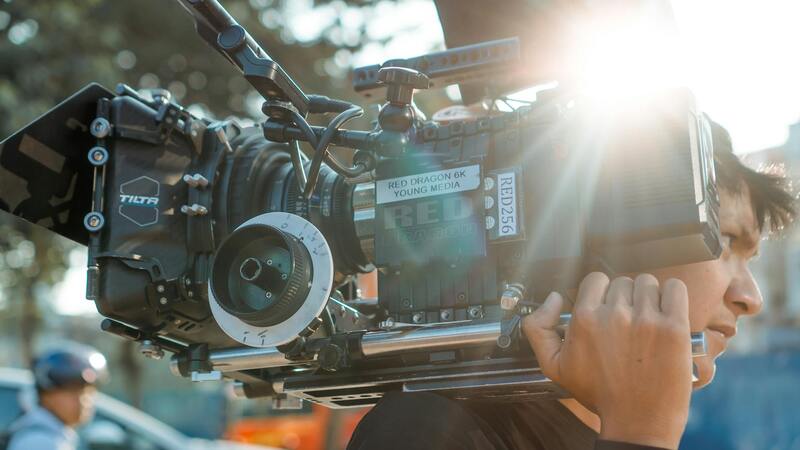
Advanced filming equipment such as stabilized drones, 4K resolution cameras, and high-dynamic-range (HDR) imaging deliver superior visuals but at higher operational costs. The choice of equipment can affect rental fees, operator expertise, and post-production processes, all of which contribute to the overall budget.
On-Site Factors
Accessibility issues, property location, and logistical challenges can also influence costs. Properties in remote or hard-to-reach areas may incur additional travel and transportation expenses, while properties requiring special permits or extra setup time can further increase the investment needed for production.
Market and Regional Variability
Regional economic factors and local demand for high-quality videography services shape pricing standards. Miami’s vibrant real estate market, combined with high property values, tends to command premium rates for videography that meets the aesthetic and professional standards expected in luxury property promotions.
Additional Features and Customizations
Optional add-ons such as virtual staging, 3D walkthroughs, or branded overlays provide added value but also come with additional fees. These enhancements are often tailored to property marketing strategies, making them an investment in your property’s visual impact.
Average Pricing for Real Estate Videography in Miami
In Miami, the typical cost for real estate videography services varies depending on the property type, desired video quality, and service scope. Standard property walkthrough videos with basic editing usually start around $300 to $600 for smaller homes or condominiums. Larger or luxury listings often see prices escalate to $1,000 or more, reflecting the need for advanced equipment and customized editing services. High-end productions with drone footage, virtual tours, and cinematic effects can range from $1,500 to $3,000 or higher, aligning with the premium market for upscale properties.
Types of Video Services and Their Costs
- Basic Walkthrough Videos: Typically priced between $300 and $700, these videos feature smooth-timed walkthroughs suitable for quick online listings.
- Cinematic Property Tours: With higher production quality, costs range from $800 to $2,500, including professional editing, music, and lighting enhancements.
- Drone Footage and Aerial Shots: Often added to other packages, drone services cost approximately $200 to $500 per flight, depending on the complexity and duration.
- Virtual Tours and 3D Walkthroughs: For immersive experiences, prices can be $1,000 to $3,000, especially when combining multiple features and personalized branding.
Budget Ranges for Different Property Types
Homeowners and agents should tailor their budgets based on the property’s market segment:
- Small Condominiums: Around $300 to $700 for foundational videos highlighting key features.
- Mid-Size Homes: Typically $600 to $1,200, including optional drone footage and basic editing.
- Luxury Estates and Commercial Properties: These often range from $1,500 to $5,000, reflecting higher production value and extensive coverage.
Additional Costs and Package Options
Clients seeking comprehensive marketing solutions may opt for bundled packages that include multiple video formats, virtual staging, and branding overlays. Additional costs can include expedited editing fees for quick turnarounds, travel charges for properties in remote locations, and extra revisions beyond initial edits. It's essential to clarify all components included in packages to ensure aligned expectations and budget management.
Factors That Can Increase Videography Costs
- Rush Projects: Expedite requests for quicker delivery often incur premiums, sometimes doubling standard rates.
- Extended Shooting Time: Larger properties or those requiring multiple days of filming will increase costs accordingly.
- Advanced Tech Requirements: Use of specialized equipment or complex editing effects can add significant charges.
- Accessibility and Location Challenges: Difficult terrain or restricted access sites necessitate additional setup time and logistics expenses.
- Market Demand and Seasonal Fluctuations: Peak real estate seasons may drive prices upward due to higher demand for skilled videographers.
Ways to Optimize Videography Spending
Achieving quality results without overspending involves several strategic steps. Clients should prioritize clear communication about their essential needs, opting for package deals that combine necessary features. Planning shoots during favorable weather conditions, compactly scheduling multiple property shoots in a single trip, and leveraging local providers can reduce travel and operational costs. Additionally, aligning expectations with the videographer’s expertise ensures more efficient workflows, minimizing the need for costly revisions or re-shoots.