
Role of Realtor Photographers in Real Estate Marketing
Realtor photographers play a pivotal role in the success of property marketing strategies. Their expertise in capturing the essence of a property through high-quality visuals directly influences how listings are perceived by prospective buyers. In a competitive real estate market like Miami, where properties are often sold based on first impressions, professional photography can make a substantial difference in attracting interest and generating showings.
Professional realtor photographs help showcase a property’s unique features, spatial layout, and overall ambiance, making listings stand out online. Visual content is often the first contact a potential buyer has with a property, and high-resolution images offer a clear, appealing view that inspires confidence and encourages further engagement. Well-executed property images ensure that listings are easily discoverable across various platforms, enhancing visibility and attracting a wider audience.

In Miami’s vibrant real estate market, where luxury properties, condominiums, and waterfront homes are prevalent, the visual representation provided by professional photographer services can set a listing apart. Photographers with a keen eye for detail and an understanding of real estate marketing principles help highlight the best aspects of a property, from interior design to exterior views, ensuring that listings are compelling and accurate.
Moreover, realtor photographers often work closely with real estate agents to understand the target market and the unique selling points of each property. This tailored approach amplifies marketing effectiveness, leading to faster sales cycles and potentially higher sale prices. By ensuring that each listing is framed, lit, and presented professionally, realtor photographers significantly contribute to the overall success of property marketing efforts.
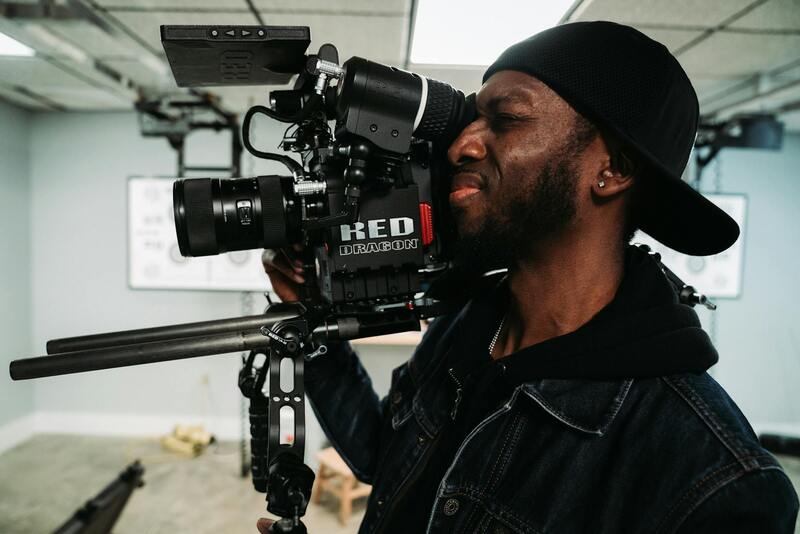
Ultimately, the strategic use of professional photography in real estate marketing creates a competitive advantage. It helps realtors build trust with clients, presents properties in their best light, and accelerates the buying process by providing clear, attractive visual information online. In an industry where image truly matters, the role of realtor photographers remains indispensable for successful property sales and marketing campaigns.
Key Skills and Equipment for Realtor Photographers
Realtor photographers must possess a diverse skill set to produce compelling and effective property images. A deep understanding of composition and framing ensures that each shot highlights the property's most attractive features, while maintaining perspective to prevent distortions that could mislead viewers. Attention to detail guarantees that interiors and exteriors are captured in their best light, emphasizing spaciousness, natural light, and unique architectural qualities.
Lighting mastery is essential, both in natural and artificial sources, to create inviting atmospheres that accurately reflect the property's ambiance. Proper lighting not only enhances visual appeal but also ensures consistency across images, which is particularly important in showcasing properties with varied lighting conditions.
Photo editing skills are equally vital, allowing photographers to correct distortions, adjust color balance, and remove minor imperfections. Exhibiting professionalism through high-resolution imagery and seamless editing reinforces the trustworthiness of marketing materials, directly influencing prospective buyers’ perceptions.
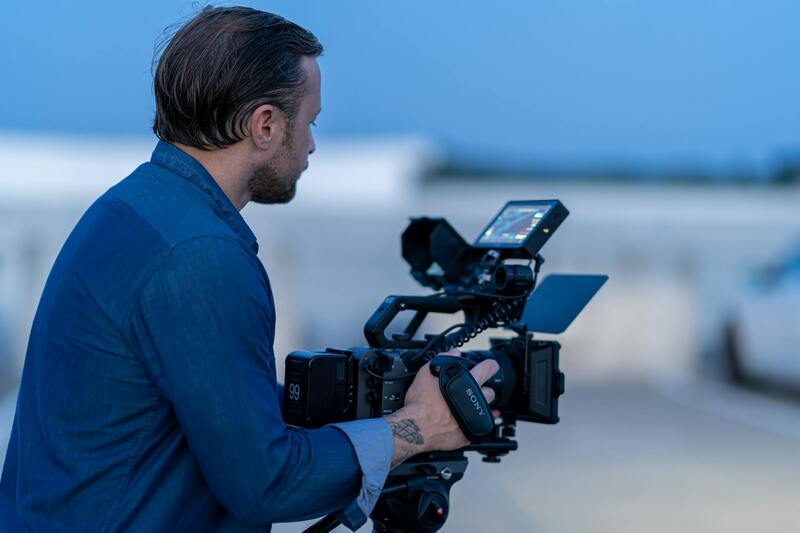
Essential Equipment for Professional Real Estate Photography
- Full-frame DSLR or mirrorless camera—provides high-resolution images with excellent clarity.
- Wide-angle lenses—capture expansive interior views that showcase room size and layout.
- Tripods—ensure stability and sharpness, especially in low-light conditions.
- Professional lighting kits—eliminate shadows and highlight details effectively.
- Drone cameras—capture breathtaking aerial shots of the property and surrounding features.
- Photo editing software—such as Adobe Lightroom or Photoshop—for post-processing and enhancement.
Investing in quality equipment allows realtor photographers to deliver consistent, top-tier imagery that elevates property listings and enhances a realtor’s competitive edge in Miami’s dynamic market.
Role of Realtor Photographers in Real Estate Marketing
Realtor photographers hold a pivotal position in the competitive landscape of Miami's real estate market by providing high-quality imagery that captures the unique essence of each property. Their role extends beyond mere documentation; they are strategic partners who craft visual narratives that resonate with potential buyers and elevate a property’s market presence. Through meticulous attention to detail and an understanding of real estate marketing strategies, these professionals help realtors stand out in a crowded market. They work closely with agents to understand the property's selling points and target audience, translating that knowledge into visual stories that highlight both aesthetic appeal and functional layout.
A proficient realtor photographer ensures that every image reflects the property's best features, from spacious interiors to picturesque exteriors, creating an immersive experience for prospective buyers. This process involves selecting optimal angles, leveraging natural light, and utilizing advanced photographic techniques to produce images that are not only visually appealing but also accurately represent the space. The impact of such imagery significantly influences the online engagement of listings, often translating into increased viewing appointments and quicker sales. Moreover, in a city like Miami, known for its vibrant real estate scene, professional photography has become a critical element in differentiating listings and establishing trust with clients.
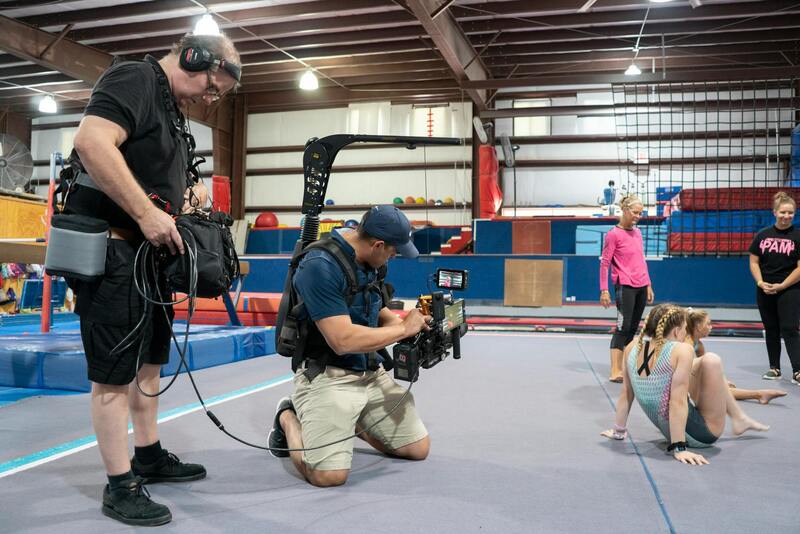
Key Skills and Equipment for Realtor Photographers
To execute their responsibilities effectively, realtor photographers in Miami must possess a blend of technical expertise, artistic sensibility, and industry knowledge. Mastery of camera settings, lighting techniques, and post-processing software ensures high-quality output tailored to each property's unique characteristics.
- Technical Skills: A deep understanding of camera operation, including aperture, shutter speed, and ISO adjustments, enables photographers to adapt to various lighting conditions and achieve sharp, balanced images.
- Creative Composition: An eye for framing and perspective allows capturing spaces in a way that emphasizes their best features and spatial flow.
- Photo Editing Proficiency: Skills in editing software like Adobe Lightroom and Photoshop are essential for enhancing colors, correcting distortions, and removing imperfections to present pristine images.
- Equipment Mastery: Utilization of professional-grade gear, including full-frame DSLR or mirrorless cameras, wide-angle lenses for interior shots, drone technology for aerial views, and lighting equipment, supports consistent high-quality results.
Types of Property Photography Commonly Used
Effective real estate marketing employs a variety of photography styles that collectively provide a comprehensive visual narrative of the property. These include:
- Interior Photography: Showcases the layout, space, and design elements within the property, often utilizing wide-angle lenses to capture more in one shot.
- Exterior Photography: Highlights curb appeal, architectural features, and landscaping to make a strong first impression.
- Aerial Photography: Provides sweeping views of the property and surrounding amenities, often captured through drone technology to emphasize location advantages.
- Twilight Photography: Captures properties during the evening when outdoor lighting enhances ambiance, giving listings a warm and inviting feel.
Legal and Confidential Aspects in Real Estate Photography
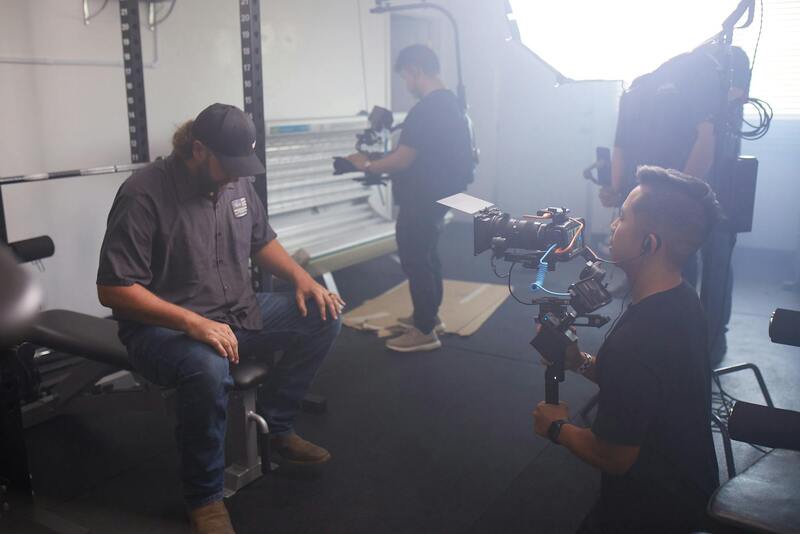
In the realm of real estate marketing, the use of professional photography entails a range of considerations that ensure images are used appropriately and ethically. Securing necessary permissions before photographing a property is essential, particularly when dealing with units within condominiums or gated communities, where property access may be restricted or require prior authorization. This not only safeguards the photographer’s and realtor’s reputation but also fosters trust with property owners and residents.
When capturing images, especially those featuring interior spaces, special attention should be paid to privacy and confidentiality. Photographers must avoid including personal items or sensitive information inadvertently visible in photos. For example, documents, personal belongings, or private spaces should either be excluded from shots or adequately masked during editing. This helps maintain the privacy of current residents and prevents any potential misuse of images.
Moreover, the storage and dissemination of property images should adhere to strict standards. Digital files need to be securely stored to prevent unauthorized access or distribution. Employing encrypted storage solutions and ensuring that images are shared only through secure channels are best practices for protecting the interests of clients and maintaining confidentiality.
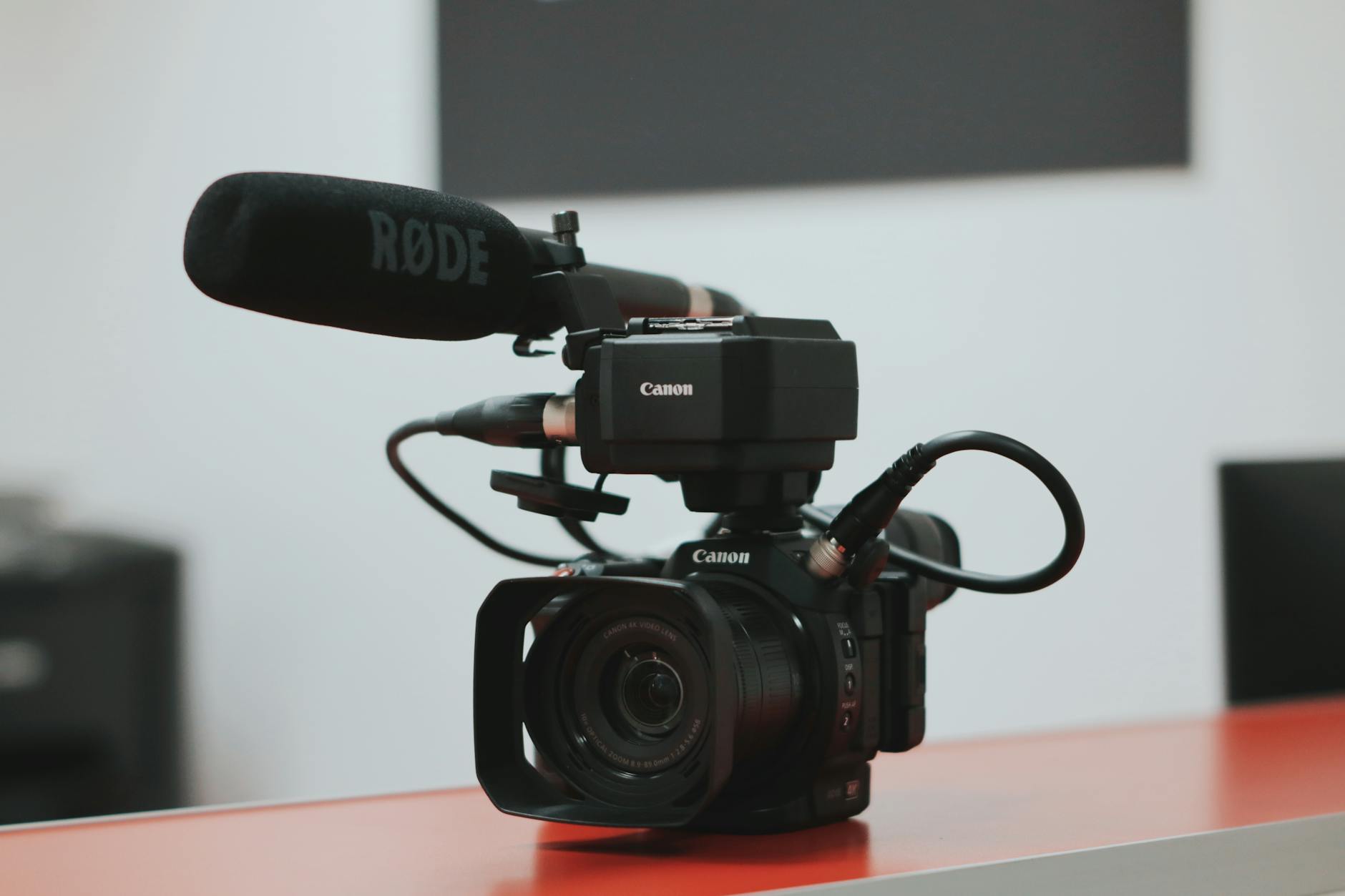
In addition, the use of images in marketing materials must be precise and truthful. Misrepresentation through enhancements or editing that exaggerate the property's features can lead to conflicts or dissatisfaction from prospective buyers. Skilled photographers and agents work together to present a realistic yet appealing depiction, sometimes employing subtle edits that enhance the visual appeal without compromising authenticity.
Finally, legal considerations extend to copyright and licensing. Photographers typically retain copyright over their images, which means that proper licensing agreements should be in place when images are used for promotional purposes. These agreements specify how images can be reproduced, distributed, or modified, providing clarity and protection for all parties involved.
Overall, integrating these legal and confidentiality measures into the workflow of realtor photographers helps uphold professionalism, protect client interests, and ensure that marketing efforts are conducted ethically and responsibly.
Choosing a Realtor Photographer in Miami
In Miami's competitive real estate market, selecting the right realtor photographer is essential for achieving visually compelling property listings. The process begins with assessing a photographer’s portfolio to ensure their style aligns with the property’s character and target audience. Look for consistency in quality, attention to detail, and an ability to capture a property’s unique features effectively. It’s also vital to consider the photographer’s familiarity with Miami’s diverse architectural styles and neighborhoods, as local expertise can enhance the authenticity of images.
Next, consult reviews, testimonials, or references from previous clients to gauge professionalism and reliability. A reputable realtor photographer should exhibit a strong understanding of real estate marketing strategies, including optimal lighting, angles, and compositions that highlight a property’s best features. Communication skills are equally important; clear, prompt exchanges about project scope, timelines, and expectations help ensure a seamless collaboration.
When evaluating potential photographers, inquire about their equipment and post-processing capabilities. Advanced cameras with high dynamic range, drone photography tools for aerial shots, and 3D virtual tour technology are increasingly sought after in Miami. Equally important are the editing techniques used—subtle enhancements that brighten rooms, correct distortions, and improve overall visual appeal without creating misrepresentations.
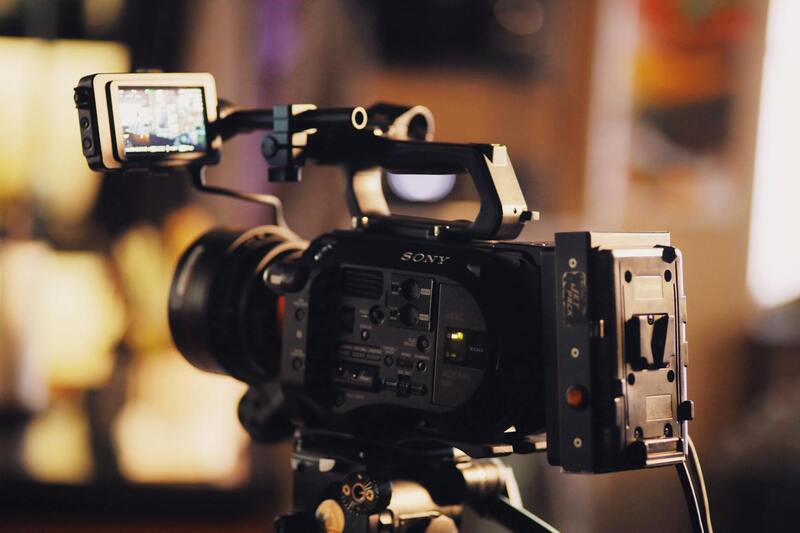
Another consideration involves logistical arrangements. Confirm the photographer’s availability to meet your listing timeline and their capacity to handle multiple properties if necessary. A reliable professional should also adhere to strict confidentiality protocols and copyright agreements, ensuring your property images are protected and used appropriately for your marketing efforts.
Finally, establishing a clear contractual agreement that details pricing, scope of work, rights to images, and confidentiality policies prevents misunderstandings and secures the necessary legal protections. This comprehensive approach to choosing a realtor photographer ensures your Miami property listings are presented with maximum visual impact, attracting qualified buyers and helping you stand out in a crowded market.
Legal and Confidential Aspects in Real Estate Photography
Incorporating professional realtor photography into your property marketing strategy involves understanding and respecting key legal and confidentiality considerations. These elements ensure that the use of images aligns with industry standards and protects both the photographer and the client throughout the marketing process.
Intellectual Property Rights
When hiring a realtor photographer, it is essential to clarify the ownership and usage rights of the images produced. Typically, photographers retain the copyright to their work unless a licensing agreement transfers those rights to the real estate agent or agency. Clear agreements detail whether the images can be used across multiple listings, in advertisements, or on online platforms. This transparency prevents unauthorized use or reproduction, maintaining control over the property's visual assets.
Image Usage and Distribution
Realtors must ensure that images are used solely for the purposes agreed upon, such as specific listings or marketing campaigns. Unauthorized sharing or distribution beyond the scope agreed upon can lead to legal complications. Establishing contracts that specify where and how images can be published helps maintain compliance and avoid disputes. For real estate professionals in Miami, working with photographers who understand these restrictions guarantees images are distributed responsibly and effectively.
Confidentiality and Privacy
In certain cases, properties may contain confidential information or sensitive details. Realtors and photographers should handle such data with care, ensuring that any visual content does not inadvertently reveal private aspects unrelated to the listing’s appeal. For properties with high-profile or private owners, confidentiality agreements safeguard personal information and restrict the use of images to approved channels only.
Permissions and Access
Obtaining permission to photograph certain features or areas of a property is a vital step. This is particularly relevant in cases involving occupied homes, commercial spaces, or properties with security concerns. Additionally, a detailed access schedule facilitates efficient shoot planning, ensuring the photographer can capture comprehensive images without intruding on tenants' privacy or violating property rights.
Adherence to Regulations
Photographers should be aware of local regulations, especially regarding drone photography or aerial shots. Miami's airspace regulations require proper certification and adherence to drone operation guidelines to prevent legal complications. Proper licensing and permissions for aerial photography contribute to compliance, safeguarding the marketing process from unnecessary delays or issues.
Protecting Digital Assets
Once images are produced, they should be stored securely and protected with appropriate digital rights management practices. This minimizes the risk of unauthorized downloads or misuse. Strategically, real estate agencies can include clauses in their contracts that specify image retention policies and rights to use the photos within established timeframes, thus managing long-term digital asset security effectively.
Legal and Confidential Aspects in Real Estate Photography
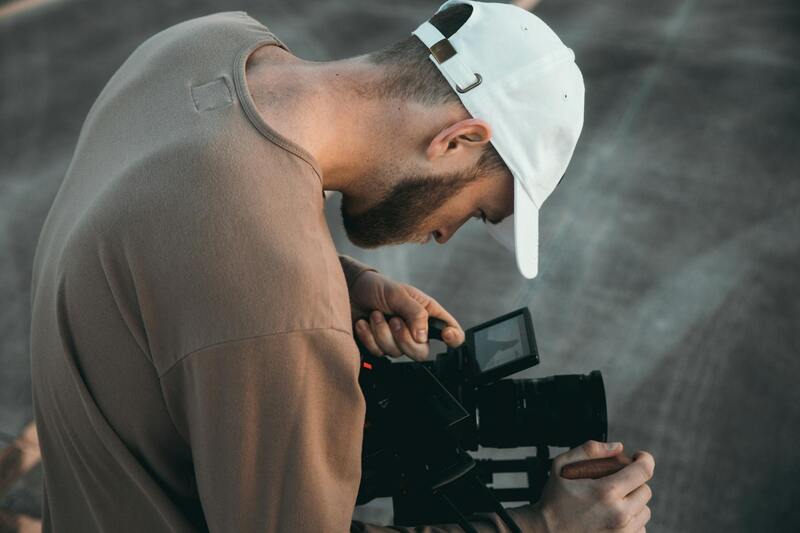
Engaging in professional real estate photography involves navigating several critical legal and confidentiality considerations that directly impact the integrity of the marketing process. These aspects encompass property access, image rights, and privacy concerns, which must be addressed meticulously to foster trust and compliance.
Property access agreements are foundational to ensuring a smooth photography session. It is essential that realtors or property owners grant explicit permission for photographers to enter and photograph specific areas. This is particularly important when dealing with occupied homes or commercial spaces, where privacy and security are paramount. Clear documentation of access permissions reduces the risk of misunderstandings and facilitates seamless scheduling.
Ownership of images generated during the shoot is another area requiring careful attention. Typically, photography contracts specify whether the photographer retains rights to the images or if these are transferred to the realtor or property owner. Establishing these rights upfront prevents potential disputes. Moreover, securing consent from individuals who might appear in the photos—such as tenants, employees, or visitors—is crucial. Releasing releases or waivers authorize the use of their likenesses, safeguarding against any future claims related to privacy or misrepresentation.
Privacy considerations extend beyond image rights. Photographers must respect the confidentiality of sensitive property features or layouts that are not intended for public view. Furthermore, digital asset management practices play a role in protecting these images from unauthorized dissemination or misuse. Implementing secure storage solutions, access controls, and digital rights management ensures that images are only used within agreed parameters and for specified durations.
Local regulations regarding aerial photography, especially drone usage, also fall under this category. Obtaining the necessary permits and certifications is essential for complying with airspace and safety guidelines, thereby preventing legal complications and ensuring the photography process proceeds without delays.
Establishing comprehensive contracts that clearly delineate rights, permissions, and confidentiality obligations creates a transparent framework for all involved parties. Such agreements bolster professional standards and protect the interests of real estate professionals, clients, and photographers alike.
Legal and Confidential Aspects in Real Estate Photography
Maintaining professionalism and adhering to proper legal standards in real estate photography is fundamental to sustaining trust and integrity within the property market. In Miami, where diverse properties and vibrant neighborhoods attract numerous potential buyers, realtors and photographers must implement sound practices to manage privacy, rights, and confidentiality effectively.
Privacy and Consent Management
Securing consent from individuals present during property shoots is a primary legal consideration. This may include tenants, employees, or visitors. Use of release forms or waivers ensures that all parties agree to their images being used for marketing purposes, reducing the risk of misunderstandings or disputes later. These documents should clearly specify the scope of use, duration, and any limitations, serving as a formal acknowledgment of consent.
Respecting Confidentiality of Property Details
Beyond personal privacy, photographers and realtors are responsible for protecting sensitive property information. Certain features, layouts, or configurations may be confidential owing to security concerns or strategic reasons. Limiting access to high-resolution images, avoiding the display of proprietary details, and securing digital assets can prevent unauthorized sharing or misuse of valuable property data.
Digital Asset Security
As digital images become integral to marketing strategies, safeguarding these assets is critical. Secure storage solutions, encrypted file sharing, and access controls help prevent unauthorized dissemination. Implementing digital rights management (DRM) tools ensures images are only used within defined boundaries, thereby maintaining control over marketing assets and avoiding potential misuse.
Permits and Regulation Compliance
In certain cases, particularly with drone photography or aerial shots, local regulations and airspace restrictions must be observed. Acquiring necessary permits and certifications not only demonstrates adherence to city ordinances but also facilitates smooth operations without delays. Understanding Miami’s airspace rules and obtaining formal permissions exemplifies responsible practice in real estate photography.
Contractual Agreements and Ethical Standards
Establishing comprehensive contracts with clearly delineated rights, responsibilities, and confidentiality clauses fosters transparency among realtors, clients, and photographers. Such agreements ensure all parties are aware of their obligations and provide a framework for addressing potential issues proactively. Ethical standards in photography—such as accurate representation, avoiding overly edited images, and respecting all privacy rights—are central to foster credibility in property listing practices.
Image Usage and Distribution Guidelines
Specifying permissible uses of images and establishing restrictions on dissemination can mitigate risks associated with unauthorized sharing. These guidelines should cover storage durations, access levels, and usage rights, aligning with the contracts agreed upon at project inception. Proper handling of images not only safeguards legal interests but also enhances professional reputation.
Local Regulations Specific to Miami
Miami’s unique jurisdictional rules regarding photography, drone flights, and privacy preservation necessitate detailed knowledge from professionals involved. Complying with city ordinances and staying updated on evolving regulations helps prevent legal complications and ensures the seamless execution of marketing strategies.
Implementing Best Practices
- Develop comprehensive consent forms for all individuals appearing in images.
- Limit access to high-resolution and sensitive images through secure, password-protected storage.
- Obtain necessary permits for aerial photography and drone usage, following Miami’s specific airspace regulations.
- Create clear contractual agreements that outline rights, confidentiality, and permitted usage.
- Educate all team members on privacy expectations, legal liabilities, and ethical standards in property photography.
By systematically addressing these legal and confidentiality considerations, realtor photographers and real estate professionals can uphold high standards of integrity and trustworthiness, aligning their practices with official guidelines and local regulations. This approach not only safeguards all stakeholders involved but also enhances the overall quality and credibility of property marketing efforts in Miami.