
Importance of High-Quality Realtor Photography
In the highly competitive Miami real estate market, the difference between a property that sells quickly and one that remains on the market can often be attributed to the quality of visual presentation. Realtor photography plays a crucial role in showcasing a property's unique features and creating an emotional connection with potential buyers. High-resolution, professionally crafted images can dramatically enhance the perceived value of a property, drawing more attention from prospective clients and ultimately leading to faster sales.
Professionally captured images highlight the spatial dimensions, natural lighting, and architectural details that make a property attractive. This not only entices buyers to explore further but also fosters a sense of trust and credibility with real estate agents and agencies. When a listing features compelling visual content, it stands out amidst a sea of other properties, capturing the interest of individuals browsing through online platforms or print advertisements.
Miami's real estate market is characterized by its diversity—from luxury waterfront properties to urban condos and sprawling family homes. In such a dynamic environment, realtor photography acts as a bridge that connects buyers with their ideal property. It also significantly increases engagement metrics on listing websites, with images often serving as the first impression that influences a potential buyer’s decision-making process.
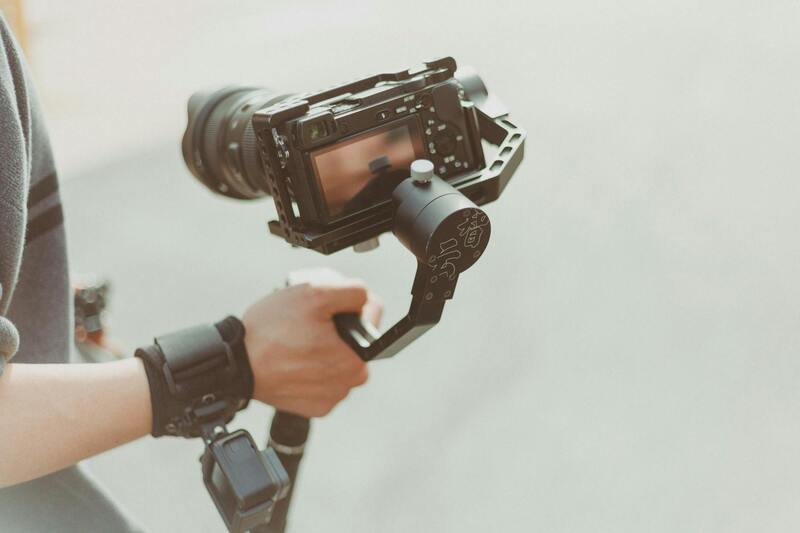
Beyond aesthetics, professional photography ensures accuracy in representing the property's condition and features, reducing misunderstandings or mismatched expectations that can occur with amateur images. This transparency fosters buyer confidence, facilitating smoother negotiations and quicker transactions. As the Miami real estate landscape continues to evolve, leveraging the highest quality images becomes indispensable for agents and property owners seeking to maximize their market presence and sales potential.
Key Elements of Effective Realtor Photography
Successful realtor photography combines technical skill with artistic vision. The key elements include optimal lighting, strategic composition, and attention to detail. Using natural light wherever possible can create inviting and bright images that make spaces feel larger and more welcoming. Composition involves framing shots to emphasize a property's best features, creating a cohesive visual story that appeals to viewers’ emotions and imaginations. Ensuring clarity and sharpness across all images guarantees that prospective buyers can assess the property's quality accurately, fostering greater trust and interest.
Technical Considerations
- Use of wide-angle lenses to capture spacious interiors and exteriors
- Proper exposure to highlight lighting and avoid dark or overexposed areas
- Stability techniques, such as tripods, to prevent blurry images
- Consistent color balance to reproduce accurate hues and tones
Artistic Elements
- Strategic angles to showcase key features
- Inclusion of outdoor scenery and landscaping to contextualize the property
- Highlighting unique architectural details that set the property apart

In Miami's vibrant real estate scene, investing in professional realtor photography is no longer optional but integral to achieving success. Skilled photographers understand the nuances of capturing properties in ways that resonate with potential buyers, emphasizing the lifestyle and luxury that Miami properties epitomize. Through a process that balances technical excellence and creative expression, real estate professionals can leverage high-impact visuals to outperform competitors and close deals more efficiently.
Key Elements of Effective Realtor Photography
Compelling realtor photography hinges on several critical components that collectively enhance the visual appeal of property listings. Mastery over lighting ensures that each shot accurately reflects the property’s ambiance and highlights distinctive features. For example, utilizing natural light during daytime shoots can evoke a warm, inviting atmosphere, while controlled artificial lighting can emphasize architectural details in low-light conditions.
Composition plays a vital role in directing the viewer's eye toward focal points within a space. Effective framing and the use of leading lines can guide attention toward key elements such as a stunning kitchen island or a panoramic view from a balcony. Proper placement of furniture and decor during staging complements this composition, creating balanced images that showcase the property's full potential.
Angles influence the perception of space and scale. Wide-angle lenses are often employed to make rooms appear more spacious, providing viewers with a comprehensive perspective of the layout. Strategic camera positioning also emphasizes architectural symmetry and unique design details, setting the property apart from others in the market.
Staging is an often-overlooked yet indispensable component. A thoughtfully staged home, with clutter minimized and decor harmonized, enhances visual storytelling. It allows prospective buyers to envision living in the space, aligning with their aspirations and lifestyle preferences. Proper staging combined with high-quality imagery significantly increases engagement and queries from potential buyers.
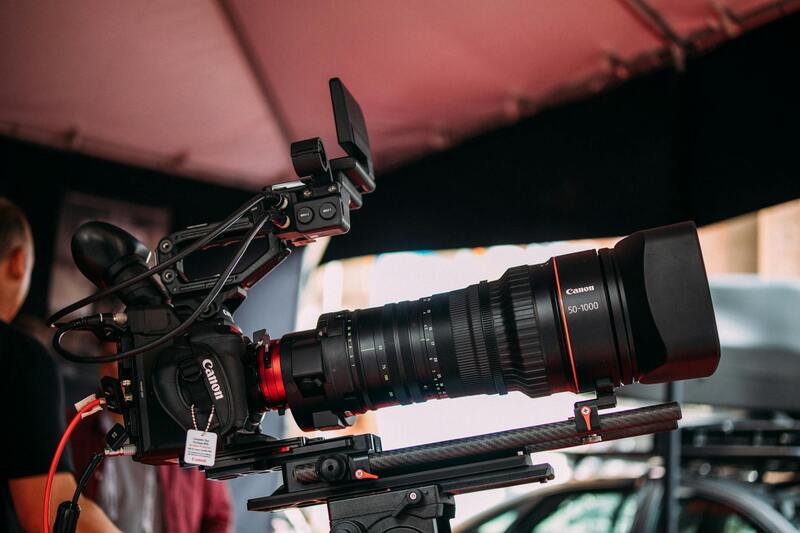
The integration of these elements results in images that are not only visually appealing but also strategically designed to attract and retain interest. It’s this meticulous approach that transforms simple photography into a powerful marketing tool capable of accelerating property sales and maximizing market value.
High-caliber realtor imagery fosters trust and credibility, essential factors in today’s digital real estate environment. Buyers increasingly rely on online visuals to filter and shortlist properties; thus, exceptional photography ensures listings stand out amid fierce competition, particularly within dynamic markets like Miami’s. Incorporating these key elements consistently across listings solidifies a professional reputation and positions real estate agents at the forefront of innovative marketing strategies.

Choosing the Right Photographer and Equipment
Securing professional expertise is fundamental to achieving top-tier realtor photography that effectively highlights a property's best features. Selecting a photographer with a proven track record in real estate imaging ensures familiarity with industry standards and the ability to capture images that resonate with potential buyers. An experienced realtor photographer understands the nuances of lighting, composition, and staging that make listings stand out in competitive markets. Moreover, they are proficient with advanced camera equipment, including high-resolution digital cameras, wide-angle lenses, and professional lighting setups, which are essential for capturing both expansive interiors and detailed exterior shots.
Investing in premium equipment significantly enhances image quality. DSLR or mirrorless cameras with high megapixel counts ensure crisp, clear photographs that reveal every detail. Wide-angle lenses facilitate the portrayal of spacious environments, making rooms appear larger and more inviting. Additionally, proper lighting tools, such as external flashes or continuous lighting setups, help eliminate shadows and highlight the property's best features regardless of natural light conditions. Ability to control these variables guarantees uniformity across all listing images, creating a cohesive visual presentation that appeals to prospective buyers.

Photo Editing and Post-Processing Techniques
Post-processing is a critical step that complements the raw imagery captured during the shoot. Professional editing involves adjustments to color balance, exposure, and contrast to present the property accurately and attractively. Enhancing lighting can brighten dim areas, while subtle corrections to perspective help straighten lines and correct distortion from wide-angle lenses. Removing minor imperfections, such as blemishes or distracting objects, ensures the images focus solely on the property’s appealing features. Additionally, applying consistent color grading and tonal enhancements creates a polished look that reinforces the listing's professionalism.
Advanced editing software like Adobe Photoshop or Lightroom allows for precise control over every aspect of the images. Skilled editors understand how to optimize images for various viewing devices, ensuring that photographs appear vibrant and detailed across desktop and mobile platforms. Effective post-processing not only improves visual impact but also aligns images with the overall branding and marketing theme, reinforcing the agent's professionalism and dedication to quality.
Optimizing Realtor Photos for Online Listings
Once images are finalized, optimization for online platforms is paramount. High-resolution images should be compressed strategically to balance clarity with fast loading times, enhancing user experience across websites and mobile devices. Implementing descriptive, keyword-rich alt text improves visibility in search engine results, increasing the likelihood of attracting organic traffic. Additionally, utilizing proper file naming conventions facilitates better indexing and searchability, making it easier for prospective buyers to find the listing through relevant queries.
Maximizing visual impact also involves selecting the right order and type of images for virtual tours, sliders, and thumbnails. Prioritizing the most compelling exterior and interior shots ensures that viewers receive an engaging first impression. Including a diverse set of images—exteriors, interiors, key amenities, and unique features—provides a comprehensive view that fosters trust and sparks meaningful interest among potential buyers.
Legal and Ethical Considerations in Realtor Photography
Maintaining transparency and accuracy in real estate imagery is critical for fostering trust and ensuring a positive experience for potential buyers. Realtors must adhere to best practices that promote honesty in their listings. This includes accurately representing the property without misleading enhancements, such as excessive retouching or misleading angles that could distort the true condition of the property. Ensuring that all photos reflect the real state of the property helps in setting appropriate expectations and minimizes the risk of disputes or dissatisfaction after a sale. In addition to truthful representations, compliance with property rights involves securing any necessary permissions for featuring private or restricted areas, as well as for individuals who may appear in the images. It is important to obtain consent from individuals portrayed, especially in interior shots or images of private outdoor spaces. Respect for privacy extends to avoiding the capture of sensitive or proprietary information within photos. Properly managing image metadata is another ethical aspect to consider. Refraining from falsifying or manipulating metadata related to image origin, date, or location preserves the authenticity of the content and supports transparency in marketing efforts. Furthermore, adhering to industry standards by including accurate and descriptive captions enhances the relevance of images and assists prospective buyers in understanding the context of each shot. By embracing these principles, real estate professionals demonstrate a commitment to integrity and professionalism, which enhances their reputation and promotes sustainable success in the competitive Miami property market. Ethical practices in realtor photography also contribute to a more trustworthy online environment, ultimately benefiting both buyers and sellers.

Photo Editing and Post-Processing Techniques
Achieving visually compelling realtor photography extends beyond capturing high-quality images during a shoot. Post-processing plays a vital role in refining each photograph to meet professional standards, ensuring the property is presented in the most appealing way possible. Proper editing involves color correction to balance exposure and white balance, which guarantees that images accurately reflect the property's true appearance and lighting conditions. Retouching may include eliminating minor blemishes, distracting objects, or imperfections that could detract from the overall presentation without altering the authentic look of the space.
Enhancement techniques, such as increasing sharpness and clarity, help emphasize architectural features and interior details, making rooms appear more inviting and spacious. Adjusting contrast and saturation enhances the vibrancy of interior and exterior elements, capturing attention and evoking a positive emotional response. When utilized judiciously, these tools can highlight the unique selling points of a property, from stunning ocean views to designer finishes.
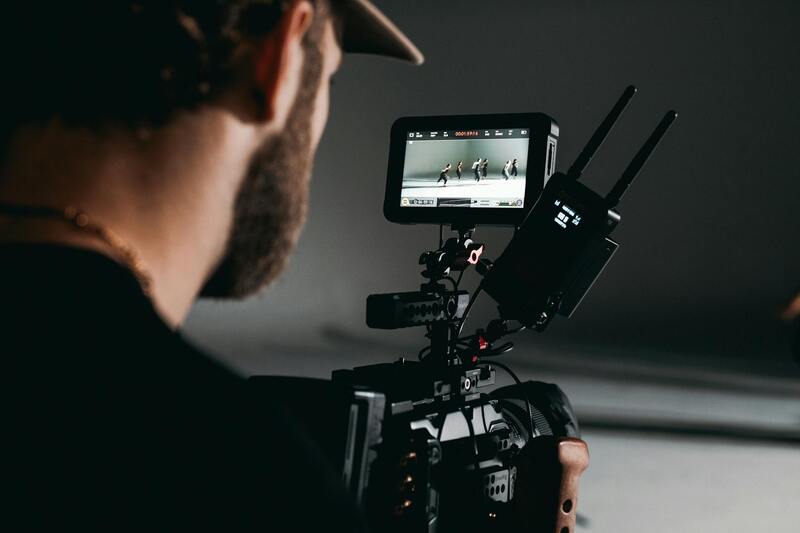
It is essential that editing remains transparent, avoiding over-manipulation that could mislead prospective buyers or distort the property's true characteristics. The goal is to showcase the property’s natural beauty while maintaining a realistic and trustworthy image. Careful adjustments during post-production support a consistent visual style across all listing photos, providing a cohesive and professional appearance that builds confidence among potential clients.
Optimizing Realtor Photos for Online Listings
Once images are finalized, optimizing them for online platforms involves multiple strategic steps. Compressing images to ensure fast load times enhances user experience, particularly on mobile devices. Selecting the appropriate file formats and resolutions balances quality with performance, avoiding pixelation or sluggish pages that discourage viewers.
Composite images or virtual staging can be integrated if necessary, to illustrate potential layouts or furnish empty rooms, increasing their appeal. Additionally, strategic cropping ensures that the primary focal points are prominently displayed, guiding viewers' attention to the property’s most attractive features. Properly optimized photos not only improve search engine ranking but also increase the likelihood of attracting qualified buyers quickly.
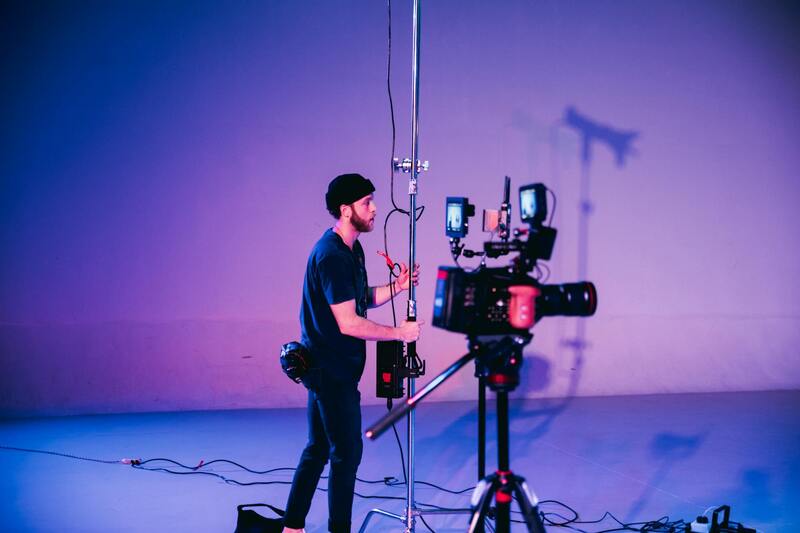
To maximize impact, accompanying captions should be descriptive yet concise, referencing key property features or recent upgrades. This provides context to viewers, helping them visualize living in the space and fostering emotional connections with the property. When combined, high-quality editing and optimal listing presentation form a powerful marketing tool that elevates real estate offerings and accelerates sales processes.
Legal and Ethical Considerations in Realtor Photography
When creating visual content for real estate listings, adhering to established standards not only preserves the integrity of your marketing efforts but also fosters trust among potential buyers. Ensuring that all images accurately represent the property is paramount; deceptive or misleading visuals can lead to confusion and diminish credibility.
One fundamental aspect is obtaining proper permissions when photographing within private or restricted spaces. Property owners and tenants should be informed about the intended use of images, especially if the photos will be publicly displayed or used in advertisements. Respect for privacy and property rights is essential to maintain positive relationships and uphold professional standards.
It's also crucial to avoid manipulations that could alter the true appearance of a property. While enhancements such as correct color correction and minor adjustments are acceptable to improve visual appeal, altering structural elements or adding features not present in reality compromises transparency. Such practices can mislead prospective buyers and may diminish confidence in the listing.
Similarly, complying with industry guidelines regarding the representation of space, lighting, and features helps create consistent and predictable visuals. Accurate descriptions paired with genuine images facilitate informed decision-making, increasing the likelihood of successful transactions.
Photographers should also stay mindful of copyright laws, ensuring they have the rights to all images used and avoiding unauthorized use of third-party photos. Proper attribution and licensing safeguard against potential legal complications and preserve professional integrity.
Maintaining transparency, respecting privacy, and practicing honesty in visual content not only meet industry standards but also support long-term success in real estate marketing efforts. Developing a reputation for reliable and authentic imagery draws more qualified clients and fosters sustainable business growth.
Legal and Ethical Considerations in Realtor Photography
Maintaining ethical standards and respecting legal boundaries are essential aspects of professional realtor photography. One fundamental requirement is obtaining explicit consent from property owners or authorized representatives before capturing images of a property. This ensures that all parties are aware of and agree to the visual documentation being used for marketing purposes. Such consent typically involves clear communication about where and how the images will be displayed and distributed, reinforcing trust and clarity throughout the transaction process.
Avoiding misleading or deceptive visuals is equally important. Photographers should adhere to honest representation by accurately depicting the property's features, layout, and condition. This means refraining from using techniques that could exaggerate a property's size, exclude imperfections, or artificially enhance its appeal in a way that could mislead potential buyers. For instance, wide-angle lenses should be used responsibly to prevent distortion that might give a false impression of space.
Transparency in marketing visuals extends to disclosing any alterations made during post-processing. Minor adjustments, such as correcting color balance or lighting, are acceptable, but images should never be manipulated to misrepresent the property's actual appearance. Clear distinctions between real and edited images foster trust and demonstrate integrity in promotional efforts.
Furthermore, adhering to copyright and licensing laws is essential. Photographers must ensure they hold the rights to all images used and avoid incorporating third-party photos without proper permissions. Proper attribution of photography and the use of licensed images prevent potential legal conflicts while maintaining a professional image for the agency or individual real estate agent.
Respect for client privacy must be prioritized during the photography process. Sensitive areas or personal belongings should be excluded from images when necessary, and consent should be obtained if recognizable individuals are present in any shots. Such practices demonstrate respect for privacy rights and contribute to ethical marketing standards.
Overall, a commitment to legal compliance and ethical practices in realtor photography not only enhances reputation but also builds confidence among clients and prospective buyers. Clear communication, truthful visual presentation, and lawful use of images collectively support sustainable success in the competitive real estate market.
Legal and Ethical Considerations in Realtor Photography
Maintaining strict adherence to ethical standards and legal guidelines in realtor photography is fundamental to fostering trust and professionalism in the real estate industry. Accurate representation of properties through photographs not only preserves the integrity of listings but also solidifies the reputation of real estate agents and agencies. Ensuring transparency in image production involves disclosing any enhancements or alterations made during post-processing. Minor adjustments, such as correcting lighting, color balance, or saturation, are widely accepted; however, manipulating images to exaggerate the size, layout, or features of a property is discouraged. Such practices can mislead potential buyers, leading to disappointment and mistrust once they visit the property in person.
Equally important are issues surrounding copyright and licensing. Photographers must retain rights to their images or secure proper licensing to prevent infringement. Using third-party or stock images without appropriate permission can expose agents to legal complications and undermine the credibility of their marketing efforts. Additionally, appropriately attributing photography work when required supports ethical standards and acknowledges the creative contributions of professional photographers.

Respect for client privacy must always be prioritized. This includes obtaining explicit consent before photographing individuals or private spaces, especially where personal belongings or sensitive areas are visible. It is equally essential to exclude personal items or disclosures that could compromise privacy, ensuring that only the relevant features of the property are showcased. When recognizable individuals are present, consent is required to avoid ethical conflicts and potential legal repercussions.
Implementing a transparent and ethical approach to realtor photography supports long-term success in the competitive real estate market. It reassures clients about the authenticity of listings and demonstrates the professional integrity of agents. Clear communication about the nature of image editing, along with adherence to privacy and copyright laws, embodies responsible marketing practices. By consistently applying these standards, real estate professionals enhance their service quality and build stronger, trust-based relationships with clients and prospects.