
Understanding Residential Photography
Residential photography is a specialized branch of professional photography focused on capturing the essence, layout, and unique features of residential properties. This form of photography plays an essential role in the real estate industry by visually showcasing homes, apartments, and other living spaces to potential buyers and tenants. High-quality images serve as the first point of contact, creating a compelling visual narrative that highlights a property's best attributes.
Effective residential photography goes beyond mere documentation; it aims to evoke an emotional response from viewers, encouraging them to envision themselves living in the space. Whether it's a cozy bungalow or a luxurious penthouse, the goal remains to present each property in a manner that emphasizes its strengths and appeals to targeted markets.
The importance of residential photography in real estate marketing cannot be overstated. In today’s digital age, most home searches begin online where visual content is paramount. Listings with professional images attract significantly more attention and engagement compared to those with amateur photos. This increased visibility often translates into faster sales or rentals and potentially higher property values due to the compelling presentation of the property’s potential.
 igure>
Professional residential photography also helps real estate agents and property owners stand out in competitive markets like Miami. It ensures that each property is represented accurately, highlighting architectural details, interior design, and outdoor spaces with clarity and vibrancy. Proper lighting, angles, and composition work together to make properties appear warm, inviting, and to maximize visual appeal.
Beyond marketing, residential photography documents the property's condition and features, serving as a record for both the seller and the potential buyer. This documentation becomes especially valuable during negotiations, inspections, or future resales, providing a clear visual history of the property's state at the time of listing.
In summary, residential photography is a vital component of effective real estate marketing that requires a keen eye for detail, understanding of property features, and mastery of photographic techniques. It elevates property presentations, helps in engaging a broader audience, and ultimately assists in achieving quicker sales or rentals in a competitive Miami market.
Understanding Residential Photography
The core of captivating residential photography lies in effectively capturing the unique character and appeal of each property. This involves a strategic combination of technical skill and artistic insight to portray spaces in their best light. The goal is to showcase not only the physical attributes of a property but also its potential to resonate emotionally with prospective buyers or tenants. Clear, well-composed images allow viewers to envision themselves living in or inhabiting the space, creating an initial spark of interest that can lead to inquiries and viewings.

In a vibrant real estate market like Miami, high-quality images become a crucial differentiator for property listings. They transform a simple online listing into a compelling visual story that captures attention amid a sea of competitors. Skilled residential photography involves more than just pointing and shooting; it requires a keen understanding of how to utilize natural and artificial lighting, select optimal angles, and frame interiors and exteriors to emphasize the property's strengths. The dynamic architectural styles, diverse outdoor amenities, and bright tropical environment of Miami make it essential to capture properties with the right expertise to truly stand out.
Beyond aesthetics, residential photography serves functional purposes such as providing a detailed visual record of the property's condition. This record becomes a valuable communication tool during negotiations and inspections, offering a reference point that supports transparency and clarity. It also aids in future marketing efforts, as high-caliber images can be reused or repurposed to maintain consistent branding and presentation across various campaigns.
Furthermore, professional residential photography can significantly influence the speed at which a property is sold or leased. Properties presented with high-quality images tend to attract more viewings, generate increased interest, and often command higher prices or rental rates. The visual impact created by properly executed photography helps in conveying the property's best story, ensuring it appeals to the targeted demographic efficiently and effectively.
Key Elements of Residential Photography
High-end residential photography hinges on several fundamental elements that together elevate the visual appeal of a property. These include lighting, composition, staging, and the timing of shoots. Proper lighting, whether natural or supplemented with professional equipment, illuminates spaces uniformly and accentuates design details. Composition involves choosing the best angles and framing to highlight architectural features, room flow, and outdoor views. Staging prepares the property for the shoot by decluttering and arranging furnishings to showcase scale and functionality effectively.
Achieving optimal results requires an artistic sensibility combined with technical proficiency. Mastering these elements ensures that each image not only accurately depicts the space but also enhances its desirability and marketability in Miami's competitive landscape.
Professional Equipment and Techniques
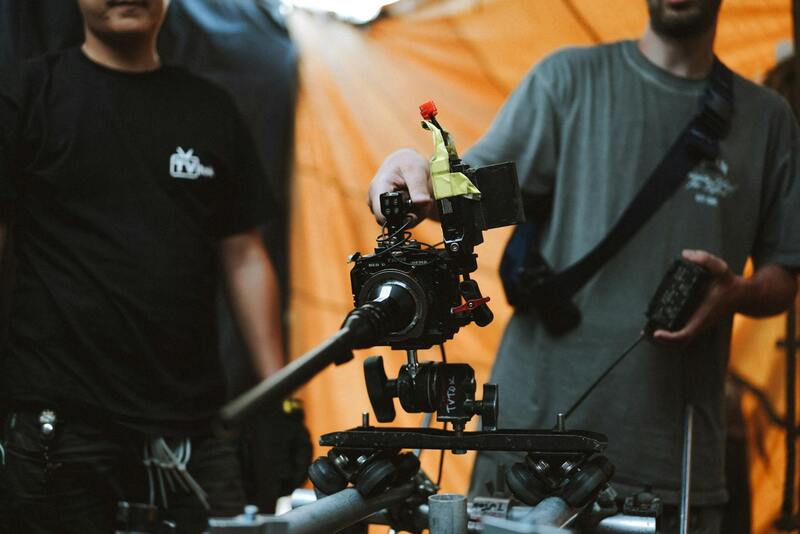
To produce striking and compelling images in residential photography, professionals rely on an array of advanced equipment and refined techniques. High-resolution digital cameras are the backbone of any successful shoot, capturing intricate details and vibrant colors essential for showcasing a property’s true appeal. Lenses specifically designed for interior and wide-angle shots, such as ultra-wide or tilt-shift lenses, allow photographers to capture expansive room views and architectural nuances with minimal distortion.
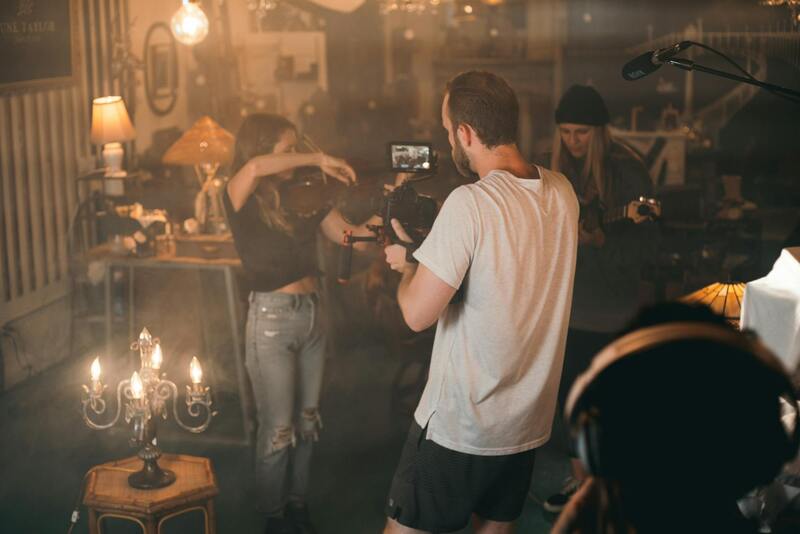
In addition to the camera gear, lighting plays a critical role in achieving high-quality results. Natural light is harnessed to create inviting atmospheres, but it is often complemented with professional lighting equipment—including softboxes, reflectors, and diffusers—to evenly illuminate spaces and eliminate shadows. This balanced lighting enhances the brightness, clarity, and color accuracy of each shot, making rooms appear more spacious and welcoming.
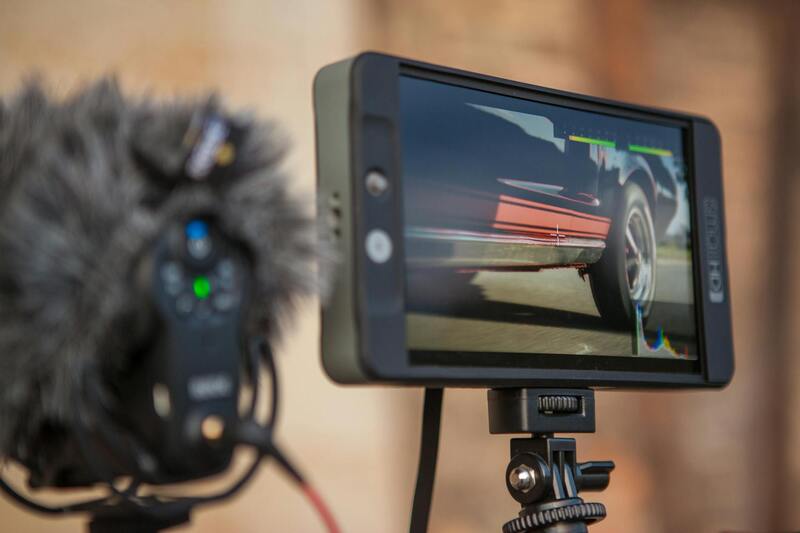
Technical expertise extends to a mastery of shooting techniques tailored to residential settings. This includes maintaining appropriate camera angles to accentuate important features, shooting at the ideal times of day to maximize natural light, and utilizing tripod stabilization to ensure crisp, sharp images. Proper exposure settings are vital to balance interior brightness and exterior views, particularly when capturing properties with large windows and multiple lighting conditions. Photographers also employ HDR (High Dynamic Range) techniques to blend multiple exposures, ensuring detail is preserved in both highlights and shadows, resulting in images that mirror what the eye perceives.
Moreover, post-shoot techniques, such as perspective correction and image stitching, are utilized to ensure that the final visuals are accurate and visually appealing. These methods help avoid distortions that can occur with wide-angle shots and enable the creation of immersive virtual tours or panoramic views, further enhancing the property's online presentation and marketing reach.
Advanced Composition Techniques for Residential Photography
Achieving compelling residential images often hinges on mastering sophisticated composition strategies. These techniques help create visually balanced and engaging photos that capture the essence of a property, making it more attractive to potential buyers or renters. Photographers frequently employ the rule of thirds to position key features dynamically within the frame, guiding viewers’ eyes toward focal points such as fireplaces, kitchen islands, or panoramic window views. Leading lines, like hallways or architectural details, serve to draw attention inward and create a sense of depth, inviting viewers into the space. Furthermore, the use of natural light plays a crucial role in composition. Photographers aim to shoot during the golden hour—shortly after sunrise or before sunset—when daylight is softer and warmer, which imparts a cozy and inviting ambiance to the scene. Incorporating symmetrical arrangements, especially in formal living rooms or outdoor spaces, enhances visual harmony, making the property appear well-designed and meticulously maintained. Elevating a photograph also involves careful consideration of perspective. Low-angle shots can make ceilings appear higher, while high-angle views offer a comprehensive overview of the space, demonstrating its flow and layout. Including elements such as textured rugs, decorative pillows, or curated furniture arrangements adds layers of interest and context, helping viewers imagine their own lives within the space.
Lighting Techniques Specific to Residential Settings
An integral aspect of producing high-quality residential images involves specialized lighting techniques tailored to the unique challenges of home interiors. Natural light remains the most flattering and authentic, yet it often requires strategic timing and positioning. Block out harsh sunlight with diffusers or sheer curtains to achieve a balanced illumination that prevents overly bright spots or deep shadows. Supplementary lighting equipment, including portable LED panels and color-balanced softboxes, can be used to fill in shadows or highlight architectural features, especially in rooms with limited windows. Employing multiple light sources allows uniform brightness across the scene, which is critical for maintaining consistency across shots and ensuring seamless editing. When capturing exteriors or properties with significant outdoor views, photographers often utilize graduated neutral density filters to balance the exposure between interior spaces and outside environments.
Post-Processing for Residential Photography
Once the images are captured, meticulous post-processing steps help refine the visuals to their final form. Color correction is an initial step, ensuring that hues appear natural and consistent across all photos. Maintaining true-to-life colors is essential, particularly for properties that boast distinctive interior design choices or vibrant landscapes.
Perspective correction is often necessary to address lens distortions, such as keystoning, which can skew straight lines and architectural details. Correcting these distortions enhances realism and provides a more accurate view of the property. Image stitching, used to create high-resolution panoramic shots or virtual tours, requires seamless blending of multiple images, ensuring that transitions are smooth and free from misalignments.
Advanced noise reduction and sharpness enhancements further boost image quality, especially for interior shots taken in low-light conditions or at high ISO settings. These improvements help deliver crisp, professional photographs capable of showcasing a property's finest features with clarity and elegance.
Staging and Preparing Properties
Effective staging and meticulous preparation are crucial steps in capturing compelling residential photographs. Proper staging involves highlighting the property's strengths and minimizing any visual distractions. This process begins with decluttering spaces to create a sense of openness and order, allowing viewers to focus on the property's best features. Arranging furniture to optimize flow, ensuring beds and sofas are neatly made, and adding tasteful decor can significantly enhance visual appeal. Windows should be cleaned to maximize natural light, and any visible imperfections, such as chipped paint or minor damages, should be addressed beforehand.
Lighting setup is essential for elevating the quality of residential images. When natural light is insufficient, professional photographers use studio lighting equipment to fill shadows and evenly illuminate interiors. Timing outdoor shots during the golden hour—the period shortly after sunrise or before sunset—can add a warm glow to exterior photographs, making the property appear inviting and vibrant. Additionally, weather conditions should be considered as they directly impact outdoor lighting and overall image aesthetic.
To achieve an optimal shot, photographers often stage scenes with accessories or furnishings that complement the property's style. For example, placing fresh flowers or a cozy throw blanket can introduce warmth and homeliness. The goal is to create an environment that resonates with potential buyers, making it easier for them to envision themselves living in the space. Every detail, from the positioning of lamps to the choice of artwork, influences how the property is perceived in photographs.
Beyond aesthetic adjustments, preparing a property involves ensuring all functional elements are in perfect condition. Lights should be functional and well-positioned, doors and windows should operate smoothly, and fixtures should be clean and in good repair. Effective preparation not only facilitates better photographic outcomes but also contributes to a streamlined shooting process, enabling professionals to capture comprehensive and captivating images efficiently.
Understanding Residential Photography
Residential photography serves as a vital component in real estate marketing, capturing the unique aspects of a property to appeal to prospective buyers. Unlike generic photography, it emphasizes the distinct character and ambiance of each home. The process involves more than simply taking pictures; it requires a strategic approach to composition, lighting, and presentation to highlight a property's best features. Ensuring that each space is visually compelling helps to attract interest, generate inquiries, and ultimately facilitate faster sales.
Effective residential photography aims to create a visual narrative that resonates with potential buyers, enabling them to imagine themselves living in the space. It’s about capturing the essence of the home in a way that emphasizes openness, light, and lifestyle. Properly executed, these images can serve as powerful tools that translate the property's physical qualities into compelling visual stories, thereby maximizing its market appeal.
Key Elements of Residential Photography
Mastering residential photography involves a focus on several critical elements: composition, lighting, perspective, and detail. Proper composition ensures that each photograph presents the property attractively, balancing elements within the frame. Lighting is essential in revealing textures, colors, and spatial relationships; it must be manipulated skillfully through natural and artificial sources. Perspective guides the viewer’s eye through the space, creating a sense of depth and scale that mirrors real life. Attention to detail ensures that small but impactful features—like a well-arranged living room or a landscaped yard—are prominently showcased.
Incorporating these elements with precision transforms ordinary images into engaging visuals that highlight the property’s potential, appeal to aesthetic sensibilities, and foster emotional connection.
Professional Equipment and Techniques
Achieving high-quality residential images relies heavily on professional-grade equipment and refined techniques. Wide-angle lenses are commonly used to capture larger spaces, giving viewers a comprehensive perspective of rooms and layouts. Tripods ensure stability for sharp images when working in low-light conditions, while remote shutter releases minimize camera shake. Advanced lighting solutions—including softboxes, reflectors, and diffusers—help control shadows and balance interior illumination, ensuring each room appears inviting.
Techniques such as HDR (High Dynamic Range) imaging can significantly improve photographs taken in challenging lighting conditions by blending multiple exposures to retain details in both bright and dark areas. Tilt-shift lenses may be employed to correct perspective distortions, ensuring vertical lines remain straight and the architecture appears true-to-life. Post-shoot, image stabilization and meticulous editing refine the photographs further, enhancing clarity, color accuracy, and overall visual impact.
Staging and Preparing Properties
Preparation plays a pivotal role in residential photography. The goal is to present the property in its best light, both literally and figuratively. Proper staging involves arranging furniture, decluttering spaces, and adding subtle decorative touches that accentuate the home's strengths. Fresh flowers, throw pillows, and tasteful artwork can introduce warmth and personality to each room. Ensuring windows are clean and unobstructed allows for optimal natural light, while turning on all relevant lights helps brighten darker areas.
Practical considerations include confirming that all functional elements—such as doors, windows, and fixtures—operate smoothly. Repairs or touch-ups should be completed prior to shooting, eliminating distractions that could detract from the property's appeal. An organized, well-maintained setting not only translates into superior photographs but also streamlines the shooting process, enabling the photographer to capture comprehensive views efficiently.
Benefits of Hiring Local Miami Residential Photographers
Engaging local professionals offers distinct advantages in residential property photography within Miami. Local photographers possess an intimate understanding of the area's distinct architectural styles, climate nuances, and neighborhood characteristics. This familiarity ensures that images highlight the property's context effectively, aligning with regional aesthetic preferences. They are also more adept at working with specific lighting conditions common in Miami’s vibrant environment, capturing images that resonate with potential buyers familiar with the locale. Additionally, their understanding of local real estate trends allows for strategic presentation—emphasizing features that appeal specifically to Miami's market segments.
By choosing professionals who know the local market, sellers can benefit from targeted techniques that emphasize the property’s best attributes within its unique environment. This localized expertise translates into marketing images that are not only high in quality but also highly relevant to prospective buyers in Miami.
Enhancing Property Visuals with Advanced Editing and Post-Processing
Once the primary photography session concludes, the role of editing and post-processing becomes crucial in transforming raw images into marketing-ready visuals. High-quality editing enhances the visual appeal of each photograph, ensuring that features are accurately represented while aligning with aesthetic standards that attract potential buyers. This process involves a combination of techniques aimed at optimizing color balance, correcting exposure, and refining details to create vibrant, compelling images that stand out in listings.
In residential photography, subtle adjustments such as brightness, contrast, and sharpness can significantly improve image impact. Color correction ensures that the property’s hues reflect reality, preventing listings from appearing overly manipulated or misleading. Additionally, techniques such as perspective correction help straighten lines and emphasize architectural features, providing a more realistic and inviting view of each space.
Retouching may also be employed to remove minor distractions or imperfections present in the original shot. This could include eliminating unwanted objects, brightening shadowed areas, or enhancing specific features such as countertops, appliances, or landscaping. When executed professionally, post-processing maintains the integrity of the property’s appearance while making the entire visual presentation more polished and appealing to prospective buyers.
It's essential that post-processing stays true to the property’s actual look, avoiding overly dramatic alterations that could mislead viewers. Skilled photographers leverage editing software to subtly fine-tune images, highlighting the home’s best attributes without compromising authenticity. This balance ensures that listings attract serious inquiries and foster trust between sellers and potential buyers.
Strategic Use of Technology in Residential Photography
- High Dynamic Range (HDR) Imaging: Captures detailed interior and exterior views, balancing light and shadow.
- Panoramic and 360-Degree Photography: Provides immersive virtual tours, allowing buyers to explore properties remotely.
- Drone Photography: Offers aerial views showcasing property size, landscaping, and neighborhood context.
By integrating advanced editing techniques with innovative technology, photographers create compelling visuals that elevate property marketing to the next level, making homes more attractive and accessible to a broader audience.
Maximizing the Impact of Residential Photography through Effective Strategies
Achieving exceptional results in residential photography goes beyond capturing a well-lit image. It involves strategic planning and execution that highlight the property's most appealing features, creating a compelling visual narrative that resonates with potential buyers. Incorporating a combination of advanced techniques and a keen eye for detail can significantly enhance the property's online presentation and attract serious inquiries.
Leveraging Lighting and Composition for Standout Images
Optimal lighting remains a cornerstone of high-quality residential photography. Photographers often utilize natural light during the golden hours—shortly after sunrise or before sunset—to produce warm, inviting images that emphasize the home's best features. Supplementary lighting equipment, such as diffused flash and reflectors, help eliminate harsh shadows and evenly illuminate interior spaces. Compositionally, the use of leading lines, balanced framing, and strategic angles guides viewers’ attention to focal points within the space. Proper framing can make rooms appear larger and more welcoming, while avoiding clutter or distracting elements ensures that the viewer’s focus remains on the property's key attributes.
Utilizing Off-Angle Shots and Unique Perspectives
Capturing images from various viewpoints can reveal a property’s unique characteristics and spatial flow. Wide-angle lenses are invaluable in residential photography, enabling the photographer to encompass more of a room in a single shot, giving viewers a sense of scale and depth. Experimenting with elevated shots from ladder or drone perspectives provides fresh, engaging viewpoints that differentiate listings from competitors. This multidimensional approach helps potential buyers visualize living in the space, fostering an emotional connection that can influence their decision-making process.

Consistency and Brand Identity in Property Showcasing
Maintaining a consistent visual style across all property images enhances credibility and brand recognition for real estate agencies and photographers alike. Consistency involves standardized use of lighting, color correction, and composition techniques, ensuring that each listing aligns with the agency’s marketing identity. High-quality, cohesive imagery effectively communicates professionalism and builds trust with clients, reinforcing the value of the services provided. For photographers serving the Miami area, integrating local aesthetic elements—such as showcases of architectural styles and landscapes—can further connect the property to its community and cultural context.
Highlighting Lifestyle and Neighborhood Attributes
While the interior appearance of a home is crucial, capturing images that convey the lifestyle and community environment surrounding the property adds significant value. Showcasing nearby parks, recreational areas, and amenities through strategic framing can help prospective buyers envision their life in the neighborhood. Incorporating outdoor spaces such as patios, gardens, or waterfront views into the visual narrative underscores the property's appealing outdoor living options, which are particularly attractive to families and outdoor enthusiasts.
Future-proofing Residential Photography: Embracing Innovative Technologies
Emerging advancements in photography technologies are shaping the future landscape of residential property marketing. High Dynamic Range (HDR) imaging, for example, allows for balanced exposure across interior and exterior shots, revealing intricate details that standard images might miss. Panoramic photography and 360-degree virtual tours enable remote exploration, providing immersive experiences for prospective buyers unable to visit in person. Drone photography continues to grow in popularity, offering stunning aerial views that depict property size, landscaping features, and neighborhood context more comprehensively than ground-level images alone.
These tools and techniques not only elevate the quality of visual content but also foster a broader reach by making listings accessible and engaging across digital channels. Ensuring that images are optimized for fast web loading without sacrificing quality, and adopting interactive elements like virtual tours, meet current consumer expectations and set the stage for ongoing innovations in residential property marketing.