
Understanding the Importance of Professional Real Estate Photos
In Miami’s vibrant and competitive real estate market, the visual presentation of a property plays a crucial role in attracting potential buyers and garnering competitive offers. High-quality real estate photography has become an indispensable tool for sellers and agents aiming to highlight a property’s best features and create an impactful first impression. The aesthetic appeal of professionally captured images can significantly influence a buyer’s perception of a home's value, influencing their decision-making process and ultimately shortening the sales cycle.
Effective real estate photography extends beyond simple image capture; it involves a strategic approach to showcasing properties in their most appealing light. When done correctly, it emphasizes the spatial qualities, natural light, and unique architectural details that set a property apart in Miami's bustling real estate scene. Well-composed, visually engaging photos serve as a powerful marketing asset that can elevate a property’s standing online, where most buyers first encounter listings. They can also enhance the credibility of the listing, reassuring buyers about the professionalism and attentiveness of the seller or agent.
Moreover, the role of premium real estate imagery extends into various marketing channels, including websites, social media platforms, virtual tours, and printed brochures. High-resolution, professionally edited photographs facilitate a seamless viewing experience that captures the essence of a property, making it memorable among countless listings. As Miami continues to attract affluent buyers and international investors, presenting properties with compelling imagery becomes more vital than ever for achieving successful sales.
In essence, investing in professional real estate photography is an essential step toward maximizing a property’s visibility and market value. It acts as a visual storytelling tool that communicates the property’s strengths effectively and appeals to discerning buyers in a highly competitive environment. The next sections will explore the critical elements that make for effective real estate images, ensuring that every listing makes a lasting impression.
Key Elements of Effective Residential Real Estate Photography
Achieving high-quality residential real estate photography hinges on several fundamental components that work together to create captivating and informative images. These elements are essential in showcasing a property’s best features and ensuring that photographs resonate with prospective buyers. By focusing on these key aspects—lighting, angles, composition, and staging—real estate professionals can produce imagery that not only attracts attention but also provides an accurate representation of the space.
Optimal Lighting Techniques
Lighting plays a pivotal role in real estate photography, influencing the mood and clarity of images. Natural light is preferred; therefore, capturing photos during the day when sunlight illuminates the interior is ideal. It’s crucial to open curtains and blinds to maximize daylight, creating bright, inviting photographs. When interior lighting is insufficient, professional-grade flashes or continuous lighting systems should be used to evenly illuminate rooms, avoiding shadows and dark corners that can detract from the visual appeal.
Strategic Angles and Perspectives
The choice of vantage points influences how spacious and appealing a room appears. Wide-angle lenses are commonly employed to capture more of a space within a single shot, providing a comprehensive view that emphasizes room size and layout. Positioning the camera at eye level or slightly above eye level helps create a natural perspective. Shooting from doorways or corners can showcase the flow between rooms, while elevated shots—such as those from a staircase—offer a bird’s-eye view of the property’s arrangement. Care should be taken to avoid distorted lines or overly exaggerated perspectives that can mislead potential buyers.
Composition and Framing
Effective composition involves arranging elements within a shot to highlight the most attractive features of a property. This includes aligning horizontal and vertical lines, ensuring the horizon is level, and avoiding clutter in the frame. Leading lines, such as pathways or architectural details, can draw the viewer’s eye toward focal points. Proper framing also includes capturing the property’s exterior from multiple angles to demonstrate its curb appeal, emphasizing features like gardens, driveways, and architectural details.
Staging and Decluttering
Before photography begins, it is essential to prepare the property thoroughly. Professional staging—arranging furniture, adding decorative accents, and removing personal items—helps buyers visualize living in the space. Decluttering removes unnecessary objects that may distract or give a cluttered appearance, thereby creating a clean, spacious environment. Well-staged and decluttered properties photograph better, translating into more compelling visuals that evoke a sense of warmth and functionality.
High-Resolution Imaging and Focus
Utilizing high-resolution cameras ensures that images are crisp, detailed, and suitable for various marketing channels. Proper focus on key areas—such as kitchens, bathrooms, and living spaces—draws attention to a property’s premium features. Focus stacking can be employed in certain circumstances to maintain sharpness across a wide depth of field, capturing both foreground and background details with clarity.
Attention to Detail and Consistency
Every shot should be meticulously checked for errors, such as unwanted reflections, ceiling fans, or clutter. Consistency across images, especially in a series showcasing different rooms, helps create a cohesive visual story. This consistency enhances professionalism and provides potential buyers with a reliable sense of the property's true appearance.
Incorporating Lifestyle and Moment Shots
In addition to standard interior and exterior shots, including lifestyle photos—such as a dining table set for a meal or a cozy reading nook—can evoke emotional engagement. These images help buyers connect with the space, imagining their own lives unfolding within it. Balancing detailed views with lifestyle moments crafts a comprehensive visual narrative that highlights the property's unique character.
Mastering these essential elements forms the backbone of compelling residential real estate photography. When executed with precision, these techniques significantly enhance a property’s visual appeal, making it stand out in a competitive Miami market, and ultimately, facilitating faster sales and better market value.
Advanced Techniques for Capturing Residential Properties
To produce exceptional real estate images that truly showcase a property’s appeal, employing advanced shooting techniques is essential. These methods help highlight architectural features, interior design, and spatial flow, giving potential buyers a comprehensive view of the property’s potential.
One highly effective approach is the use of wide-angle lenses, which allow for capturing more of a room in a single shot. This is particularly useful in smaller spaces, making them appear more spacious and inviting. However, caution must be exercised to avoid distortion that can misrepresent room dimensions. Proper lens choice and perspective control ensure that the images remain realistic yet compelling.
Lighting plays a pivotal role in residential real estate photography. Natural light should be maximized by scheduling shoots during the day, ideally with overcast conditions that diffuse sunlight evenly. When natural light is insufficient, professional lighting setups, such as diffusers, softboxes, and fill lights, help eliminate shadows and highlight the space’s best features. Effective lighting not only enhances the clarity of the images but also conveys the warmth and ambiance of the home.
Vertical alignment and proper composition are crucial for producing aesthetically pleasing images. Techniques such as vertical/equal vertical, horizon leveling, and the rule of thirds contribute to a balanced, professional look. Ensuring that vertical lines, especially in exterior shots of buildings, are straight eliminates distortion and offers a truthful portrayal of the property.
Staging the space before photographing is another critical technique. Removing clutter, adding tasteful decor, and arranging furniture to highlight the room’s function can significantly influence the visual narrative. When executed skillfully, these elements guide the viewer’s eye through the property naturally and promote emotional connection.
Utilizing HDR (High Dynamic Range) imaging can also elevate residential photos. HDR combines multiple exposures to balance bright and dark areas, ensuring that the interior and exterior details are visible without overexposure or underexposure. This technique is particularly useful in scenes with contrasting lighting conditions, such as a brightly lit exterior against shadowed interior.
Mastering these advanced techniques enables real estate photographers to produce images that not only capture the physical aspects of a property but also evoke the lifestyle and comfort that potential buyers seek. When these methods are applied consistently, they form the foundation of a compelling visual presentation that appeals to a discerning Miami market.
Understanding the Importance of Professional Real Estate Photos
In the competitive Miami real estate market, high-quality photography is a key factor that can distinguish a property listing from others. Professionally captured images do more than just showcase the property's physical features; they evoke emotion, highlight the lifestyle potential, and create an immediate sense of trust and credibility with prospective buyers. Good photography acts as a visual story-teller, giving viewers a glimpse into the comfort and elegance that the property offers. High-caliber real estate photographs also contribute to faster sales, often reducing the time a property remains on the market. In a city where the real estate landscape is dynamic and fast-paced, compelling images can significantly influence buyer decision-making. Additionally, professionally taken photos are more likely to be shared across various platforms, including social media, increasing the property's visibility to a wider audience. This amplifies marketing efforts and places the property at the forefront of potential buyers' minds. Ultimately, the visual appeal of a property when presented through expert photography can translate directly into higher engagement levels, greater offers, and a smoother transaction process. The investment in professional residential real estate photography becomes a strategic move that aligns with the goal of achieving optimal market value through exceptional presentation.
Key Elements of Effective Residential Real Estate Photography
Creating compelling real estate images involves a precise focus on several essential elements that address both technical quality and visual storytelling. These elements ensure that each photograph not only represents the property accurately but also appeals emotionally to viewers.
- Lighting: Optimal lighting is fundamental to producing bright, inviting images. Utilizing natural sunlight during the daytime, especially during golden hours, enhances color vibrancy and creates a warm atmosphere. When natural light is insufficient, professional artificial lighting ensures even illumination without harsh shadows or overexposure.
- Camera Equipment and Settings: Using high-quality cameras with full-frame sensors allows for capturing fine details and producing sharp images. Proper aperture settings facilitate depth of field, ensuring that both foreground and background details are crisp. Adjusting ISO and shutter speed according to lighting conditions prevents noise and motion blur.
- Lens Selection: Wide-angle lenses are indispensable in real estate photography, providing expansive views that make rooms appear larger and more open. Choosing lenses with minimal distortion preserves the true proportions of architectural features.
- Composition and Framing: Applying methods like the rule of thirds and strategic framing highlights key features of the property. Vertical and horizontal lines should be straight to avoid distortion, and clutter should be minimized to allow the space to shine.
- Post-Processing Enhancements: Editing should enhance the image without misrepresenting the property. Adjustments to brightness, contrast, and color balance can produce more vivid and appealing photographs. HDR techniques can be employed to balance exposure across scenes with varying lighting conditions.
Preparing a Property for Photography
Before capturing images, it is crucial to ensure that the property presents itself in the best possible light. Effective preparation begins with decluttering to create a tidy, welcoming environment that highlights the potential lifestyle. Removing personal items and excess furniture allows spaces to feel larger and more inviting. Staging plays a vital role in emphasizing the property’s strengths. This can include adding tasteful decor, strategic furniture placement, and ensuring that each room’s purpose is clear. Proper staging helps potential buyers envision themselves living in the space, which enhances emotional engagement. Additionally, cleaning and minor repairs should be promptly addressed. Windows should be spotless to maximize natural light entry, and surfaces should be free of dust and smudges. Carefully considering the timing of the shoot to coincide with favorable lighting conditions ensures that images will capture the property at its brightest. Properly prepared properties translate into more striking images that draw viewer attention and generate interest. It also reduces the need for extensive post-processing adjustments, providing a more authentic representation of the property.
Best Techniques for Shooting Residential Properties
Achieving high-quality images of residential real estate requires the strategic application of specialized photography techniques. Professionals utilize a combination of equipment, skill, and understanding of spatial dynamics to produce images that highlight the property’s best features. Central to this process is the careful consideration of lighting, composition, and camera settings, which collectively influence the final visual impact.
Optimal Use of Lighting
Natural light plays a pivotal role in residential real estate photography. Conducting shoots during the daytime ensures maximum influx of sunlight, which enhances the ambiance and showcases the home’s interior warmth. Photographers often schedule sessions during the golden hours—shortly after sunrise or before sunset—to capture soft, flattering light that minimizes shadows and highlights textures.
Supplementary artificial lighting, such as flashes or continuous lights, may be employed to fill in shadows or illuminate darker corners, especially in rooms with limited natural light. Balancing multiple light sources through techniques like high dynamic range (HDR) photography ensures that both the interior and exterior details are properly exposed, providing a comprehensive view of the property.
Color Temperature and White Balance
Adjusting the camera’s white balance setting accurately captures the true color palette of each space. Daylight or auto white balance modes are typically preferred for residential shoots, ensuring that colors look natural and inviting. Consistency in color temperature across images maintains a professional appearance that resonates with prospective buyers.
Strategic Composition and Framing
The art of composition entails selecting the most compelling angles to emphasize a room’s spaciousness and functionality. Photographers often use wide-angle lenses to capture expansive views of rooms, making spaces appear larger. Proper framing involves keeping lines straight, avoiding clutter in the shot, and using parallel lines to create a sense of harmony.
An effective composition also considers the focal point within each room—be it a fireplace, stunning view, or architectural feature—and arranges the camera to foreground these elements prominently. Leading lines and symmetry can guide viewers’ eyes through the image, fostering a sense of balance and appeal.
Utilizing Camera Settings for Maximum Impact
Using a tripod ensures stability, preventing blurriness and allowing slow shutter speeds to gather more light in dimly lit spaces. Aperture settings are adjusted to achieve a sharp depth of field, keeping both foreground and background in focus. ISO levels are kept low to minimize grain, maximally preserving image clarity.

Incorporating these techniques results in visually appealing, accurate representations of residential properties that attract potential buyers and facilitate swift transactions. Skilled execution of these methods emphasizes the home’s strengths while providing genuine visuals that accurately reflect the living space, ultimately supporting successful real estate marketing efforts.
Advanced Techniques for Showcasing Residential Properties
Employing specialized methods in residential real estate photography elevates the visual appeal of property listings, capturing unique architectural details and striking views that resonate with prospective buyers. Beyond basic composition, advanced techniques leverage technological tools and creative insights to produce images that stand out amidst competitive markets.
Utilizing HDR Photography
High Dynamic Range (HDR) imaging involves capturing multiple exposures in a single scene and blending them to create a well-balanced image. This approach is particularly effective in properties with contrasting lighting conditions, such as brightly lit windows paired with darker interiors. By maintaining optimal exposure levels across various parts of the image, HDR enhances detail retention inside and outside the home. In practice, multiple shots are taken at different exposures—underexposed, correctly exposed, and overexposed—and then merged using specialized software to produce a natural, detailed portrayal of the space and surrounding scenery.
Incorporating Proper Lighting Solutions
Lighting plays a pivotal role in residential real estate photography. While natural light should be maximized, supplemental lighting can be used to fill shadows and highlight desirable features. Techniques include the strategic placement of softbox lights, reflectors, and diffusers to create even, flattering illumination without harsh shadows or glare. Ensuring consistent and diffuse lighting helps portray the property's true ambiance, making rooms appear warm and inviting. Attention to lighting also extends to ensuring that windows are not overexposed, preserving view details while maintaining interior clarity.
Showcasing Architectural Details with Close-Ups
Detailed close-up shots can accentuate unique features like intricate moldings, high-end fixtures, or custom finishes. These images should be captured with precision, using macro lenses where appropriate, to reveal craftsmanship and quality. When integrated into a broader visual narrative, close-ups complement wide-angle shots by providing depth and emphasizing the property’s distinctive characteristics.
Creating a Cohesive Visual Narrative
Consistent styling, lighting, and editing across all images foster a professional and trustworthy presentation. A cohesive set of images guides viewers naturally from room to room, conveying the property's flow and layout. This narrative approach helps potential buyers visualize daily life within the space, increasing engagement and interest.
Enhancing Listings with Authentic and High-Quality Content
Authentic and high-quality visual content plays a vital role in elevating the appeal of residential properties in Miami. When potential buyers browse online listings, the quality of images often forms their initial impression. Accurate representations that reflect the property's true character and condition foster trust and help facilitate faster transactions. Clear, well-lit photographs that highlight the property's best features can significantly influence a viewer’s decision to schedule a viewing or make an offer. Moreover, integrating unique visual elements that resonate with Miami's vibrant housing market can create a compelling narrative. This includes capturing the lively outdoor spaces, modern interior designs, and distinctive architectural details that appeal to a diverse range of buyers—from urban dwellers seeking contemporary condos to families looking for spacious homes in suburban neighborhoods. To sustain viewer engagement, high-quality images should be complemented with detailed descriptions emphasizing key features such as natural light, innovative layouts, premium finishes, and neighborhood amenities. This combination of compelling visuals and comprehensive descriptions ensures a comprehensive presentation that resonates with prospective buyers. In addition, consistency across all marketing channels—such as MLS listings, social media platforms, and real estate websites—enhances brand recognition and professionalism. Investing in professional residential real estate photography guarantees that the imagery aligns with the property’s value proposition and appeals to discerning buyers looking for genuine representations of Miami homes.
Utilizing Virtual Tours and Interactive Media
In today’s competitive market, virtual tours and interactive media have become integral to residential property marketing. High-quality photography serves as the foundation for immersive virtual experiences that allow prospective buyers to explore a property remotely. These tools enable viewers to navigate through rooms, examine details, and develop a realistic sense of space and flow without visiting in person.
Including detailed photos that are optimized for virtual tours ensures seamless navigation and an engaging experience. Incorporating multiple angles, close-ups of noteworthy features, and 360-degree panoramas offers potential buyers a comprehensive view of the property’s interior and exterior.
Furthermore, integrating interactive floor plans, drone footage, and 3D walkthroughs can enhance the listing’s appeal and differentiate it from competitors. By providing an engaging and authentic virtual experience, real estate professionals can attract more qualified inquiries and expedite the sale process.

Advanced Strategies for Showcasing Residential Properties through Photography
Beyond capturing stunning images, the integration of innovative presentation methods significantly enhances a property's market visibility. Using high-resolution photographs as the cornerstone, real estate professionals in Miami can leverage various advanced strategies to attract and engage prospective buyers. These methods include implementing virtual staging, creating immersive 3D tours, and utilizing targeted online advertising to maximize exposure.
Virtual Staging: Transforming Virtual Presentations
Virtual staging involves digitally furnishing and decorating empty or outdated spaces to highlight a property's potential. High-quality photographs serve as ideal canvases for this process, offering detailed visuals that can be enhanced with virtual furnishings. By illustrating how a space can be utilized, virtual staging helps buyers visualize the property's full potential without the need for physical staging, saving both time and costs while still delivering an aspirational look.
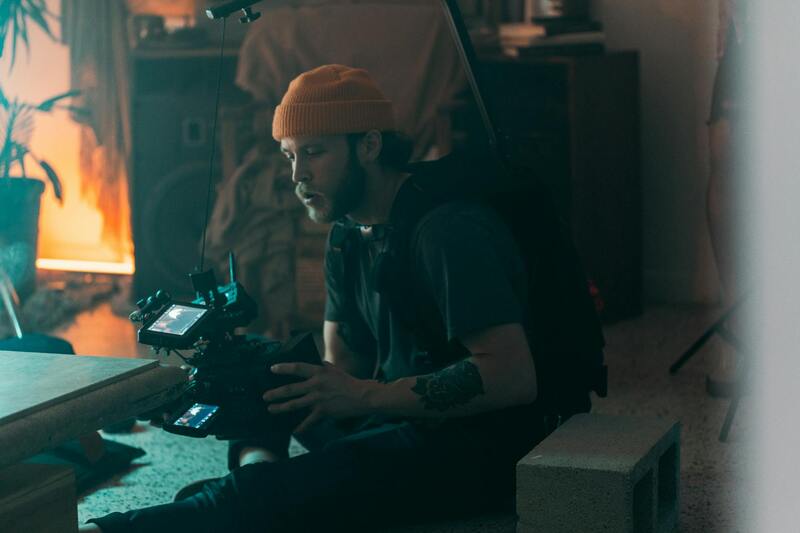
Immersive 3D Virtual Tours: Providing a Virtual Walkthrough
3D virtual tours stand as a pivotal tool in contemporary real estate marketing. These tours use high-resolution images and detailed mapping to create navigable, interactive experiences. Prospective buyers can explore the property remotely, examining interior layouts, details, and spatial flow from any location. The use of meticulous photography ensures the virtual tour reflects the true ambiance of the residence, fostering trust and interest.
When producing a 3D tour, capturing comprehensive, well-lit images that feature every room and focal point is essential. Smooth navigation and accurate rendering depend on the quality of the underlying images, making professional photography a critical initial step.
Targeted Digital Advertising: Amplifying Reach
Complimenting visual content with targeted online advertising ensures that stunning photographs reach the right audience. Platforms such as social media, real estate portals, and search engine networks allow for segmented advertising campaigns focusing on demographics most likely to be interested in Miami properties. Using high-quality images within these ads increases click-through rates and engagement, leading to a higher volume of qualified inquiries.
Content-driven advertising campaigns that include compelling visuals, virtual tours, and detailed property descriptions significantly boost a listing's visibility and attractiveness. The synergy of professional photography and strategic digital marketing underpins a successful property sale, especially within a competitive Miami market.
Utilizing Photos to Educate and Build Trust
In addition to marketing, high-quality imagery serves as an educational tool for prospective buyers. Clear, detailed photos convey the authenticity of a property, allowing buyers to assess its suitability before scheduling viewings. This transparency fosters trust, reduces mismatched expectations, and speeds up the decision-making process.
Conclusion
Effectively leveraging high-quality real estate photography extends beyond individual images. When integrated into comprehensive marketing strategies—including virtual staging, immersive tours, targeted advertising, and educational content—these visuals become powerful tools for attracting, engaging, and converting prospective buyers. Miami’s vibrant real estate scene benefits immensely from such advanced, visually driven approaches, ensuring properties are presented at their best and reach a wide, qualified audience.