
Overview of 3D Real Estate Photography
3D real estate photography has revolutionized property marketing by offering a highly immersive visual experience. Utilizing advanced scanning technology and specialized software, this method captures detailed, interactive virtual tours of properties. It enables potential buyers and renters to explore every room and feature of a property remotely, providing a comprehensive view that traditional photography cannot match. In Miami's competitive real estate market, such innovative visual tools significantly enhance listing appeal and attract a wider audience.
This form of photography combines high-resolution imaging with spatial mapping to create 360-degree walkthroughs, dollhouses, and floor plans. These visual aids facilitate better understanding of a property's layout and scale. Real estate professionals leverage 3D visuals to highlight key selling points, improve engagement, and expedite decision-making processes. For property owners, especially in a vibrant market like Miami, investing in high-quality 3D renderings often results in shorter listing periods and increased transaction value.
The adoption of 3D real estate photography aligns with the growing digital expectations of modern buyers, who increasingly rely on virtual tours before scheduling in-person visits. By integrating detailed visual content into listings, agents can streamline the sales process and foster greater trust and transparency. As a result, 3D imaging has become an essential component of comprehensive property marketing strategies, particularly in high-demand urban environments such as Miami.
Factors Influencing Pricing
The cost of 3D real estate photography is influenced by a range of variables that vary depending on the scope and complexity of the project. These factors include the size and layout of the property, the level of detail required, the geographic location, and the specific features demanded by clients. Larger properties or those with intricate layouts often necessitate more extensive scanning and editing, naturally increasing the overall price.
Additionally, properties with special features such as custom architectural details, pools, or multi-level structures may require additional time and equipment, impacting the cost. The type of service package selected, whether basic virtual tours or comprehensive packages with supplementary visuals, also plays a crucial role in pricing. Travel expenses, equipment setup, and post-processing work further contribute to the final cost, especially if the property is located in remote or less accessible areas within Miami.
Average Pricing in Miami
Understanding the typical price range for 3D real estate photography in Miami helps clients set realistic budgets and expectations. Generally, small residential properties, such as apartments or modest homes, tend to fall within a lower price bracket, usually between $200 and $500 per session. For larger family residences or luxury properties, prices can increase significantly, often ranging from $500 to over $1,000 per project depending on the specifics involved.
Complex commercial listings or properties requiring specialized virtual staging, precise measurements, or extensive post-editing might incur additional charges, sometimes pushing the total above these averages. On average, Miami-based service providers offer flexible packages to accommodate different property sizes and client needs, ensuring that property marketers can find a tailored solution that aligns with their financial plans.
Pricing Models and Packages
Service providers generally structure their pricing around various models, each designed to cater to different property types and client expectations. Common models include flat-rate packages, hourly rates, and custom quotes based on project scope. Flat-rate packages are popular for standard residential listings, offering a set price for a specific number of rooms or a certain property size. This approach simplifies budgeting and provides clarity upfront.
Hourly rates are often used for projects requiring extensive setup, specialized scanning, or multiple revisions. Custom quotes are typically necessary for unique or complex properties that demand tailored work, such as multi-unit developments or properties with high-end features. Many providers bundle additional services, such as virtual staging, floor plan creation, and interactive walkthroughs, into their packages, allowing clients to select a combination that best fits their marketing strategy.

Additional Costs and Customization
Beyond basic services, potential additional costs include on-site preparation, special equipment requirements, and after-hours shooting if necessary. Customization options, such as including high-resolution images, detailed floor plans, or virtual staging, typically come at an extra fee but significantly enhance the listing’s appeal. Clients also have the opportunity to request specific edits or modifications, which may lead to additional charges depending on the complexity and turnaround time.
Some providers offer premium services like aerial shots or drone footage integration with 3D models, further elevating the property's visual presentation. These enhancements often justify higher costs but can be crucial for luxury listings or unique commercial spaces. Carefully assessing the scope and desired features during initial consultations helps clients prevent unexpected expenses and ensures maximum value from their investment.
Factors Influencing Pricing
Understanding what impacts the costs of 3D real estate photography is essential for aiming to optimize investments and ensure the desired results. Several key factors—such as property size, complexity of the structure, and scope of the project—play a pivotal role in determining the final price. Larger properties naturally require more time and resources, including extended shooting durations and additional equipment. Consequently, they tend to incur higher costs relative to smaller residential units.
Property complexity directly influences pricing as well. Homes with intricate architectural details, multiple levels, or unique interior designs demand more meticulous planning and specialized techniques. Architectural features that require precise measurements or specialized equipment for accurate representation, such as high ceilings or open-concept layouts, can add to the overall fee.
The project scope encompasses various elements, including the number of 3D renders, the level of interactivity, and the inclusion of supplementary services like floor plans or virtual staging. Customized virtual walkthroughs or augmented reality features elevate the user experience but often come at an additional cost. Clear communication during initial consultations helps in assessing and structuring these components for maximum impact without unnecessary expenses.
Additionally, geographic location can influence pricing, especially in high-demand areas such as Miami, where competition among service providers may lead to varied pricing packages. Urgency of delivery, specialization of the service provider, and specific client requests for on-site preparation or after-hours work further contribute to price differences.

Additional Elements Affecting Price
- Off-site preparation and staging requirements
- Use of advanced equipment such as drones for aerial views
- Post-production editing and retouching complexity
- Turnaround time demands, especially for urgent listings
- Inclusion of high-resolution images and virtual staging options
Clients aiming to maximize the visual potential of their properties should carefully evaluate these factors to align their expectations with available budgets. An upfront assessment with service providers often reveals opportunities to customize packages that fit both financial considerations and marketing objectives, ensuring that investment yields the desired exposure for the property.
Average Pricing in Miami
Miami's real estate market is renowned for its luxury properties and vibrant investment activity, which influences the pricing structures for 3D real estate photography services. In this dynamic environment, service providers tend to offer diverse packages that cater to various property types and client requirements, often reflecting the premium nature of the local market. Typical costs for 3D virtual tours and high-quality photography range from $200 to $800 per property, depending on factors such as property size, complexity, and additional features like aerial shots or virtual staging. r>r> Properties in high-demand neighborhoods or luxury segments usually command higher prices due to the need for advanced imaging techniques and faster turnaround times. For example, a standard 3D tour of a modest condo might be available at the lower end of the price spectrum, whereas sprawling waterfront estates with multiple angles and interactive walkthroughs may approach or exceed the upper price range. Providers in Miami often bundle services—for instance, combining still images, 3D tours, and floor plans—offering value-oriented packages tailored to real estate agents, property managers, and homeowners. r>r> It is important for clients to assess comprehensive pricing options carefully, ensuring they receive the desired quality without unforeseen expenses. Many professional companies in Miami include initial consultation, project setup, shooting, editing, and delivery within their quotes, but additional costs can arise for expedited services, special equipment, or custom features. Comparing detailed quotes from multiple service providers helps establish a clear understanding of market standards, enabling more informed budgeting and strategic investment in visual marketing.
Pricing Models and Packages
Professional 3D real estate photography providers in Miami utilize a variety of pricing models designed to accommodate diverse client needs and property types. The most common approaches include flat-rate packages, per-square-foot charges, and customized bundles that combine various visual marketing services.
Flat-rate packages typically cover a complete set of services for a specific property or project size, offering clients predictable costs and streamlined budgeting. These packages often include high-resolution 3D tours, interior and exterior photography, virtual staging, and floor plans. The advantage of flat rates is the ability to compare offerings directly and avoid unexpected expenses mid-project.
Per-square-foot pricing is another prevalent model, especially suited for larger properties such as luxury estates or commercial spaces. This approach charges a fixed amount based on the total area, allowing flexibility for customized features and specific shooting requirements. Providers may set different rates depending on the intricacy of the property or the number of angles needed.
Bundled service packages are designed to maximize value by combining several marketing assets at a discounted rate. For example, a client might opt for a package that includes 3D tours, high-quality still images, aerial drone footage, and interactive floor plans. Such bundles are often tailored to the client’s marketing strategy and budget constraints, providing a comprehensive visual presentation that enhances online listings.
Choosing the right pricing model depends on the property’s characteristics, marketing objectives, and financial planning. It is advisable for clients to request detailed quotes that break down the costs of each service component, ensuring transparency. Some providers also offer volume discounts or ongoing service contracts for multiple listings or long-term collaborations, adding further cost efficiency.
Additional Costs and Customization
Beyond basic package prices, several additional costs may influence the final investment in 3D real estate photography. These include expedited turnaround times, specialized equipment, and advanced editing or virtual staging options. For example, clients seeking faster delivery might incur rush fees, while those requiring custom virtual staging to enhance property's appeal should consider extra charges for this service.
Customizations like aerial drone shots can significantly elevate a listing but often come with added expenses, especially if multiple angles or high-definition footage are involved. It is essential for clients to clarify these optional services and associated costs upfront to ensure alignment with their marketing budget and objectives.
How to Choose a Service Provider
When selecting a Miami-based provider for 3D real estate photography, clients should prioritize experience, portfolio quality, and client reviews. A proven track record in the local market indicates familiarity with popular neighborhoods, property types, and industry standards. It is also crucial to assess the provider's technical capabilities, such as the quality of 3D models, virtual tours, and post-production editing.
Pricing transparency and responsive customer service are key factors in decision-making. Firms that offer detailed consultation and clear quotations help clients understand precisely what services are included and allow for better budget planning. Additionally, providers offering flexible packages or à la carte options provide greater customization and control over costs.
Requesting samples or visiting previous projects can provide insight into the provider’s proficiency and consistency. Ensuring the provider adheres to the latest industry standards and employs professional-grade equipment guarantees high-quality results aligned with current market expectations.
Budgeting and Cost Optimization
Effective budgeting involves comparing multiple quotes and understanding the scope of services included in each. Clients should evaluate the value proposition by considering the quality of images, turnaround times, and the extent of offered services. Opting for comprehensive packages that bundle various marketing assets can lead to cost savings and a more cohesive visual presentation.
Long-term clients or multiple-property listings may benefit from negotiated discounts or retainer agreements, which can reduce individual project costs. Additionally, strategic planning of content needs—such as batching properties for shoot days—can optimize expenses and streamline operations. It is also prudent to consider the potential return on investment; high-quality visuals may lead to faster sales and better offers, justifying the initial expenditure.
Future Trends in Pricing
The evolving landscape of 3D real estate visualization anticipates prices adjusting in response to technological advancements and market demand. As new tools like augmented reality integrate with virtual tours, providers may introduce premium options that command higher prices but offer enhanced interactivity. Conversely, increased competition and technological automation could also drive prices downward, making high-quality services more accessible.
Providers are likely to develop more flexible and transparent pricing structures, including subscription-based models for regular clients and scalable packages for different property sizes. The integration of artificial intelligence in post-production may decrease costs and turnaround times, benefiting both providers and clients. Staying informed about these trends allows buyers to make strategic decisions that balance quality, innovation, and cost-efficiency in Miami’s dynamic real estate market.
Additional Costs and Customization
While base prices offer a general view of 3D real estate photography costs, clients should be aware of potential additional charges tied to specific customization options. Virtual staging, for example, can significantly enhance property appeal by digitally furnishing empty spaces or updating outdated decor. This feature often incurs an extra fee, which varies depending on the complexity and number of images.
Advanced rendering services, such as high-detail interior visualizations or exterior landscape modifications, may also elevate total costs. These enhancements are particularly valuable for high-end or commercial properties where detailed representations help attract discerning buyers or tenants. Clients seeking faster project completion might opt for expedited turnaround options, which typically come at a premium but ensure quicker marketing timelines.
It's essential to discuss these potential extras upfront with service providers to align expectations and budget appropriately. Many providers offer modular packages that can be tailored to client needs, allowing a mix of core services and optional upgrades tailored to the specific market strategy.
How to Choose a Service Provider
Selecting the right 3D real estate photography provider requires careful consideration beyond just price. A proven track record of producing high-quality, realistic visuals is a critical factor, along with the provider’s portfolio and client reviews. Experience with local Miami properties can also enhance accuracy and relevance in visualizations.
Clients should assess the provider’s technology stack, ensuring they utilize up-to-date software and hardware capable of delivering detailed, immersive virtual tours. Transparency in pricing structures and clear communication about service scope are vital to prevent surprises. Partnerships that offer comprehensive packages—including virtual staging, walkthroughs, and flexible revisions—add value and ensure a seamless marketing experience.
Budgeting and Cost Optimization
Effective budgeting for 3D real estate photography involves balancing quality with cost-efficiency. Establishing a clear scope of work at the outset prevents scope creep and unexpected charges. Grouping multiple property shoots into a single project can unlock discounts, especially for agencies or investment firms managing several listings in Miami.
Long-term relationships with a reliable provider may also bring about negotiated rates or retainer agreements, which reduce overall project costs over time. Considering package deals that bundle various visualization services can optimize expenditure while enhancing property marketing efforts. Clients should compare quotes from multiple providers, factoring in service quality and turnaround times, to find the most competitive and valuable solution.
Future Trends in Pricing
The landscape of 3D real estate visualization continues to evolve, with pricing models adapting to technological advances and market shifts. Innovative tools like augmented reality and interactive virtual tours are expected to introduce premium tiers of service, reflecting their enhanced user experience and engagement levels. Providers may start offering subscription-based plans for continuous content updates or large-scale property portfolios, providing flexibility and ongoing value.
Automation through artificial intelligence in post-production processes is poised to lower costs and speed up project completion. Some providers may leverage machine learning algorithms for rapid image rendering and editing, making high-quality visuals more accessible in competitive markets like Miami. Transparent, scalable packages that accommodate different property types and budgets are likely to become standard, empowering clients to optimize their investment based on specific marketing goals.
Remaining informed about these emerging trends helps stakeholders develop strategic budgeting decisions that balance innovation, quality, and cost efficiencies in an increasingly dynamic real estate environment.
Factors Influencing Pricing
Several critical elements determine the cost of 3D real estate photography services, and understanding these factors can help clients make informed decisions. Key among them is the complexity of the property. Larger homes or properties with intricate architectural details require more comprehensive shots, specialized equipment, and additional post-production work, which can elevate the overall price. The number of views or scenes needed also plays a role; multiple angles or 360-degree virtual tours demand more time and resources, increasing the fee.
Another influential factor is the level of customization and additional features requested. For example, clients who want interactive floor plans, virtual staging, or augmented reality integrations will incur extra costs due to the advanced technology and expertise involved. The turnaround time significantly impacts pricing as well; expedited services that deliver within tight deadlines often attract premium charges.
Furthermore, the experience and reputation of the service provider in the Miami market can affect pricing. Established companies with a track record of high-quality results typically command higher rates due to their expertise, equipment, and consistent delivery standards. Equipment quality also matters; providers employing cutting-edge cameras, drones, and software tend to offer superior visuals, which influences pricing structures.
 igure>
Average Pricing in Miami
In the vibrant Miami real estate market, 3D virtual tours generally span a price range that reflects local market dynamics and service quality. Basic packages, often including high-resolution images, basic virtual walkthroughs, and standard post-production, typically start at around $200 to $400 per property. These packages are suitable for small to mid-sized residential listings and offer a cost-effective means to enhance marketing exposure.
Mid-tier services, encompassing more detailed 3D modeling, interactive floor plans, and faster turnaround times, usually fall within the $400 to $800 range. Larger properties, luxury homes, or commercial listings requiring extensive visualizations might see prices exceeding $1,000, especially if custom features or enhanced visualization techniques are requested.
It's important to recognize that Miami's competitive landscape encourages providers to offer customizable packages to meet diverse client needs. As a result, pricing can vary significantly based on specific project requirements, with many companies providing tailored quotes after evaluating individual properties.

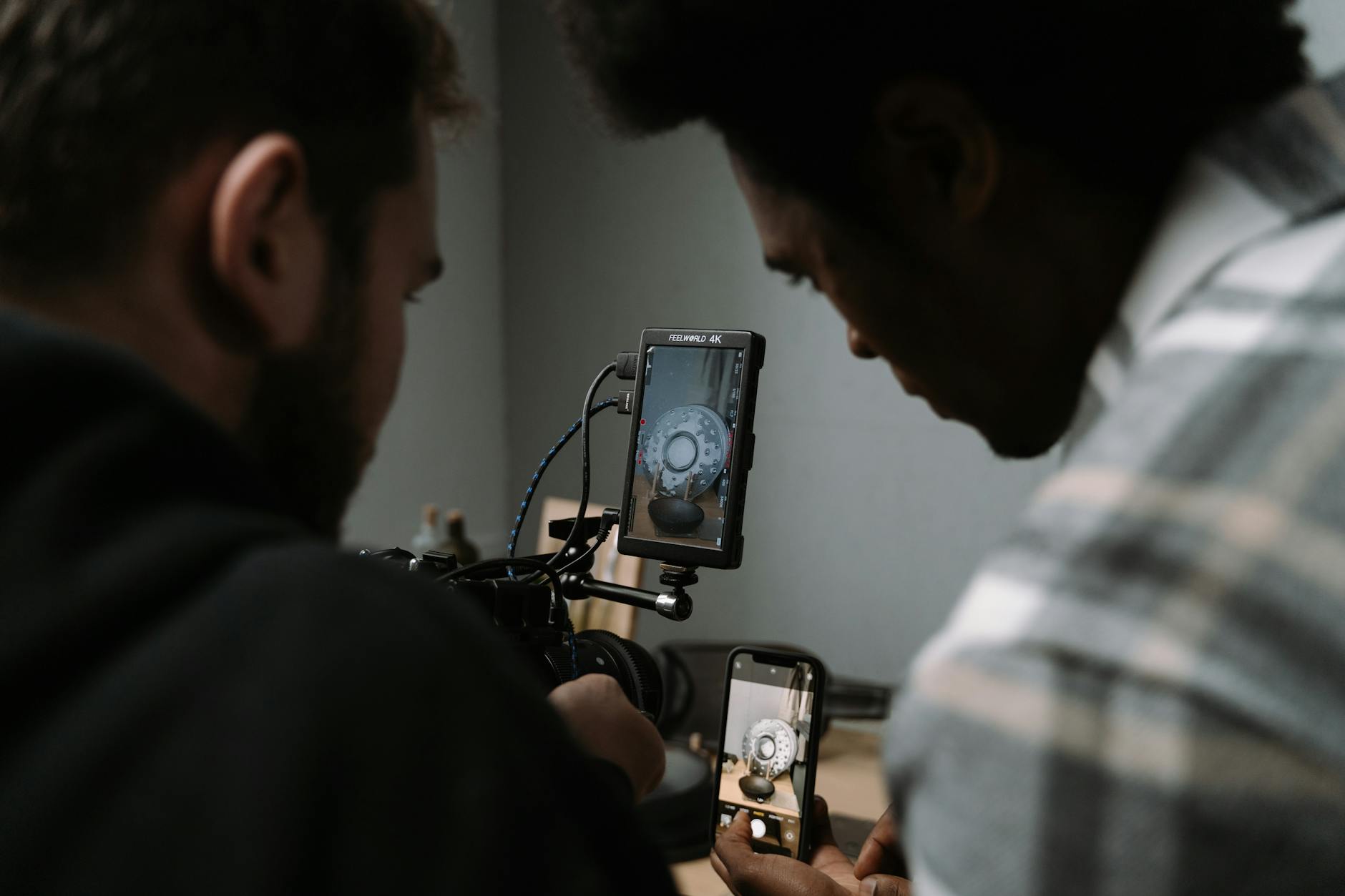
Image Caption: Miami’s dynamic real estate scene shapes the pricing landscape for 3D visualization services
Pricing Models and Packages
Service providers often adopt different pricing structures to accommodate client needs and project scopes. The most common models include flat-rate packages, hourly rates, and tiered service levels.
- Flat-Rate Packages: These are predefined bundles that include specific services such as a set number of 3D views, virtual walk-throughs, and post-production edits. Flat rates provide transparency and simplicity, making them popular among residential real estate agents and sellers.
- Hourly Rates: For projects requiring flexible service scopes or custom development, providers may charge hourly. This approach is often preferred for unique commercial properties, renovation projects, or when ongoing visual content creation is needed.
- Tiered Packages: Multiple service levels are offered, from basic to premium, allowing clients to select options based on budget and property complexity. Higher tiers typically include advanced features like VR integration, interactive floor plans, and faster delivery times.
Choosing the right pricing model depends on the property type, marketing strategy, and timeline. Clients should evaluate the scope of work carefully and seek detailed quotes to compare value across different providers.
Additional Costs and Customization
Beyond the base pricing, several additional costs could influence the overall expenditure. These include specialized services such as drone photography, ceiling-to-floor shots, or premium post-production editing. Customized visual assets like virtual staging or immersive virtual reality experiences are often priced separately due to their technical complexity.
Clients demanding rapid turnaround or multiple revisions should anticipate supplementary fees. Some providers offer package add-ons, enabling property marketers to select specific enhancements without committing to comprehensive service upgrades upfront.
To maximize value, clients should clearly communicate their needs upfront, request detailed project estimates, and review included services versus optional add-ons. This approach helps in setting realistic budget expectations and avoiding unforeseen expenses.
Overview of 3D Real Estate Photography
3D real estate photography has revolutionized the way properties are marketed by providing immersive virtual experiences that allow prospective buyers to explore listings remotely. This technology combines high-resolution imaging, advanced rendering techniques, and interactive elements to create detailed virtual tours, floor plans, and virtual staging options. As a result, listings enhanced with 3D visuals tend to garner more attention, generate higher engagement, and often sell faster than traditional photographs.
In the competitive Miami real estate market, professional 3D imagery has become an essential component of a strategic marketing toolkit. The precision and realism of 3D visualizations help showcase property features comprehensively, from spacious interiors to unique architectural details. Consequently, the investment in quality 3D imaging can significantly impact a property’s visibility and attractive appeal to potential buyers or renters.
Factors Influencing Pricing
The cost of 3D real estate photography services varies based on multiple factors that reflect the scope, complexity, and technological requirements of each project. Recognizing these elements helps clients understand what influences pricing and how to plan their budgets accordingly.
- Property Size and Layout: Larger properties or those with intricate layouts demand more extensive photography sessions and sophisticated rendering, which may increase overall costs.
- Level of Detail and Customization: Highly detailed virtual tours, interactive floor plans, and custom virtual staging involve advanced software and longer production times, impacting pricing.
- Technological Features: Inclusion of VR compatibility, 360-degree walkthroughs, or drone imagery can add to the project's overall expense.
- Timeframe for Delivery: Expedited services requiring quick turnaround times often command higher fees due to the need for prioritization and additional resources.
- Professional Expertise: Experienced providers with a strong portfolio and specialized skills typically charge premium rates for their services.
Average Pricing in Miami
Miami’s dynamic real estate market reflects varied pricing for 3D property visualization, generally falling within a competitive range tailored to local demand and property types. Typical price points are as follows:
- Basic 3D Photography Packages: Starting from $300 to $600 per property, covering standard virtual tours and basic 3D renderings suitable for smaller or less complex properties.
- Advanced 3D Virtual Tours and Floor Plans: Ranging from $600 to $1,200, encompassing more detailed visualizations, interactive elements, and higher resolution outputs.
- Custom and Premium Packages: Exceeding $1,200, these often include virtual staging, drone captures, VR integration, and custom animations.
It’s important for clients to seek detailed quotes from multiple providers to understand how features and service levels impact pricing, ensuring choices align with marketing ambitions and financial considerations.
Pricing Models and Packages
Providers typically structure their offerings through various pricing models to cater to different client needs:
- Per-Property Pricing: Flat rates based on the scope of work for each project, suitable for clients requiring one-time services or specific properties.
- Package Deals: Bundle services such as virtual tours, floor plans, and staging at a set price, providing cost-effective options for comprehensive marketing solutions.
- Hourly Rates: Charged based on the actual time spent on shoots and post-production, which may be advantageous for customized or complex projects.
Prospective clients should evaluate the scope of work offered in each package or pricing model, comparing it against their property features and marketing expectations to choose the most appropriate option.
Additional Costs and Customization
Beyond base rates, additional services or special requirements can influence overall expenditures. These include:
- Drone Photography: Adds aerial views and site context, typically priced separately due to equipment and licensing needs.
- Post-Production Enhancements: Such as virtual staging, advanced editing, or panoramic shots, which often incur extra charges depending on complexity.
- Virtual Reality Features: Custom VR environments or 3D walkthroughs with interactive elements may be priced as add-ons.
- Rush Delivery and Revisions: Expedited turnaround times or multiple revision rounds can result in additional fees, ensuring clients meet tight schedules or alter content as needed.
It’s advisable for clients to clearly outline their specifications early in the project and request detailed quotes that specify what is included, what is optional, and the associated costs. This clarity ensures budget adherence and prevents unexpected expenses during the project lifecycle.
Overview of 3D Real Estate Photography
3D real estate photography has revolutionized property marketing by providing immersive visual experiences that allow potential buyers to explore a home virtually. This technology combines high-resolution images with three-dimensional environments, enabling detailed walkthroughs, interactive floor plans, and virtual staging. These advanced visuals enhance buyer engagement, reduce time on market, and elevate the presentation quality of listings.
The process involves capturing multiple images from various angles using specialized camera equipment, which are then processed with sophisticated software to create seamless 3D models. This approach not only showcases the spatial qualities of a property but also offers a comprehensive view that static images cannot provide. As a result, property owners and real estate agents increasingly see the value in investing in professional 3D photography services to stand out in competitive markets.
Factors Influencing Pricing
The cost of 3D real estate photography varies significantly based on multiple factors. The size and complexity of the property are primary considerations, with larger homes requiring more extensive captures and longer post-production efforts. Additionally, the number of scenes, the level of detail required, and the inclusion of specific features like aerial shots or virtual staging all impact pricing.
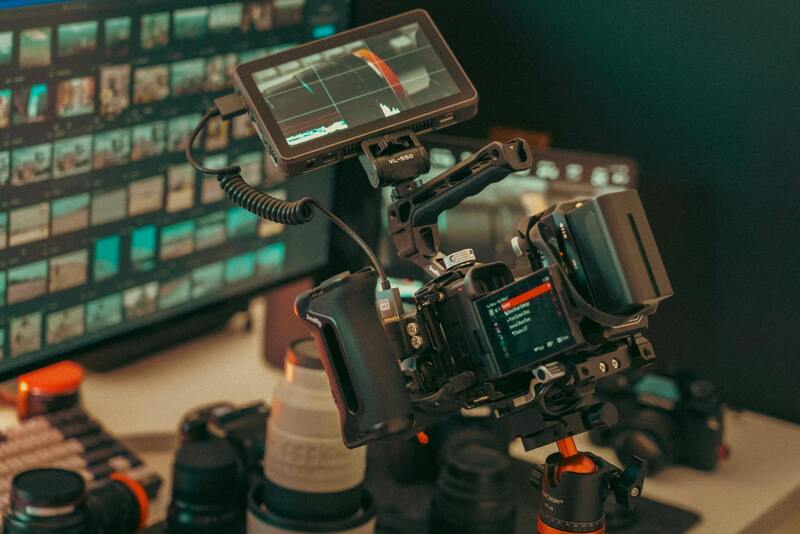
Camera equipment quality and the experience level of the technician also influence costs. More advanced or specialized equipment tends to increase overall expenses. The geographic location plays a role too; in vibrant markets like Miami, competitive pricing is common, but premium rates may be observed for high-end properties or exclusive neighborhoods.
Average Pricing in Miami
In Miami, the average cost for professional 3D real estate photography typically ranges from $200 to $500 per property. For standard-sized homes, prices generally hover around $250 to $350. Luxury residences or multi-unit developments often command higher fees, exceeding $500 due to additional work involved. Ensuring transparency in these costs helps clients make informed decisions aligned with their marketing budgets.

Pricing Models and Packages
Service providers often offer various pricing structures to accommodate different client needs:
- Flat-Rate Packages: Fixed prices for comprehensive services, suitable for straightforward listings. These packages typically include a set number of 3D walk-throughs, still images, and basic virtual staging.
- Tiered Pricing: Multiple levels of service are available, with higher tiers offering enhanced features such as drone photography, virtual reality integration, or expedited delivery.
- Hourly Rates: Pricing based on the actual time spent on site and in post-production, allowing for customization, especially for complex or unique properties.
Additional Costs and Customization
Beyond the base service charges, several optional or customized elements can lead to additional costs:
- Drone Photography: Captures aerial views for larger estates or properties with scenic surroundings. This service generally incurs extra fees due to equipment and licensing requirements.
- Post-Production Enhancements: Including virtual staging, detailed editing, or panoramic imaging, which help tailor visuals to specific marketing objectives. The complexity of these improvements influences their pricing.
- Virtual Reality Features: Creating immersive experiences with interactive elements can add to the costs, especially if custom environments or integrations are involved.
- Rush Delivery and Revisions: Expedited turnaround times or multiple rounds of edits may attract additional fees, ensuring that deadlines are met and client specifications are satisfied.
How to Choose a Service Provider
Selecting an appropriate provider involves evaluating their portfolio, technical expertise, and client reviews. It is essential to assess their experience with real estate visuals, particularly 3D modeling, virtual staging, and aerial photography. A detailed consultation helps clarify project scope, expected deliverables, and costs, ensuring that the services align with marketing goals and budget constraints.
Transparent communication regarding included services, additional charges, and turnaround times provides clarity and minimizes misunderstandings. Moreover, choosing providers who utilize advanced equipment and software will often result in higher quality outputs that effectively showcase properties.
Budgeting and Cost Optimization
To optimize costs while maintaining quality, clients should clearly outline their primary needs and desired features at the planning stage. Combining essential services with optional add-ons based on specific property features enables tailored solutions that fit within budget limits.
Additionally, requesting detailed quotes that specify individual charges for each service prevents unexpected expenses. Scheduling projects during off-peak seasons or negotiating bundled packages may also yield savings. Balance between quality and affordability remains key to achieving impactful visual marketing without exceeding financial constraints.