
Role of a Commercial Real Estate Photographer
In the highly competitive realm of commercial real estate, visual representation plays a pivotal role in attracting prospective tenants, buyers, and investors. A professional commercial real estate photographer specializes in capturing high-quality images that highlight the unique features and architectural details of a property. These images serve as a primary marketing tool, often forming the initial impression for target audiences browsing listings online or in print materials.
Effective commercial photography not only showcases the space but also conveys the property's potential and operational viability. Whether it’s a bustling office complex, a retail storefront, or an industrial warehouse, properly executed images can significantly expedite the leasing or sale process, leading to quicker transactions and increased market visibility. The role of a commercial real estate photographer extends beyond just taking pictures; it involves strategic staging, optimal lighting, and composition techniques to enhance the property’s appeal.
Impact on Marketing and Investment
In the digital age, where most property searches begin online, compelling visuals are essential. They not only attract attention but also build trust with potential clients. Professional photographs are often shared across multiple platforms, from MLS listings to social media advertising, reinforcing brand presence and credibility. Moreover, high-quality imagery can influence investment decisions, as it gives stakeholders a clear, accurate view of the property's condition and layout, reducing ambiguities and fostering confidence.
In competitive markets like Miami, where real estate opportunities are abundant and diverse, the visual aspect of listings becomes even more crucial. A skilled commercial real estate photographer understands the nuances of different property types and can adapt their techniques to maximize visual impact. This targeted approach ensures that each property is presented in its best light, emphasizing its strengths and positioning it favorably among numerous competitors.
Furthermore, professional photography sustains the consistency and professionalism of your overall marketing strategy. Well-crafted images demonstrate attention to detail, quality, and expertise, reinforcing your reputation in the industry. Such visuals serve as valuable assets that can be reused across various promotional channels, providing long-term benefits within your marketing arsenal.
Conclusion
Overall, the role of a commercial real estate photographer transcends mere image capture. It involves a strategic understanding of marketing, property presentation, and visual storytelling, all of which contribute directly to successful property transactions. For property owners, brokers, and developers aiming to elevate their listings in Miami's dynamic market, enlisting the services of a professional photographer is a critical step toward maximizing property exposure and appeal.
Skills and Qualifications to Look For
When selecting a commercial real estate photographer in Miami, it is essential to consider their skill set and professional background. A high-caliber photographer should possess a solid understanding of architectural photography principles, including the ability to highlight the structural features and spatial relationships of a property. Mastery in lighting techniques is equally important; effectively utilizing natural and artificial light ensures interiors and exteriors are rendered with clarity, depth, and vibrancy. Such expertise prevents common issues like overexposure or underexposure that can diminish the property's visual appeal.
Additionally, industry experience plays a crucial role in delivering consistent, high-quality results. Photographers familiar with commercial leasing, property sales, and marketing contexts understand the nuances of different property types—be it office complexes, retail centers, industrial warehouses, or multifamily residential buildings. They should demonstrate a portfolio displaying versatility across various commercial assets, indicating their ability to adapt their style and technical approach accordingly.
Strong post-production skills are also vital. A proficient commercial real estate photographer can enhance images through color correction, perspective adjustments, and minor retouching while maintaining authenticity. This attention to detail ensures images are compelling yet truthful representations of the property, supporting transparent marketing efforts. Certification in the latest photography software or recognition from professional real estate associations further validate their proficiency and commitment to quality standards.
Types of Commercial Properties Covered
A versatile commercial real estate photographer in Miami should be adept at handling diverse property types, including office spaces, retail outlets, industrial facilities, hospitality properties, and multifamily complexes. Each category demands specific photographic techniques to best showcase their unique features. For instance, photographing a high-rise office building might emphasize exterior grandeur and panoramic city views, while retail centers benefit from images that highlight accessible entrances and attractive storefronts.
Furthermore, photographers should be comfortable working with various property layouts and architectural styles. In Miami’s eclectic market, this includes modern skyscrapers, historic buildings, and waterfront properties, each requiring tailored visual strategies. Having an extensive experience across this spectrum enables professionals to deliver images that effectively communicate the property's value proposition to prospective tenants, buyers, or investors.
Role of a Commercial Real Estate Photographer
A commercial real estate photographer holds a pivotal role in shaping the visual narrative of properties within the Miami market. Their primary responsibility is to produce high-quality, compelling images that accurately reflect the property’s features and potential. These visuals serve as the first impression for prospective clients, investors, and tenants, making the photographer’s skill crucial in setting the tone for successful property marketing campaigns.
Beyond capturing static images, a commercial real estate photographer employs a strategic approach to showcase a property's best attributes. This involves understanding the unique selling points of each property, such as architectural details, interior layouts, exterior curb appeal, and surrounding amenities. The photographer’s expertise extends to mastering various techniques for lighting, composition, and post-processing to highlight these features effectively. For instance, utilizing drone photography can provide sweeping exterior views and show proximity to key landmarks or transportation routes, especially pertinent in Miami's competitive real estate environment.
Furthermore, their role encompasses ensuring consistency across a property portfolio, which is essential for building brand recognition and trust among target audiences. Professional images contribute to an online presence that stands out in real estate listings, brochures, and digital marketing strategies. Skilled commercial real estate photographers also stay updated with the latest technological advancements and industry standards, enabling them to deliver visuals that meet contemporary marketing expectations.
In Miami, where the real estate market is dynamic and visually driven, the photographer's role extends to understanding local aesthetics and architectural trends. This deep local knowledge ensures that visual content resonates with the target demographic and reflects the market’s vibrancy. By effectively portraying both the modern skyline and historic districts, these professionals help clients stand out in a crowded marketplace.
Skills and Qualifications to Look For
Choosing a commercial real estate photographer in Miami requires attention to specific skills and credentials. An ideal candidate should have a portfolio demonstrating proficiency in various property types and architectural styles. Technical skills, such as proficiency with wide-angle lenses, HDR imaging, and post-production editing, are essential to produce sharp, vibrant images that convey clarity and realism.
Certifications related to photography or real estate marketing can indicate a commitment to maintaining high standards. Recognition from professional associations, such as the Better Business Bureau or real estate photography groups, further affirms a photographer’s professionalism. Additionally, the ability to operate advanced equipment like drone cameras for aerial shots enriches the visual storytelling, especially relevant for large-scale industrial or waterfront properties in Miami.
Experience working within the Miami market is also crucial. An understanding of local zoning, property types, and market trends allows the photographer to tailor images that appeal directly to local clients and investors. Their familiarity with outdoor lighting conditions, weather patterns, and scenic vistas of Miami can significantly enhance the quality and impact of their images.
Types of Commercial Properties Covered
A seasoned Miami commercial real estate photographer should be adept at documenting a wide array of property types, each requiring tailored photographic techniques. Office spaces, retail outlets, industrial facilities, hospitality venues, and multifamily complexes are all within their scope of work. For instance, capturing the sleek lines of a modern office building might involve exterior wide-angle shots during optimal daylight hours, emphasizing its stature amidst Miami’s skyline. Conversely, retail spaces benefit from images that showcase attractive storefronts and outdoor signage to entice foot traffic.
Industrial properties, such as warehouses and manufacturing plants, demand images that highlight spacious interior layouts and loading docks, often requiring interior drone shots or HDR techniques to manage varied lighting conditions. Hospitality properties, including hotels and resorts, need images that evoke comfort and luxury, often incorporating pool areas or scenic waterfront views to attract high-end clientele.
Property diversity in Miami’s eclectic market means photographers must be versatile and experienced across different architectural styles—from sleek modern developments to historic Art Deco buildings. This cross-section of expertise enables the creation of compelling visuals that accurately communicate the unique appeal and investment potential of each property type.
Role of a Commercial Real Estate Photographer
A commercial real estate photographer serves as a vital partner in the property marketing process. They craft visual narratives that capture the essence and unique attributes of commercial spaces, making them appealing to potential tenants, buyers, or investors. Their role extends beyond simple photography; it involves understanding the specific needs of commercial properties and leveraging technical expertise to showcase key features that highlight value and potential. These professionals are pivotal in producing high-quality images that align with strategic marketing efforts, often working in tandem with real estate agents, property managers, and marketing teams to ensure visual content resonates with targeted audiences.
A skilled photographer in this niche is proficient in capturing a variety of property types, utilizing techniques that emphasize spatial dimensions, architectural details, and ambiance. From wide-angle exterior shots that showcase the property's facade and surroundings to interior images that highlight layout, design, and functionality, their work aims to create an immersive experience for viewers. In addition, they employ advanced methods such as drone photography to document hard-to-reach areas, HDR imaging to balance lighting discrepancies, and twilight shots to dramatize the property’s exterior after sunset. Their expertise ensures that each photograph not only presents the property accurately but also elevates its market appeal, making it stand out in competitive listings.

Skills and Qualifications to Look For
Selecting a proficient commercial real estate photographer requires assessing a combination of technical skills, industry knowledge, and creative vision. First and foremost, they should possess a comprehensive understanding of different architectural styles and materials, enabling them to adapt their approach to various property types. Familiarity with the latest camera equipment and post-processing software is essential to produce crisp, vibrant images that meet high industry standards.
Experience in real estate marketing is highly valuable, as it ensures that the photographer understands how visual content influences buyer behavior. Additionally, proficiency in drone photography and videography can significantly enhance property showcases, especially for expansive sites or properties with scenic surroundings. Attention to detail, an eye for composition, and the ability to work efficiently under deadlines are also crucial traits of top-tier professionals in this field. Credentials such as certifications in drone operation or specialized real estate photography courses serve as indicators of their expertise and commitment to quality.
Types of Commercial Properties Covered
Given Miami’s diverse real estate landscape, a commercial photographer must be adept at covering a broad spectrum of property types, each requiring tailored photographic techniques:
- Office buildings: Exterior shots during daylight, interior shots highlighting workspaces, conference rooms, and building amenities.
- Retail spaces: Storefront images, signage, and special features that attract foot traffic and showcase merchandising potential.
- Industrial facilities: Spacious interior shots, loading docks, and exterior infrastructure, often with drone perspectives for comprehensive views.
- Hospitality venues: Hotels, resorts, and banquet halls, emphasizing scenic views, distinctive architecture, and luxurious interiors.
- Multifamily complexes: Community areas, exterior amenities, and apartment layouts, appealing to both investors and prospective residents.
Key Equipment and Techniques
To deliver exceptional visual content that meets the high standards of commercial property marketing, a skilled commercial real estate photographer in Miami relies on a range of advanced equipment and specialized techniques. High-resolution digital cameras equipped with full-frame sensors are standard, enabling capture of crisp, detailed images suitable for print and digital campaigns. Wide-angle lenses are frequently employed to showcase entire rooms or exterior facades in a single frame, creating an immersive view that attracts prospective clients.
Drone photography has become an essential component in the arsenal of a commercial real estate photographer. Using stabilized drones, professionals can capture expansive aerial shots that demonstrate property scale, surrounding infrastructure, and landscape features. These perspectives are particularly compelling for large industrial sites, retail complexes, and hospitality venues, offering prospective buyers or tenants a comprehensive view that ground photography alone cannot achieve.
Post-processing techniques are equally vital in transforming raw images into polished marketing tools. Skilled editors adjust lighting, color balance, and perspective distortions to ensure each shot accurately represents the property’s features while enhancing visual appeal. HDR (High Dynamic Range) photography is commonly used to manage challenging lighting conditions, such as bright exteriors with interior shots, providing well-exposed images across all areas.
Lighting equipment, including portable flashes, strobes, and diffusers, helps control ambient light and highlight key architectural elements. Additionally, time-of-day considerations—such as dawn or dusk photography—are strategically used to infuse images with warmth and depth, making properties more inviting.
Mastery over these tools and techniques ensures that commercial real estate images in Miami are both compelling and accurate, effectively capturing the unique aspects of each property to appeal to discerning investors and tenants.
Role of a Commercial Real Estate Photographer
A commercial real estate photographer plays a vital role in shaping the first impression that a property makes on potential investors, tenants, and buyers. These professionals specialize in capturing high-quality images that highlight the key architectural features, spatial layouts, and unique attributes of commercial properties. Their expertise extends beyond basic photography, encompassing a keen eye for perspective, lighting, and composition that effectively showcases a property's potential.
By utilizing advanced equipment and techniques, a commercial real estate photographer ensures that each image accurately represents the property while emphasizing its selling points. They understand how to frame shots that accentuate the property's strengths, whether it's the spaciousness of an office building, the appeal of retail storefronts, or the expansive layout of industrial warehouses. Through a combination of technical skill and aesthetic sensibility, these photographers create visual narratives that resonate with prospective clients, helping properties stand out in saturated markets.
Moreover, a professional photographer provides consistency across marketing materials, enhancing brand recognition for real estate agencies and property owners. This consistency is crucial for creating a cohesive visual identity, whether used in online listings, brochures, or virtual tours. In essence, the role of a commercial real estate photographer extends from simple image capture to strategic marketing, making them a critical asset in real estate transactions.
Skills and Qualifications to Look For
Choosing the right commercial real estate photographer involves assessing a range of skills and qualifications that ensure top-tier results. Experience in real estate photography is paramount, reflecting the photographer's familiarity with the specific requirements of showcasing commercial properties. A comprehensive portfolio demonstrates their ability to handle various property types and lighting conditions effectively.
Technical proficiency is equally important. Mastery over professional-grade equipment—including high-resolution cameras, wide-angle lenses, drones, and stabilization tools—enables the capture of clear, detailed images from multiple perspectives. Familiarity with advanced editing software like Adobe Photoshop and Lightroom is fundamental for post-processing, allowing for color correction, perspective adjustment, and enhancement of image clarity.
Understanding of lighting techniques, such as HDR photography and the strategic use of natural and artificial light, ensures images are well-exposed and vibrant. Knowledge of drone operation for aerial shots adds a significant advantage, especially when depicting large-scale properties or surrounding infrastructure.
Professionalism, reliability, and excellent communication skills are essential traits. A photographer who can collaborate seamlessly with real estate agents and property owners ensures a smooth workflow and punctual delivery of images aligned with marketing schedules.
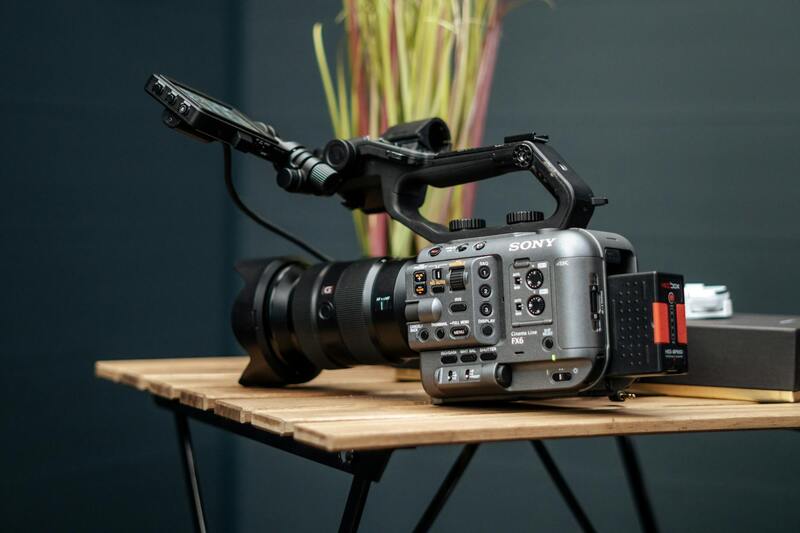
Types of Commercial Properties Covered
Commercial real estate photography encompasses a wide array of property types, each demanding specific photographic approaches to best showcase their features. Office buildings, whether modern high-rises or renovated historic structures, benefit from images that highlight interior layouts, amenity spaces, and exterior facades. Retail spaces, including shopping centers and individual storefronts, require bright, inviting images that capture customer flow and the vibrancy of the shopping environment.
Industrial properties, such as warehouses and manufacturing plants, often cover large areas and require expansive shots that illustrate layout, loading docks, and structural details. Hospitality venues, including hotels, resorts, and convention centers, are best showcased through images that capture both the grandeur of the design and the amenities offered.
Specialty properties like medical facilities, educational institutions, or entertainment venues also fall under this scope, each necessitating tailored photography to highlight specific features and appeal to target audiences. A skilled photographer adapts their approach to suit the unique attributes and marketing goals of each property type, ensuring the visuals resonate with prospective clients and investors.
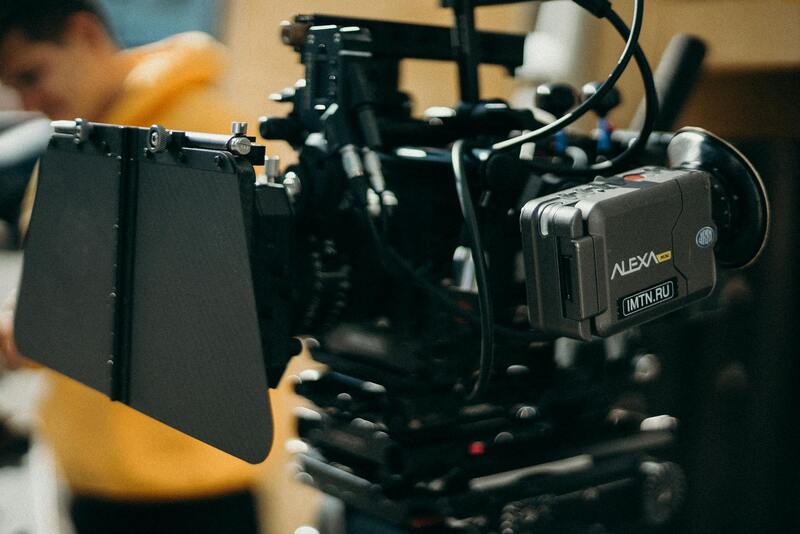
Importance of Local Knowledge in Miami
Miami’s vibrant and diverse real estate market benefits immensely from a photographer’s local expertise. Familiarity with neighborhoods, zoning regulations, and community features allows the photographer to capture images that accurately reflect the property's context and appeal. Understanding Miami’s distinct architectural styles, from art deco buildings in South Beach to modern high-rises downtown, ensures that photos are both authentic and compelling.
Local knowledge extends beyond aesthetics; it includes awareness of the best times of day for shooting, based on sunlight patterns and neighborhood activity. This helps in scheduling shoots to optimize natural lighting and minimize disruptions. Additionally, familiarity with local infrastructure—such as nearby transportation hubs, parks, and commercial hubs—enables photographers to include contextually relevant shots that highlight connectivity and lifestyle benefits.
This regional insight empowers real estate professionals to market properties more effectively, appealing to target audiences seeking the Miami lifestyle, business opportunities, or investment potential. A photographer with an understanding of Miami’s dynamic real estate landscape can craft visuals that not only showcase the property but also tell a story aligned with the city’s vibrant character.

Key Equipment and Techniques
High-quality commercial real estate imagery relies on a combination of cutting-edge equipment and refined techniques. Professional cameras equipped with wide-angle lenses facilitate capturing expansive interior and exterior spaces, making rooms appear larger and more inviting. Tripods and stabilization rigs are essential for maintaining sharpness in low-light conditions and ensuring consistent image quality across multiple shots.
Drones have become indispensable for providing aerial perspectives that illustrate property scale and its relation to the surrounding environment. These shots are particularly effective in large commercial sites, industrial complexes, and properties with significant landscaping or recreational amenities.
Post-processing plays a crucial role in elevating raw captures. Techniques such as HDR imaging balance exposure levels across challenging lighting situations, while perspective correction aligns vertical and horizontal lines for a tidy, professional appearance. Color grading and retouching further enhance visual appeal, ensuring images are vibrant without appearing unnatural.
Lighting equipment, including portable flashes, diffusers, and strobe lights, allows photographers to control ambient light, emphasize architectural details, and create mood. Shooting during optimal times of day—dawn or dusk—can add warmth and depth, transforming standard images into captivating visual stories that draw viewers in.
Key Equipment and Techniques
Achieving top-tier visual representations of commercial real estate properties depends heavily on the selection of appropriate equipment and mastery of specialized techniques. Professional photographers utilize high-resolution digital cameras with full-frame sensors to ensure sharp, detailed images that showcase every facet of a property. Wide-angle and tilt-shift lenses are particularly crucial in capturing expansive interiors and exteriors, allowing for a comprehensive view that can make spaces appear larger and more inviting.
Tripods and stabilization systems are indispensable for maintaining image clarity, especially when working in low-light conditions or during dusk and dawn shoots where natural lighting is limited. These tools help prevent motion blur, ensuring each image is crisp and professional.
In addition, drone technology has revolutionized commercial real estate photography by providing aerial perspectives that highlight the property’s scale and its surroundings. Drones are especially effective when illustrating large industrial sites, commercial complexes, or properties with substantial landscaping, recreational areas, or nearby infrastructure.

Post-processing remains a vital step in refining raw imagery. High Dynamic Range (HDR) imaging techniques balance exposure levels across disparate lighting conditions, producing clear, evenly lit pictures. Perspective correction tools ensure vertical and horizontal lines are aligned properly, avoiding distorted or skewed images that can detract from professionalism.
Color grading and retouching are also standard practices, adding vibrancy and depth without compromising authenticity. Photographers may utilize portable lighting solutions such as flashes, diffusers, and strobes to manipulate lighting conditions on-site, emphasizing architectural details and creating mood — crucial for properties that require a compelling visual narrative.
Timing the shoot during the golden hours—dawn and dusk—can imbue images with warmth and a dramatic flair, elevating the visual impact of the property. Overall, employing advanced equipment combined with technical expertise results in imagery that effectively communicates the property’s potential and uniqueness to prospective clients.
Role of a Commercial Real Estate Photographer
A commercial real estate photographer plays a vital role in the marketing and leasing process of commercial properties. Their primary responsibility is to craft imagery that accurately represents the property’s features, layout, and potential uses. This visual storytelling helps attract investors, tenants, and buyers by making listings stand out in a competitive Miami market. The professional skill set includes an understanding of architectural design, lighting, and composition—ensuring that every shot highlights the property’s strengths. The photographer’s expertise extends beyond capturing beautiful images; they also know how to capture the scale and spatial relationships, which is critical for commercial real estate. Advanced techniques such as drone photography and 3D virtual tours have become standard to provide potential clients with a comprehensive view of the property from various angles and perspectives. This multi-dimensional approach enables viewers to appreciate the property's size, location, and curb appeal in ways that traditional photos cannot achieve. Additionally, firsthand knowledge of the latest imaging technologies allows the photographer to deliver high-resolution images that meet the demands of sophisticated real estate marketing platforms, print materials, and online listings, ultimately supporting faster leasing or sale processes.
Skills and Qualifications to Look For
Choosing a capable commercial real estate photographer requires assessing a range of skills and qualifications. Professionalism, technical competence, and familiarity with the local market are essential. Key skills include proficiency in high-end camera equipment, mastery of lighting techniques, and the ability to operate drones and other specialized tools. Experience in architectural photography ensures the accurate portrayal of building details and spatial relationships. A strong portfolio demonstrating previous commercial projects can reveal the photographer’s style, attention to detail, and consistency. Certifications or memberships with professional imaging organizations may also indicate a commitment to ongoing education and adherence to industry standards. Additionally, excellent communication skills are important for understanding client needs, providing guidance during shoots, andDelivering timely post-production edits that meet marketing goals. In Miami’s vibrant real estate scene, a photographer familiar with the local neighborhoods, zoning areas, and architectural styles offers invaluable insights that can influence shot selection and overall presentation, further elevating a property’s visual impact.
Types of Commercial Properties Covered
Commercial real estate photographers in Miami serve a broad spectrum of property types, each requiring tailored approaches to highlight their specific features:
- Office Buildings: Images emphasize internal layouts, shared amenities, and curb appeal to attract corporate tenants or buyers.
- Industrial Facilities: Focus on large-scale structures, loading docks, and logistical features, often incorporating aerial shots for scale.
- Retail Spaces: Showcase storefronts, interior layouts, and parking areas critical for attracting retail tenants and investors.
- Multi-Family Complexes: Highlight exterior and interior common areas to appeal to investors seeking multifamily residential opportunities.
- Hotels & Hospitality: Capture ambiance, guest amenities, and attractive exterior features that appeal to hospitality investors.
- Land Parcels: Aerial photography is frequently used to display undeveloped land or large parcels identified for future development projects.
Importance of Local Knowledge in Miami
In Miami’s dynamic real estate environment, local knowledge is a significant asset for commercial real estate photographers. Understanding neighborhood nuances, zoning laws, and architectural trends enables photographers to craft images that resonate with regional audience preferences. For instance, capturing luxury retail or waterfront office spaces benefits from knowledge of the area’s most scenic views and iconic landmarks. Moreover, familiarity with Miami’s key traffic corridors, high-growth districts, and vibrant commercial hubs helps strategize the best times for shoots, ensuring optimal lighting and accessibility. This insight allows for the selection of locations that complement the property’s appeal and enhances its market visibility. Additionally, knowing the local regulations concerning drone operation or property access ensures compliance and smooth project execution. Collaborating with a photographer who understands Miami’s unique market landscape provides a distinct advantage, enabling more compelling visual stories tailored to local and international investors alike.
Key Equipment and Techniques
Professional commercial real estate photographers leverage specialized equipment and techniques to produce stunning visuals. High-resolution DSLR or mirrorless cameras with wide-angle lenses are standard for capturing expansive interiors and exteriors, ensuring clarity and detail. Tripods and gimbals stabilize shots, allowing for precise framing and blurring motion for artistic effect when necessary. Drone technology, including advanced unmanned aerial vehicles equipped with 4K cameras, offers breathtaking perspectives that showcase property scale and surroundings from above. Lighting equipment such as portable flashes, softboxes, and diffusers helps manage harsh sunlight or interior lighting deficiencies, resulting in evenly lit images that emphasize architectural details. Techniques like HDR imaging, perspective correction, and color grading enhance overall quality, producing images that are both vibrant and true to life. Post-processing software further refines images, correcting distortions, enhancing contrast, and ensuring consistent color tones. Mastery of these tools and methods enables photographers to meet commercial standards, elevate property appeal, and attract discerning buyers or tenants.
How to Choose the Right Photographer in Miami
Selecting a commercial real estate photographer in Miami involves evaluating experience, portfolio quality, and industry reputation. Start by reviewing their work for consistency, style, and the ability to showcase different property types effectively. An experienced photographer will be familiar with the region’s architectural styles and know how to maximize lighting conditions for each shoot. It’s also important to consider their technical capabilities, including proficiency with drone photography and advanced post-production techniques. Client testimonials and references provide insight into reliability, professionalism, and the capacity to meet deadlines. Additionally, establishing clear communication about project scope, timing, and deliverables ensures mutual understanding. Meeting in person or conducting detailed consultations helps gauge their understanding of real estate marketing goals. By selecting a photographer with local expertise and a proven track record, you can significantly enhance your property marketing strategy and generate more interest from prospective tenants and buyers.