
Importance of Video in Commercial Real Estate Marketing
In the highly competitive world of Miami's commercial real estate market, utilizing professional video content has become a crucial component of effective marketing strategies. High-quality videos serve as dynamic tools to showcase properties beyond static images, capturing the attention of prospective investors, tenants, and stakeholders. Well-produced videos can effectively highlight the unique architectural features, spatial layouts, and surrounding amenities of commercial properties, creating a compelling visual narrative that resonates with viewers. This visual storytelling not only increases property visibility but also accelerates decision-making processes, often reducing the time properties spend on the market.
Moreover, compelling commercial real estate videos facilitate broader outreach through various digital channels such as websites, social media platforms, and email marketing campaigns. They enable property managers and brokers to demonstrate a property's potential and appeal in ways that static photographs cannot match. By integrating drone footage, 3D tours, and professional narration, these videos deliver immersive experiences that engage viewers and foster increased interest. Given Miami’s vibrant economic landscape, leveraging professional video content is essential for establishing a distinctive presence in the market, attracting investment capital, and securing long-term tenants.
Effective commercial real estate video marketing also improves search engine rankings, increasing overall online exposure. Search engines prioritize visual content, especially videos, which can lead to higher click-through rates and better engagement metrics. For property owners and real estate firms aiming to expand their outreach in Miami’s bustling market, investing in top-tier video production offers a strategic advantage. It not only ensures properties are presented in their best light but also signals professionalism and credibility, crucial factors in establishing trust among prospective clients and partners.
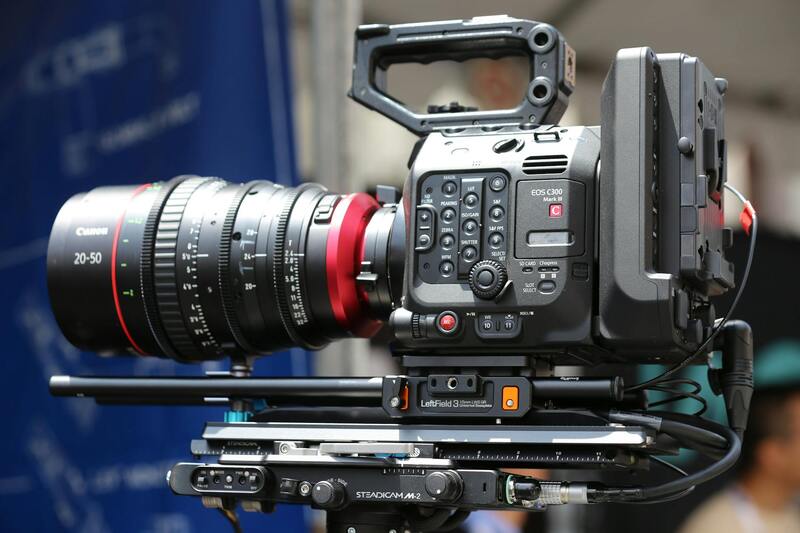
In a market driven by competitive listings and fast-paced transactions, the role of video as a marketing tool cannot be overstated. It provides an efficient means to differentiate offerings, communicate value propositions, and foster meaningful connections with targeted audiences. With Miami’s dynamic commercial property landscape continuing to grow, professional real estate video production stands out as an indispensable element for any comprehensive marketing approach aimed at maximizing property exposure and investor engagement.
Pre-Production Planning and Strategy
Effective commercial real estate video production begins with meticulous planning and a clear strategy that aligns with marketing goals. This phase involves detailed discussions about the property's unique features, target audience, and the message the video aims to convey. Establishing a comprehensive storyboard or shot list ensures that every aspect of the property is showcased effectively, highlighting its strengths and distinguishing it from competitors. Additionally, selecting appropriate locations for filming, timing the shoot to capture optimal lighting conditions, and coordinating with property owners or managers are critical steps in ensuring smooth execution.
In this stage, it's essential to consider the desired tone and style of the video—whether it should be professional and corporate, modern and innovative, or warm and inviting. Defining the video's length and format based on the platform where it will be distributed enhances viewer engagement. For example, shorter clips work well for social media, while longer virtual tours are suited for detailed presentations to potential investors or tenants. Developing a production schedule that accounts for contingencies ensures the process remains on track, reducing delays and unexpected costs.
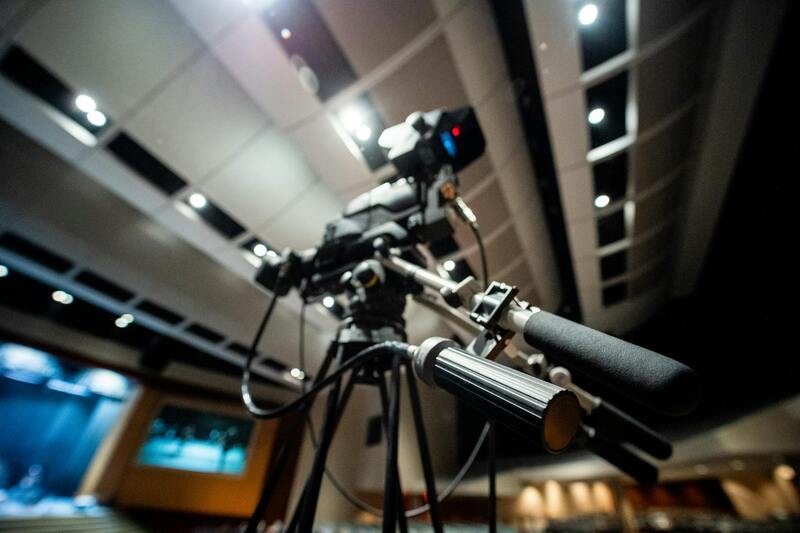
Thorough pre-production planning also involves obtaining necessary permissions and ensuring compliance with property access regulations. This proactive approach minimizes disruptions during filming and guarantees that all legal requirements are met. Collaborating closely with experienced video production teams familiar with Miami's market intricacies contributes significantly to crafting compelling content that resonates with local audiences and meets market expectations.
Video Production Techniques and Equipment
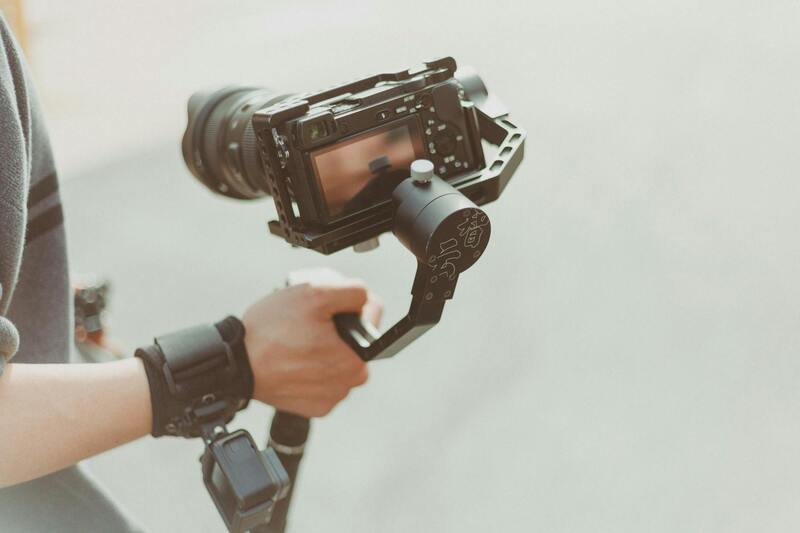
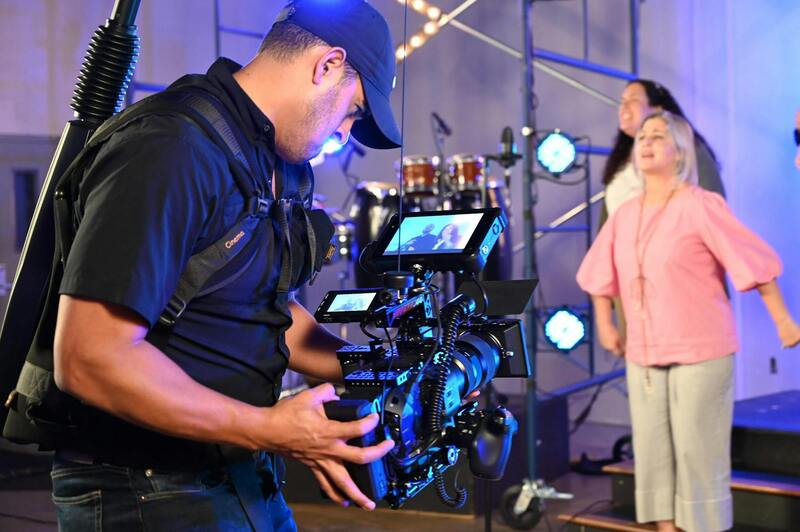
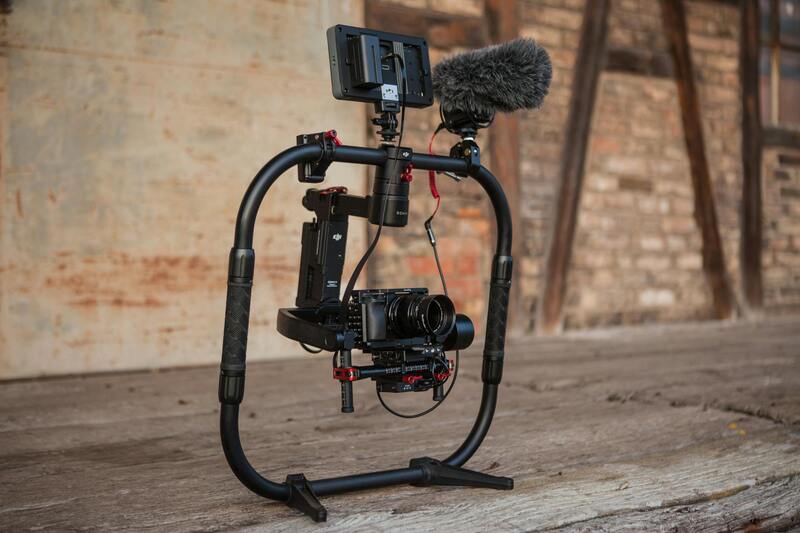
Choosing the right techniques and equipment is vital for capturing captivating commercial real estate videos. Modern production values rely heavily on high-definition cameras capable of producing sharp, detailed visuals that accurately represent the property's scale and features. Steady shots are essential, which is why using stabilizers, gimbals, and dollies ensures smooth footage, especially during walkthroughs or dynamic scenes.
Incorporating aerial drone footage is increasingly popular in showcasing larger properties and their surrounding landscapes. Drones provide expansive views that ground cameras cannot achieve, offering a comprehensive perspective of the property's context within Miami’s skyline or natural environment. Utilization of wide-angle lenses captures large interiors in a single shot, maximizing visual impact within limited space.
Lighting equipment plays a crucial role in enhancing visual quality, especially indoors. Professional lighting setups eliminate shadows and highlight architectural details, creating inviting and polished visuals. For exterior shots, particularly during dusk or dawn, specialized lighting enhances building facades and landscape features, making the property stand out during various times of the day.
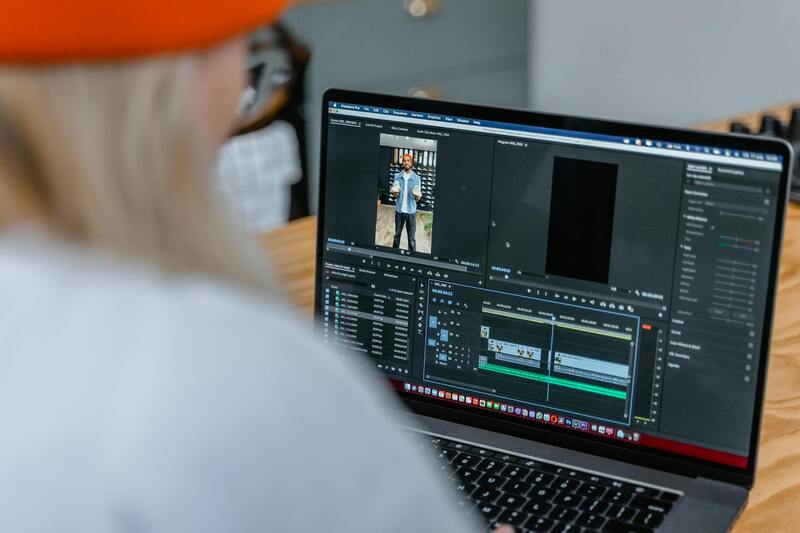
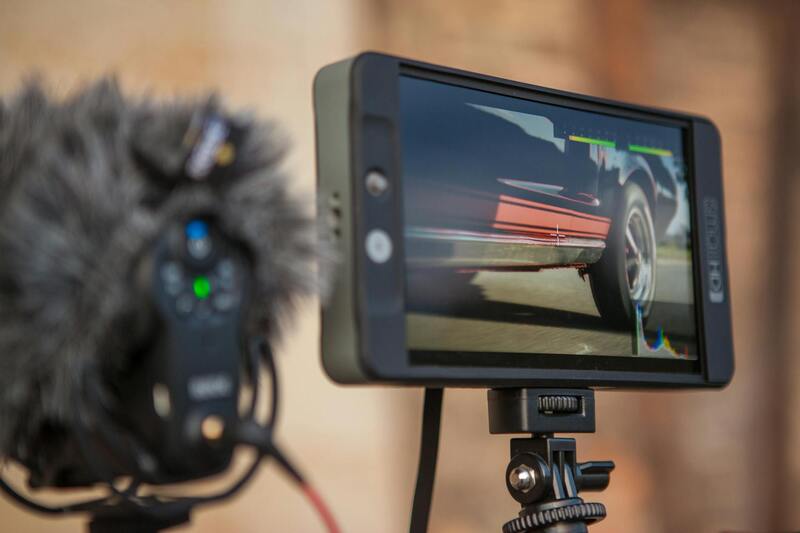
Sound quality is often overlooked but is vital for immersive virtual tours or testimonial segments. Professional microphones and noise reduction techniques ensure narration or interviews are clear, reinforcing the video's credibility. Additionally, incorporating advanced camera stabilization technology results in smooth, professional footage that elevates the overall production value, effectively showcasing the property’s potential to prospective clients and investors.
Video Production Techniques and Equipment
Executing a successful commercial real estate video requires utilizing advanced techniques and high-quality equipment to capture the property's full potential. The selection of camera equipment significantly influences the clarity, color accuracy, and overall visual appeal. Professional-grade cameras with high-resolution sensors ensure every detail is crisp, allowing viewers to appreciate the architectural features and interior finishes meticulously. Employing wide-angle lenses is particularly effective in illustrating interior spaces, making rooms seem more expansive and inviting.
Stabilization tools such as gimbals and dollies are indispensable for obtaining smooth, jitter-free footage. These devices allow for dynamic camera movements, like sweeping shots and cinematic pans, which help translate the property's scale and ambiance into visually engaging narratives. When combined with steady tripod setups for static shots, these techniques produce a cohesive visual flow that keeps viewers engaged.
Lighting remains a critical element in commercial real estate videography. In addition to natural lighting, professional lighting equipment like LED panels, softboxes, and reflectors ensures interiors are evenly lit, highlighting key features while minimizing shadows or uneven brightness. Exterior shots, particularly during golden hour, can be enhanced with portable lighting to illuminate facades effectively. Proper lighting creates depth and texture, emphasizing architectural details and landscape features, thereby elevating the overall production quality.
Drones have revolutionized the visual storytelling of larger properties, providing aerial perspectives that ground-based cameras cannot capture. These sweeping shots are particularly useful for showcasing surrounding land, landscaping, and the property's relationship to its environment. Drone footage not only adds a cinematic element but also offers potential investors a comprehensive spatial understanding of the property.
Sound quality is often an overlooked aspect, but clear audio significantly enhances the video's professionalism. External microphones, such as shotgun mics or lapel mics, ensure that narration, interviews, or testimonials are recorded with clarity. Noise reduction equipment and techniques further eliminate unwanted background sounds, resulting in a polished audio track. When combined with high-quality visuals, superior sound creates a compelling and immersive viewer experience.
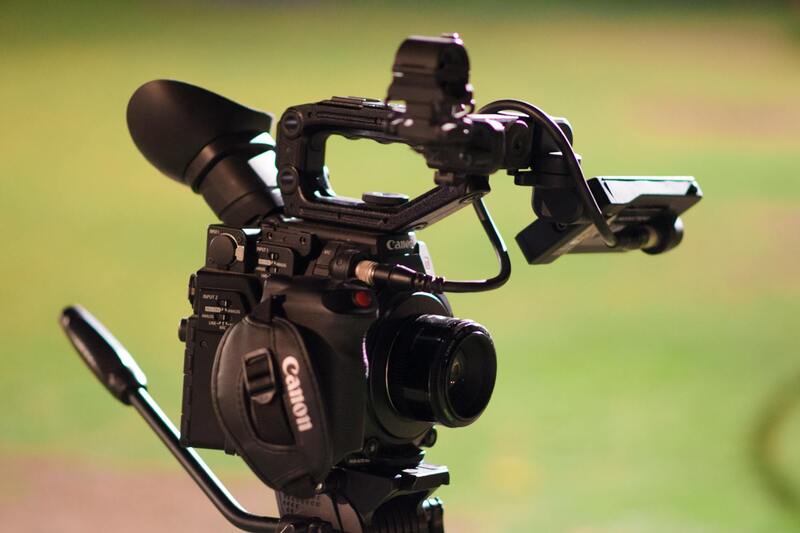
Advanced editing software is crucial in post-production to refine raw footage into a compelling final product. Transition effects, color grading, and careful speech synchronization help produce a visually appealing and coherent video. Incorporating branding elements, such as logos and contact information, ensures the finished product aligns with marketing strategies and enhances brand recognition.
Legal and Ethical Considerations in Real Estate Video Production
Ensuring compliance with legal and ethical standards is fundamental to creating a trustworthy and effective commercial real estate video. The process begins with obtaining the necessary permissions for shooting on private property, which involves securing the explicit consent of property owners and managers. This guarantees that all footage captured aligns with agreed-upon boundaries and respects proprietary rights. In addition, securing permits for drone operations is crucial, especially in regulated areas or for aerial shots, to avoid interference with airspace restrictions and privacy laws.
Respecting privacy becomes paramount when filming around busy commercial sites or public spaces. Identifiable individuals should be appropriately informed about the purpose of the video and, where necessary, their consent should be obtained, particularly for testimonials or interviews. Incorporating clear notices or disclaimers if sensitive areas or private information are involved helps maintain transparency and fosters trust among viewers.
It’s also important to adhere to guidelines regarding intellectual property. Any third-party content used within the video—such as music, logos, or branded elements—must be properly licensed or exclusively owned. This helps prevent copyright infringements that could lead to legal complications or reputational damage. Moreover, transparency regarding the origin of footage and the use of any proprietary elements reinforces an ethical approach to marketing.
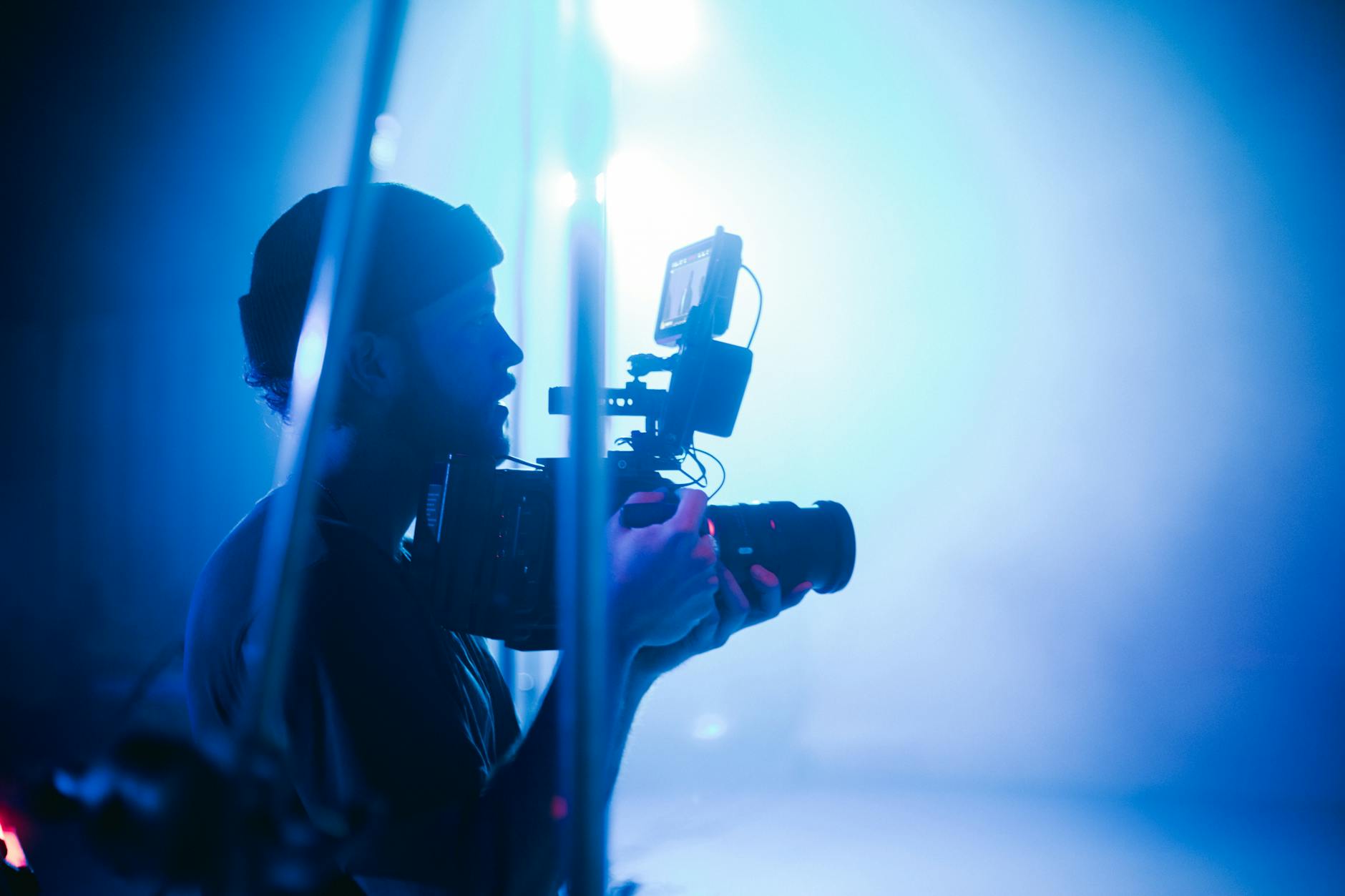
Developing an ethical framework for video production not only aligns with best practices but also enhances credibility in the competitive Miami commercial property market. Clients and investors are increasingly attentive to authenticity and transparency, making it vital to ensure that every aspect of the production process adheres to all relevant standards. Clear communication with all stakeholders during pre-production helps preempt misunderstandings and ensures that actual content accurately represents the property’s features and benefits without exaggeration.
Post-Production and Finalization of Commercial Real Estate Videos
Once the filming phase is complete, the transition to post-production is where the visual story of the commercial property truly comes alive. This stage involves meticulous editing to ensure the final product aligns with strategic marketing objectives and effectively highlights the property's unique features. Key components include the seamless integration of graphics that accentuate vital information, such as floor plans, square footage, or special amenities, which can significantly enhance viewer understanding and engagement.
Adding background music is a strategic choice that can evoke the desired emotional response, whether it’s a sense of sophistication, innovation, or community appeal. Selecting suitable music and adjusting volume levels are essential to maintain focus on the property's visual presentation without overwhelming the viewer. Voiceovers may also be incorporated to deliver detailed descriptions or narrations that guide potential investors or tenants through the property’s advantages.
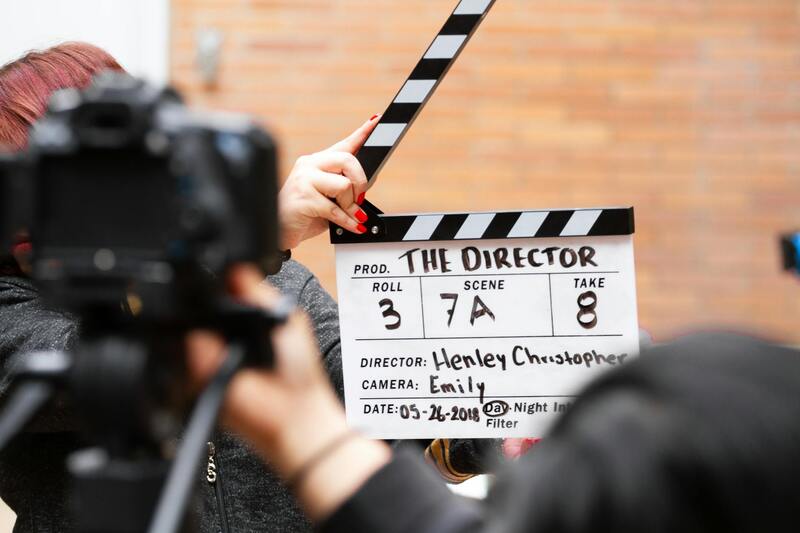
Color correction and grading are crucial techniques in post-production, refining the overall aesthetic and enhancing visual consistency across all footage. These steps help create a polished, professional appearance that aligns with branding standards. Furthermore, transitions and effects should be used judiciously to maintain a smooth viewing experience that preserves the integrity of the real estate listing.
Many production teams also employ motion graphics, titles, and call-to-action overlays to direct viewers toward desired actions, such as visiting a website, calling for more information, or scheduling a viewing. By integrating these elements thoughtfully, the video becomes a powerful tool within a broader digital marketing strategy, increasing the property's visibility and appeal in the competitive Miami market.
Once editing is complete, a thorough review process should occur, involving feedback from stakeholders to ensure the content accurately reflects the property's features and meets brand standards. Final adjustments and quality checks help eliminate errors, optimize viewing quality across different devices, and prepare the video for distribution.

Legal and Ethical Considerations
When producing commercial real estate videos, adhering to established legal and ethical standards is fundamental to maintaining trust and credibility within the industry. This involves ensuring that all content accurately represents the property, avoiding misleading visuals or claims that could misinform viewers. Transparency about any modifications, virtual staging, or digital enhancements is essential to uphold honesty in marketing efforts. By clearly communicating the scope of the video content, producers foster a trustworthy relationship with potential investors, tenants, and partners.
Securing proper permissions and rights is another critical aspect, particularly when filming on properties that are subject to proprietary ownership or seasonal restrictions. This includes obtaining consent from property owners or managers before capturing footage, which helps prevent disputes or misunderstandings later in the process. Additionally, respecting privacy rights of neighboring properties or individuals who may unintentionally appear in footage is necessary. Using signed releases or consent forms secures legal clearance and minimizes potential liabilities.
Compliance with industry regulations surrounding advertising, consumer protection, and real estate disclosure laws is vital. Although these regulations vary by jurisdiction, ensuring that all marketing materials meet local standards safeguards producers against potential infractions. For example, accurately displaying property dimensions, features, and zoning information within the video content helps prevent claims of misrepresentation and supports fair marketing practices.
Ethical considerations extend beyond legal compliance, emphasizing responsible marketing practices. This includes avoiding exaggerations of property benefits or creating false impressions that could distort the viewer’s understanding. Instead, the focus should be on delivering honest, informative content that accurately depicts each property's unique characteristics and advantages.
Working with seasoned professionals who understand these standards ensures that each stage of production aligns with best practices. From pre-production planning to post-production editing, maintaining an ethical approach fosters positive industry relationships and enhances reputation among clients and stakeholders. Having clear agreements, understanding regional advertising standards, and emphasizing truthful representation ultimately contribute to effective, compliant, and ethical commercial real estate video campaigns.
Importance of Video in Commercial Real Estate Marketing
In the competitive landscape of commercial real estate, utilizing high-quality video content has become a pivotal component of effective marketing strategies. Video provides an immersive experience that static images or text descriptions cannot match, enabling potential investors and tenants to virtually explore properties from anywhere in the world. This dynamic format helps to highlight key features such as property layout, infrastructure, surrounding amenities, and potential uses, creating a comprehensive understanding of the space without requiring physical visits. Moreover, professionally produced videos enhance brand credibility by demonstrating a commitment to quality and attention to detail. When stakeholders see polished visuals and well-scripted narratives, they are more likely to perceive the listings as reputable and trustworthy. This trust is essential in building relationships with serious buyers, investors, and leasing agents who rely on accurate and compelling visual representations to inform their decisions. In addition to attracting more viewers, videos facilitate faster decision-making processes. A well-crafted commercial real estate video can succinctly convey vital information, reducing the time clients spend sifting through multiple listings and documentation. As a result, video content accelerates the sales and leasing cycles, driving efficiency and increasing return on investment for property managers and brokers. Video marketing also improves search engine visibility. Optimized videos embedded on property listings or websites tend to rank higher in search results, drawing increased traffic and engagement. This amplifies outreach efforts, particularly when combined with strategic keywords, compelling thumbnails, and engaging call-to-actions. As the digital landscape continues to evolve, integrating video into your marketing approach ensures your commercial properties remain top-of-mind and competitive in a crowded marketplace.
Furthermore, video content supports various marketing channels, including social media, email campaigns, and virtual tours, allowing for versatile and cohesive branding. Cross-platform compatibility enables prospects to engage with the property from smartphones, tablets, or desktops, providing convenience and accessibility that align with modern audience preferences. By investing in professional commercial real estate video production, stakeholders not only showcase their properties more compellingly but also establish a competitive edge in attracting high-caliber tenants and investors. Video's ability to evoke emotion and communicate intricate details succinctly makes it an indispensable tool in contemporary real estate marketing efforts.
Legal and Ethical Considerations
When producing commercial real estate videos in Miami, adhering to legal and ethical standards is essential to maintaining professionalism and securing a positive reputation. While this phase does not involve explicit discussions of permits or intellectual property rights, it encompasses the responsible approach to obtaining necessary approvals, respecting privacy, and ensuring transparency with all stakeholders.
Clear communication with property owners, tenants, and other involved parties helps in setting expectations and preventing misunderstandings. Before filming, it’s advisable to obtain written consent from property owners, especially when capturing interior spaces or sensitive areas, to adhere to established protocols and foster trust. This process also involves confirming the presence of any restrictions related to drone usage, signage, or access points within private premises.
Respecting privacy is paramount, particularly when filming in commercial spaces with ongoing operations or confidential business activities. Filmmakers should identify and avoid capturing identifiable individuals without proper consent, especially in common areas or parts of the property that are not publicly accessible. As part of ethical filming, it’s critical to communicate the purpose of the video and how the footage will be used, which maintains transparency and builds confidence among all participants.
Intellectual property rights also play a significant role in commercial real estate video production. This includes ensuring that any proprietary materials, such as branding elements, signage, or artwork within the property, do not infringe on copyrights or trademarks. When incorporating third-party content, proper licensing agreements should be established to avoid legal complications. Additionally, any music added during editing must be licensed or royalty-free to prevent copyright issues.
In Miami, where the real estate market continues to evolve rapidly, understanding and implementing these responsible practices ensure that your professional videos are both effective and compliant, thereby establishing your reputation as a credible and ethical stakeholder in the industry.