
Importance of High-Quality Real Estate Videos
In the bustling Miami real estate market, standing out among numerous property listings requires more than just photographs and basic descriptions. High-quality real estate videos have become an essential tool for agents and property owners aiming to enhance property visibility and attract qualified buyers seamlessly. Professionally produced videos offer an immersive experience, allowing potential buyers to virtually walk through a property, appreciate its unique features, and get a real sense of scale and space—all remotely.
The impact of great real estate videos extends beyond mere presentation. They significantly increase engagement rates and foster a stronger emotional connection with prospective buyers. Miami’s competitive market demands a strategic approach to property showcasing, where videos serve as a dynamic visual narrative that highlights the property’s best attributes while also aligning with the target audience’s preferences. In this way, compelling videos can accelerate decision-making, reduce time on the market, and ultimately contribute to higher sale prices.
Moreover, professionally crafted videos enhance credibility and demonstrate a commitment to quality, which builds trust among viewers. When potential buyers see that a property is presented with attention to detail, lighting, and clear visuals, it positively influences their perception of both the property and the agent’s professionalism. In regions like Miami, where diverse buyers and investors are constantly seeking innovative ways to view real estate opportunities, investing in high-quality videos becomes a vital component of a comprehensive marketing strategy.
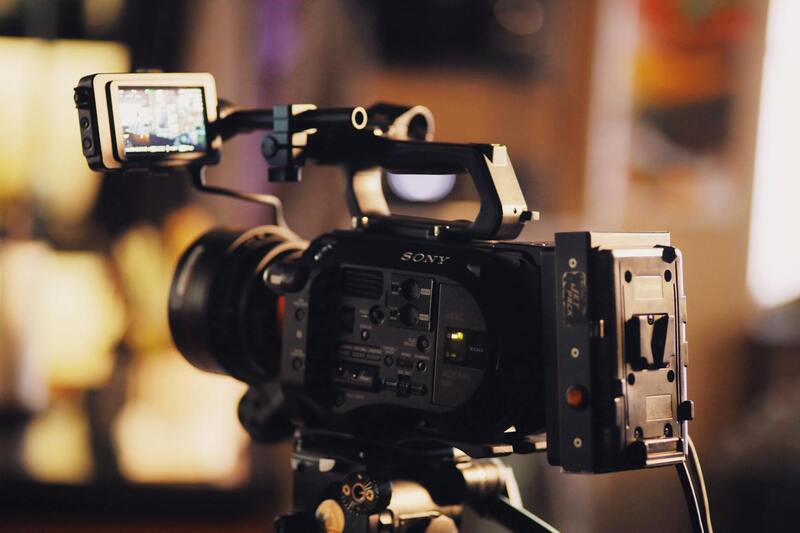
From city condos to luxury waterfront estates, high-quality videos cater to a wide spectrum of properties, allowing each to be showcased in the best possible light. The evolving digital landscape makes it imperative for real estate professionals to employ proven visual storytelling techniques that not only attract attention but also resonate with target buyers’ aspirations and lifestyles. Consequently, investing in professional real estate videography is no longer optional; it is a strategic necessity to succeed in Miami’s thriving real estate environment.
Key Elements of Great Real Estate Videos
Creating compelling real estate videos demands meticulous attention to several core elements that work synergistically to capture viewers' interest and accurately represent the property. These components include lighting, camera angles, staging, and storytelling, each playing a vital role in producing high-quality visual content.
- Lighting: Effective lighting is fundamental to showcase a property’s true colors, textures, and spatial features. Natural light should be maximized by filming during the day, ideally when sunlight is soft and diffused. Supplementary lighting, such as softboxes or LED panels, can eliminate shadows and highlight key areas, making rooms appear brighter and more welcoming.
- Camera Angles: Multiple camera angles help create a comprehensive view of each space, emphasizing its size and layout. Low angles can impart a sense of grandeur, while wide shots provide contextual overviews. Smooth camera movements and steady shots are essential to maintain professionalism and ensure viewers remain engaged.
- Staging: A well-staged property presents its potential in the best possible light. Clutter should be minimized, and furniture arranged to accentuate the space. Strategic placement of decor and accessories can evoke aspirational lifestyles, drawing potential buyers into the property's ambiance.
- Storytelling: Narrating the property’s unique features turns a simple tour into an engaging story. Highlight key selling points, such as modern upgrades, view orientations, or neighborhood advantages, through voiceovers or captions. Storytelling creates an emotional connection, motivating viewers toward a desired action.
Planning and Scripting for Real Estate Videos
Effective planning begins with understanding the property's unique selling points and the target audience’s preferences. A detailed script guides the video flow, ensuring all critical features are covered systematically. Scripts should highlight key areas, transitions, and narratives that resonate with prospective buyers. It’s essential to incorporate a compelling beginning that hooks viewers, a detailed middle segment showcasing the property’s strengths, and a strong call to action. Pre-production planning includes arranging shots, selecting the right times for filming, and coordinating with all involved parties to ensure seamless execution.
Best Practices for Shooting Real Estate Videos
During filming, stability and clarity are paramount. Use of stabilizers or gimbals prevents shaky footage, providing smooth and professional visuals. Employing high-resolution cameras with wide-angle lenses captures more spaciousness, making rooms appear larger and more inviting. Attention to detail, such as removing personal clutter and ensuring proper lighting, enhances the overall quality. Filming from eye level creates a natural perspective, while drone footage can be utilized for exterior shots, providing stunning views of the property and its surroundings. Consistent framing and pacing prevent viewer fatigue and maintain interest throughout the video.
Editing Techniques to Enhance Real Estate Videos
Post-production editing is where raw footage transforms into an engaging marketing tool. Color correction ensures uniformity across scenes, making the visuals vibrant and appealing. Incorporating smooth transitions, motion graphics, and highlight overlays emphasizes specific features, guiding viewer attention effectively. Adding background music that matches the property's vibe can evoke emotion, but should never overshadow the narration or visuals. Clear, professional voiceovers can provide context and reinforce the property's selling points. Editing should also include branding elements, such as agent logos or contact information, for seamless lead generation.
Optimizing Videos for Online Marketing
To maximize reach, real estate videos must be optimized for digital platforms. This involves creating short, engaging versions for social media channels while maintaining longer, detailed versions for websites and listing platforms. Using relevant keywords within titles, descriptions, and tags enhances discoverability via search engines. Thumbnails should be visually appealing, capturing the essence of the property and enticing clicks. Embedding videos in property listings with clear call-to-action buttons encourages viewers to take the next step, whether scheduling a viewing or contacting an agent. Responsive formatting ensures videos display correctly across all devices, from desktops to smartphones, expanding audience accessibility.
Planning and Scripting for Real Estate Videos
Effective planning and scripting form the foundation of compelling real estate videos. A well-structured script ensures that every essential feature of the property is highlighted systematically, providing potential buyers with a comprehensive virtual tour. Start by outlining the key areas to showcase, such as the living spaces, kitchen, bedrooms, bathrooms, outdoor amenities, and unique property features. This prevents missing critical elements during filming and creates a coherent narrative flow.
Pre-visualization is crucial; visualize each shot and how it flows into the next to maintain viewer engagement. It helps define the optimal camera angles, lighting setups, and movement directions, facilitating efficient filming sessions. Detailed shot lists aligned with the script serve as checklists, ensuring no vital aspect is overlooked. This organized approach minimizes filming time and reduces the need for extensive editing corrections later.
Including secondary elements such as neighborhood highlights, proximity to local attractions, and community features within the script can add value and context to the listing. These details help viewers envision living in the space and understanding the property's surrounding environment. Effective scripting also involves time management—allocating appropriate durations for each segment to keep videos engaging yet informative.
Incorporating clear calls to action within the script directs viewers to the next steps, whether scheduling a tour or contacting the agent. Overall, meticulous planning and scripting enhance not only the quality of the footage but also the viewer’s experience, maximizing the video's marketing impact.
Technical Tips for Shooting High-Quality Real Estate Videos in Miami
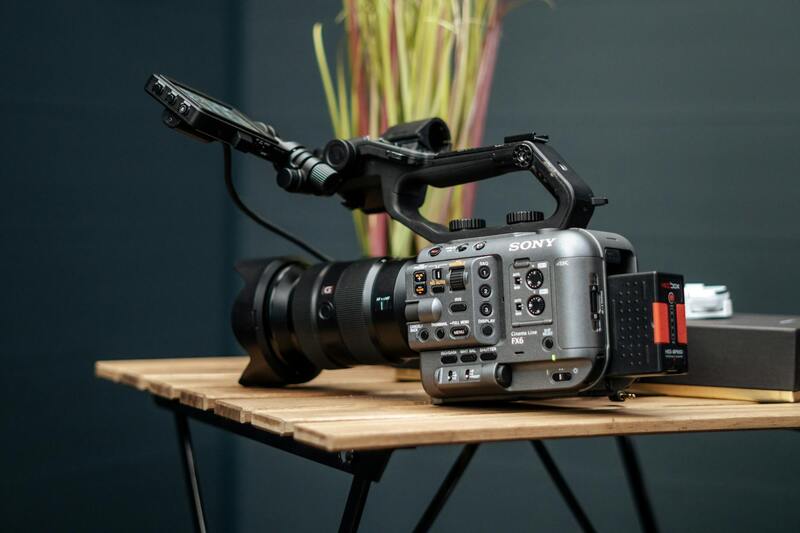
When capturing compelling real estate footage, the choice of equipment and shooting techniques significantly impact the final product. In the vibrant Miami property market, the visual presentation must reflect the property's appeal and the neighborhood's unique ambiance. High-resolution cameras are essential for producing crisp, clear images that showcase property details effectively, especially for upscale listings where details matter. DSLRs and mirrorless cameras with the ability to shoot in 4K provide the clarity and flexibility needed for professional-level videos.
Stabilization equipment such as gimbals or steadicams helps achieve smooth camera movements, especially during walkthrough shots. These tools prevent shaky footage and create a more polished viewing experience. Wide-angle lenses are particularly useful in real estate videography, allowing you to capture more of the interior space in a single shot, making rooms appear larger and more inviting. In a city like Miami, with its diverse architectural styles, selecting lens options that accentuate the property’s unique features is advantageous.
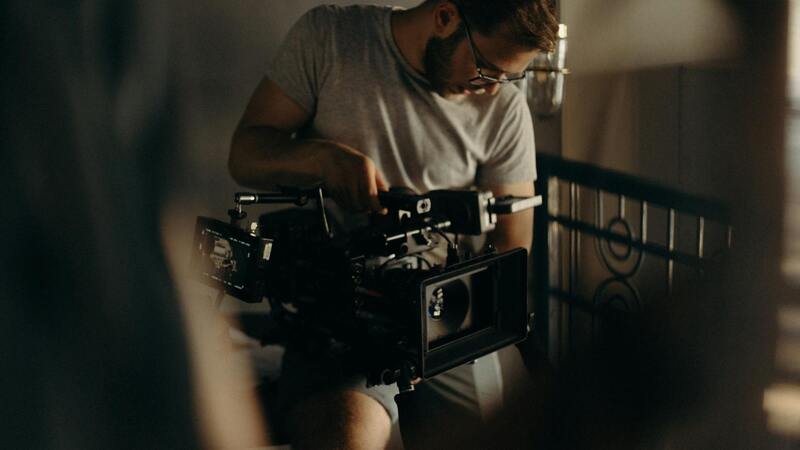
Proper lighting plays a crucial role in producing high-quality footage. During filming, natural light should be maximized, which involves shooting during optimal times of day—usually late morning or early afternoon when daylight is abundant. Supplementing with professional lighting equipment, such as softboxes or LED panels, helps eliminate shadows and highlights the property’s best features, especially in interiors with limited natural light or during cloudy days. In Miami, with its abundant sunshine, maximizing daylight is often straightforward, but supplemental lighting ensures consistency and quality.
Camera settings should be optimized based on the environment. Adjust ISO, aperture, and shutter speed to achieve balanced exposure, vibrant colors, and crisp details. Using a tripod ensures steady shots, particularly during static scenes or when highlighting specific features. For dynamic shots like walkthroughs or drone footage of outdoor spaces, smooth camera movements are vital for maintaining viewer engagement. Techniques such as slow, deliberate pans or tilts help guide viewers through the property's layout naturally and seamlessly.
Post-filming, color grading and stabilization in editing software further elevate the video's quality. Correcting color tones to match natural hues and enhancing brightness and contrast can make properties appear more appealing. In Miami's diverse climate, maintaining color consistency helps portray different environments accurately. Final touches like adding cinematic transitions and overlays contribute to a professional presentation that appeals to sophisticated buyers and investors.
Editing Techniques to Enhance Real Estate Videos
Once the initial footage has been captured, the editing process becomes essential in transforming raw clips into compelling visual presentations that effectively showcase a property’s unique features. High-quality editing techniques involve meticulous color correction to ensure accurate and vibrant color rendition, which enhances the property's appeal by making interiors and exteriors look inviting and well-maintained. Adjusting contrast, brightness, and saturation levels helps create a balanced and visually appealing image, especially critical when highlighting key selling points.
Color grading is a vital step, allowing editors to establish a consistent aesthetic tone throughout the video. For Miami properties, a warm, inviting palette can accentuate the sunny outdoor spaces or modern interiors, resonating with prospective buyers' aspirations. Additionally, stabilization tools are employed to smooth out shaky footage, ensuring fluid camera movements that maintain viewer engagement and convey professionalism.
Music selection plays a significant role in setting the mood of the video. Carefully chosen background tracks should complement the property's style, whether contemporary, luxurious, or cozy. It’s important that the music does not overshadow the visuals but rather elevates the viewing experience. Proper timing of transitions, whether fades, cuts, or cinematic effects, helps maintain a natural flow that guides viewers seamlessly through different areas of the property.
Text overlays and captions are added strategically to highlight important features, such as square footage, unique amenities, or recent upgrades. These overlays serve as supplementary information that reinforces key selling points without disrupting the visual flow. Incorporating a professional logo or branding elements subtly throughout the video enhances brand recognition and lends an air of credibility.

Advanced editing software also offers capabilities for incorporating cinematic effects, transitions, and overlays that refine the overall presentation. These enhancements help craft a polished, cinematic experience that resonates with a discerning audience. Consistency in editing style across multiple property videos reinforces brand professionalism and builds trust among viewers.
Advanced Techniques for Capturing and Showcasing Properties
Maintaining a high standard in real estate videography involves employing advanced filming techniques that elevate the visual appeal and informational clarity of property videos. Drone footage has become a critical tool for showcasing a property's external aspects, such as landscaping, outdoor amenities, and proximity to desirable locations. Aerial shots provide potential buyers with a comprehensive perspective that ground-level footage cannot achieve, thereby enhancing the property's perceived value.
Stabilization technologies, like gimbals and steadicams, are essential for producing smooth, professional footage. These tools mitigate typical hand-held camera issues, such as shakiness, which can detract from the viewer's experience. When combined with fluid camera movements—such as sweeping pans or gentle tilts—these techniques help direct viewer focus and create a cinematic quality that draws attention to key features.
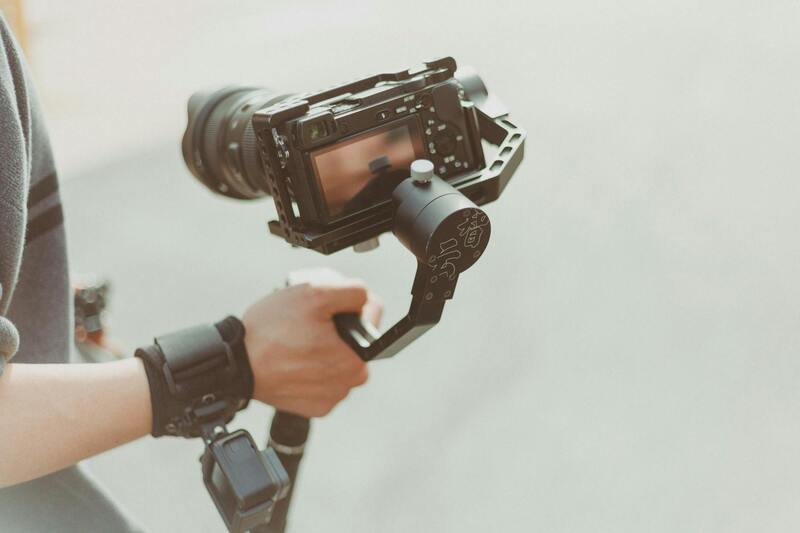
Lighting is another critical component. Shooting during the golden hour—shortly after sunrise or before sunset—can produce warm, inviting visuals that highlight the property's best features. Proper use of diffused lighting indoors ensures rooms appear bright and welcoming, avoiding unflattering shadows and dull appearances. Combining natural and supplemental lighting sources helps achieve a balanced, appealing aesthetic.
Sound design also plays a role; capturing clear ambient sounds or adding subtle background scores can make the videos more immersive. However, care must be taken to ensure that audio elements do not overpower the visuals or distract viewers from the key scenes.
Leveraging Virtual Tours and 3D Walkthroughs
Virtual tours and 3D walkthroughs are increasingly popular for providing an interactive experience that allows viewers to explore a property remotely. Incorporating 360-degree video technology enables potential buyers to navigate space at their own pace, gaining a comprehensive understanding of the layout and flow of rooms. These immersive tools are especially valuable in a competitive market where buyers seek detailed virtual experiences before arranging in-person visits.
High-quality virtual content can include clickable hotspots that showcase additional details or highlight specific features, such as upgraded appliances, custom finishes, or unique architectural elements. The integration of interactive elements requires precision in filming and editing but results in highly engaging promotional material that sets listings apart.
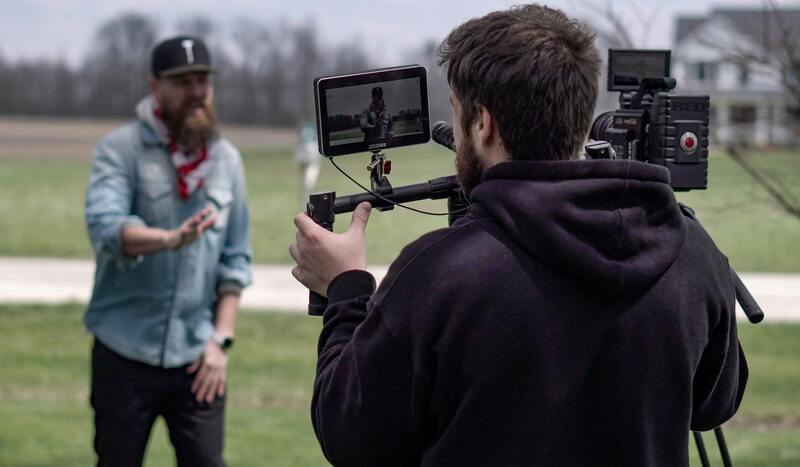
Combining these techniques with strategic narration and professionally designed overlays ensures that virtual presentations are both visually captivating and informationally rich. As part of a comprehensive marketing strategy, such immersive videos significantly increase engagement rates and attract a broader pool of potential buyers and investors.
Legal and Ethical Considerations
Producing effective and compliant real estate videos necessitates adherence to essential legal and ethical standards. Establishing clear property rights and obtaining necessary permissions prior to filming are fundamental steps that ensure the content is produced responsibly. Securing consent from property owners or authorized representatives helps safeguard against potential disputes or misunderstandings and demonstrates professionalism in the production process.
It is equally important to respect the privacy of individuals, including tenants, residents, or neighbors, who may be present during the shoot. Proper notification and obtaining explicit consent from those who may appear on camera help maintain ethical standards and foster trust within the community.
Filming in public or private spaces must be conducted with consideration of local regulations. This includes acquiring any required permits or approvals from relevant authorities, especially when shooting in restricted or protected areas. Compliance with local signage and regulations surrounding drone footage, if utilized, is an integral part of responsible video production in Miami.
For real estate professionals and marketers, transparency with clients about how footage will be used and shared builds confidence and upholds integrity. Clear contractual agreements should outline rights to the content, usage limitations, and distribution channels. This proactive approach minimizes misunderstandings and reinforces ethical standards in promotional practices.
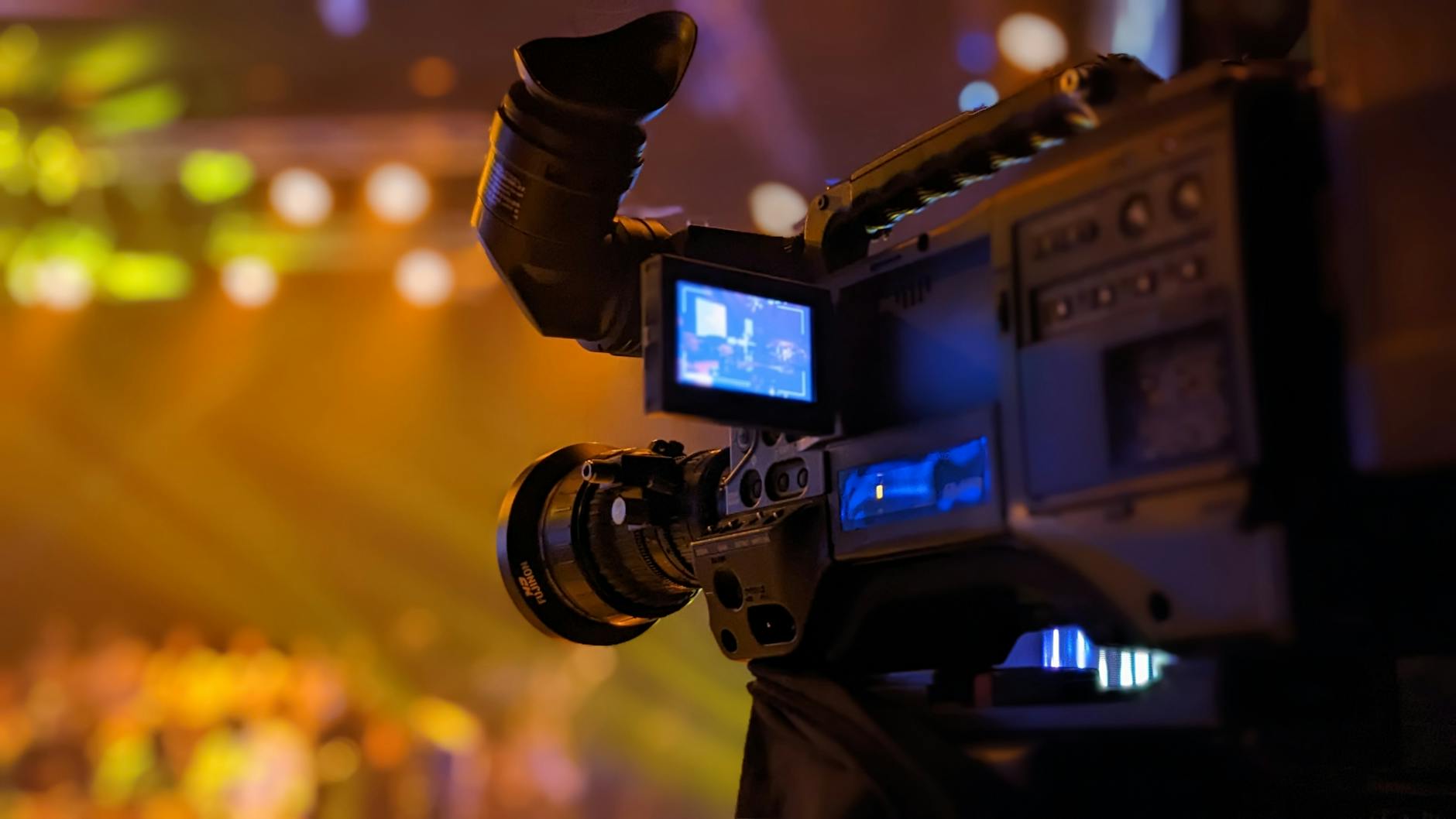
Ensuring compliance with legal and ethical categories during video production bolsters reputation and enhances the marketability of each property. It is paramount that production teams, agents, and clients collaborate transparently and responsibly throughout the process. This includes maintaining confidentiality where necessary, sharing footage responsibly, and respecting the rights of all parties involved. Following these guidelines not only protects against potential legal issues but also elevates the professionalism of your real estate marketing efforts.
In Miami's dynamic real estate landscape, demonstrating ethical industry practices through video content nurtures confidence among prospective buyers and stakeholders. Such integrity-driven content contributes to long-term success and positions your brand as a reputable leader in the market.
Legal and Ethical Considerations
Producing outstanding real estate videos requires adherence to established principles that uphold fairness, transparency, and respect for all parties involved. Transparency with clients regarding the intended use, distribution, and reach of the footage fosters trust and aligns expectations. Clear communication about rights to the content, including ownership and licensing agreements, prevents misunderstandings and ensures all stakeholders are informed about how their property or image will be showcased. Maintaining confidentiality is equally vital, especially when sensitive information or private property features are involved. Proper handling and secure storage of video footage help uphold privacy standards and safeguard client interests. When incorporating user-generated content or testimonials, obtaining explicit consent before sharing or publishing is essential to respect individuals’ rights. Furthermore, honesty in marketing practices is fundamental. Avoiding manipulative editing or misleading representations about a property's features or condition maintains integrity and builds credibility within the local market. All visuals should accurately portray the property's attributes, from spatial dimensions to amenities, providing prospective buyers with a truthful depiction. Adopting a responsible approach in video production also involves respecting local signage, community standards, and drone regulations where applicable. When utilizing aerial footage, operators should be aware of restrictions related to flight zones, altitude limits, and privacy concerns, ensuring operations are performed ethically and professionally. Additionally, responsible distribution practices include limiting access to sensitive footage and ensuring promotional content reaches appropriate audiences. Protecting proprietary content and respecting the rights of other creators or owners helps maintain a positive reputation.
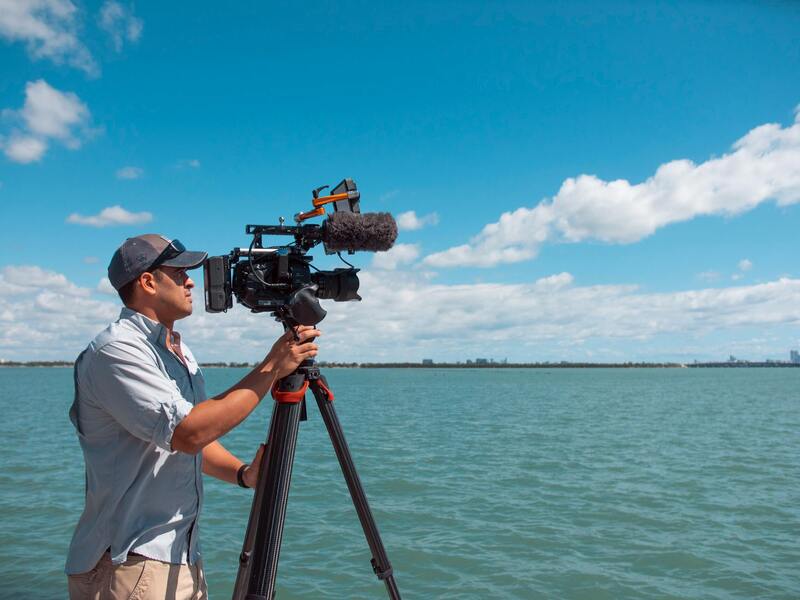
By upholding these standards, real estate professionals reinforce their commitment to ethical practices, which in turn enhances their reputation and attracts discerning clients. Ethical video production not only safeguards relationships but also elevates the perceived value of properties and services offered, positioning your brand as a trustworthy leader in Miami's vibrant real estate scene.