
Importance of High-Quality Property Images
In Miami's competitive real estate market, the visual presentation of a property can significantly influence buyer interest and sales outcomes. High-quality house photography serves as a vital component of effective property marketing, providing potential buyers with an authentic and engaging preview of the home's features and ambiance. Professionally captured images highlight the property's best qualities, creating an appealing first impression that can set listings apart from the competition.
Enhanced images not only attract more views but also encourage prospective buyers to schedule in-person visits. Clear, crisp photography allows viewers to appreciate the space, layout, and design details, which can accelerate decision-making processes. In a dynamic market like Miami, where waterfront views, modern amenities, and unique architectural features draw attention, professional imagery becomes a strategic investment for sellers seeking quicker and more profitable transactions.
Furthermore, well-executed photography extends the reach of property listings across various online platforms, social media channels, and promotional materials. High-resolution images ensure that listings maintain their visual integrity regardless of device or screen size. This consistency helps build a trust-based relationship with potential buyers and enhances the credibility of the listing agent.

Real estate professionals recognize that investing in professional house photography translates into measurable results—faster sales, higher sale prices, and increased visibility. In Miami's bustling property landscape, where luxury homes, condos, and beachfront properties command global attention, professional photography acts as the cornerstone of successful marketing strategies.
Ultimately, quality visuals foster emotional connections, allowing buyers to envision their future in the property. This emotional resonance can influence their decision to make an offer, making high-caliber photography an invaluable tool for real estate success in Miami's dynamic environment.
Preparing a Property for Photography
Successfully capturing compelling images of a property hinges on meticulous preparation. It begins with thorough cleaning to eliminate clutter, dust, and any distracting elements that can detract from the home’s appeal. Clear countertops, polished floors, and pristine windows contribute significantly to an inviting atmosphere. Additionally, furniture should be arranged to showcase the space’s best features while creating a welcoming, lived-in feel without overcrowding the rooms.
Staging plays a vital role in highlighting a property’s potential. Strategically placing furniture and décor accentuates the size of rooms, emphasizes natural light, and conveys a lifestyle that resonates with prospective buyers. Neutral tones and minimal personal items help create a versatile backdrop that allows viewers to envision their own belongings within the space.
Lighting is another critical component. To enhance natural light, ensure curtains and blinds are opened fully before the shoot. Scheduling photography sessions during the day when sunlight is abundant allows softer, more appealing images. Supplementing with well-placed artificial lighting can eliminate shadows and brighten darker corners, ensuring uniform illumination throughout interior shots.
Finally, attention to detail—such as repairing minor damages, removing personal artifacts, and cleaning windows—also contributes to a polished presentation. These preparations help create images that accurately represent the home’s beauty, making it easier to attract serious buyers and generate interest in the listing.
Techniques for Capturing Attractive Interior Shots
Achieving compelling interior images requires a combination of proper technique and a keen eye for detail. Camera positioning plays a crucial role; setting up shots at eye level ensures a natural perspective that viewers will find familiar and inviting. To create an expansive feel, utilize wide-angle lenses to encompass more of the room within a single frame, making spaces appear larger and more open. This approach is particularly effective in constricted areas or small rooms, helping to convey practicality without sacrificing aesthetics.
Utilizing natural light is essential, but when unavailable or insufficient, supplementing with artificial lighting ensures consistent illumination. Softbox lights or umbrella diffusers can soften shadows and reduce harsh contrasts that might distort space perception. For rooms with uneven lighting, bracketing multiple exposures and combining them through high dynamic range (HDR) techniques ensures details are visible in both bright and dark areas, resulting in balanced and vibrant images.
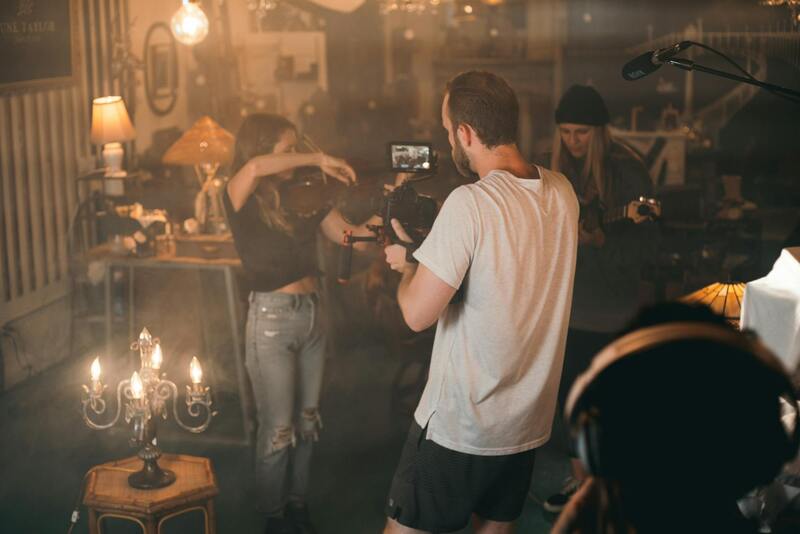
Pay attention to details such as straightening lines, leveling the camera to prevent distortion, and reducing clutter before shooting. Arranging furniture and decor thoughtfully accents the property's best features and guides the viewer's eye through the space. Incorporating elements like throw pillows, artwork, and fresh flowers can also add warmth and personality to the images, making the property feel more lived-in and appealing.
Posture, perspective, and composition all contribute to image quality. Using the rule of thirds can help in framing scenes that appear balanced and aesthetically pleasing. Also, including shots from multiple angles—shot from doorways, corners, and end walls—provides viewers with a comprehensive understanding of the space, aiding in their evaluation and increasing engagement.
Finally, consistency in style and lighting throughout interior images creates a seamless visual narrative, which is more persuasive for prospective buyers. Paying meticulous attention to these techniques results in photos that not only highlight the home's features but also evoke an emotional response, encouraging inquiries and viewings.
Techniques for Capturing Attractive Interior Shots
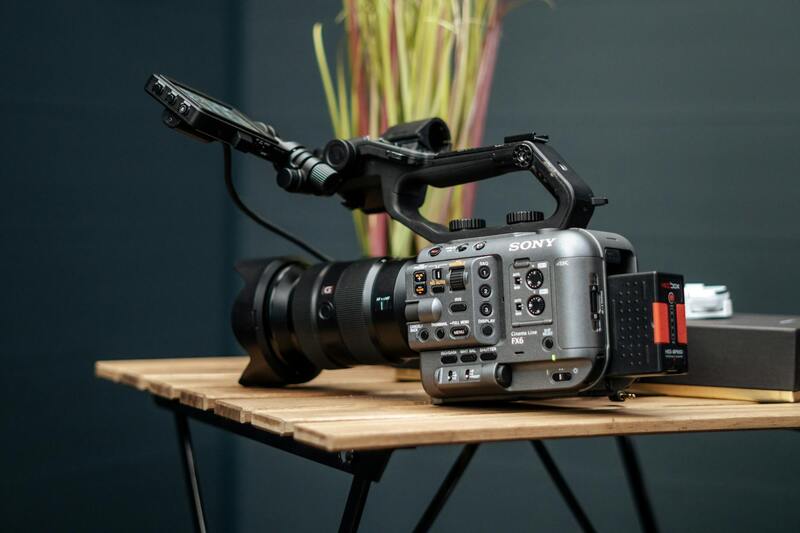
Achieving compelling interior images requires a strategic approach to composition, lighting, and perspective. The goal is to accurately portray the space while highlighting its best features, creating a visual story that resonates with potential buyers. Proper framing involves selecting key focal points within each room, ensuring that essential features such as fireplaces, large windows, or unique architectural details are prominently displayed. Utilizing the rule of thirds can aid in balancing elements within the frame, resulting in images that are pleasing and well-structured.
Lighting plays a critical role in interior photography. Natural light is preferred, so shooting during the day when windows are open and abundant sunlight fills the space is ideal. Positioning the camera to maximize natural light, avoiding harsh shadows or overexposure, enhances the clarity and warmth of images. Supplementing with soft artificial lighting can help evenly illuminate darker corners without creating unnatural color casts. Diffused light sources, such as softboxes or umbrella reflectors, soften shadows and add depth to the scene.
Angles should be carefully chosen to convey the size and layout of rooms effectively. Shooting from doorways, corners, and elevated positions offers different perspectives, giving viewers a comprehensive understanding of the space. Wide-angle lenses are particularly advantageous for capturing more of the room in a single shot, but caution should be exercised to prevent distortion. Maintaining consistent camera height, usually at eye level or slightly above, ensures uniformity across images, making the property appear cohesive and well-presented.
In addition to technical considerations, attention to detail is vital. Clutter should be minimized to avoid distractions, and furniture and decor should be arranged to emphasize space and flow. Incorporating well-placed accessories, like plush cushions or artwork, can add visual interest and a welcoming atmosphere. Elevating images with thoughtful composition and lighting not only showcases the property’s features but also evokes emotional appeal, fostering greater viewer engagement.
Techniques for Capturing Attractive Interior Shots
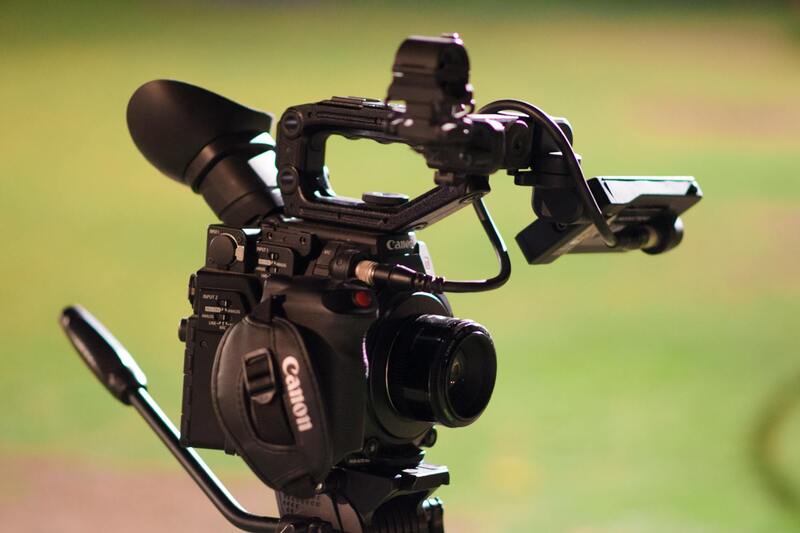
Achieving compelling interior property images requires a combination of technical skill, strategic planning, and attention to detail. Utilizing a wide-angle lens allows photographers to capture more of a room in a single frame, providing viewers with a comprehensive perspective of the space. Proper camera positioning—often at eye level or slightly above—ensures natural and proportional representations of rooms, avoiding distortion that can skew perceptions of space. To maximize natural light, shooting during daylight hours when windows are unobstructed helps flood the room with soft, evenly distributed illumination, making the environment appear bright and inviting.
In scenarios where natural light alone is insufficient, supplementing with diffused artificial lighting, such as softboxes or umbrella reflectors, complements existing illumination and prevents harsh shadows. This approach produces a more balanced, warm tone that conveys the true ambiance of the space. Additionally, managing shadows is critical; soft, controllable lighting minimizes distracting dark patches, ensuring each area of the shot is visible and appealing.
Room Arrangement and Clutter Control
Before taking photographs, a thorough decluttering of the space is essential. Clearing unnecessary items from counters, tables, and floors helps to create a tidy and appealing environment. Strategically arranging furniture and decor emphasizes the room’s flow and size, highlighting its best features without overwhelming the viewer. Small touches, such as placing decorative cushions, artwork, or fresh flowers, can add personality and warmth, making the space more attractive.
Composition and Perspective
Thoughtful framing involves selecting vantage points that showcase the room’s dimensions and functionality. Shooting from doorways, angles that include multiple architectural features, and elevated perspectives—such as from a step stool—helps convey a sense of space and depth. Maintaining consistency in camera height across shots creates a cohesive visual narrative, allowing potential buyers or viewers to easily compare different parts of the property.
Using Aperture Settings Strategically: A mid-range aperture (around f/8 to f/11) ensures sharpness throughout the scene, providing clarity from foreground to background. For more artistic effects or to emphasize specific features, adjusting aperture settings can help control depth of field. Remember to balance ISO and shutter speed to prevent noise or motion blur, especially in lower-light conditions or when handheld.
Enhancing Visual Appeal through Composition
Incorporating elements such as leading lines, symmetry, and focal points guides the viewer’s eye through the image naturally. Framing important features—like a stunning fireplace or scenic window view—draws attention to the property’s highlights. Properly aligned verticals maintain structural integrity, avoiding distortion that can distract or misrepresent the space. Ultimately, deliberate composition paired with skilled lighting elevates interior photography, creating an immersive experience that resonates emotionally with prospective buyers.
Techniques for Capturing Attractive Interior Shots
When photographing the interior of a property, utilizing the right techniques can significantly enhance the visual appeal and help prospective buyers envision living in the space. Achieving compelling interior images involves a combination of deliberate composition, optimal camera settings, and effective use of natural and artificial lighting.
Mastering Composition and Lighting
Every interior shot should aim to highlight the space's strengths while minimizing distractions. Carefully selecting viewpoints that showcase the layout and architectural features is essential. Position the camera at eye level to match how viewers naturally perceive the space, avoiding exaggerated angles that can distort proportions. Incorporate elements of staged furniture or décor to add warmth and context, guiding the viewer’s eye through the room.
Lighting plays a critical role; whenever possible, shoot during daylight hours when natural light floods the space. Turn on all available lights to eliminate shadows, and use diffusers or softboxes to evenly distribute light and reduce glare. Balancing ambient and artificial light sources ensures an inviting and vibrant atmosphere.
Camera Settings and Techniques
- Aperture: Use a mid-range aperture (around f/8 to f/11) to ensure sharpness throughout the interior scene. This setting maintains depth of field, keeping foreground and background elements in focus.
- ISO: Set ISO to the lowest reasonable level to avoid noise, especially in well-lit spaces. Increase ISO cautiously in dim conditions, but always prioritize image clarity.
- Shutter Speed: Select a shutter speed that prevents motion blur, particularly if shooting handheld. Use a tripod to stabilize the camera for longer exposures when necessary.
- White Balance: Adjust white balance to accurately reproduce colors, ensuring whites appear neutral and avoiding color casts that can distort the ambiance.
Utilizing Perspective and Depth
Adopting different vantage points adds depth and dimension to interior images. Shooting from corners or doorways provides a broader perspective of the room, making it appear more spacious. Incorporating leading lines, such as flooring patterns or furniture arrangements, naturally guides the viewer’s eye toward focal points like a fireplace or window view. Additionally, including foreground elements in the shot can create a layered effect, enhancing the sense of depth.
Techniques for Capturing Attractive Interior Shots
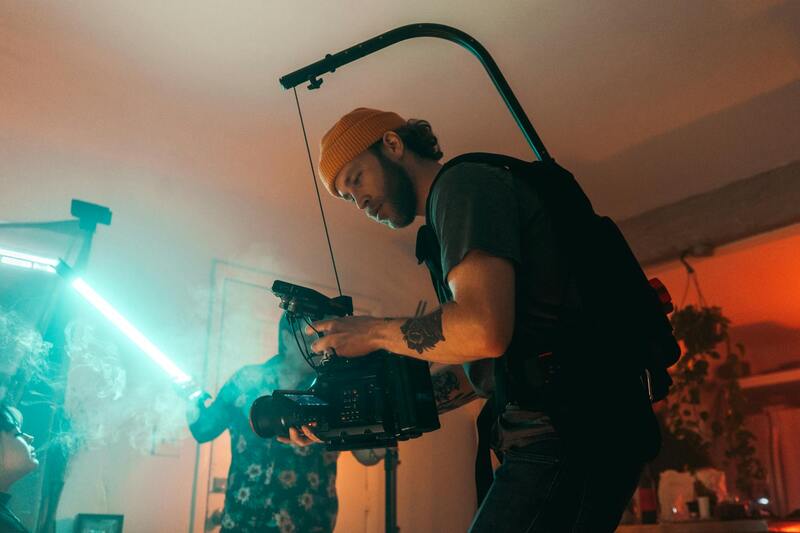
Mastering interior photography involves more than just pointing the camera and clicking. The goal is to produce images that evoke a sense of space, comfort, and desirability, compelling prospective buyers to envision themselves living in the property. To achieve this, photographers should focus on strategic composition, precise lighting, and camera settings tailored to bring out the home's best features.
One of the most effective techniques is the use of wide-angle lenses, which allow capturing more of a room in a single shot. This helps in showcasing the full scope of a space, making it look larger and more inviting. When selecting camera settings, an aperture in the range of f/8 to f/11 ensures sufficient depth of field, keeping both foreground and background details crisp and clear. Maintaining a low ISO minimizes grain to produce cleaner images, particularly in well-lit settings. To prevent blurring caused by camera shake, especially in darker interiors, utilizing a tripod becomes essential for stabilizing the camera during longer exposures.
Proper lighting enhances the atmosphere and highlights architectural features. When natural light is available, maximizing daylight through windows minimizes the need for artificial lighting, which can sometimes distort colors. In darker environments, supplemental lighting such as softboxes or diffusers should be used to avoid harsh shadows and glare. Positioning lights strategically, such as placing them in corners or outside the frame, helps to evenly illuminate the room without creating uneven light spots or overexposed highlights.
Incorporating various vantage points—like shooting from a corner or through an open doorway—adds depth to the image. These perspectives not only create a sense of space but also guide the viewer’s eye towards key features like a fireplace, an artwork, or a scenic window view. Leading lines formed by flooring patterns or furniture arrangements further draw attention to focal points, enhancing the visual storytelling of the space. Including foreground elements such as a stylish rug or decorative accent can add layers to the image, making it more multidimensional and engaging.
For maximum impact, images should be captured in a way that produces a harmonious balance between light, color, and composition. This process often involves multiple takes and adjustments to camera angles and lighting positions, ensuring each shot highlights the property’s strengths. The result is a collection of compelling interior images that appeal to potential buyers and serve as powerful marketing tools across various platforms.
Advanced Techniques for Enhancing Property Visuals
Utilizing Drone Photography for Aerial Perspectives
Integrating drone imagery into real estate photography provides stunning aerial views that showcase a property’s exterior and surrounding environment. Drones capture expansive landscapes, landscaping details, and proximity to amenities, offering potential buyers a comprehensive understanding of the property’s layout and location advantages. High-resolution drone shots can reveal exterior details that ground-level photography might miss, emphasizing features such as large yards, pool areas, or scenic vistas. When executed with professional-grade equipment and adherence to safe flying practices, drone images significantly enhance property listings by creating a more immersive and engaging visual story.
Implementing Virtual Tours and Interactive Media
Beyond static images, virtual tours and 360-degree panoramic videos enable potential buyers to explore the property remotely. These interactive visual tools provide a realistic sense of space, flow, and layout, helping buyers make better-informed decisions. Incorporating high-quality, well-staged, and meticulously edited virtual content offers a significant edge in competitive markets like Miami. They are especially valuable for attracting out-of-town clients or during times when in-person visits are limited. Properly synchronized with professional photography, virtual tours can dramatically increase engagement and generate more inquiries.
Optimizing Visual Content for Multiple Platforms
Effective property photography isn't solely about high-quality images; it also involves tailoring visuals for various online platforms. For MLS listings, social media ads, virtual catalogs, and website galleries, images must be resized and formatted appropriately to ensure fast loading times and optimal display quality. Utilizing compressive optimization techniques without sacrificing image fidelity can significantly improve user engagement. Consistent branding and stylistic coherence across all media boost brand recognition and reinforce the property’s narrative.
Tracking and Analyzing Marketing Performance
Monitoring the impact of visual content through analytics allows real estate professionals to refine their marketing strategies continually. Metrics such as click-through rates, engagement levels, and inquiry conversions help identify which images resonate most with prospective buyers. Incorporating A/B testing with different visual styles or compositions can reveal preferences and inform future photography approaches, resulting in more targeted and effective marketing efforts.
Incorporating these advanced, legitimate methods into property marketing ensures a comprehensive and appealing presentation that resonates with the target audience. When combined with strategic positioning, captivating visuals, and thoughtful platform optimization, high-quality property images can significantly accelerate the sale process and elevate the property's market presence.