
Understanding the Role of a Professional Property Photographer
In the competitive world of real estate, visual presentation plays a pivotal role in attracting potential buyers and tenants. A professional property photographer specializes in capturing images of homes, commercial spaces, and other properties with exceptional clarity and appeal. Their primary goal is to produce high-quality photographs that showcase a property’s best features, thereby enhancing its marketability. This role demands more than just technical camera skills; it involves a keen eye for detail, understanding of lighting, and the ability to highlight a property's unique characteristics.
Using professional photography services significantly influences how a property is perceived online, where most property searches begin. High-caliber images can increase viewer engagement, generate more inquiries, and ultimately lead to faster sales or rentals. Realtors, property managers, and individual owners recognize the importance of compelling visuals to differentiate their listings in a crowded marketplace.
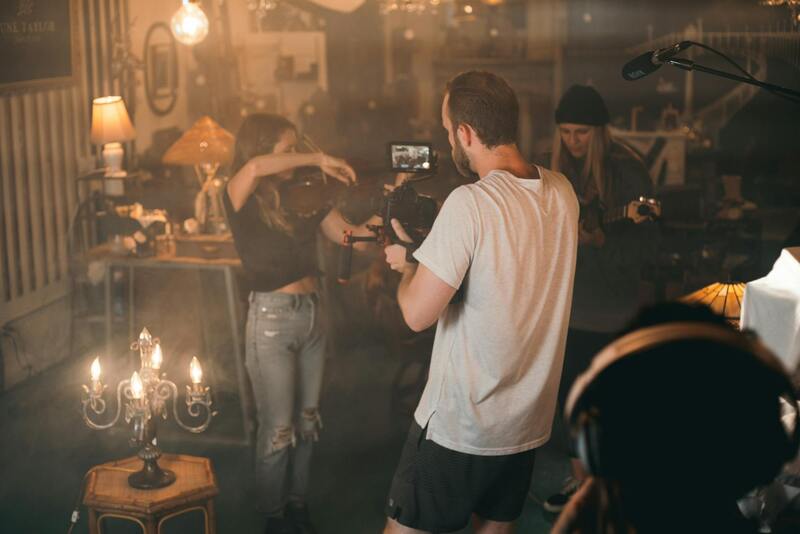
Professional property photographers employ advanced techniques and equipment to capture properties at their best. They consider factors such as natural light, angles, and composition to create inviting images that resonate with viewers. Their expertise extends to understanding the nuances of interior and exterior shots, ensuring each photograph accurately represents the space while highlighting its aesthetic appeal. As virtual tours and online listings become the norm, the importance of this specialized role continues to grow, making it a vital component of successful real estate marketing.
Moreover, their work involves more than just taking pictures. They often collaborate with real estate agents, interior designers, and property owners to plan shoots that align with marketing strategies. Attention to detail, a keen sense of timing for optimal lighting conditions, and the ability to work efficiently within tight schedules are essential qualities in a professional property photographer. Overall, their contributions significantly influence how a property is perceived in the digital landscape, impacting potential buyers’ first impressions and decisions.
Key Skills and Equipment Required for Property Photography
Mastering the craft of professional property photography demands a combination of technical expertise and the use of specialized equipment. Photographers focused on real estate must possess a thorough understanding of camera settings, lighting techniques, and image composition to produce compelling visual content that accurately showcases a property’s best features.
One of the foundational skills is proficiency with various camera types, predominantly DSLR or mirrorless cameras capable of capturing high-resolution images. These cameras allow for greater control over exposure, depth of field, and focus, which are critical for highlighting both expansive interiors and intricate architectural details. Essential technical knowledge includes understanding aperture settings for depth control, ISO adjustments to handle lighting conditions, and shutter speed to avoid motion blur in images with moving elements or low light scenarios.
In addition to camera gear, an array of accessories enhances the quality and efficiency of property shoots. Wide-angle lenses are indispensable due to their ability to capture more of a space within a single frame, creating a sense of openness that appeals to viewers. Tripods stabilize shots, especially in low-light conditions or when capturing high-dynamic-range images. Drones are increasingly used to obtain aerial views of properties, providing potential buyers with a comprehensive perspective of the estate and its surroundings.
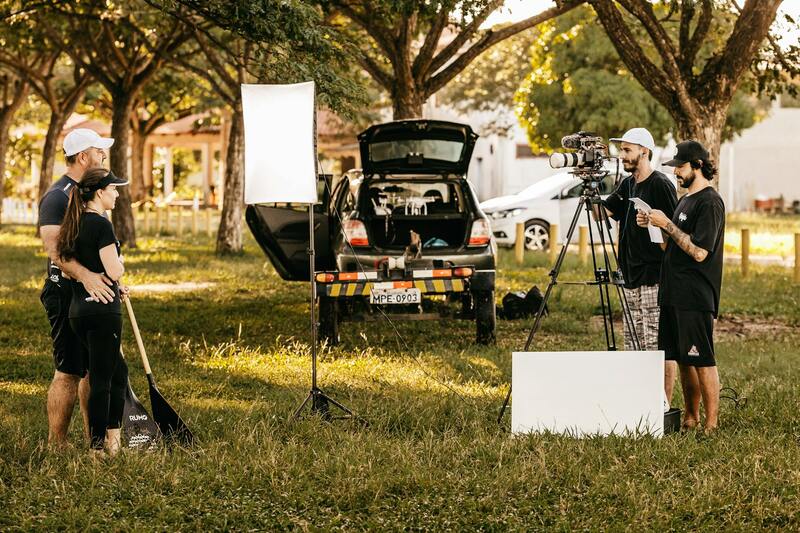
Lighting equipment also plays a critical role. Natural light is often the most flattering, but professional photographers frequently supplement it with portable lighting solutions such as strobes, softboxes, and reflectors. These tools help balance interior lighting, reduce shadows, and enhance color accuracy. Skillful manipulation of natural and artificial lighting ensures images are vibrant and inviting while maintaining true-to-life representations of the spaces.
Post-processing skills are equally important, allowing for refinements that elevate the visual appeal of property images. Photographers should be adept in editing software like Adobe Lightroom or Photoshop to correct exposures, straighten lines, and remove minor imperfections. A professional approach to editing preserves the integrity of the property while ensuring images are polished and ready for use in marketing materials.
Strong communication and planning skills further bolster a property photographer’s effectiveness. It’s essential to understand client needs, coordinate scheduling, and adapt to varying property conditions. By combining technical mastery with strategic planning and high-quality equipment, a professional property photographer can consistently deliver images that attract attention, evoke emotion, and drive engagement across all digital property listings.
Techniques for Capturing High-Quality Property Images
Achieving exceptional property images requires a combination of optimal camera settings, strategic composition, and environment control. Professional property photographers employ specific techniques to ensure each shot highlights the property’s best features while presenting it in a compelling manner. One fundamental approach is the use of vertical and horizontal lines to maintain perspective and avoid distortion, which is particularly important in interior photography where accurate space representation influences buyer perception.
Bracketing exposures is another critical technique, especially in situations with challenging lighting conditions. By capturing multiple images at different exposure levels, the photographer can merge these into high dynamic range (HDR) images, revealing both shadow and highlight details that might be lost in a single shot. This method ensures interior spaces look balanced and inviting, regardless of window lighting or artificial sources.
In terms of composition, the rule of thirds remains a staple, guiding the placement of key features within the frame to create a balanced image that naturally attracts the viewer's eye. Including elements such as furniture setups, architectural details, or outdoor landscaping can provide context and scale, making the property more relatable and appealing to potential buyers.
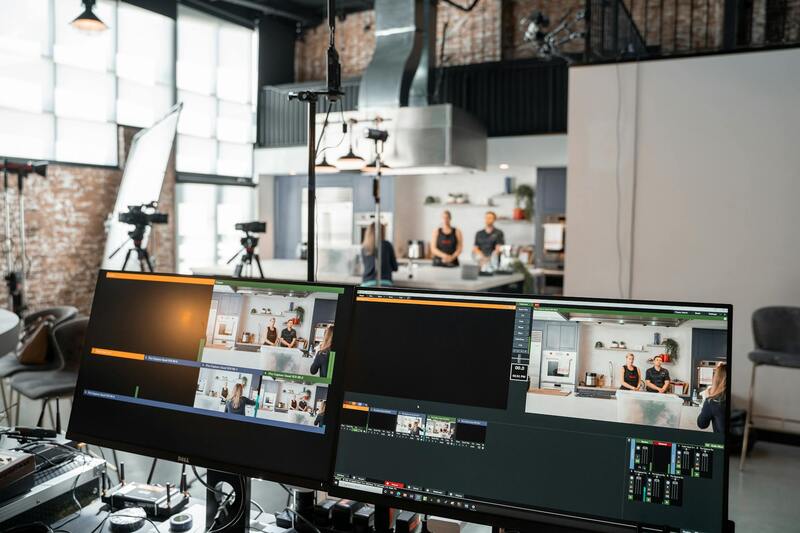
Lighting continues to be a pivotal factor. Utilizing a combination of natural light and supplemental lighting, such as portable strobes or LED panels, can help achieve a consistent, inviting ambiance. Timing shots during the day when natural light is abundant or during specific hours such as golden hour can dramatically enhance image quality. Reflectors and diffusers further improve lighting conditions, minimizing shadows and ensuring color fidelity.
Altitude and angle selection also influence the perception of space. Low angles can make rooms appear larger, while high vantage points provide comprehensive views of outdoor areas and property layouts. Drone photography adds another dimension, capturing expansive aerial perspectives that showcase property size, landscape features, and neighborhood context—elements that resonate strongly with prospective buyers.
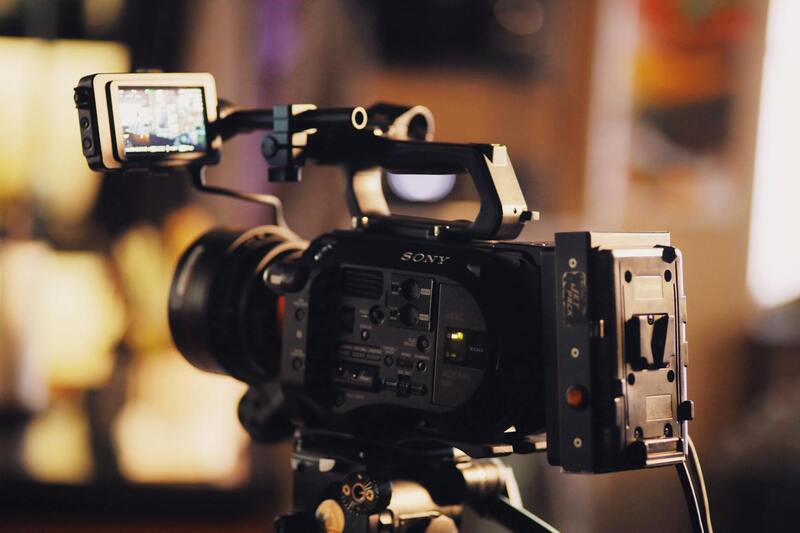
Finally, consistency in shooting practices ensures the collection of cohesive images that reflect the property accurately. Skilled property photographers meticulously plan each session, adjusting settings for each room, and carefully review images on-site to confirm they meet visual standards before concluding the shoot. This diligent process guarantees a body of work ready for marketing use that entices viewers and fuels property interest.
Understanding the Role of a Professional Property Photographer
A professional property photographer specializes in capturing real estate environments with precision and artistry. Their primary goal is to produce high-quality images that highlight a property's best features, enticing potential buyers or tenants. This role demands more than just basic photography skills; it requires a deep understanding of how to depict space, light, and ambiance effectively. A skilled property photographer collaborates closely with real estate agents, property managers, and homeowners to understand the key selling points of each property, ensuring these elements are emphasized visually. They consider the property's unique characteristics and target audience, tailoring their approach to create images that resonate and generate interest.
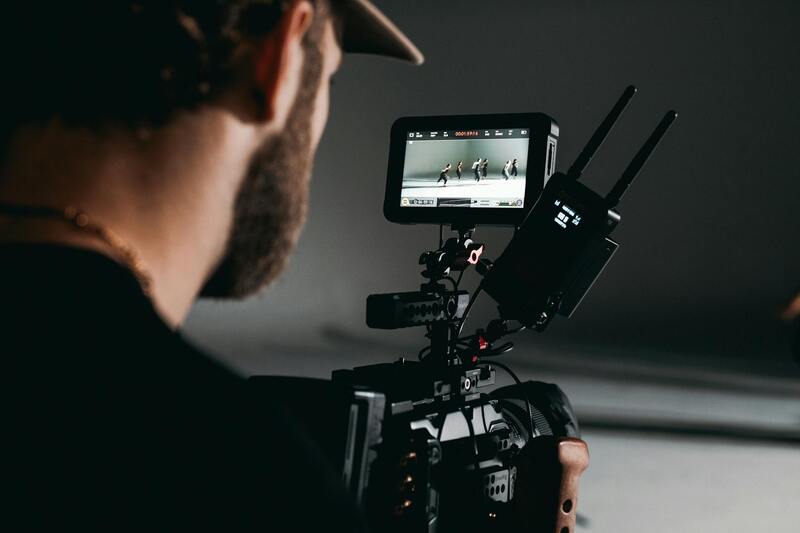
Furthermore, a professional property photographer employs a variety of advanced techniques, such as strategic composition, optimal lighting, and camera settings, to depict spaces in the most appealing manner. They understand how to use natural light, supplemental lighting, and camera angles to create images that evoke a sense of welcoming comfort. Their work extends beyond simple snapshots; it’s about telling a visual story that connects emotionally with viewers and encourages them to envision themselves in the space.
Key Skills and Equipment Required for Property Photography
To excel as a professional property photographer, a combination of technical expertise and specialized equipment is essential. Mastery of camera settings—including aperture, shutter speed, ISO, and white balance—is crucial to capturing clear, vibrant images in varying lighting conditions. Use of wide-angle lenses is common, as they allow for broader perspectives that make rooms appear larger and more spacious. Tripods help stabilize shots, especially in low-light environments, ensuring sharpness and consistency across images.
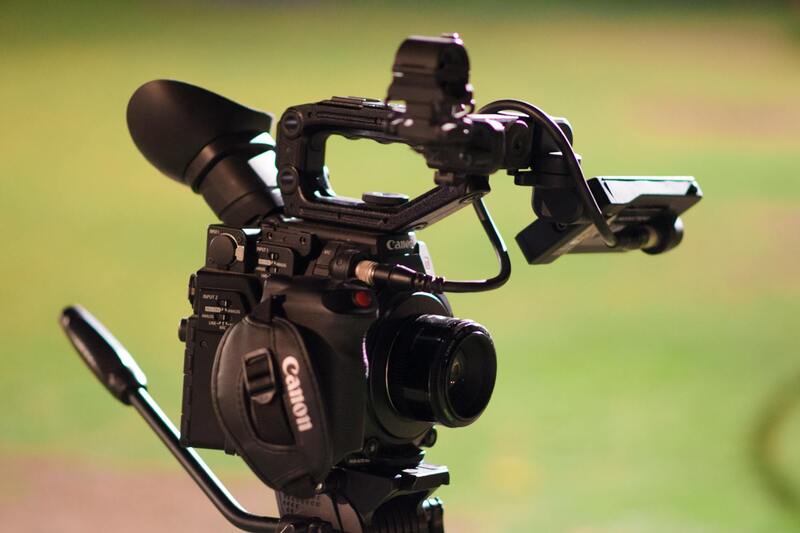
In addition to standard photography gear, a professional property photographer often invests in supplementary equipment such as drone cameras for aerial shots, portable lighting kits for interior illumination, and image stabilization devices. Post-processing software like Adobe Lightroom or Photoshop is instrumental in refining photos, adjusting exposure, correcting color balance, and removing imperfections. Such meticulous editing ensures that the final images stand out, accurately representing the property's essence while maintaining a natural appearance.
Preparing Properties for Photography Sessions
Preparation plays a pivotal role in achieving captivating real estate images. Property owners and agents should focus on decluttering and cleaning each space to ensure a tidy and inviting atmosphere. Strategic staging enhances the property's appeal by arranging furniture and decor to highlight the functionality and flow of rooms. Neutral color schemes and minimalistic decorations help potential buyers visualize their own belongings within the space.
Before the photographer arrives, it is beneficial to open curtains to maximize natural light, turn on all interior lighting, and adjust window blinds to prevent glare or shadows. Weather considerations should also be taken into account; bright, clear days typically yield the best exterior photographs. During the session, it is vital that the property remains tidy, with personal items discreetly stored away, and doors, windows, and appliances in place to depict an accurate yet appealing view of the space.
Artificial Lighting Techniques
- Utilize portable strobes or LED panels to supplement natural light, especially in darker interior areas.
- Diffusers and reflectors help distribute light evenly, reducing harsh shadows and bright spots.
- Adjust interior lighting before shooting to create consistent ambiance and tone across images.
Overall, careful preparation ensures that each shot is well-composed, well-lit, and ready for post-processing, ultimately enhancing the property's visual impact for marketing efforts.
Legal and Ethical Considerations in Property Photography
Engaging in professional property photography requires adherence to established standards that uphold integrity and respect for all parties involved. Ensuring that images accurately represent the property involves avoiding manipulations that could mislead potential buyers or tenants. Photographers should accurately depict the property's conditions, avoiding overly edited images that could inflate or misrepresent its attributes. This practice fosters trust and credibility within the real estate market.
Respecting privacy rights is a fundamental aspect of ethical real estate photography. Photographers must obtain permission before capturing images that include private areas or personal belongings, particularly in inhabited properties. A clear brief with the property owner or agent assists in understanding which aspects of the property are suitable for photography and which should be avoided to maintain confidentiality.
Compliance with intellectual property rights involves using only authorized equipment, software, and techniques within the boundaries of applicable laws. Copying or reproducing images, designs, or branding without permission constitutes a breach of these rights and can compromise the photographer’s professional standing. This respect for intellectual property also extends to refraining from incorporating proprietary branding or artwork into property images without the necessary approvals.
Maintaining transparency with clients about editing processes and image usage reinforces trust. Clear communication regarding the scope of work and how images will be utilized, whether in print or digital marketing, is crucial for a successful professional relationship. Moreover, photographers should uphold confidentiality agreements if dealing with sensitive or classified property details, ensuring that all content shared aligns with contractual and ethical boundaries.
By consistently applying these principles, property photographers contribute positively to the real estate industry. Their commitment to accuracy, respect, and transparency not only protects their professional reputation but also enhances the overall experience for clients and prospective buyers.
Legal and Ethical Considerations in Property Photography
For professional property photographers, adhering to established legal and ethical standards is paramount in maintaining a reputable career. This involves understanding the boundaries of intellectual property rights, ensuring proper authorization for all images captured, and respecting the privacy of clients and property owners. Photographers must also be aware of privacy laws that govern the use of images, especially when capturing interiors or sensitive areas within properties.
One critical aspect is obtaining explicit consent from property owners before conducting a shoot, and clearly defining how the images will be utilized. This often involves signing contracts that specify rights to the photos, distribution channels, and any use limitations. Such agreements help prevent misunderstandings and protect both parties involved.
In addition, professionals should always respect proprietary restrictions related to branding, artwork, or distinctive design features present within the property. Using images for promotional purposes without permission can lead to legal complications, so it is vital to verify rights beforehand. When editing images, photographers must avoid altering or enhancing features in a way that distorts the property's true appearance, maintaining transparency with clients regarding post-processing adjustments.
Respect for confidentiality is another critical component. Some properties or clients may require nondisclosure of specific details or areas. Photographers need to implement secure storage and handling procedures to prevent unauthorized sharing of sensitive content. Ethical practice also extends to honest communication about the capabilities, limitations, and scope of the photographic services being offered, fostering trust and long-term professional relationships.
By consistently upholding these legal and ethical standards, property photographers not only safeguard their practice but also contribute to a trustworthy and professional real estate market. This approach ensures that every image delivered meets high standards of authenticity and respect, reinforcing the reputation of both the photographer and the client within the industry.
Using Official and Authorized Methods for Property Photography in Miami
In the competitive landscape of Miami's real estate market, leveraging officially sanctioned methods is essential for establishing a reputable property photography practice. Employing authorized techniques ensures that images are captured within the boundaries of building access rights and property boundaries, fostering trust with clients and property owners alike. Professional property photographers should always work in coordination with property managers, real estate agents, or property owners to schedule sessions at appropriate times, respecting property security protocols and privacy considerations. This collaboration helps prevent misunderstandings about access restrictions or usage limitations, which could otherwise jeopardize the integrity of the project.
Furthermore, utilizing officially approved equipment, such as professional-grade cameras and lighting that comply with industry standards, guarantees high-quality results while adhering to safety regulations. Photographers should also obtain all necessary permissions before entering private properties, particularly in secure or sensitive environments. This includes securing written consent when required, especially if the images will be used for commercial purposes or promotional campaigns. Acquiring such authorizations not only protects the photographer from potential disputes but also aligns with best practices for responsible property documentation.
Maintaining a schedule that accommodates property owners' availability and ensures no disruption to residents or operations is also vital. Official channels for booking and authorization streamline the process, making sure that all legal and procedural requirements are met before shooting begins. These include verifying access rights, confirming safety protocols, and respecting restricted areas, which might not be visible or accessible to unauthorized personnel. Adhering to these procedures preserves professional credibility and ensures the photographed property is represented accurately and ethically.
In addition, when delivering images or marketing materials, photographers should abide by contract stipulations, including image usage agreements and licensing rights. This adherence prevents unauthorized distribution or alteration of the property visuals and maintains compliance with contractual commitments. By strictly following authorized methods for planning, execution, and delivery, professional property photographers reinforce their reputation as credible and trustworthy service providers within Miami's vibrant real estate ecosystem.
Overall, employing official and legitimate methods in property photography is fundamental. It fosters effective collaboration, ensures legal compliance, and upholds the integrity of the visuals produced—contributing to long-term success and a positive industry reputation for Miami-based property photographers.
Legal and Ethical Considerations in Property Photography
Adhering to official methods in property photography is crucial for sustaining professionalism and building trust within the Miami real estate market. Methodical approval processes, such as securing proper access permits and authorization from property owners, are essential steps before capturing images. These procedures prevent misunderstandings and ensure all parties are informed and in agreement regarding the scope of the shoot. By following these established channels, photographers demonstrate respect for property rights, safety protocols, and privacy considerations, fostering positive relationships with clients and stakeholders.
Furthermore, transparent communication regarding image usage rights and licensing agreements is vital. Clearly outlining how images can be utilized—be it for online listings, print advertising, or promotional materials—helps avoid disputes and unauthorized use. Photographers should maintain comprehensive documentation of these agreements to serve as proof of consent and to facilitate smooth transactions. This practice not only protects the photographer’s work but also reassures clients that their property visuals will be handled professionally and ethically.
Respect for restricted areas and sensitive features within properties is another key aspect of ethical photography. Photographers must adhere to exclusive access boundaries and safety guidelines to avoid trespassing or causing disruptions. This respect upholds the property's integrity and ensures that the photographer maintains a reputable standing in the industry. Any necessary adjustments, such as scheduling during less busy times or obtaining additional permissions, should be pursued diligently to ensure compliance with property management policies.
In addition, photographers are responsible for delivering images that accurately represent the property's features. Manipulating images in a way that misleads potential buyers or investors compromises trust and can damage professional credibility. Authentic portrayal, combined with ethical post-processing, reinforces transparency and fosters long-term relationships within the industry.
Finally, compliance with Miami's regulatory frameworks and industry standards underscores a photographer’s commitment to professionalism. Regularly staying updated on local policies, safety requirements, and contractual obligations ensures that all photography activities align with official guidelines. These measures not only protect the interests of all stakeholders involved but also enhance the photographer’s reputation as a trustworthy provider of high-quality property visuals.