
Understanding the Importance of Professional Real Estate Photography
In the competitive world of real estate, high-quality photography serves as a powerful tool to attract potential buyers and tenants. Professional real estate photography not only enhances the visual appeal of a property but also significantly accelerates the selling or renting process. Superior imagery provides a clear representation of the property's best features, enabling viewers to envision themselves in the space without physically visiting it. This virtual experience increases engagement and encourages inquiries, making listings stand out among numerous competitors.
Investing in professional real estate photography ensures that each property listing is showcased in the most appealing way possible. High-resolution images captured with skillful composition and proper lighting highlight the property's unique characteristics and spatial layout. This level of quality can influence a viewer’s perception, instilling confidence that the property is well-maintained and valuable. Moreover, impressive visuals are essential for digital marketing strategies, including online listings, social media promotion, and email campaigns, which are integral components of modern real estate sales.
The impact of professional photography extends to various marketing channels, where well-composed images foster higher engagement rates and increased interest from serious buyers. As the real estate market continues to evolve with digital advancements, the importance of compelling, accurate, and visually appealing images cannot be overstated. They serve as the first impression and a testament to the professionalism of the agent or agency representing the property. Consequently, property owners and real estate professionals recognize that investing in expert photography is not merely aesthetic but a strategic move to maximize exposure and achieve quicker sales or rentals.
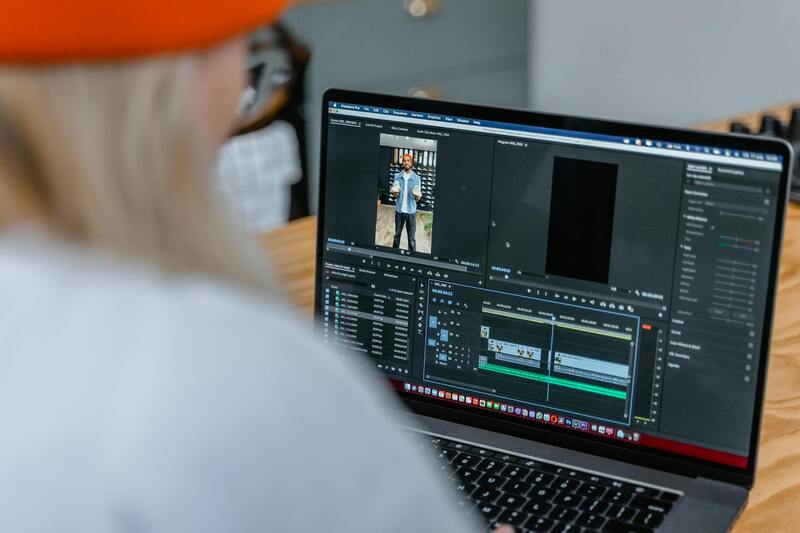
Furthermore, professional photography enables real estate agents to create compelling virtual tours and 3D walkthroughs, providing an immersive experience that bridges the gap between online browsing and in-person visits. This technological integration, made possible through top-tier images, enhances the property's appeal and broadens the reach to a wider audience. In highly competitive markets like Miami, where properties often garner international interest, the importance of visually striking, professional images becomes even more pronounced. They are vital in establishing credibility, demonstrating attentiveness to detail, and positioning a property as a desirable investment.
Overall, the strategic use of professionally captured real estate images is an essential element for effective marketing. Whether targeting local buyers or international investors, quality visuals are the cornerstone of a successful listing and an indispensable asset for real estate professionals aiming to deliver value and professionalism in their service offerings.
Choosing the Right Equipment and Technology
Utilizing the most suitable equipment and advanced technology is fundamental to capturing high-quality real estate images that resonate with potential buyers. Professional real estate photographers invest in high-resolution digital cameras capable of capturing intricate details and producing crisp, vibrant images that accurately portray property features. Full-frame sensors are preferred for their superior light-gathering abilities and image quality, especially in challenging lighting conditions.
To complement high-end cameras, top-tier lenses such as wide-angle lenses are essential. They allow photographers to showcase entire rooms and expansive spaces without distortion, providing viewers with a comprehensive understanding of the property's layout. Drone technology has also become increasingly significant, enabling the capture of stunning aerial shots that highlight property size, surrounding landscapes, and neighborhood appeal—elements that are particularly compelling in distinctive markets like Miami.
Stabilization equipment like gimbals ensures sharp images during both still photography and videography, especially when capturing dynamic shots or interior sequences. Lighting equipment, including portable flashes, reflectors, and diffusers, is essential for illuminating interiors evenly and reducing shadows. The use of high-dynamic-range (HDR) imaging techniques allows photographers to balance exposures between bright windows and shadowed areas, producing images that mirror real-life lighting conditions and enhance visual appeal.
Advances in 3D imaging and virtual tour software permit the creation of immersive online property experiences. These technologies depend heavily on precise equipment and software integration, enabling real estate professionals to offer virtual walkthroughs that captivate remote buyers and reduce unnecessary physical visits.
Best Practices for Shooting Real Estate Properties
Strategic planning begins with a detailed walkthrough to identify the best angles and lighting conditions for each room. Shooting during the optimal time of day, usually when natural light is abundant and even, ensures interiors are bright without harsh shadows. Prior to shooting, decluttering and staging are crucial; removing personal items and excess furniture helps create a clean, spacious appearance loved by buyers.
Orientation and composition should focus on emphasizing unique features of the property, such as architectural details or outdoor living spaces. Horizontal framing, maintaining level horizons, and utilizing vertical lines to lead the viewer’s eye contribute to engaging images. Multiple shots from different angles provide comprehensive perspectives, painting a full picture of each room’s scale and atmosphere.
Consistent photograph style and color balance across listings help reinforce branding and professionalism. Shooting with high-resolution settings ensures that images maintain clarity and detail, even when cropped or enlarged for marketing purposes. Final checks involve reviewing images for exposure, sharpness, and color accuracy, making necessary adjustments during post-production.
Editing and Post-Production Techniques
Post-production processes elevate raw images to their full marketing potential. Skilled editing involves correcting color imbalances, enhancing brightness and contrast, and sharpening details to make images pop. Subtle adjustments to perspective and distortion corrections can ensure that architectural lines remain true and visually appealing.
HDR blending creates images with balanced exposure, capturing both interior brightness and exterior views through windows without losing detail. Removing minor distractions or imperfections, such as dust or reflections, improves visual clarity without altering the authenticity of the property.
Consistent editing standards across multiple images maintain a cohesive visual narrative. When executed professionally, these techniques produce polished photos that accurately reflect the property’s features, enticing prospective buyers with vivid, appealing visuals.
Details of Equipment and Technology Utilized by Professionals
Professional real estate photographers rely on high-quality camera gear and advanced technology to produce compelling property images. A full-frame digital single-lens reflex (DSLR) or mirrorless camera is often preferred due to its superior image sensor size, which ensures clarity and detail in every shot. These cameras support high-resolution settings, allowing photographers to capture expansive views and intricate architectural features with precision.
Choosing the appropriate lenses is crucial. Wide-angle lenses, typically ranging from 10mm to 24mm, enable capturing entire rooms or expansive outdoor spaces in a single frame, which is vital for conveying space and layout effectively. Tilt-shift lenses are also popular for correcting perspective distortions, maintaining true vertical and horizontal lines, especially in images of tall buildings and interior spaces.
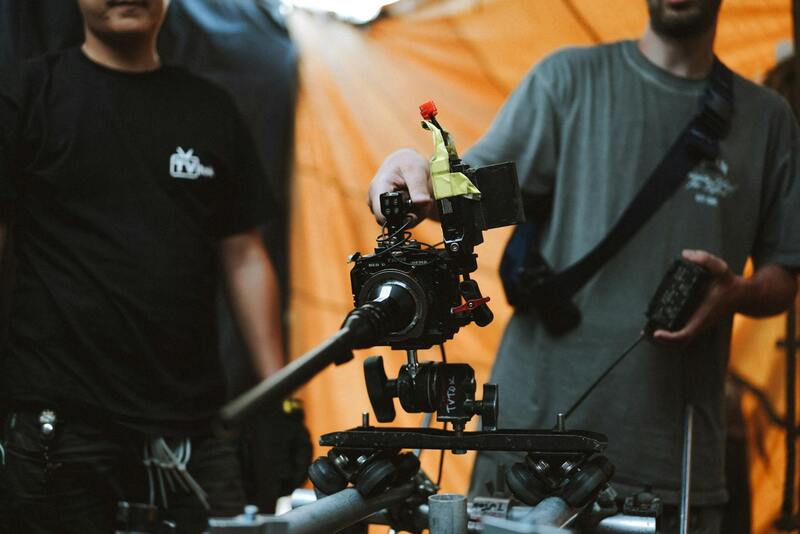
In addition to cameras and lenses, advanced lighting equipment, like portable LED panels and flash units, help illuminate interiors evenly, eliminating shadows and highlighting key features. Drones equipped with high-resolution cameras are increasingly employed for capturing aerial views, showcasing property surroundings and landscape features that ground-level shots cannot fully convey.
Post-production software such as Adobe Lightroom and Photoshop plays a vital role in refining images. These tools allow for meticulous adjustments in exposure, color grading, perspective correction, and minor retouching, ensuring each photo aligns with visual branding standards. High Dynamic Range (HDR) imaging techniques, often performed during editing, combine multiple exposures to produce well-balanced images that highlight interior and exterior details without sacrificing clarity.
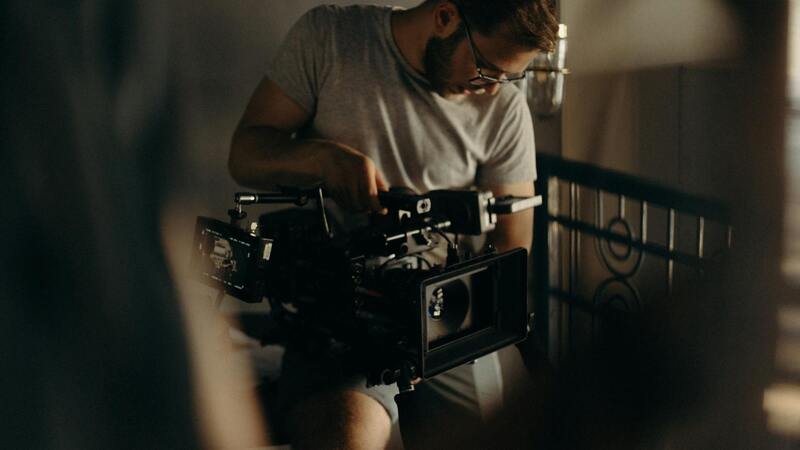
Employing cutting-edge technology and equipment ensures that real estate photos are of the highest caliber, effectively attracting prospective buyers and facilitating faster sales. The combination of the right hardware, software, and shooting techniques constitutes the backbone of a professional approach to property photography.
Professional Real Estate Photography Equipment and Techniques
Achieving high-quality real estate images that resonate with prospective buyers requires a well-curated selection of equipment paired with proven shooting techniques. Using professional-grade cameras with full-frame sensors ensures superior image resolution and dynamic range, capturing every detail of a property with clarity and depth. Pairing these cameras with wide-angle lenses—often ranging from 14mm to 24mm—facilitates expansive shots that make rooms appear larger and more inviting.
Lighting equipment plays a crucial role in balancing interior illumination. Portable LED panels with adjustable color temperature allow photographers to control ambient light and eliminate shadows, ensuring spaces are evenly lit. External flash units or strobe lighting can be strategically positioned to accentuate key features like architectural details or appliances, creating a balanced exposure that mimics natural daylight.
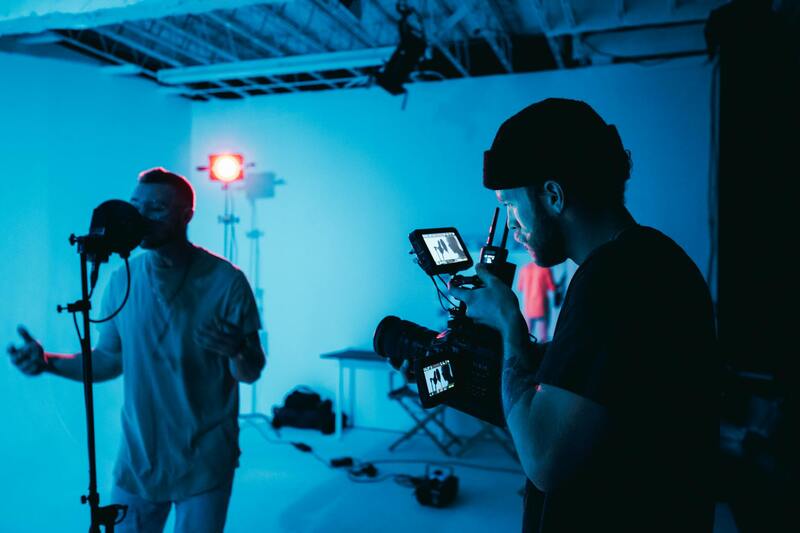
Drones equipped with high-resolution cameras are increasingly influential in real estate imaging, offering stunning aerial perspectives that showcase property size, landscape features, and neighborhood context. Such tools are especially effective for large estates, farms, or properties with unique outdoor amenities. Proper drone operation, in tandem with high-quality cameras, results in captivating images that elevate listing presentations.
Post-production editing enhances raw images, with software like Adobe Lightroom and Photoshop enabling precise adjustments. These tools facilitate exposure correction, color grading, perspective correction, and retouching, aligning final images with visual branding standards. HDR imaging techniques are vital in balancing interior and exterior exposures, producing images that reveal intricate details without overexposure or underexposure. Combining multiple exposures ensures clarity in shadowed areas and highlights.
Employing these technological methods and tools guarantees that each property is presented in its best light, attracting more interest and accelerating the sales process. A professional approach to equipment selection and technical execution establishes a visual standard that distinguishes listings in competitive markets.
Utilizing Advanced Techniques for Post-Processing and Enhancing Real Estate Images
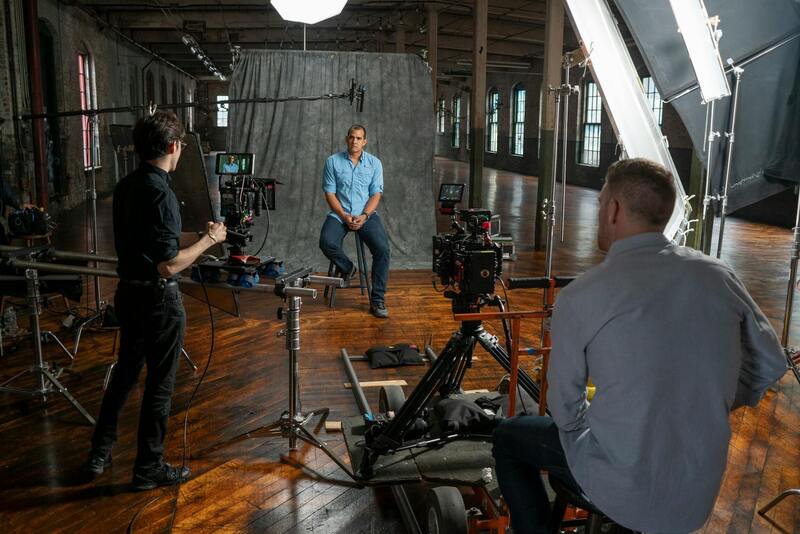
Post-production editing plays a crucial role in transforming raw real estate images into visually compelling listing assets that draw potential buyers' attention. Skilled editing ensures that each photograph accurately represents the property’s features, ambiance, and space, effectively bridging the gap between what is captured and what is presented.
One essential technique is exposure adjustment, which corrects lighting inconsistencies, ensuring that interior and exterior details are clearly visible without overexposing bright areas or losing shadow detail. Color correction further enhances the vibrancy and realism of images, making spaces feel warm, inviting, and true to life. By fine-tuning white balance and saturation, editors can eliminate color casts and ensure that hues reflect natural tones, thereby creating an authentic impression of the property.
Perspective correction is vital when architectural lines appear skewed due to camera angles. Software like Adobe Photoshop or Lightroom allows for precise adjustments that straighten verticals and horizontals, preserving the integrity of the property's architecture. This not only improves visual accuracy but also increases viewer confidence in the listing.
High Dynamic Range (HDR) imaging has become a best practice for real estate photography. By combining multiple exposures, HDR techniques balance interior and exterior lighting, revealing detail in shadowed areas while preventing overexposure of bright regions like windows or skylights. The outcome is a harmonious, well-exposed image that presents the entire scene with clarity and depth.
Retouching should be approached with moderation, removing minor distractions such as clutter or imperfections that might detract from the property's appeal. However, authenticity must be maintained; over-editing risks creating unrealistic images that can mislead viewers and diminish trust. Striking a balance ensures images are both attractive and truthful representations of the property.
Another critical aspect is the application of noise reduction techniques, which smooth out graininess in low-light images without sacrificing detail. This step results in cleaner images that look professional and inviting. For properties with complex lighting situations, blurred or inconsistent lighting can be corrected during editing to produce uniform brightness across the entire scene.
Finally, incorporating branding elements such as subtle watermarks or consistent color grading enhances the overall professionalism of the images. This not only reinforces brand recognition but also ensures that listings remain visually cohesive across various marketing channels.
Leveraging Scheduled and Consistent Photography to Maximize Listing Exposure
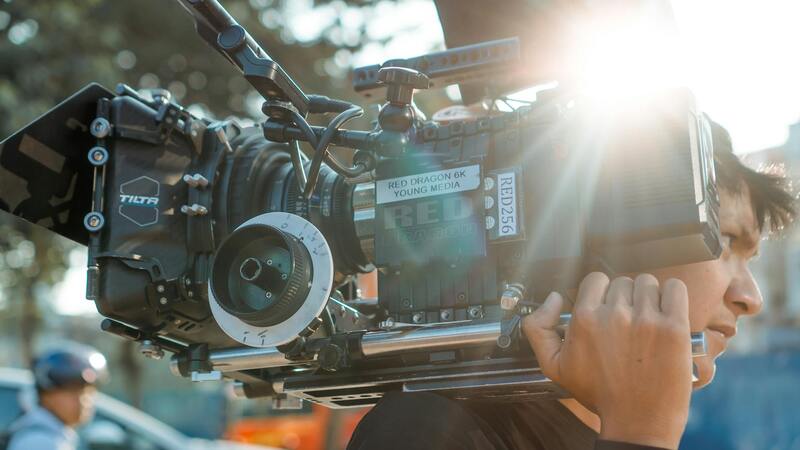
Establishing a disciplined approach to property photography can significantly enhance a real estate agent’s marketing effectiveness. Scheduling regular photoshoots, especially for new listings or when properties undergo improvements, ensures a steady stream of fresh visual content that maintains viewer interest. Consistency in quality and style across multiple listings not only builds a recognizable brand identity but also attracts a dedicated audience of prospective buyers who appreciate professional presentation.
Timing is crucial in real estate photography. Capturing images during optimal lighting conditions—preferably early morning or late afternoon—affords a warm, inviting ambiance that appeals to viewers. This strategic scheduling also minimizes the presence of shadows or harsh sunlight, which can obscure details or create unflattering images. Maintaining a consistent schedule for photoshoots helps in creating a balanced marketing calendar, allowing agents to plan promotional campaigns around high-quality visuals.
Furthermore, integrating drone photography and videography at specific intervals can provide a comprehensive view of the property, highlighting its unique features and surrounding amenities. These additions, when used judiciously and consistently, bolster listing visibility on digital platforms and set properties apart in a competitive market.
Enforcing a systematic approach to real estate photography ensures that each listing is represented accurately and attractively, translating into increased engagement and faster transaction times.

Local Trends and Regulations in Miami Property Photography
Miami's vibrant real estate landscape is characterized by diverse architectural styles ranging from sleek modern high-rises to colorful Art Deco buildings and luxurious waterfront estates. Capturing these unique structures requires an understanding of local aesthetic trends and cultural nuances to showcase properties authentically and attractively. Photographers should emphasize the distinctive features of Miami architecture, such as vibrant color palettes, intricate facades, and scenic waterfront views, to create compelling visuals that resonate with prospective buyers.
Additionally, awareness of local regulations and industry standards is essential when conducting real estate photography in Miami. This includes obtaining necessary permissions for drone usage over private and public spaces, adhering to safety protocols when shooting in shared community areas, and respecting property owners' rights. Staying updated with Miami-Dade County’s specific guidelines for commercial and residential property photography ensures compliance and smooth workflow execution.
Integrating Photography into a Real Estate Marketing Strategy
Effective integration of professional real estate photography into a broader marketing plan enhances visibility across multiple channels. High-quality images should serve as the foundation for digital listings, social media campaigns, email marketing, and virtual tours. When utilized strategically, these visuals increase engagement rates, attract targeted audiences, and expedite the sales process.
To maximize impact, real estate professionals must coordinate photography schedules with marketing timelines. Consistent, scheduled image updates reflect the property’s evolving appeal and stimulate ongoing interest. Incorporating photography into open house promotions, online advertisements, and branded content ensures a cohesive visual identity that reinforces the property’s appeal and credibility.
Furthermore, using advanced technology such as virtual staging, 3D walkthroughs, and high dynamic range (HDR) imaging as part of the marketing toolkit can elevate listings beyond traditional photos. These approaches allow potential buyers to visualize space more effectively, fostering emotional connections that often translate into quicker sales.
Utilizing Professional Techniques for Miami Property Photography
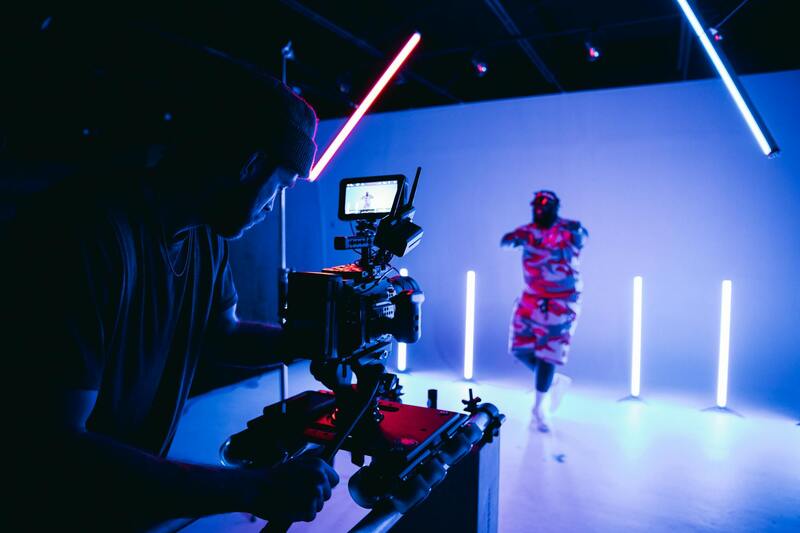
Effective real estate photography extends beyond capturing the property's visual appeal; it requires strategic application of professional methods that resonate with the target market. In Miami's competitive real estate scene, employing specialized techniques tailored to local architecture and lifestyle nuances can substantially enhance property presentation.
Employing High Dynamic Range (HDR) Imaging
HDR photography is crucial for showcasing properties with challenging lighting conditions often found in Miami homes, such as interiors with large windows or outdoor scenes featuring bright sunlight. By capturing multiple exposures and blending them seamlessly, professional photographers create images that faithfully represent both interior details and exterior views, delivering a balanced, visually appealing result.
Incorporating Drone Photography for Aerial Views
Aerial imagery provides unique perspectives that highlight a property's size, landscaping, pool areas, and proximity to notable Miami landmarks. Skilled drone photographers utilize stabilization technology and adhere to local flight regulations to produce crisp, captivating shots that can distinguish listings in a crowded market. Such visuals help potential buyers appreciate the property's context within its neighborhood and natural surroundings.
Strategic Use of Wide-Angle and Tilt-Shift Lenses
Wide-angle lenses are essential for capturing expansive interiors and open floor plans, making spaces appear larger and more inviting. Tilt-shift lenses further enable precise control over perspective distortion, ensuring that vertical lines—such as walls and doorframes—remain straight. This precision enhances realism and viewer trust, presenting properties in an accurate, flattering manner.
Implementing Proper Lighting Design
Optimal lighting significantly influences the quality of real estate photos. Professional photographers often utilize supplemental lighting equipment to brighten interiors, especially in rooms with limited natural light or complex shadow patterns. The goal is to create inviting, well-lit scenes that highlight a property's best features while maintaining a natural appearance.
Consistent Composition and Framing
Maintaining a consistent compositional style across all images reinforces a cohesive visual story, making the property more attractive and easier to market across different channels. Photographers carefully consider angles, focal points, and line alignment to produce balanced images that draw the viewer's eye and emphasize key selling points.
Adapting to Miami's Unique Market Demands
Miami’s vibrant lifestyle, diverse architectural styles, and outdoor appeal call for photography approaches that highlight these elements. Utilizing techniques such as sunset shots, twilight photography, and capturing outdoor living spaces at their best times of day creates aspirational images that resonate with prospective buyers.
Employing these professional methods ensures real estate visuals stand out in Miami's bustling market, effectively attracting the right audience and stimulating quicker engagement with property listings.